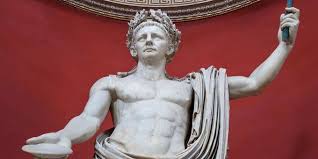
Claudius II Ascends Roman Throne
Claudius II Gothicus became Roman Emperor following the death of his predecessor. His accession marked a shift during a turbulent period of frequent leadership changes...
Explore event →History does not happen in isolation. Explore world events across time, follow the connections between them, and investigate the threads that reveal how one event can lead to another.
TheTimeMap currently follows events across 95 countries and 268 years of history — building a connected archive designed for people who want to look beyond the headline.
We oppose antisemitism, racism, and dehumanization — everywhere.
When people stop feeling, injustice becomes easy.
Claudius II Gothicus became Roman Emperor following the death of his predecessor. His accession marked a shift during a turbulent period of frequent leadership changes...
Explore event →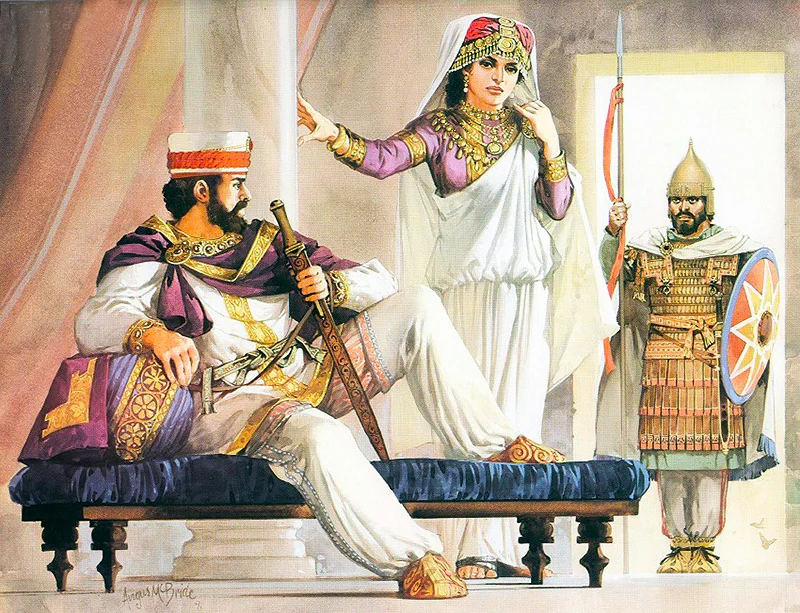
Odaenathus rose to power in Palmyra amid the crisis of the Roman Empire in the mid-3rd century. Following the capture of the Roman Emperor Valerian by the Persians, Pa...
Explore event →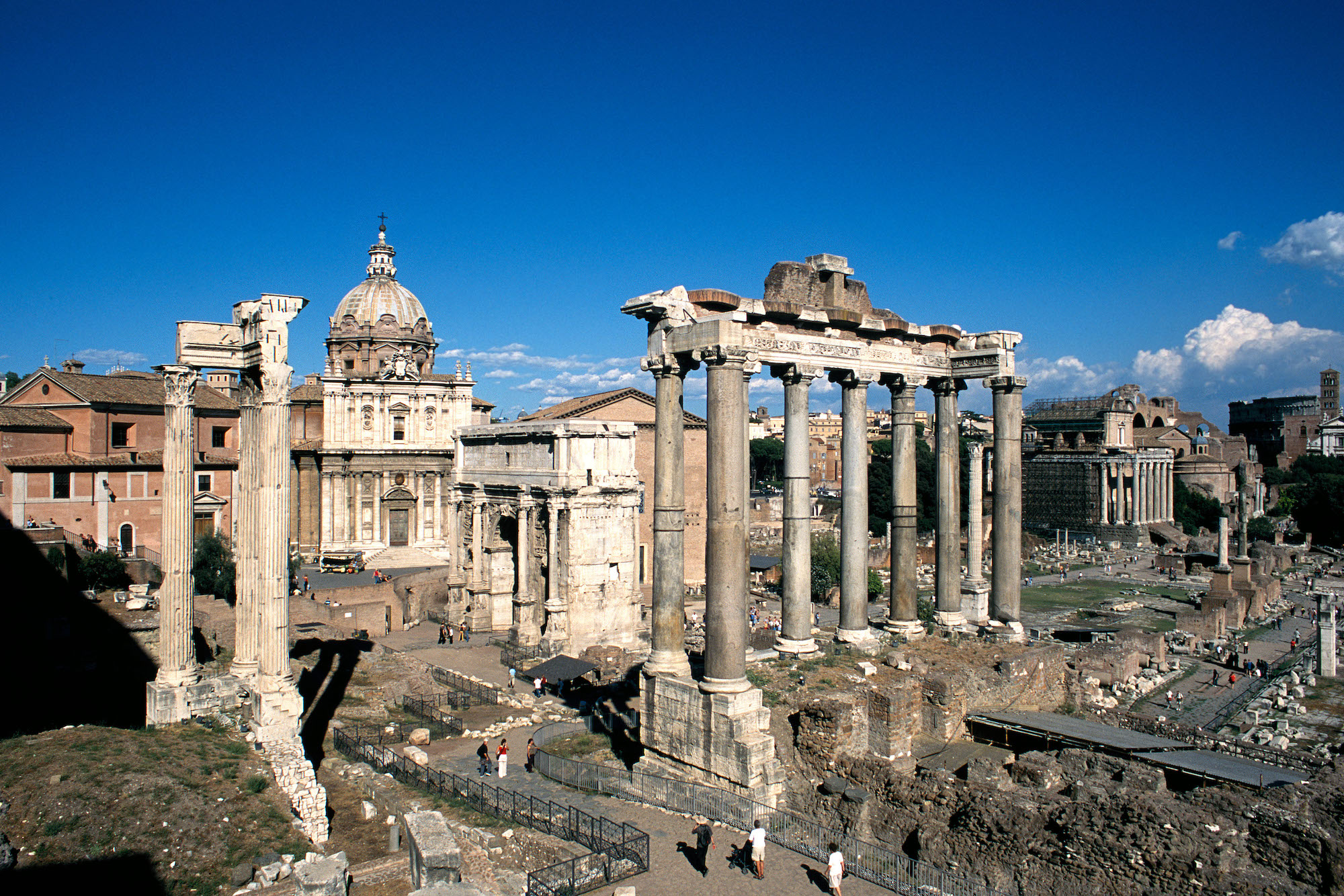
Valerian was proclaimed Roman Emperor following the death of his predecessor Aemilianus. His accession marked a significant change in leadership during a period fraugh...
Explore event →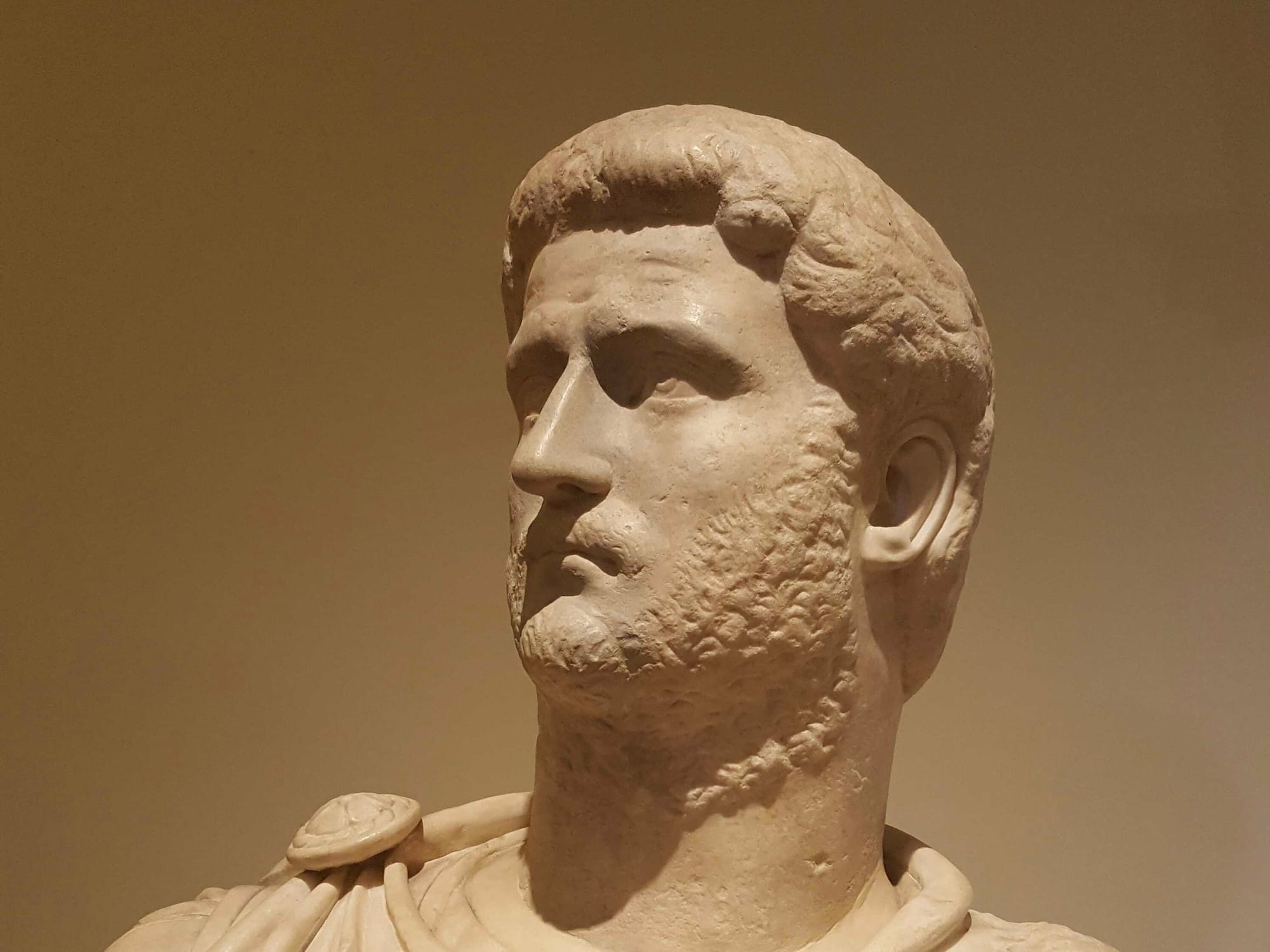
Gallienus became Roman Emperor following the assassination of his father, Valerian. His accession marked the beginning of a co-rule, where he shared power with his fat...
Explore event →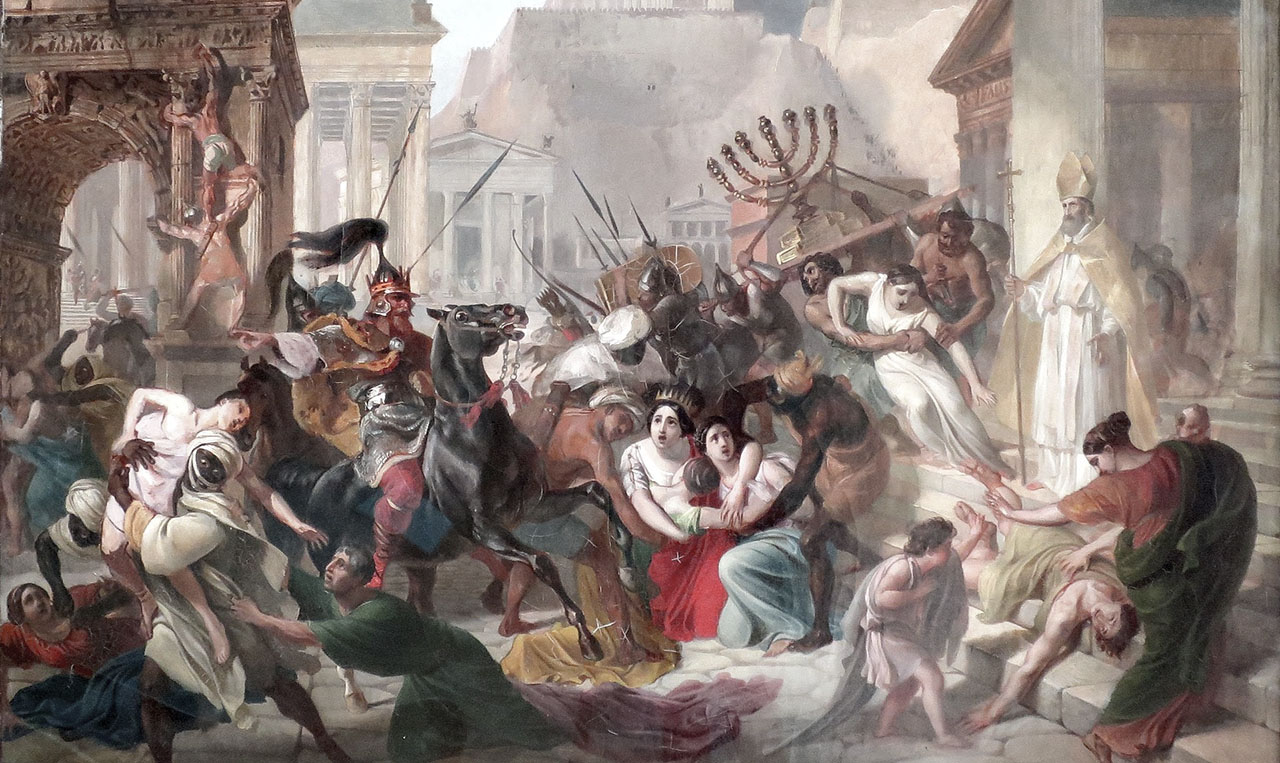
The Crisis of the Third Century marked a period of severe instability within the Roman Empire beginning in 235 AD. This era saw widespread political chaos, military de...
Explore event →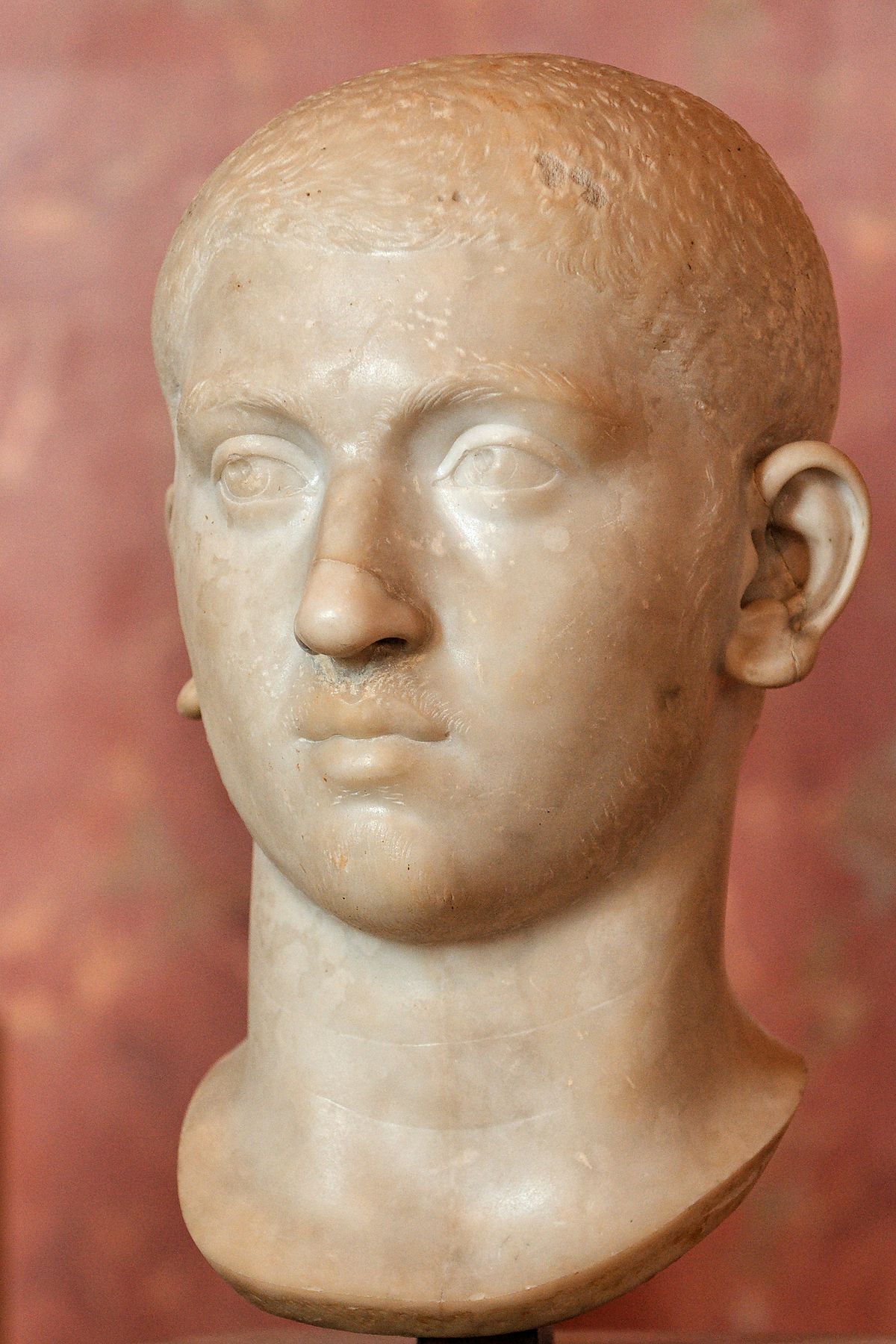
Severus Alexander, the last emperor of the Severan dynasty, was assassinated by his own soldiers in March of 235 CE near the city of Mutina along the Danube frontier. ...
Explore event →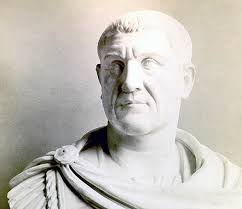
Maximinus Thrax, a Roman soldier of humble origins, was proclaimed emperor by his troops following the assassination of Severus Alexander. His accession marked the beg...
Explore event →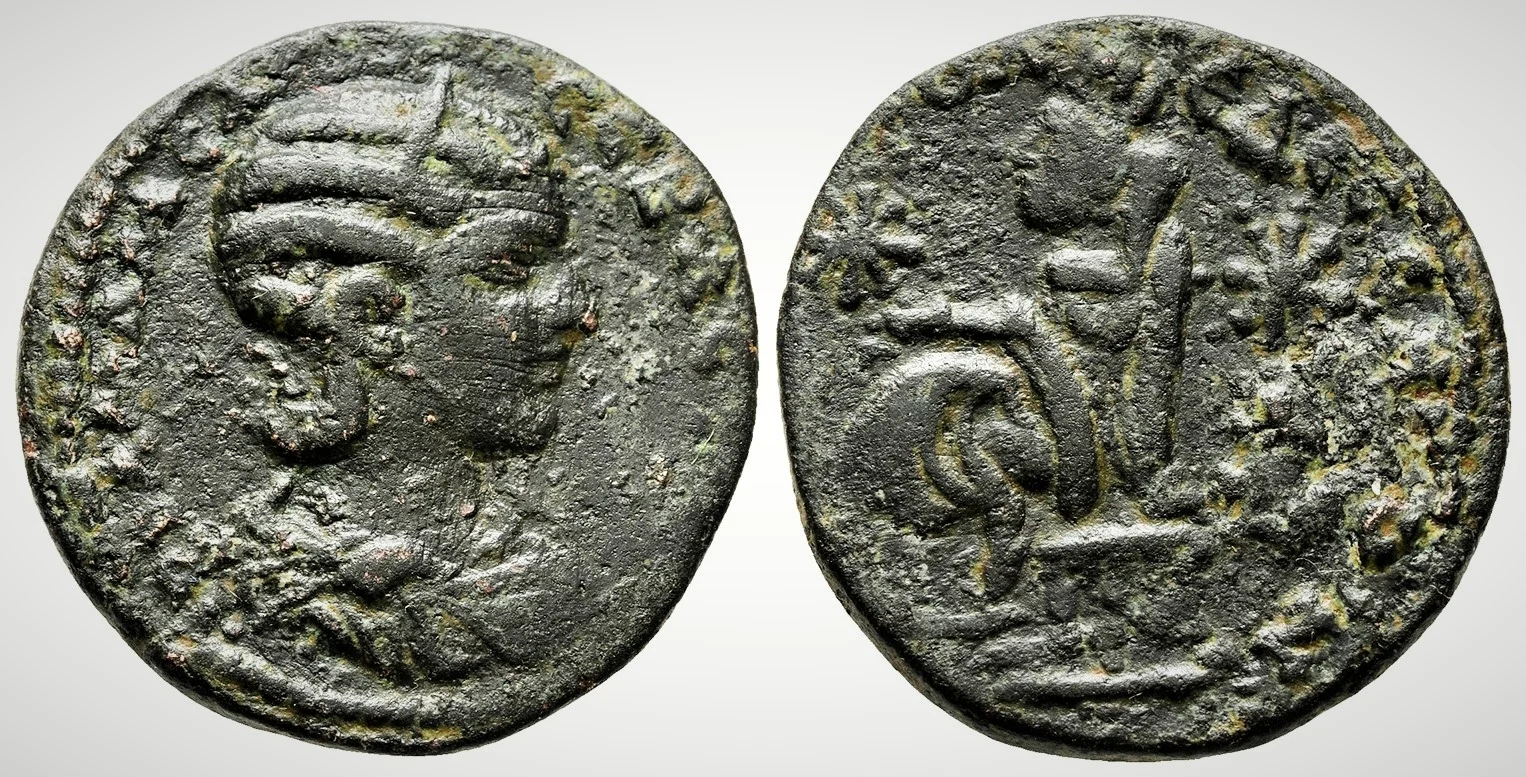
Emperor Severus Alexander launched a military campaign against the Sasanian Empire to counter their expansion in Mesopotamia. The Roman forces sought to reclaim lost t...
Explore event →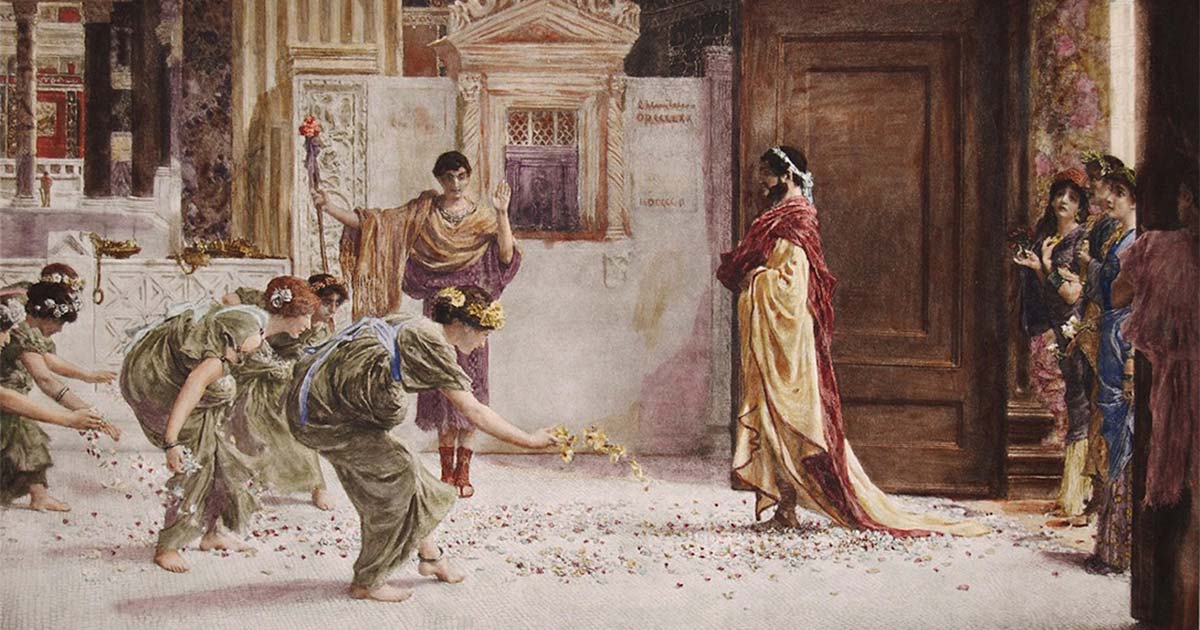
Elagabalus, also known as Varius Avitus Bassianus, was proclaimed Roman Emperor upon the death of Caracalla’s successor during the Severan dynasty. His accession marke...
Explore event →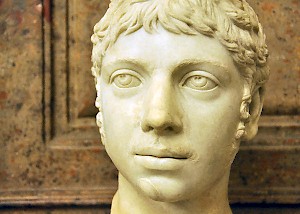
Emperor Elagabalus began implementing religious reforms centered on the worship of the Syrian sun god Elagabal. He elevated this deity above the traditional Roman gods...
Explore event →
Roman Emperor Caracalla launched multiple military campaigns against the Alemanni tribes during his rule. These campaigns aimed to secure the empire’s northern frontie...
Explore event →
The Constitutio Antoniniana was an edict issued by Emperor Caracalla that granted Roman citizenship to nearly all free inhabitants of the Roman Empire. This decree mar...
Explore event →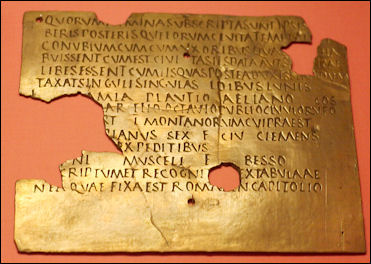
The Constitutio Antoniniana was an edict issued by Emperor Caracalla granting Roman citizenship to all free inhabitants of the Roman Empire. This decree dramatically e...
Explore event →
Rabbinic literature from the Mishnaic and Talmudic periods (approximately 1st–6th centuries CE) includes legal discussions that describe several categories relating to...
Explore event →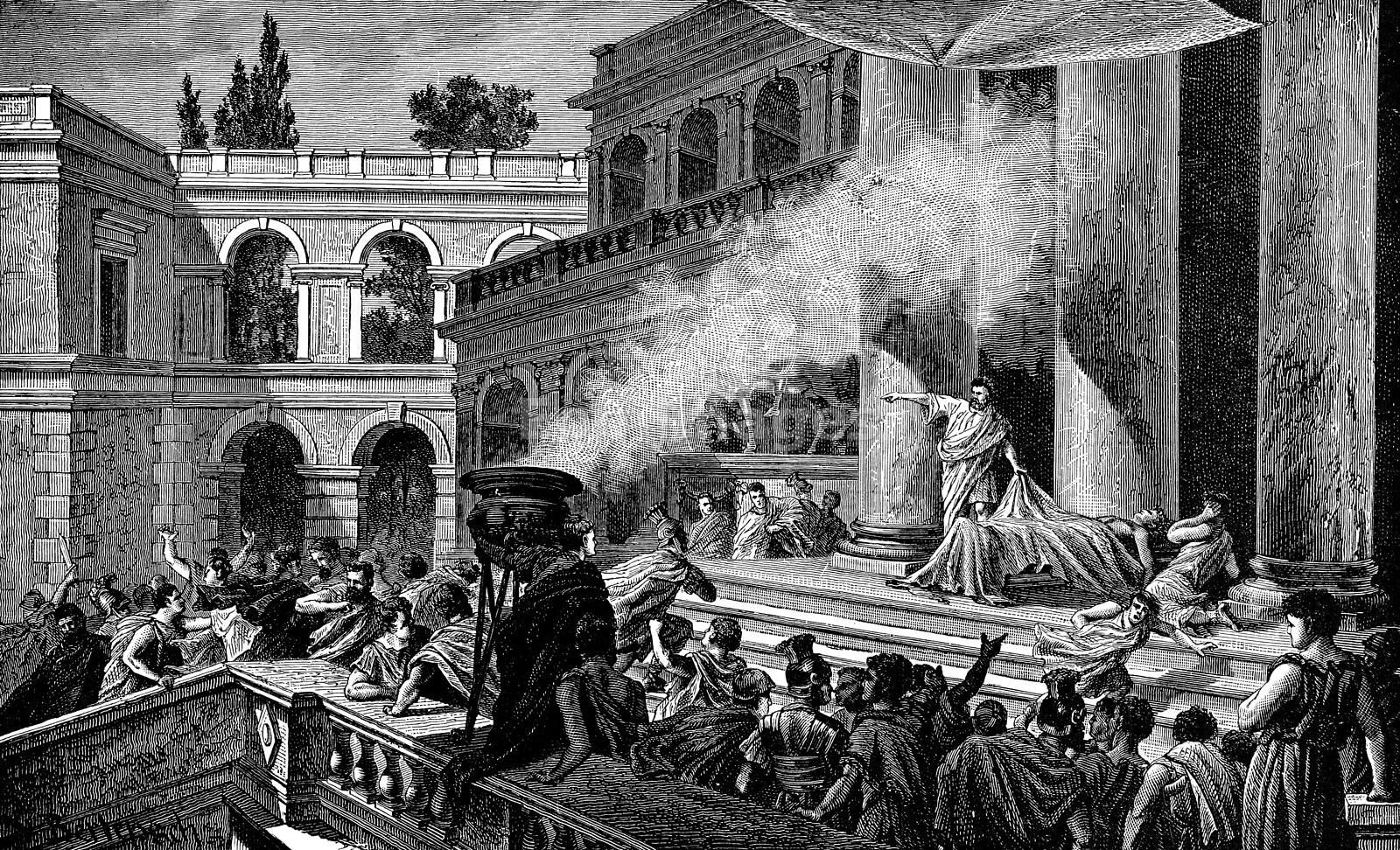
Roman Emperor Septimius Severus led a military campaign against the Parthian Empire, culminating in the siege and sack of Ctesiphon, the Parthian capital. This marked ...
Explore event →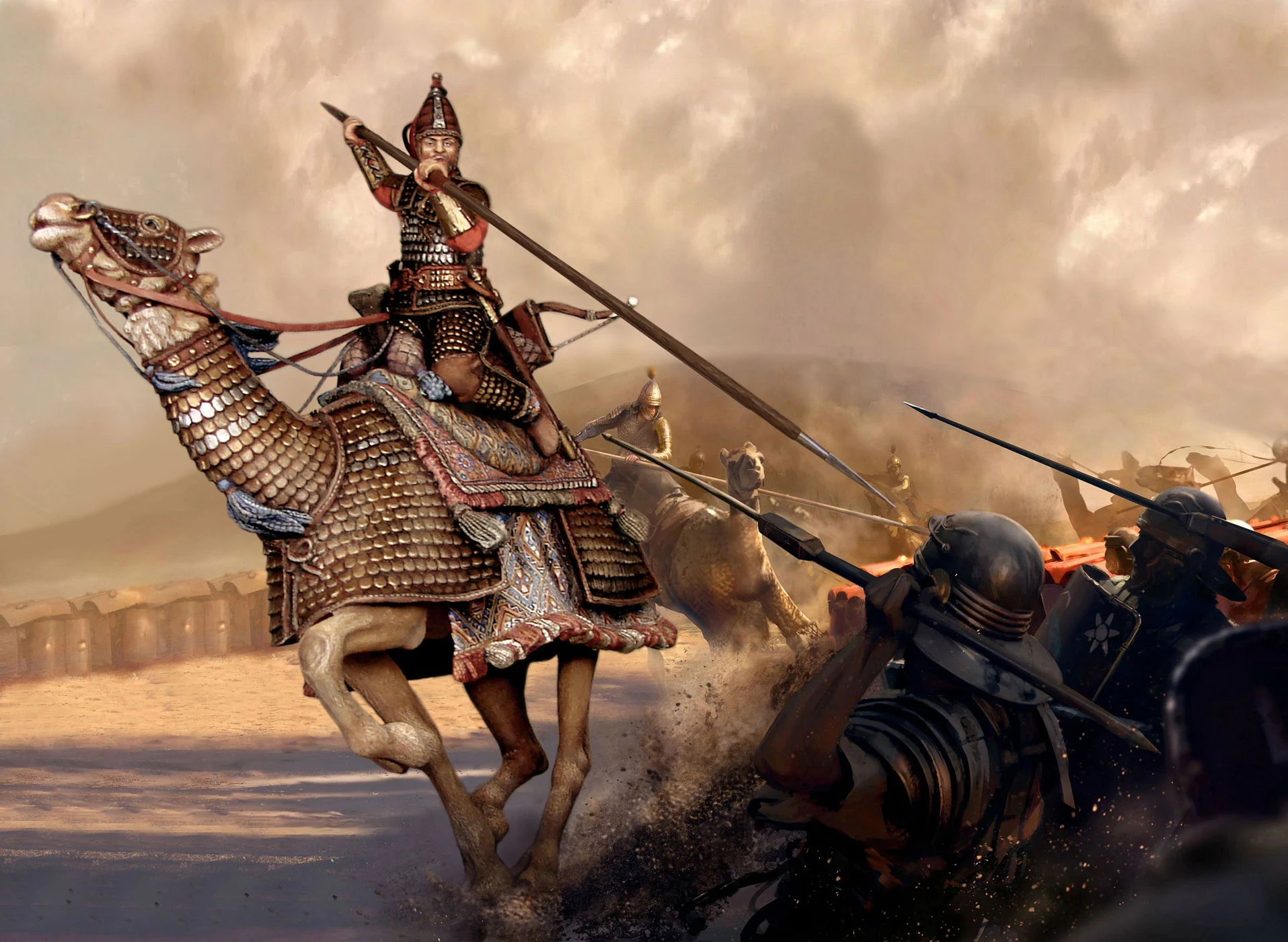
The Severan campaign into Parthia marked a major Roman military effort in the East following the rise of Emperor Septimius Severus. The campaign began with a series of...
Explore event →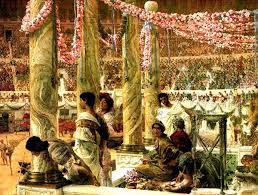
Pescennius Niger, governor of Syria, declared himself Roman emperor after the death of Emperor Pertinax. His claim to the throne sparked a civil war against Septimius ...
Explore event →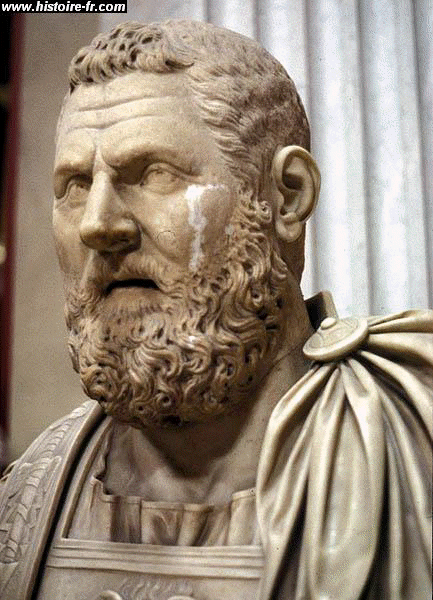
Pertinax, Roman Emperor for a brief reign, was assassinated by members of the Praetorian Guard. His attempts to reform the empire and enforce discipline antagonized th...
Explore event →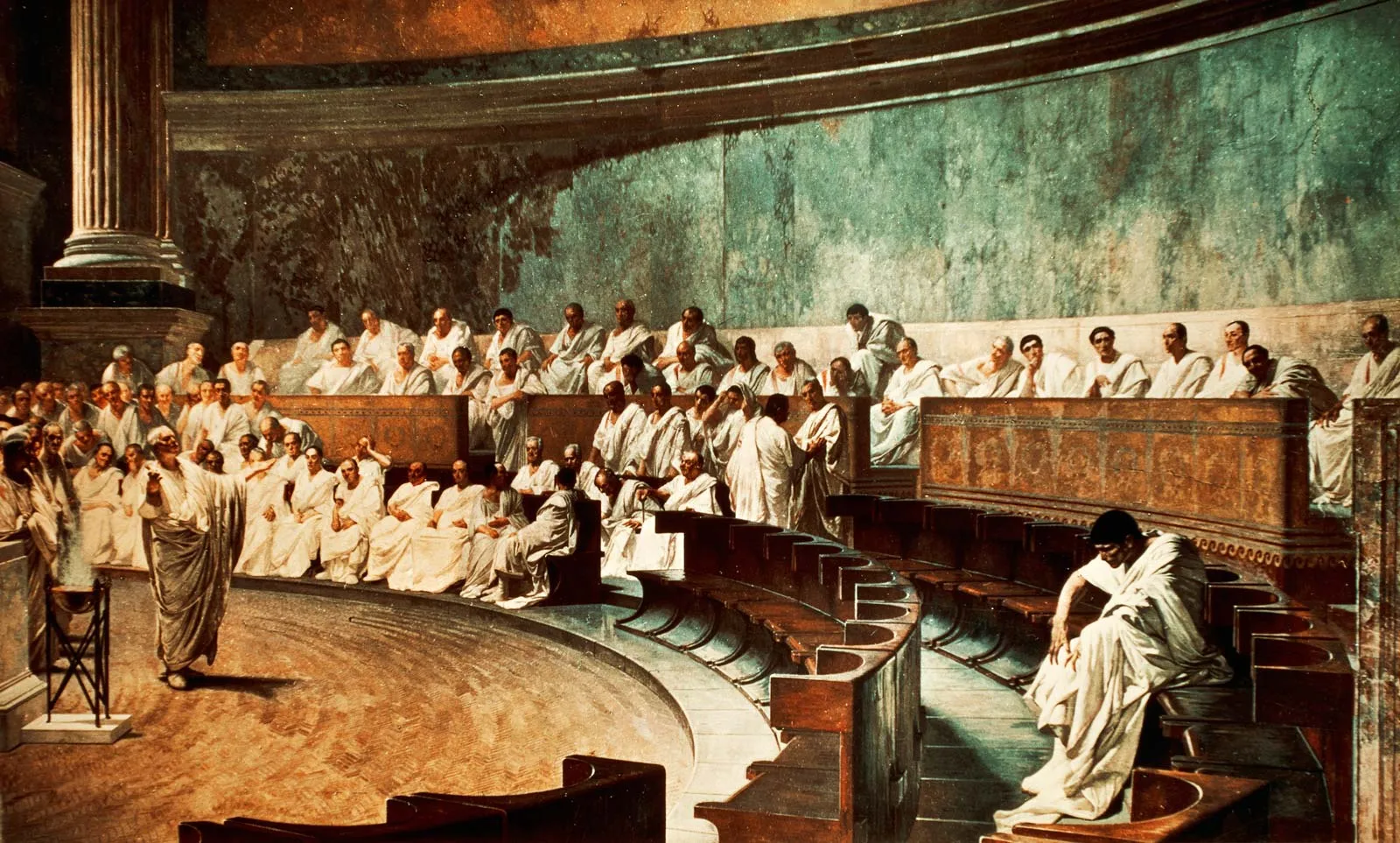
Pertinax was proclaimed Roman Emperor by the Senate following the assassination of Commodus. His accession marked a brief attempt to restore discipline and order in th...
Explore event →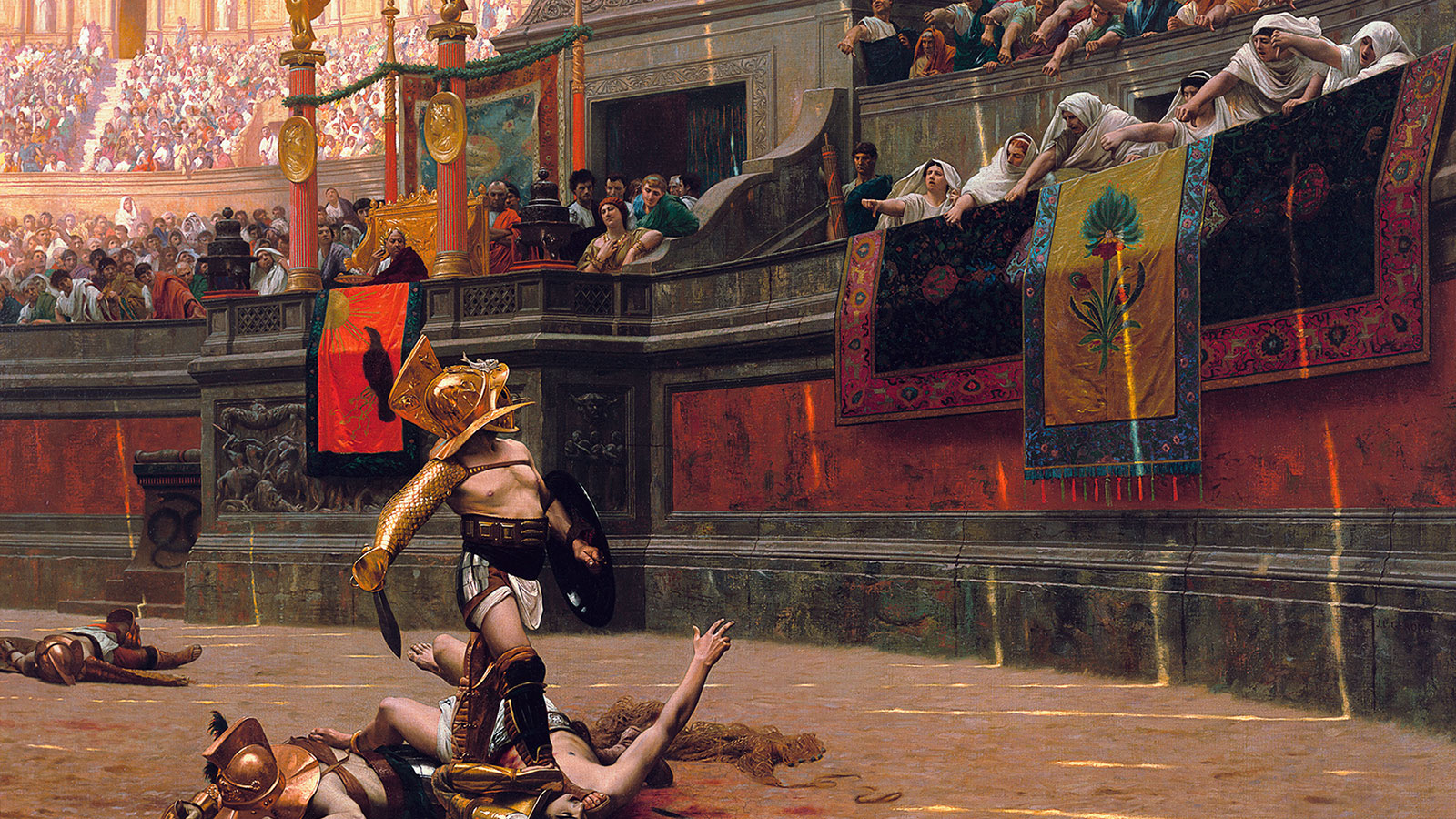
Emperor Commodus, known for his unconventional rule, famously participated in gladiatorial combats in Rome. Unlike previous emperors, he openly fought as a gladiator, ...
Explore event →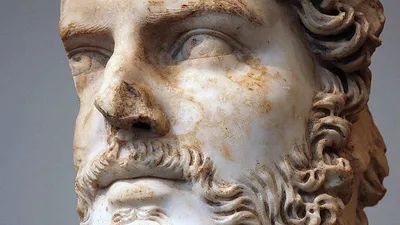
Lucius Verus, co-emperor of Rome alongside Marcus Aurelius, died in Rome under circumstances believed to be related to a devastating plague. His death marked a signifi...
Explore event →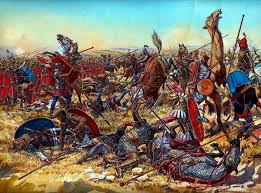
The Roman forces under the command of Lucius Verus launched a major campaign against the Parthian Empire, culminating in the capture of their capital city, Ctesiphon. ...
Explore event →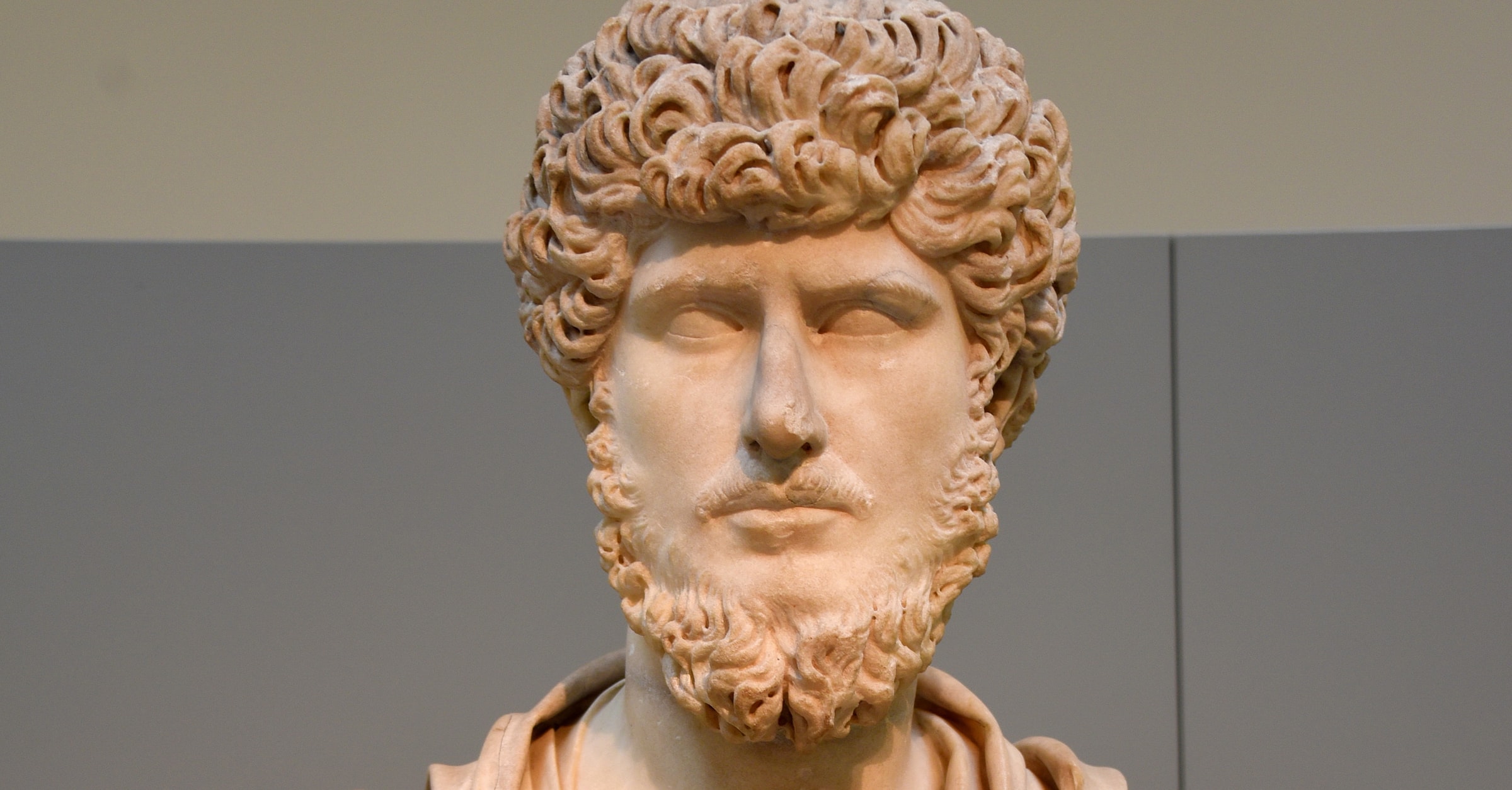
Lucius Verus was formally declared co-emperor alongside Marcus Aurelius, marking a significant moment in Roman imperial succession. This joint rule established a prece...
Explore event →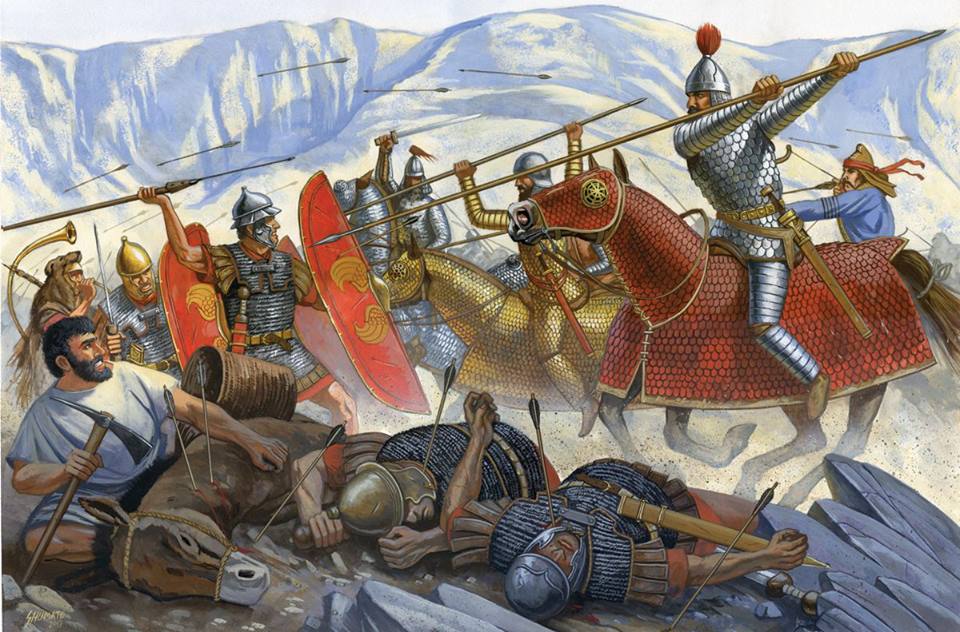
The Parthian War under Roman Emperor Lucius Verus began as tensions escalated between the Roman Empire and the Parthian Empire. This conflict was marked by Roman milit...
Explore event →
6 August 2015 — Egypt inaugurates a major expansion of the Suez Canal involving a new parallel channel along part of the route and widening of existing sections. The g...
Explore research
27 June 2014 — Albania receives candidate status for membership in the European Union. Judicial reform, corruption, organized crime, public administration and rule of ...
Explore research
2014–2026 — Egypt remains the most populous country in the Arab world and one of the principal political centers of the eastern Mediterranean and Middle East. Cairo do...
Explore research
2011–2014 — Mubarak's fall opens competitive elections and unprecedented political participation, but the transition rapidly produces institutional conflict, polarizat...
Explore research
28 April 2009 — Albania formally submits its application for membership in the European Union, beginning a long process of institutional and legal reforms tied to acce...
Explore research
1 April 2009 — Albania becomes a full member of NATO. Membership marks a major milestone in the country's post-communist integration with Western political and securit...
Explore research
January–August 1997 — The collapse of enormous fraudulent investment schemes wipes out the savings of hundreds of thousands of Albanians. Armed rebellion spreads, mili...
Explore research
31 March 1991 — Albania holds its first competitive multiparty parliamentary elections since the communist takeover. The former communist Party of Labour wins, but the...
Explore research
1991–2026 — Albania develops as a parliamentary republic after the collapse of communist rule. It joins NATO, pursues European Union membership and undergoes rapid urb...
Explore research
11 December 1990 — Albania's communist leadership accepts the legalization of independent political parties. The decision effectively ends the political monopoly creat...
Explore research
26 March 1979 — Egypt and Israel sign a formal peace treaty in Washington. Israel agrees to withdraw from Sinai, which is gradually returned to Egyptian control. Egypt...
Explore research
6–25 October 1973 — Egyptian and Syrian forces launch a surprise attack against Israeli positions. Egyptian troops successfully cross the Suez Canal and penetrate the ...
Explore research
International membership organization founded in 1973 by David Rockefeller to bring together participants from North America, Europe, and Asia for discussion of intern...
Explore research
David Rockefeller founded the Trilateral Commission in 1973 as an organization bringing together participants from North America, Europe, and Asia.
Explore research
1970–1981 — Anwar Sadat succeeds Nasser and gradually redirects Egyptian foreign and economic policy. He reduces Soviet influence, encourages economic liberalization a...
Explore research
Henry Kissinger served as director of the Rockefeller Brothers Fund Special Studies Project during the late 1950s and early 1960s. The project examined major problems ...
Explore research
German-born economist and engineer who founded the European Management Symposium, later known as the World Economic Forum, and served as its principal leader.
Explore research
German-born American diplomat, political scientist, national security adviser, and secretary of state. He served as national security adviser beginning in 1969 and as ...
Explore research
March–April 1919 — Mass demonstrations, strikes and civil unrest erupt after British authorities exile nationalist leader Saad Zaghloul and other members of the Wafd m...
Explore research
August–November 1918 — Germany and its allies face military retreat, shortages, exhaustion and growing political instability. Bulgaria, the Ottoman Empire and Austria-...
Explore research
6 April 1917–11 November 1918 — The United States begins converting its enormous economy and population into military power. Millions of men enter the draft system whi...
Explore research
1 February 1917–11 November 1918 — German submarines attack merchant shipping in an attempt to reduce British imports below sustainable levels. Early shipping losses a...
Explore research
1917–1918 — Woodrow Wilson increasingly presents American participation as part of a larger project to restructure international relations. His Fourteen Points call fo...
Explore research
December 1916–January 1917 — German naval and military leaders conclude that unrestricted submarine warfare may force Britain out of the war. They understand that the ...
Explore research