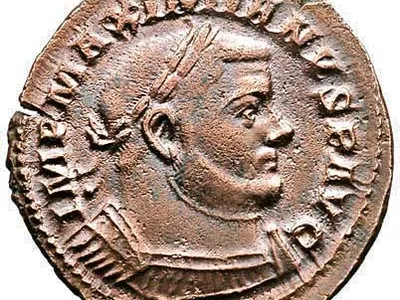
Maximian Abdicates Roman Throne
Maximian, co-emperor of the Roman Empire, formally abdicated his position alongside Diocletian. This marked a significant moment in the Tetrarchy system, a power-shari...
Explore event →History does not happen in isolation. Explore world events across time, follow the connections between them, and investigate the threads that reveal how one event can lead to another.
TheTimeMap currently follows events across 95 countries and 268 years of history — building a connected archive designed for people who want to look beyond the headline.
We oppose antisemitism, racism, and dehumanization — everywhere.
When people stop feeling, injustice becomes easy.
Maximian, co-emperor of the Roman Empire, formally abdicated his position alongside Diocletian. This marked a significant moment in the Tetrarchy system, a power-shari...
Explore event →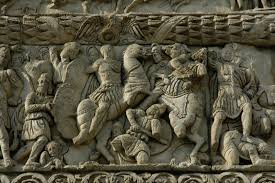
Galerius was appointed Caesar by Emperor Diocletian as part of the tetrarchy reform intended to stabilize and govern the Roman Empire more effectively. His promotion m...
Explore event →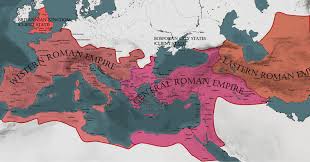
Carinus became Roman Emperor following the death of his father, Emperor Carus, in late March. His accession marked a period of internal instability as the empire faced...
Explore event →
Emperor Probus was assassinated by his own soldiers after numerous military campaigns to secure the Roman Empire's borders. His leadership was challenged internally de...
Explore event →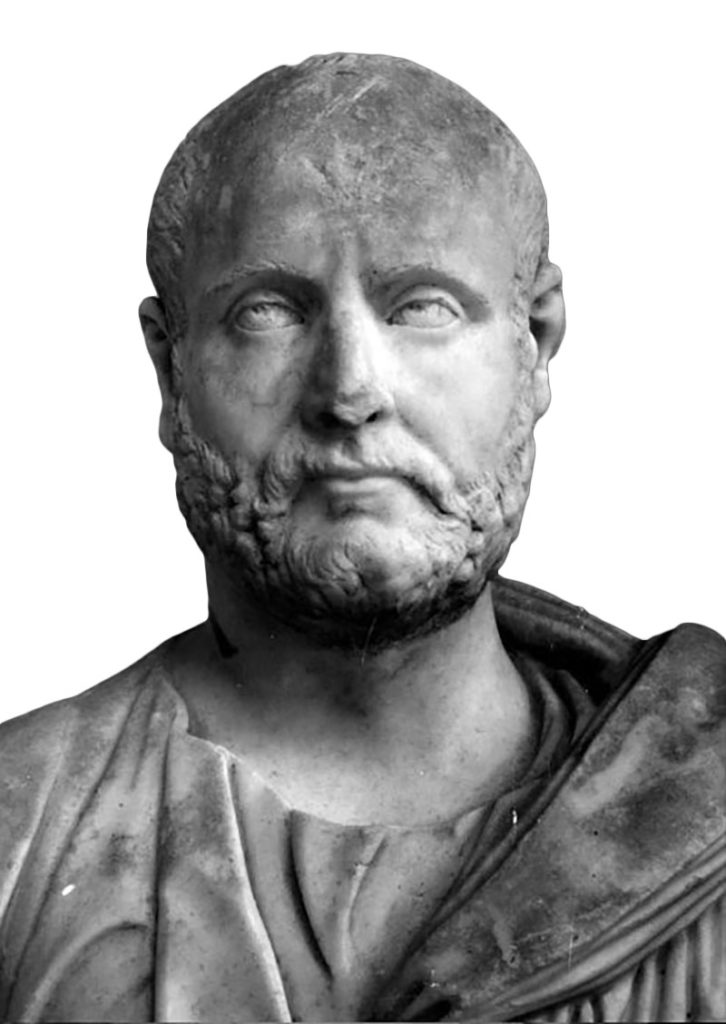
Carus was proclaimed emperor of the Roman Empire shortly after the death of Emperor Probus. His accession marked a shift in imperial policy as he sought to stabilize t...
Explore event →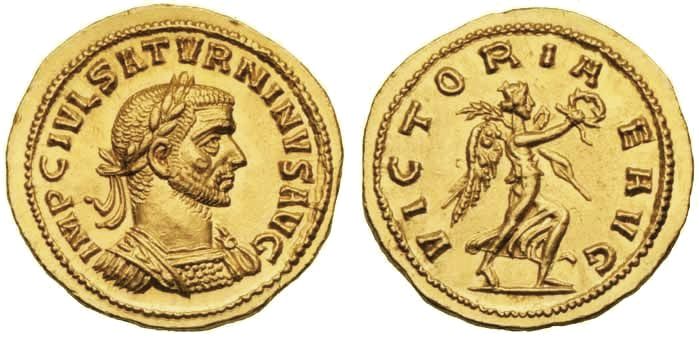
The revolt led by Lucius Antonius Saturninus was an important military uprising against Emperor Probus within the Roman Empire. It began in Moesia Superior, where Satu...
Explore event →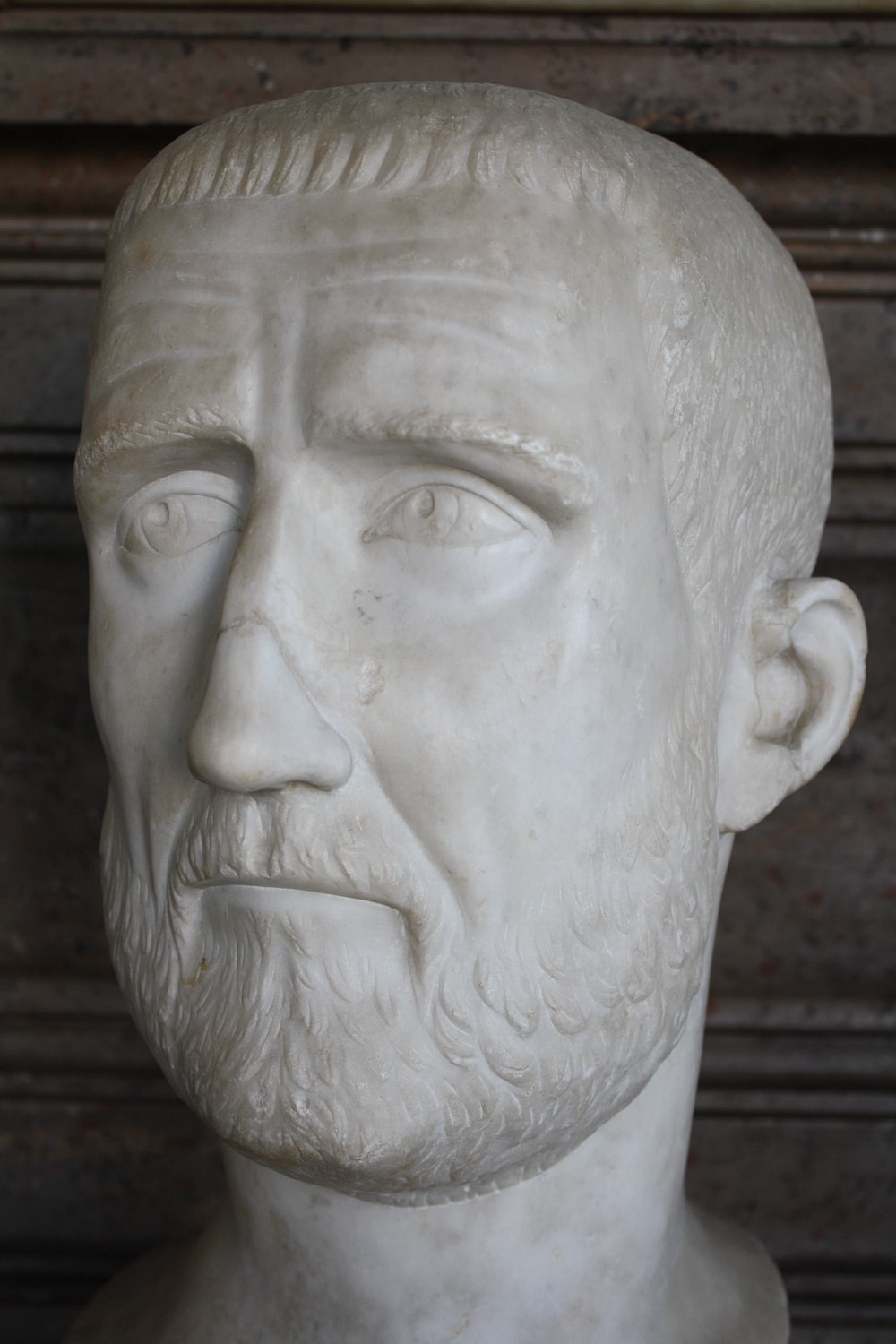
Marcus Aurelius Probus was proclaimed Roman Emperor by his troops in September 276 after the death of Emperor Florianus. His accession marked a period of efforts to re...
Explore event →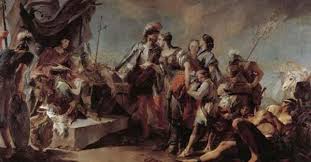
Emperor Aurelian, a prominent ruler of the Roman Empire known for his military prowess, was assassinated by his own soldiers in late September. The assassination occur...
Explore event →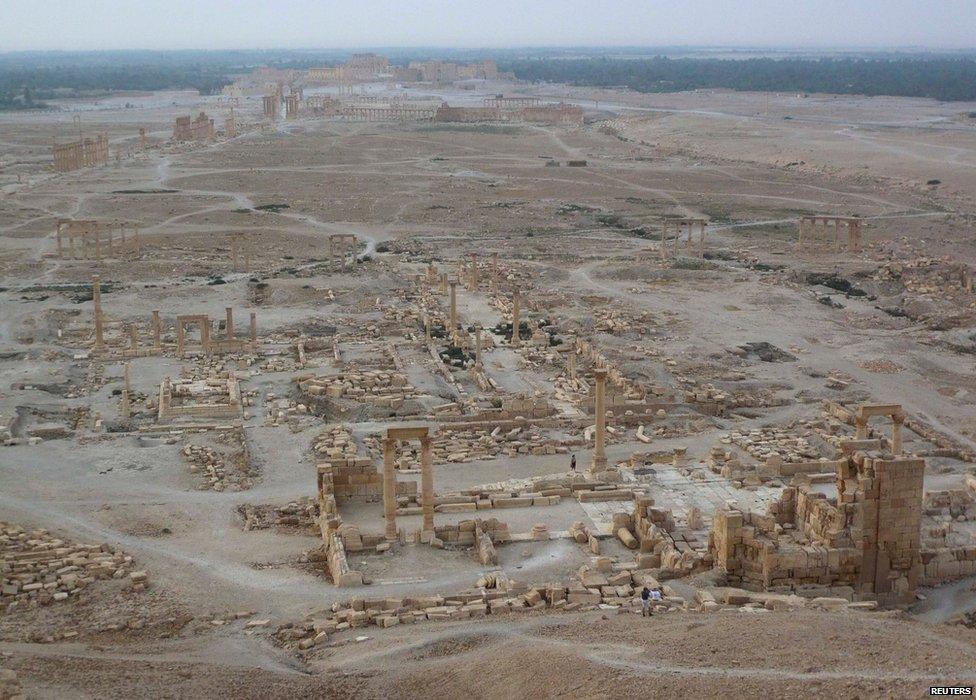
Palmyra, an ancient city in central Syria, was captured and severely damaged during military conflict. The site, known for its Greco-Roman architecture and cultural si...
Explore event →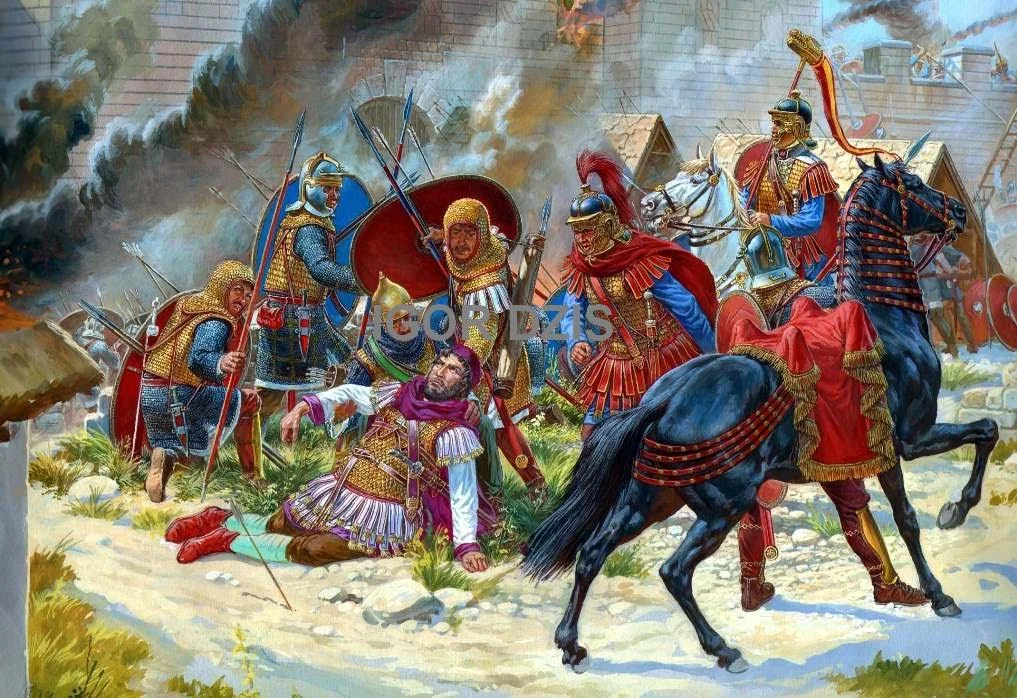
Emperor Gallienus, ruler of the Roman Empire during a time of internal strife and external invasions, was assassinated by his own military officers during a siege. His...
Explore event →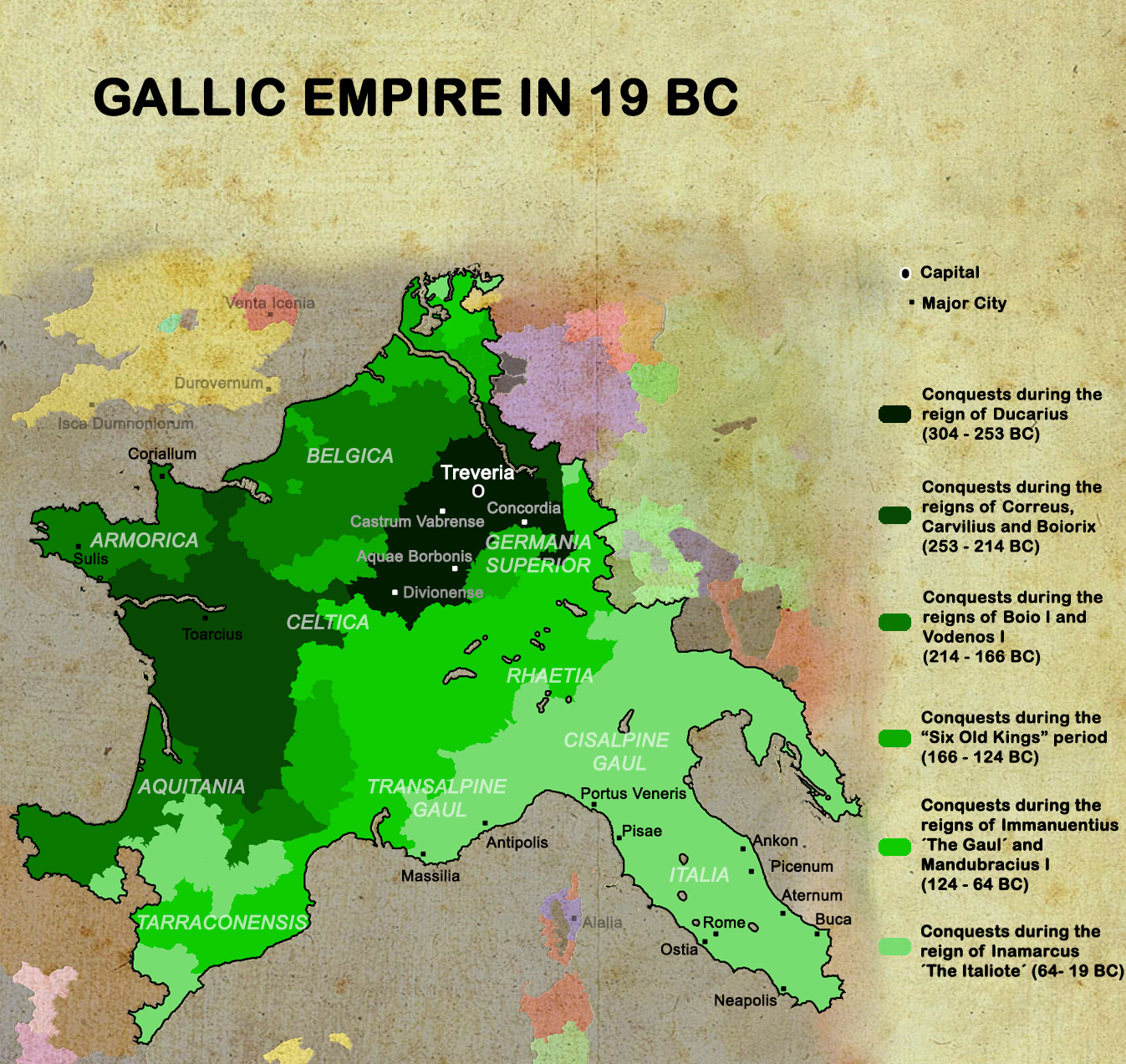
Postumus, a Roman commander, declared himself emperor of a breakaway realm in the western provinces known as the Gallic Empire. This realm comprised Gaul, Germania, Br...
Explore event →
Emperor Gallienus initiated a series of military reforms to address ongoing threats to the Roman Empire. These reforms aimed to improve the mobility and responsiveness...
Explore event →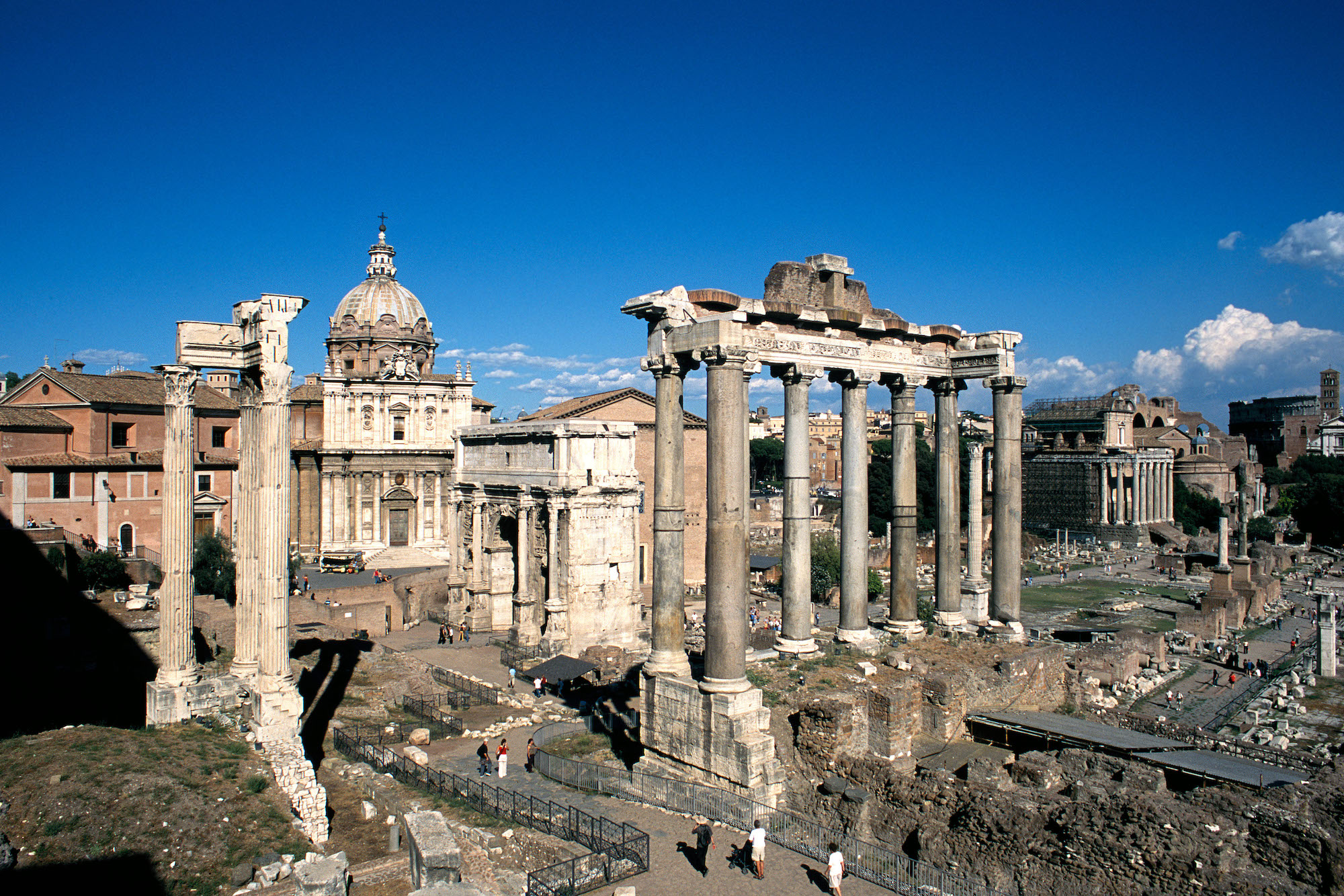
Valerian was proclaimed Roman Emperor following the death of his predecessor Aemilianus. His accession marked a significant change in leadership during a period fraugh...
Explore event →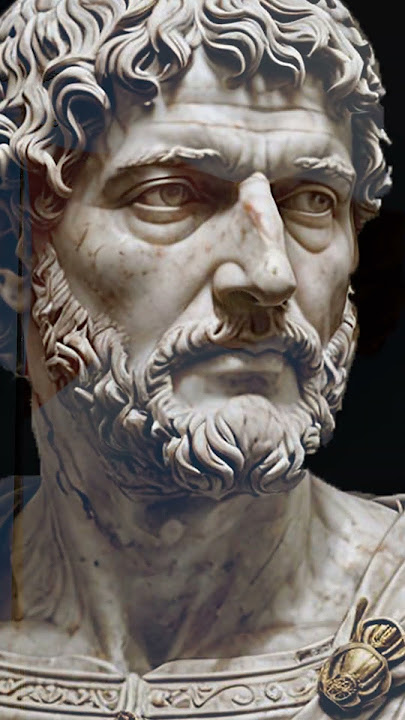
Aemilian, a Roman soldier and governor, seized power through a swift military revolt against Emperor Trebonianus Gallus. His accession marked a brief interruption in t...
Explore event →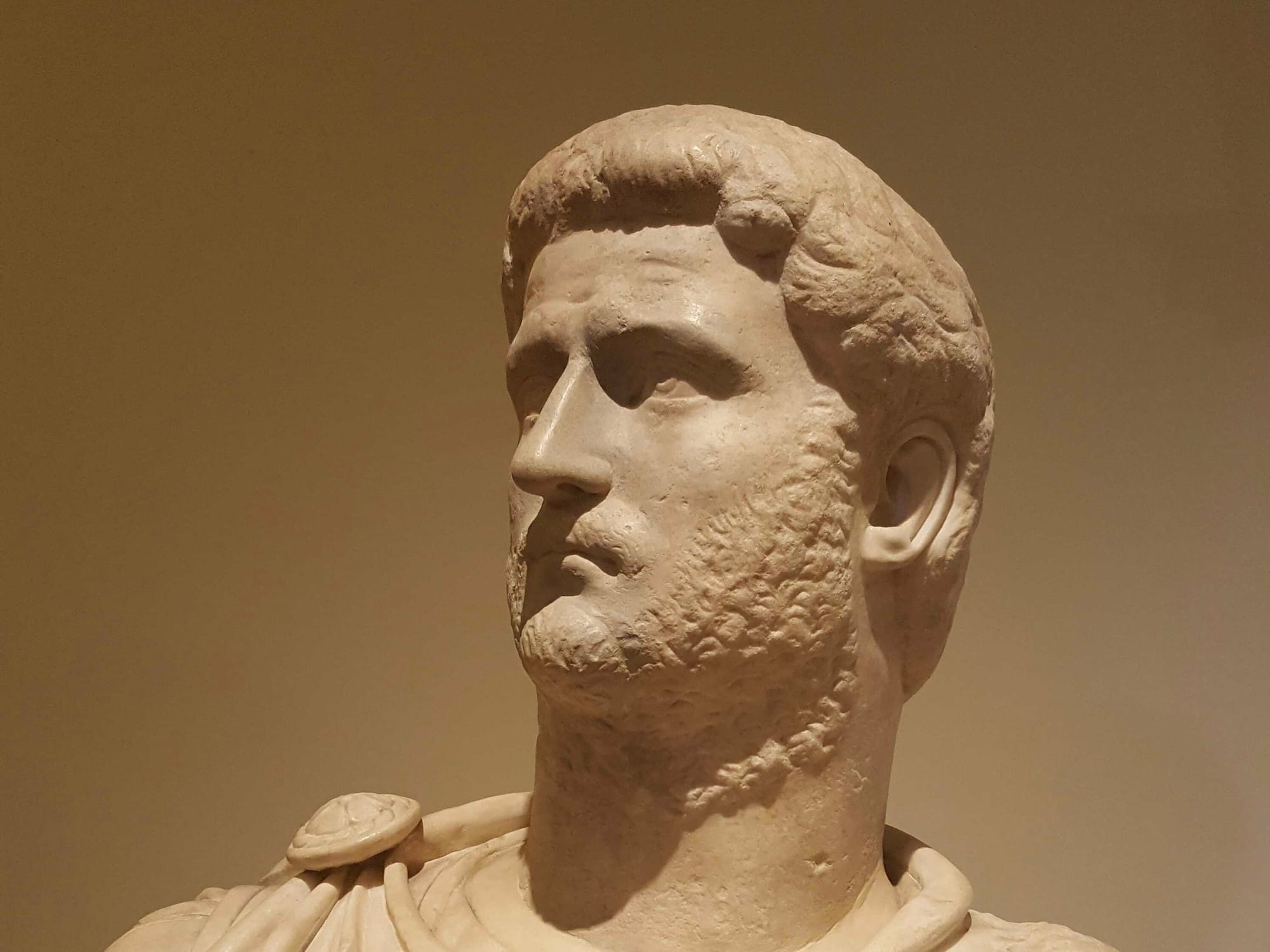
Gallienus became Roman Emperor following the assassination of his father, Valerian. His accession marked the beginning of a co-rule, where he shared power with his fat...
Explore event →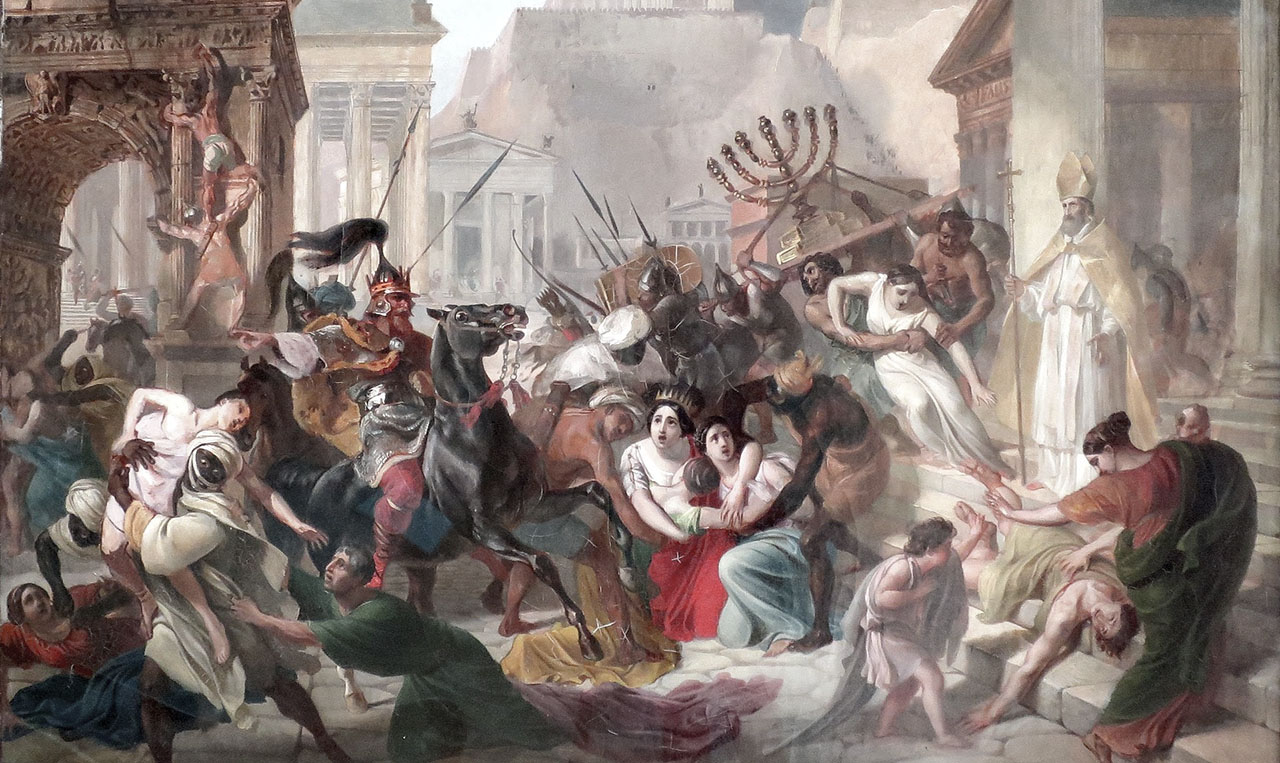
The Crisis of the Third Century marked a period of severe instability within the Roman Empire beginning in 235 AD. This era saw widespread political chaos, military de...
Explore event →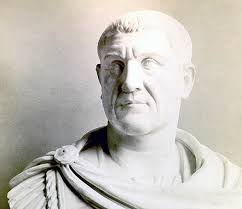
Maximinus Thrax, a Roman soldier of humble origins, was proclaimed emperor by his troops following the assassination of Severus Alexander. His accession marked the beg...
Explore event →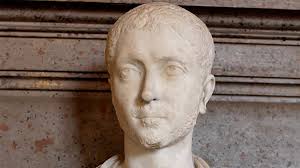
Severus Alexander was proclaimed Roman Emperor following the assassination of Elagabalus. The Roman Senate officially endorsed his accession, marking a return to more ...
Explore event →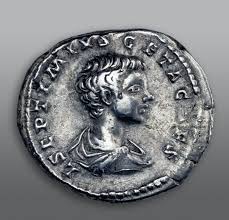
Publius Septimius Geta, son of Emperor Septimius Severus, was granted the title of Augustus, marking him as co-emperor alongside his father and brother Caracalla. This...
Explore event →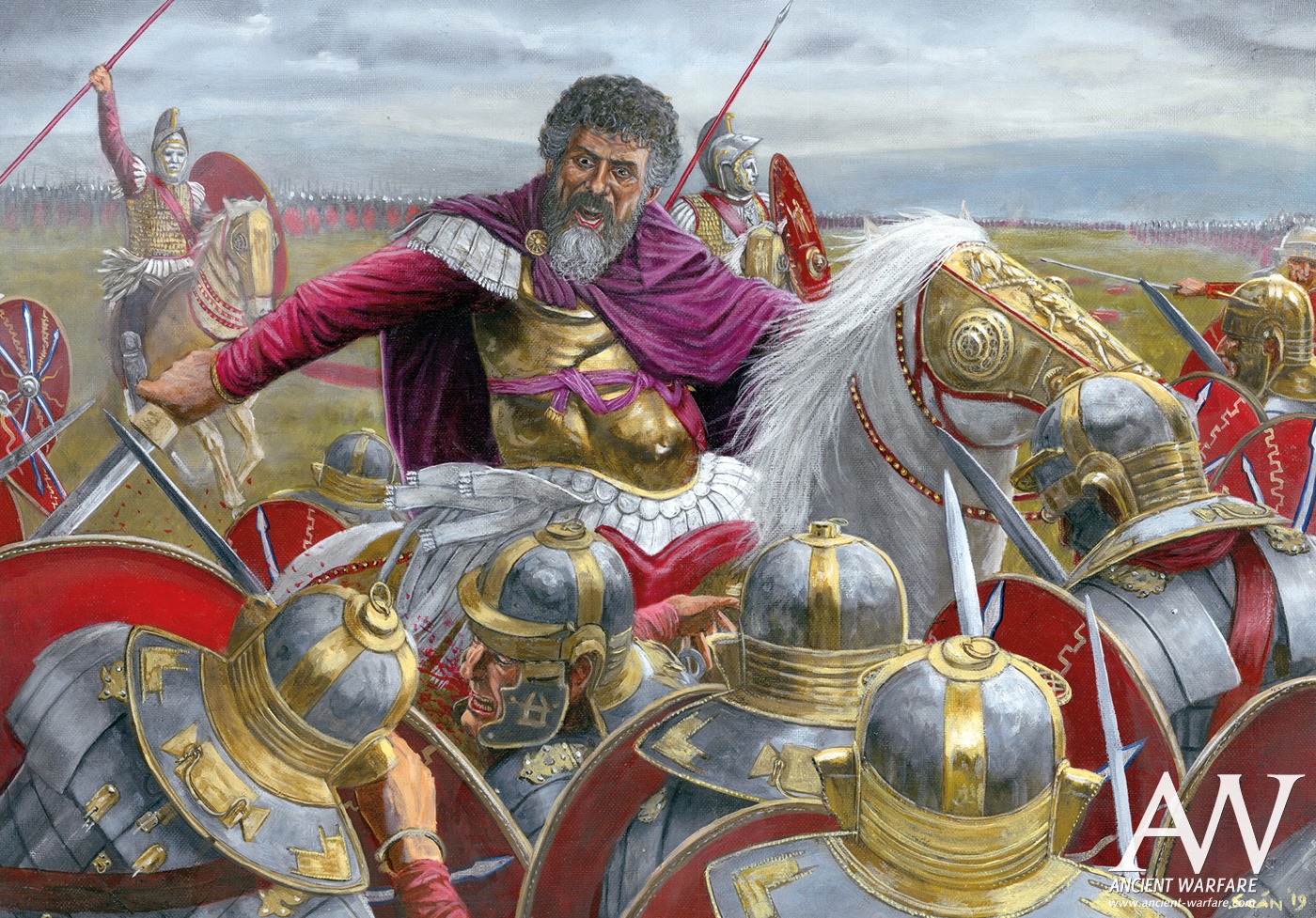
The Battle of Lugdunum was a decisive confrontation between the forces of Septimius Severus and Clodius Albinus during the Roman civil war for control of the empire. T...
Explore event →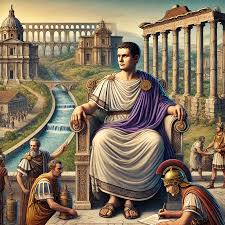
Antoninus Pius assumed the position of Roman Emperor following the death of Hadrian on August 11. He was appointed by the Senate and accepted by the army without oppos...
Explore event →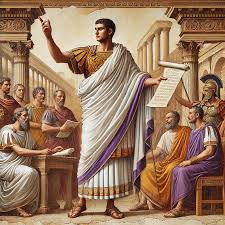
Antoninus Pius became Roman Emperor following the death of Hadrian. His accession marked the continuation of stable leadership in the Roman Empire.His reign was noted ...
Explore event →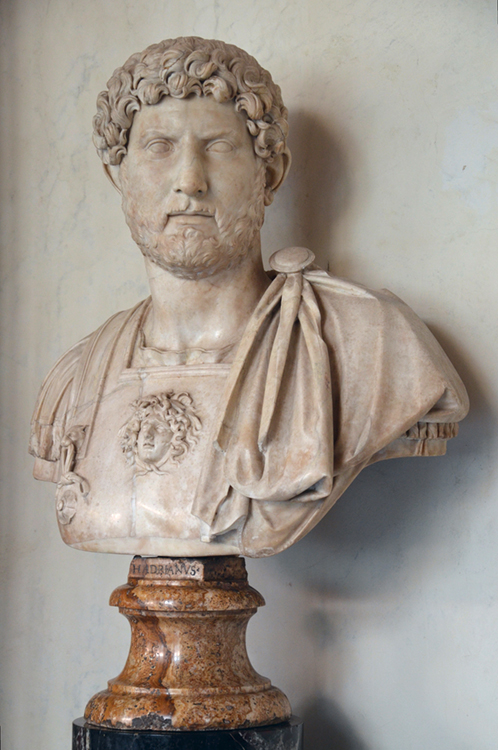
Emperor Hadrian, renowned for consolidating and fortifying the Roman Empire's frontiers, passed away at his villa near Rome. His death marked the end of a significant ...
Explore event →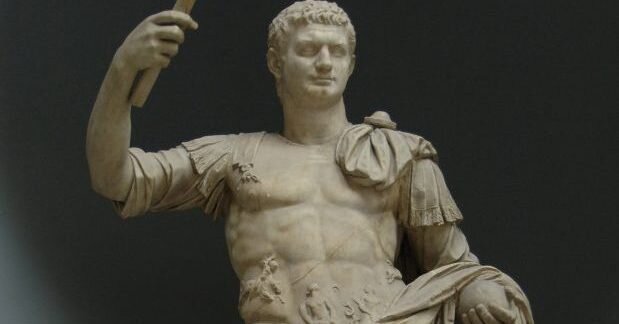
Following the death of Emperor Titus, Domitian, his younger brother, ascended to the throne of the Roman Empire. The accession occurred peacefully, marking the continu...
Explore event →
January–August 1997 — The collapse of enormous fraudulent investment schemes wipes out the savings of hundreds of thousands of Albanians. Armed rebellion spreads, mili...
Explore research
1978 — Chinese economic and military assistance ends after years of growing ideological disagreement. Albania loses its final major communist ally and enters an extrao...
Explore research
International membership organization founded in 1973 by David Rockefeller to bring together participants from North America, Europe, and Asia for discussion of intern...
Explore research
International organization founded by Klaus Schwab as the European Management Symposium in 1971. It later became the World Economic Forum and developed into a platform...
Explore research
26 July–7 November 1956 — Nasser nationalizes the Suez Canal Company after Western governments withdraw support for the Aswan High Dam. Britain, France and Israel secr...
Explore research
January–June 1919 — Allied leaders negotiate borders, reparations, military restrictions, mandates and a new international organization. Wilson's language of self-dete...
Explore research
1917–1918 — Woodrow Wilson increasingly presents American participation as part of a larger project to restructure international relations. His Fourteen Points call fo...
Explore research
American banker, philanthropist, and international affairs figure. He served as chairman and chief executive of Chase Manhattan Bank and was a major participant in org...
Explore research
29 July 1913 — The Great Powers recognize an independent Albanian principality. The borders they establish leave substantial Albanian-speaking populations outside the ...
Explore research
28 November 1912 — Delegates meeting at Vlorë proclaim Albania independent from the Ottoman Empire during the First Balkan War. Ismail Qemali leads the provisional gov...
Explore research
1250–1517 CE — Military elites known as Mamluks seize political control and establish a powerful sultanate centered on Cairo. They defeat Mongol forces at Ain Jalut an...
Explore research
c. 1259 BCE — Egypt and the Hittite Empire formalize a peace agreement after decades of competition in the Levant. Surviving versions of the treaty preserve commitment...
Explore research
c. 1274 BCE — Egyptian forces under Ramesses II fight the Hittite army near Kadesh in Syria. Egyptian inscriptions present the battle as a spectacular personal victory...
Explore research
25 November 1936 — Germany and Japan sign an agreement publicly directed against the Communist International. Italy joins the following year. The pact reflects growing...
Explore research
6 August 1945 — An American B-29 drops the uranium bomb Little Boy on Hiroshima. The explosion and fire destroy much of the city and kill tens of thousands of people i...
Explore research
8 January 1942 — Soviet offensives expand around the Rzhev-Vyazma salient west of Moscow. Fighting in the region becomes prolonged and extraordinarily costly. The sali...
Explore research
26 April 1937 — German Condor Legion aircraft and Italian forces attack the Basque town of Guernica during the Spanish Civil War. The raid kills civilians and destroys...
Explore research
The Council on Foreign Relations provided a continuing institutional forum where scholars, government officials, business leaders and other participants discussed inte...
Explore research
Chase Manhattan Bank was a major U.S. financial institution led by David Rockefeller during a period of significant international expansion. The bank maintained intern...
Explore research
Chase Manhattan Bank was a major U.S. financial institution led by David Rockefeller during a period of significant international expansion. The bank maintained intern...
Explore research
Chase Manhattan's International Advisory Committee was an advisory body that brought together senior executives and internationally prominent figures to discuss econom...
Explore research
American organization focused on international affairs. David Rockefeller became a director in 1949 and served as chairman from 1970 to 1985.
Explore research
American organization focused on international affairs. David Rockefeller became a director in 1949 and served as chairman from 1970 to 1985.
Explore research
American organization focused on international affairs. David Rockefeller became a director in 1949 and served as chairman from 1970 to 1985.
Explore research