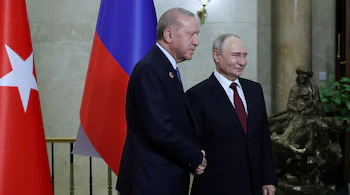
Turkey considers SCO membership
Turkish President Recep Tayyip Erdogan said on September 2, 2026, that Turkey could consider becoming a full member of the Shanghai Cooperation Organisation, a regiona...
Explore event →History does not happen in isolation. Explore world events across time, follow the connections between them, and investigate the threads that reveal how one event can lead to another.
TheTimeMap currently follows events across 95 countries and 268 years of history — building a connected archive designed for people who want to look beyond the headline.
We oppose antisemitism, racism, and dehumanization — everywhere.
When people stop feeling, injustice becomes easy.
Turkish President Recep Tayyip Erdogan said on September 2, 2026, that Turkey could consider becoming a full member of the Shanghai Cooperation Organisation, a regiona...
Explore event →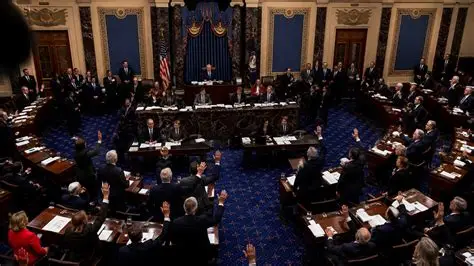
The United States Senate passed legislation on August 7, 2026, expanding economic sanctions against Russia and maintaining sanctions involving Iran. The measure passed...
Explore event →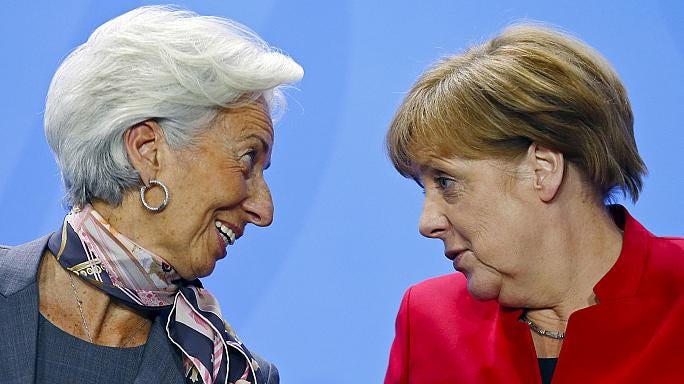
The International Monetary Fund said on June 22, 2026, that it was expanding financial support for several African countries affected by economic disruptions linked to...
Explore event →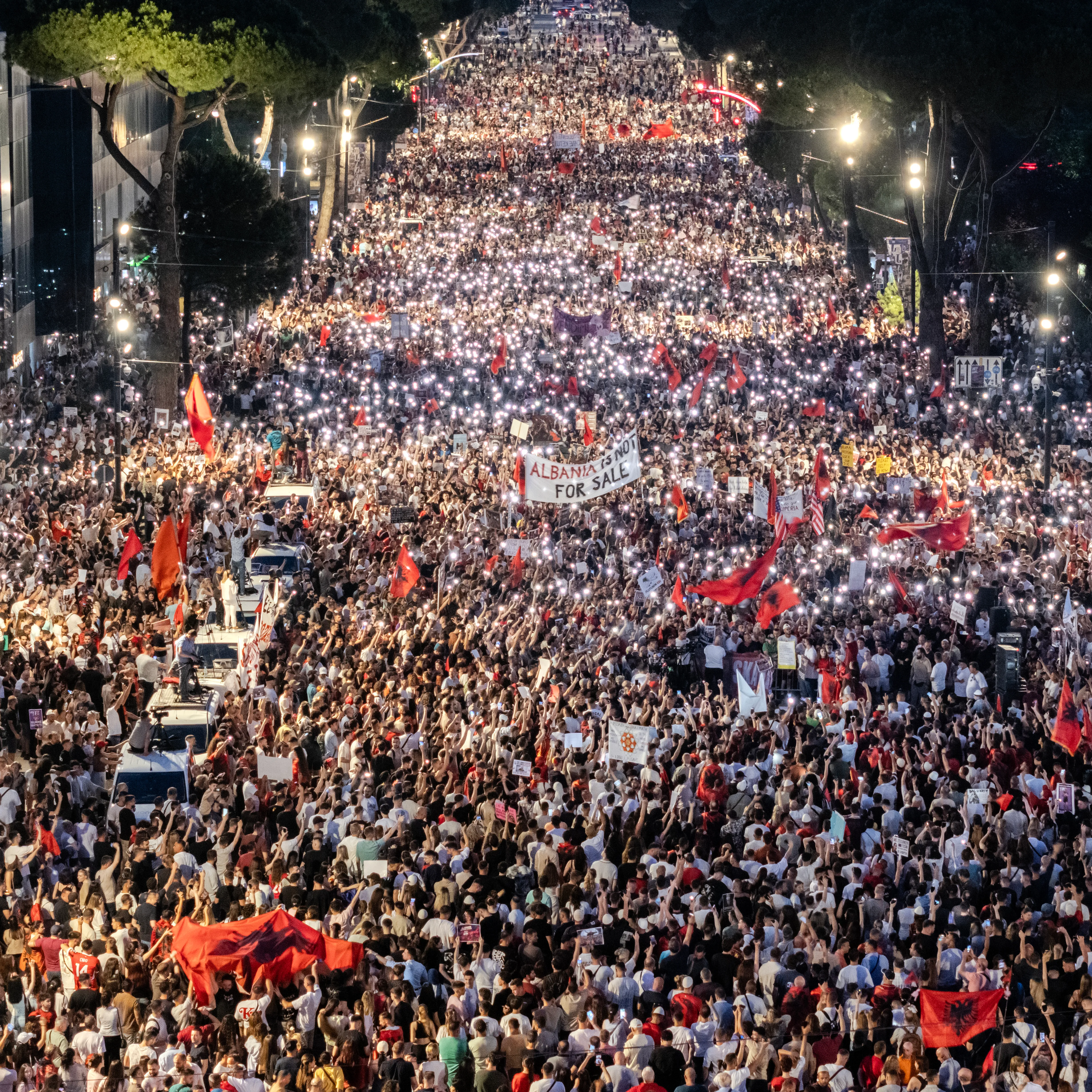
Large protests took place across Albania, particularly in Tirana and coastal regions, as opposition supporters, activists, and local communities gathered to express di...
Explore event →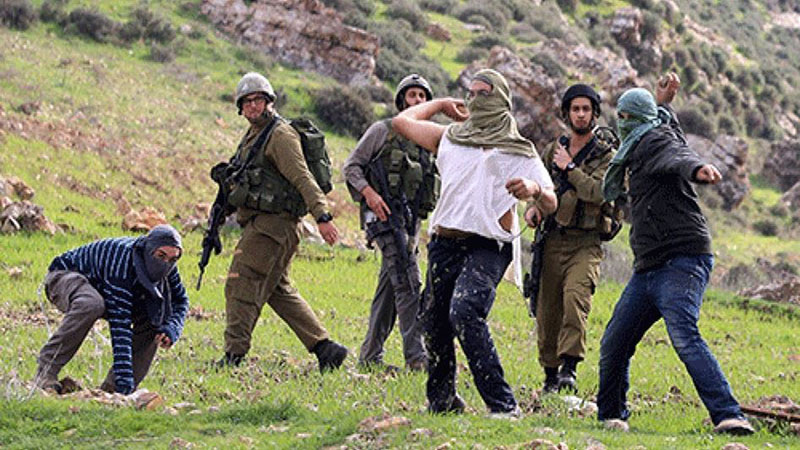
An analysis published on March 25, 2026, reported that no Israeli citizens have been prosecuted for killing Palestinian civilians in the occupied West Bank since 2020....
Explore event →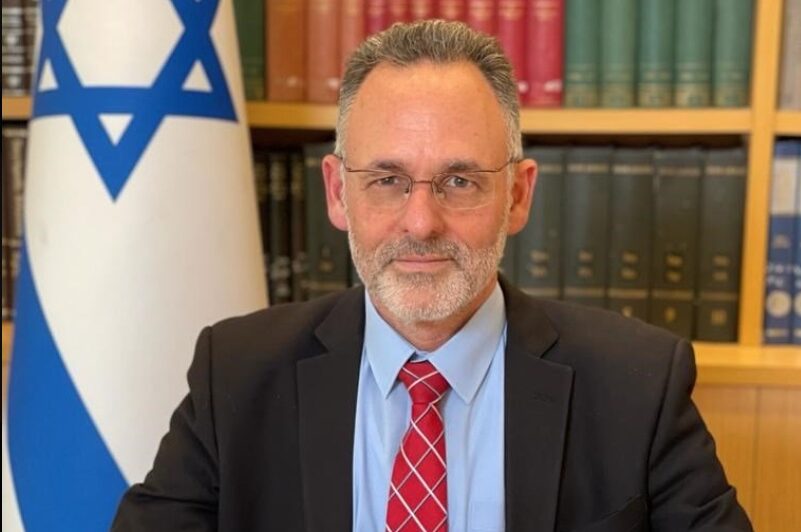
Israel’s ambassador to Canada, Iddo Moed, called on the Canadian government to implement significant changes in its approach to antisemitism during remarks made in Mar...
Explore event →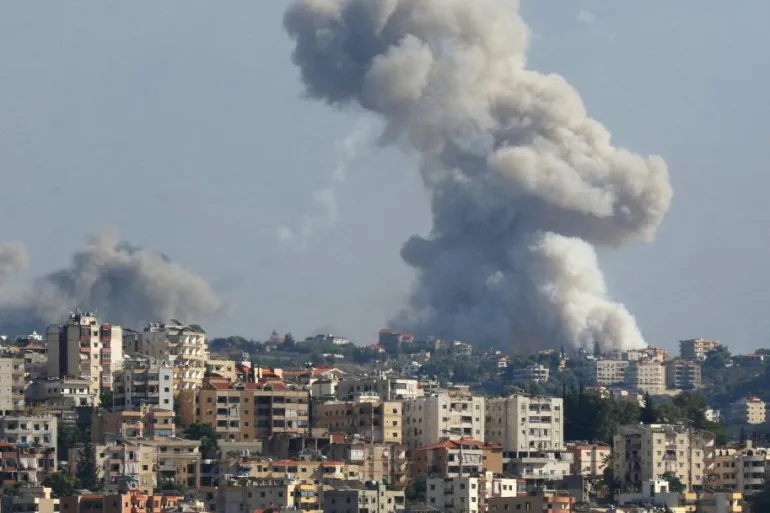
As of March 10, 2026, Israel has launched a severe air campaign and a ground incursion into southern Lebanon following retaliatory attacks by Hezbollah. The escalation...
Explore event →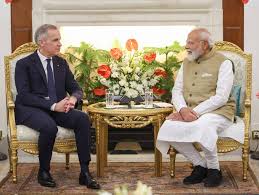
In 2024, total direct and indirect Canadian investment in India surpassed $110 billion, according to statements from the Government of Canada. The figure includes bot...
Explore event →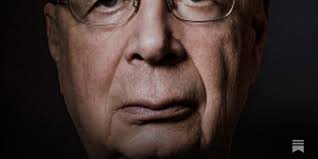
The COVID-19 pandemic has served as a stress test for the model of stakeholder capitalism, in which companies are expected to consider the interests of employees, cust...
Explore event →
On February 25, 2026, Harvard University confirmed that Lawrence Summers will resign from his academic and faculty positions at the end of the 2025–2026 academic year ...
Explore event →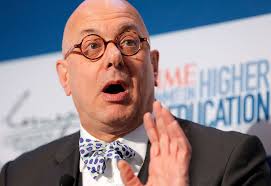
On February 24, 2026, Bard College announced it had opened an independent review into the relationship between its longtime president Leon Botstein and convicted sex o...
Explore event →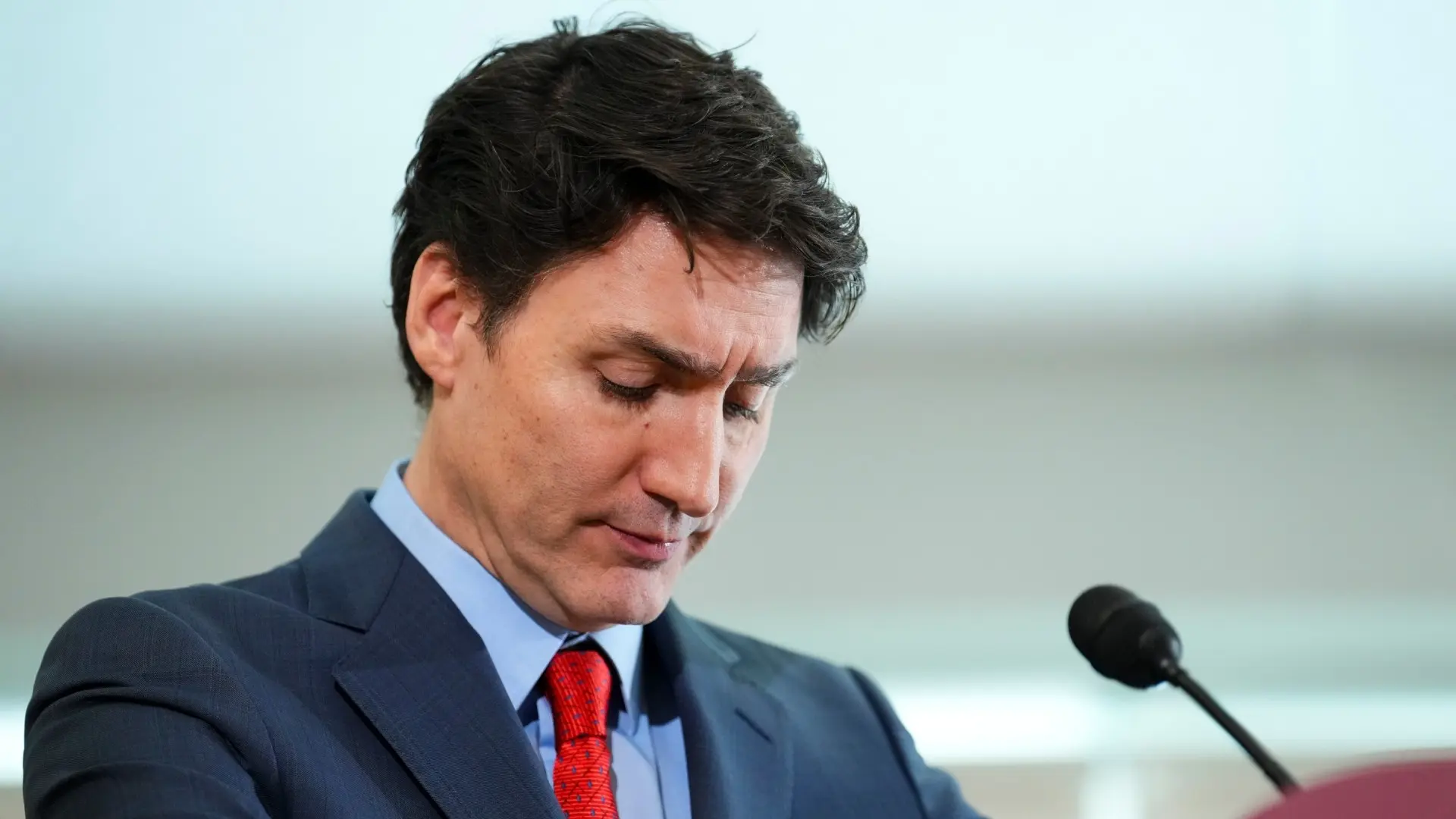
Major Canadian Political and Social Events Timeline body { font-family: Arial, sans-serif; background-color: #f4f4f9; margin: 0; padding: 0; } .timeline-...
Explore event →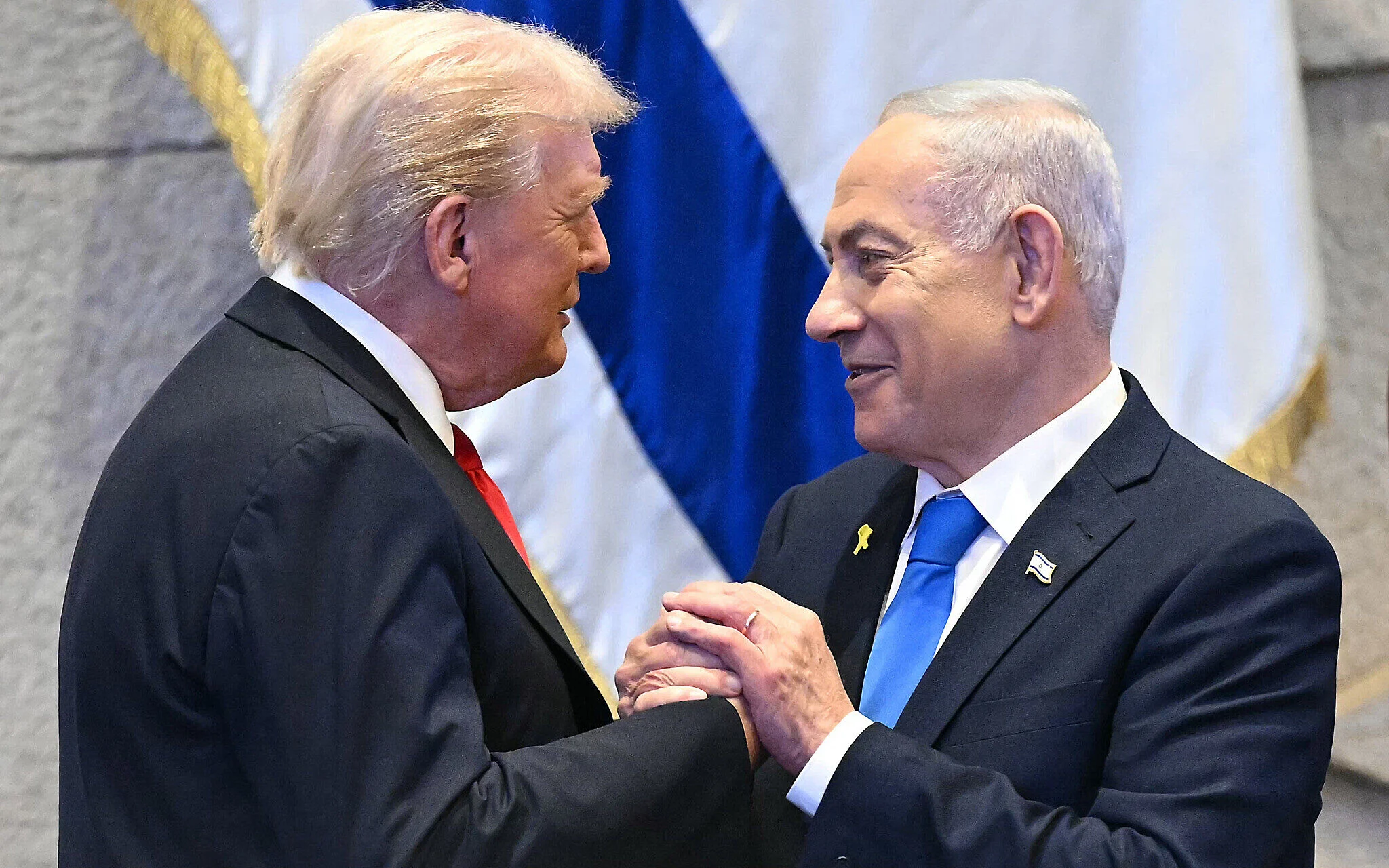
On February 12, 2026, U.S. President Donald Trump publicly demanded that Israeli President Isaac Herzog grant a pardon to Prime Minister Benjamin Netanyahu, thrusting ...
Explore event →
Karen Mulder, the former Dutch supermodel, was among the earliest individuals to publicly speak out about her allegations of sexual abuse linked to Jeffrey Epstein and...
Explore event →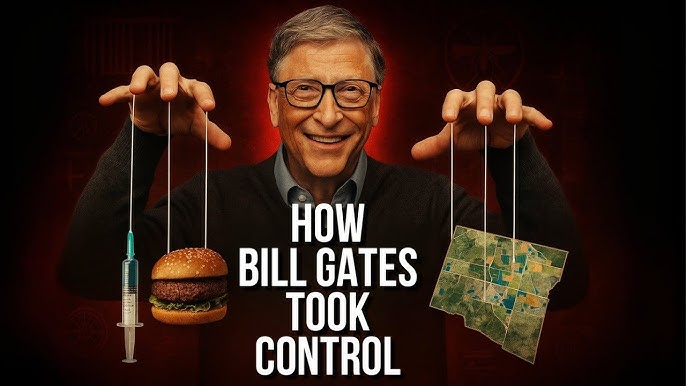
Bill Gates’ influence in global health, food supply, and population programs Bill Gates, co‑founder of Microsoft and a private philanthropist, has been a ma...
Explore event →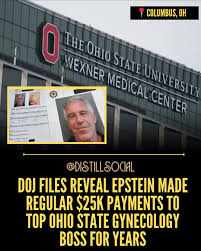
On February 10, 2026, newly released U.S. Department of Justice documents related to convicted sex offender Jeffrey Epstein revealed that Dr. Mark Landon, chair of the...
Explore event →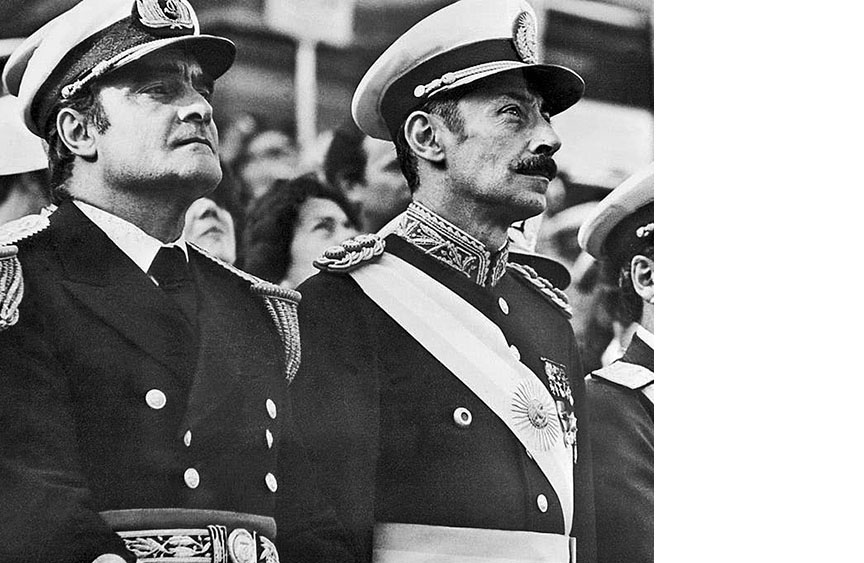
Argentina freezes archives linked to 1970s military junta In early February 2026, Argentina’s Ministry of Justice confirmed that access to a collection of s...
Explore event →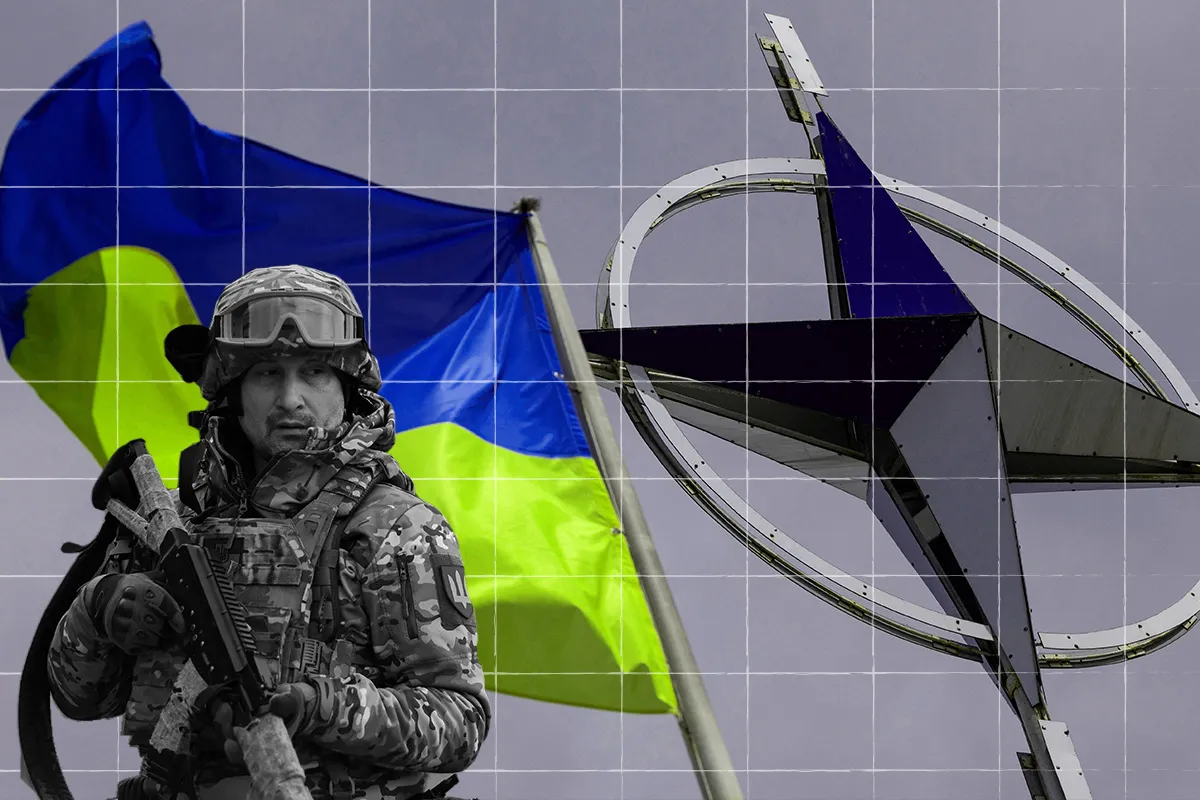
European Parliament raises concerns over NATO military transparency In early February 2026, members of the European Parliament raised concerns during commit...
Explore event →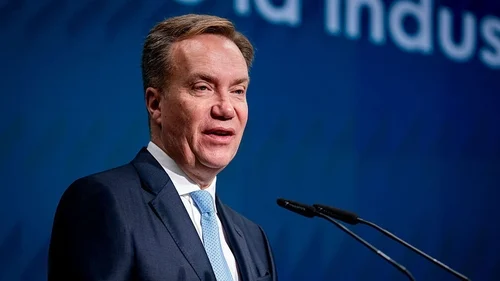
World Economic Forum investigates its CEO over Epstein links On February 5, 2026, the World Economic Forum (WEF) announced the launch of an independent investigation ...
Explore event →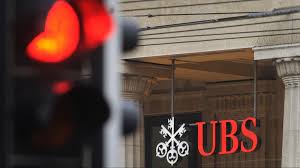
UBS Faces Dual Financial and Political Tests in United States Swiss banking group UBS is entering a critical period involving both financial performance and...
Explore event →
PA Accuses Israel of ‘Slow Execution’ of Palestinian Prisoner Who Died a Week After Release The Palestinian Authority’s Commission of Detainees Affairs and ...
Explore event →
Geopolitical Fragmentation Reshapes Global Financial Flows and Investment Patterns Recent analyses from international organisations and economic researchers...
Explore event →
South Korea’s Ministry of Economy and Finance issued the country’s first government-backed digital bond, leveraging blockchain technology to improve transparency and r...
Explore event →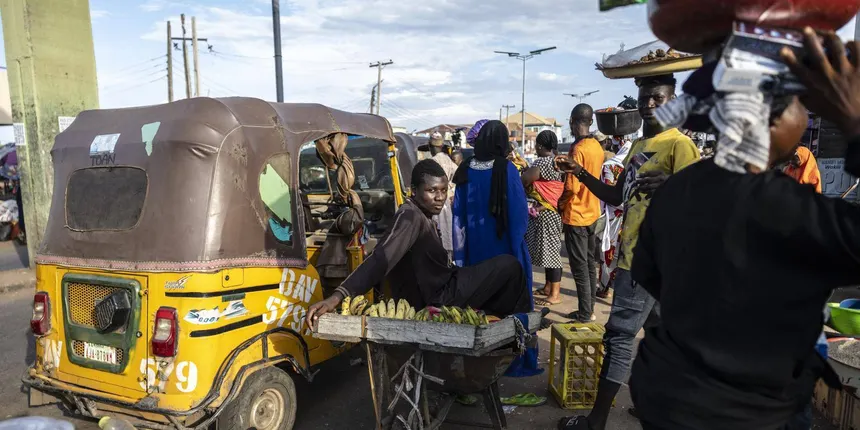
The Nigerian government has established a new national anti-corruption oversight council aimed at increasing transparency in federal procurement and reducing systemic ...
Explore event →
30 June 2012 — Mohamed Morsi, associated with the Muslim Brotherhood's political movement, becomes Egypt's first president elected after the 2011 uprising. His governm...
Explore research
2011–2014 — Mubarak's fall opens competitive elections and unprecedented political participation, but the transition rapidly produces institutional conflict, polarizat...
Explore research
28 April 2009 — Albania formally submits its application for membership in the European Union, beginning a long process of institutional and legal reforms tied to acce...
Explore research
1 April 2009 — Albania becomes a full member of NATO. Membership marks a major milestone in the country's post-communist integration with Western political and securit...
Explore research
28 November 1998 — Albania adopts a new constitution after the instability of the early post-communist period. It establishes the fundamental institutional framework o...
Explore research
29 April 1991 — New constitutional provisions formally establish the Republic of Albania during the transition away from communist government. The country begins rebui...
Explore research
1990–1998 — Investigate economic collapse, weak institutions, mass migration, political confrontation, pyramid schemes and the rebuilding of Albanian state authority.
Explore research
18 June 1953 — The monarchy is formally abolished and Egypt is declared a republic. Muhammad Naguib becomes the first president, but power increasingly shifts toward G...
Explore research
1 September 1928 — Zogu transforms the republic into a monarchy and takes the title Zog I, King of the Albanians. The monarchy seeks modernization and stronger nationa...
Explore research
21–31 January 1920 — Albanian political leaders meet at Lushnjë to reassert sovereignty and resist foreign plans that threatened partition. The congress creates new na...
Explore research
970–972 CE — The Fatimids establish the mosque and teaching institution that develops into al-Azhar. Over the centuries it becomes one of the most influential centers ...
Explore research
1st–4th centuries CE — Christianity spreads through the Roman Balkans and eventually becomes institutionally established. Bishoprics emerge in important cities includi...
Explore research
30 BCE–395 CE — Egypt remains one of the Roman Empire's wealthiest provinces. Alexandria continues as a major commercial and intellectual center while traditional Egyp...
Explore research
c. 1070 BCE — Central royal authority weakens while powerful priestly institutions and regional rulers gain influence. Egypt loses much of its empire in the Levant and...
Explore research
c. 1070–664 BCE — Political power is divided among several dynasties and regional centers. Libyan-descended ruling families establish dynasties in northern Egypt, whil...
Explore research
c. 1353–1336 BCE — Amenhotep IV changes his name to Akhenaten and promotes extraordinary devotion to the solar deity Aten. He establishes a new royal capital at Akheta...
Explore research
c. 3100–2686 BCE — The first dynasties strengthen royal authority and expand administrative control across Egypt. Royal tombs become increasingly elaborate, especially...
Explore research
c. 3100 BCE — Political consolidation produces a state extending across most of the Nile Valley and Delta. A royal court, taxation system, organized labor force and in...
Explore research
c. 3100 BCE–2026 CE — Egypt has been governed by native pharaohs, Nubian kings, Persians, Macedonians, Romans, Byzantines, Arab caliphates, Fatimids, Ayyubids, Mamluks...
Explore research
c. 3100 BCE–2026 CE — Modern Egyptians live in the same Nile landscape that supported pharaonic civilization, but language, religion, political institutions and popula...
Explore research
The Council on Foreign Relations provides an important institutional setting for examining the overlap between Henry Kissinger and David Rockefeller. Their relationshi...
Explore research
The Council on Foreign Relations provided a continuing institutional forum where scholars, government officials, business leaders and other participants discussed inte...
Explore research
Chase Manhattan Bank was a major U.S. financial institution led by David Rockefeller during a period of significant international expansion. The bank maintained intern...
Explore research
Chase Manhattan Bank was a major U.S. financial institution led by David Rockefeller during a period of significant international expansion. The bank maintained intern...
Explore research