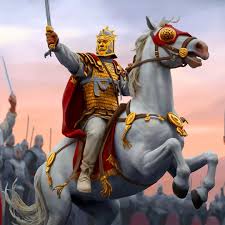
Rise of Emperor Aurelian
Aurelian was proclaimed emperor by his troops following the death of Emperor Claudius Gothicus. His accession marked a significant turning point during the Crisis of t...
Explore event →History does not happen in isolation. Explore world events across time, follow the connections between them, and investigate the threads that reveal how one event can lead to another.
TheTimeMap currently follows events across 95 countries and 268 years of history — building a connected archive designed for people who want to look beyond the headline.
We oppose antisemitism, racism, and dehumanization — everywhere.
When people stop feeling, injustice becomes easy.
Aurelian was proclaimed emperor by his troops following the death of Emperor Claudius Gothicus. His accession marked a significant turning point during the Crisis of t...
Explore event →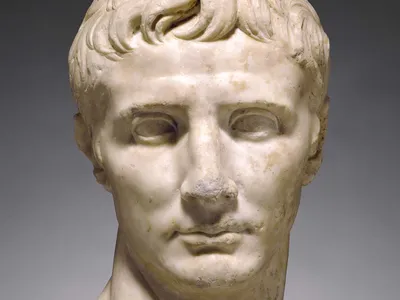
Claudius II Gothicus, Roman Emperor known for military victories against Gothic tribes, died in Sirmium after a period of illness. His death marked a significant momen...
Explore event →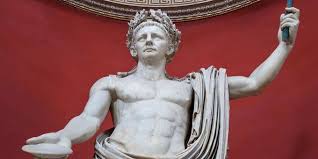
Claudius II Gothicus became Roman Emperor following the death of his predecessor. His accession marked a shift during a turbulent period of frequent leadership changes...
Explore event →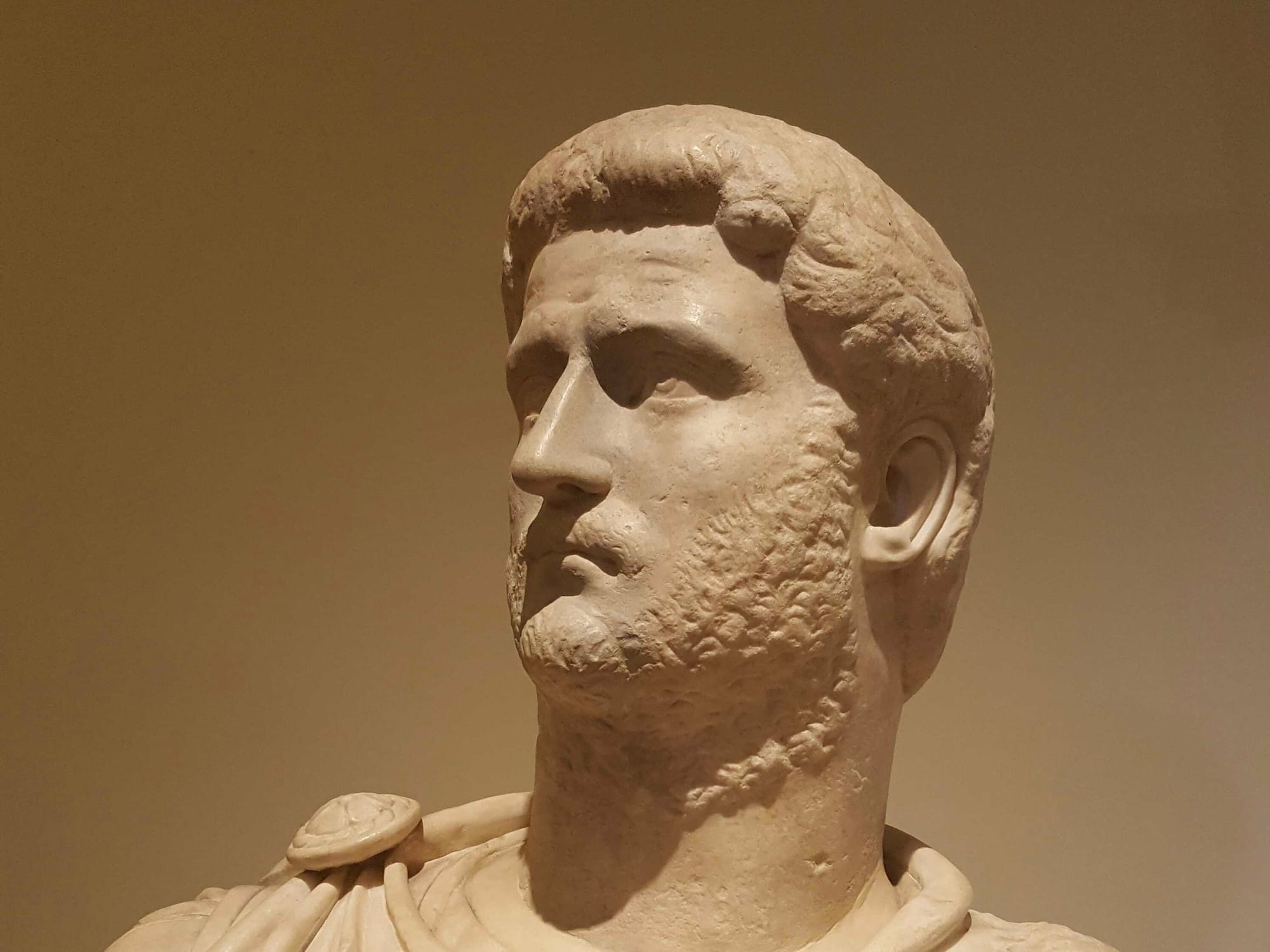
Gallienus became Roman Emperor following the assassination of his father, Valerian. His accession marked the beginning of a co-rule, where he shared power with his fat...
Explore event →
Rabbinic literature from the Mishnaic and Talmudic periods (approximately 1st–6th centuries CE) includes legal discussions that describe several categories relating to...
Explore event →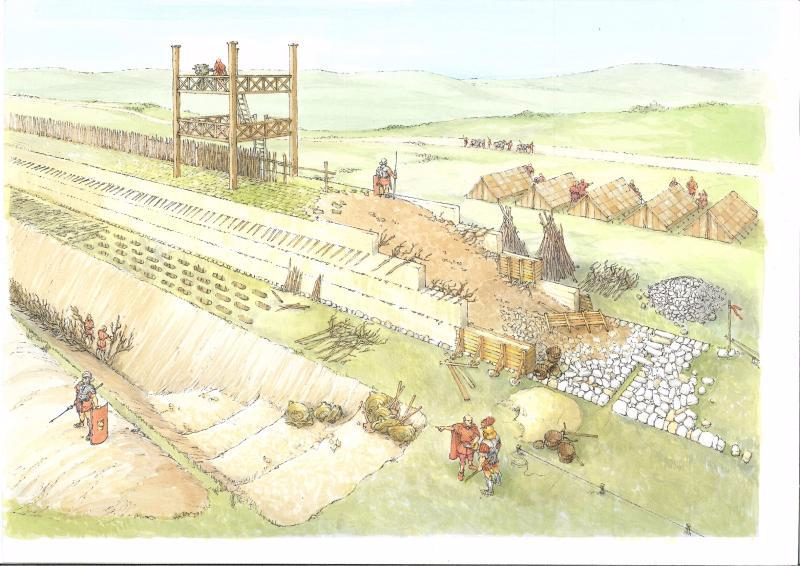
The Antonine Wall, built by the Romans to mark the northernmost boundary of their empire in Britain, was abandoned in the mid-2nd century AD.The Romans retreated south...
Explore event →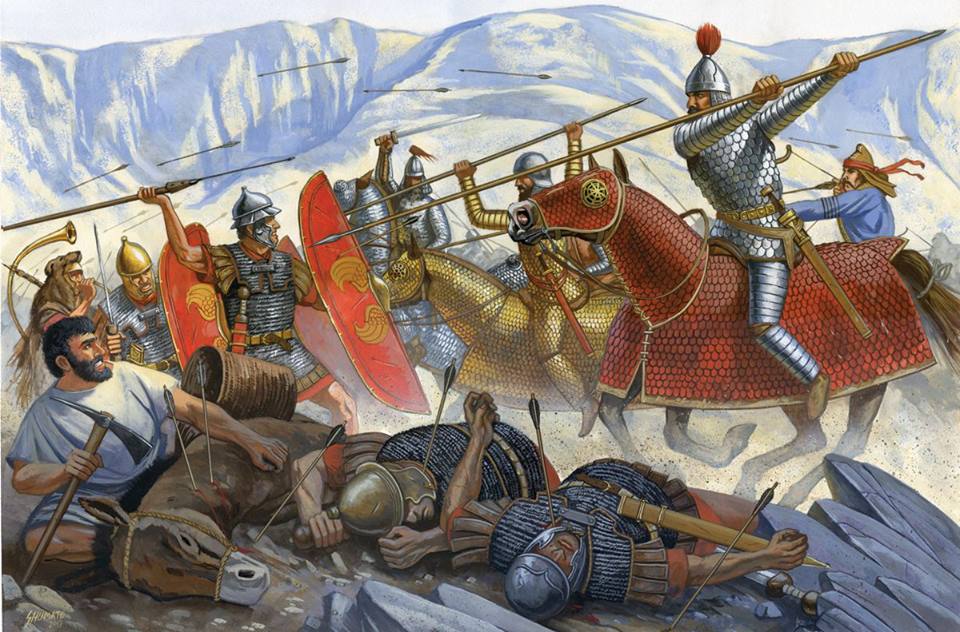
The Parthian War under Roman Emperor Lucius Verus began as tensions escalated between the Roman Empire and the Parthian Empire. This conflict was marked by Roman milit...
Explore event →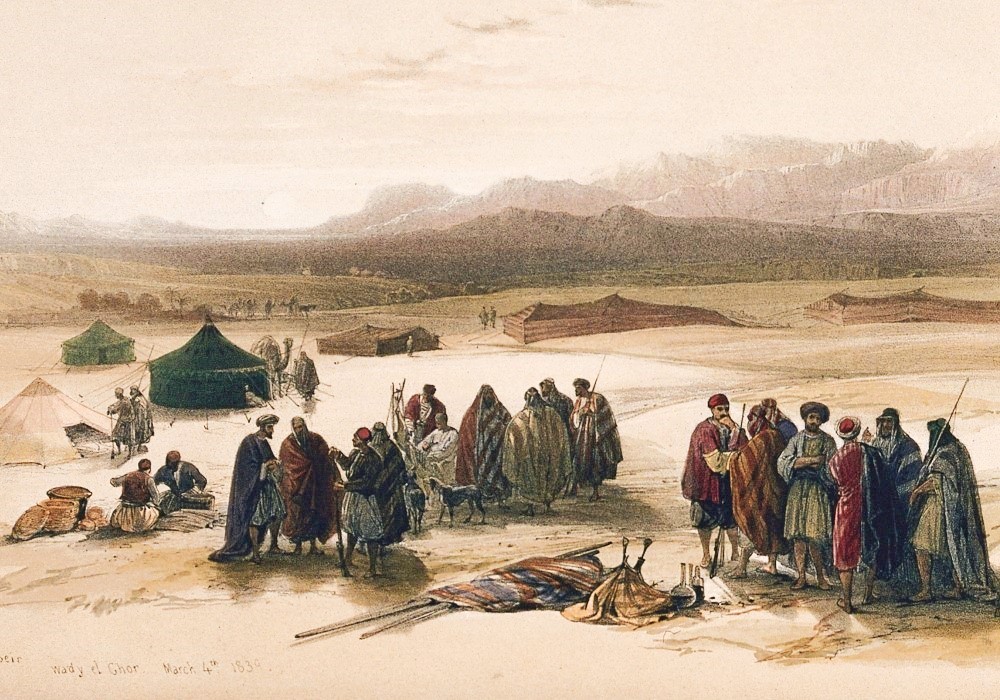
The Edomites, also known in later sources as Idumeans, were an ancient Semitic people who lived in the region south of Judea, historically associated with the descenda...
Explore event →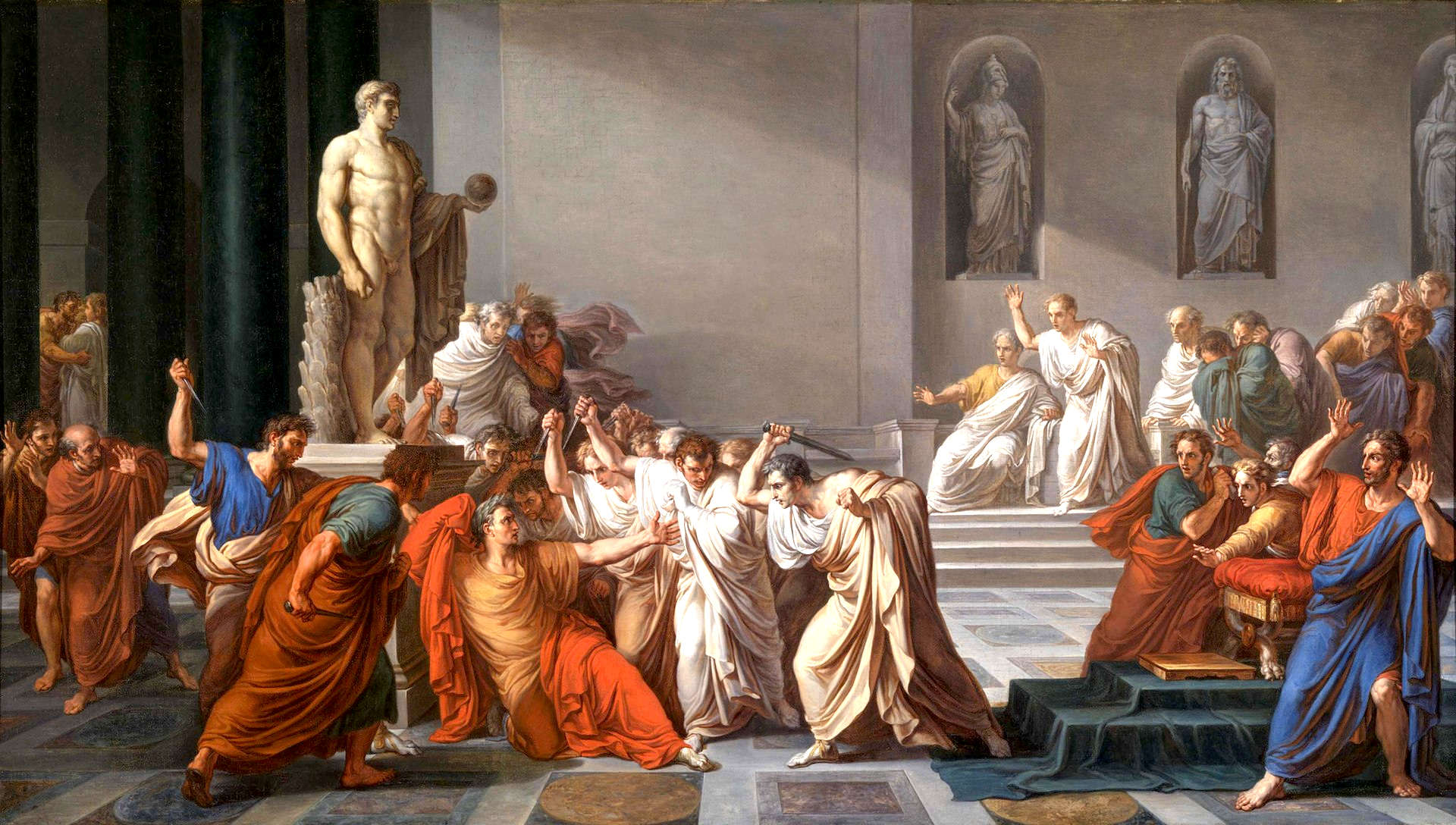
Following the death of Emperor Claudius, Nero Claudius Caesar Augustus Germanicus was declared Roman Emperor. His rise to power was orchestrated largely by his mother,...
Explore event →
The Council of Jerusalem was a pivotal assembly of early Christian leaders who convened to discuss the integration of Gentile converts into the predominantly Jewish Ch...
Explore event →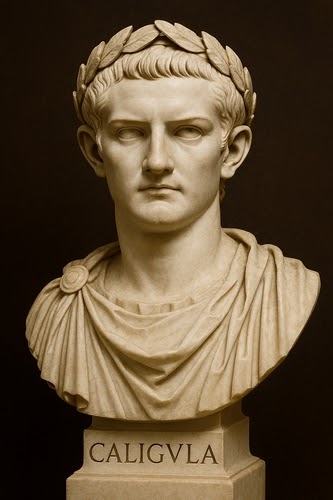
Caligula, born Gaius Julius Caesar Germanicus, became Roman Emperor following the death of Tiberius. His accession marked a significant transition in the Julio-Claudia...
Explore event →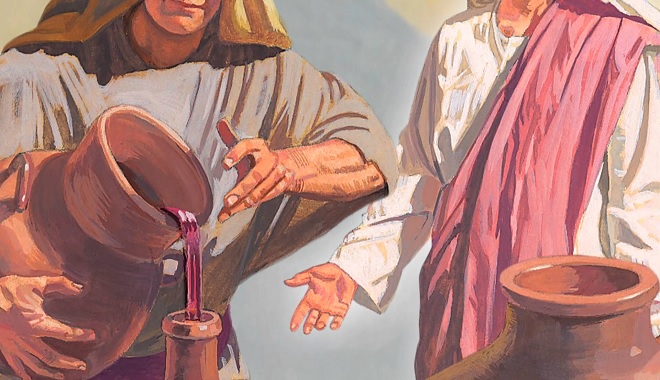
The town of Qana in southern Lebanon is traditionally identified by some Christian communities as the site of the biblical event where Jesus is said to have performed ...
Explore event →
Ma Jun, a prominent Chinese inventor, developed several groundbreaking mechanical devices that made significant impacts on local industry. His inventions focused on im...
Explore event →
30 June 2012 — Mohamed Morsi, associated with the Muslim Brotherhood's political movement, becomes Egypt's first president elected after the 2011 uprising. His governm...
Explore research
21 March 1918 — Germany launches Operation Michael, the first of several major offensives designed to win the war in the west before American manpower becomes overwhel...
Explore research
July 1914 — Russian leaders view Serbia as both a political partner and a test of Russian great-power credibility in the Balkans. Previous retreats in regional crises ...
Explore research
1805–1848 CE — Muhammad Ali becomes Ottoman governor of Egypt but builds a virtually hereditary state under his family's control. He creates a new army, expands state ...
Explore research
1517–1798 CE — Egypt remains formally part of the Ottoman Empire for centuries while powerful local military households gain substantial autonomy. Agricultural taxes a...
Explore research
17 January 1468 — Gjergj Kastrioti Skanderbeg dies at Lezhë after more than two decades as the central figure of Albanian resistance to Ottoman expansion. His leadersh...
Explore research
30 BCE — Octavian captures Alexandria after the deaths of Antony and Cleopatra. Egypt becomes a Roman province under unusually close imperial supervision because of it...
Explore research
30 BCE — Ancient writers indicate that Cleopatra and Mark Antony were buried together, but their burial place has never been securely identified. Archaeologists have e...
Explore research
c. 2686–2181 BCE — The Old Kingdom becomes the classic age of pyramid construction and highly centralized kingship. The royal court controls extensive agricultural res...
Explore research
1 January 1944 — By 1944 American submarines are destroying Japanese merchant shipping at a rate Japan cannot replace. Oil, food, raw materials and military supplies b...
Explore research
4 June 1942 — American carrier forces intercept a Japanese operation aimed at Midway Atoll. U.S. cryptanalytic intelligence allows Admiral Chester Nimitz to position c...
Explore research
2 February 1942 — Fritz Sauckel's later appointment as General Plenipotentiary for Labour Deployment in March formalizes a rapidly expanding coercive labor system, whi...
Explore research
15 November 1923 — Germany introduces the Rentenmark during the final phase of the hyperinflation crisis. Years of wartime debt, fiscal instability, reparations pressu...
Explore research
The Rockefeller Foundation is a philanthropic organization established in 1913. Its historical activities included programs concerning public health, agriculture, educ...
Explore research
28 June 1919 — Many German political movements interpret Versailles as a dictated peace and focus particularly on territorial losses, reparations and the treaty's resp...
Explore research
29 October 1929 — Severe declines on the New York Stock Exchange become a symbol of the developing global economic crisis. Banking failures, declining trade, falling d...
Explore research
20 January 1942 — Senior Nazi officials meet near Berlin to coordinate bureaucratic implementation of the so-called Final Solution of the Jewish Question. Mass killing...
Explore research