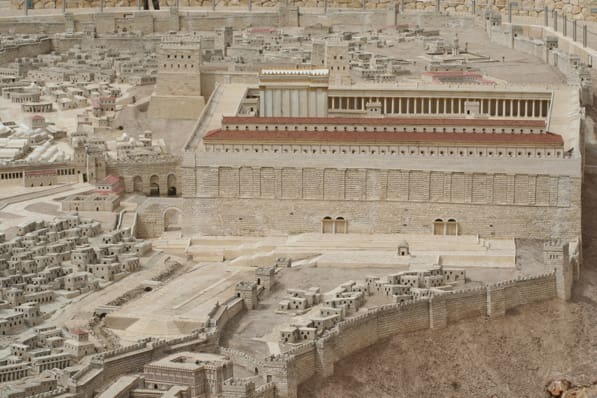
Ruin of Jerusalem's Holy Temple
The Roman army, led by Titus, besieged Jerusalem during the First Jewish–Roman War, culminating in the destruction of the Second Temple.The Temple was set ablaze and r...
Explore event →History does not happen in isolation. Explore world events across time, follow the connections between them, and investigate the threads that reveal how one event can lead to another.
TheTimeMap currently follows events across 95 countries and 268 years of history — building a connected archive designed for people who want to look beyond the headline.
We oppose antisemitism, racism, and dehumanization — everywhere.
When people stop feeling, injustice becomes easy.
The Roman army, led by Titus, besieged Jerusalem during the First Jewish–Roman War, culminating in the destruction of the Second Temple.The Temple was set ablaze and r...
Explore event →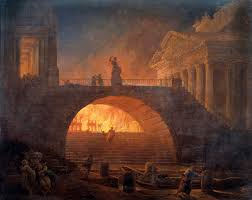
The Great Fire broke out in the city of Rome, spreading rapidly through wooden structures and thatched roofs. The blaze lasted several days, destroying vast parts of t...
Explore event →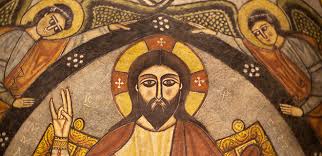
Coptic Christianity, one of the oldest Christian traditions, has seen notable growth within Egypt in recent years. Rooted deeply in Egyptian history, the Coptic commun...
Explore event →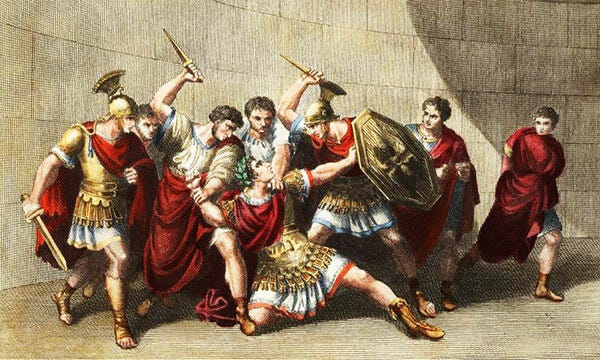
Caligula, the third Roman emperor, was assassinated by members of the Praetorian Guard on January 24th. His reign was marked by controversy, extravagance, and reported...
Explore event →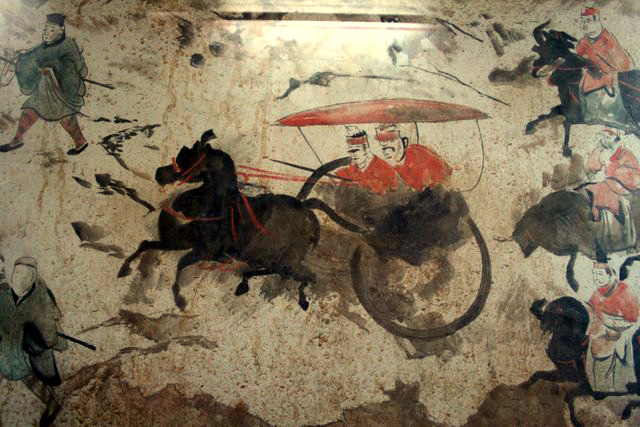
The Xin dynasty's rule ended after widespread revolts erupted against Wang Mang's government. These uprisings were fueled by famine, flooding, and political unrest tha...
Explore event →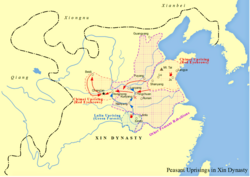
The Xin dynasty was established by Wang Mang, who usurped the throne from the Han dynasty. This marked a significant political shift in ancient China, interrupting the...
Explore event →
Jesus of Nazareth, the central figure of Christianity, is traditionally believed to have been born in Bethlehem during the final years of the reign of Herod the Great....
Explore event →
1 July 1916 — British and French forces open the Somme offensive after an enormous artillery preparation. The first day becomes the bloodiest single day in British mil...
Explore research
29 July 1913 — The Great Powers recognize an independent Albanian principality. The borders they establish leave substantial Albanian-speaking populations outside the ...
Explore research
c. 1457 BCE — Thutmose III defeats a coalition of Levantine rulers near Megiddo. Egyptian inscriptions provide one of history's earliest detailed military campaign nar...
Explore research
c. 2667–2648 BCE — Djoser rules during Egypt's Third Dynasty and is associated with one of the greatest architectural transformations in ancient history. His funerary ...
Explore research
c. 3100 BCE–2026 CE — Egypt has been governed by native pharaohs, Nubian kings, Persians, Macedonians, Romans, Byzantines, Arab caliphates, Fatimids, Ayyubids, Mamluks...
Explore research
Human communities occupied the territory of modern Albania long before written history. Archaeology reveals Paleolithic activity followed by increasingly settled commu...
Explore research
23 August 1941 — German forces intensify operations that culminate in one of the largest encirclements in military history around Kyiv. Hitler diverts armored forces s...
Explore research
28 June 1919 onward — The Treaty of Versailles becomes one of the most controversial diplomatic settlements in modern history. Reparations, territorial changes, milita...
Explore research
22 June 1944 — Exactly three years after Barbarossa, the Soviet Union launches Operation Bagration against German Army Group Centre in Belarus. Soviet forces achieve d...
Explore research
8 September 1941 — German and Finnish advances isolate Leningrad from most overland supply routes. Hitler chooses not to storm the city immediately and instead expects...
Explore research
3 July 1941 — Stalin addresses the Soviet population and invokes defense of the motherland as well as socialist ideology. Soviet propaganda increasingly draws upon Rus...
Explore research