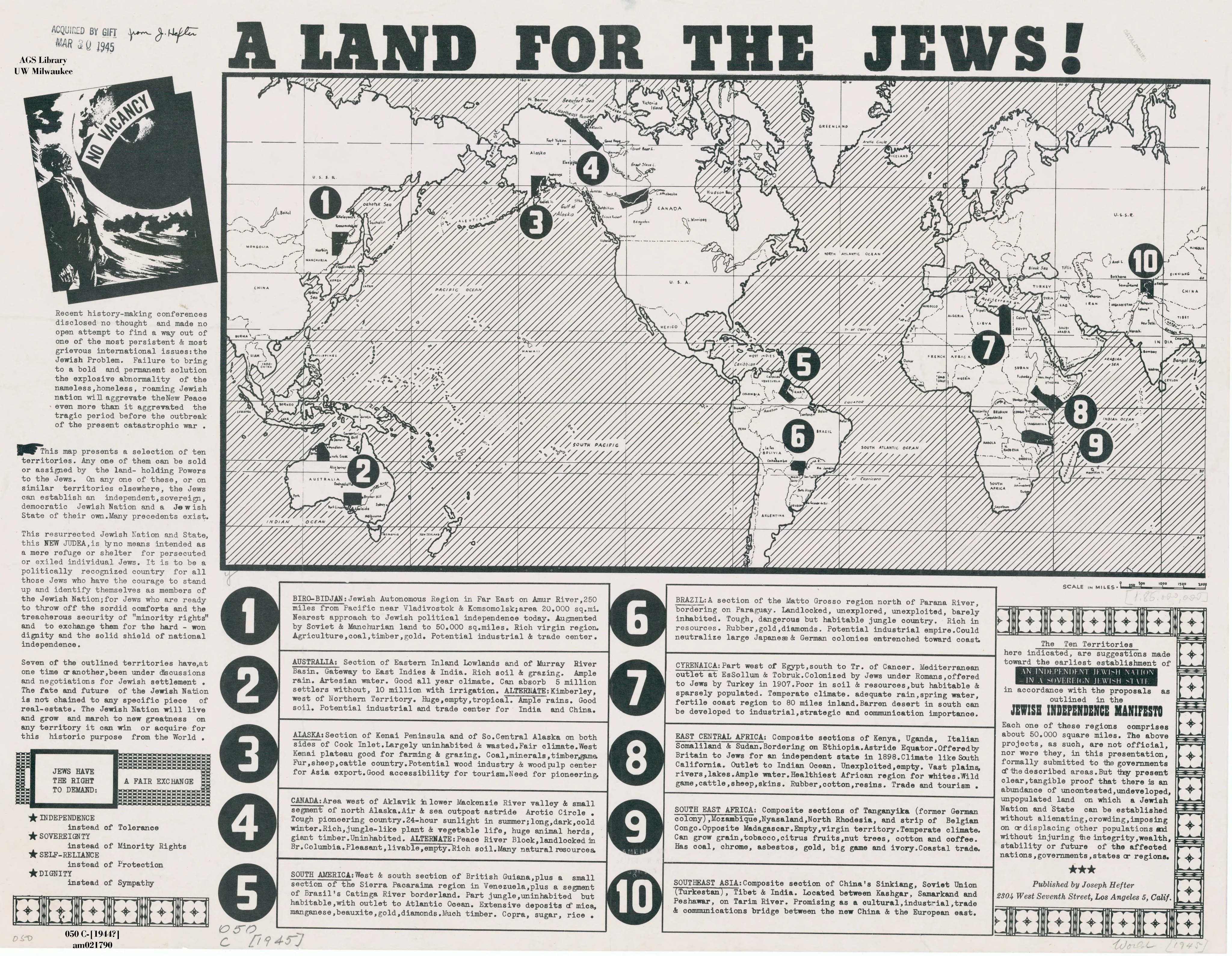
Proposed Jewish Settlements and Local Creation Myths
Proposed Jewish Settlements and Local Creation Myths body { font-family: Arial, sans-serif; background-color: #f4f4f9; margin: 0; padding: 0; } .timeline...
Explore event →History does not happen in isolation. Explore world events across time, follow the connections between them, and investigate the threads that reveal how one event can lead to another.
TheTimeMap currently follows events across 95 countries and 268 years of history — building a connected archive designed for people who want to look beyond the headline.
We oppose antisemitism, racism, and dehumanization — everywhere.
When people stop feeling, injustice becomes easy.
Proposed Jewish Settlements and Local Creation Myths body { font-family: Arial, sans-serif; background-color: #f4f4f9; margin: 0; padding: 0; } .timeline...
Explore event →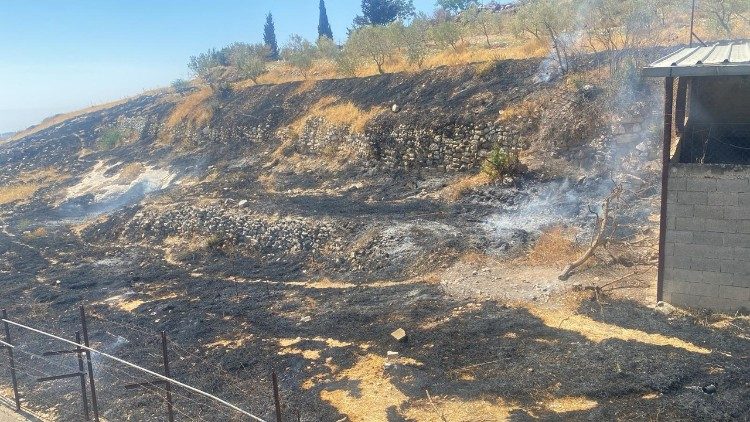
On July 7, 2025, Israeli settlers allegedly carried out an arson attack near the historic Church of St. George—one of the oldest Christian sites in the West Bank—and t...
Explore event →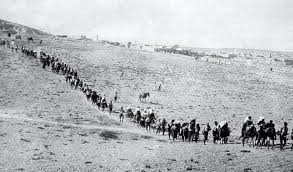
Pontic Greek Genocide On May 19, 1919, military operations intensified against Greek communities in the Pontus region along the Black Sea coast of the Ottoman Empire....
Explore event →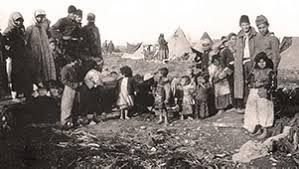
Greek Genocide On May 19, 1919, Greek communities in the Pontus region of the Ottoman Empire faced intensified military operations during the final phase of systemati...
Explore event →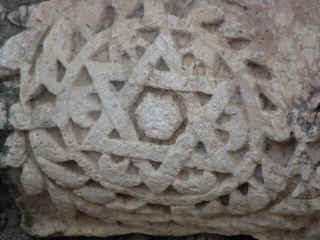
The “Star of Remphan” is a phrase found in the New Testament in the Book of Acts (Acts 7:43), where Stephen references Israelite idolatry while quoting from earlier He...
Explore event →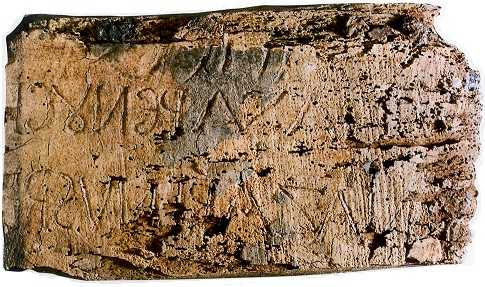
Titulus Above Jesus on the Cross According to the New Testament, Pontius Pilate ordered a sign to be placed above Jesus during his crucifixion. The Gospels ...
Explore event →
1923 — The Treaty of Lausanne formalizes a compulsory population exchange largely based on religion.
Explore research
1834 — Athens becomes the capital of the modern Greek state.
Explore research
7th–10th centuries — Arabic increasingly replaces Greek and Coptic in government and eventually becomes the dominant spoken language. Conversion to Islam occurs over g...
Explore research
30 BCE–395 CE — Egypt remains one of the Roman Empire's wealthiest provinces. Alexandria continues as a major commercial and intellectual center while traditional Egyp...
Explore research
Untitled168 BCE–395 CE — The lands of modern Albania are gradually integrated into Roman provincial systems. Cities expand, Latin and Greek cultural influences deepen,...
Explore research
305–30 BCE — The Macedonian Ptolemaic dynasty rules Egypt after the fragmentation of Alexander's empire. Its kings present themselves simultaneously as Hellenistic mon...
Explore research
331 BCE — Alexander establishes Alexandria on Egypt's Mediterranean coast. Under his successors, the city becomes one of the greatest centers of trade and scholarship ...
Explore research
4th–3rd centuries BCE — Several Illyrian dynasties consolidate larger kingdoms across the western Balkans. Their rulers compete with Macedonia, Epirus and Greek coasta...
Explore research
431–404 BCE — Athens and Sparta lead rival alliances in a devastating war across the Greek world.
Explore research
480 BCE — Greek naval forces defeat the Persian fleet near Salamis.
Explore research
480 BCE — Leonidas and a Greek force resist Xerxes' invasion at the pass of Thermopylae.
Explore research
c. 588 BCE — Greek settlers establish Apollonia near the lower Vjosa River. The city grows into an important commercial and intellectual center connecting the Adriatic...
Explore research
627 BCE — Greek colonists establish Epidamnos on the Adriatic coast, later known as Dyrrachium and modern Durrës. The settlement becomes a major commercial link betwee...
Explore research
664–525 BCE — Rulers of the Twenty-Sixth Dynasty reunify Egypt from their base at Sais. They encourage trade with the Greek world, employ foreign mercenaries and reviv...
Explore research
c. 1000–500 BCE — Iron Age communities later identified by Greek and Roman writers as Illyrian become visible across much of the western Balkans. Illyrians were not on...
Explore research
Over time Greek becomes dominant in the Byzantine state while Orthodox Christianity becomes central to identity.
Explore research
Macedonian king whose conquests spread Greek language and culture across a vast Hellenistic world.
Explore research
Major Greek city-state that becomes associated with democracy, philosophy, drama and maritime power.
Explore research
5 July 2015 — Greek voters reject proposed bailout conditions in a highly charged referendum.
Explore research
Farming villages existed in the Aegean world thousands of years before Greek-speaking states emerged.
Explore research
September 1922 — Greek defeat in Anatolia culminates in the destruction of much of Smyrna and mass displacement.
Explore research
Early Christian communities form across the Greek-speaking eastern Mediterranean.
Explore research
July 1974 — A Greek-backed coup in Cyprus and subsequent Turkish intervention trigger the collapse of the military regime.
Explore research
Crusader and Venetian powers control important Greek territories, islands and ports.
Explore research