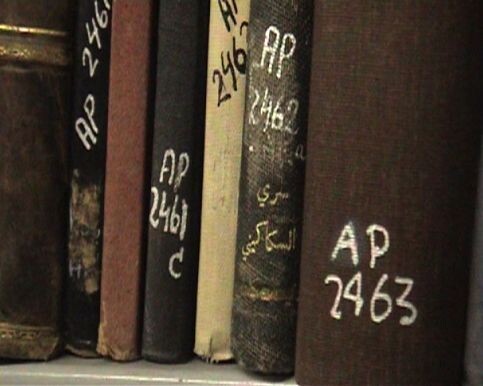
Great Book Robbery of 1948
Great Book Robbery of 1948 In 1948, during the Arab–Israeli War following the end of the British Mandate for Palestine, thousands of books and manuscripts were stolen...
Explore event →History does not happen in isolation. Explore world events across time, follow the connections between them, and investigate the threads that reveal how one event can lead to another.
TheTimeMap currently follows events across 95 countries and 268 years of history — building a connected archive designed for people who want to look beyond the headline.
We oppose antisemitism, racism, and dehumanization — everywhere.
When people stop feeling, injustice becomes easy.
Great Book Robbery of 1948 In 1948, during the Arab–Israeli War following the end of the British Mandate for Palestine, thousands of books and manuscripts were stolen...
Explore event →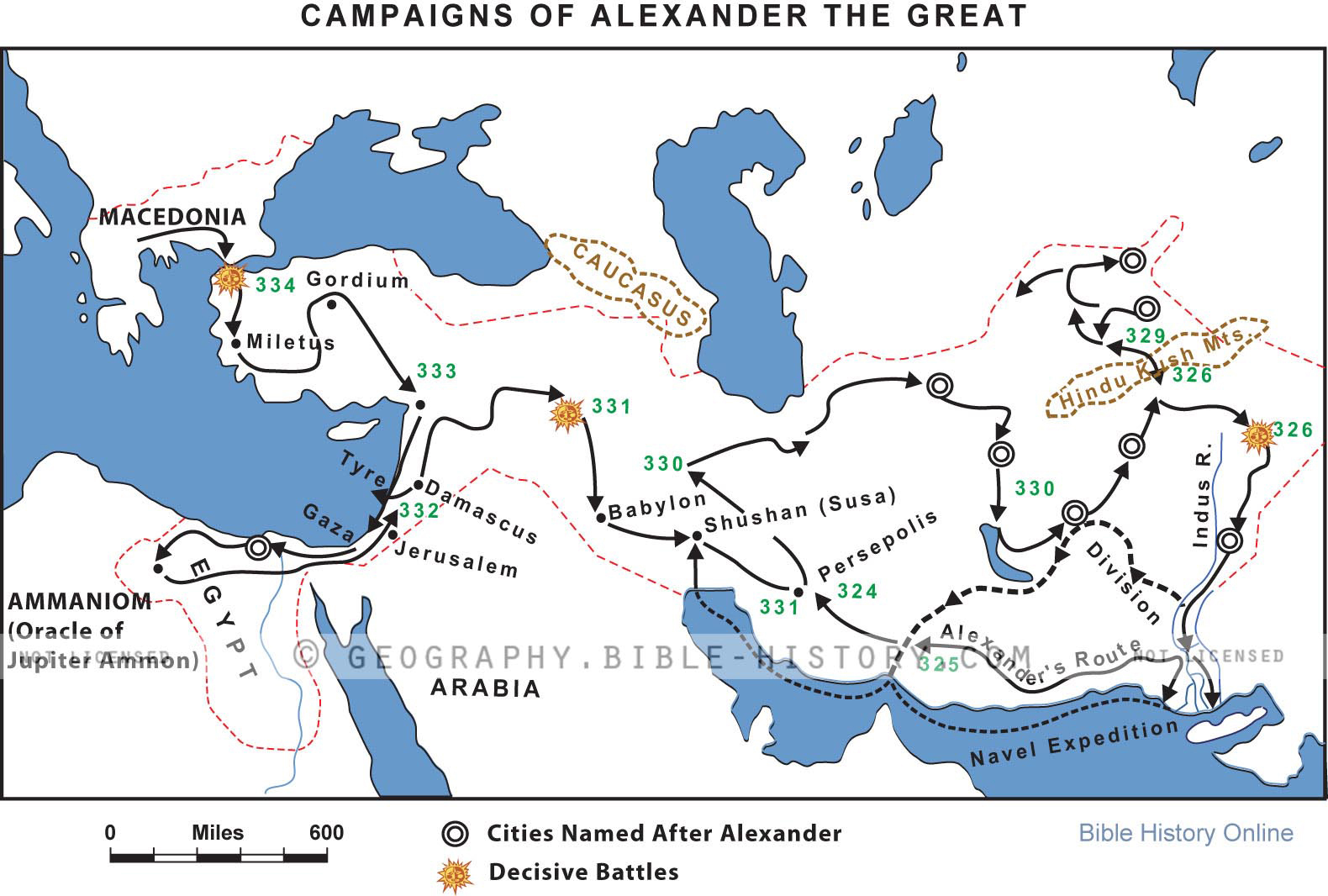
Alexander the Great Travels Through Palestine In October 332 B.C., during his campaign against the Persian Empire, Alexander III of Macedon, commonly known as Alexand...
Explore event →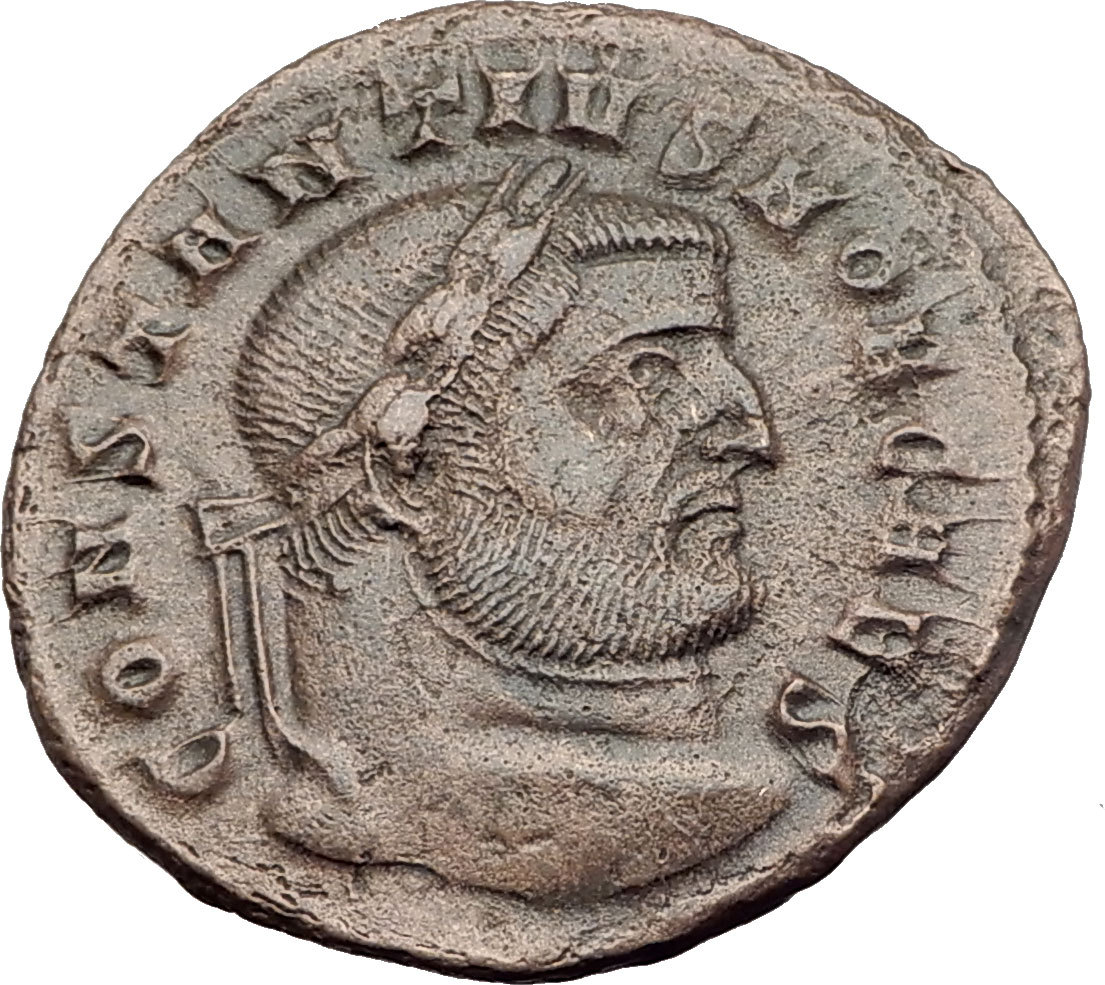
Constantius Chlorus was elevated to the rank of Augustus on May 1st, 305, following the abdication of the previous Tetrarchs, Diocletian and Maximian. This event marke...
Explore event →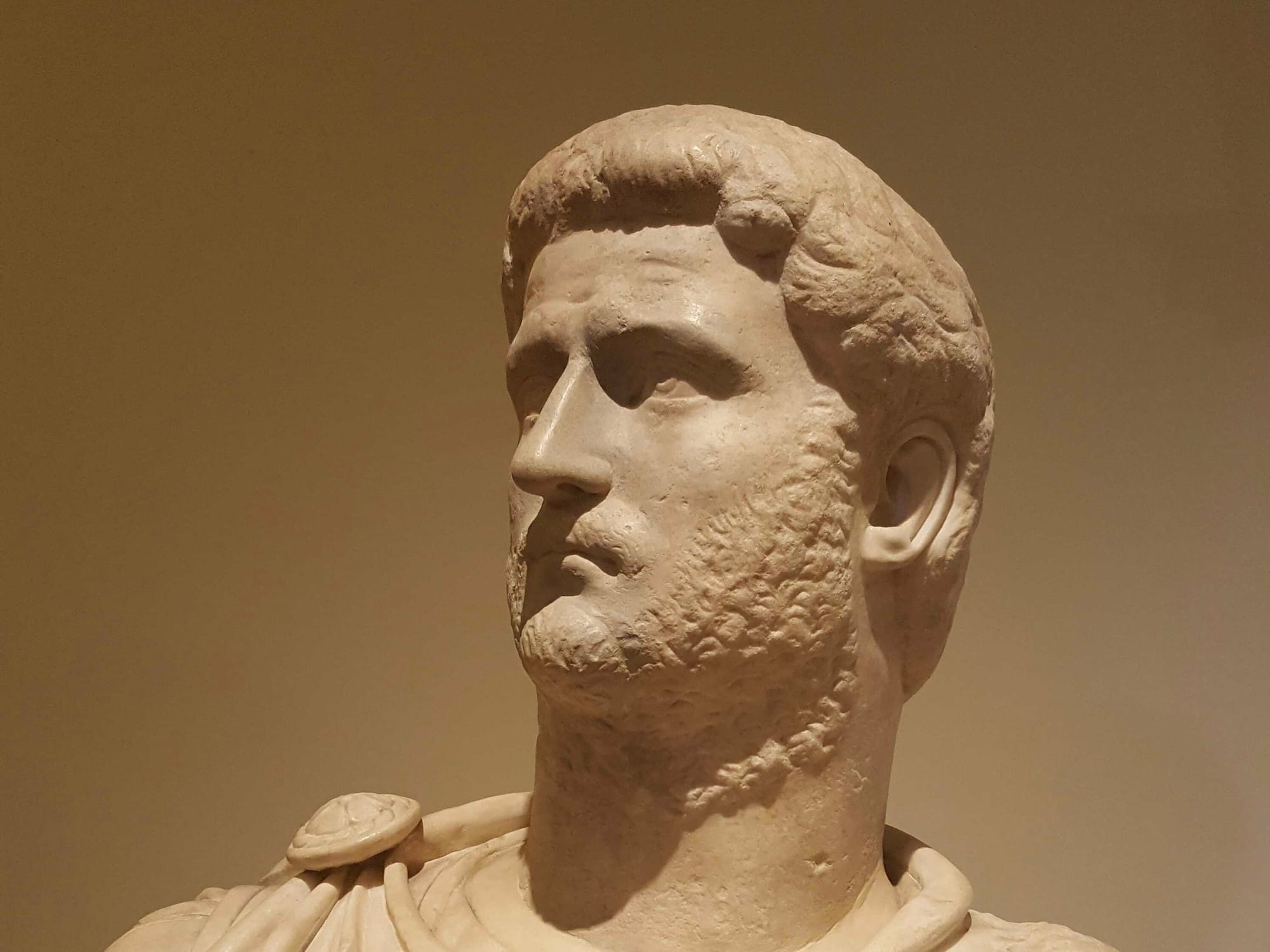
Gallienus became Roman Emperor following the assassination of his father, Valerian. His accession marked the beginning of a co-rule, where he shared power with his fat...
Explore event →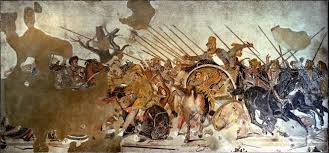
The Battle of Issus was fought between the forces of the Roman Emperor Septimius Severus and his rival Pescennius Niger. It marked a defining moment during the Year of...
Explore event →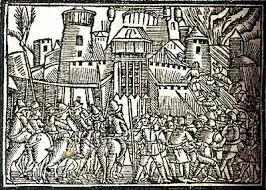
The Siege and Fall of Betar marked a decisive moment in the Bar Kokhba revolt against Roman rule in Judea. The fortress held out for months before falling to Roman for...
Explore event →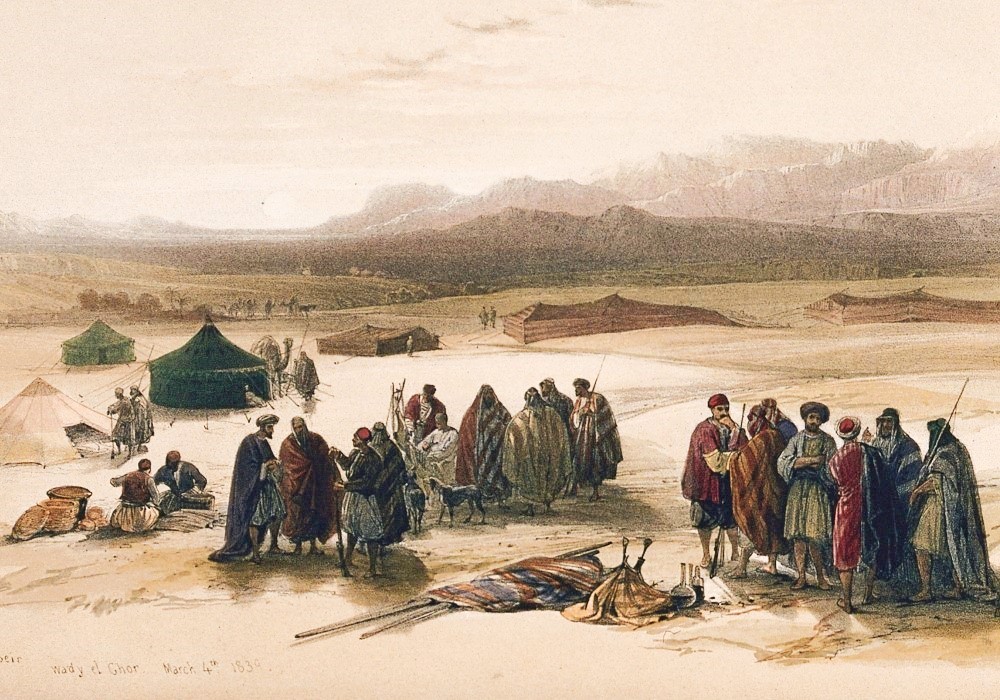
The Edomites, also known in later sources as Idumeans, were an ancient Semitic people who lived in the region south of Judea, historically associated with the descenda...
Explore event →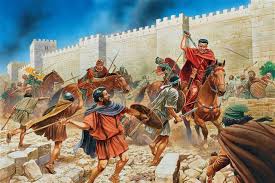
The First Jewish–Roman War, also known as the Great Revolt, began in April 66 CE in the Roman province of Judaea. Jewish rebels rose up against the Roman administratio...
Explore event →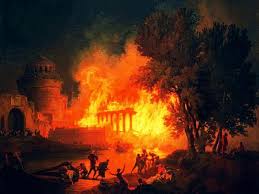
The Great Fire of Rome began in the night and quickly spread through the city, causing extensive destruction. The fire lasted for six days and destroyed many neighborh...
Explore event →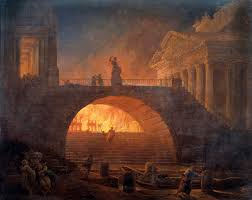
The Great Fire broke out in the city of Rome, spreading rapidly through wooden structures and thatched roofs. The blaze lasted several days, destroying vast parts of t...
Explore event →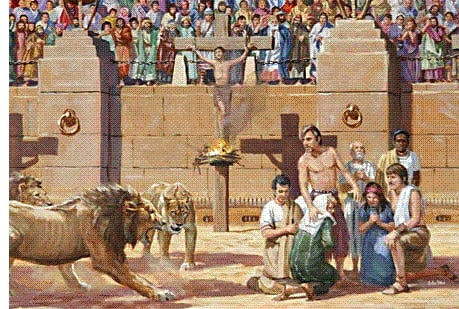
In the mid-first century, Emperor Nero initiated systematic persecution of Christians in Rome following the Great Fire of 64 AD. Christians were blamed for the disaste...
Explore event →
Event Timeline body { font-family: Arial, sans-serif; background-color: #f4f4f9; margin: 0; padding: 0; } .timeline-container { max-width: 800px; ...
Explore event →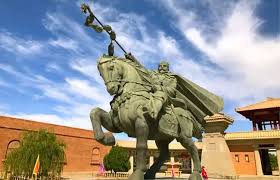
Ban Chao, a Chinese general and diplomat of the Eastern Han dynasty, is recorded as sending an envoy toward the western regions in an effort to establish contacts with...
Explore event →
Jesus of Nazareth, the central figure of Christianity, is traditionally believed to have been born in Bethlehem during the final years of the reign of Herod the Great....
Explore event →
7 April 1939 — Italian forces invade Albania after King Zog rejects Mussolini's demands for greater Italian control. Zog flees the country and Albania is incorporated ...
Explore research
1915–1918 — Casualties, inflation and shortages turn civilian morale into a strategic issue. Governments expand propaganda, censorship, rationing and welfare programs ...
Explore research
July 1914 — Russian leaders view Serbia as both a political partner and a test of Russian great-power credibility in the Balkans. Previous retreats in regional crises ...
Explore research
29 July 1913 — The Great Powers recognize an independent Albanian principality. The borders they establish leave substantial Albanian-speaking populations outside the ...
Explore research
28 November 1912 — Delegates meeting at Vlorë proclaim Albania independent from the Ottoman Empire during the First Balkan War. Ismail Qemali leads the provisional gov...
Explore research
1912–1913 — Trace the Balkan Wars, competing territorial claims and Great Power diplomacy that created modern Albania while leaving many Albanian-speaking populations ...
Explore research
10 June 1878 — Albanian political and religious leaders gather in Prizren as the Ottoman Empire faces defeat and territorial losses following the Russo-Turkish War. Th...
Explore research
16th–18th centuries — Islam spreads substantially among Albanian populations under Ottoman rule. Conversion varies greatly by region and period. Catholic communities r...
Explore research
331 BCE — Alexander establishes Alexandria on Egypt's Mediterranean coast. Under his successors, the city becomes one of the greatest centers of trade and scholarship ...
Explore research
332 BCE — Alexander enters Egypt during his campaign against the Persian Empire and is welcomed as its new ruler. He participates in Egyptian royal and religious tradi...
Explore research
671 BCE — Assyrian king Esarhaddon invades Egypt and captures Memphis. Further campaigns follow as Assyria struggles against Kushite attempts to regain authority. Egyp...
Explore research
c. 1550–1070 BCE — Egypt becomes one of the great imperial powers of the Late Bronze Age. Pharaohs campaign into Nubia and the Levant while wealth flows into enormous ...
Explore research
c. 2181–2055 BCE — Egypt is politically divided among competing centers, especially Herakleopolis in the north and Thebes in the south. Provincial rulers exercise grea...
Explore research
c. 2200–2181 BCE — Central royal authority weakens as powerful provincial elites gain greater independence. Low Nile floods and climatic instability may have intensifi...
Explore research
c. 2580–2560 BCE — Khufu's Great Pyramid rises at Giza and becomes the largest pyramid ever constructed in Egypt. Originally about 146.6 meters high, it contains milli...
Explore research
Fourth Dynasty pharaoh whose reign is associated with construction of the Great Pyramid at Giza.
Explore research
c. 2667–2648 BCE — Djoser rules during Egypt's Third Dynasty and is associated with one of the greatest architectural transformations in ancient history. His funerary ...
Explore research
Macedonian king whose conquests spread Greek language and culture across a vast Hellenistic world.
Explore research
23 August 1942 — German forces begin the major assault phase against Stalingrad while the wider German campaign pushes toward oil resources in the Caucasus. Fighting i...
Explore research
29 October 1929 — The Depression massively increases unemployment and political instability while Nazi electoral support grows dramatically. But economic misery does n...
Explore research
28 June 1919 onward — The Treaty of Versailles becomes one of the most controversial diplomatic settlements in modern history. Reparations, territorial changes, milita...
Explore research
22 June 1941 — As Chief of the Army General Staff, Halder helps direct Germany's opening eastern campaign. His diary records both military planning and the rapid reali...
Explore research
18 February 1943 — Joseph Goebbels delivers his Sportpalast speech after Stalingrad, calling for even greater mobilization of German society. The speech reflects growi...
Explore research
18 September 1931 — Japanese officers use the Mukden Incident as a pretext for military expansion into Manchuria. Japanese forces rapidly occupy the region and later e...
Explore research