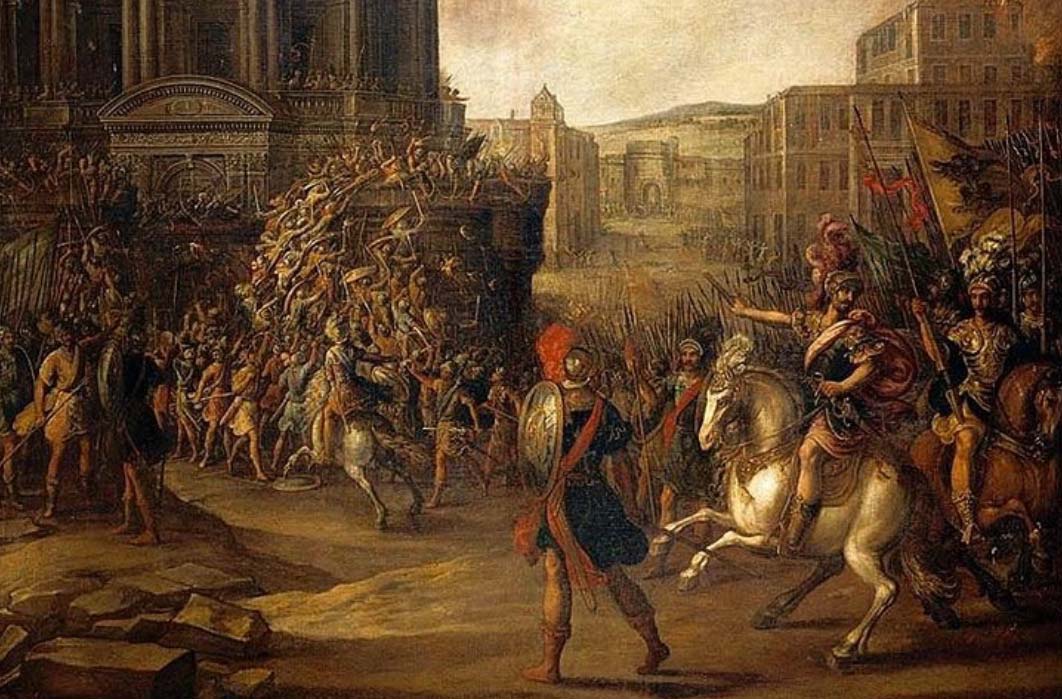
Decisive Conflict at Margus River
The Battle of the Margus was a significant confrontation between Emperor Carinus and his rival, Diocletian, near the Margus River in the Roman province of Moesia Super...
Explore event →History does not happen in isolation. Explore world events across time, follow the connections between them, and investigate the threads that reveal how one event can lead to another.
TheTimeMap currently follows events across 95 countries and 268 years of history — building a connected archive designed for people who want to look beyond the headline.
We oppose antisemitism, racism, and dehumanization — everywhere.
When people stop feeling, injustice becomes easy.
The Battle of the Margus was a significant confrontation between Emperor Carinus and his rival, Diocletian, near the Margus River in the Roman province of Moesia Super...
Explore event →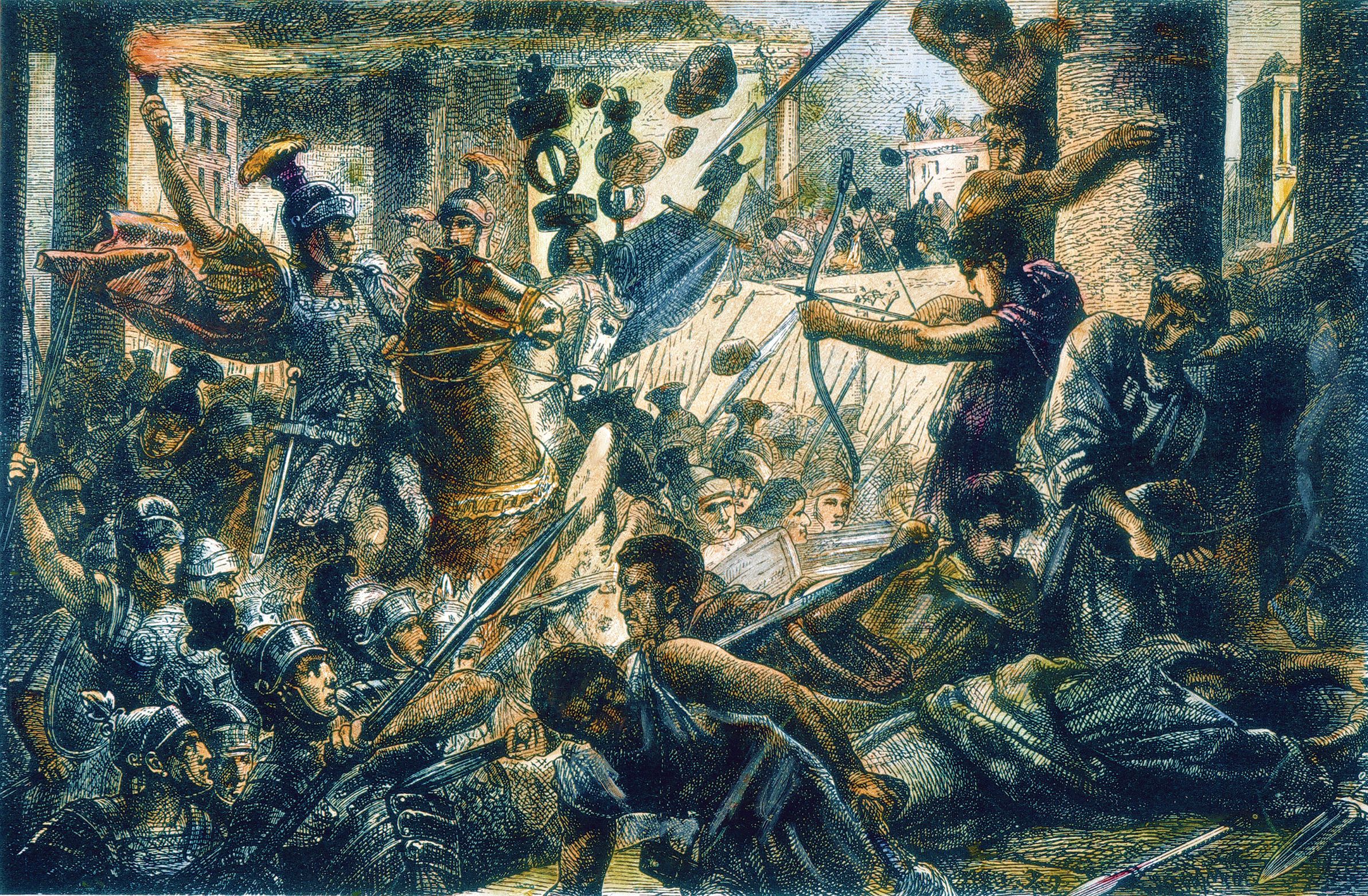
The Battle of the Margus was a significant confrontation during the Roman civil wars, taking place near the city of Margus in the Roman province of Moesia. The conflic...
Explore event →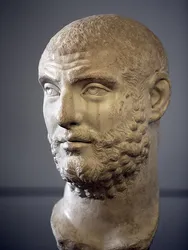
Emperor Carinus was killed in battle against the forces loyal to his rival, Diocletian, near the Margus River. The conflict marked the end of Carinus's brief reign and...
Explore event →
The Battle of the Margus was a significant confrontation between the Roman emperors Carinus and Diocletian. The battle took place near the Margus River, in the region ...
Explore event →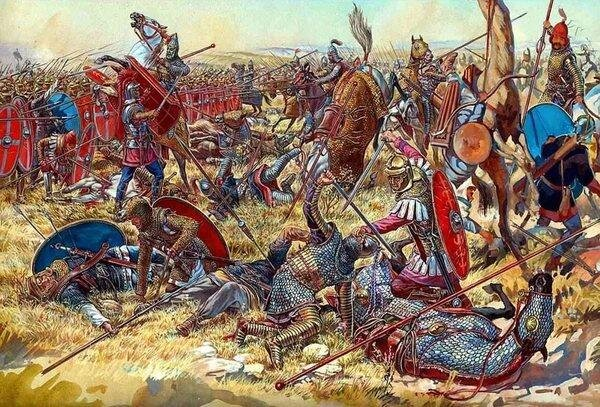
The Roman Emperor Carus launched a military campaign against the Sasanian Empire, targeting their capital, Ctesiphon. The campaign sought to counter Persian influence ...
Explore event →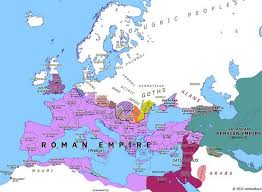
Emperor Probus led the Roman legions to repel multiple Germanic invasions along the Danube frontier. These incursions threatened the stability of the northern borders ...
Explore event →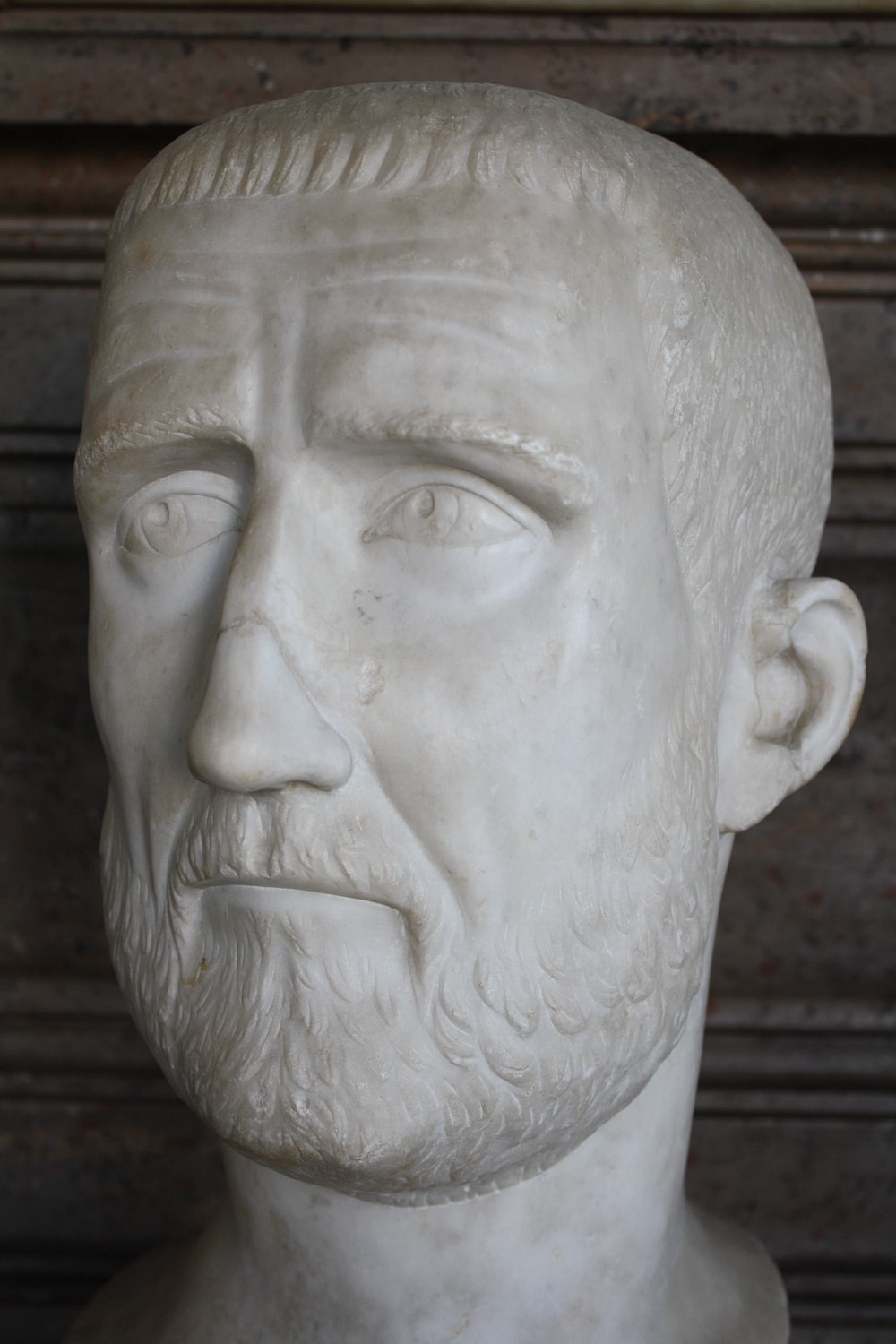
Marcus Aurelius Probus was proclaimed Roman Emperor by his troops in September 276 after the death of Emperor Florianus. His accession marked a period of efforts to re...
Explore event →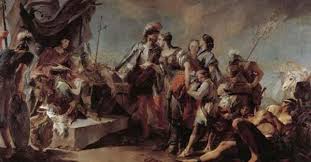
Emperor Aurelian, a prominent ruler of the Roman Empire known for his military prowess, was assassinated by his own soldiers in late September. The assassination occur...
Explore event →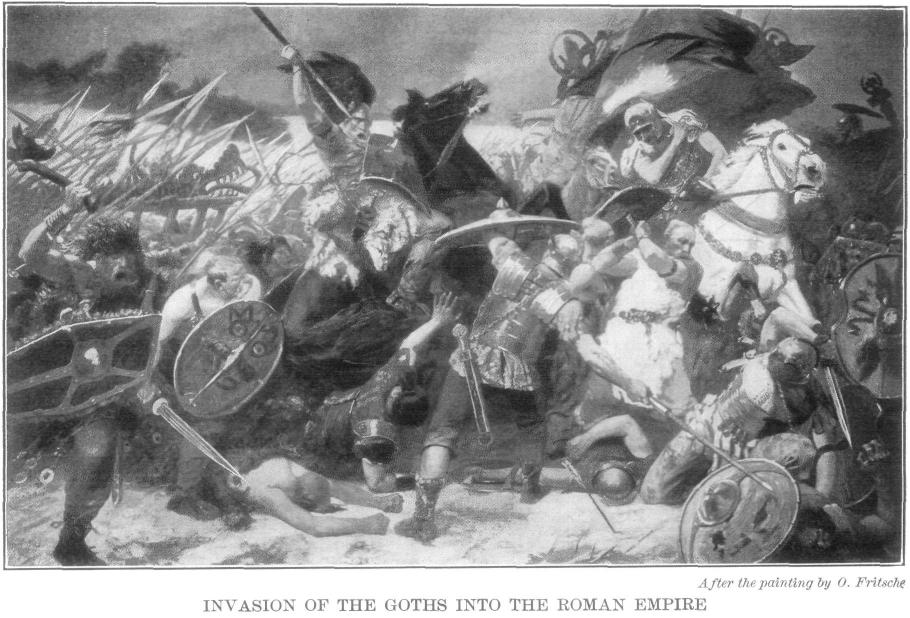
The Battle of Naissus was a significant conflict fought near the ancient city of Naissus, now known as Niš, in the Nišava District. It occurred during the crisis of th...
Explore event →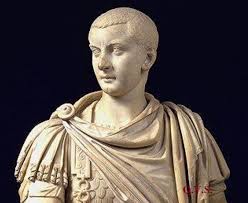
Gordian III ascended to the Roman imperial throne following a period of political instability known as the Year of the Six Emperors. At the age of thirteen, he was dec...
Explore event →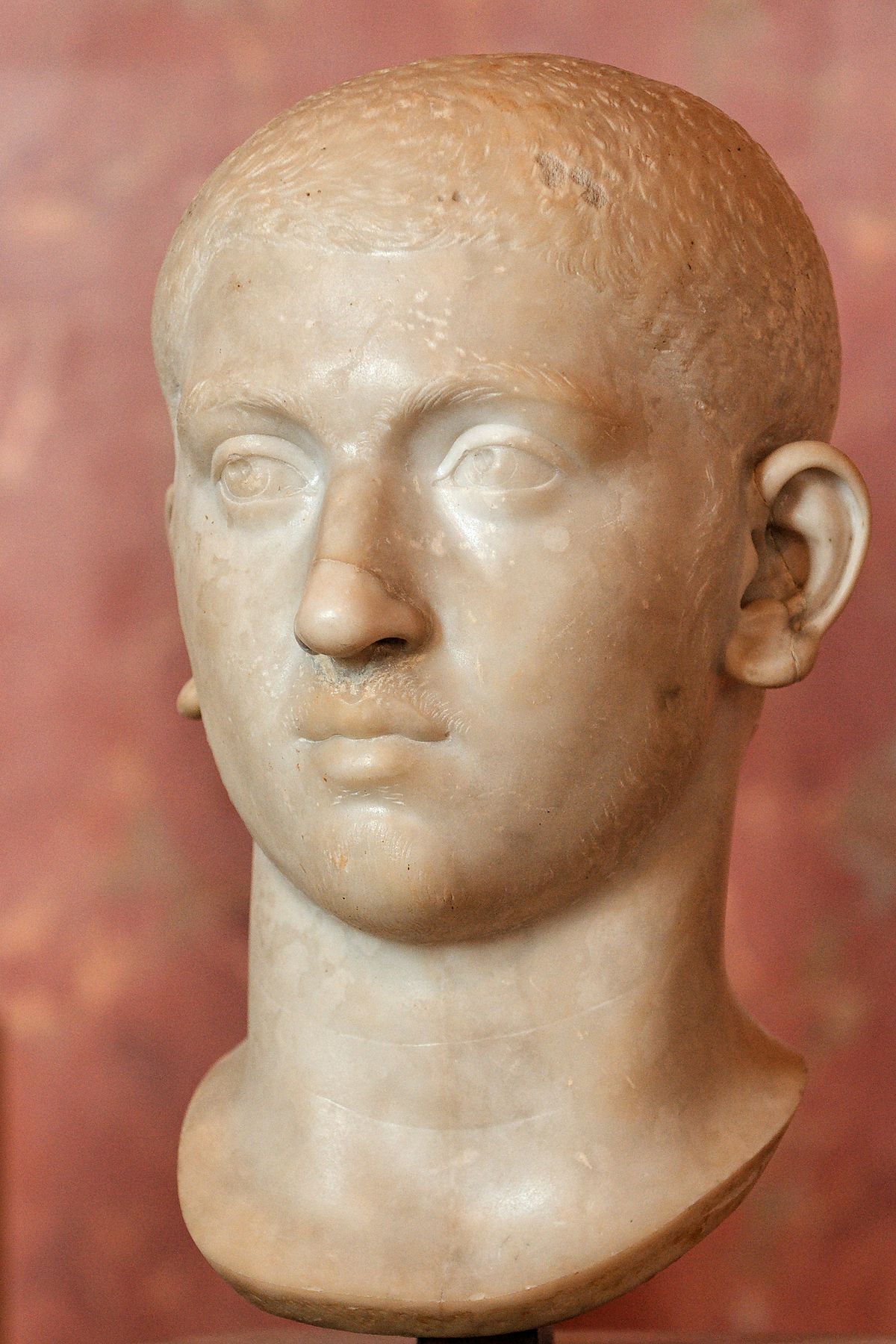
Severus Alexander, the last emperor of the Severan dynasty, was assassinated by his own soldiers in March of 235 CE near the city of Mutina along the Danube frontier. ...
Explore event →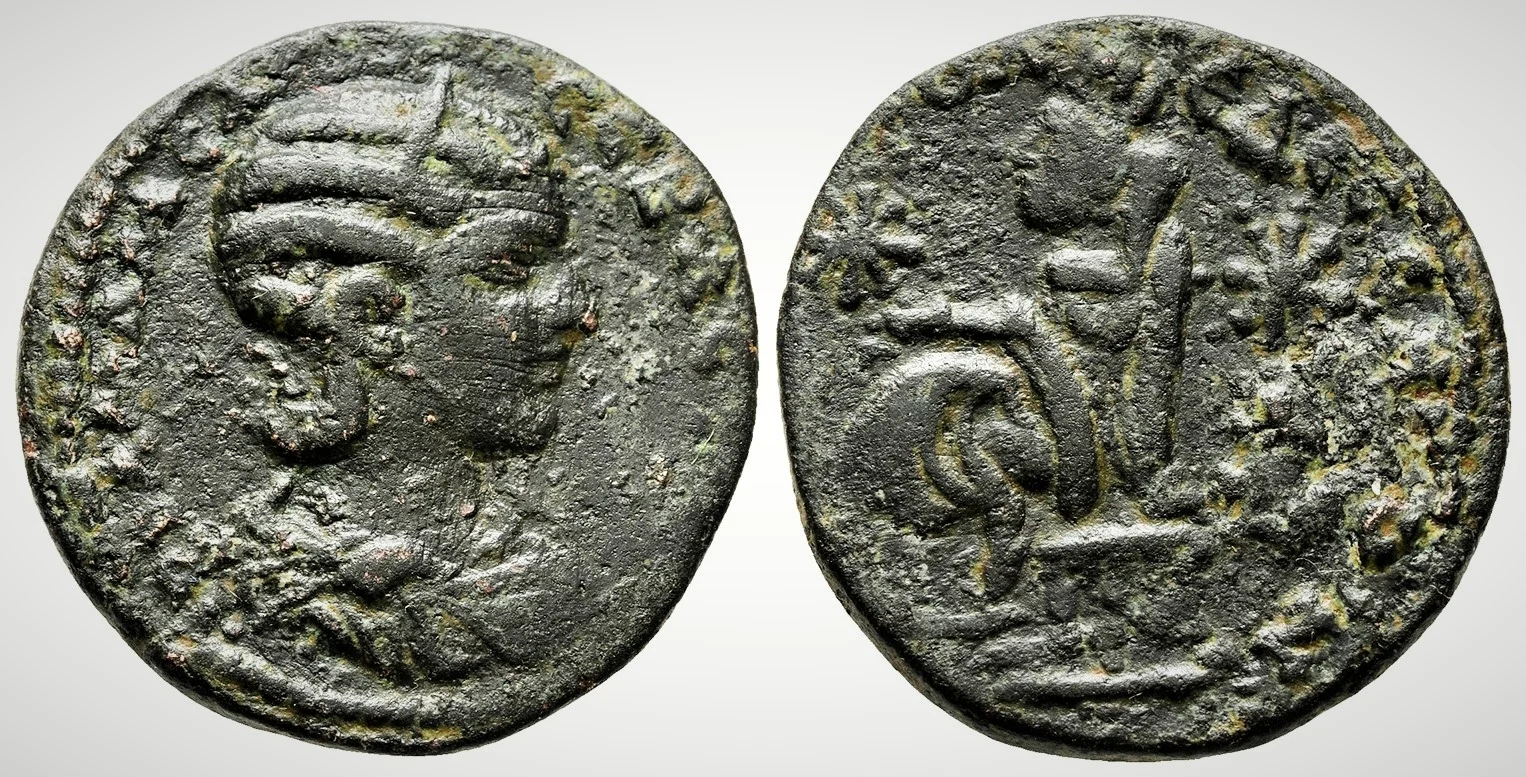
Emperor Severus Alexander launched a military campaign against the Sasanian Empire to counter their expansion in Mesopotamia. The Roman forces sought to reclaim lost t...
Explore event →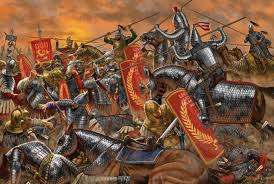
The Battle of Nisibis was fought near the city of Nisibis, a strategic fortress in Mesopotamia. Roman forces under Emperor Macrinus clashed with the Parthian army, res...
Explore event →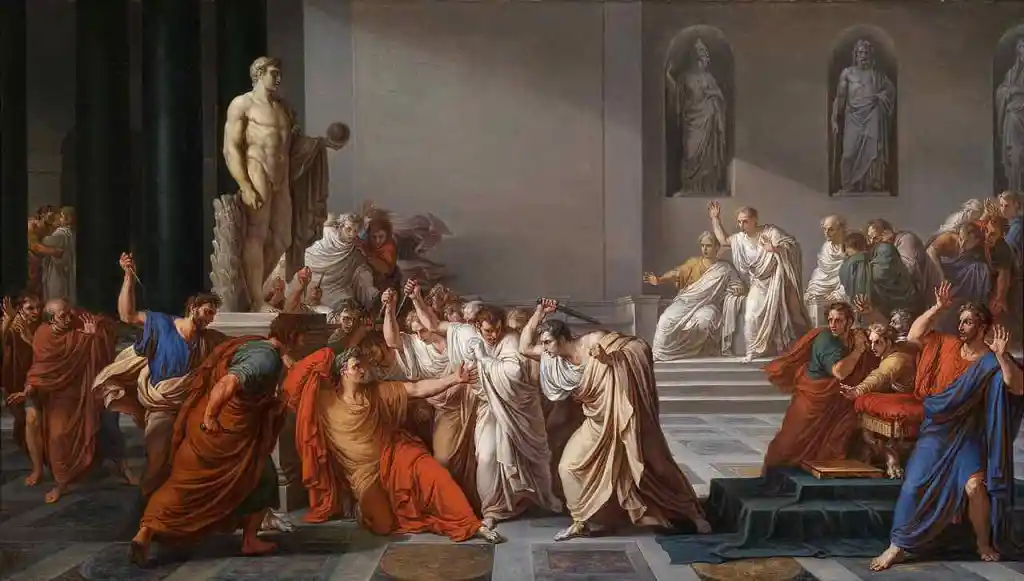
Caracalla, Roman Emperor and son of Septimius Severus, was assassinated amid a military campaign in Moesia. While traveling through the province, he was murdered by a ...
Explore event →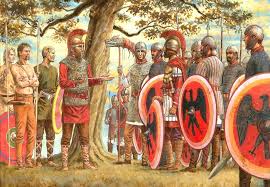
Roman Emperor Caracalla launched multiple military campaigns against the Alemanni tribes during his rule. These campaigns aimed to secure the empire’s northern frontie...
Explore event →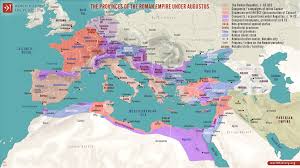
The Roman Empire undertook administrative changes in the province of Mesopotamia following its establishment as a distinct entity. These reforms aimed to consolidate c...
Explore event →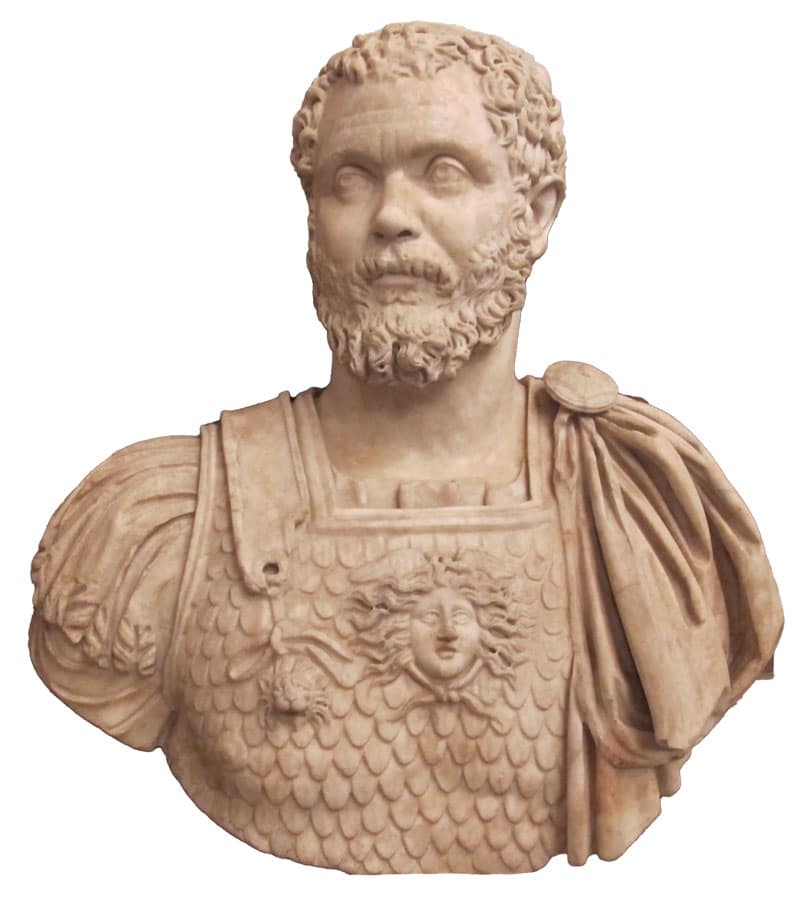
Clodius Albinus, a Roman usurper and rival claimant to the imperial throne, was defeated at the Battle of Lugdunum. The conflict ended his rebellion during a time of c...
Explore event →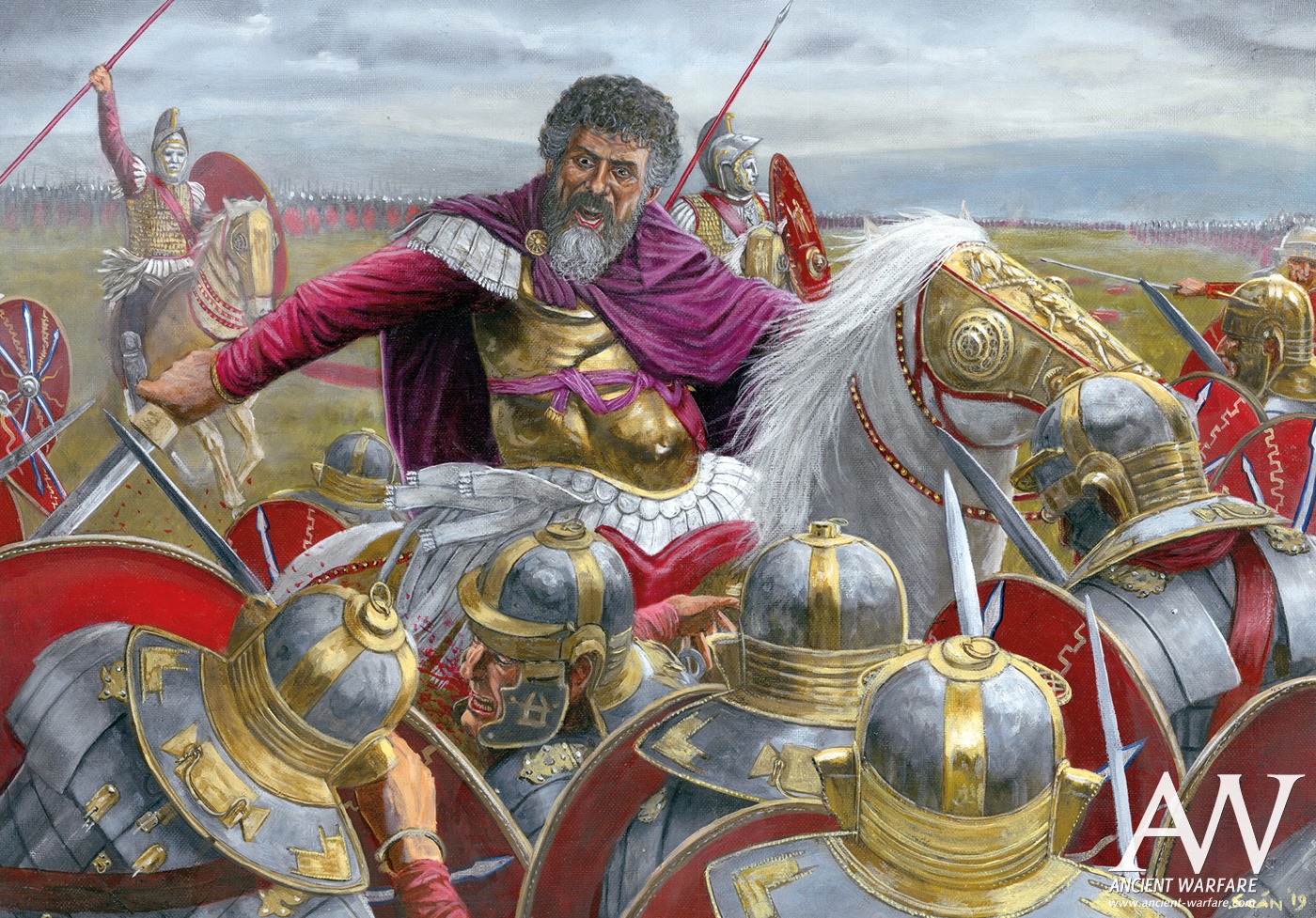
The Battle of Lugdunum was a decisive confrontation between the forces of Septimius Severus and Clodius Albinus during the Roman civil war for control of the empire. T...
Explore event →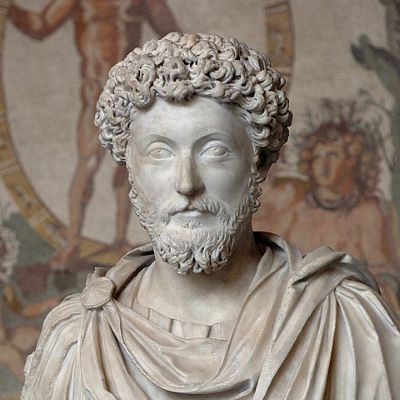
Marcus Aurelius, Roman Emperor and Stoic philosopher, died at the military camp in Vindobona on March 17th. His death marked the end of the Pax Romana, a period of rel...
Explore event →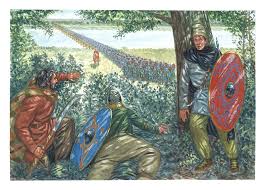
The Roman Empire conducted a series of military campaigns across the Danube River to expand territorial control into regions inhabited by Dacian and Germanic tribes. T...
Explore event →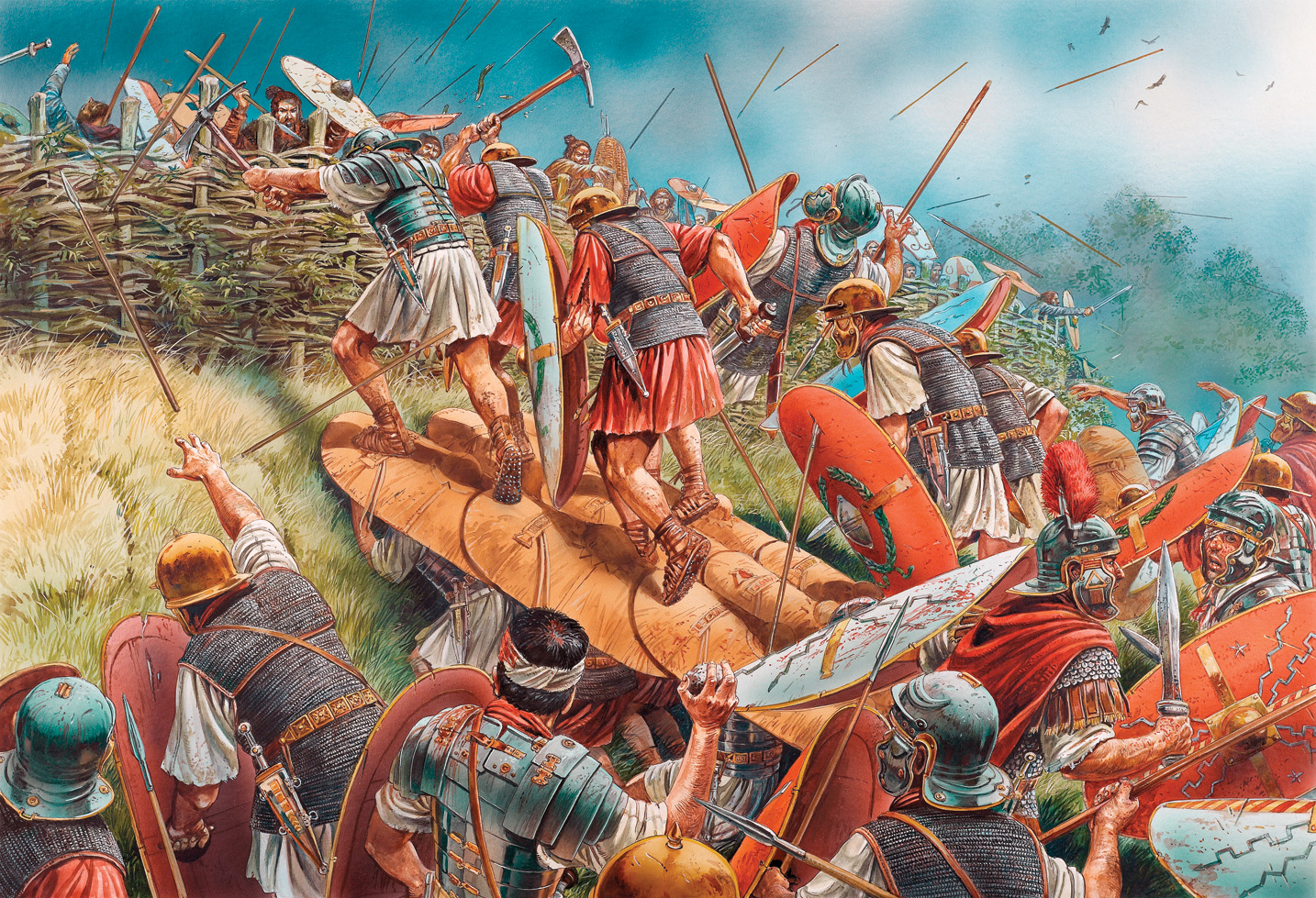
The Marcomannic Wars began as a series of conflicts between the Roman Empire and various Germanic tribes, including the Marcomanni, along the Danube frontier. The wars...
Explore event →
The Roman forces under the command of Lucius Verus launched a major campaign against the Parthian Empire, culminating in the capture of their capital city, Ctesiphon. ...
Explore event →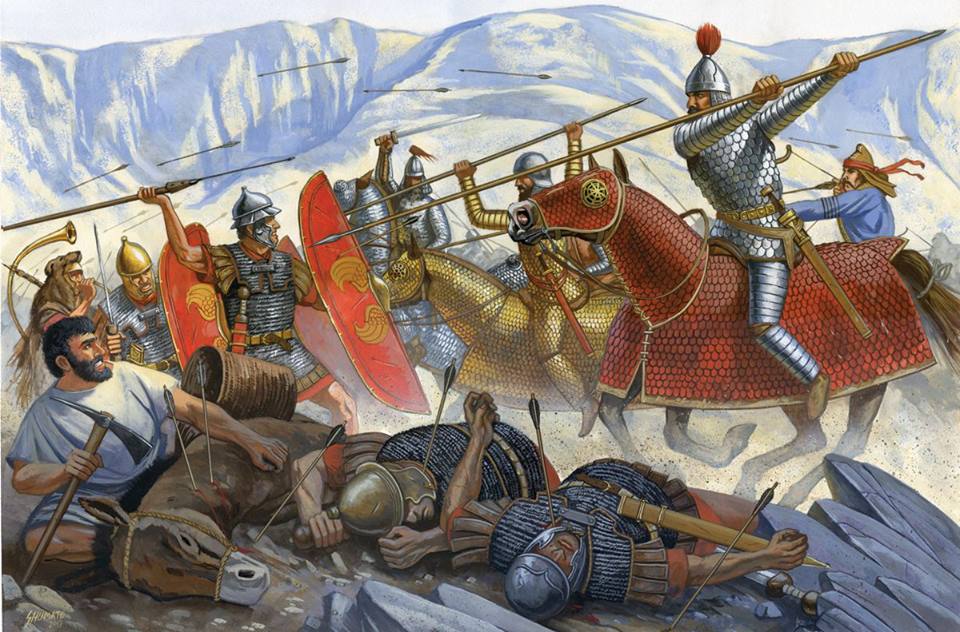
The Parthian War under Roman Emperor Lucius Verus began as tensions escalated between the Roman Empire and the Parthian Empire. This conflict was marked by Roman milit...
Explore event →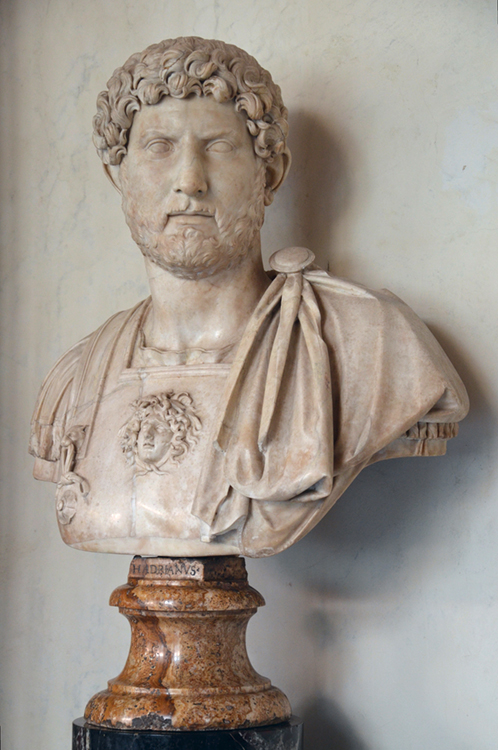
Emperor Hadrian, renowned for consolidating and fortifying the Roman Empire's frontiers, passed away at his villa near Rome. His death marked the end of a significant ...
Explore event →
3 July 2013 — Following enormous demonstrations against President Morsi, the Egyptian military removes him from office and suspends the constitution. Supporters descri...
Explore research
1990–1998 — Investigate economic collapse, weak institutions, mass migration, political confrontation, pyramid schemes and the rebuilding of Albanian state authority.
Explore research
August–November 1918 — Germany and its allies face military retreat, shortages, exhaustion and growing political instability. Bulgaria, the Ottoman Empire and Austria-...
Explore research
July–November 1918 — Allied forces increasingly coordinate artillery, infantry, tanks, aircraft, communications and logistics. Strategic coordination also improves und...
Explore research
Late 1917–March 1918 — The collapse of Russian resistance allows Germany to move divisions from the Eastern Front toward France and Belgium. German commanders understa...
Explore research
4 June 1916 — Russian General Aleksei Brusilov launches a major offensive against Austria-Hungary. Innovative preparation and attacks across a broad front produce spec...
Explore research
1916–1918 — Governments expand control over labor, food, transportation, prices and industrial production. Women enter many sectors previously dominated by men. Coloni...
Explore research
1915–1918 — Casualties, inflation and shortages turn civilian morale into a strategic issue. Governments expand propaganda, censorship, rationing and welfare programs ...
Explore research
September–November 1914 — After the Marne, both sides repeatedly attempt to turn the other's flank. The maneuvering eventually reaches the North Sea and creates a larg...
Explore research
7–23 July 1914 — Austro-Hungarian leaders debate how to transform the Sarajevo assassination into a confrontation with Serbia. Officials increasingly favor demands sev...
Explore research
1905–1914 — German military planning assumes that simultaneous war against France and Russia creates a dangerous strategic problem. Geography places Germany between bo...
Explore research
1894–1914 — France and Russia are formally allied, while Britain develops strategic understandings with France and Russia. Germany remains closely aligned with Austria...
Explore research
1171–1193 CE in Egypt and the wider region — Saladin ends Fatimid rule and establishes the Ayyubid dynasty. He restores Sunni political dominance in Egypt and uses Egy...
Explore research
c. 550–650 CE — Slavic-speaking groups settle widely across the Balkans during a period of weakened Byzantine frontier control. Settlement patterns, languages and poli...
Explore research
c. 2055–1650 BCE — Reunified Egypt experiences renewed royal authority, extensive building programs and military expansion into Nubia. Literature flourishes and Egypti...
Explore research
11 November 1918 — German representatives sign the armistice at Compiègne. Fighting ends on the Western Front at 11:00 a.m. Germany accepts evacuation requirements and...
Explore research
23 July 1914 — Austria-Hungary presents Serbia with a severe ultimatum designed to suppress anti-Habsburg activity and permit substantial Austro-Hungarian involvement ...
Explore research
29 September 1941 — German SS, police and associated units murder tens of thousands of Jews in the Babi Yar ravine near Kyiv over two days. The massacre becomes one of...
Explore research
12 July 1943 — Soviet and German armored formations clash near Prokhorovka during the Battle of Kursk. The battle later acquires legendary status as an enormous tank c...
Explore research
8 January 1942 — Soviet offensives expand around the Rzhev-Vyazma salient west of Moscow. Fighting in the region becomes prolonged and extraordinarily costly. The sali...
Explore research
8 November 1923 — Adolf Hitler and the Nazi Party attempt to seize power in Bavaria and march on Berlin. The putsch collapses after police confront the conspirators in...
Explore research
3 September 1939 — Britain and France declare war on Germany after Hitler refuses demands to withdraw from Poland. Governments that spent much of the 1930s attempting ...
Explore research
6 June 1944 — Allied forces land on the Normandy coast in Operation Overlord. American, British, Canadian and other Allied formations assault five principal beaches wh...
Explore research
1903–1917 political and intelligence influence — Dragutin Dimitrijević is a Serbian army officer, intelligence chief and leading figure associated with the Black Hand....
Explore research