Public Research World Map Threads
Research the Story Behind the Timeline

TheTimeMap

History does not happen in isolation. Explore world events across time, follow the connections between them, and investigate the threads that reveal how one event can lead to another.

Inside TheTimeMap
1,151 events. 680 mapped connections. One growing investigation.

TheTimeMap currently follows events across 95 countries and 268 years of history — building a connected archive designed for people who want to look beyond the headline.

1,151 Events to explore
680 Connections mapped
95 Countries connected
268 Years in the archive
×

We oppose antisemitism, racism, and dehumanization — everywhere.

When people stop feeling, injustice becomes easy.

Dedication
To those who still feel wonder.
To the ones who look at the stars and remember they are home.
To every hand that builds, every voice that heals,
and every heart that still believes love can save the world.
This is for humanity — all of it.
No borders. No flags. No “us” or “them.”
Just one great breathing story, trying to find its way back to itself.
Jump to date
Search results

Results for “foreign”

93 events · 47 research items · March 5, 0043 to August 25, 2026 · Page 4 of 4
View as timeline → View graph → View as thread’
Invasion of Iraq
Wars & Conflicts March 20, 2003

Invasion of Iraq

Background and Decision-Makers On March 20, 2003, the United States, the United Kingdom, and coalition allies launched a military invasion of Iraq. The primary jus...

Explore event →
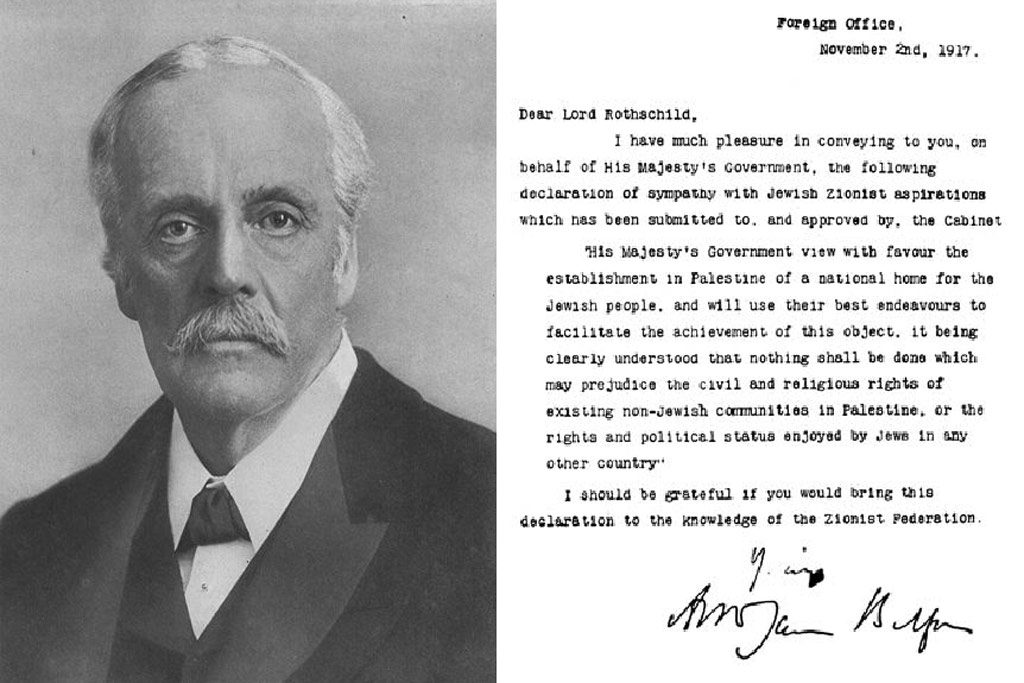
Balfour Declaration
Breaking November 2, 1917

Balfour Declaration

The Balfour Declaration was a public statement issued on November 2 1917 by the British government during World War I expressing support for the establishment of a nat...

Explore event →
Anwar Sadat
Published Research Nations & Civilizations

Anwar Sadat

1970–1981 — Anwar Sadat succeeds Nasser and gradually redirects Egyptian foreign and economic policy. He reduces Soviet influence, encourages economic liberalization a...

Explore research
Albania Breaks With Yugoslavia
Published Research Nations & Civilizations

Albania Breaks With Yugoslavia

1948 — The Tito-Stalin split transforms Albania's foreign alignment. Hoxha uses the crisis to eliminate Yugoslav influence and bind Albania much more closely to Stalin...

Explore research
Kingdom of Egypt
Published Research Nations & Civilizations

Kingdom of Egypt

1922–1953 — Egypt operates as a constitutional monarchy shaped by constant competition among the palace, the Wafd Party and British power. Parliamentary government exi...

Explore research
Congress of Lushnjë
Published Research Nations & Civilizations

Congress of Lushnjë

21–31 January 1920 — Albanian political leaders meet at Lushnjë to reassert sovereignty and resist foreign plans that threatened partition. The congress creates new na...

Explore research
Britain Occupies Egypt
Published Research Nations & Civilizations

Britain Occupies Egypt

1882 — British forces intervene during the Urabi Revolt and occupy Egypt. The country formally remains connected to the Ottoman Empire for decades, but British officia...

Explore research
Saite Revival
Published Research Nations & Civilizations

Saite Revival

664–525 BCE — Rulers of the Twenty-Sixth Dynasty reunify Egypt from their base at Sais. They encourage trade with the Greek world, employ foreign mercenaries and reviv...

Explore research
The New Kingdom Ends
Published Research Nations & Civilizations

The New Kingdom Ends

c. 1070 BCE — Central royal authority weakens while powerful priestly institutions and regional rulers gain influence. Egypt loses much of its empire in the Levant and...

Explore research
The Hyksos Rule the Delta
Published Research Nations & Civilizations

The Hyksos Rule the Delta

c. 1650–1550 BCE — A dynasty of rulers of largely western Asian origin controls much of northern Egypt from Avaris in the Nile Delta. Egyptian sources later portray th...

Explore research
Who Actually Built the Pyramids?
Published Research Nations & Civilizations

Who Actually Built the Pyramids?

c. 2600–2500 BCE — Archaeology points toward organized Egyptian labor forces rather than armies of foreign slaves. Workers lived in settlements near Giza, received foo...

Explore research
CFR as an institutional bridge
Published Research Kissinger investigation

CFR as an institutional bridge

The Council on Foreign Relations provides an important institutional setting for examining the overlap between Henry Kissinger and David Rockefeller. Their relationshi...

Explore research
CFR Foreign-Policy Forum
Published Research Kissinger investigation

CFR Foreign-Policy Forum

The Council on Foreign Relations provided a continuing institutional forum where scholars, government officials, business leaders and other participants discussed inte...

Explore research
David Rockefeller leads CFR
Published Research Kissinger investigation

David Rockefeller leads CFR

David Rockefeller served as chairman of the Council on Foreign Relations from 1970 to 1985. His chairmanship overlapped with the period in which he helped establish th...

Explore research
Germany Joins the League of Nations
Published Research World Wars: Power, Conflict & Consequence

Germany Joins the League of Nations

8 September 1926 — Germany enters the League of Nations as a permanent Council member. The move symbolizes the diplomatic normalization associated with Gustav Stresema...

Explore research
Germany Leaves the League of Nations
Published Research World Wars: Power, Conflict & Consequence

Germany Leaves the League of Nations

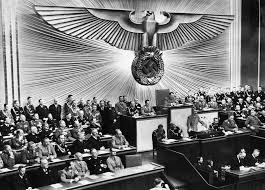
14 October 1933 — Hitler announces Germany's withdrawal from the League of Nations and the World Disarmament Conference. The move rejects an important part of the dipl...

Explore research