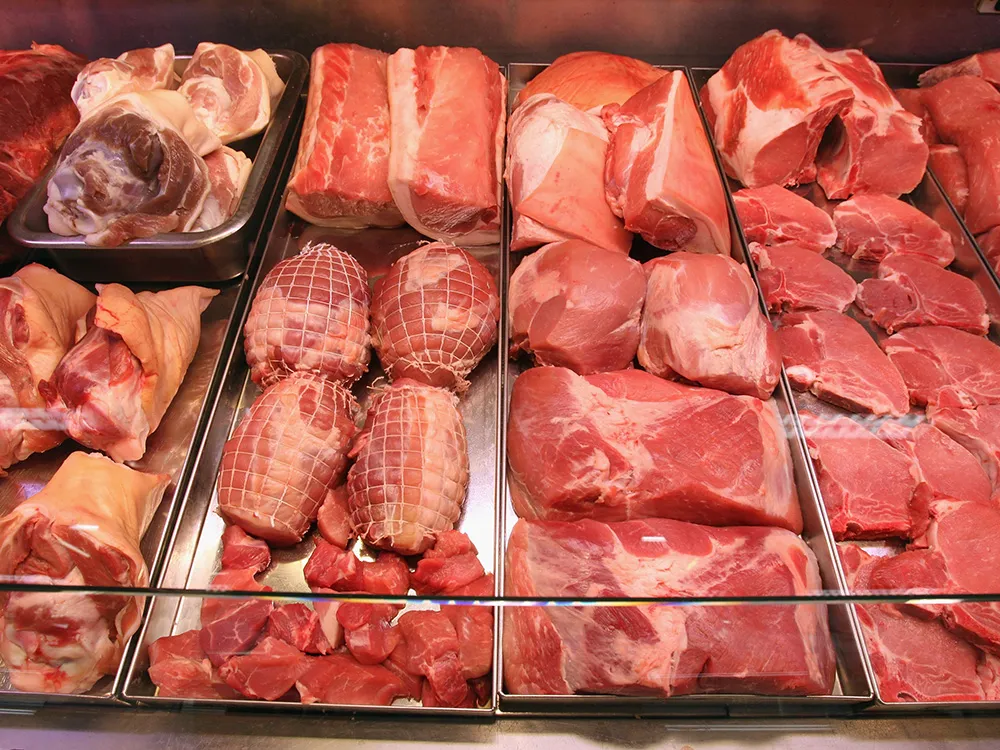
United States allows cloned animal meat without labeling
The United States allows meat and milk from cloned animals to enter the food supply without special labeling requirements. The policy follows a decision by federal reg...
Explore event →History does not happen in isolation. Explore world events across time, follow the connections between them, and investigate the threads that reveal how one event can lead to another.
TheTimeMap currently follows events across 95 countries and 268 years of history — building a connected archive designed for people who want to look beyond the headline.
We oppose antisemitism, racism, and dehumanization — everywhere.
When people stop feeling, injustice becomes easy.
The United States allows meat and milk from cloned animals to enter the food supply without special labeling requirements. The policy follows a decision by federal reg...
Explore event →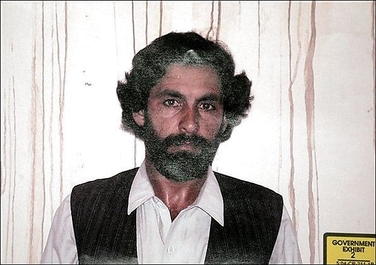
Death of Afghan Farmer Abdul Wali in U.S. Custody Abdul Wali was a 28-year-old Afghan farmer from Kunar Province, Afghanistan. In June 2003, Wali voluntaril...
Explore event →
Palestinian children are regularly arrested and detained by Israeli authorities, primarily for security-related offenses, but there is no separate prison exclusively f...
Explore event →
Soraya Manutchehri was a 35-year-old Iranian woman who, according to accounts published by French-Iranian journalist Freidoune Sahebjam, was stoned to death in the vil...
Explore event →
Rennet is an enzyme used in cheesemaking to curdle milk and separate it into curds and whey. Traditionally, rennet was extracted from the stomachs of young calves, but...
Explore event →
Ultraprocessed foods ar as some people call it, a GuySlop, refer to industrially formulated food products that typically contain ingredients such as refined starches, ...
Explore event →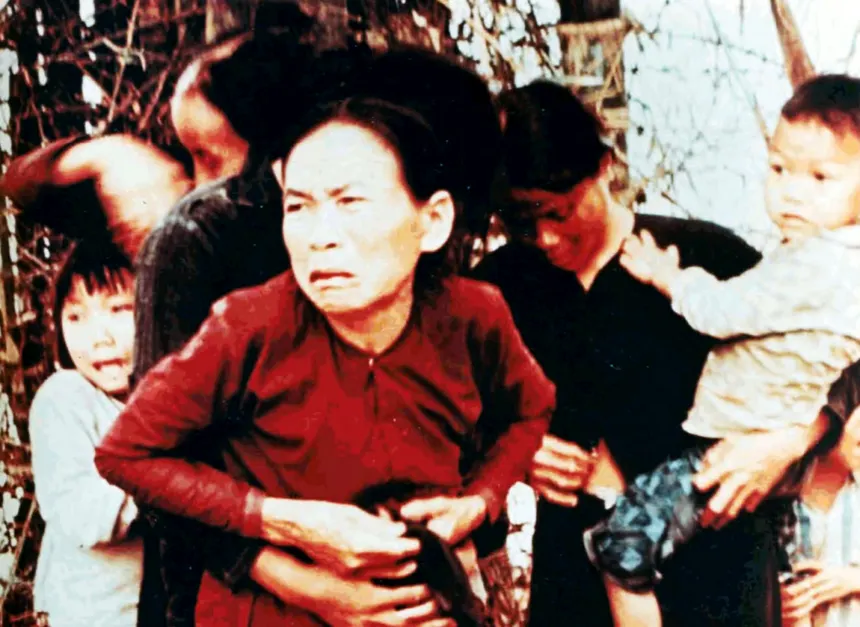
On March 16, 1968, U.S. Army soldiers from Charlie Company, 1st Battalion, 20th Infantry Regiment, 11th Brigade, Americal Division, carried out a mass killing of Vietn...
Explore event →
Mexican actress Maria Félix said she ate human meat during a 1951 Morocco banquet During the filming of the movie *La Corona Negra* in Morocco in 1951, Mexican film a...
Explore event →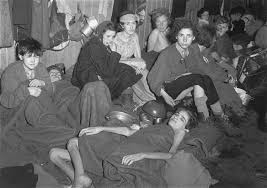
Typhus and Mortality in Nazi Concentration Camps Historical records from the International Committee of the Red Cross (ICRC), Nazi documentation, and post-w...
Explore event →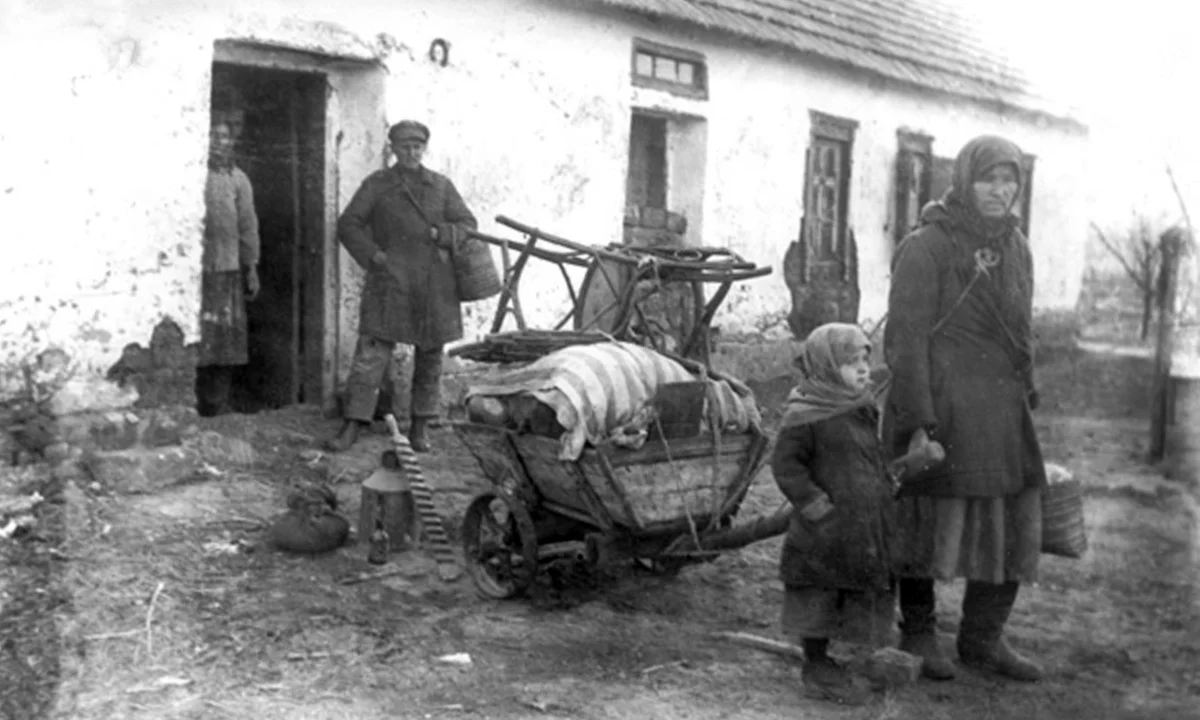
Soviet-Era Famines Under Bolshevik Rule Between 1930 and 1933, a series of mass famines occurred across the Soviet Union following Bolshevik policies of for...
Explore event →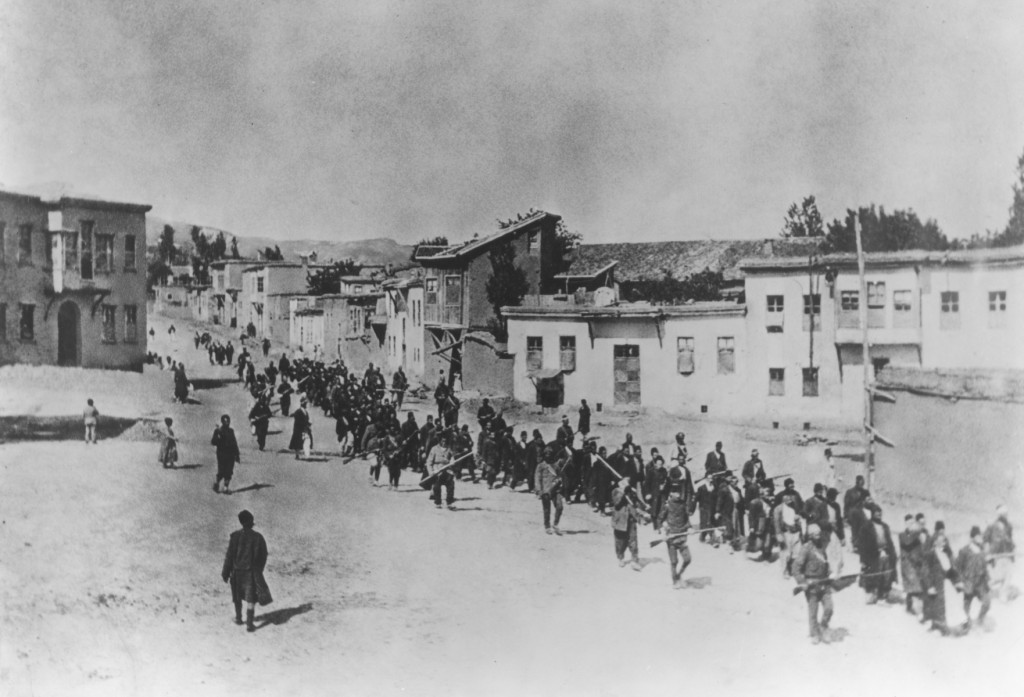
Armenian Genocide On April 24, 1915, Ottoman authorities arrested hundreds of Armenian intellectuals and community leaders in Constantinople. The arrests marked the b...
Explore event →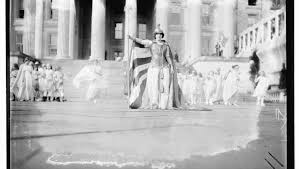
1913 – Foundations of the Modern World body { font-family: Arial, sans-serif; background-color: #f4f4f9; margin: 0; padding: 0; } .timeline-container { ...
Explore event →
The completed National Security Study Memorandum 200 examined worldwide population growth, food supplies, minerals and fuel, economic development, population pressures...
Explore research
6 April 1917–11 November 1918 — The United States begins converting its enormous economy and population into military power. Millions of men enter the draft system whi...
Explore research
1916–1918 — Governments expand control over labor, food, transportation, prices and industrial production. Women enter many sectors previously dominated by men. Coloni...
Explore research
1915–1917 — Battlefield losses, inflation, food distribution failures and political distrust progressively weaken the Russian state. Confidence in Nicholas II collapse...
Explore research
1914–1919 — The Royal Navy progressively restricts German access to food, fertilizer, metals, chemicals and overseas trade. Neutral shipping is increasingly subjected ...
Explore research
Untitled1914–1918 — Industrial warfare requires food, coal, metals, chemicals, credit and shipping on unprecedented scales. Britain attempts to deny overseas resources...
Explore research
c. 2200–2181 BCE — Central royal authority weakens as powerful provincial elites gain greater independence. Low Nile floods and climatic instability may have intensifi...
Explore research
c. 2600–2500 BCE — Archaeology points toward organized Egyptian labor forces rather than armies of foreign slaves. Workers lived in settlements near Giza, received foo...
Explore research
1 January 1944 — By 1944 American submarines are destroying Japanese merchant shipping at a rate Japan cannot replace. Oil, food, raw materials and military supplies b...
Explore research
23 May 1941 — German economic planners develop guidelines that assume food from occupied Soviet territories will be redirected toward Germany and the Wehrmacht. Offici...
Explore research
11 March 1941 — Roosevelt signs the Lend-Lease Act, allowing the United States to supply countries considered vital to American security. Britain becomes an early majo...
Explore research
1 January 1944 — By 1944 large numbers of American trucks, locomotives, food supplies and communications equipment are supporting Soviet logistics. Soviet weapons prod...
Explore research