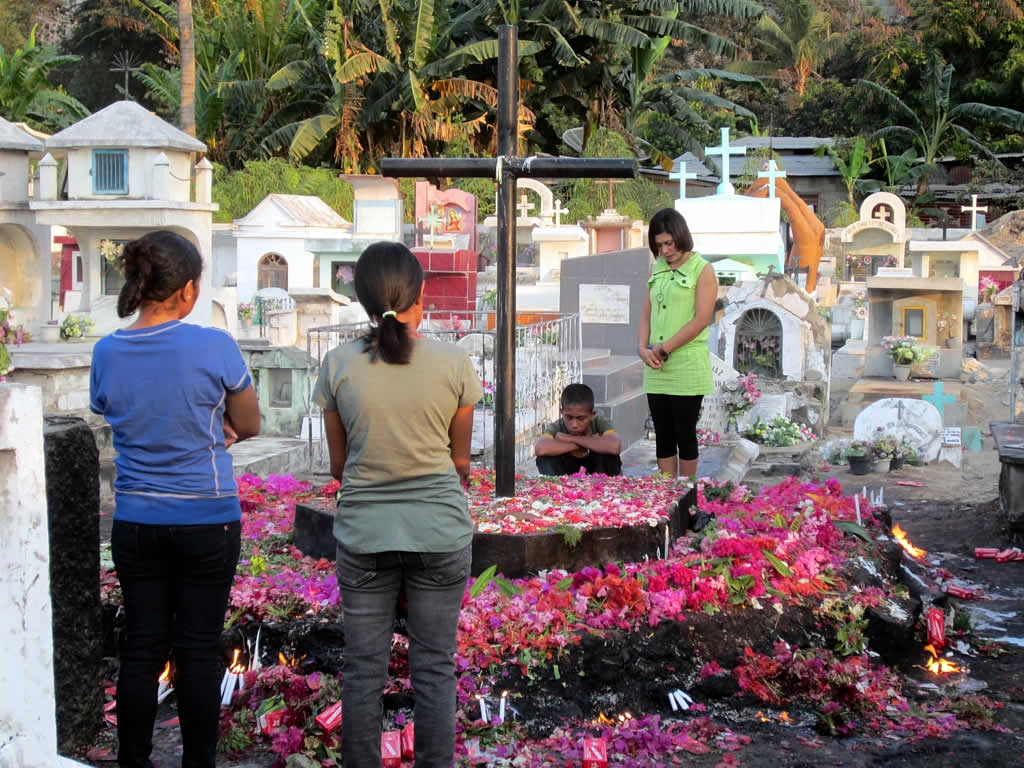
East Timor Genocide
East Timor Genocide On December 7, 1975, Indonesia launched a military invasion of East Timor following its declaration of independence from Portugal. The Indonesian ...
Explore event →History does not happen in isolation. Explore world events across time, follow the connections between them, and investigate the threads that reveal how one event can lead to another.
TheTimeMap currently follows events across 95 countries and 268 years of history — building a connected archive designed for people who want to look beyond the headline.
We oppose antisemitism, racism, and dehumanization — everywhere.
When people stop feeling, injustice becomes easy.
East Timor Genocide On December 7, 1975, Indonesia launched a military invasion of East Timor following its declaration of independence from Portugal. The Indonesian ...
Explore event →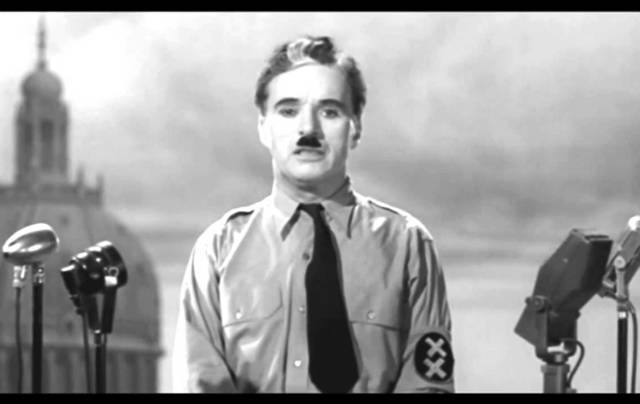
I’m sorry, but I don’t want to be an emperor. That’s not my business. I don’t want to rule or conquer anyone. I should like to help everyone - if possible - Jew, Genti...
Explore event →
World War II Begins body { font-family: Arial, Helvetica, sans-serif; line-height: 1.6; margin: 40px; ...
Explore event →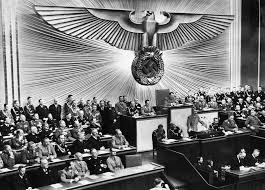
Adolf Hitler References British Rule in Palestine in Reichstag Address “It appears to have slipped Mr. Roosevelt’s mind that Palestine is not being occupied...
Explore event →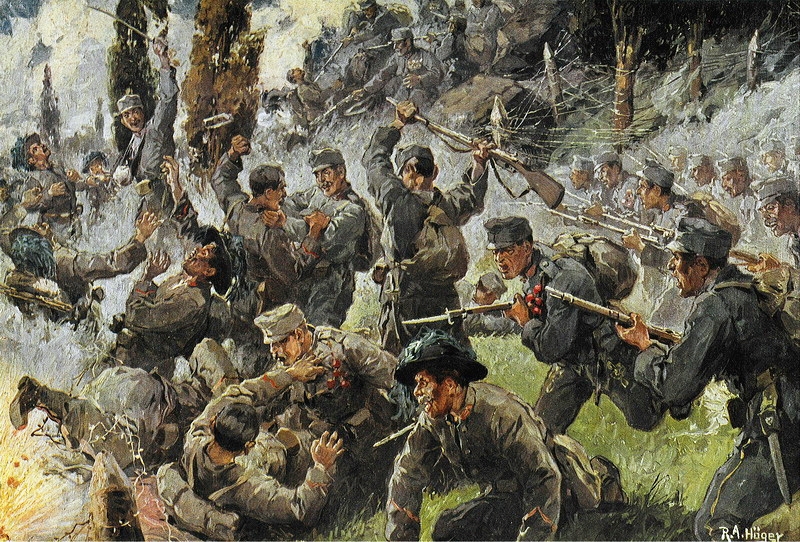
The Battles of the Isonzo were a series of twelve military engagements between the Kingdom of Italy and Austria-Hungary during World War I. They took place along the I...
Explore event →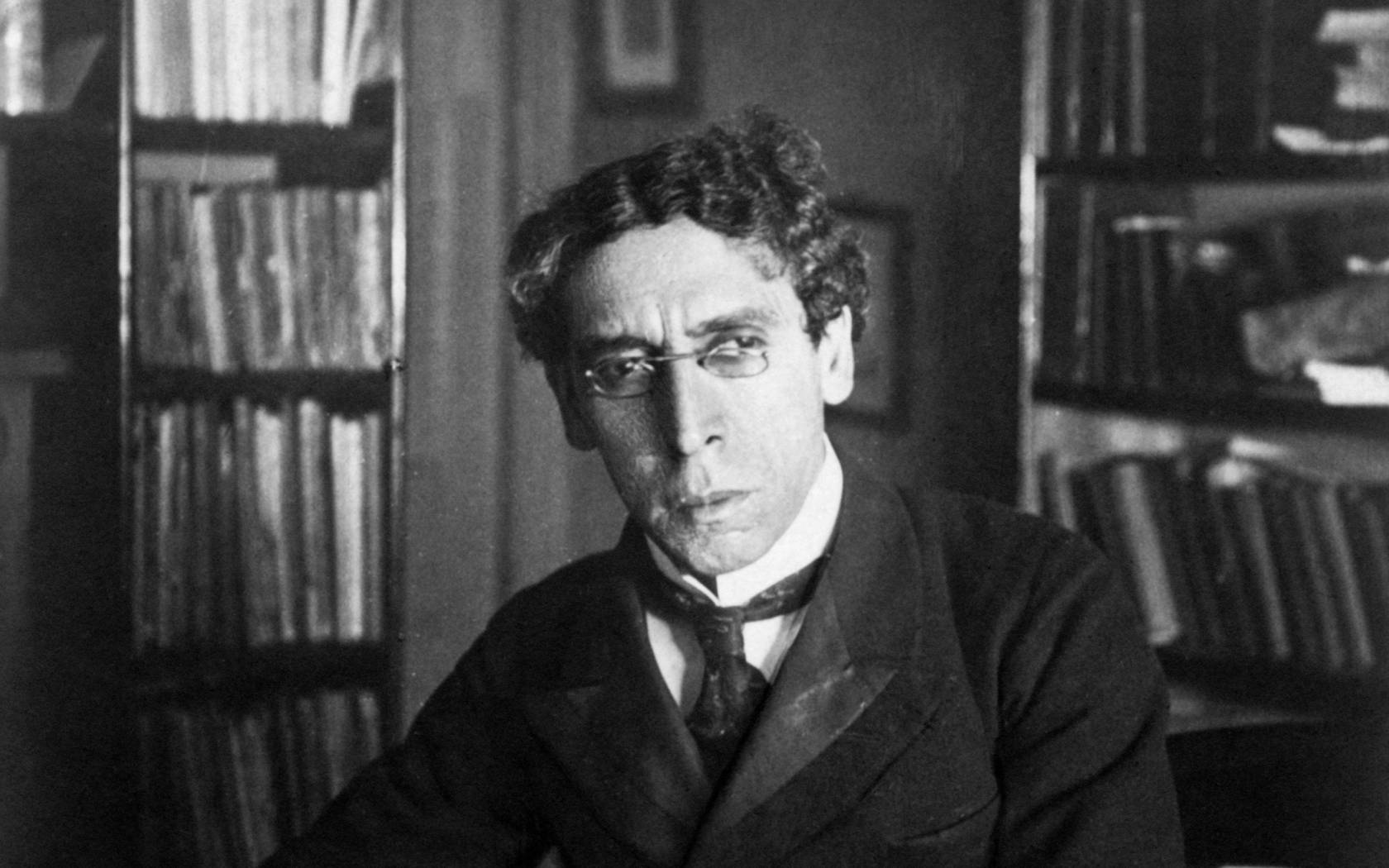
In 1908, British-born Jewish writer and playwright **Israel Zangwill** published his play **“The Melting Pot”**, which popularized the phrase as a metaphor for America...
Explore event →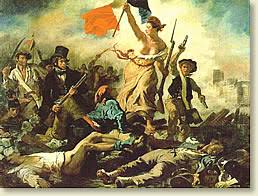
The French Revolution began with the storming of the Bastille, symbolizing the fight against monarchy, social inequality, and the pursuit of liberty, equality, and fra...
Explore event →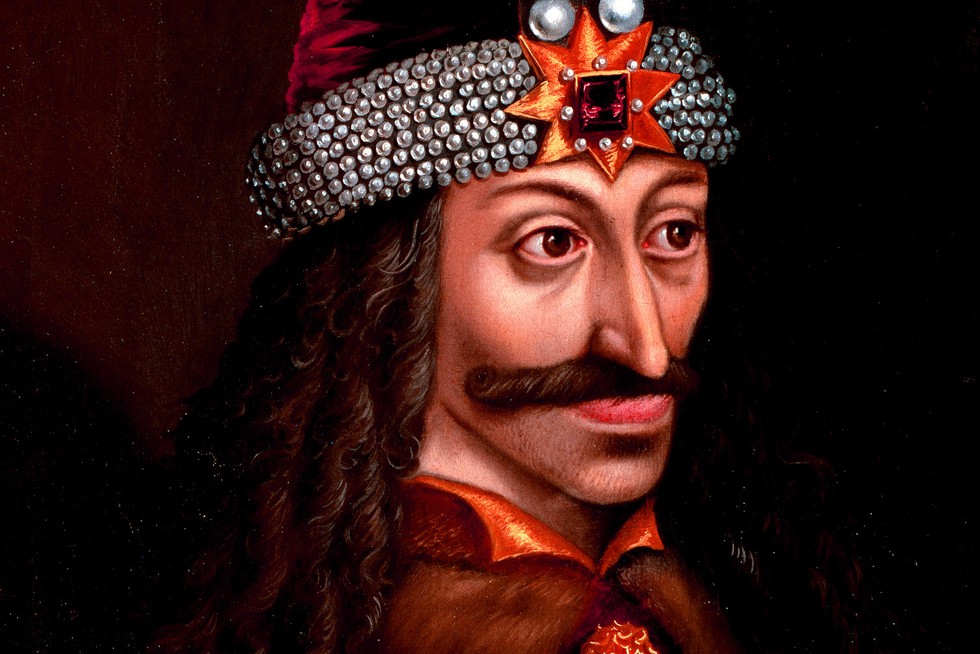
Vlad III Dracula, Prince of Wallachia Vlad III, also known as Vlad the Impaler or Dracula, was born in 1431 in Transylvania, part of the Kingdom of Hungary ...
Explore event →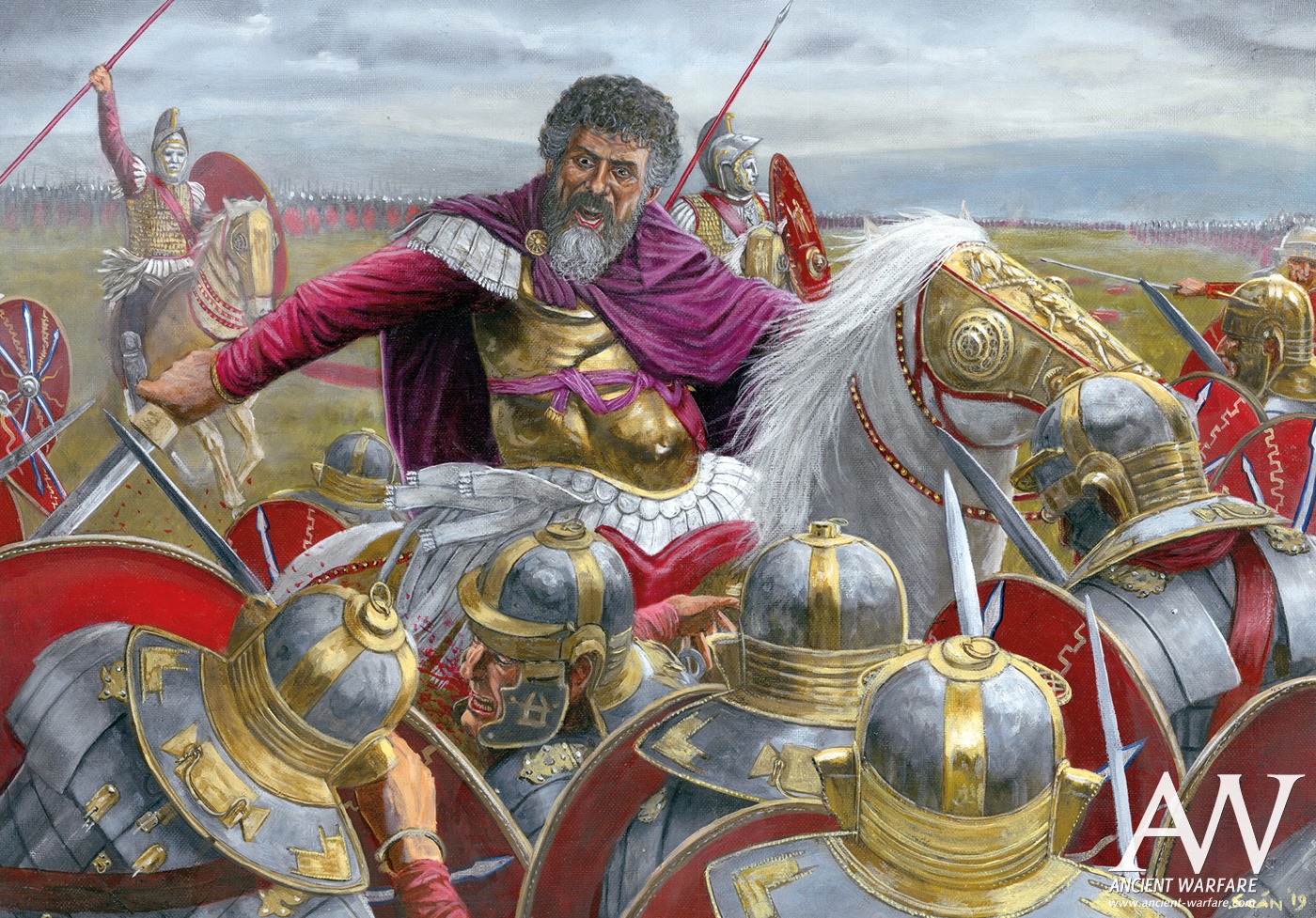
The Battle of Lugdunum was a decisive confrontation between the forces of Septimius Severus and Clodius Albinus during the Roman civil war for control of the empire. T...
Explore event →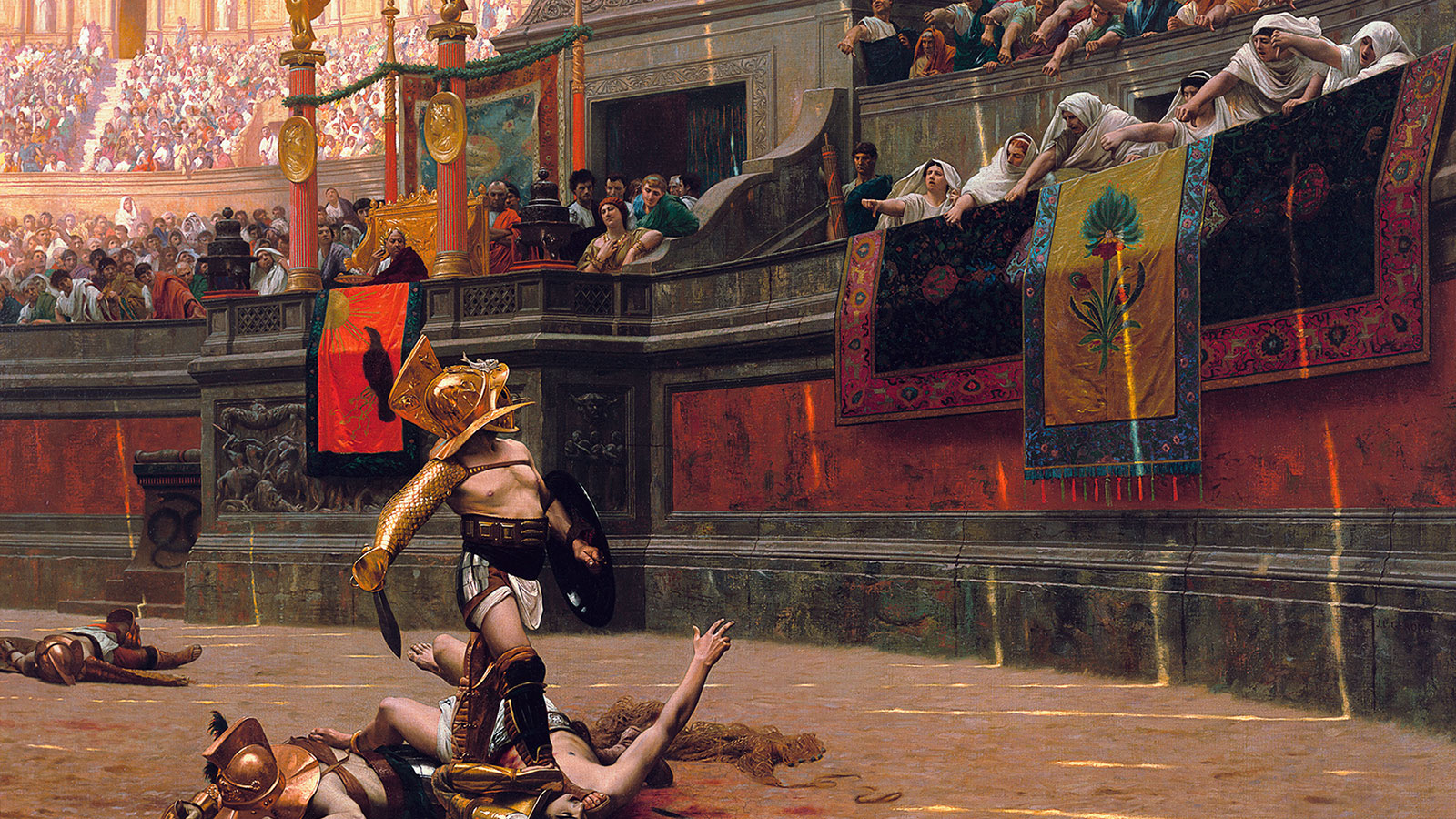
Emperor Commodus, known for his unconventional rule, famously participated in gladiatorial combats in Rome. Unlike previous emperors, he openly fought as a gladiator, ...
Explore event →
The Fall of Sarmizegetusa marked the decisive Roman victory over the Dacians led by King Decebalus. In early August, Roman legions under Emperor Trajan besieged the Da...
Explore event →
1942–1944 — Communist-led partisans, Balli Kombëtar and other nationalist forces resist Italian and later German occupation. Rival resistance movements also fight one ...
Explore research
June–September 1920 — Albanian fighters challenge Italian forces occupying the Vlorë region. The conflict contributes to an agreement under which Italy withdraws from ...
Explore research
1 July 1916 — British and French forces open the Somme offensive after an enormous artillery preparation. The first day becomes the bloodiest single day in British mil...
Explore research
1915–1918 — Casualties, inflation and shortages turn civilian morale into a strategic issue. Governments expand propaganda, censorship, rationing and welfare programs ...
Explore research
c. 1177 BCE — During the reign of Ramesses III, Egyptian inscriptions describe major battles against groups arriving by land and sea. These groups are traditionally ca...
Explore research
c. 1274 BCE — Egyptian forces under Ramesses II fight the Hittite army near Kadesh in Syria. Egyptian inscriptions present the battle as a spectacular personal victory...
Explore research
24 January 1943 — At the Casablanca Conference, Roosevelt publicly declares that the Allies will seek the unconditional surrender of the Axis powers. The policy is int...
Explore research
11 November 1918 — German representatives sign the armistice at Compiègne. Fighting ends on the Western Front at 11:00 a.m. Germany accepts evacuation requirements and...
Explore research
20 April 1945 — Soviet artillery begins shelling central Berlin as forces close around the German capital. Street fighting becomes intense while Nazi leaders remain in...
Explore research
10 July 1940 — The Luftwaffe begins the sustained air campaign conventionally identified as the Battle of Britain. Germany seeks air superiority as a prerequisite for ...
Explore research
23 August 1942 — German forces begin the major assault phase against Stalingrad after intensive Luftwaffe bombing. The city's industrial and symbolic importance combin...
Explore research
23 August 1942 — German forces begin the major assault phase against Stalingrad while the wider German campaign pushes toward oil resources in the Caucasus. Fighting i...
Explore research
8 January 1942 — Soviet offensives expand around the Rzhev-Vyazma salient west of Moscow. Fighting in the region becomes prolonged and extraordinarily costly. The sali...
Explore research
2 May 1945 — German forces in Berlin surrender to the Red Army. Soviet troops control the capital of Nazi Germany. Fighting continues elsewhere for several days, but t...
Explore research
3 September 1939 — Britain and France declare war on Germany after Hitler refuses demands to withdraw from Poland. Governments that spent much of the 1930s attempting ...
Explore research
10 July 1940 — Britain's defense during the Battle of Britain relies on more than fighter aircraft alone. Chain Home radar stations, ground observers, telephone commun...
Explore research
29 July 1936 — Germany begins sending military aircraft and personnel to assist Franco's forces in Spain. The Condor Legion later conducts bombing operations, includin...
Explore research
13 January 1945 — Soviet armies launch major operations into East Prussia. German civilians flee westward amid combat, fear of Soviet forces and collapsing evacuation ...
Explore research
7 July 1937 — Fighting near the Marco Polo Bridge escalates into a major war between Japan and China. Japanese forces capture major cities including Shanghai and Nanji...
Explore research
9 April 1940 — Germany launches Operation Weserübung against Denmark and Norway. Denmark is overwhelmed rapidly, while fighting in Norway continues for weeks. Control ...
Explore research
Multiple resistance organizations fight occupation while political divisions deepen.
Explore research
30 April 1945 — Adolf Hitler kills himself in the Führerbunker as Soviet troops fight through central Berlin. Germany has already lost control of most of its territory...
Explore research
30 April 1945 — Adolf Hitler kills himself inside the Führerbunker as Soviet troops fight through central Berlin. Germany's military position is hopeless and the capit...
Explore research
23 August 1939 — Germany and the Soviet Union sign a non-aggression agreement. Secret protocols divide parts of Eastern Europe into German and Soviet spheres of influe...
Explore research