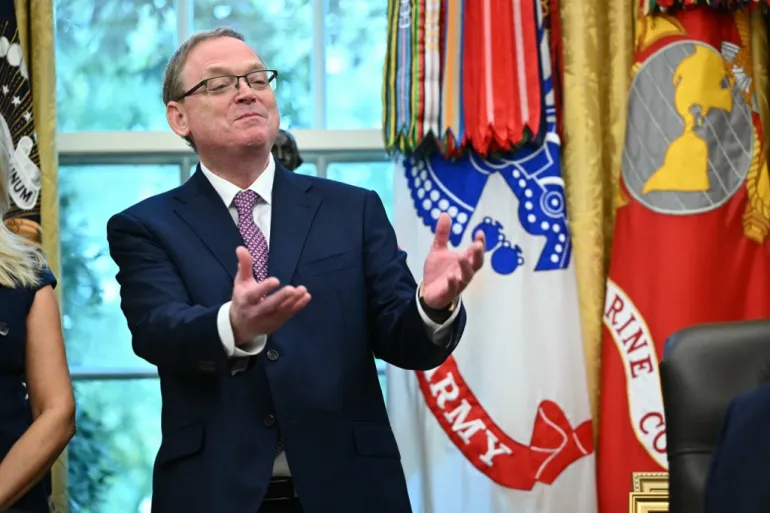
U.S. Government Faces Partial Shutdown Amid Political Standoff
On February 15, 2026, a partial U.S. government shutdown dragged on as congressional Democrats and the White House failed to reach an agreement on federal funding, esp...
Explore event →History does not happen in isolation. Explore world events across time, follow the connections between them, and investigate the threads that reveal how one event can lead to another.
TheTimeMap currently follows events across 95 countries and 268 years of history — building a connected archive designed for people who want to look beyond the headline.
We oppose antisemitism, racism, and dehumanization — everywhere.
When people stop feeling, injustice becomes easy.
On February 15, 2026, a partial U.S. government shutdown dragged on as congressional Democrats and the White House failed to reach an agreement on federal funding, esp...
Explore event →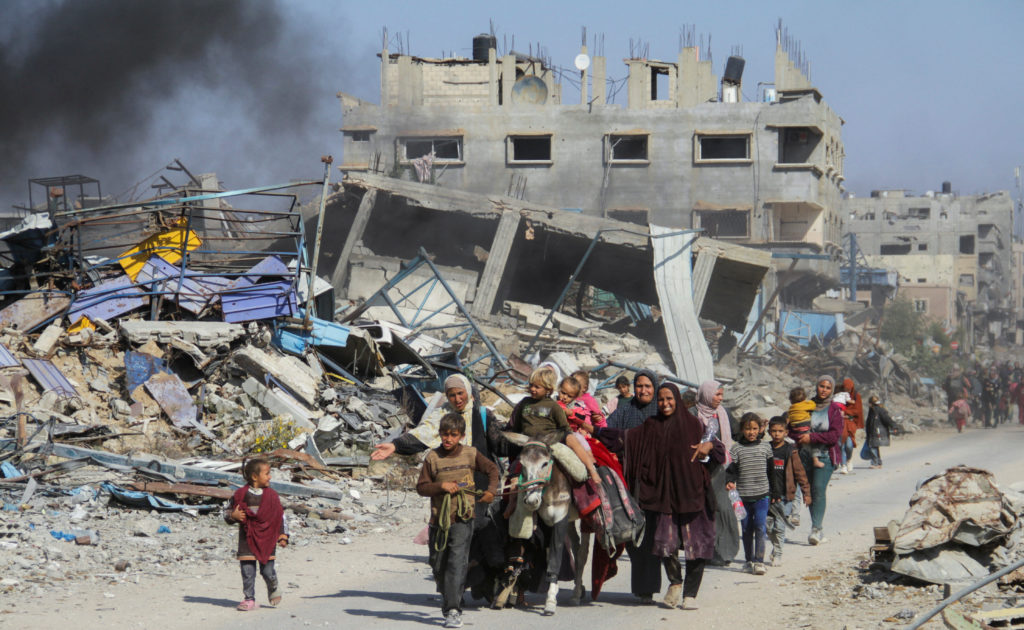
On February 15, 2026, at least 11 Palestinians were killed in Israeli airstrikes across the Gaza Strip, according to Gaza Civil Defence authorities. The strikes occurr...
Explore event →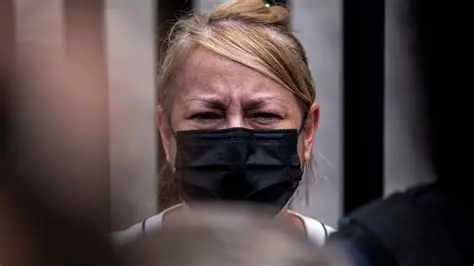
On February 14, 2026, former US President Donald Trump issued a presidential pardon to Wanda Vázquez Garced, former Governor of Puerto Rico. The pardon absolves Vázque...
Explore event →
On February 14, 2026, former US President Donald Trump issued a presidential pardon to Adriana Camberos, marking the second time she has received clemency from Trump. ...
Explore event →
On February 14, 2026, court documents and the Jeffrey Epstein archives revealed that wellness author and public figure Deepak Chopra’s name appeared in communications ...
Explore event →
On February 14, 2026, newly released court documents and files from the Jeffrey Epstein archives revealed that singer Britney Spears’ name appears 115 times in the rec...
Explore event →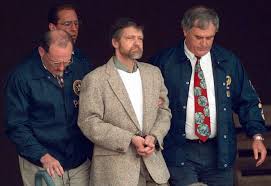
On May 25, 1993, domestic terrorist Ted Kaczynski, also known as the Unabomber, mailed an explosive device to David Gelemster, a historical act that contributed to his...
Explore event →
On February 14, 2026, newly released communications between former Trump strategist Steve Bannon and the late financier Jeffrey Epstein revealed previously unknown det...
Explore event →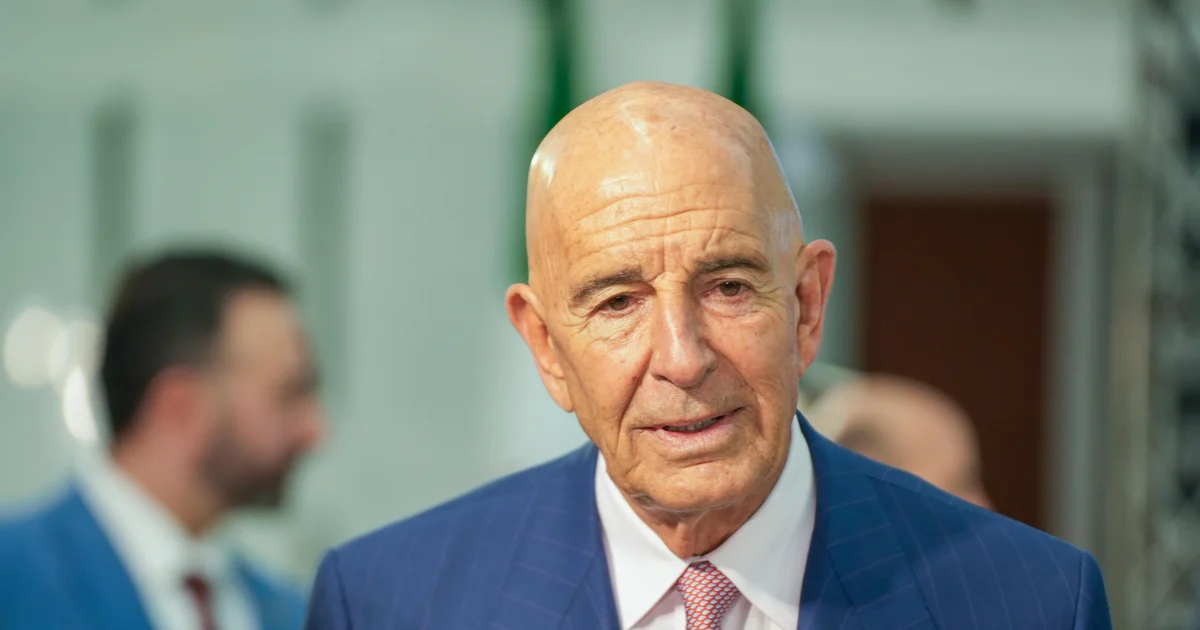
On February 14, 2026, CBS News published an analysis of newly released U.S. Justice Department documents showing that Thomas “Tom” Barrack, a longtime confidant of for...
Explore event →
On February 14, 2026, social media and online forums saw the spread of posts and videos alleging that U.S. Representative Randy Fine had been observed casting votes on...
Explore event →
Alexander Lamar Banks Jr. attacked family outside Lansing On February 13, 2026, 21‑year‑old Alexander Lamar Banks Jr. was arrested in Delta Township, near Lansing, Mi...
Explore event →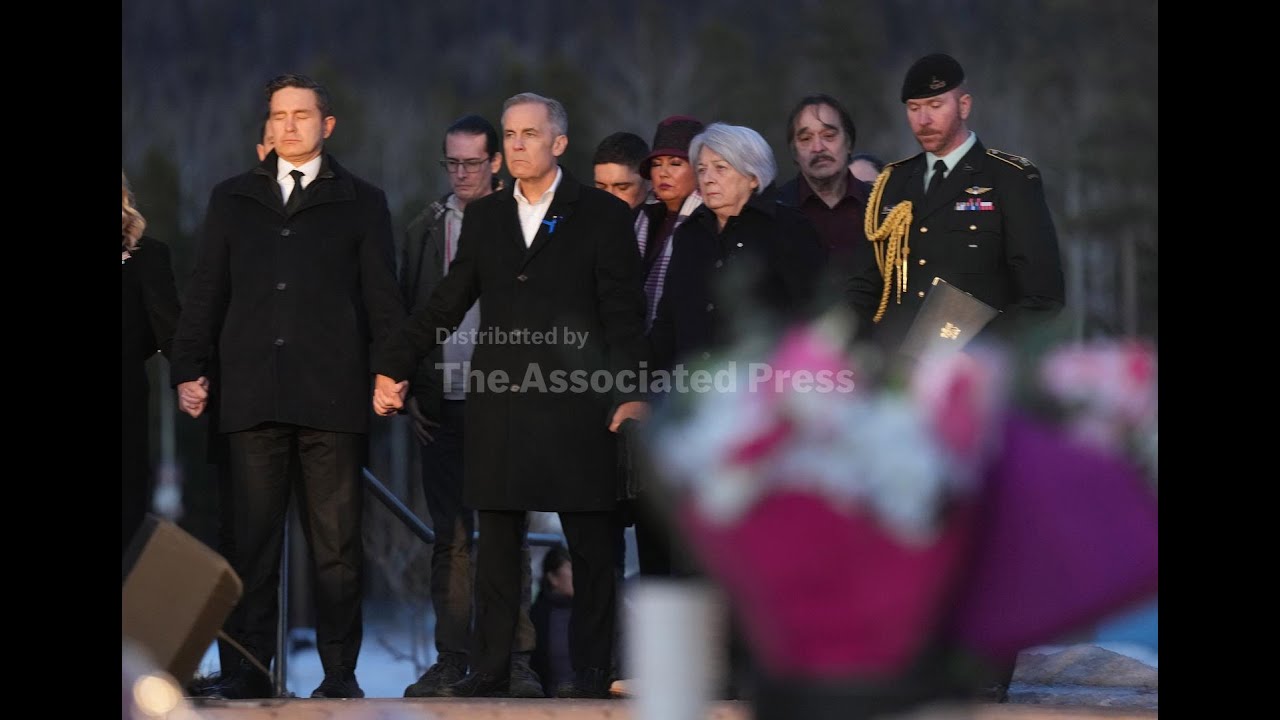
On February 13, 2026, Canadian Prime Minister Mark Carney and opposition leader Pierre Poilievre stood hand in hand with community members at a candlelight vigil in th...
Explore event →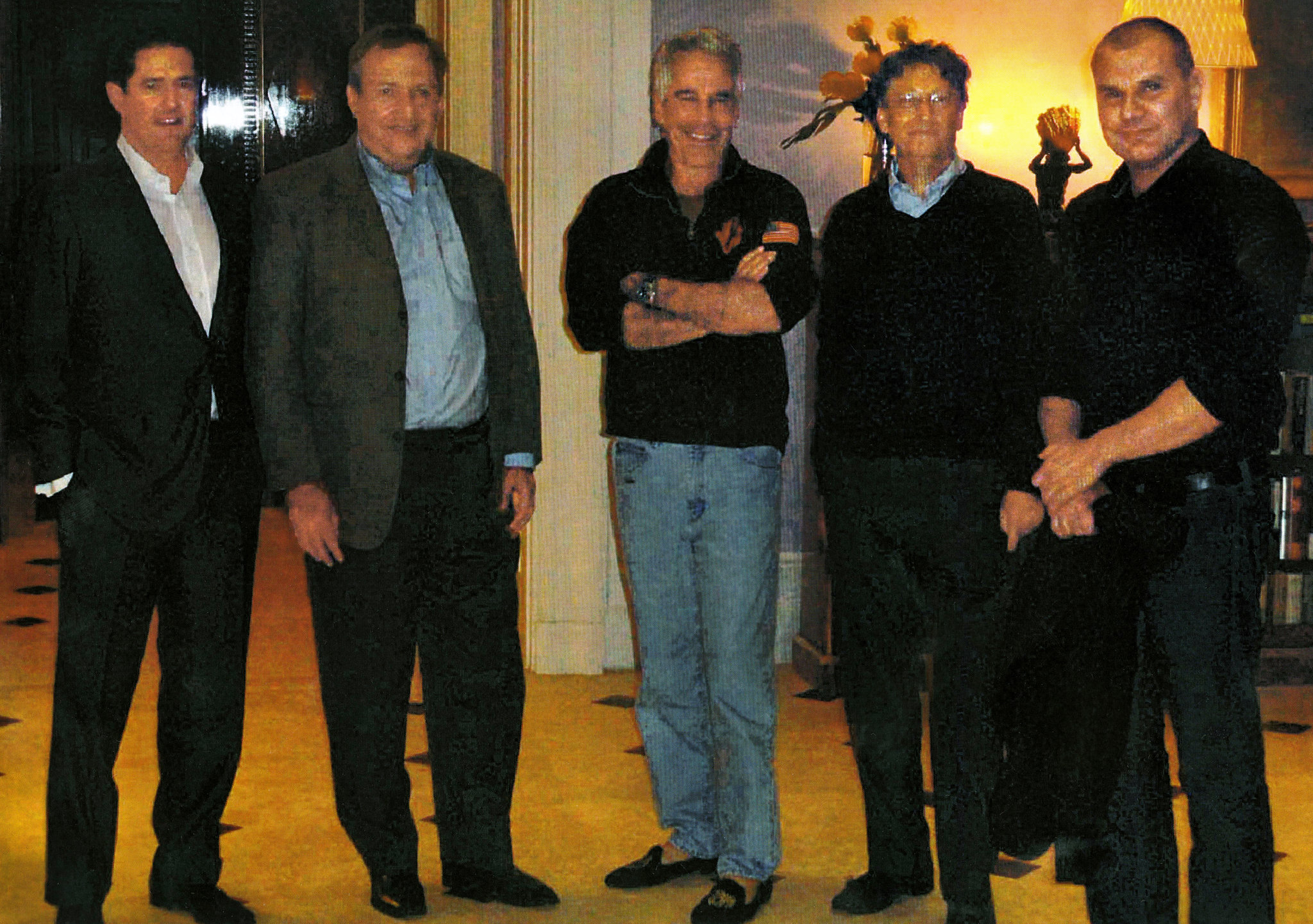
On February 12, 2026, newly released U.S. Department of Justice documents revealed an email from Jeffrey Epstein to Microsoft co‑founder Bill Gates dated December 20, ...
Explore event →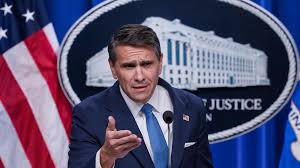
On February 11, 2026, the U.S. Department of Justice, under the Trump administration, abruptly fired Donald T. Kinsella as U.S. Attorney for the Northern District of N...
Explore event →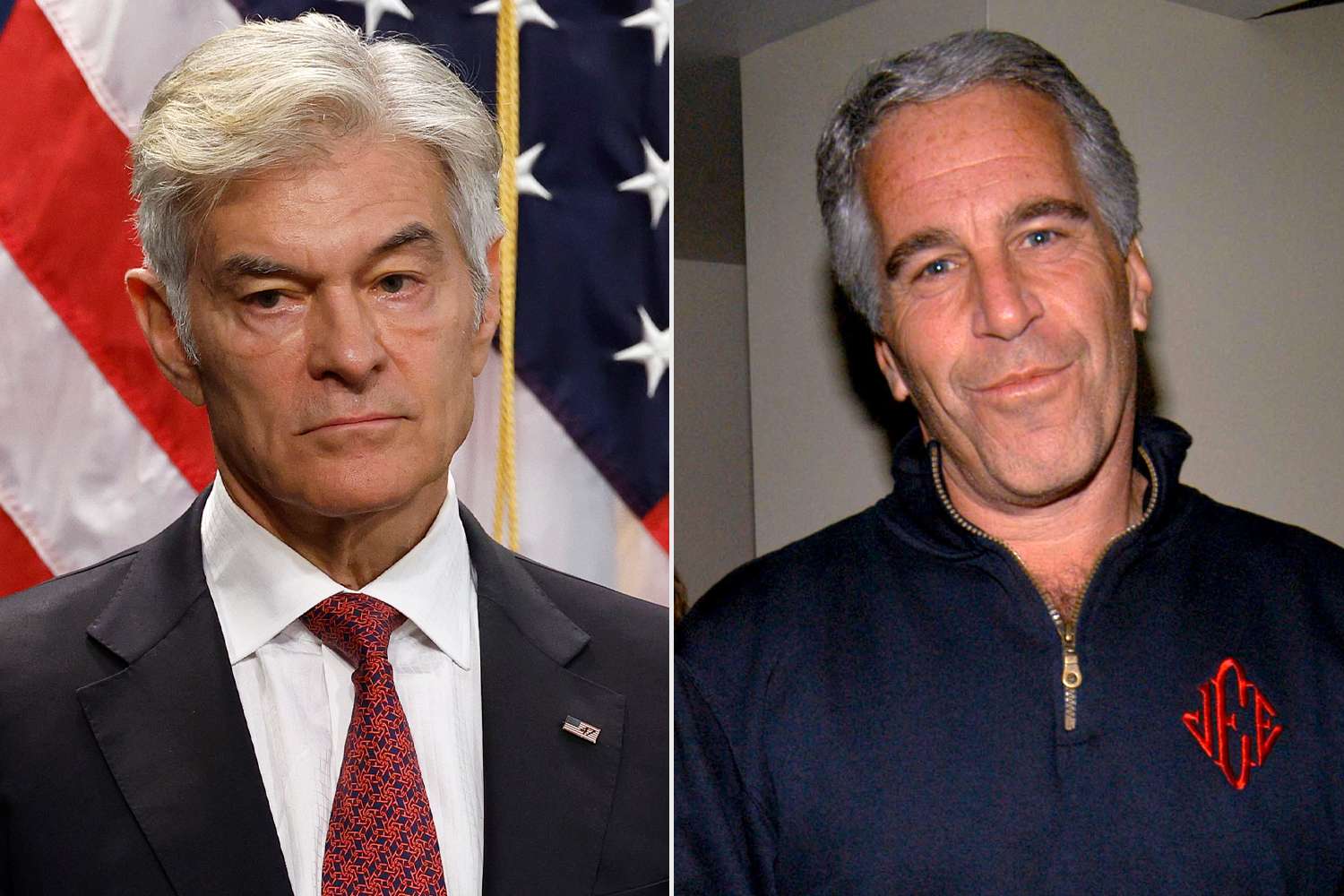
On February 12, 2026, newly released U.S. Department of Justice documents revealed that Dr. Mehmet Oz — administrator of the Centers for Medicare and Medicaid Services...
Explore event →
On February 12, 2026, the fragile calm along southern Lebanon’s border was shattered as extremist Israeli settlers planted olive and pine trees deep inside Lebanese te...
Explore event →
On February 12, 2026, Norwegian police searched properties belonging to former prime minister and Council of Europe secretary‑general :contentReference[oaicite:0]{inde...
Explore event →
On February 12, 2026, U.S. President Donald Trump publicly demanded that Israeli President Isaac Herzog grant a pardon to Prime Minister Benjamin Netanyahu, thrusting ...
Explore event →
On February 12, 2026, reports emerged that Israeli cybersecurity and spyware firm Paragon Technologies inadvertently exposed its internal surveillance dashboard in a p...
Explore event →
On February 12, 2026, financial markets were shaken by a combination of a corporate bond rally and renewed technology sector selling. Corporate bonds surged, pushin...
Explore event →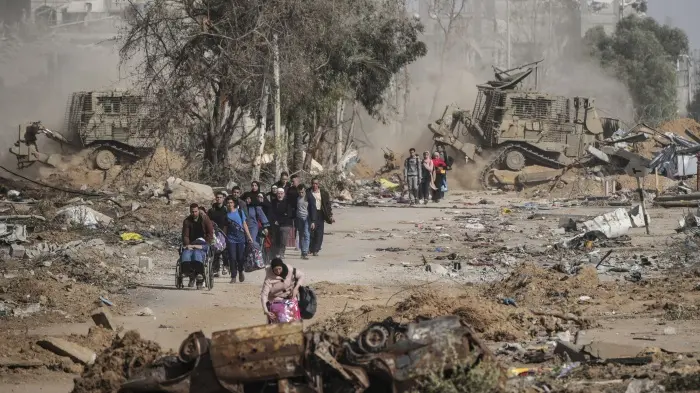
On February 12, 2026, Israeli military forces opened fire in parts of the Gaza Strip despite an existing ceasefire, resulting in new casualties among Palestinian civil...
Explore event →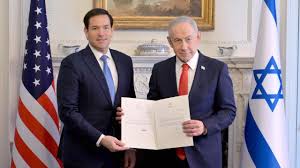
Netanyahu joins Board of Peace ahead of Trump meeting in Washington On February 11, 2026, Israeli Prime Minister Benjamin Netanyahu announced that Israel had formally...
Explore event →
On February 11, 2026, state‑organised rallies marking the 47th anniversary of the 1979 Islamic Revolution in Iran featured demonstrators burning a large statue describ...
Explore event →
On February 11, 2026, United States Attorney General Pam Bondi appeared before the House Judiciary Committee during a contentious oversight hearing focused on the Depa...
Explore event →
11 February 2011 — Vice President Omar Suleiman announces that Hosni Mubarak has stepped down and transferred authority to the Supreme Council of the Armed Forces. Cel...
Explore research
25 January–11 February 2011 — Mass demonstrations erupt against police brutality, corruption, economic frustration and authoritarian government. Cairo's Tahrir Square ...
Explore research
28 February 1922 — Britain formally ends its protectorate and recognizes Egypt as an independent sovereign state. Important issues remain under British control, includ...
Explore research
1 February 1917–11 November 1918 — German submarines attack merchant shipping in an attempt to reduce British imports below sustainable levels. Early shipping losses a...
Explore research
21 February 1916 — Germany launches a major offensive against the fortified Verdun region. French forces commit enormous manpower and artillery to prevent the fortress...
Explore research
19 February 1915 — British and French naval forces begin major operations against the Ottoman defenses of the Dardanelles. The Allies hope to force the straits, threat...
Explore research
23 August 1942 — German forces begin the major assault phase against Stalingrad while the wider German campaign pushes toward oil resources in the Caucasus. Fighting i...
Explore research
Klaus Schwab organized the first European Management Symposium in Davos in February 1971. The meeting brought together hundreds of European business executives, academ...
Explore research
2 February 1942 — Fritz Sauckel's later appointment as General Plenipotentiary for Labour Deployment in March formalizes a rapidly expanding coercive labor system, whi...
Explore research
2 February 1943 — The last major German formations inside Stalingrad surrender. Approximately one of Germany's most powerful field armies has been destroyed or capture...
Explore research
1 February 1917 — Germany begins unrestricted submarine attacks against shipping approaching Allied-controlled waters. German naval leaders believe U-boats can reduce ...
Explore research
18 February 1943 — Joseph Goebbels delivers his Sportpalast speech after Stalingrad, calling for even greater mobilization of German society. The speech reflects growi...
Explore research
3 February 1830 — The London Protocol recognizes Greece as an independent state.
Explore research
On February 8, 1974, Secretary of State Henry Kissinger spoke by telephone with David Rockefeller. The surviving State Department transcript records discussion of Euro...
Explore research
14 February 1942 — The Polish underground Home Army is formally established as the principal armed resistance organization loyal to the government-in-exile. It fights ...
Explore research
27 February 1933 — Germany's parliament building burns in Berlin. The Nazi government uses the crisis to portray communism as an immediate revolutionary threat. Presid...
Explore research
28 February 1933 — President Hindenburg signs the Decree for the Protection of People and State after the Reichstag fire. Major constitutional protections involving sp...
Explore research
29 December 1944 — Soviet and Romanian forces encircle Budapest. Hitler orders the city held while German and Hungarian troops continue resistance. Fighting becomes ex...
Explore research
19 February 1943 — German forces under Erich von Manstein begin a counteroffensive that retakes Kharkov after Soviet armies overextend following Stalingrad. The operat...
Explore research
1917–1918 wartime revolutionary leadership — Lenin returns to Russia after the February Revolution and argues for transfer of power to the soviets, withdrawal from the...
Explore research
4 February 1945 — At Yalta, the Western Allies and Soviet Union remain military partners but increasingly disagree about Poland and the political future of Eastern Eur...
Explore research
8 February 1942 — Use the expansion of wartime production as the investigative anchor. Companies in Allied and Axis states received enormous military orders, while the...
Explore research
2 February 1943 — Investigate Hitler's refusal to withdraw, Paulus's obedience, overextended German logistics, the weakness of Axis flanks, Soviet planning, intelligen...
Explore research