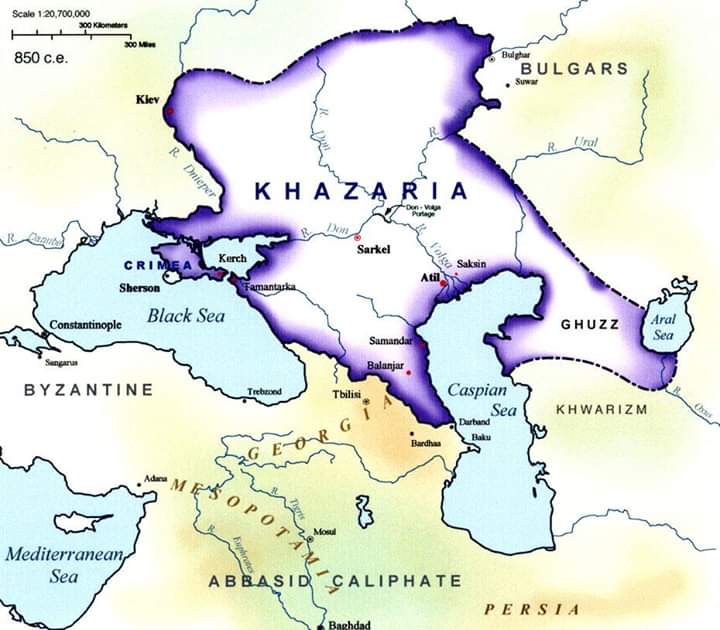
The Khazarian Empire: History, Territory, and Conversion to Judaism
The Khazarian Empire: History, Territory, and Conversion to Judaism The Khazar Empire was a Turkic polity that emerged in the mid-seventh century and became...
Explore event →History does not happen in isolation. Explore world events across time, follow the connections between them, and investigate the threads that reveal how one event can lead to another.
TheTimeMap currently follows events across 95 countries and 268 years of history — building a connected archive designed for people who want to look beyond the headline.
We oppose antisemitism, racism, and dehumanization — everywhere.
When people stop feeling, injustice becomes easy.
The Khazarian Empire: History, Territory, and Conversion to Judaism The Khazar Empire was a Turkic polity that emerged in the mid-seventh century and became...
Explore event →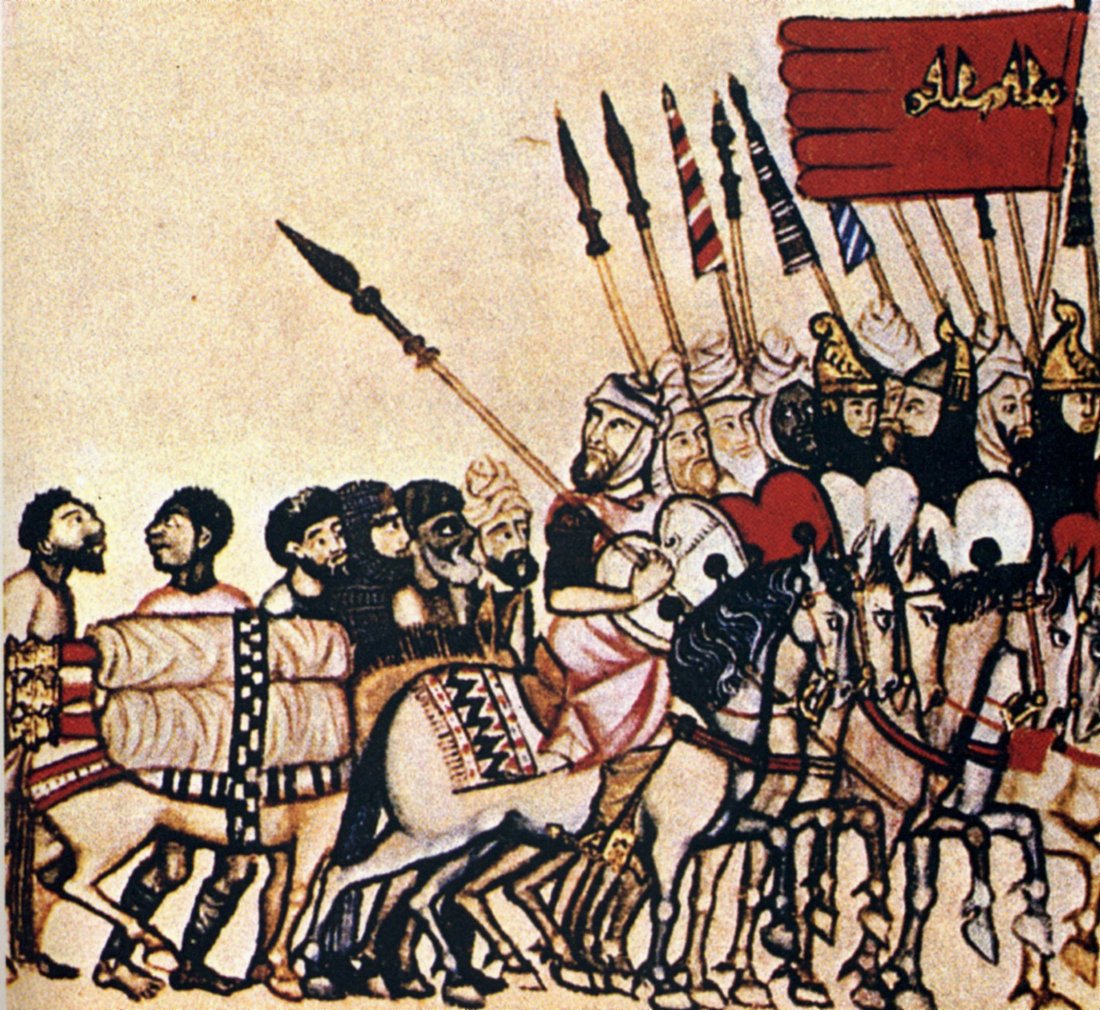
Moorish Invasion Of The Iberian Peninsula On April 30, 711, Umayyad forces led by the Berber commander Tariq ibn Ziyad crossed the Strait of Gibraltar from ...
Explore event →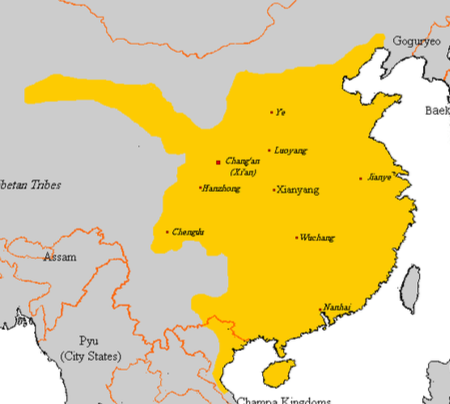
The Sui dynasty, which had temporarily unified China after a period of fragmentation, was facing collapse by early 618. Internal rebellions and external pressures mark...
Explore event →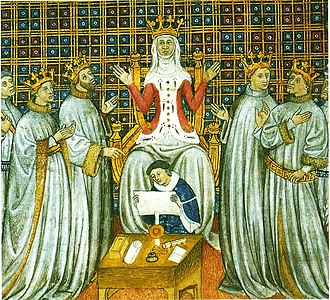
Clovis I, the first King of the Franks to unite all Frankish tribes under one ruler, died on November 27. His death marked a significant transition in early medieval E...
Explore event →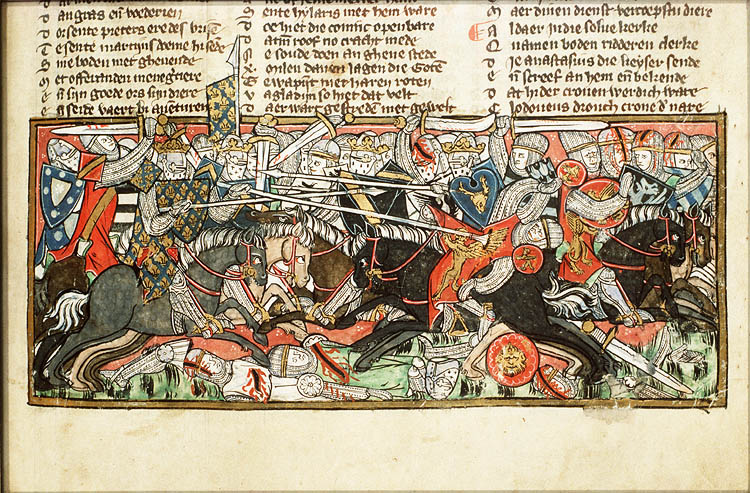
The Battle of Vouillé was fought between the Franks under Clovis I and the Visigoths led by Alaric II. This decisive battle occurred near Vouillé, resulting in a signi...
Explore event →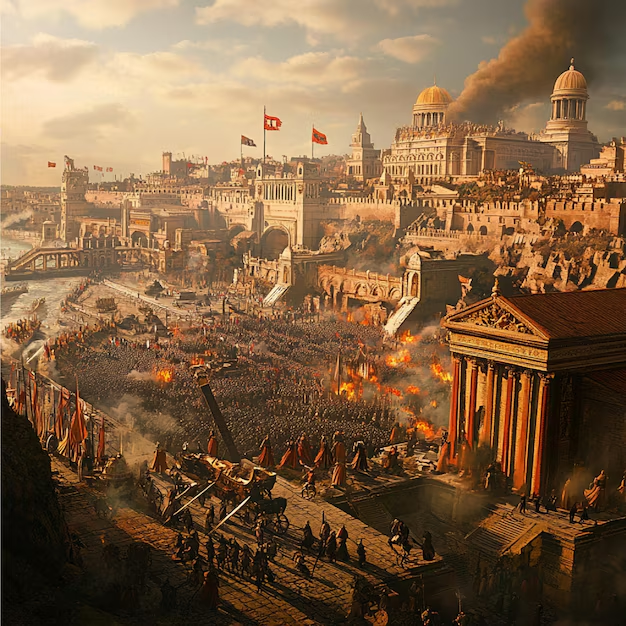
The last Western Roman emperor, Romulus Augustulus, was deposed. This event traditionally marks the end of ancient Rome and the beginning of the Middle Ages. Christi...
Explore event →
Constantius Chlorus was elevated to the rank of Augustus on May 1st, 305, following the abdication of the previous Tetrarchs, Diocletian and Maximian. This event marke...
Explore event →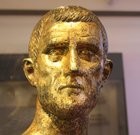
Emperor Aurelian successfully reunified the Roman Empire after a period of fragmentation and civil war. His military campaigns defeated breakaway states such as the Ga...
Explore event →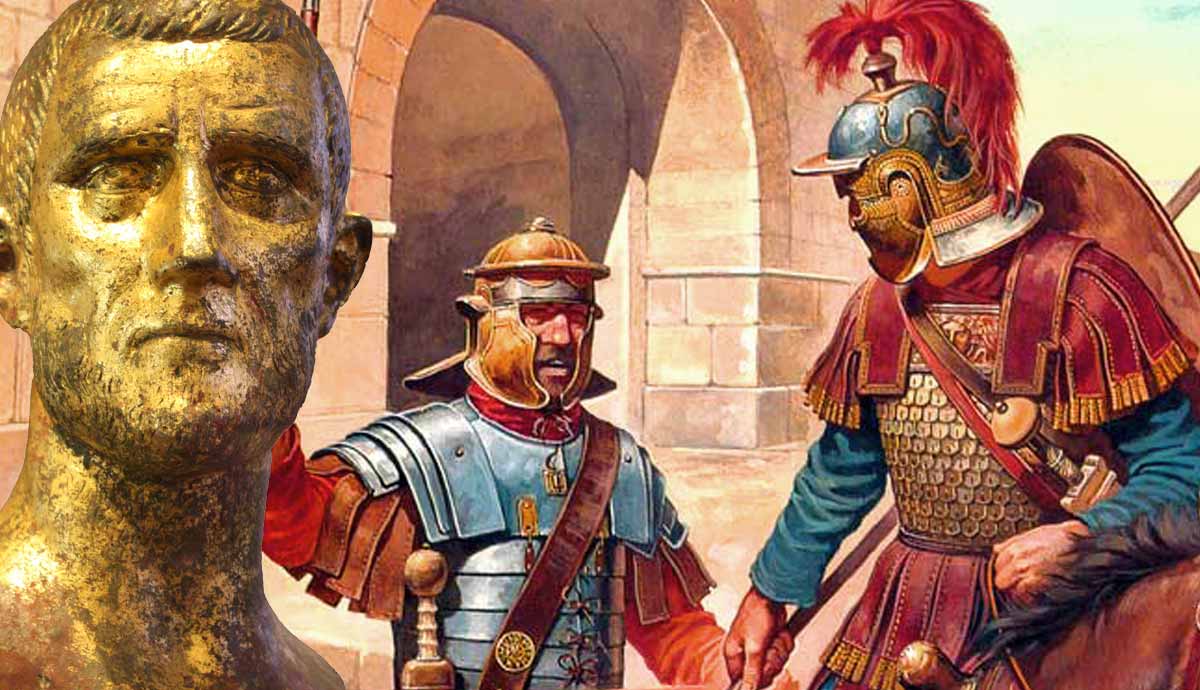
In late September, Emperor Aurelian engaged and defeated the forces of the breakaway Gallic Empire near Châlons-en-Champagne. This victory effectively ended the secess...
Explore event →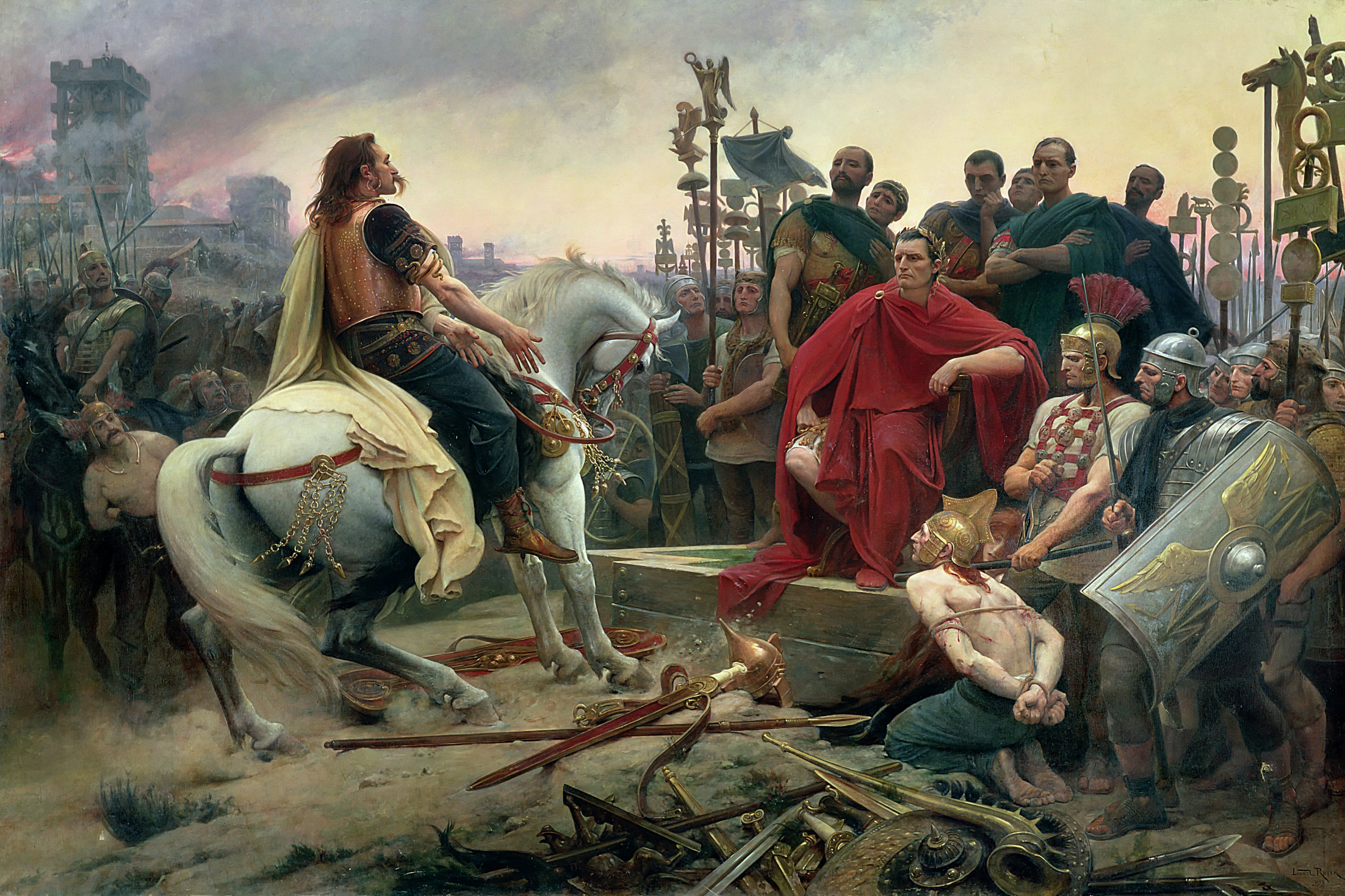
The Battle of Châlons was fought between the forces of the Roman Emperor Aurelian and the Gallic usurper Tetricus. This conflict was a decisive engagement aimed at res...
Explore event →
Emperor Aurelian mounted a decisive campaign against the breakaway Palmyrene Empire in 273, culminating in the defeat of Queen Zenobia's forces near Palmyra.This victo...
Explore event →
Aurelian was proclaimed emperor by his troops following the death of Emperor Claudius Gothicus. His accession marked a significant turning point during the Crisis of t...
Explore event →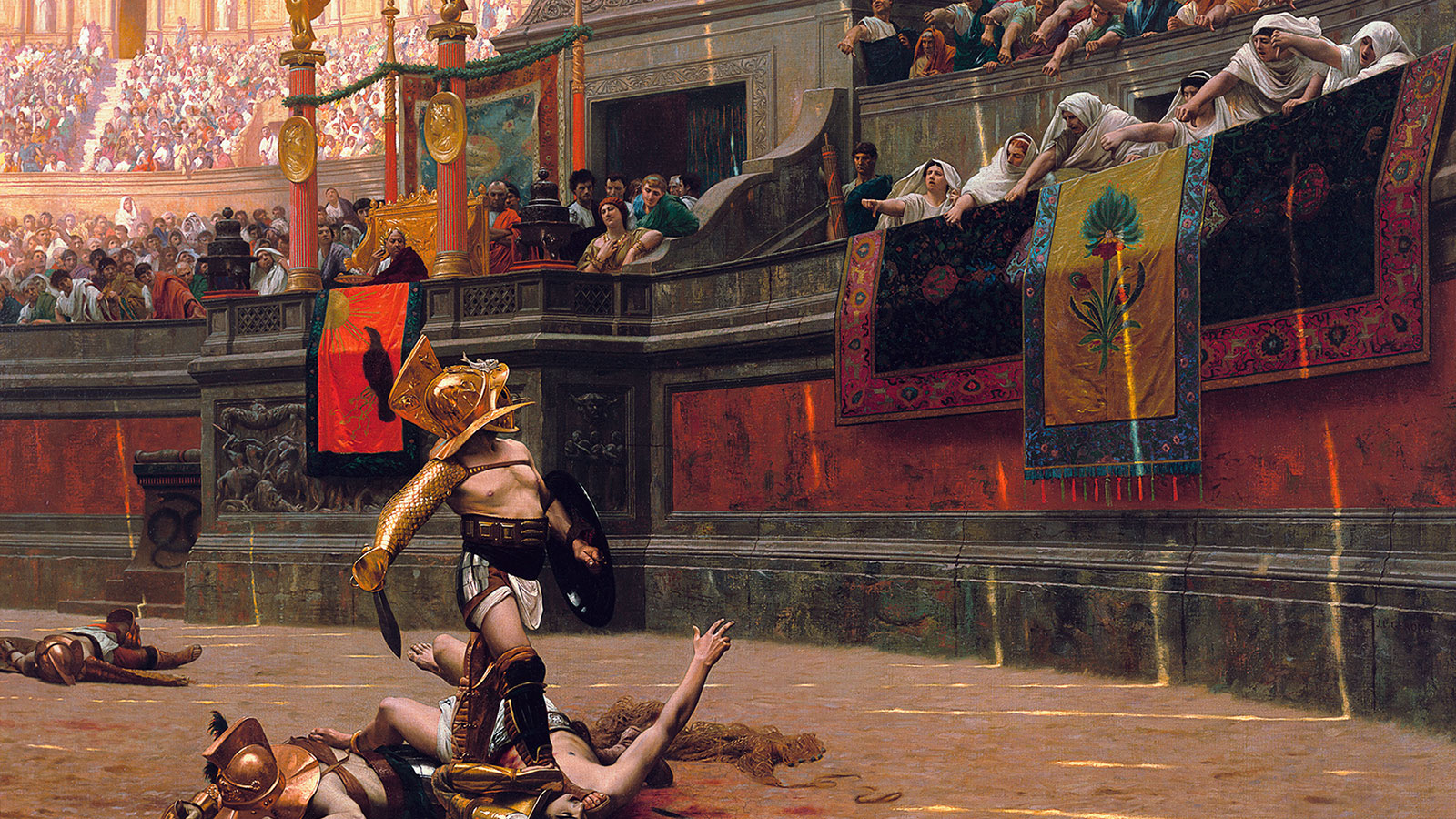
Emperor Commodus, known for his unconventional rule, famously participated in gladiatorial combats in Rome. Unlike previous emperors, he openly fought as a gladiator, ...
Explore event →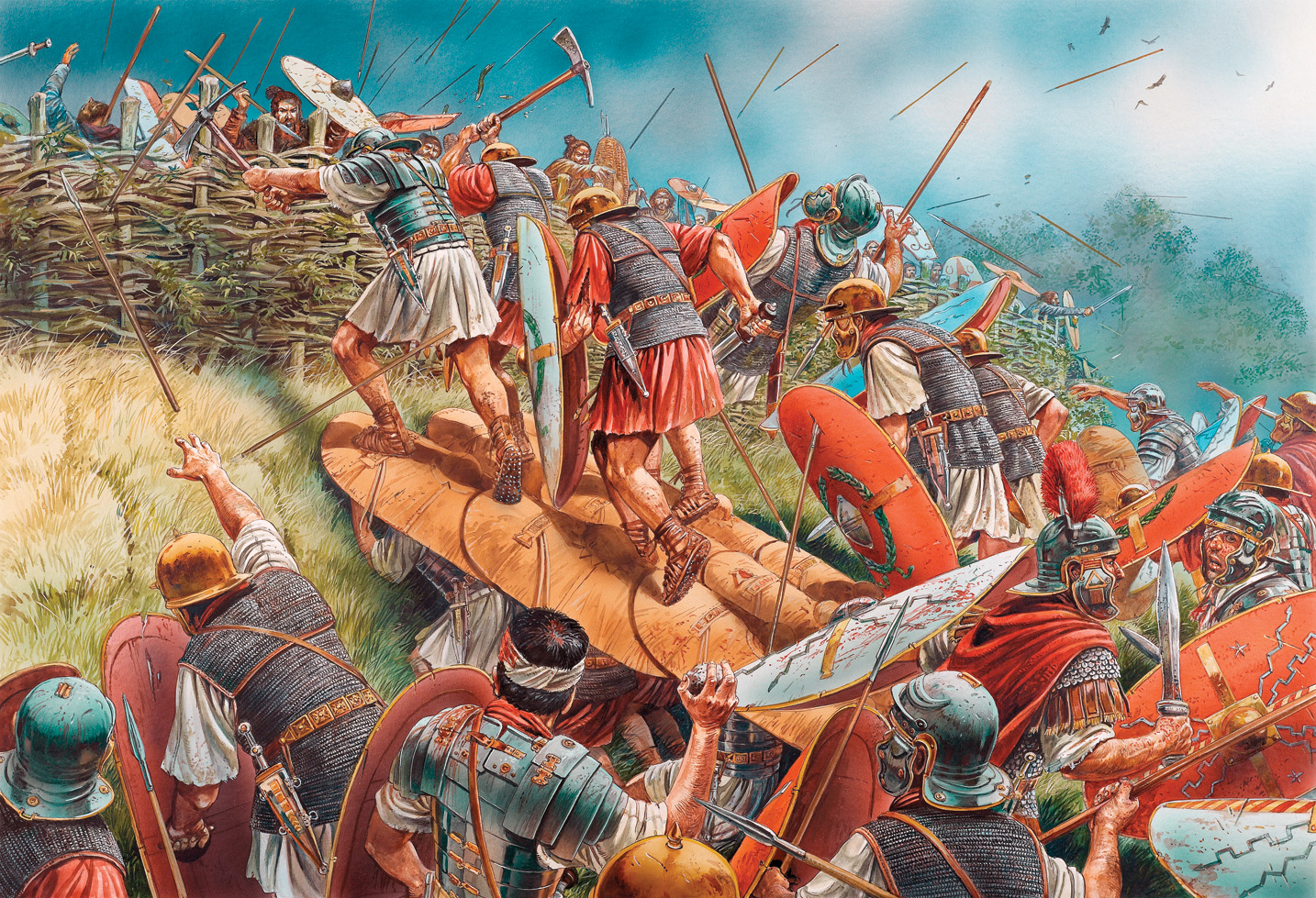
The Marcomannic Wars began as a series of conflicts between the Roman Empire and various Germanic tribes, including the Marcomanni, along the Danube frontier. The wars...
Explore event →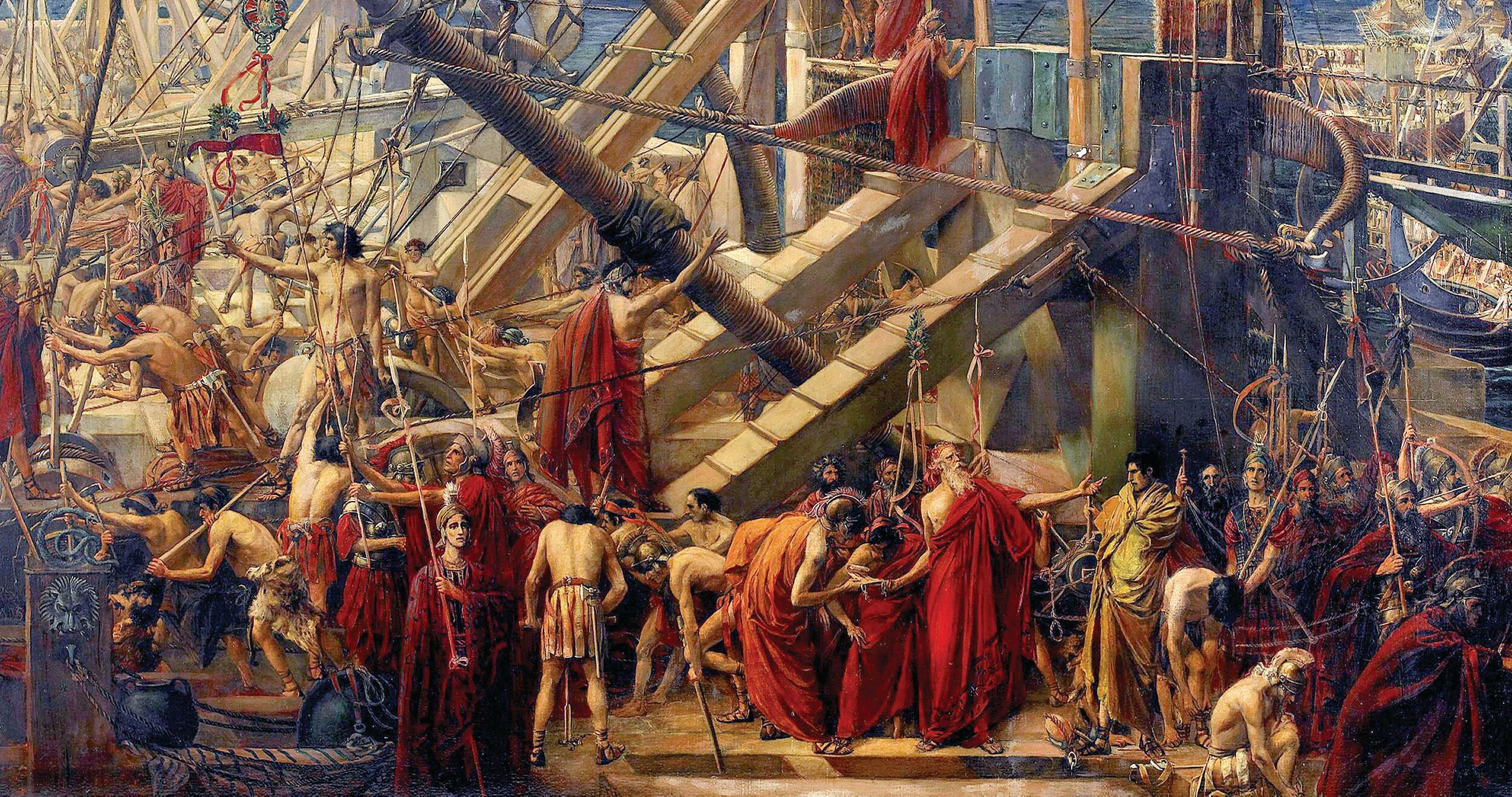
The Roman forces led by Emperor Trajan launched a military campaign across Mesopotamia, culminating in the siege and capture of Seleucia. This event marked a significa...
Explore event →
The province of Mesopotamia was officially established as an administrative region, marking a significant political reorganization in the area. This reconfiguration ai...
Explore event →
After years of fierce conflict, Dacian King Decebalus ultimately surrendered to the Roman Emperor Trajan. This marked the end of the Dacian Wars, resulting in the anne...
Explore event →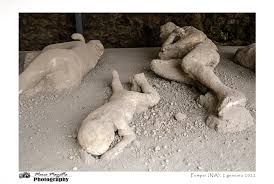
Mount Vesuvius erupted violently, burying the Roman cities of Pompeii and Herculaneum under layers of ash and pumice. The catastrophic event caused widespread destruct...
Explore event →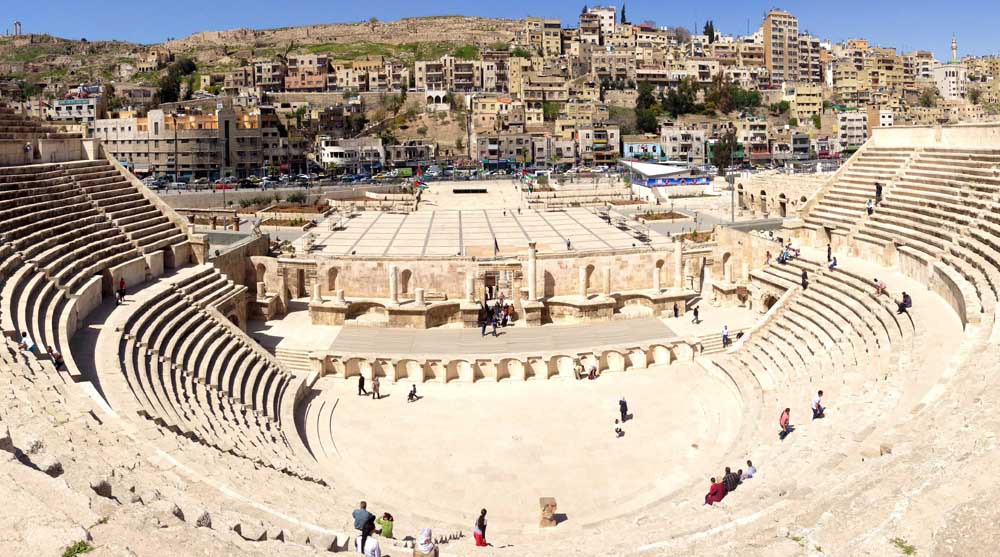
Construction of the Roman amphitheater known as the Colosseum began under Emperor Vespasian. This monumental structure was designed to host a variety of public spectac...
Explore event →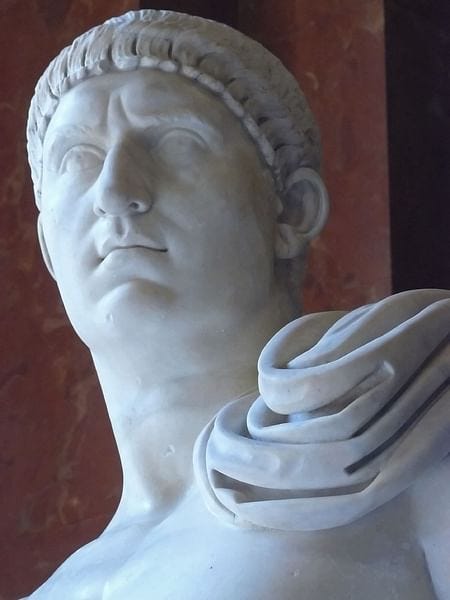
Following the death of Emperor Galba, Otho swiftly ascended to power in Rome, marking a critical juncture in the Year of the Four Emperors. His accession was character...
Explore event →
14 July 2026 — Albania provisionally closes its first three EU accession chapters: science and research, education and culture, and external relations.
Explore research
2026 onward — How will European integration, migration, population decline, regional relations, tourism and economic development reshape Albania over the next generation?
Explore research
17 November 2025 — Albania opens the final accession negotiating cluster, bringing all negotiating chapters into the accession process.
Explore research
19 July 2022 — Albania and the European Union hold their first intergovernmental conference, formally opening accession negotiations.
Explore research
27 June 2014 — Albania receives candidate status for membership in the European Union. Judicial reform, corruption, organized crime, public administration and rule of ...
Explore research
2014–2026 — Egypt remains the most populous country in the Arab world and one of the principal political centers of the eastern Mediterranean and Middle East. Cairo do...
Explore research
28 April 2009 — Albania formally submits its application for membership in the European Union, beginning a long process of institutional and legal reforms tied to acce...
Explore research
1991–2026 — Albania develops as a parliamentary republic after the collapse of communist rule. It joins NATO, pursues European Union membership and undergoes rapid urb...
Explore research
11 April 1985 — Hoxha dies after more than four decades at the center of Albanian communist power. Ramiz Alia succeeds him and gradually introduces limited reforms as ...
Explore research
Henry Kissinger delivered the opening address at the European Management Symposium in Davos in 1980. The World Economic Forum identifies this as his first appearance a...
Explore research
International membership organization founded in 1973 by David Rockefeller to bring together participants from North America, Europe, and Asia for discussion of intern...
Explore research
David Rockefeller founded the Trilateral Commission in 1973 as an organization bringing together participants from North America, Europe, and Asia.
Explore research
International organization founded by Klaus Schwab as the European Management Symposium in 1971. It later became the World Economic Forum and developed into a platform...
Explore research
German-born economist and engineer who founded the European Management Symposium, later known as the World Economic Forum, and served as its principal leader.
Explore research
January–June 1919 — France prioritizes security and compensation for destruction. Britain wants Germany constrained without permanently destroying European economic st...
Explore research
1916–1918 — Governments expand control over labor, food, transportation, prices and industrial production. Women enter many sectors previously dominated by men. Coloni...
Explore research
September–November 1914 — After the Marne, both sides repeatedly attempt to turn the other's flank. The maneuvering eventually reaches the North Sea and creates a larg...
Explore research
28 July–4 August 1914 — European armies activate enormous prearranged railway timetables to mobilize millions of soldiers. Military planners argue that delaying mobili...
Explore research
7 March 1914 — Prince Wilhelm of Wied arrives at Durrës to rule Albania. Political rebellion and the approaching European war quickly overwhelm the fragile administrat...
Explore research
1914–1919 — The Royal Navy progressively restricts German access to food, fertilizer, metals, chemicals and overseas trade. Neutral shipping is increasingly subjected ...
Explore research
1914–1917 Allied purchasing and finance role — J.P. Morgan & Co. becomes a major financial and purchasing intermediary for Britain and France in the United States duri...
Explore research
1914–1918 wartime production — Schneider is a major French heavy-industrial and armaments producer whose factories supply artillery and military material to the French...
Explore research
1904–1914 — Britain has no automatic obligation to enter every Franco-German conflict, but strategic cooperation with France has grown while German naval expansion gen...
Explore research
1894–1914 — France and Russia are formally allied, while Britain develops strategic understandings with France and Russia. Germany remains closely aligned with Austria...
Explore research