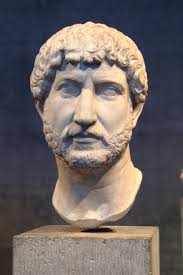
Hadrian Withdraws From Eastern Territories
Following the death of Emperor Trajan, Hadrian chose to abandon the eastern conquests achieved during Trajan's campaigns. This strategic withdrawal aimed to consolidat...
Explore event →History does not happen in isolation. Explore world events across time, follow the connections between them, and investigate the threads that reveal how one event can lead to another.
TheTimeMap currently follows events across 95 countries and 268 years of history — building a connected archive designed for people who want to look beyond the headline.
We oppose antisemitism, racism, and dehumanization — everywhere.
When people stop feeling, injustice becomes easy.
Following the death of Emperor Trajan, Hadrian chose to abandon the eastern conquests achieved during Trajan's campaigns. This strategic withdrawal aimed to consolidat...
Explore event →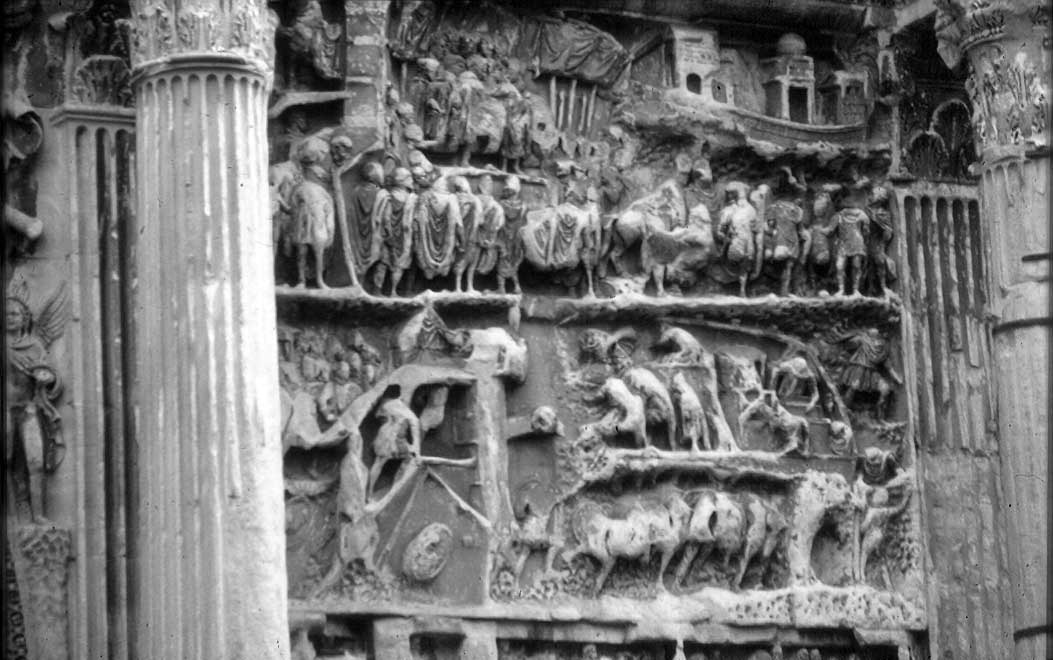
The Roman Empire, under Emperor Trajan, successfully captured the city of Ctesiphon during his campaign against the Parthian Empire. This marked a significant moment a...
Explore event →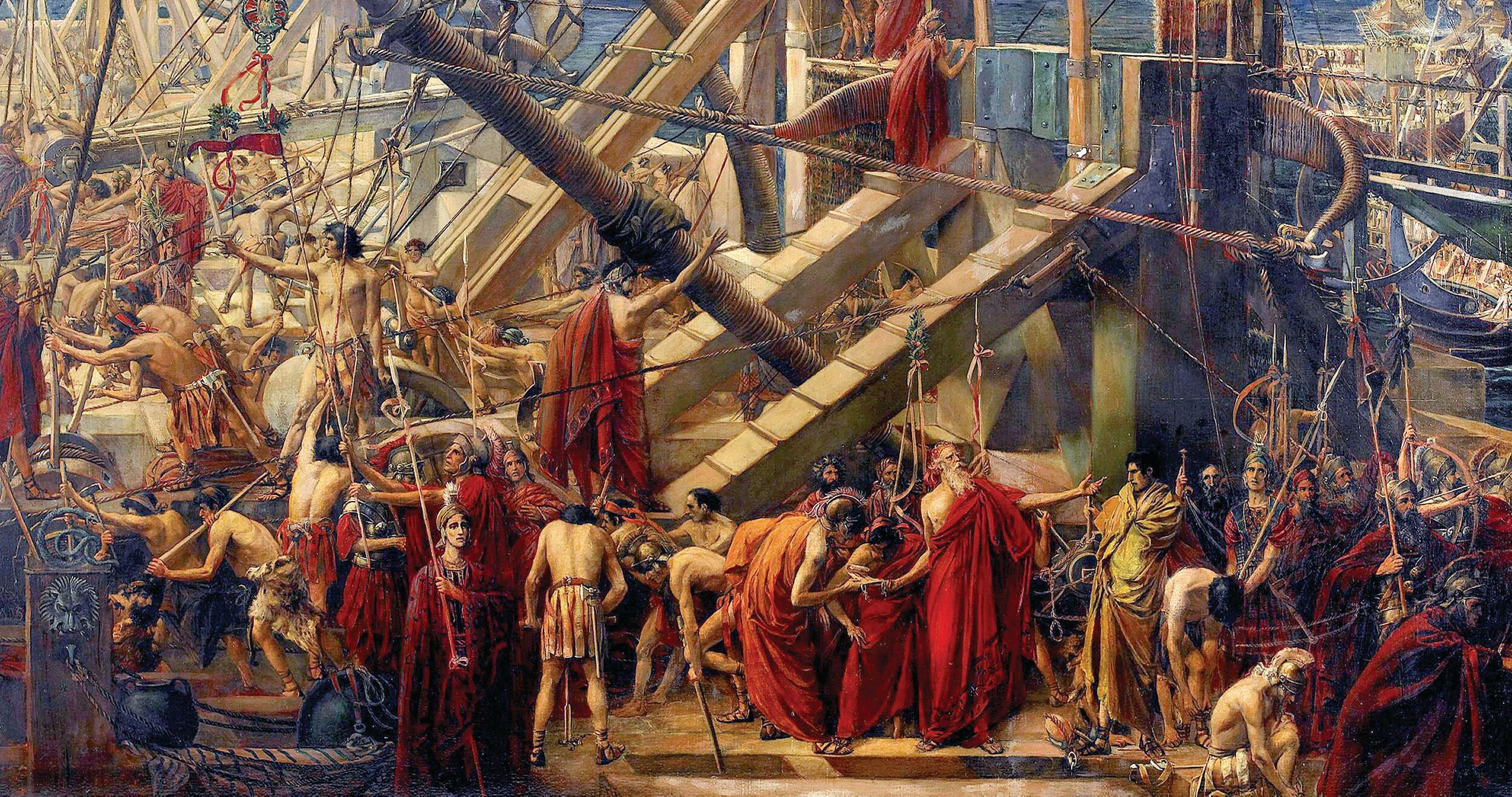
The Roman forces led by Emperor Trajan launched a military campaign across Mesopotamia, culminating in the siege and capture of Seleucia. This event marked a significa...
Explore event →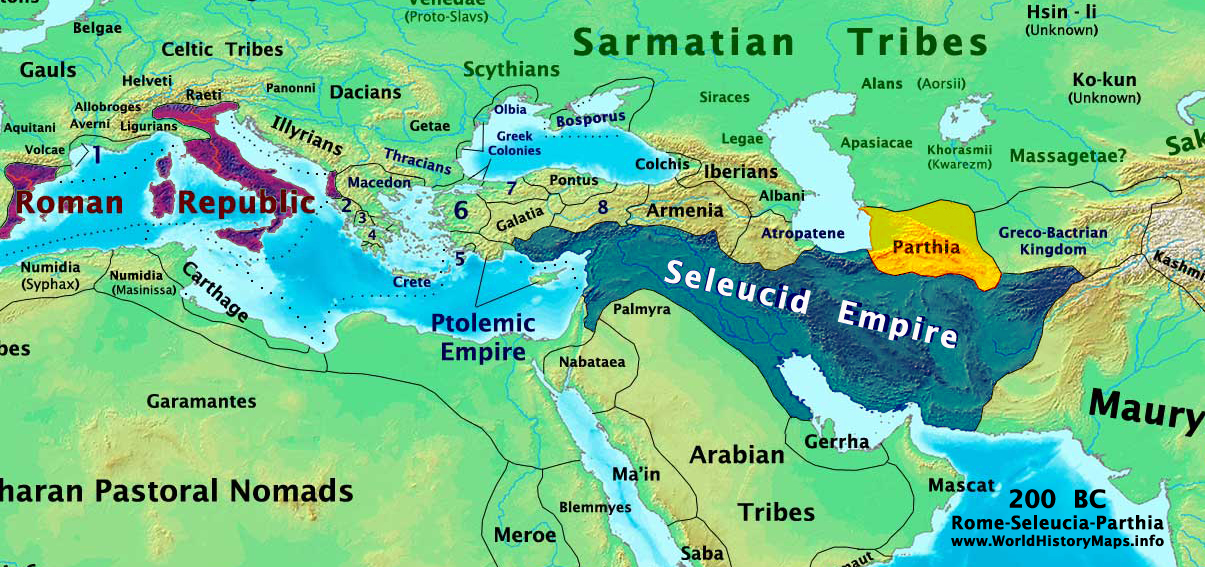
Roman Emperor Trajan launched a military campaign into the Parthian Empire, aiming to expand Roman territory eastward. The campaign marked a major escalation of confli...
Explore event →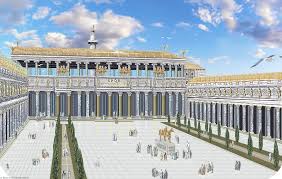
Trajan's Forum was officially inaugurated in Rome, marking the completion of one of the most impressive architectural projects of the Roman Empire. Commissioned by Emp...
Explore event →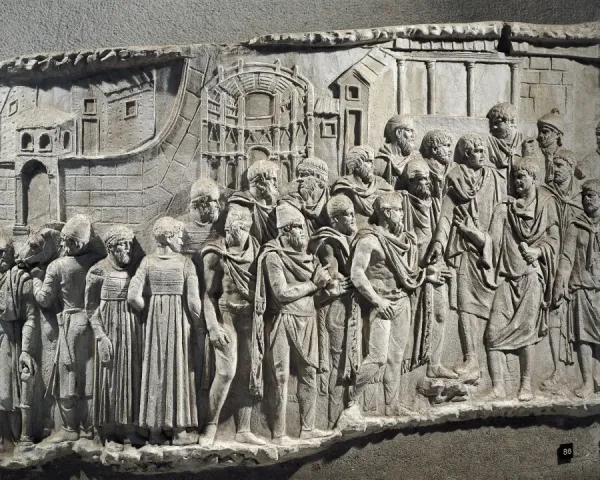
The Roman Empire completed the conquest and annexation of the kingdom of Dacia after a series of military campaigns led by Emperor Trajan. This marked the end of the D...
Explore event →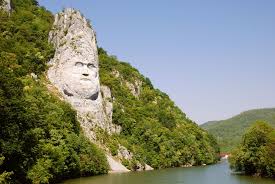
Decebalus, the last king of Dacia, died following the Roman conquest led by Emperor Trajan. His death marked the end of the Dacian Wars and the incorporation of Dacia ...
Explore event →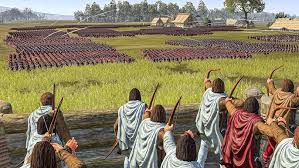
The Fall of Sarmizegetusa marked the decisive Roman victory over the Dacians led by King Decebalus. In early August, Roman legions under Emperor Trajan besieged the Da...
Explore event →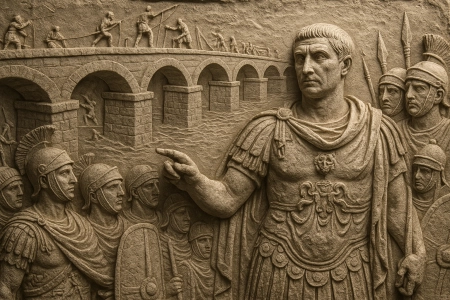
After years of fierce conflict, Dacian King Decebalus ultimately surrendered to the Roman Emperor Trajan. This marked the end of the Dacian Wars, resulting in the anne...
Explore event →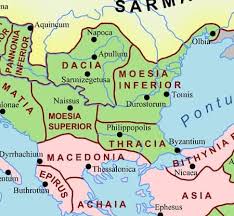
The Second Dacian War marks the renewed conflict between the Roman Empire and the Dacian Kingdom, led by King Decebalus. Roman Emperor Trajan launched a major military...
Explore event →
The Roman Emperor Trajan launched his first major military campaign against the Dacian Kingdom in early 101 CE. The war was initiated to subdue the powerful Dacian kin...
Explore event →
The First Battle of Tapae was a significant conflict between the Roman Empire and the Dacians. It took place at the mountain pass of Tapae, the gateway to the Dacian h...
Explore event →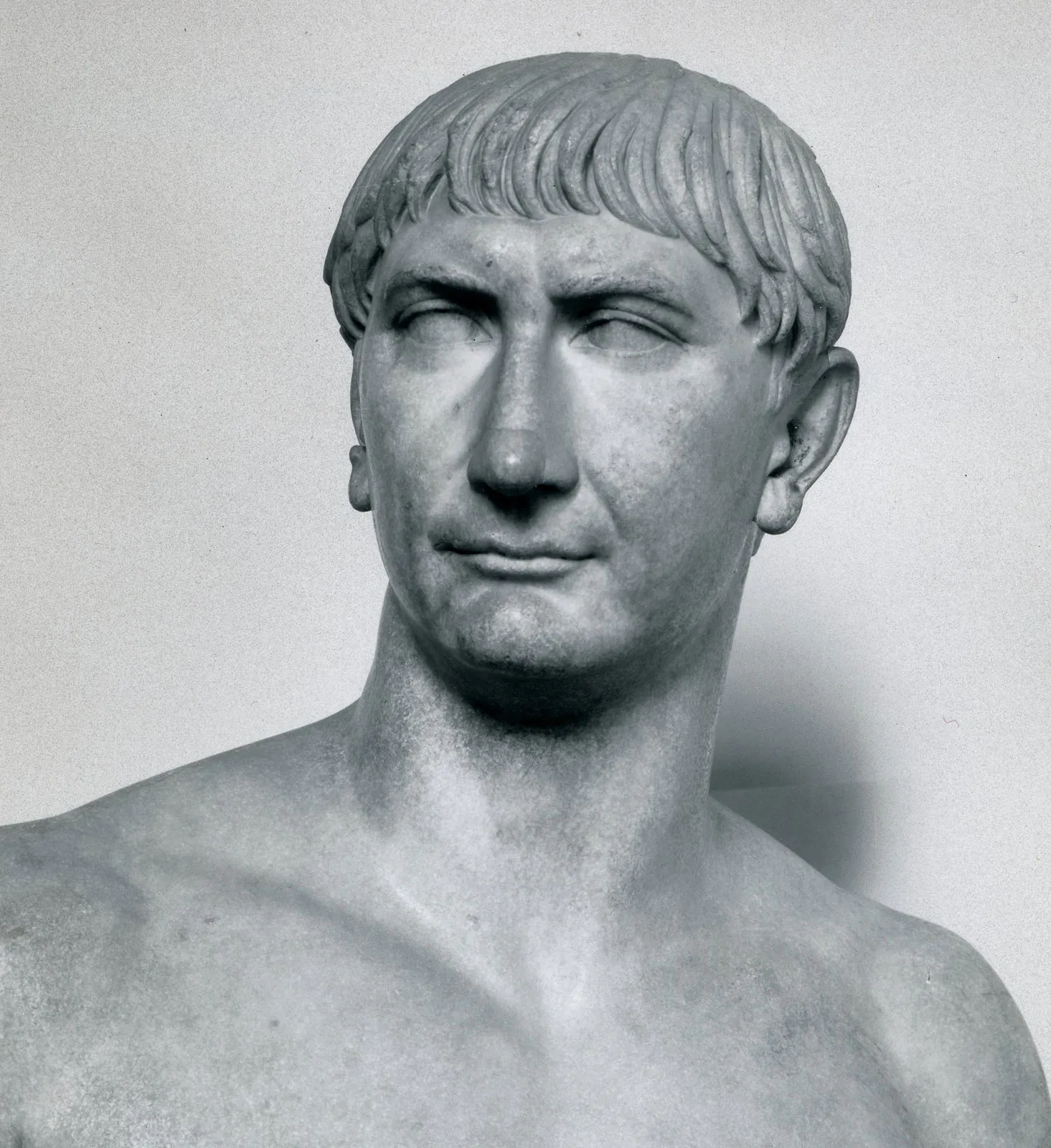
Emperor Nerva formally adopted Trajan as his heir in a move to secure the imperial succession and stabilize the Roman Empire. This adoption marked the beginning of the...
Explore event →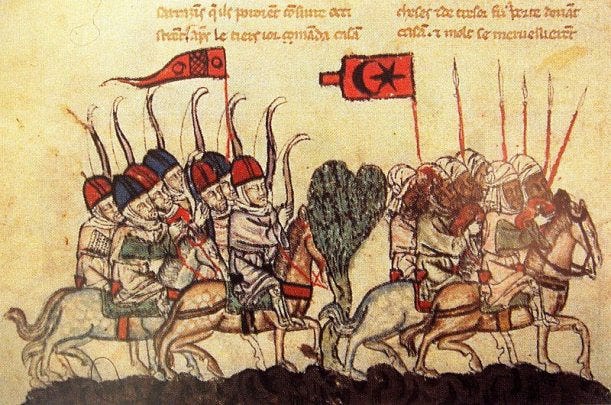
After the murder of Emperor Domitian, the Roman Senate appointed Nerva as emperor, marking a shift from autocratic rule to a more stabilizing governance. Nerva, previo...
Explore event →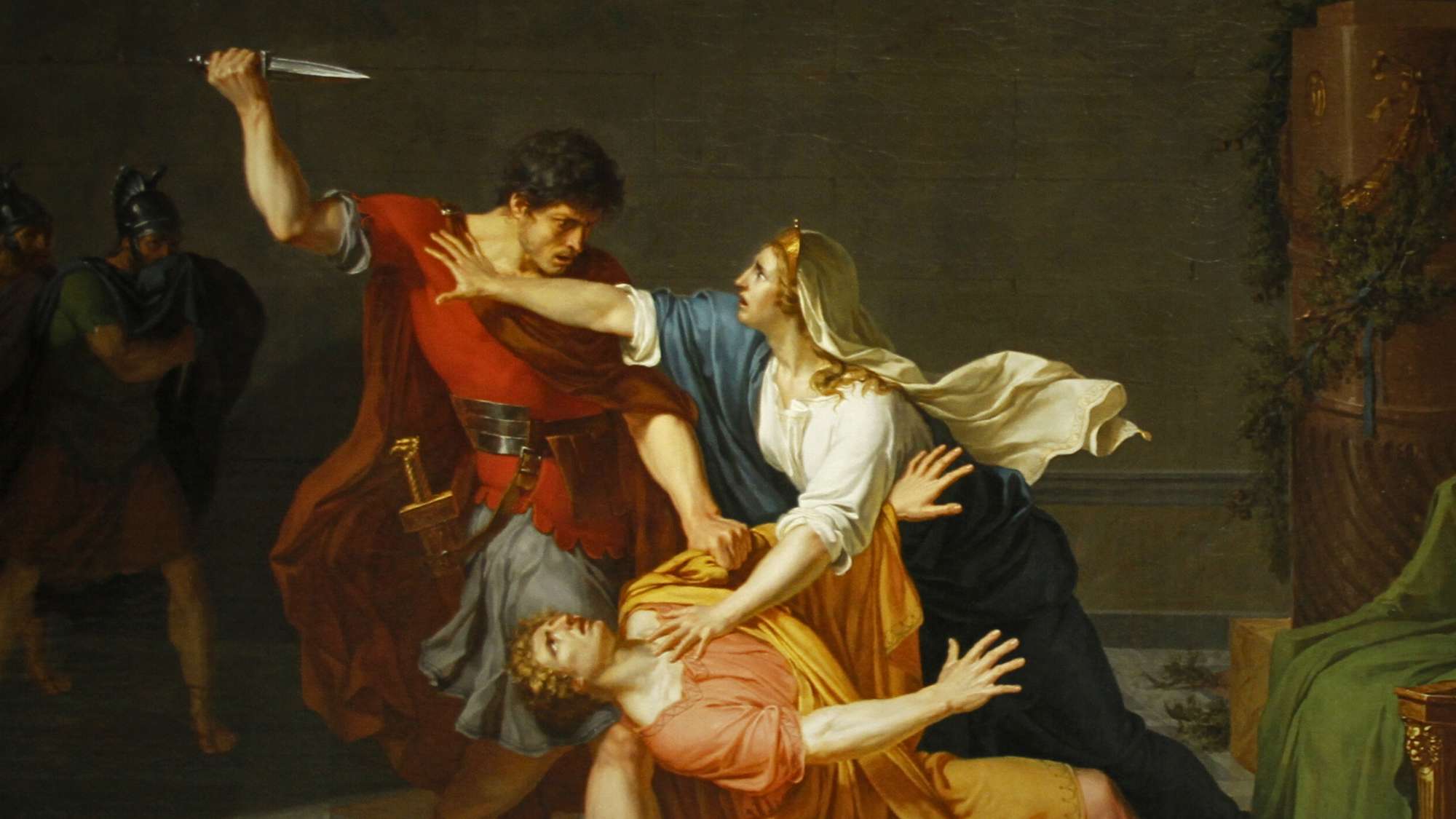
Domitian, the Roman Emperor, was assassinated on September 18th within his residence on the Palatine Hill in Rome. The conspiracy involved court officials and members ...
Explore event →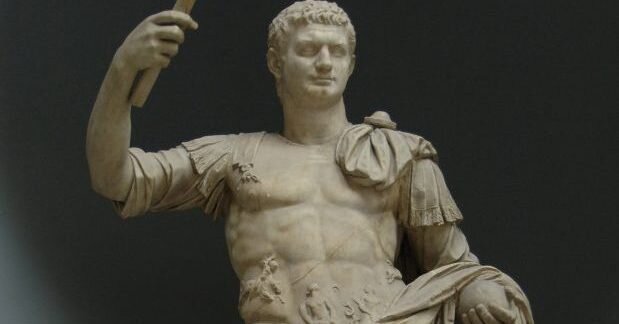
Following the death of Emperor Titus, Domitian, his younger brother, ascended to the throne of the Roman Empire. The accession occurred peacefully, marking the continu...
Explore event →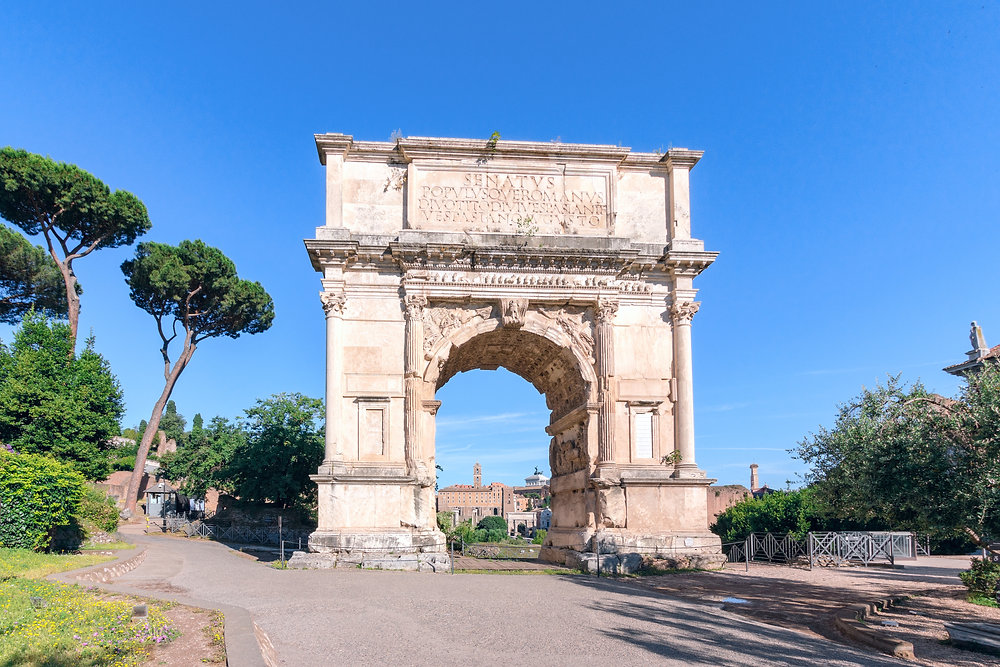
The Arch of Titus was completed in Rome shortly after the death of Emperor Titus. The arch was commissioned by his brother Domitian to commemorate Titus's victories an...
Explore event →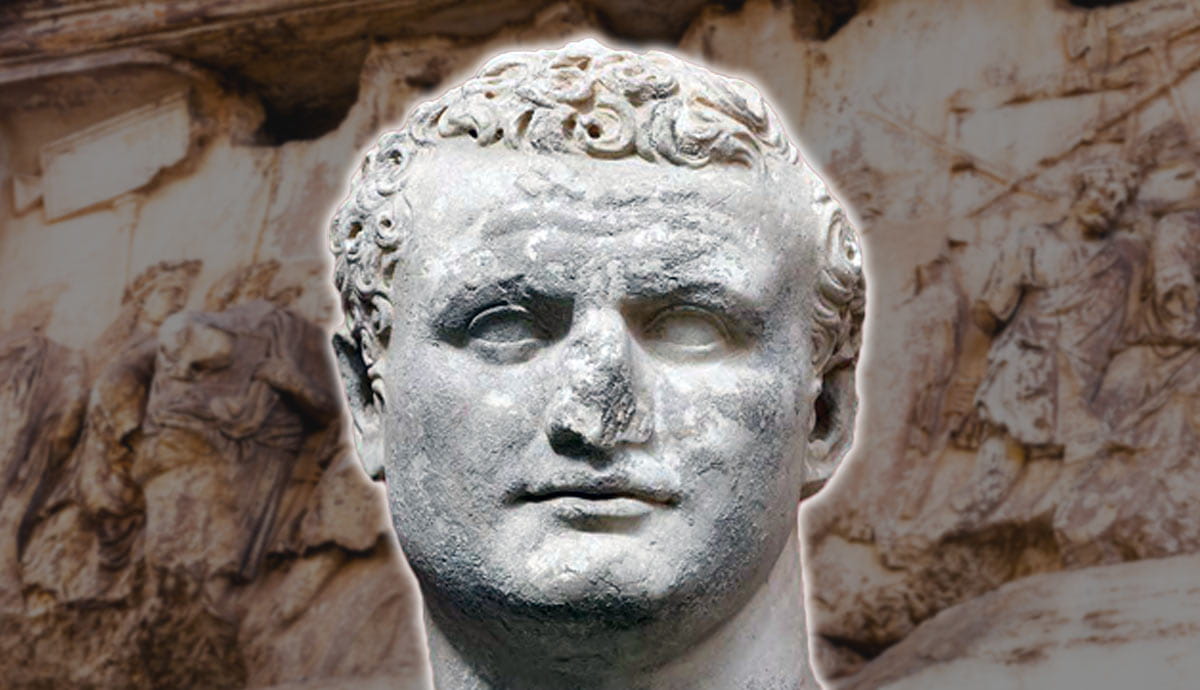
Titus succeeded his father Vespasian as Roman Emperor following Vespasian's death in Rome. His accession marked the continuation of the Flavian dynasty.Titus's rule in...
Explore event →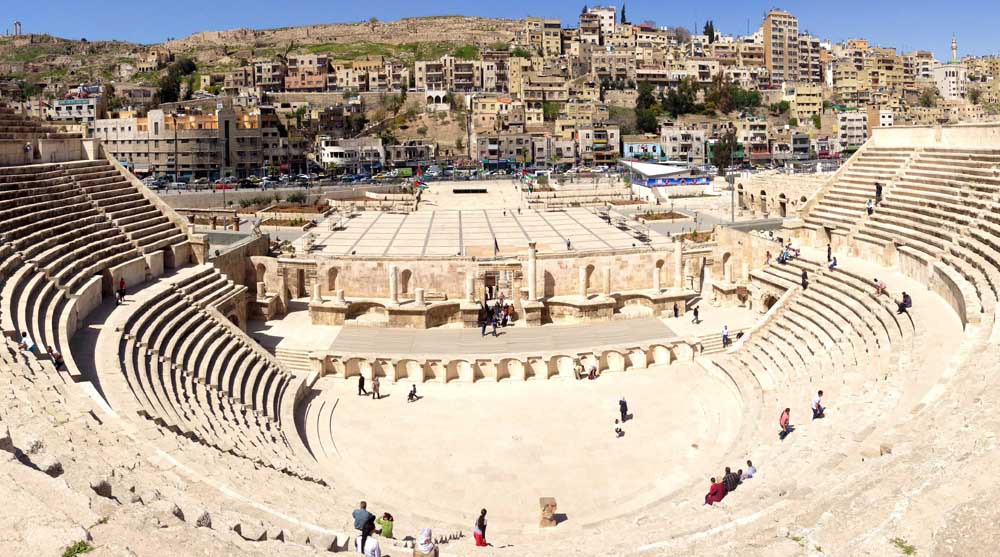
Construction of the Roman amphitheater known as the Colosseum began under Emperor Vespasian. This monumental structure was designed to host a variety of public spectac...
Explore event →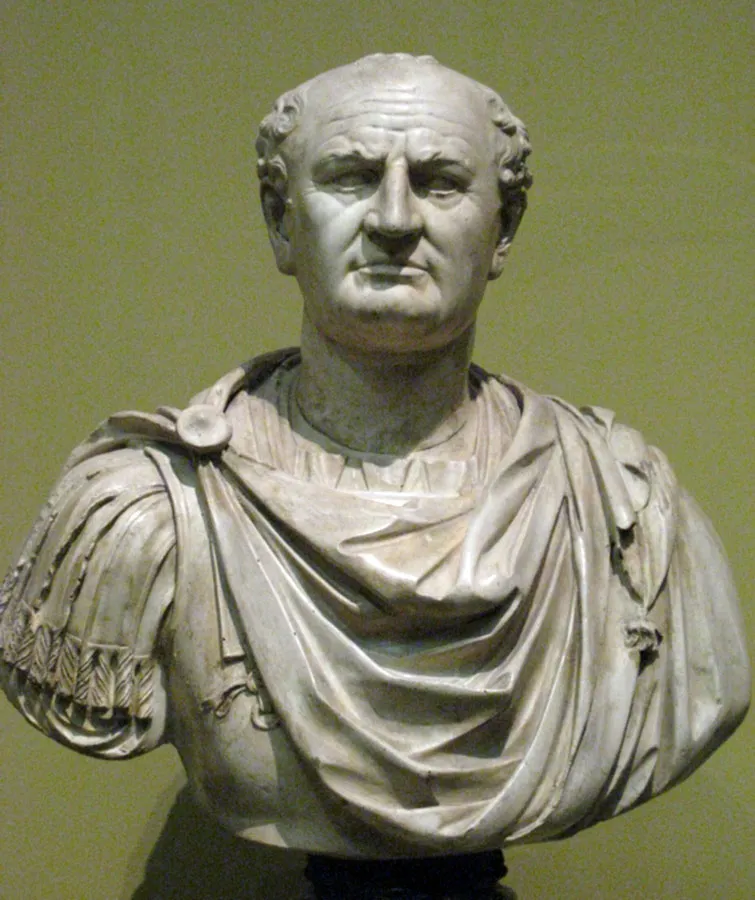
Following a year of civil war known as the Year of the Four Emperors, Vespasian emerged as the uncontested ruler of the Roman Empire. His rise marked the end of the Ju...
Explore event →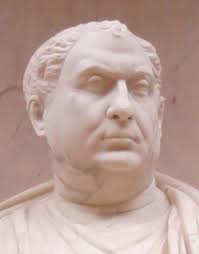
Vitellius was declared emperor by the legions of Germania during the chaotic Year of the Four Emperors. After the death of Emperor Otho, Vitellius marched to Rome wher...
Explore event →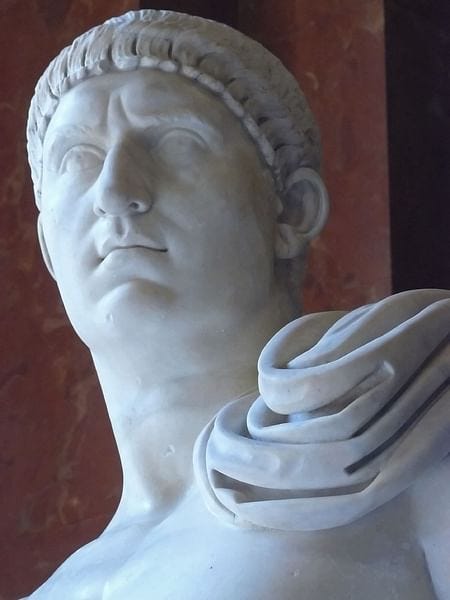
Following the death of Emperor Galba, Otho swiftly ascended to power in Rome, marking a critical juncture in the Year of the Four Emperors. His accession was character...
Explore event →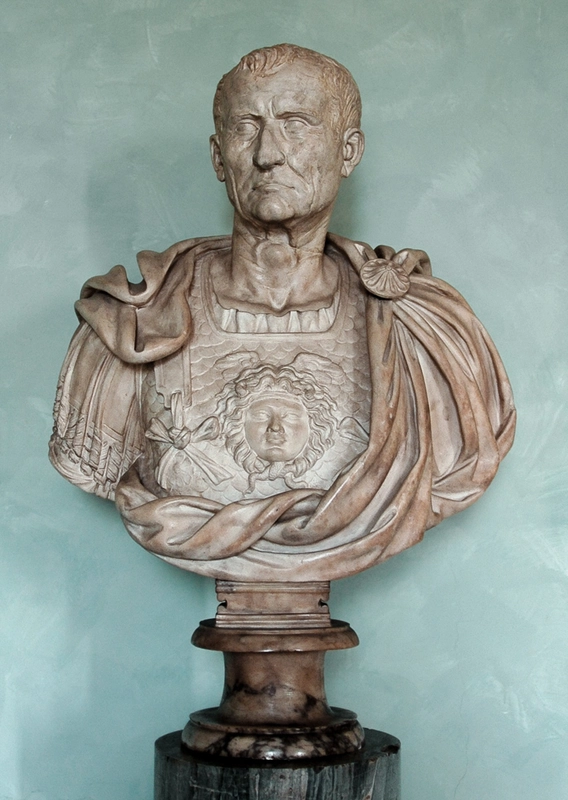
Galba was declared Roman Emperor following the assassination of Nero, marking the end of the Julio-Claudian dynasty. His accession was largely supported by the Senate ...
Explore event →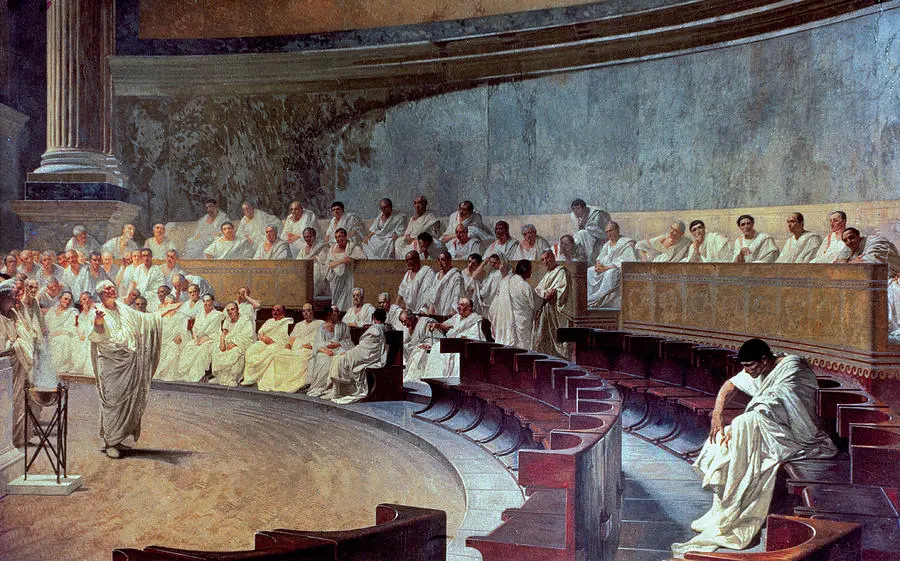
The Year of the Four Emperors was a tumultuous period marking rapid succession of Roman emperors after the fall of Nero. It involved the rise and fall of Galba, Otho, ...
Explore event →
18 October 1081 — Norman forces under Robert Guiscard defeat the Byzantine army of Emperor Alexios I Komnenos outside Dyrrhachium. The battle shows the Adriatic city's...
Explore research
1926–1989 reign — Hirohito is emperor throughout Japan's expansion in China and the Pacific War. The exact nature of his political responsibility remains the subject o...
Explore research
15 August 1945 — Emperor Hirohito's recorded voice is broadcast to the Japanese population announcing acceptance of Allied surrender terms. The decision follows intens...
Explore research
German emperor. During the crisis he supported Austria-Hungary but later also participated in attempts to prevent escalation.
Explore research
15 August 1945 — Japan's surrender followed Hiroshima, Soviet entry into the war, Nagasaki, severe economic strangulation and years of conventional military defeat. Hi...
Explore research