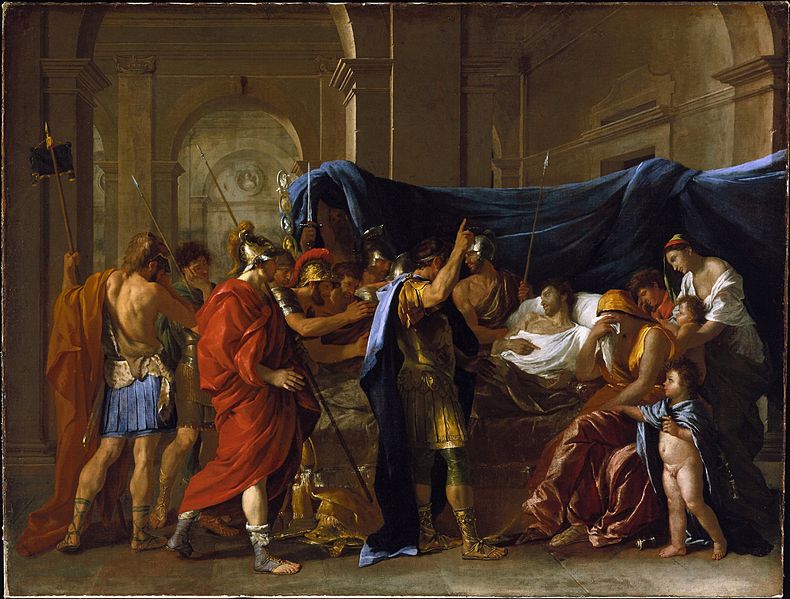
Mysterious Death of Germanicus
Germanicus, a prominent Roman general and heir apparent, died under suspicious circumstances in Antioch. His death sparked rumors of poisoning and political intrigue i...
Explore event →History does not happen in isolation. Explore world events across time, follow the connections between them, and investigate the threads that reveal how one event can lead to another.
TheTimeMap currently follows events across 95 countries and 268 years of history — building a connected archive designed for people who want to look beyond the headline.
We oppose antisemitism, racism, and dehumanization — everywhere.
When people stop feeling, injustice becomes easy.
Germanicus, a prominent Roman general and heir apparent, died under suspicious circumstances in Antioch. His death sparked rumors of poisoning and political intrigue i...
Explore event →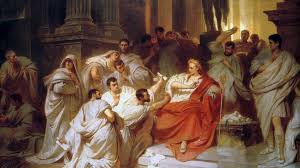
Augustus, the first Roman emperor, died in Nola after a reign that transformed the Roman Republic into the Roman Empire. His death marked the end of an era and initiat...
Explore event →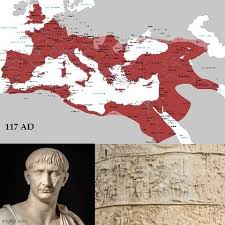
Trajan became Roman Emperor following the death of Domitian, marking a period of significant military expansion and administrative reform. His accession was recognized...
Explore event →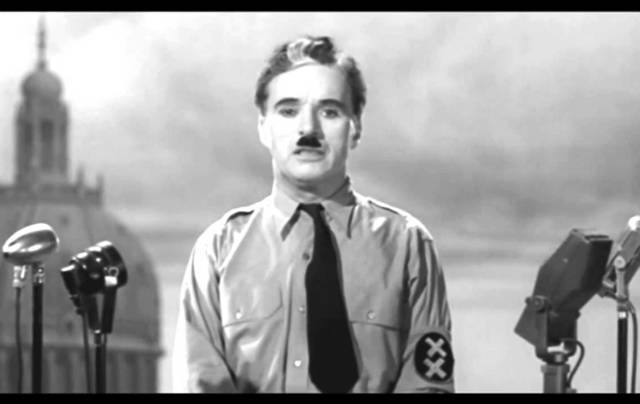
I’m sorry, but I don’t want to be an emperor. That’s not my business. I don’t want to rule or conquer anyone. I should like to help everyone - if possible - Jew, Genti...
Explore event →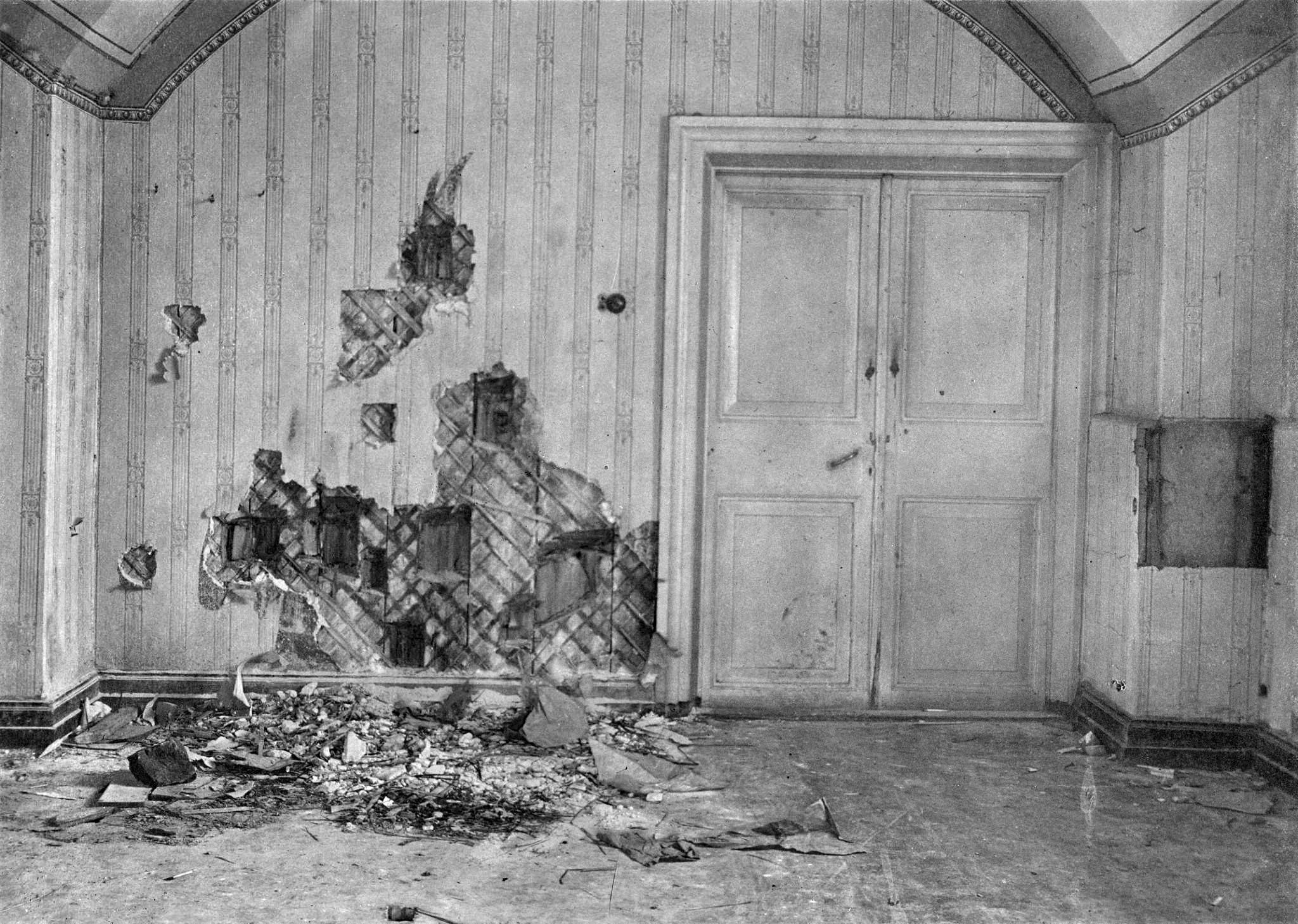
Murder of the Romanovs On July 17, 1918, the last Russian Emperor, Nicholas II, along with his wife Alexandra, their five children, and four loyal attendants, were ex...
Explore event →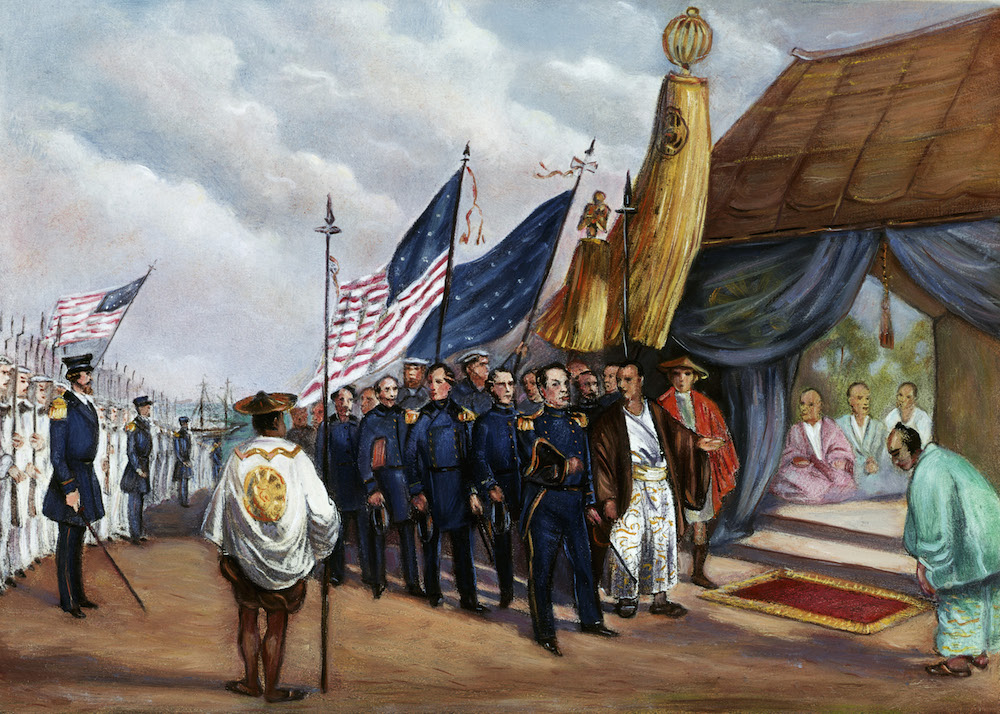
The Meiji Restoration transformed Japan by centralizing power under the emperor, modernizing the economy and military, and adopting Western political and industrial pr...
Explore event →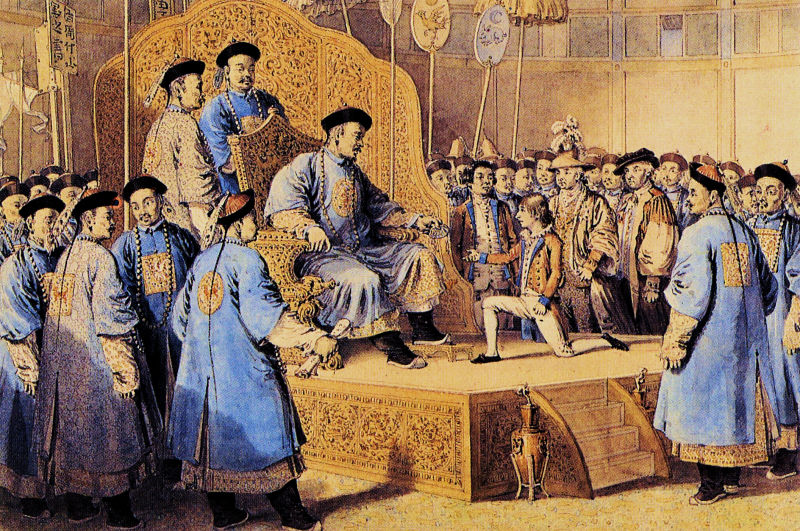
A diplomatic mission was sent from Washington to China to establish formal relations and discuss trade opportunities. The delegation aimed to enhance communication bet...
Explore event →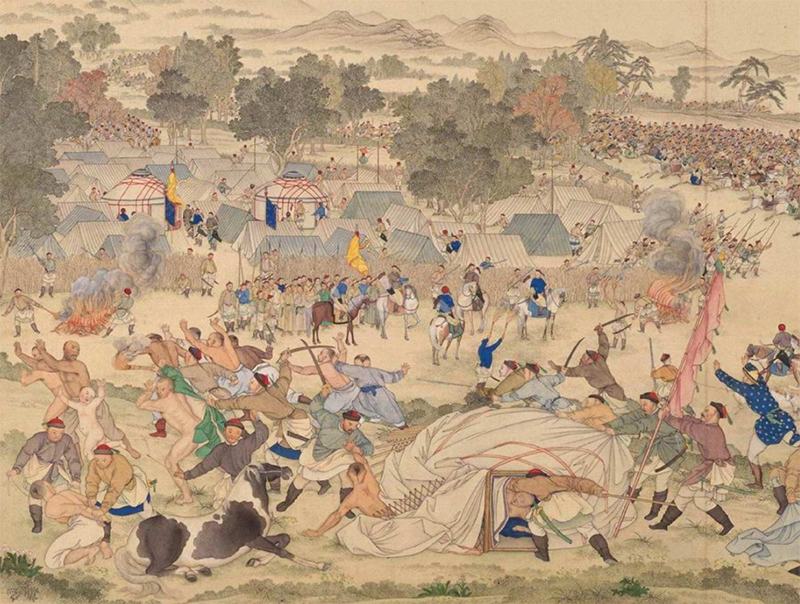
The Dzungar Genocide refers to the systematic destruction of the Dzungar people by the Qing dynasty during the mid-18th century.Between 1755 and 1758, the Qing governm...
Explore event →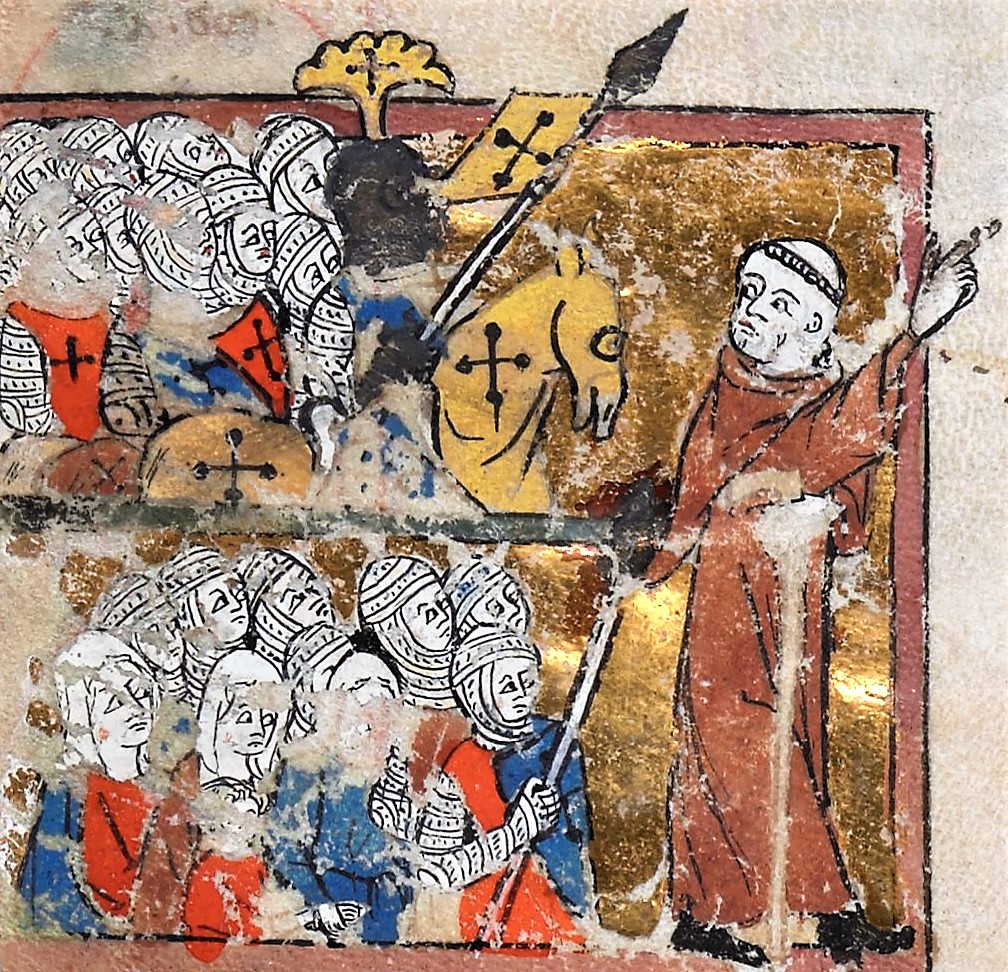
Origins And Objectives Of The Crusades The Crusades were a series of military campaigns initiated between 1095 and 1291, primarily aimed at capturing or def...
Explore event →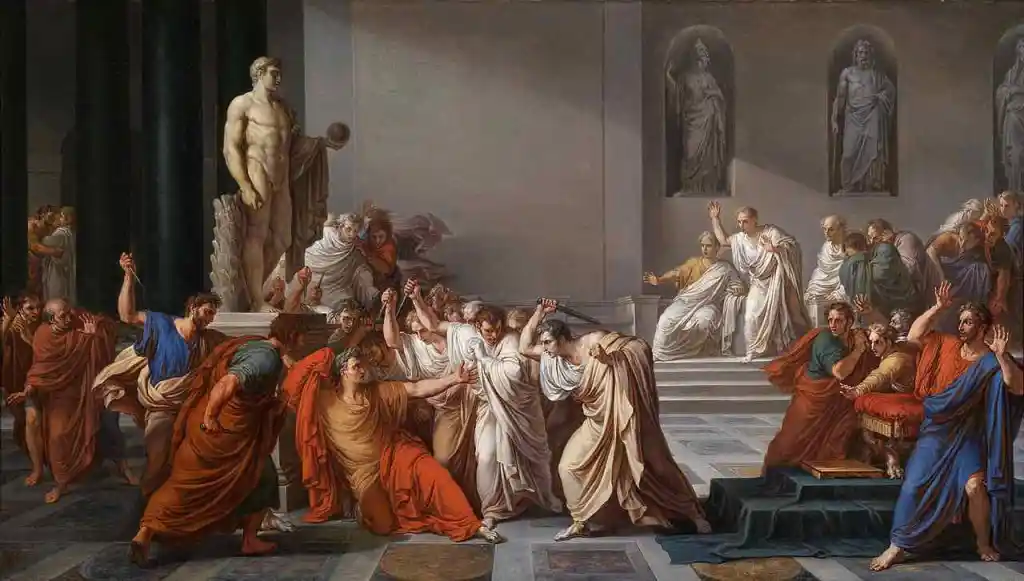
Jerome, a prominent Byzantine official during the Gothic War, was assassinated in the Imperial Palace at Ravenna. His death marked a significant turning point in the c...
Explore event →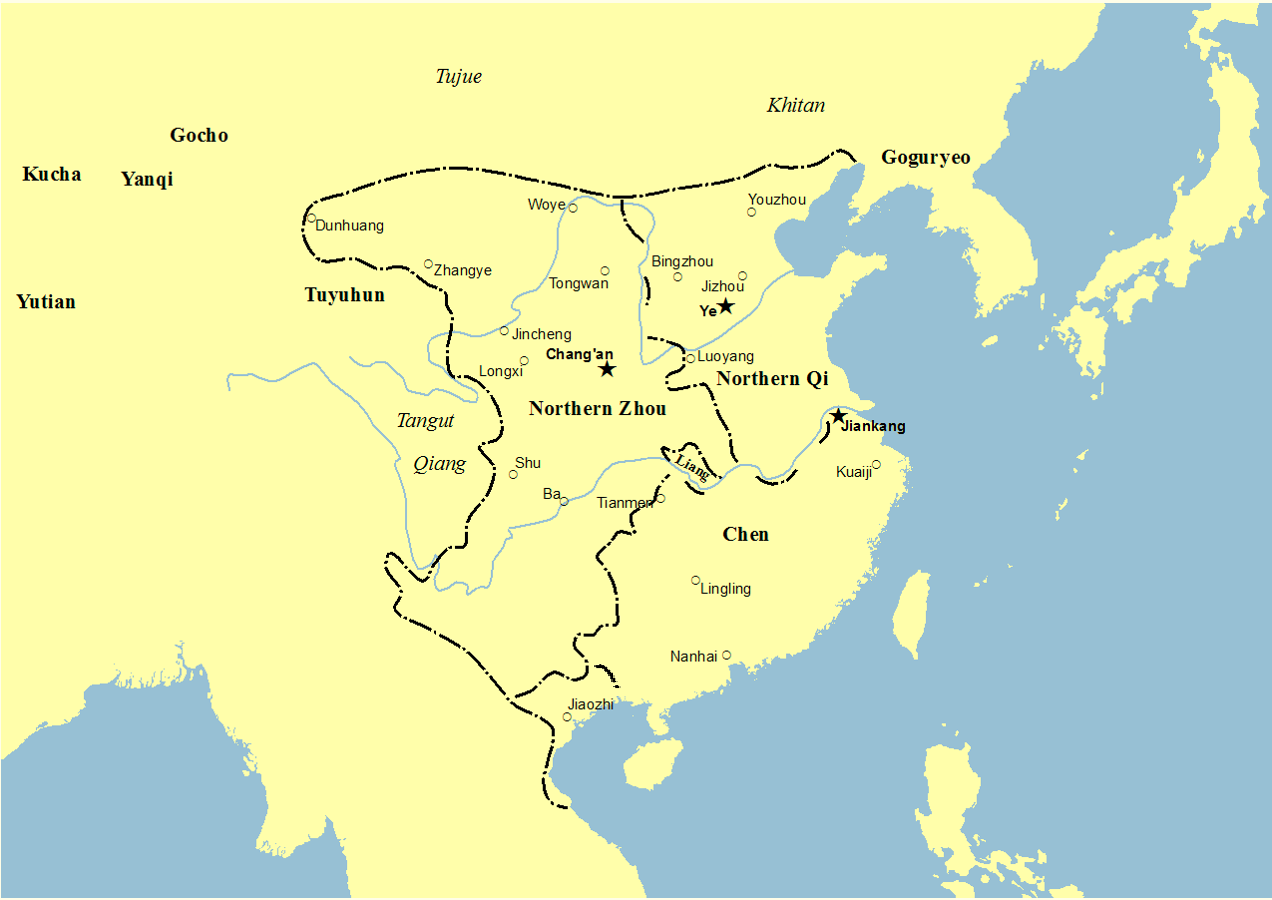
The Liang dynasty was established when Emperor Wu ascended to the throne, marking a significant shift in Southern Chinese ruling power. The dynasty emerged from the co...
Explore event →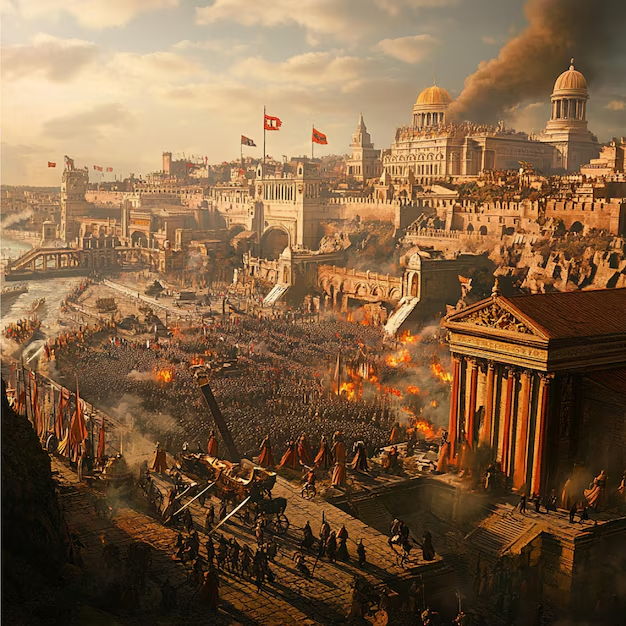
The last Western Roman emperor, Romulus Augustulus, was deposed. This event traditionally marks the end of ancient Rome and the beginning of the Middle Ages. Christi...
Explore event →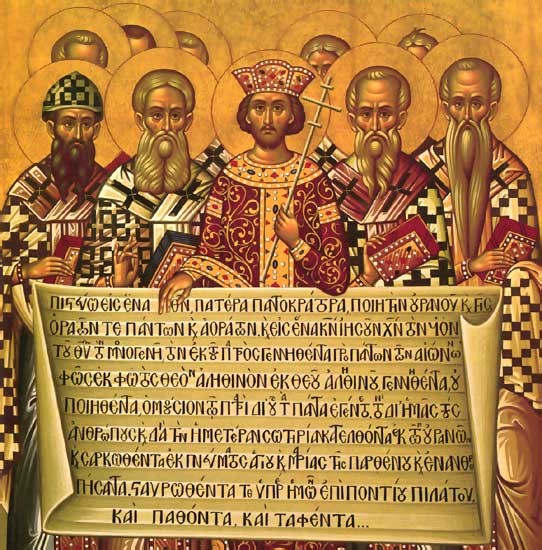
The Edict of Milan, issued in 313 CE by Roman emperors Constantine I and Licinius, granted religious tolerance throughout the Roman Empire. It ended the persecution of...
Explore event →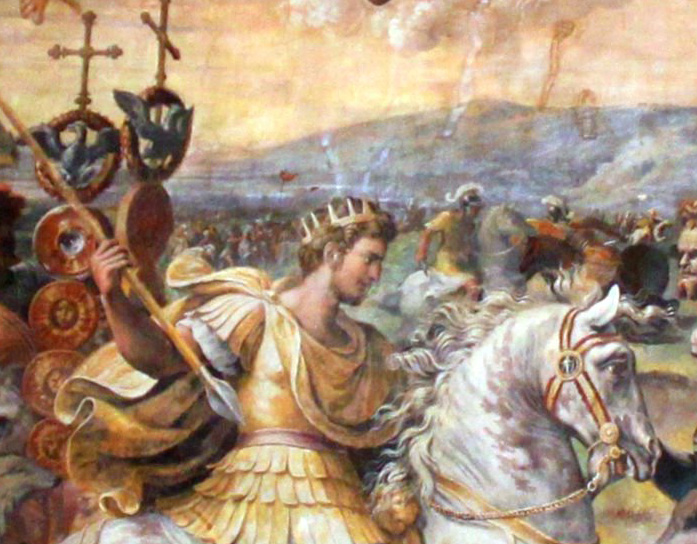
Emperor Constantine converted to Christianity after the Battle of the Milvian Bridge. His conversion led to the legalization of Christianity within the Roman Empire. ...
Explore event →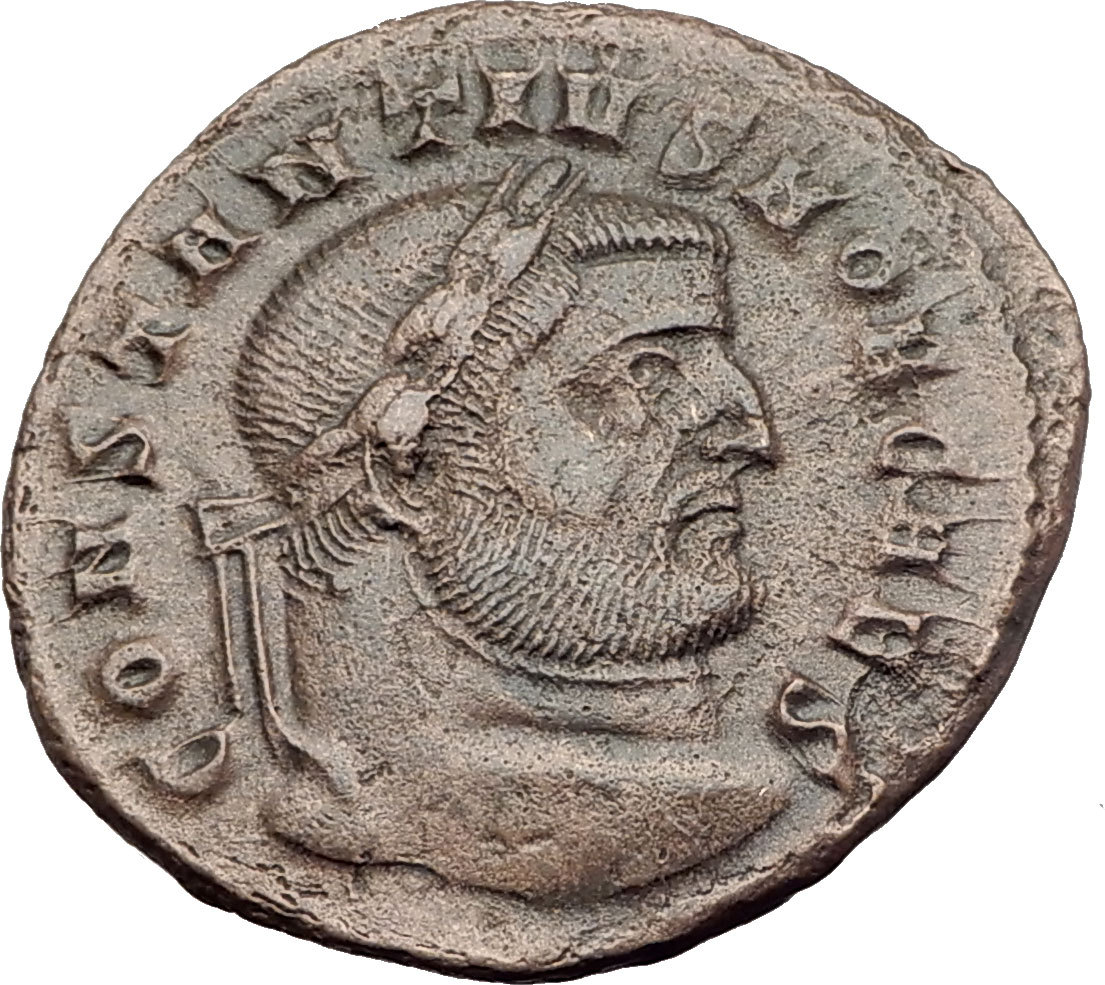
Constantius Chlorus was elevated to the rank of Augustus on May 1st, 305, following the abdication of the previous Tetrarchs, Diocletian and Maximian. This event marke...
Explore event →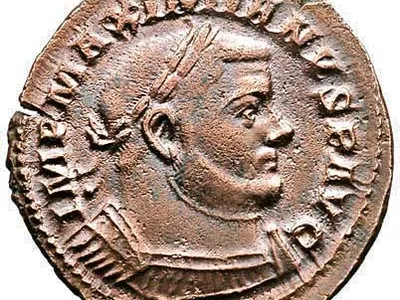
Maximian, co-emperor of the Roman Empire, formally abdicated his position alongside Diocletian. This marked a significant moment in the Tetrarchy system, a power-shari...
Explore event →
Emperor Diocletian formally abdicated the throne, marking a rare voluntary withdrawal from power by a Roman emperor. This significant event occurred as part of the Tet...
Explore event →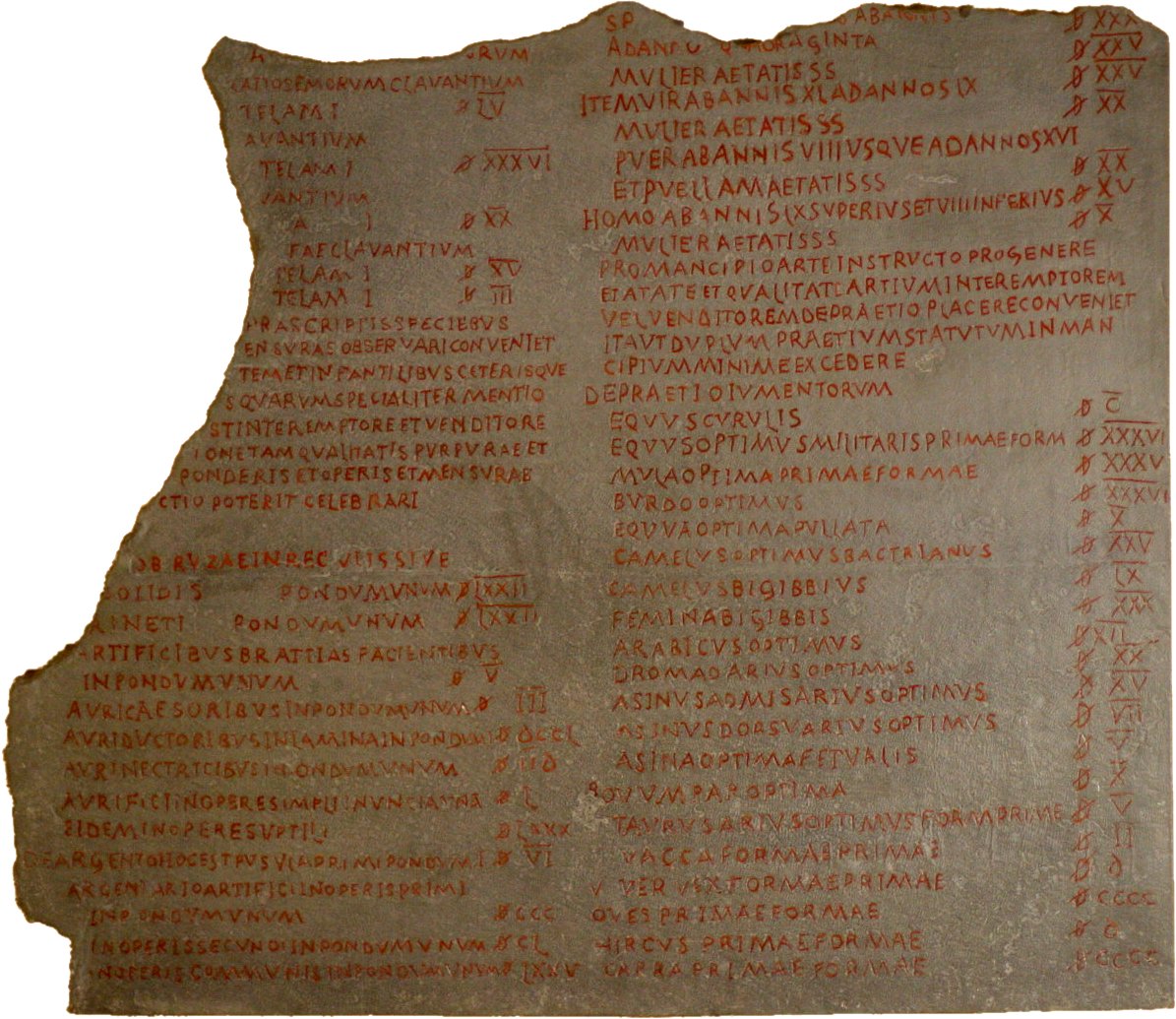
The Edict on Maximum Prices was promulgated under Emperor Diocletian in an effort to curb rampant inflation throughout the Roman Empire. The edict set maximum prices f...
Explore event →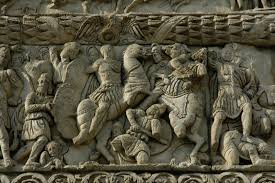
Galerius was appointed Caesar by Emperor Diocletian as part of the tetrarchy reform intended to stabilize and govern the Roman Empire more effectively. His promotion m...
Explore event →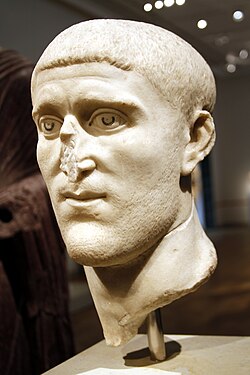
Constantius Chlorus was appointed Caesar by Emperor Diocletian as part of the Tetrarchy system to stabilize and govern the Roman Empire more effectively. This appointm...
Explore event →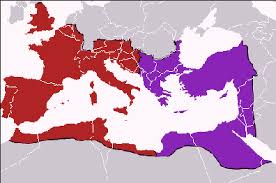
The Tetrarchy was established by Emperor Diocletian in 293 to address administrative and military challenges in the Roman Empire. This political system divided the emp...
Explore event →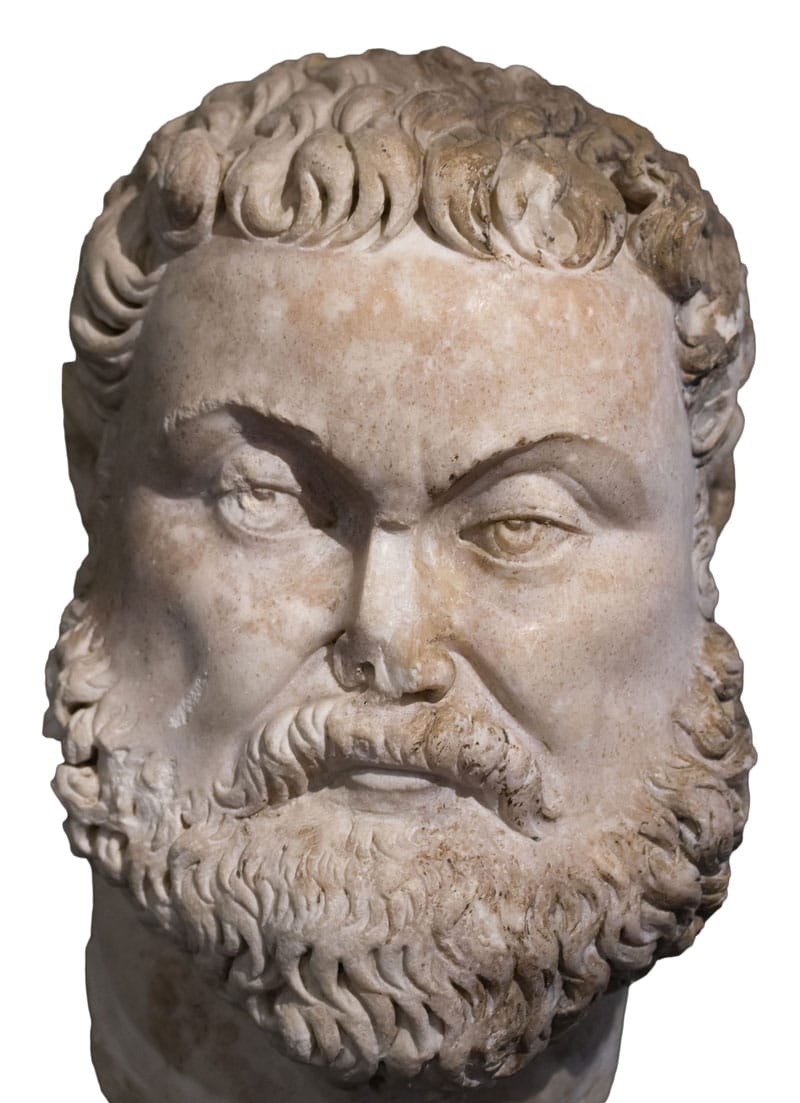
In April, the Roman Emperor Diocletian appointed Maximian as Augustus, elevating him to co-emperor status to help manage the vast Roman Empire. This move was part of a...
Explore event →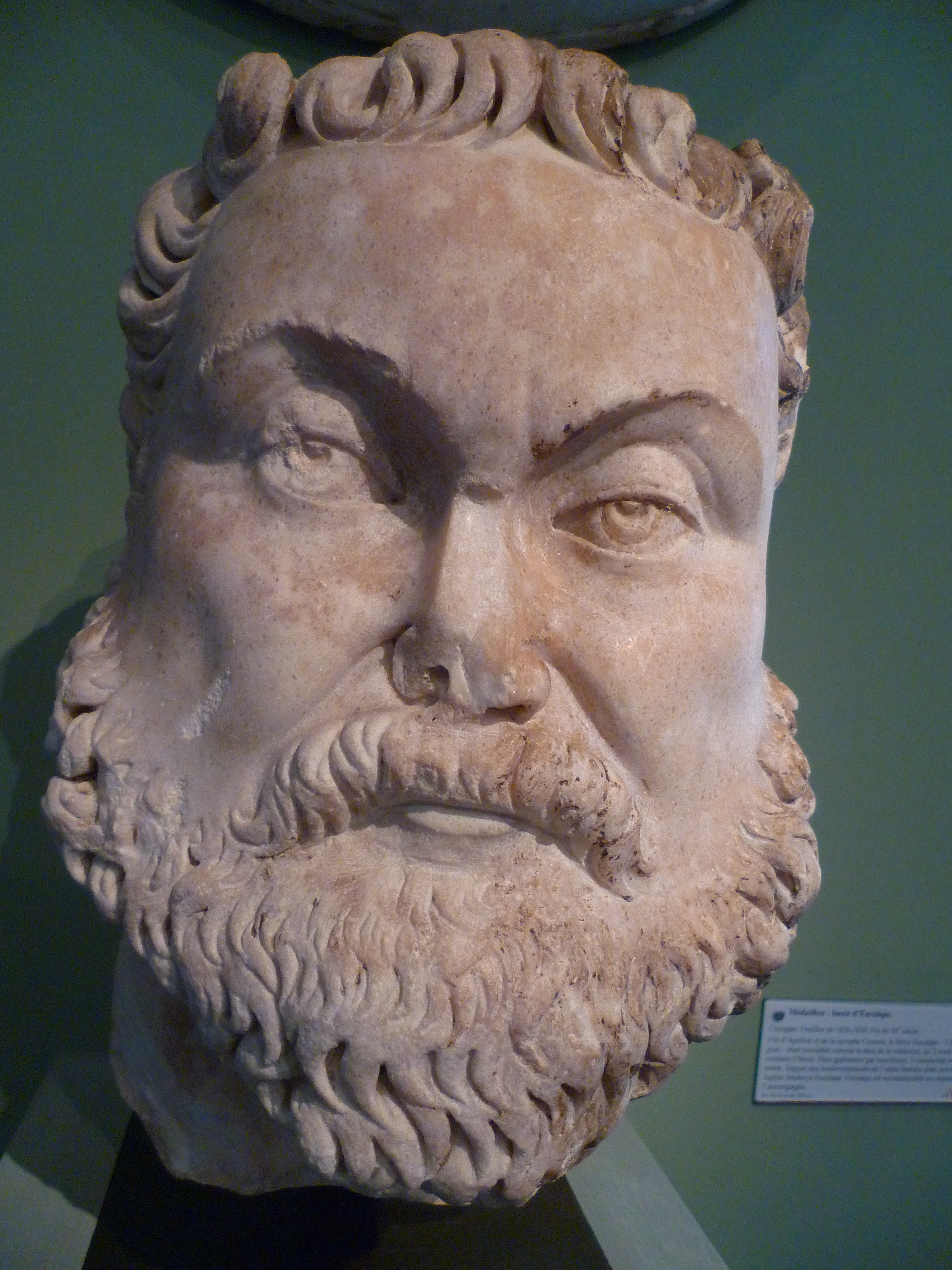
In April 286, the Roman Emperor Diocletian appointed Maximian as Caesar, marking a significant development in imperial governance. This act was meant to strengthen the...
Explore event →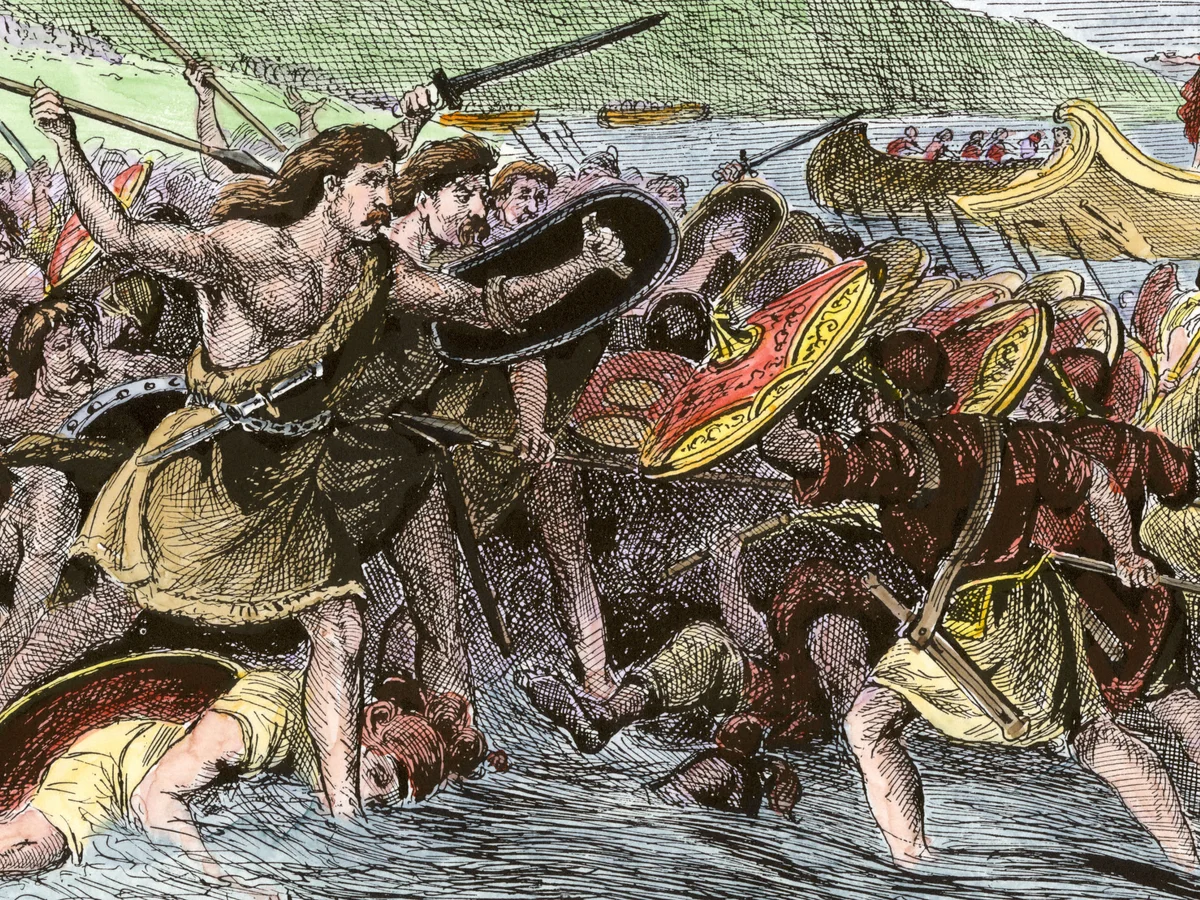
Carausius, a Roman naval commander, declared himself emperor in Britain and northern Gaul after seizing power around 286 CE. His revolt challenged the authority of the...
Explore event →
18 October 1081 — Norman forces under Robert Guiscard defeat the Byzantine army of Emperor Alexios I Komnenos outside Dyrrhachium. The battle shows the Adriatic city's...
Explore research
1926–1989 reign — Hirohito is emperor throughout Japan's expansion in China and the Pacific War. The exact nature of his political responsibility remains the subject o...
Explore research
15 August 1945 — Emperor Hirohito's recorded voice is broadcast to the Japanese population announcing acceptance of Allied surrender terms. The decision follows intens...
Explore research
German emperor. During the crisis he supported Austria-Hungary but later also participated in attempts to prevent escalation.
Explore research
15 August 1945 — Japan's surrender followed Hiroshima, Soviet entry into the war, Nagasaki, severe economic strangulation and years of conventional military defeat. Hi...
Explore research