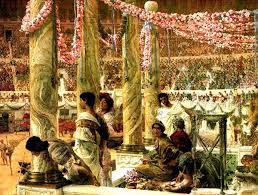
Niger's Revolt Against Roman Rule
Pescennius Niger, governor of Syria, declared himself Roman emperor after the death of Emperor Pertinax. His claim to the throne sparked a civil war against Septimius ...
Explore event →History does not happen in isolation. Explore world events across time, follow the connections between them, and investigate the threads that reveal how one event can lead to another.
TheTimeMap currently follows events across 95 countries and 268 years of history — building a connected archive designed for people who want to look beyond the headline.
We oppose antisemitism, racism, and dehumanization — everywhere.
When people stop feeling, injustice becomes easy.
Pescennius Niger, governor of Syria, declared himself Roman emperor after the death of Emperor Pertinax. His claim to the throne sparked a civil war against Septimius ...
Explore event →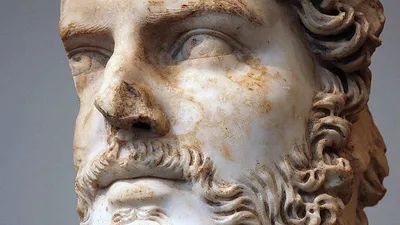
Lucius Verus, co-emperor of Rome alongside Marcus Aurelius, died in Rome under circumstances believed to be related to a devastating plague. His death marked a signifi...
Explore event →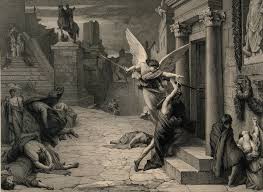
The Antonine Plague began in the Roman Empire during the reign of Emperor Marcus Aurelius. The pandemic emerged following troop movements from campaigns in the East, s...
Explore event →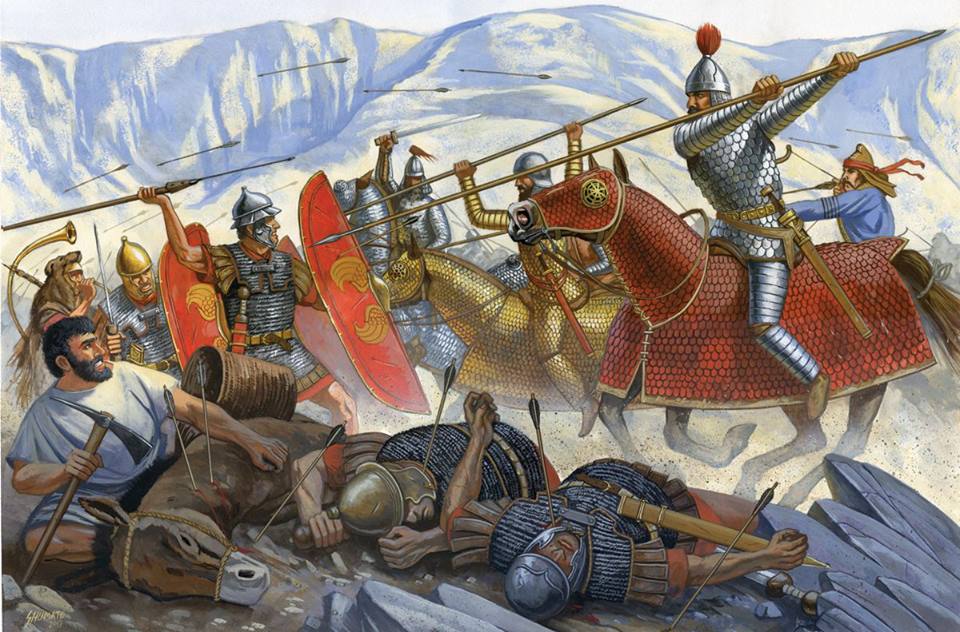
The Parthian War under Roman Emperor Lucius Verus began as tensions escalated between the Roman Empire and the Parthian Empire. This conflict was marked by Roman milit...
Explore event →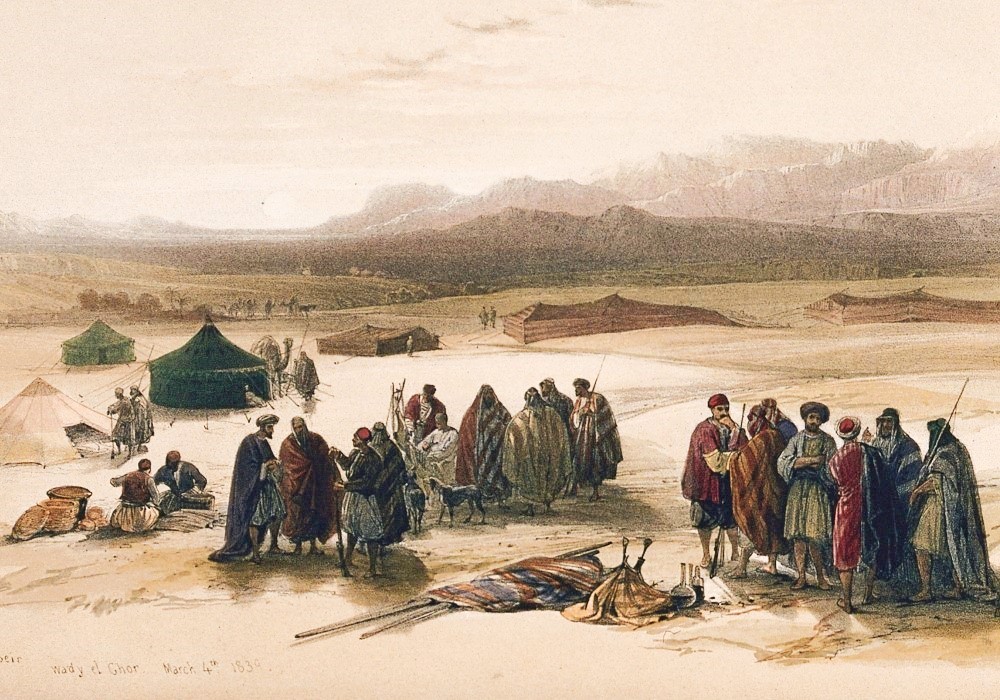
The Edomites, also known in later sources as Idumeans, were an ancient Semitic people who lived in the region south of Judea, historically associated with the descenda...
Explore event →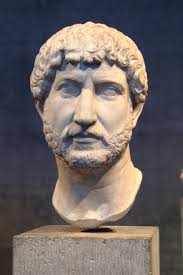
Following the death of Emperor Trajan, Hadrian chose to abandon the eastern conquests achieved during Trajan's campaigns. This strategic withdrawal aimed to consolidat...
Explore event →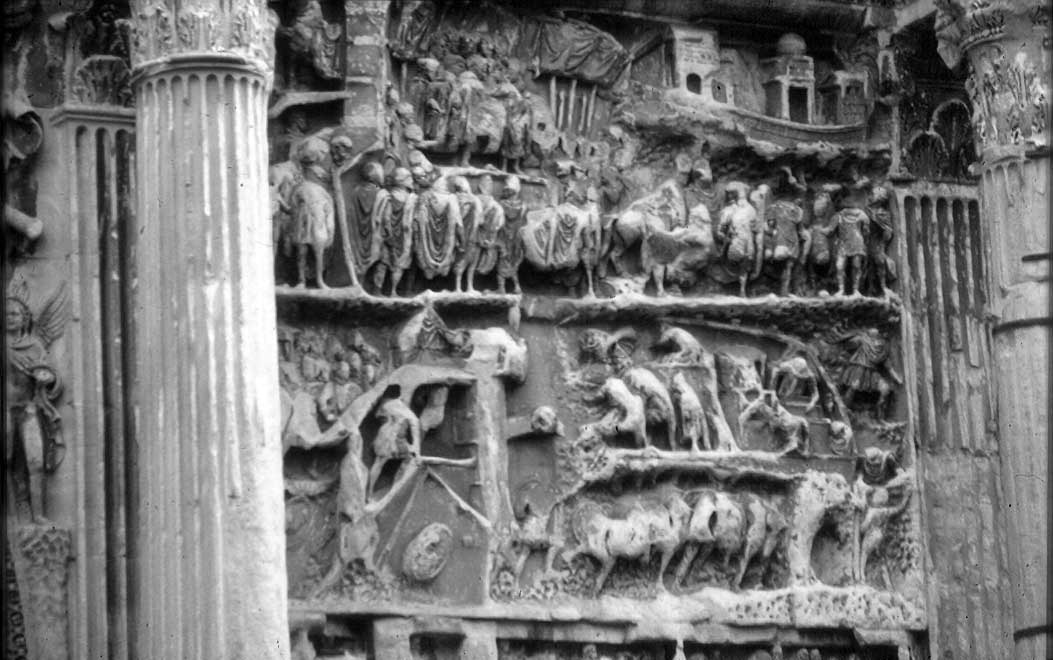
The Roman Empire, under Emperor Trajan, successfully captured the city of Ctesiphon during his campaign against the Parthian Empire. This marked a significant moment a...
Explore event →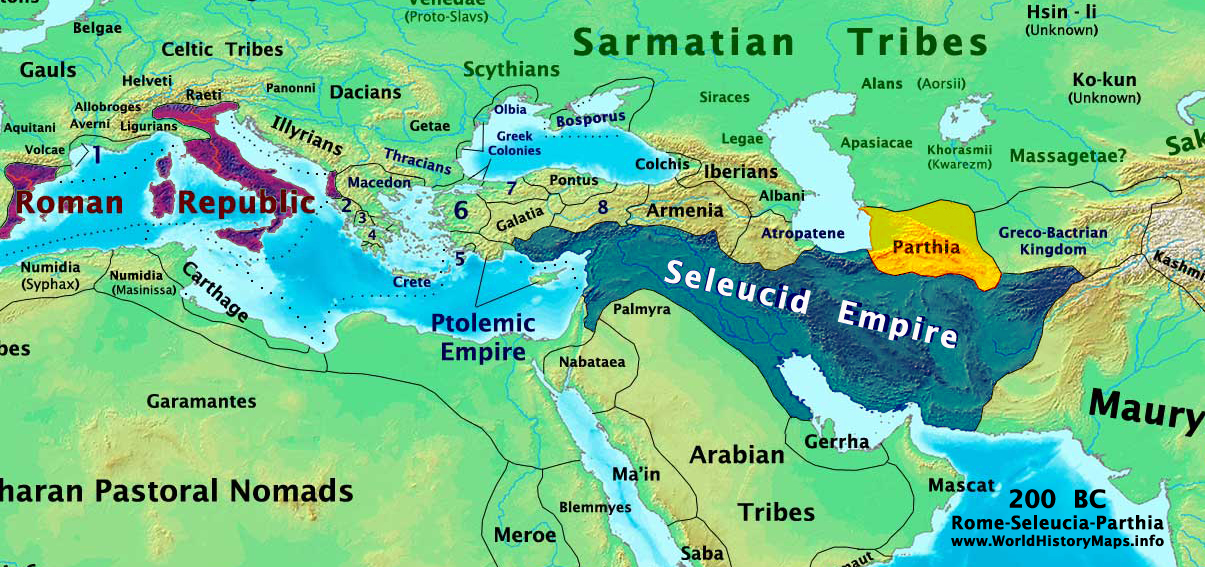
Roman Emperor Trajan launched a military campaign into the Parthian Empire, aiming to expand Roman territory eastward. The campaign marked a major escalation of confli...
Explore event →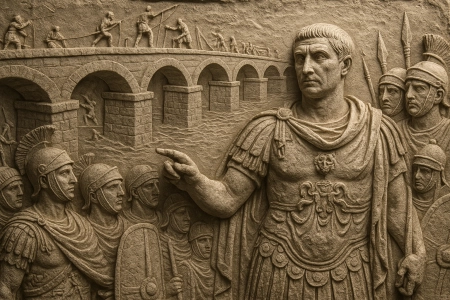
After years of fierce conflict, Dacian King Decebalus ultimately surrendered to the Roman Emperor Trajan. This marked the end of the Dacian Wars, resulting in the anne...
Explore event →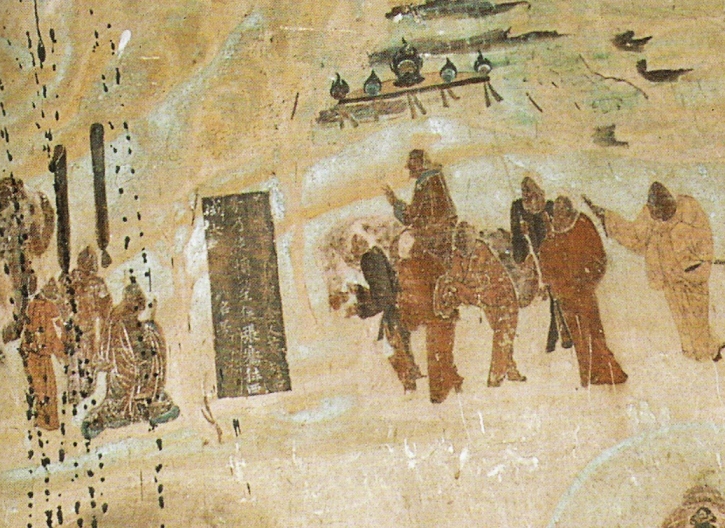
Dou Xian, a general of the Eastern Han dynasty, led a decisive campaign against the Northern Xiongnu. In a series of battles, Han forces overcame the nomadic confedera...
Explore event →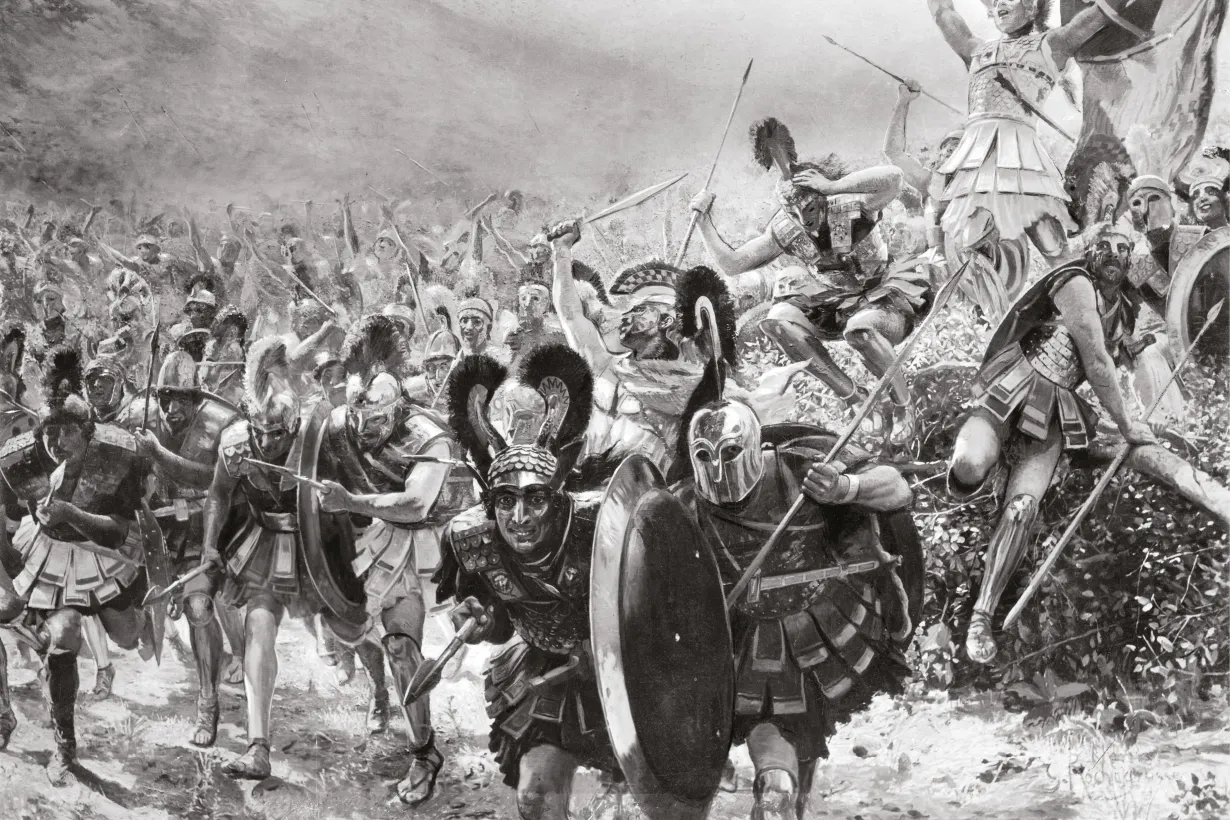
The Battle of Ikh Bayan was a critical conflict between the Mongol Empire and the allied forces of the Southern Song dynasty and their allies. Fought in mid-July, the ...
Explore event →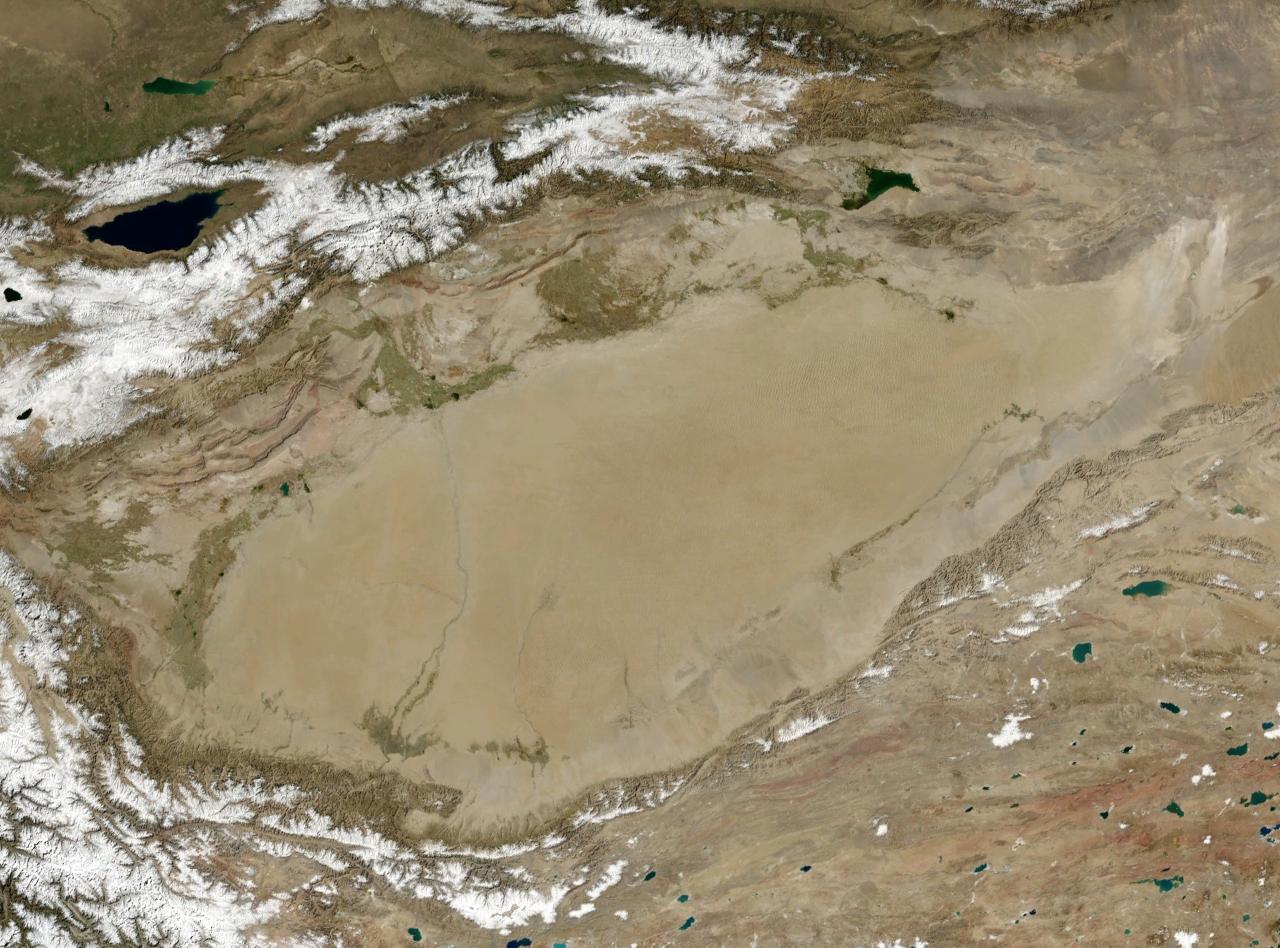
Ban Chao, a renowned Chinese general and explorer of the Eastern Han dynasty, led a significant military and diplomatic expedition to the Tarim Basin. His journey was ...
Explore event →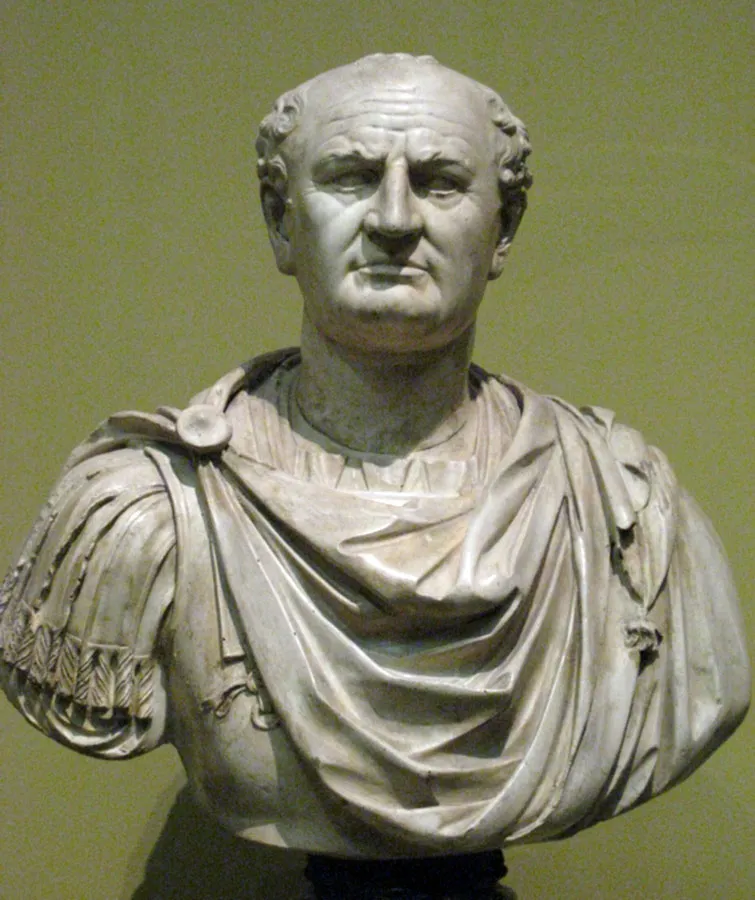
Following a year of civil war known as the Year of the Four Emperors, Vespasian emerged as the uncontested ruler of the Roman Empire. His rise marked the end of the Ju...
Explore event →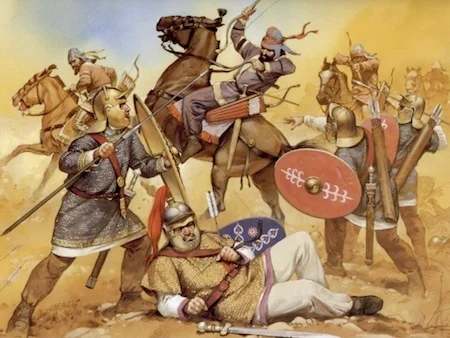
Roman military campaigns against the Parthian Empire resumed under the rule of Emperor Nero, seeking to assert control over the eastern frontier. These efforts aimed t...
Explore event →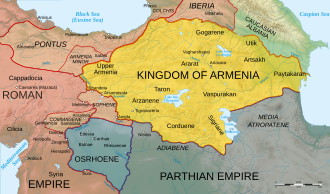
The Roman general Corbulo initiated a military campaign against the Armenian kingdom as part of Rome's efforts to expand influence in the East. This campaign marked th...
Explore event →
The Russian Empire intensified its fortification efforts along the Amur River frontier, aiming to secure its eastern borders against potential threats. New forts were ...
Explore event →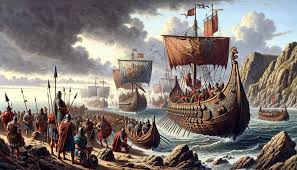
The Roman Emperor Claudius led the invasion of Britain, landing at the port near Richborough in southeastern England. This marked the beginning of the Roman conquest o...
Explore event →
Jesus of Nazareth was executed by crucifixion under Roman governor Pontius Pilate in Jerusalem, during the period of Roman occupation of Judea. The event is documented...
Explore event →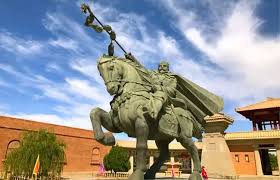
Ban Chao, a Chinese general and diplomat of the Eastern Han dynasty, is recorded as sending an envoy toward the western regions in an effort to establish contacts with...
Explore event →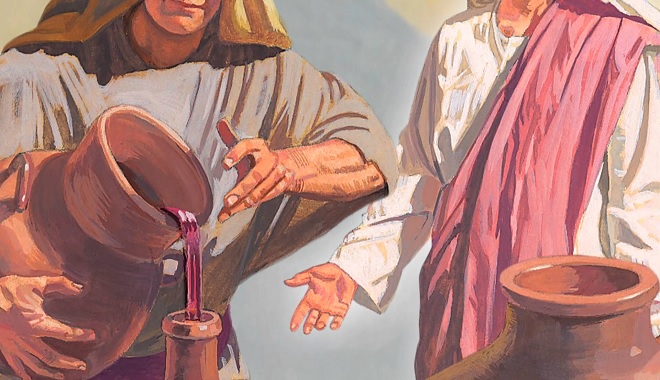
The town of Qana in southern Lebanon is traditionally identified by some Christian communities as the site of the biblical event where Jesus is said to have performed ...
Explore event →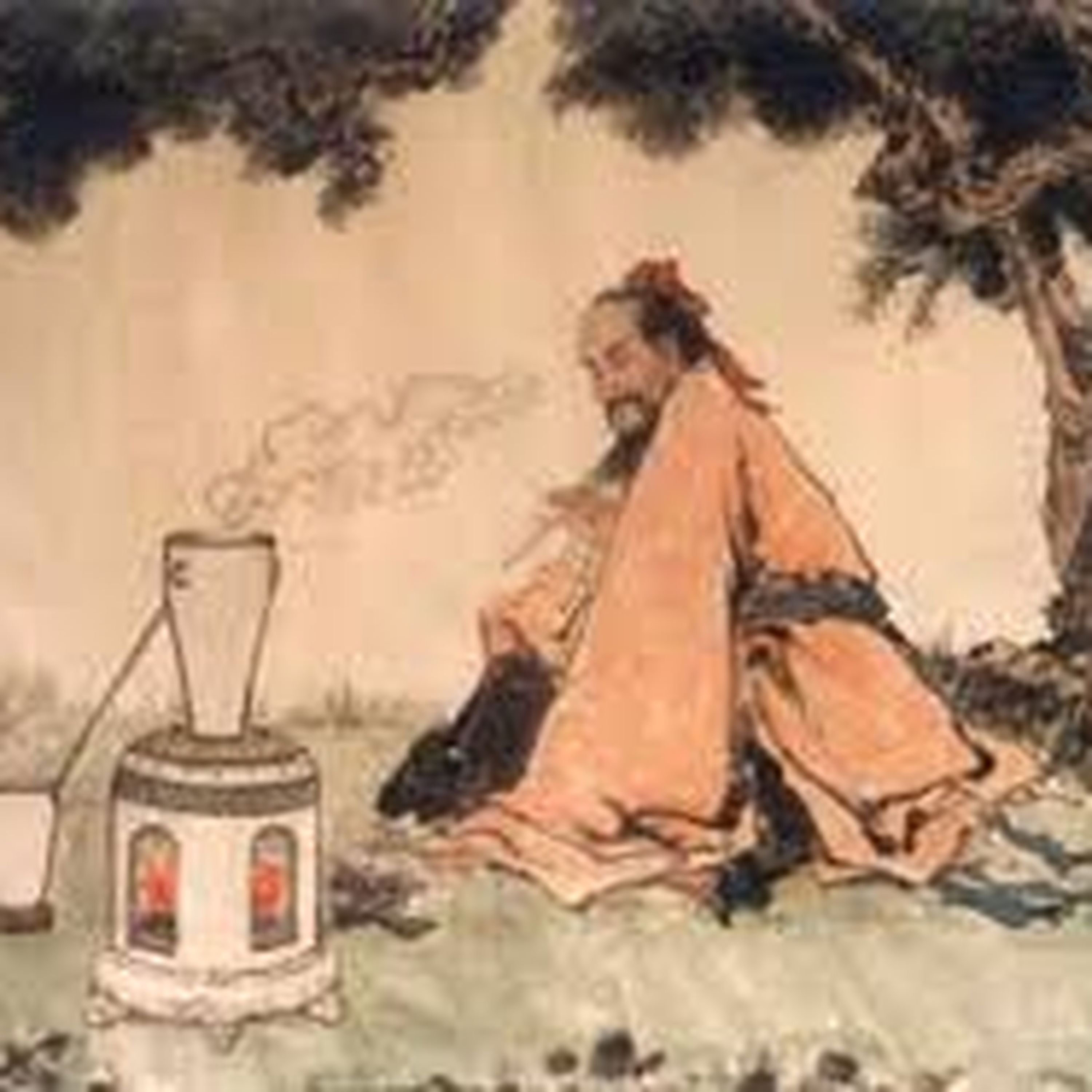
Ge Hong was a Chinese scholar and alchemist during the Eastern Jin dynasty known for his significant writings on alchemy and the quest for immortality. His works combi...
Explore event →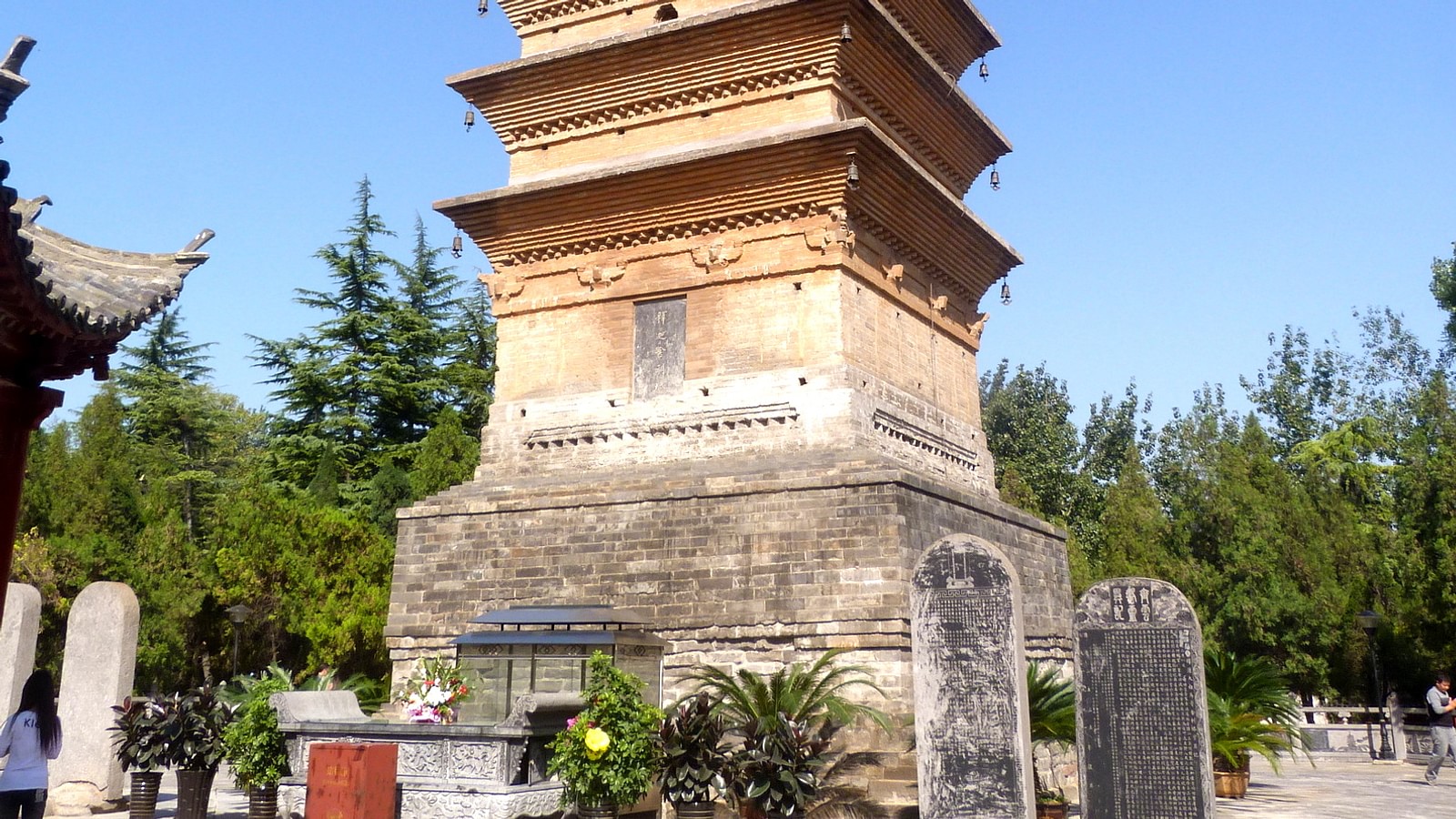
The Eastern Han Dynasty officially moved its capital from Chang'an to Luoyang, marking a significant political shift in early imperial China. This relocation aimed to ...
Explore event →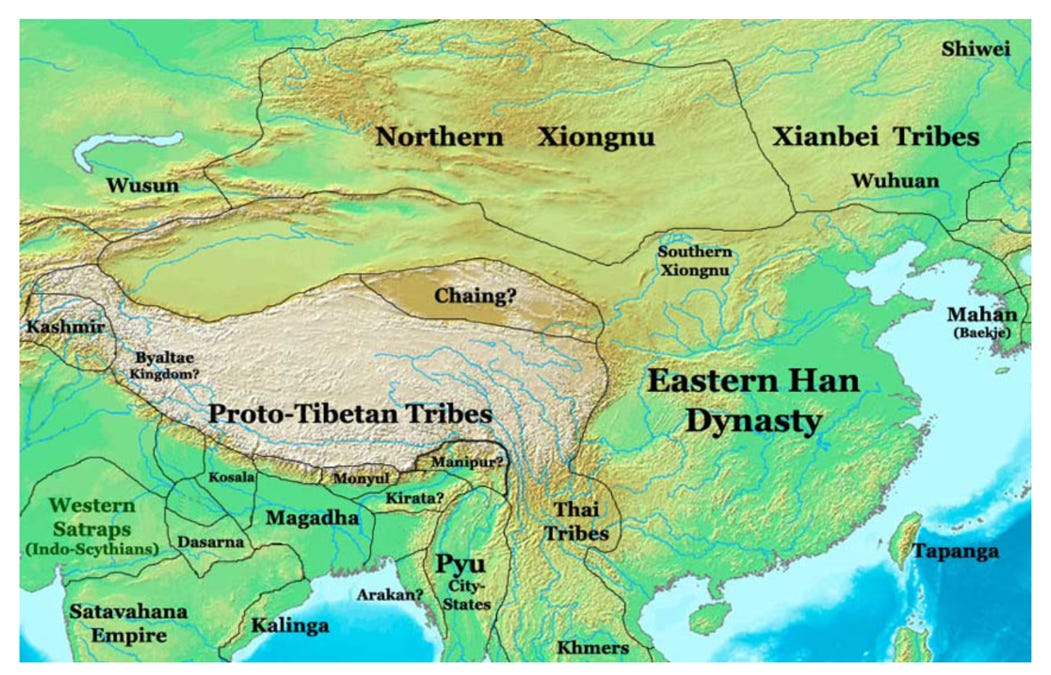
After a prolonged period of civil war and the collapse of the Western Han, Liu Xiu successfully reestablished imperial authority, marking the beginning of the Eastern ...
Explore event →
2014–2026 — Egypt remains the most populous country in the Arab world and one of the principal political centers of the eastern Mediterranean and Middle East. Cairo do...
Explore research
Late 1917–March 1918 — The collapse of Russian resistance allows Germany to move divisions from the Eastern Front toward France and Belgium. German commanders understa...
Explore research
4 June 1916 — Russian General Aleksei Brusilov launches a major offensive against Austria-Hungary. Innovative preparation and attacks across a broad front produce spec...
Explore research
1905–1914 — German military planning assumes that simultaneous war against France and Russia creates a dangerous strategic problem. Geography places Germany between bo...
Explore research
1 July 1798 — French forces under Napoleon Bonaparte land in Egypt. The invasion aims to weaken British access to India while expanding French influence in the eastern...
Explore research
1250–1517 CE — Military elites known as Mamluks seize political control and establish a powerful sultanate centered on Cairo. They defeat Mongol forces at Ain Jalut an...
Explore research
969 CE — The Isma'ili Shi'a Fatimid Caliphate conquers Egypt and establishes a new political center north of Fustat. Egypt becomes the heart of a powerful caliphate ex...
Explore research
395–641 CE — Egypt becomes part of the eastern Roman Empire centered on Constantinople, later called Byzantine. Alexandria remains one of Christianity's major intellec...
Explore research
395 CE — After the death of Theodosius I, administration of the Roman Empire is divided between eastern and western courts. The territories of modern Albania remain pr...
Explore research
c. 146–120 BCE — Roman engineers develop the Via Egnatia from the Adriatic coast through Macedonia toward Byzantium. Dyrrachium becomes one of the principal western ga...
Explore research
229–228 BCE — Rome sends military forces across the Adriatic against Queen Teuta's kingdom. The war marks Rome's first major armed intervention on the eastern Adriatic...
Explore research
664–525 BCE — Rulers of the Twenty-Sixth Dynasty reunify Egypt from their base at Sais. They encourage trade with the Greek world, employ foreign mercenaries and reviv...
Explore research
671 BCE — Assyrian king Esarhaddon invades Egypt and captures Memphis. Further campaigns follow as Assyria struggles against Kushite attempts to regain authority. Egyp...
Explore research
c. 2055–1650 BCE — Reunified Egypt experiences renewed royal authority, extensive building programs and military expansion into Nubia. Literature flourishes and Egypti...
Explore research
27 May 1942 — American commanders possess increasingly strong intelligence that Japan intends to attack Midway. Cryptanalysts working against Japanese naval codes help...
Explore research
27 January 1945 — Soviet troops reach the Auschwitz concentration and extermination complex in occupied Poland. They find thousands of surviving prisoners and extensiv...
Explore research
29 September 1941 — German SS, police and associated units murder tens of thousands of Jews in the Babi Yar ravine near Kyiv over two days. The massacre becomes one of...
Explore research
5 July 1943 — Germany launches Operation Citadel against the Kursk salient. Soviet intelligence and defensive preparations create deep belts of mines, anti-tank positi...
Explore research
26 August 1914 — German forces under Paul von Hindenburg and Erich Ludendorff begin the decisive phase of the Battle of Tannenberg against Russia's Second Army in East...
Explore research
16 April 1945 — Soviet forces attack Germany's final major defensive positions east of Berlin. Massive artillery preparation precedes the assault, but German defenses ...
Explore research
8 January 1942 — Soviet offensives expand around the Rzhev-Vyazma salient west of Moscow. Fighting in the region becomes prolonged and extraordinarily costly. The sali...
Explore research
Early Christian communities form across the Greek-speaking eastern Mediterranean.
Explore research
8 April 1944 — Soviet forces attack German and Romanian troops in Crimea. Axis defenses collapse rapidly and Sevastopol falls in May. The Soviet victory removes an imp...
Explore research
8 May 1945 — Soviet armies finish the war occupying Poland, eastern Germany, Hungary, Romania, Bulgaria and much of Central and Eastern Europe. Investigate whether the...
Explore research