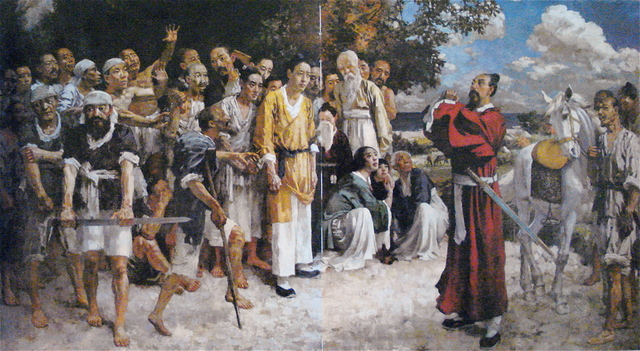
Taiping Rebellion Begins
The Taiping Rebellion in China began under Hong Xiuquan, advocating radical social reforms and religious-inspired communal living, challenging the Qing dynasty.
Explore event →History does not happen in isolation. Explore world events across time, follow the connections between them, and investigate the threads that reveal how one event can lead to another.
TheTimeMap currently follows events across 95 countries and 268 years of history — building a connected archive designed for people who want to look beyond the headline.
We oppose antisemitism, racism, and dehumanization — everywhere.
When people stop feeling, injustice becomes easy.
The Taiping Rebellion in China began under Hong Xiuquan, advocating radical social reforms and religious-inspired communal living, challenging the Qing dynasty.
Explore event →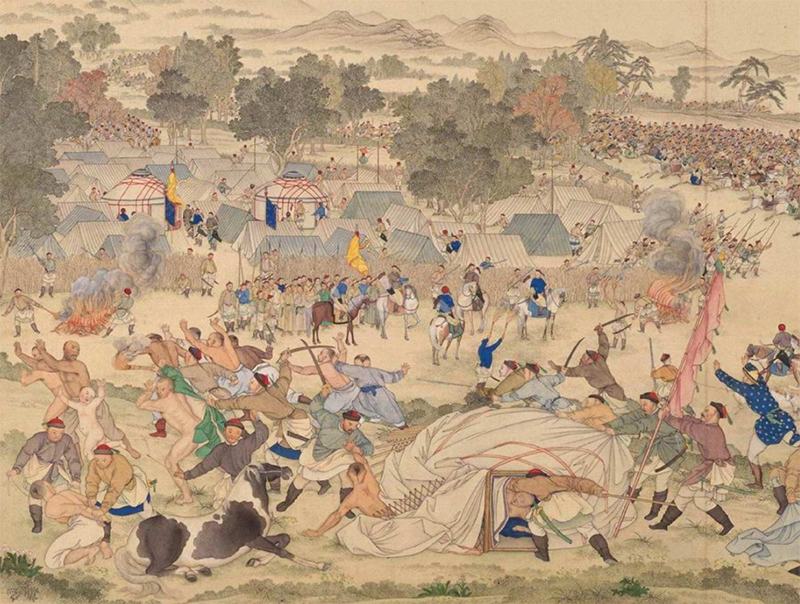
The Dzungar Genocide refers to the systematic destruction of the Dzungar people by the Qing dynasty during the mid-18th century.Between 1755 and 1758, the Qing governm...
Explore event →
Chang’an, the capital of the Tang dynasty, was violently sacked by rebel forces led by Huang Chao. The siege resulted in widespread destruction and the collapse of cen...
Explore event →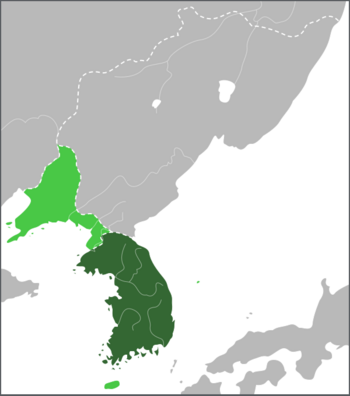
The Silla kingdom successfully unified the Korean Peninsula after defeating the Baekje and Goguryeo kingdoms. This consolidation marked the beginning of the Unified Si...
Explore event →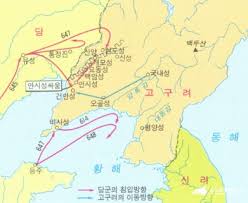
Goguryeo successfully repelled multiple invasions launched by the Tang dynasty of China during the 7th century. The capital fortress of Pyongyang became a critical def...
Explore event →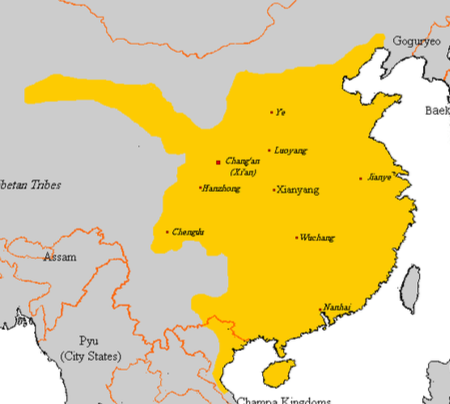
The Sui dynasty, which had temporarily unified China after a period of fragmentation, was facing collapse by early 618. Internal rebellions and external pressures mark...
Explore event →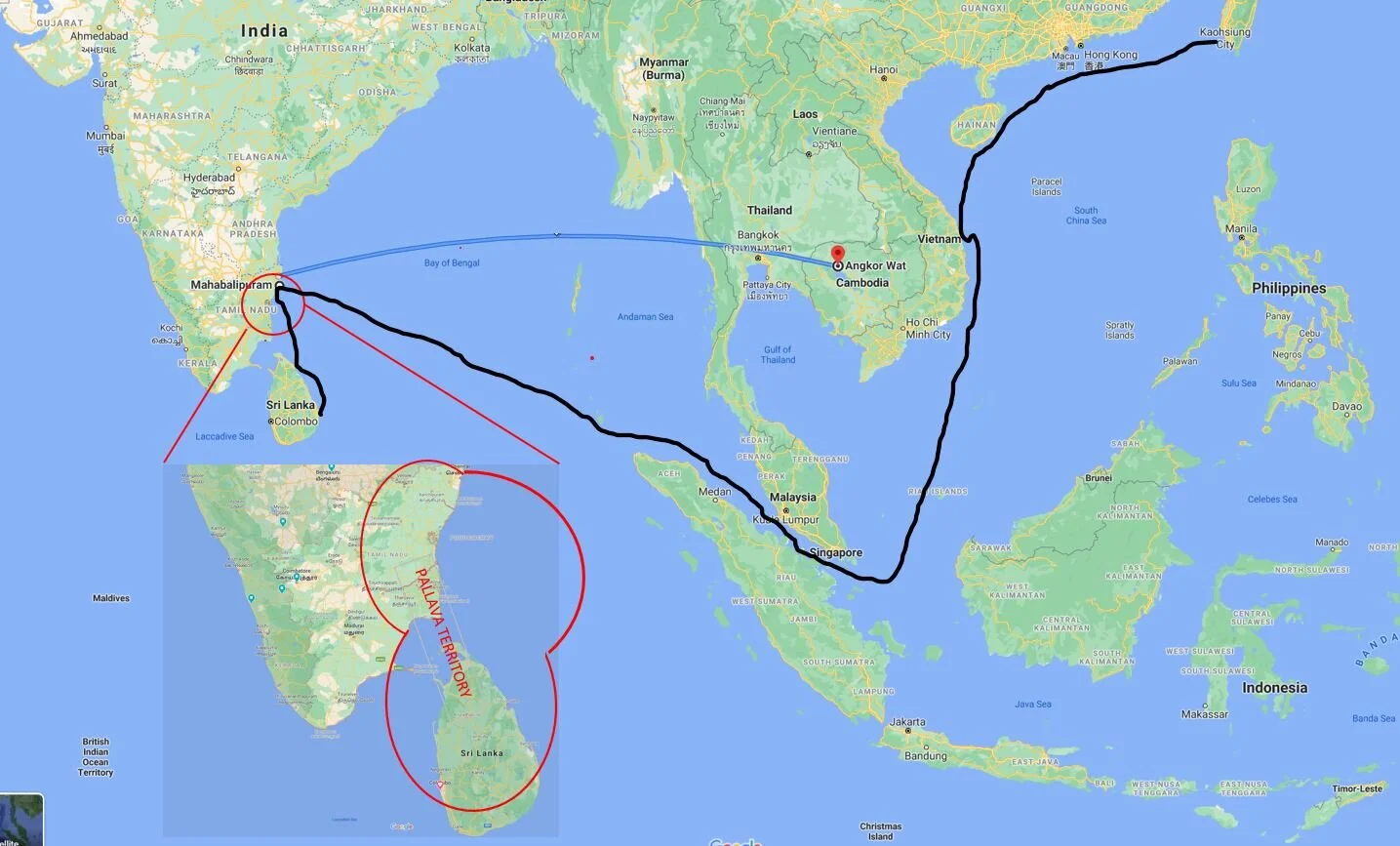
The Pallava dynasty emerged as a dominant power in South India during the early medieval period. Centered around the city of Kanchipuram, they established a strong pol...
Explore event →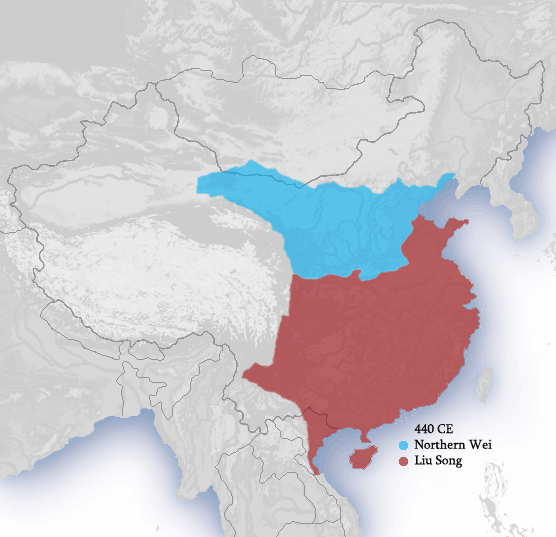
The Chen dynasty, ruling southern China, sought to stabilize its domain amid persistent threats from northern dynasties. Efforts to fortify its borders and consolidate...
Explore event →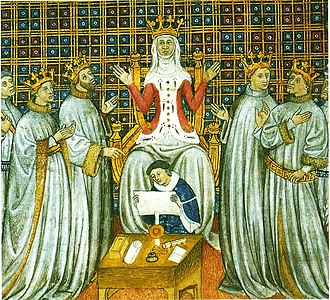
Clovis I, the first King of the Franks to unite all Frankish tribes under one ruler, died on November 27. His death marked a significant transition in early medieval E...
Explore event →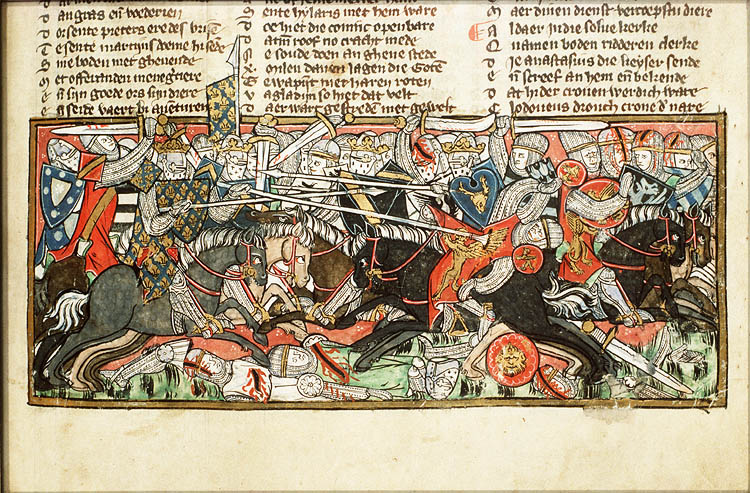
The Battle of Vouillé was fought between the Franks under Clovis I and the Visigoths led by Alaric II. This decisive battle occurred near Vouillé, resulting in a signi...
Explore event →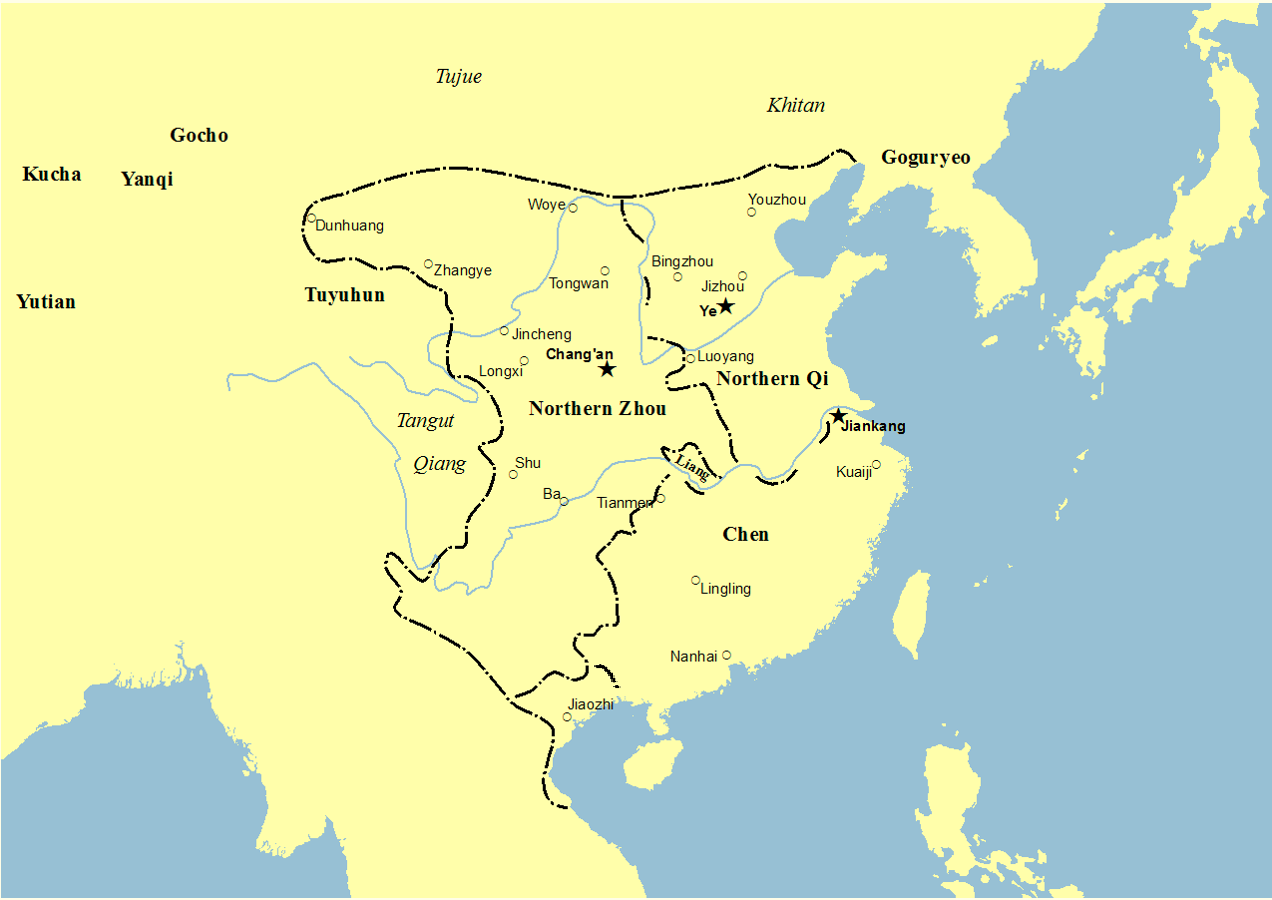
The Liang dynasty was established when Emperor Wu ascended to the throne, marking a significant shift in Southern Chinese ruling power. The dynasty emerged from the co...
Explore event →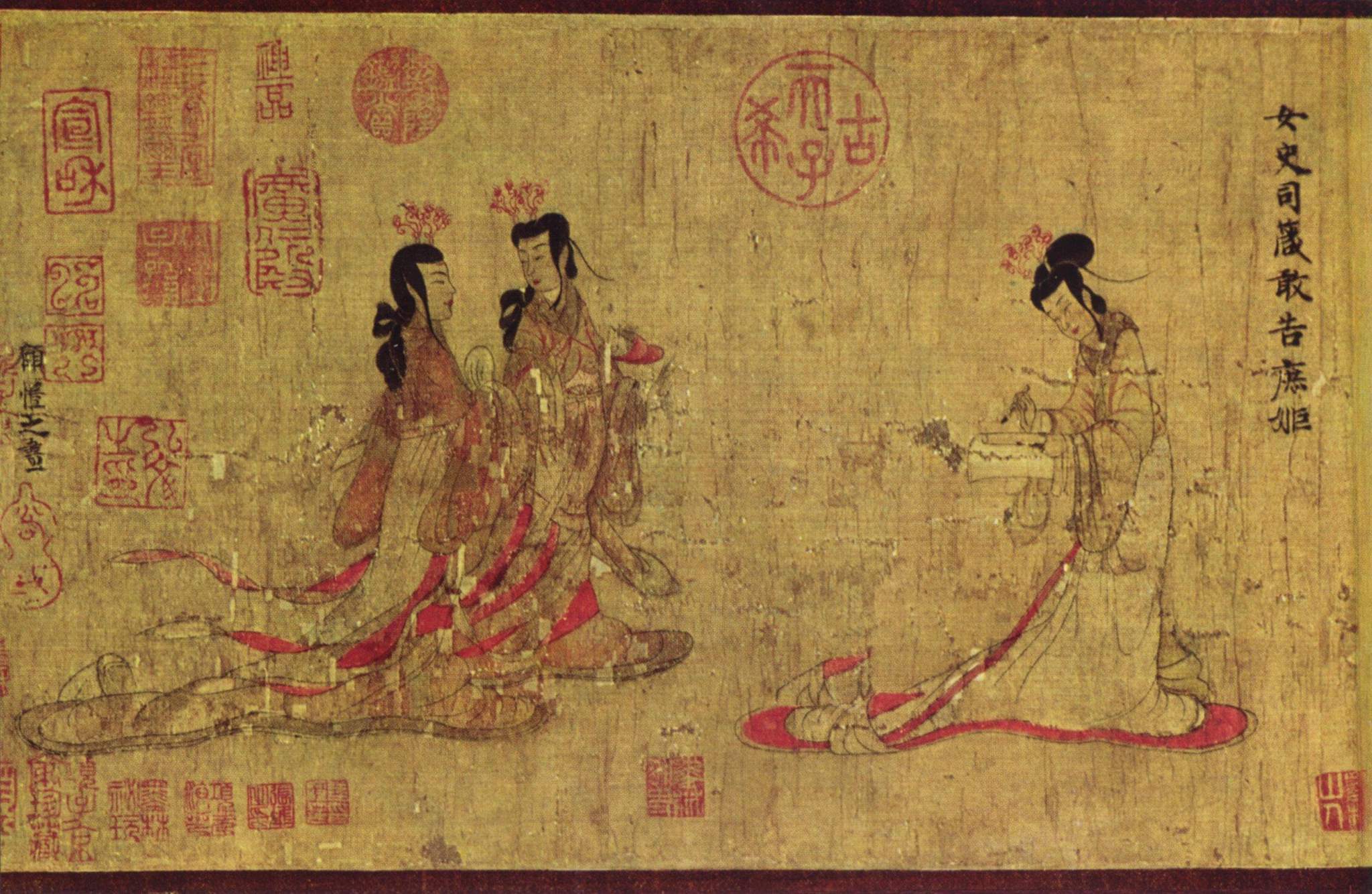
The Jin dynasty court experienced severe internal divisions fueled by rival factions vying for control after a series of military defeats. These conflicts weakened cen...
Explore event →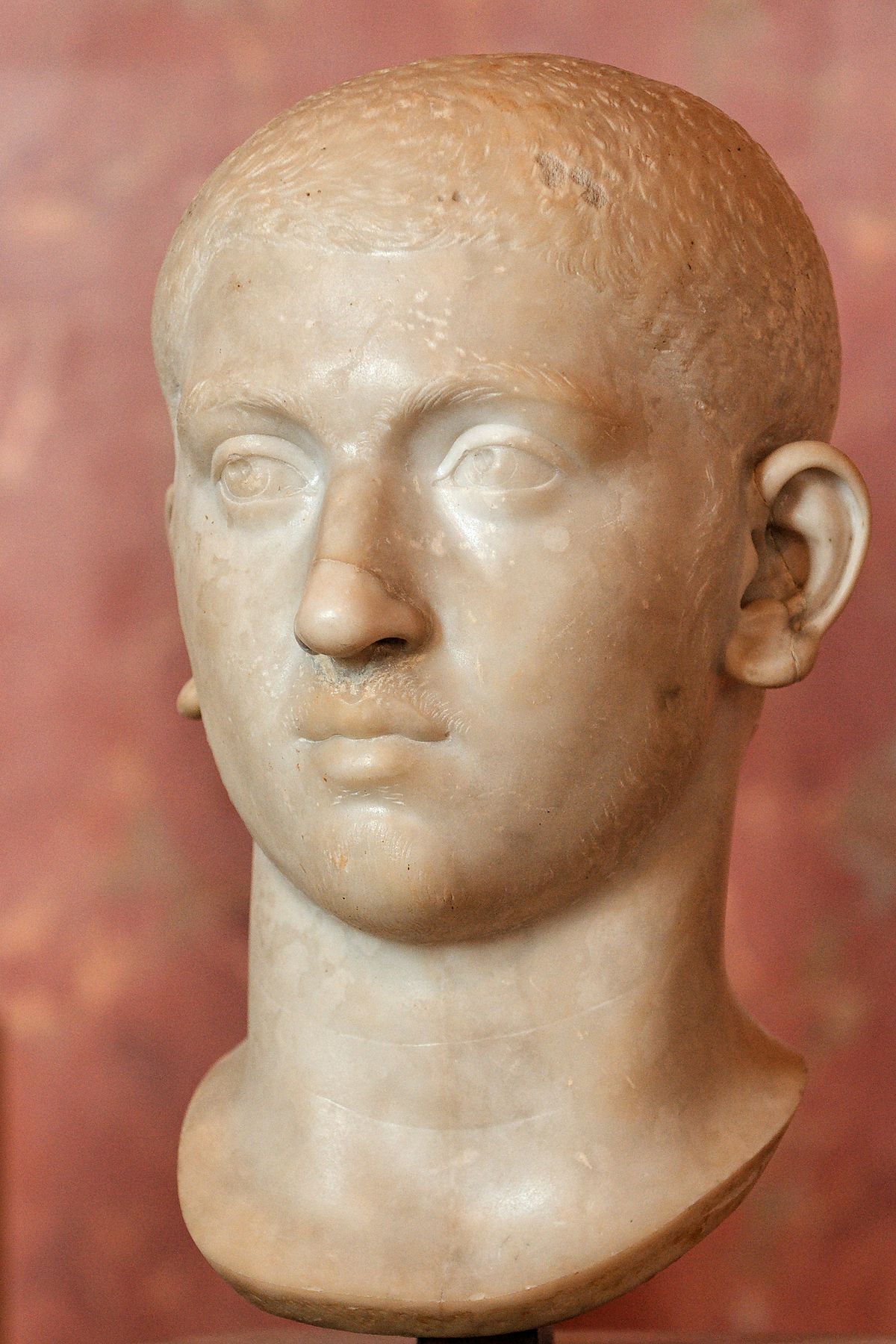
Severus Alexander, the last emperor of the Severan dynasty, was assassinated by his own soldiers in March of 235 CE near the city of Mutina along the Danube frontier. ...
Explore event →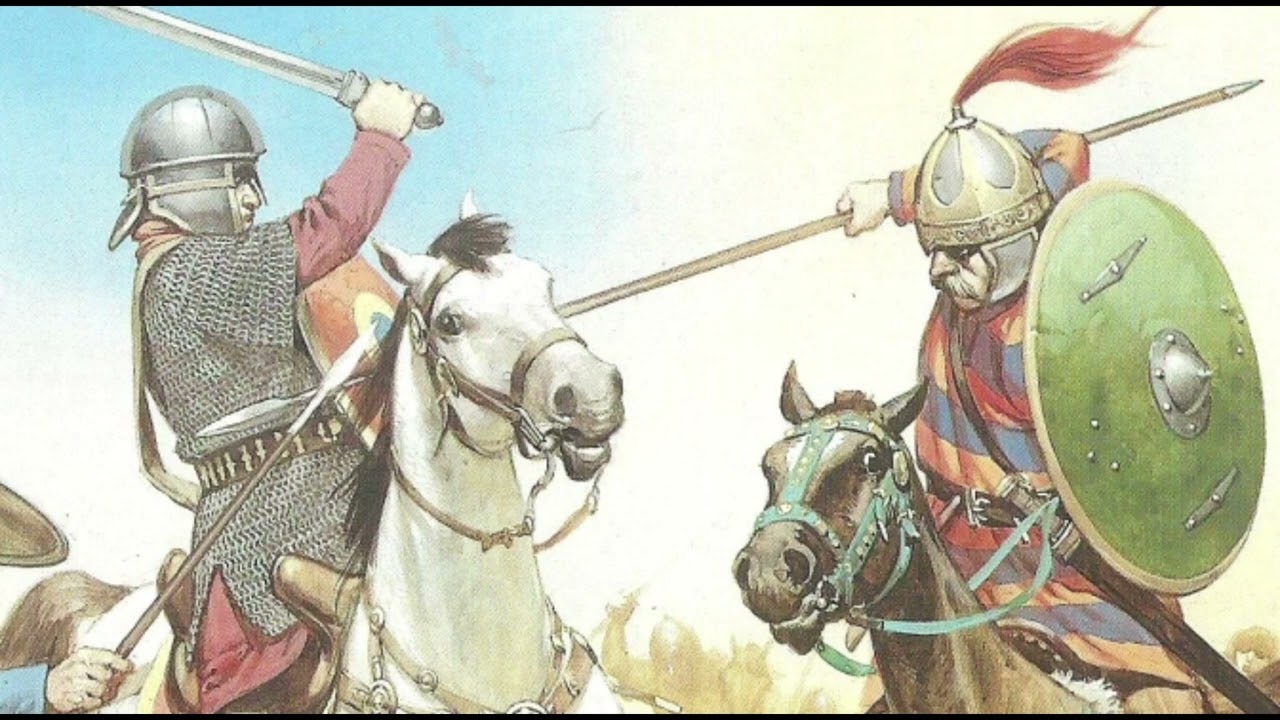
The fall of the Parthian Empire marked the rise of the Sasanian dynasty in ancient Persia. The decisive defeat of the last Parthian king by Ardashir I ended nearly fiv...
Explore event →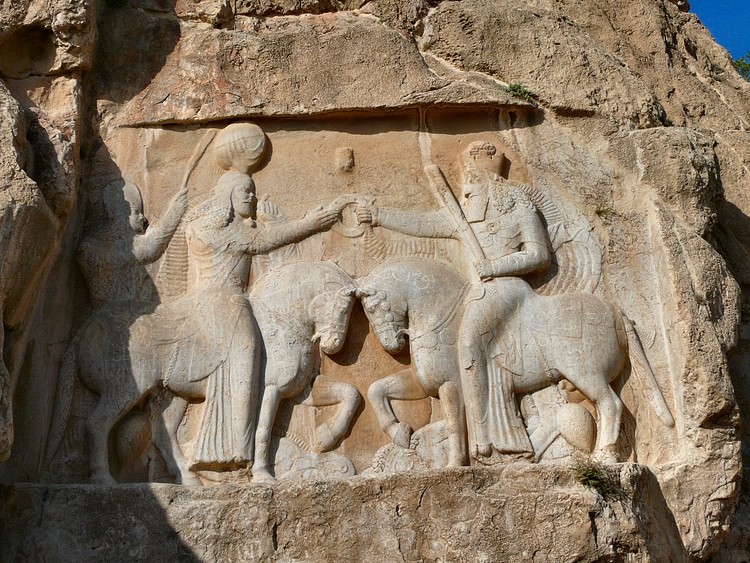
Ardashir I, the founder of the Sasanian Empire, defeated Artabanus IV, the last ruler of the Parthian Empire, at the battle near Hormozdgan. This victory marked the en...
Explore event →
The Sasanian Empire was founded by Ardashir I after he defeated the Parthian king Artabanus IV in battle. This victory marked the end of the Parthian dynasty and the r...
Explore event →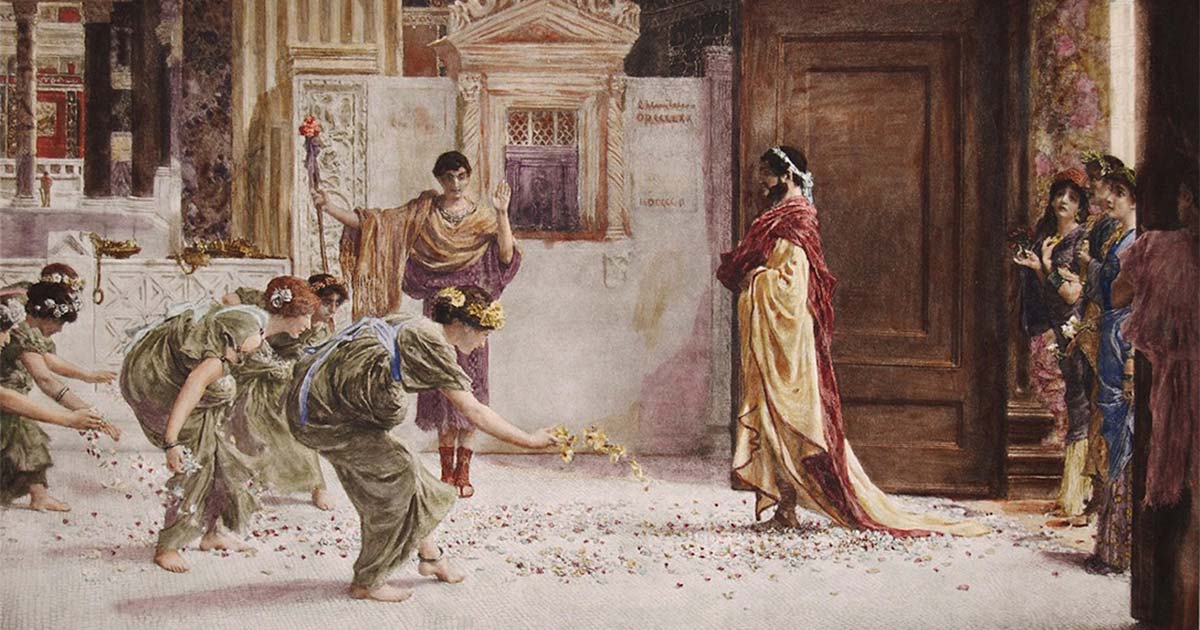
Elagabalus, also known as Varius Avitus Bassianus, was proclaimed Roman Emperor upon the death of Caracalla’s successor during the Severan dynasty. His accession marke...
Explore event →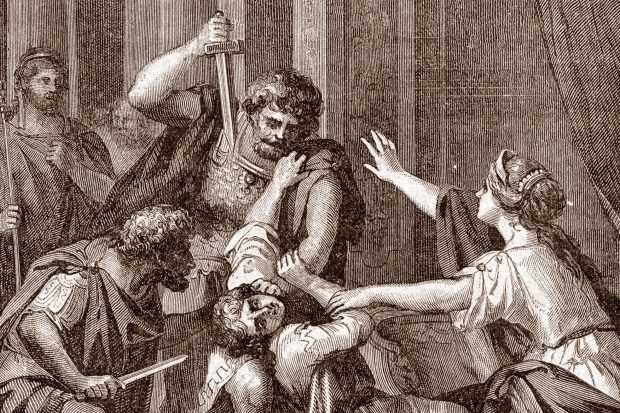
Geta, co-emperor of the Roman Empire alongside his brother Caracalla, was assassinated in Alexandria under political tension and rivalry. The murder occurred shortly a...
Explore event →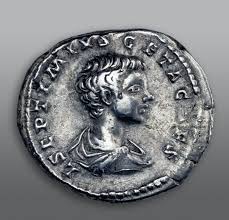
Publius Septimius Geta, son of Emperor Septimius Severus, was granted the title of Augustus, marking him as co-emperor alongside his father and brother Caracalla. This...
Explore event →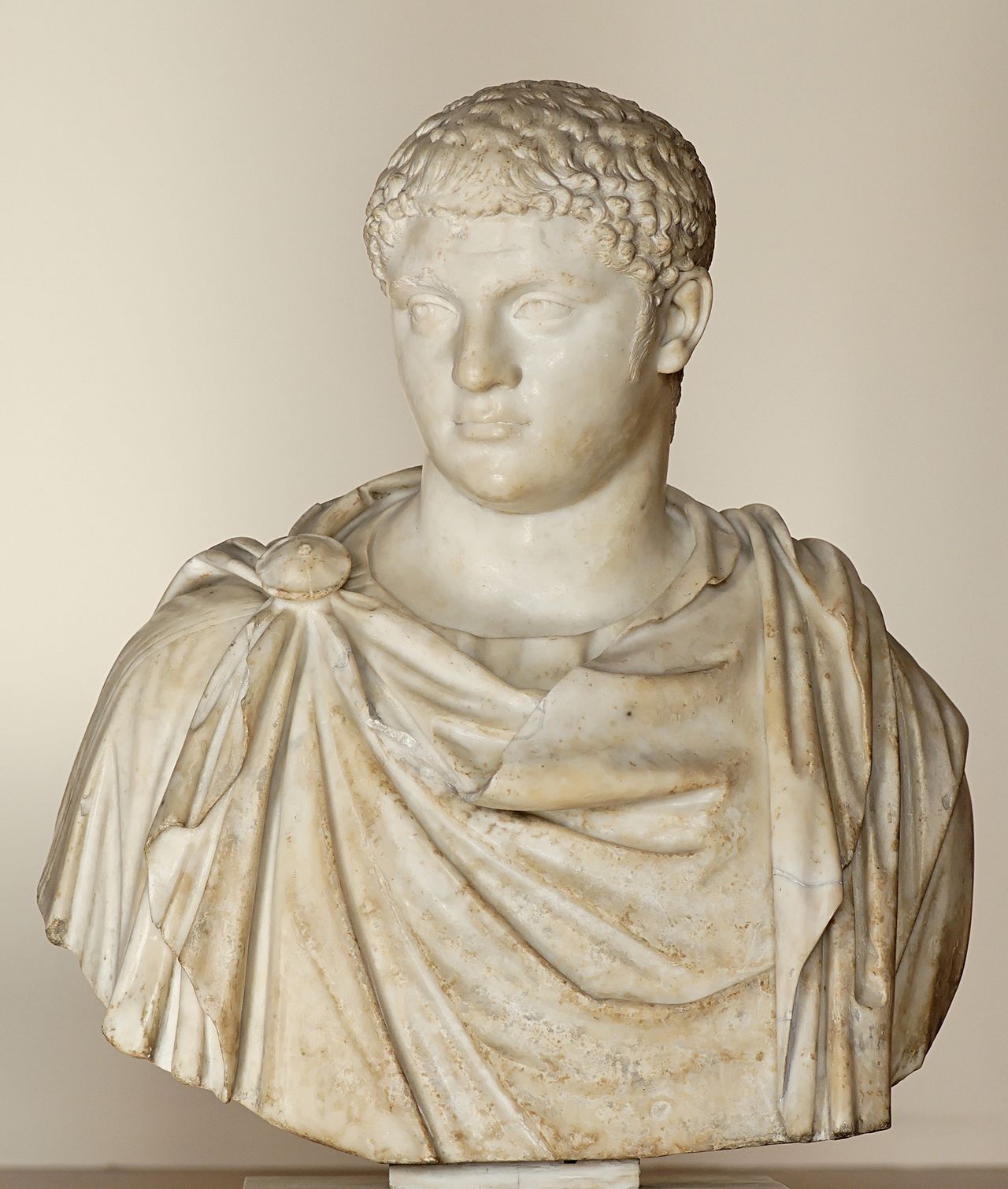
Publius Septimius Geta, son of Emperor Septimius Severus, was granted the title of Augustus by the Roman Senate. This elevated Geta to co-emperor status alongside his ...
Explore event →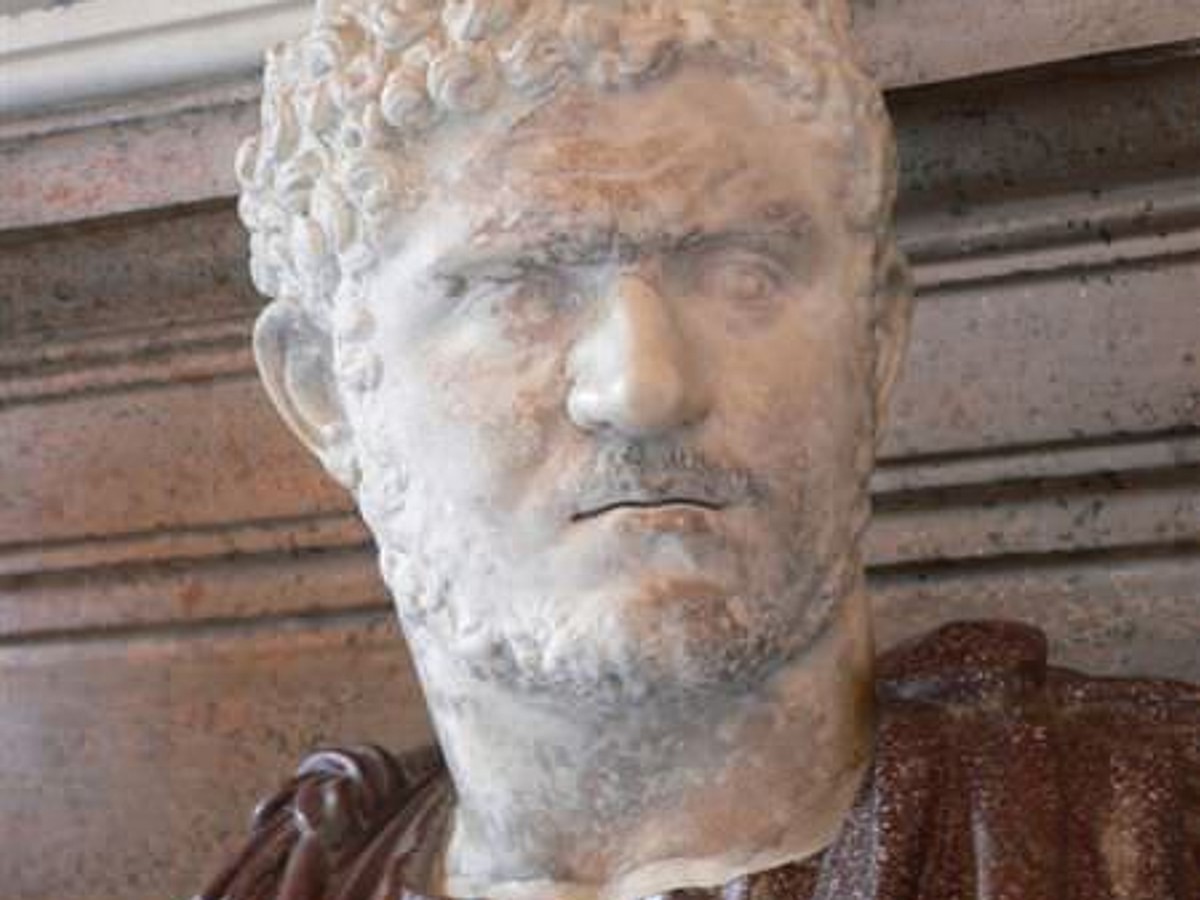
Caracalla officially took the title of Augustus, marking his elevation to co-emperor alongside his father, Septimius Severus. This move solidified his position within ...
Explore event →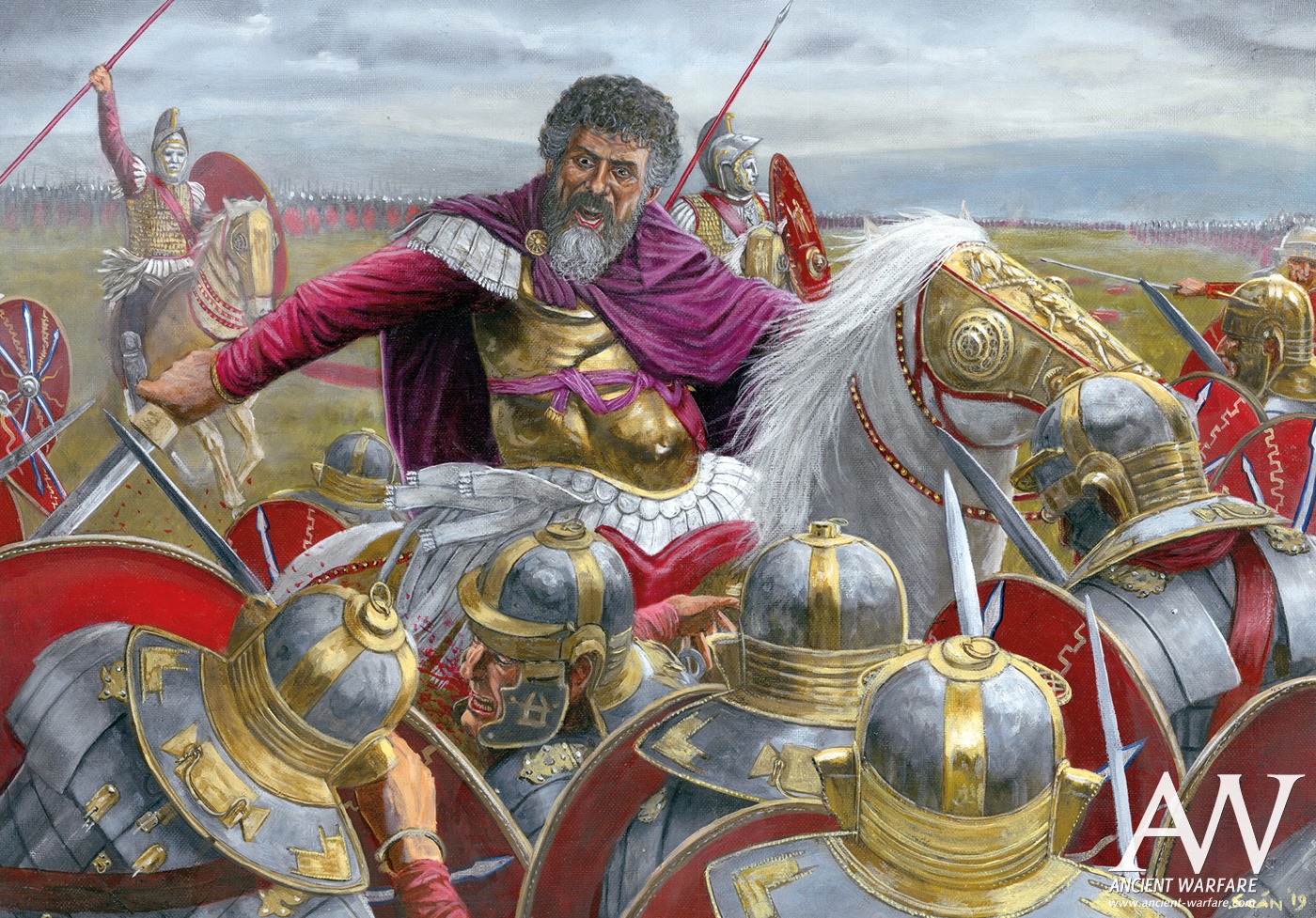
The Battle of Lugdunum was a decisive confrontation between the forces of Septimius Severus and Clodius Albinus during the Roman civil war for control of the empire. T...
Explore event →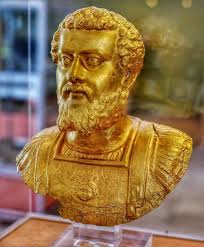
Septimius Severus was proclaimed emperor by his troops following the death of Emperor Pertinax. This marked the beginning of the Severan dynasty and significant change...
Explore event →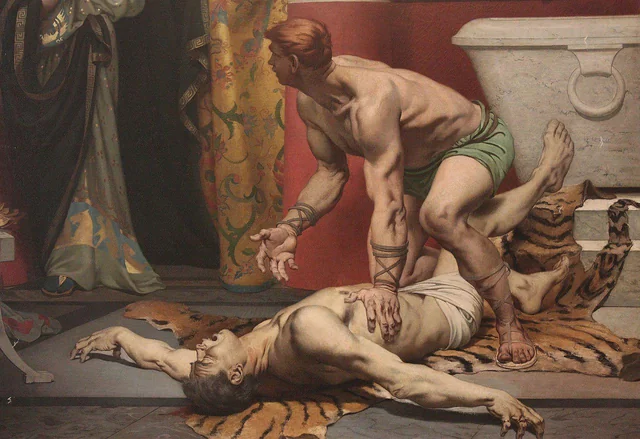
Commodus, Roman Emperor and son of Marcus Aurelius, was assassinated in his palace in Rome. His death ended the Nerva–Antonine dynasty.The emperor was strangled by his...
Explore event →
1171–1193 CE in Egypt and the wider region — Saladin ends Fatimid rule and establishes the Ayyubid dynasty. He restores Sunni political dominance in Egypt and uses Egy...
Explore research
51–30 BCE — Cleopatra VII becomes the final active ruler of the Ptolemaic dynasty. She navigates the expanding power of Rome through alliances and relationships first ...
Explore research
305–30 BCE — The Macedonian Ptolemaic dynasty rules Egypt after the fragmentation of Alexander's empire. Its kings present themselves simultaneously as Hellenistic mon...
Explore research
664–525 BCE — Rulers of the Twenty-Sixth Dynasty reunify Egypt from their base at Sais. They encourage trade with the Greek world, employ foreign mercenaries and reviv...
Explore research
Untitledc. 747–656 BCE — Kings from the Nubian kingdom of Kush expand north and eventually control Egypt as the Twenty-Fifth Dynasty. They deliberately present themsel...
Explore research
c. 1070–664 BCE — Political power is divided among several dynasties and regional centers. Libyan-descended ruling families establish dynasties in northern Egypt, whil...
Explore research
c. 1550–1525 BCE — Ahmose I completes the Theban war against the Hyksos and captures their capital at Avaris. His campaigns reunify Egypt and extend Egyptian power int...
Explore research
c. 1650–1550 BCE — A dynasty of rulers of largely western Asian origin controls much of northern Egypt from Avaris in the Nile Delta. Egyptian sources later portray th...
Explore research
c. 2181–2055 BCE — Egypt is politically divided among competing centers, especially Herakleopolis in the north and Thebes in the south. Provincial rulers exercise grea...
Explore research
Fourth Dynasty pharaoh whose reign is associated with construction of the Great Pyramid at Giza.
Explore research
c. 2613–2589 BCE — Sneferu, founder of the Fourth Dynasty, oversees an extraordinary period of pyramid experimentation. Projects associated with his reign include the ...
Explore research
c. 2667–2648 BCE — Djoser rules during Egypt's Third Dynasty and is associated with one of the greatest architectural transformations in ancient history. His funerary ...
Explore research
c. 3100 BCE–2026 CE — Egypt has been governed by native pharaohs, Nubian kings, Persians, Macedonians, Romans, Byzantines, Arab caliphates, Fatimids, Ayyubids, Mamluks...
Explore research