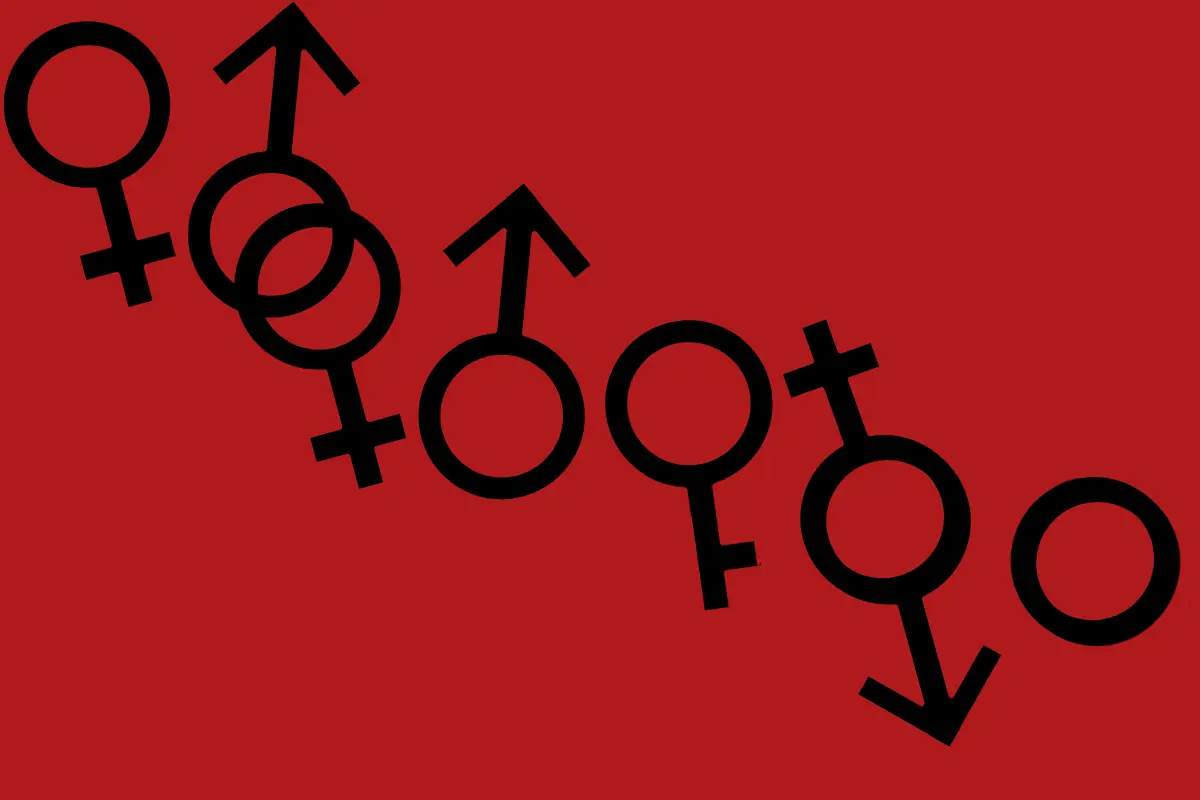
Talmud gender categories
Rabbinic literature from the Mishnaic and Talmudic periods (approximately 1st–6th centuries CE) includes legal discussions that describe several categories relating to...
Explore event →History does not happen in isolation. Explore world events across time, follow the connections between them, and investigate the threads that reveal how one event can lead to another.
TheTimeMap currently follows events across 95 countries and 268 years of history — building a connected archive designed for people who want to look beyond the headline.
We oppose antisemitism, racism, and dehumanization — everywhere.
When people stop feeling, injustice becomes easy.
Rabbinic literature from the Mishnaic and Talmudic periods (approximately 1st–6th centuries CE) includes legal discussions that describe several categories relating to...
Explore event →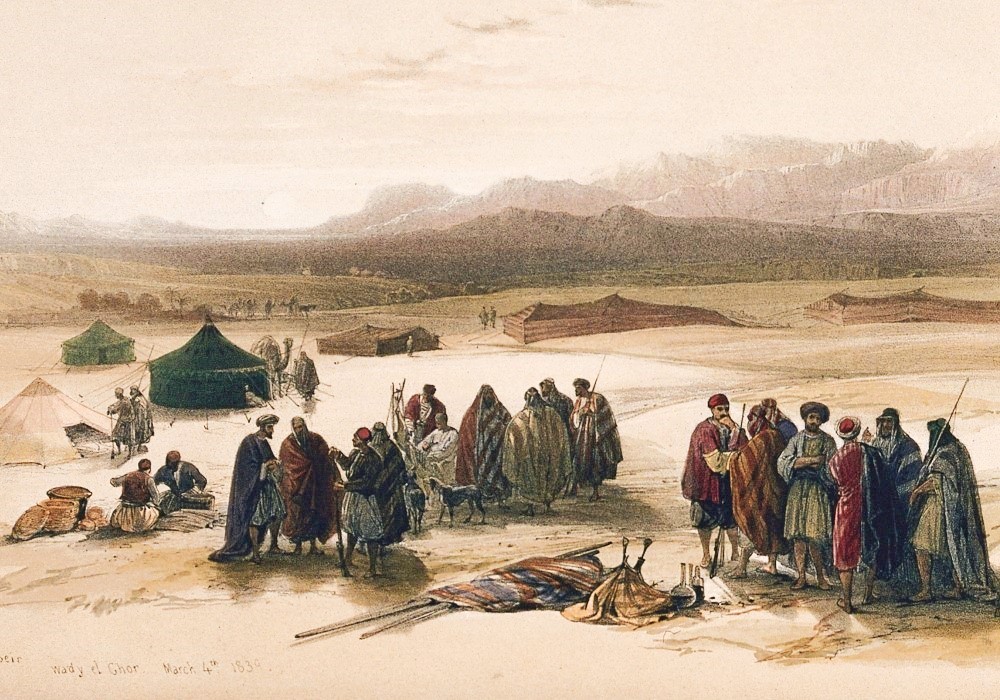
The Edomites, also known in later sources as Idumeans, were an ancient Semitic people who lived in the region south of Judea, historically associated with the descenda...
Explore event →
11 April 1985 — Hoxha dies after more than four decades at the center of Albanian communist power. Ramiz Alia succeeds him and gradually introduces limited reforms as ...
Explore research
26 March 1979 — Egypt and Israel sign a formal peace treaty in Washington. Israel agrees to withdraw from Sinai, which is gradually returned to Egyptian control. Egypt...
Explore research
1970–1981 — Anwar Sadat succeeds Nasser and gradually redirects Egyptian foreign and economic policy. He reduces Soviet influence, encourages economic liberalization a...
Explore research
1911–1917 — Unification or Death, commonly called the Black Hand, is a secret Serbian nationalist organization containing influential military officers. Individuals as...
Explore research
641–1000 CE — Arabic did not replace Coptic immediately after the conquest. Government, migration, urban life, taxation, religious conversion and social mobility gradu...
Explore research
7th–10th centuries — Arabic increasingly replaces Greek and Coptic in government and eventually becomes the dominant spoken language. Conversion to Islam occurs over g...
Explore research
639–642 CE — Forces commanded by Amr ibn al-As invade Byzantine Egypt during the early Islamic conquests. Byzantine resistance collapses gradually, and Alexandria even...
Explore research
1st–4th centuries CE — Christianity spreads widely through Egypt and produces one of the ancient world's most important Christian traditions. Egyptian monasticism prof...
Explore research
Untitled168 BCE–395 CE — The lands of modern Albania are gradually integrated into Roman provincial systems. Cities expand, Latin and Greek cultural influences deepen,...
Explore research
c. 2055–1650 BCE — Reunified Egypt experiences renewed royal authority, extensive building programs and military expansion into Nubia. Literature flourishes and Egypti...
Explore research
c. 3300–3000 BCE — Later royal ideology presents unification as a foundational act, but archaeology points toward a longer process of competition, alliance and conques...
Explore research
c. 3300–3100 BCE — Larger political systems emerge in the Nile Valley and Delta. Later Egyptian tradition remembers the country as two lands: Upper Egypt in the south ...
Explore research
29 October 1922 — King Victor Emmanuel III asks Mussolini to form a government following the March on Rome. Mussolini gradually destroys parliamentary democracy and co...
Explore research
From 1973 onward, Kissinger simultaneously held the offices of Secretary of State and national security adviser. This concentration of responsibilities is important fo...
Explore research
23 October 1942 — British Commonwealth forces under Bernard Montgomery attack Axis positions in Egypt. The battlefield lies close to the furthest Axis advance toward A...
Explore research