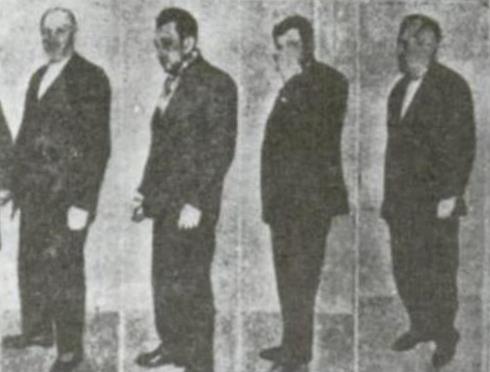
The 1930 Crackdown on Zwi Migdal
Zwi Migdal was a criminal organization active mainly in Argentina from the late 19th century until the 1930s. It was composed largely of Jewish immigrants from Easter...
Explore event →History does not happen in isolation. Explore world events across time, follow the connections between them, and investigate the threads that reveal how one event can lead to another.
TheTimeMap currently follows events across 95 countries and 268 years of history — building a connected archive designed for people who want to look beyond the headline.
We oppose antisemitism, racism, and dehumanization — everywhere.
When people stop feeling, injustice becomes easy.
Zwi Migdal was a criminal organization active mainly in Argentina from the late 19th century until the 1930s. It was composed largely of Jewish immigrants from Easter...
Explore event →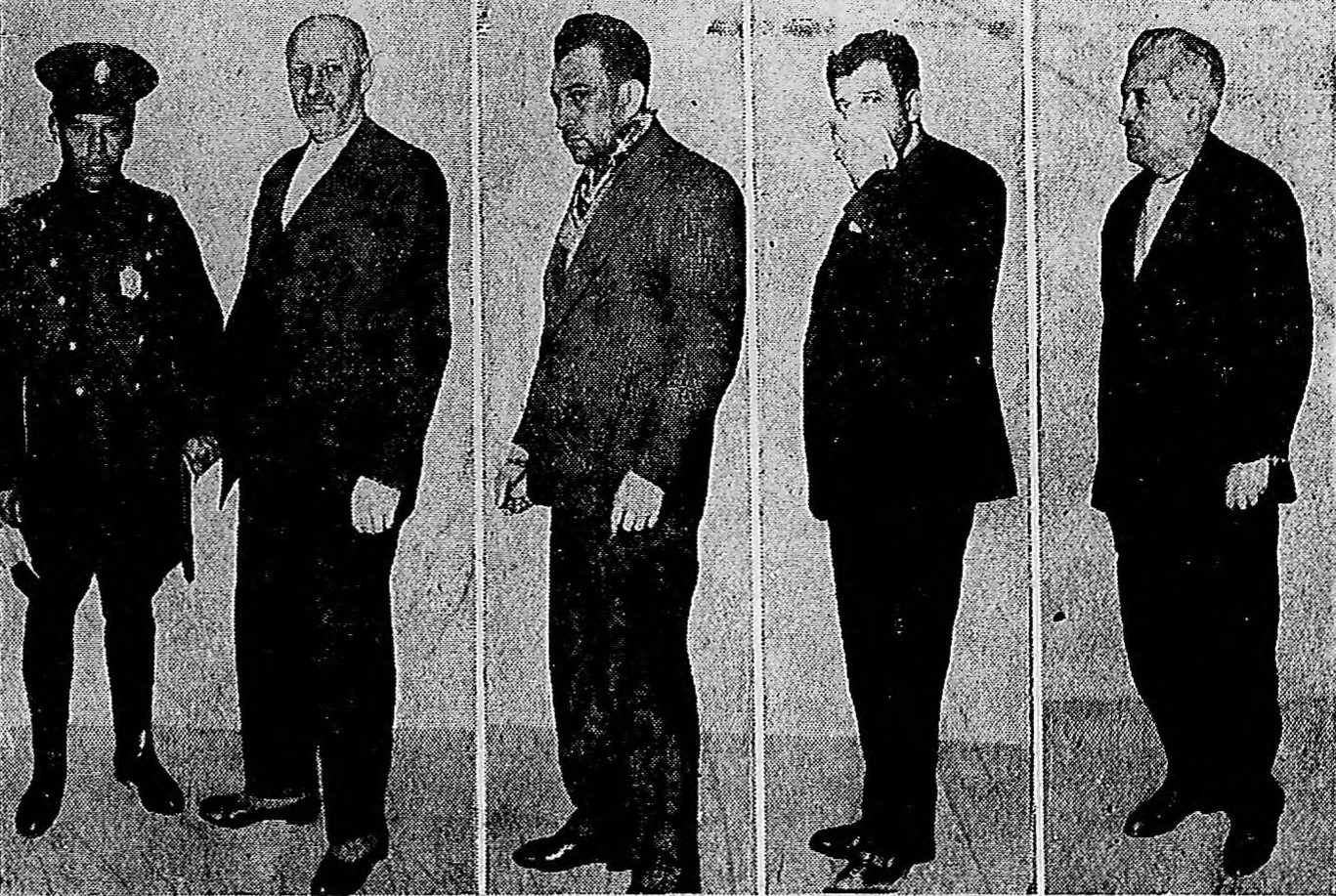
Zwi Migdal was a criminal organization formed by Jewish immigrants from Poland in the late 19th century. The group controlled extensive prostitution and human traffick...
Explore event →
Before Hitler rose to power, major banks and financiers profited from high interest rates in Germany. During the Weimar Republic, government bonds often carried 6-10% ...
Explore event →
1913 – Foundations of the Modern World body { font-family: Arial, sans-serif; background-color: #f4f4f9; margin: 0; padding: 0; } .timeline-container { ...
Explore event →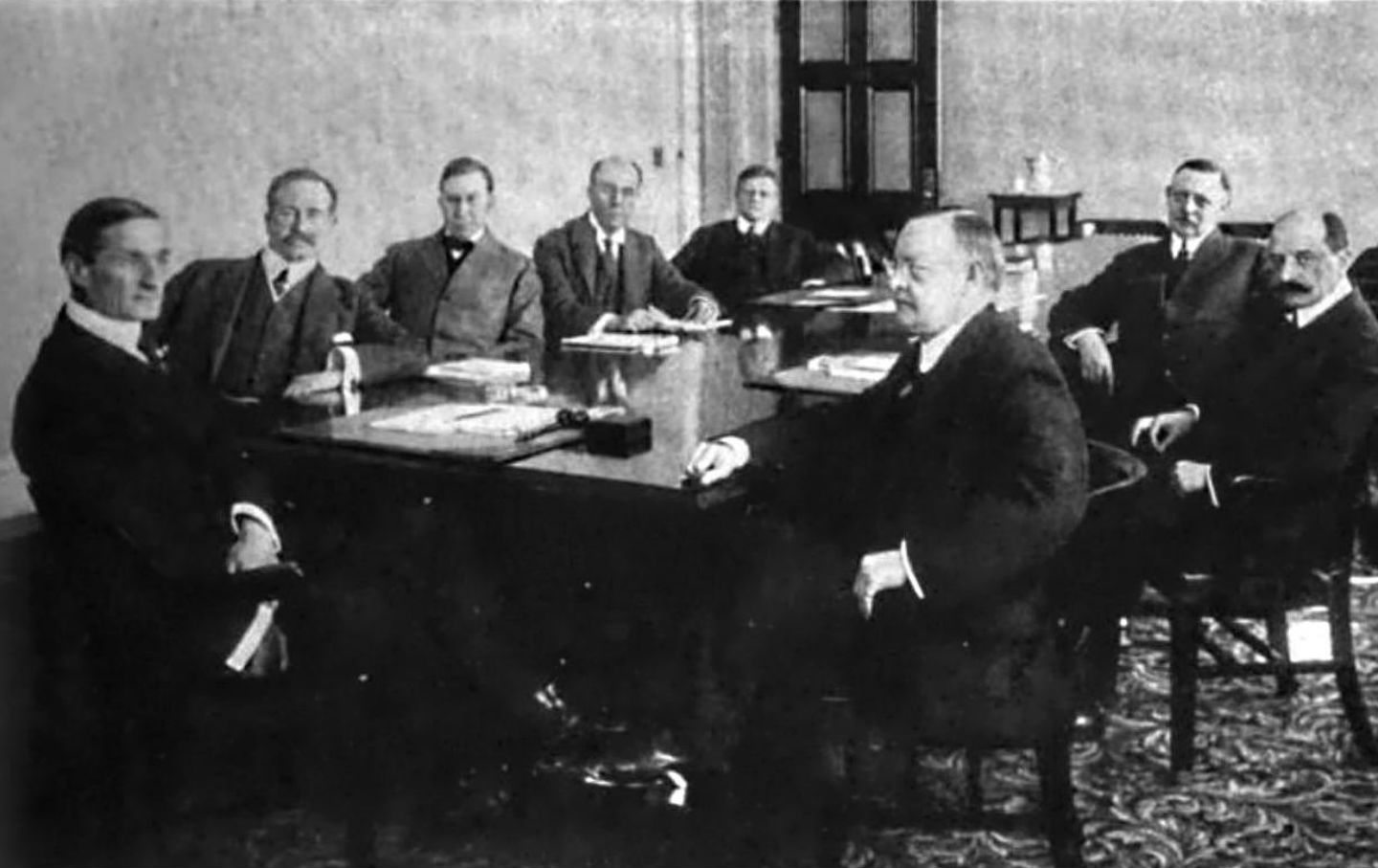
The creation of the Federal Reserve System on December 23, 1913, established the central banking authority of the United States. It was enacted through the Federal Res...
Explore event →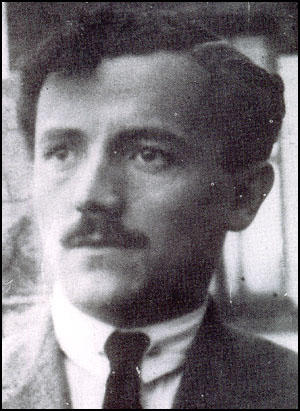
Alexander Orlov, born Lev Lazarevich Feldbin on 21 August 1895 in Bobruisk, was a Soviet NKVD officer from an Orthodox Jewish family. He later operated under several a...
Explore event →
Circassian Genocide On May 21, 1864, the Russian Empire declared the end of the Caucasian War following the defeat of Circassian resistance in the northwest Caucasus....
Explore event →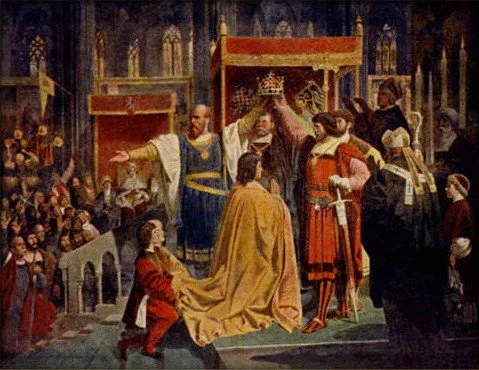
Expulsion of Jews from the Kingdom of Naples In 1540, Jewish communities in the Kingdom of Naples were expelled as the region came under the control of the Spanish cr...
Explore event →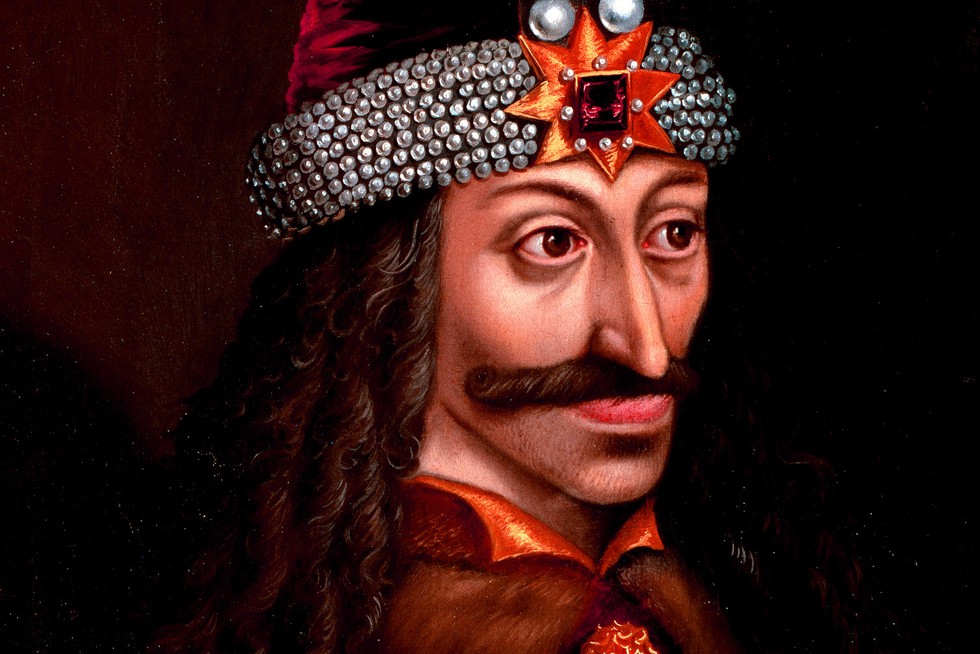
Vlad III Dracula, Prince of Wallachia Vlad III, also known as Vlad the Impaler or Dracula, was born in 1431 in Transylvania, part of the Kingdom of Hungary ...
Explore event →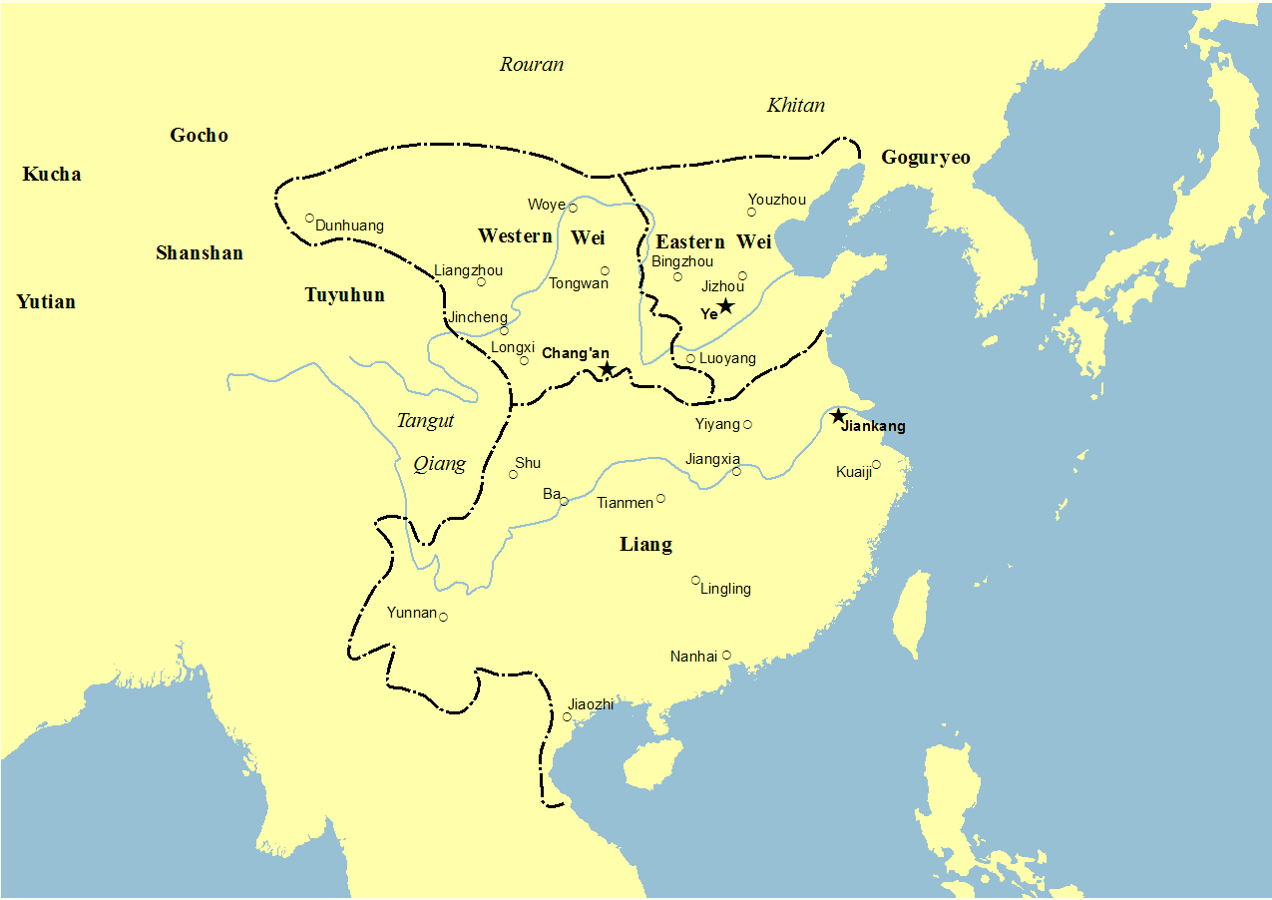
In early March 1371, Cham forces launched a significant raid on the Jiaozhi region of northern Vietnam. The attack targeted local settlements and disrupted the regiona...
Explore event →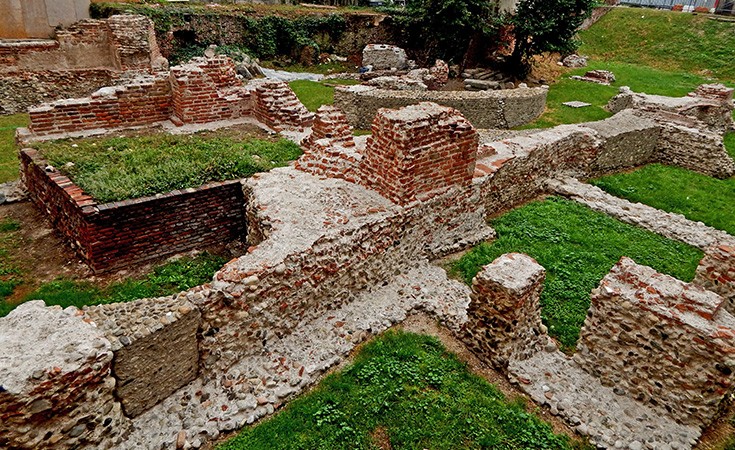
The imperial court transferred its seat to Milan, marking a significant shift in political power within the region. This relocation allowed closer control over norther...
Explore event →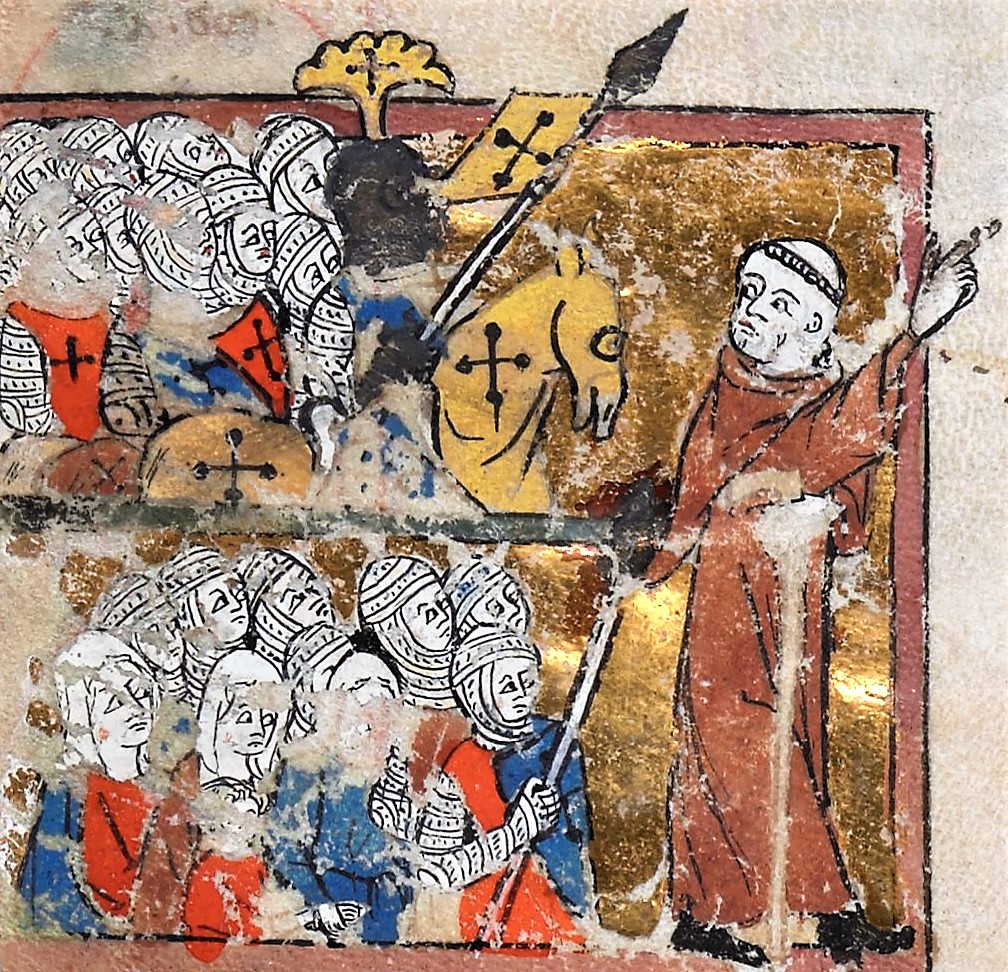
Origins And Objectives Of The Crusades The Crusades were a series of military campaigns initiated between 1095 and 1291, primarily aimed at capturing or def...
Explore event →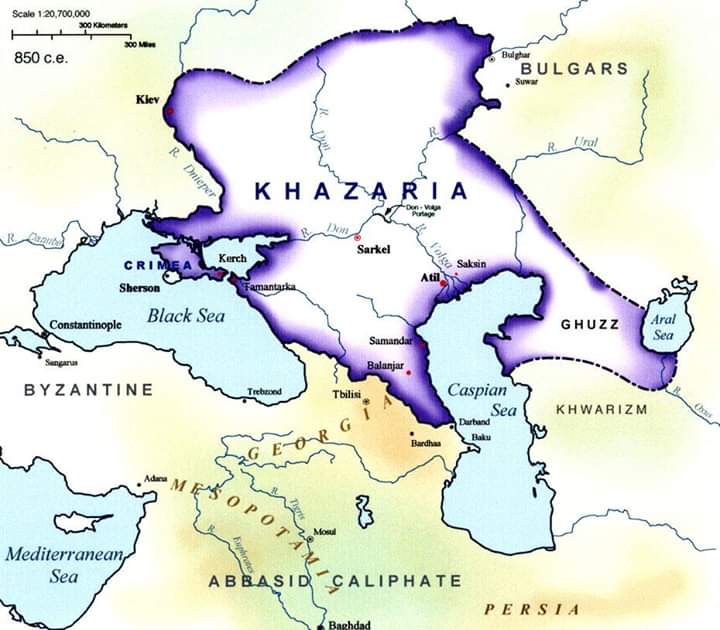
The Khazarian Empire: History, Territory, and Conversion to Judaism The Khazar Empire was a Turkic polity that emerged in the mid-seventh century and became...
Explore event →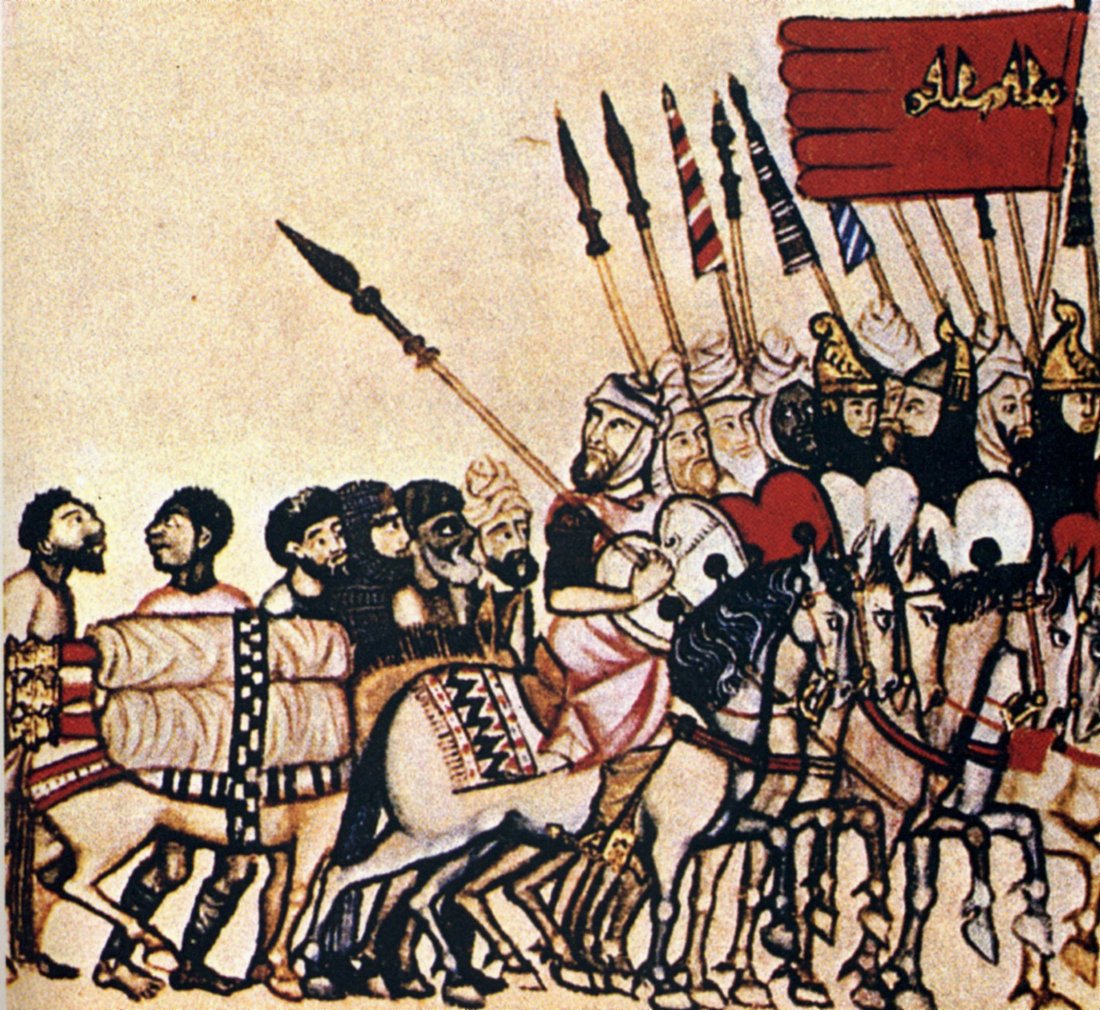
Moorish Invasion Of The Iberian Peninsula On April 30, 711, Umayyad forces led by the Berber commander Tariq ibn Ziyad crossed the Strait of Gibraltar from ...
Explore event →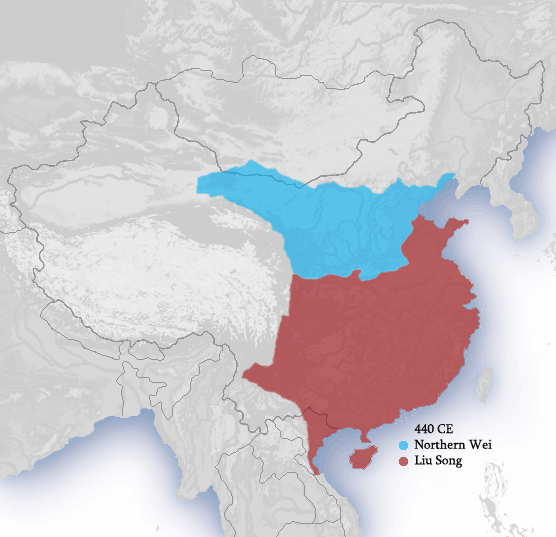
The Chen dynasty, ruling southern China, sought to stabilize its domain amid persistent threats from northern dynasties. Efforts to fortify its borders and consolidate...
Explore event →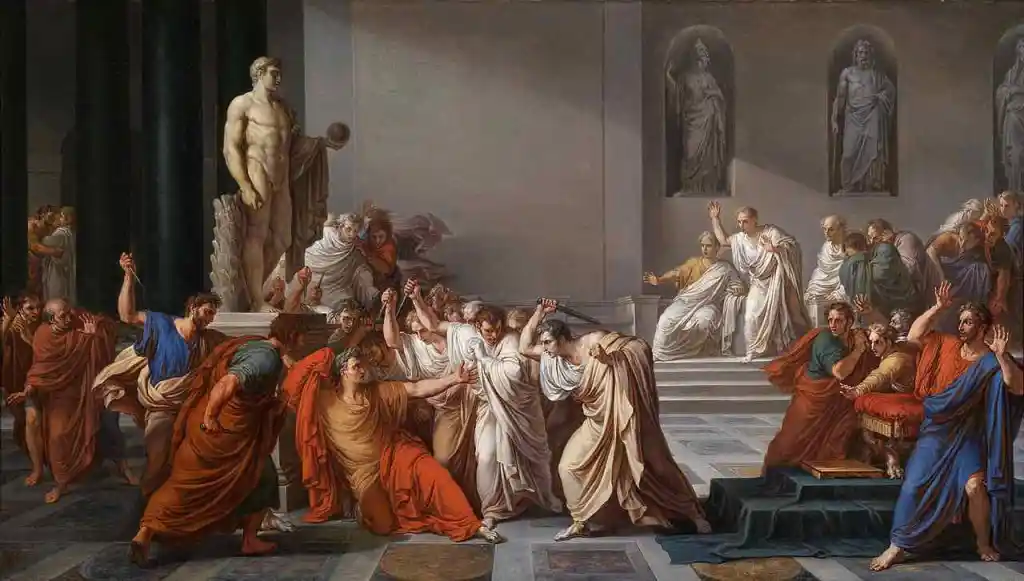
Jerome, a prominent Byzantine official during the Gothic War, was assassinated in the Imperial Palace at Ravenna. His death marked a significant turning point in the c...
Explore event →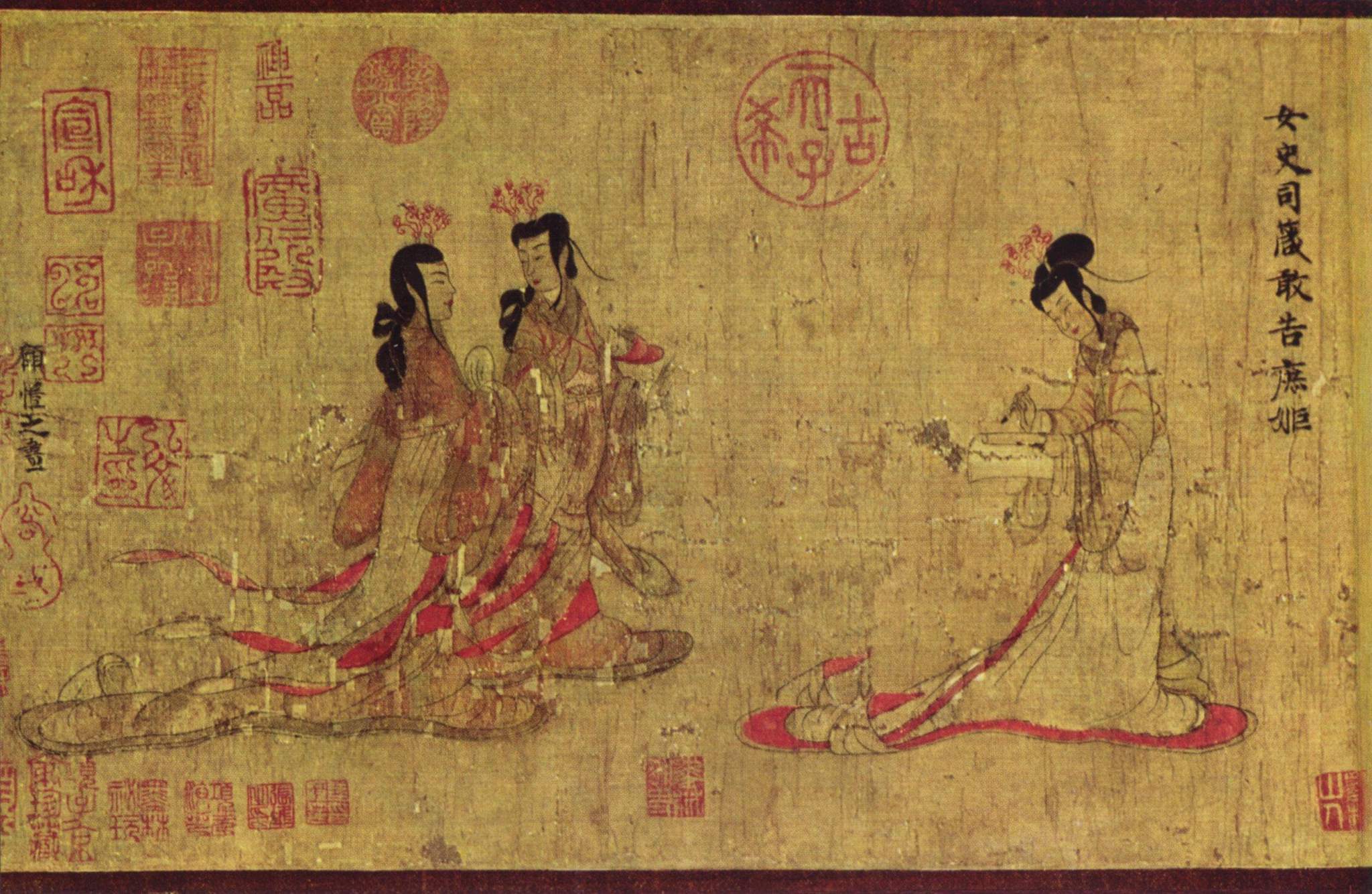
The Jin dynasty court experienced severe internal divisions fueled by rival factions vying for control after a series of military defeats. These conflicts weakened cen...
Explore event →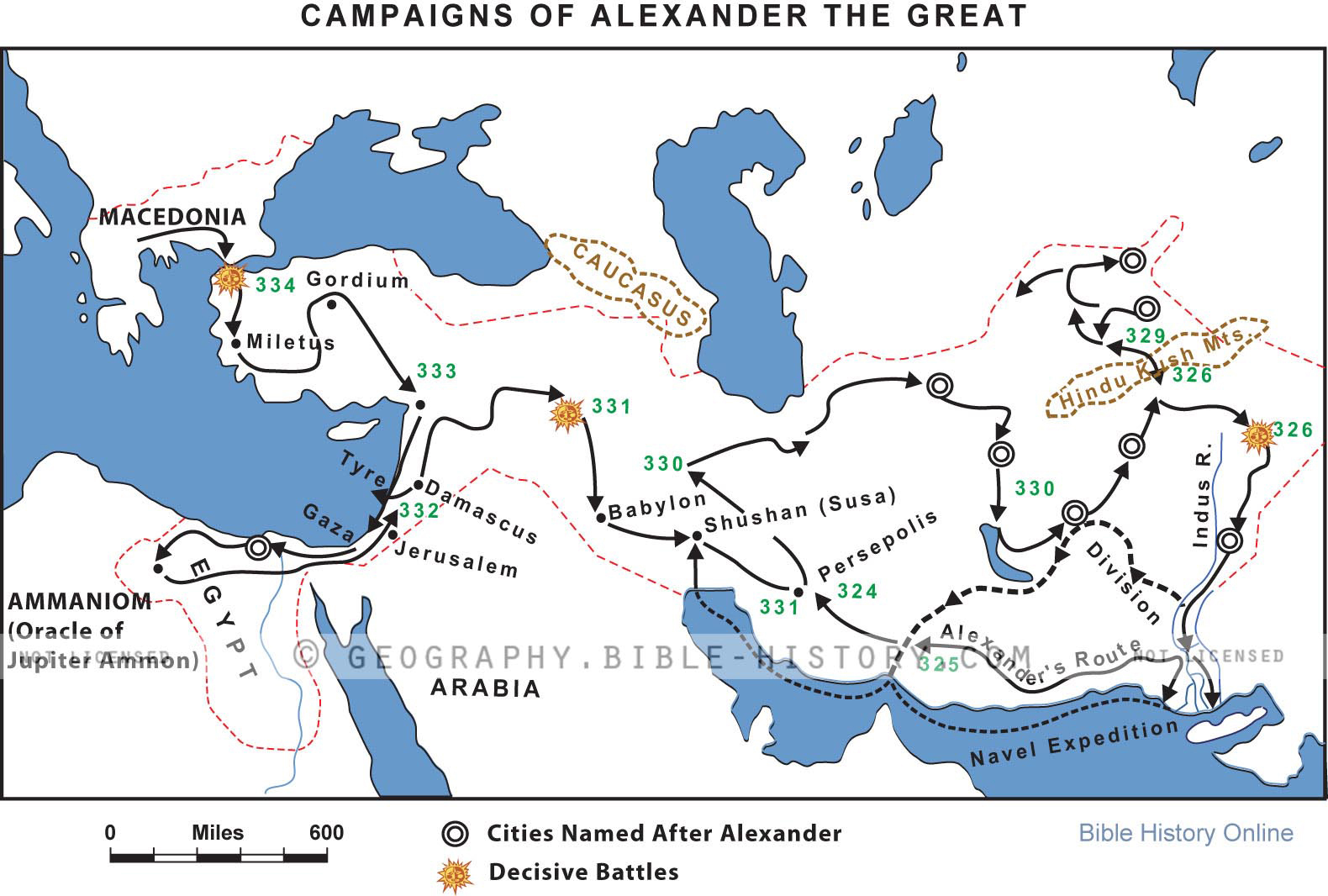
Alexander the Great Travels Through Palestine In October 332 B.C., during his campaign against the Persian Empire, Alexander III of Macedon, commonly known as Alexand...
Explore event →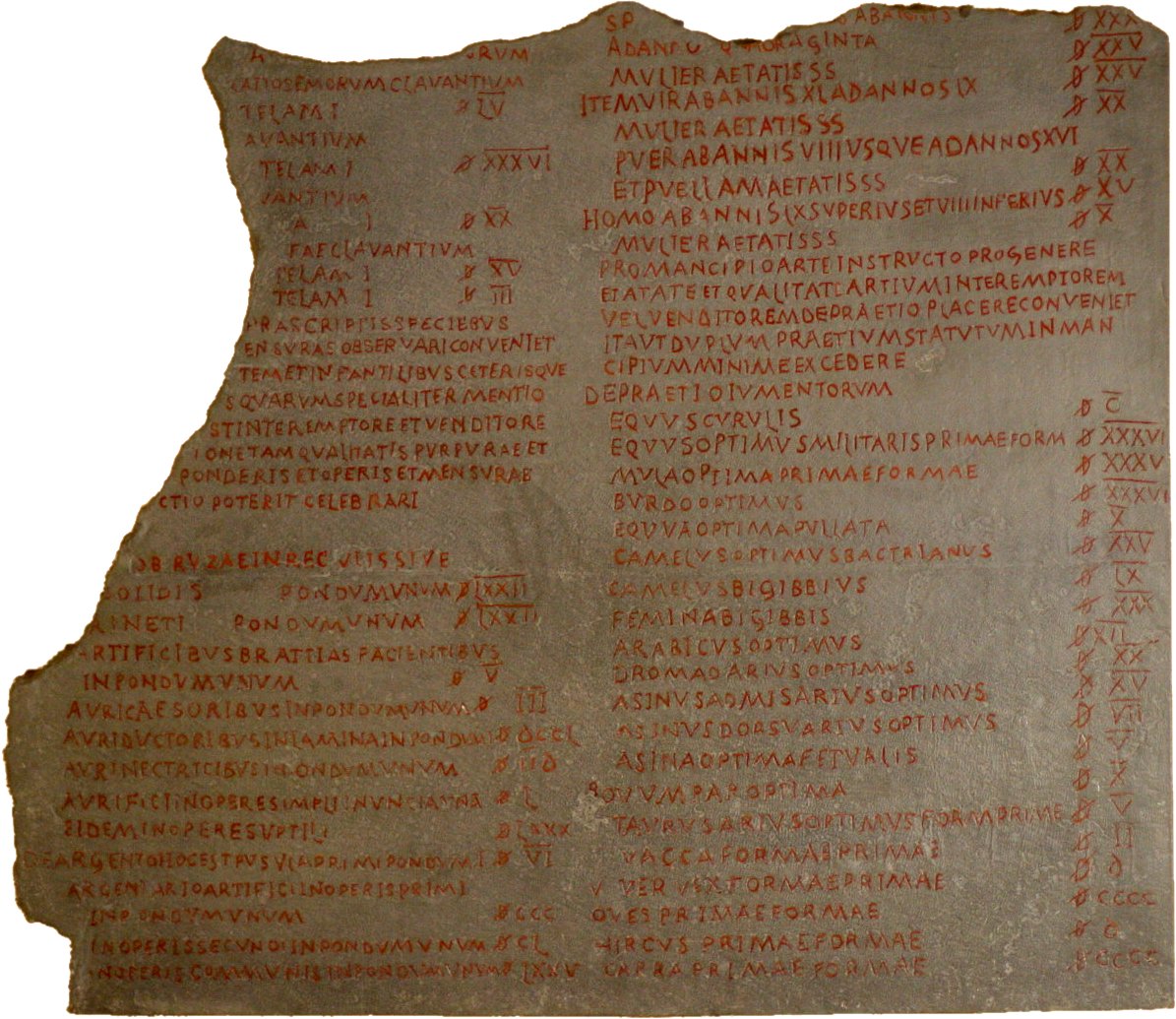
The Edict on Maximum Prices was promulgated under Emperor Diocletian in an effort to curb rampant inflation throughout the Roman Empire. The edict set maximum prices f...
Explore event →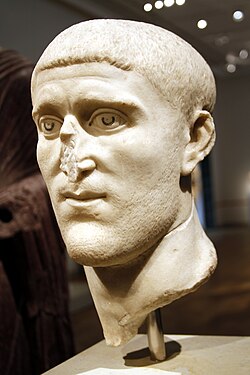
Constantius Chlorus was appointed Caesar by Emperor Diocletian as part of the Tetrarchy system to stabilize and govern the Roman Empire more effectively. This appointm...
Explore event →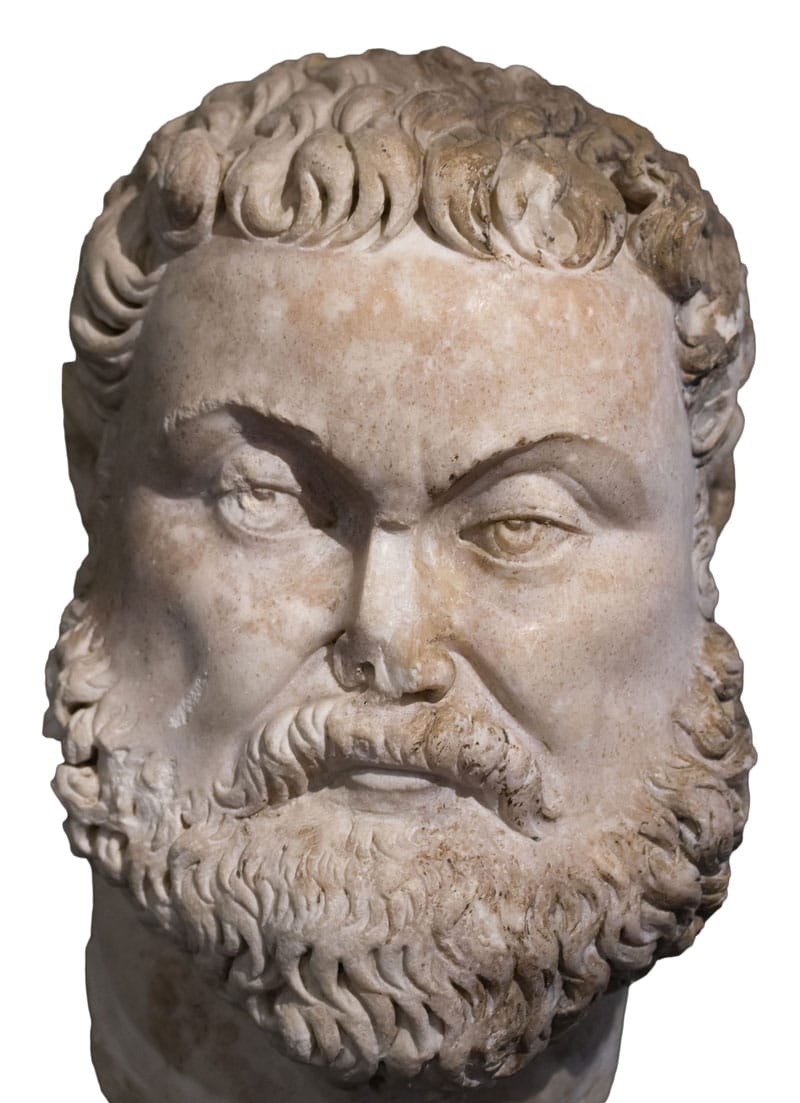
In April, the Roman Emperor Diocletian appointed Maximian as Augustus, elevating him to co-emperor status to help manage the vast Roman Empire. This move was part of a...
Explore event →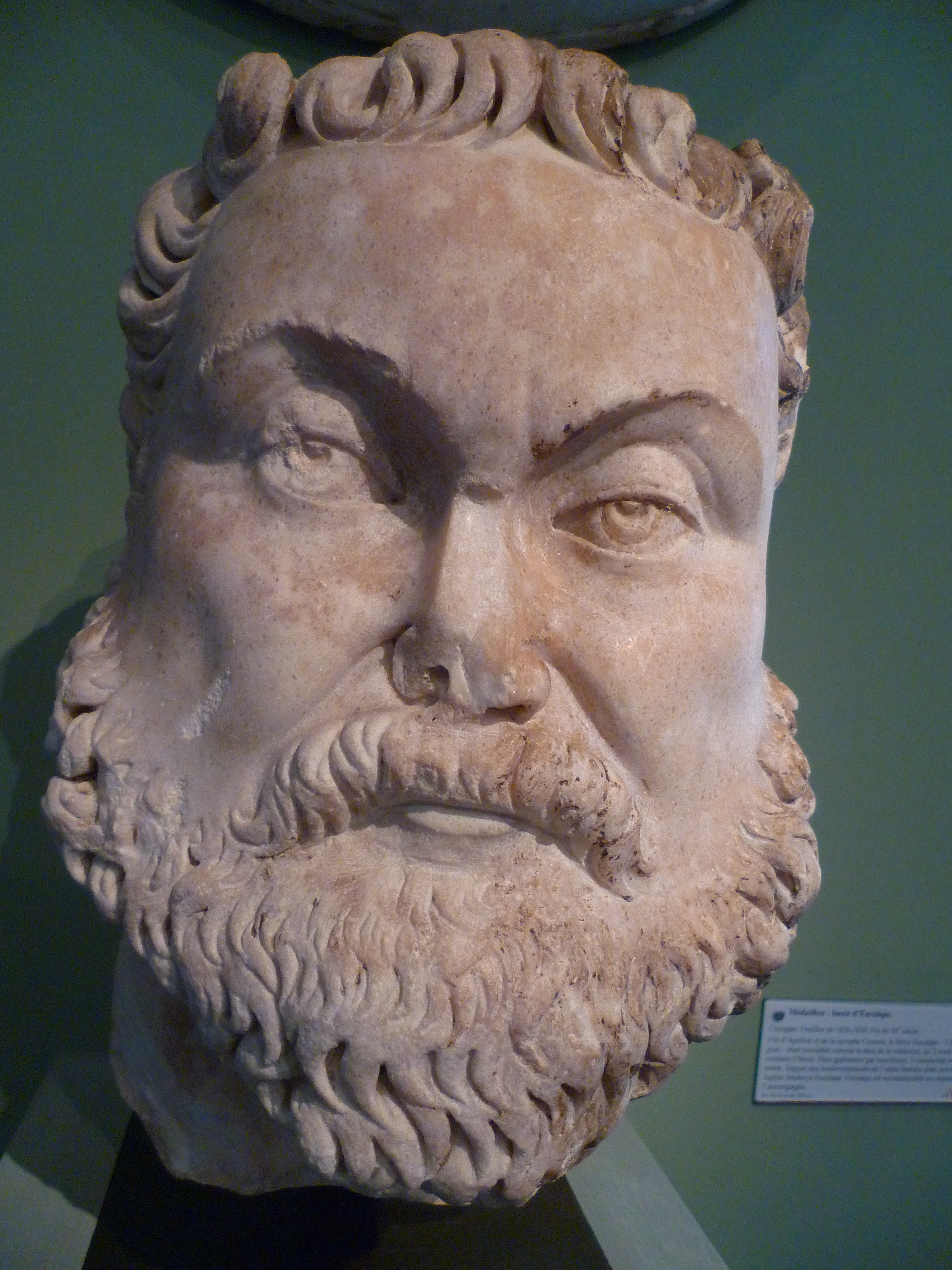
In April 286, the Roman Emperor Diocletian appointed Maximian as Caesar, marking a significant development in imperial governance. This act was meant to strengthen the...
Explore event →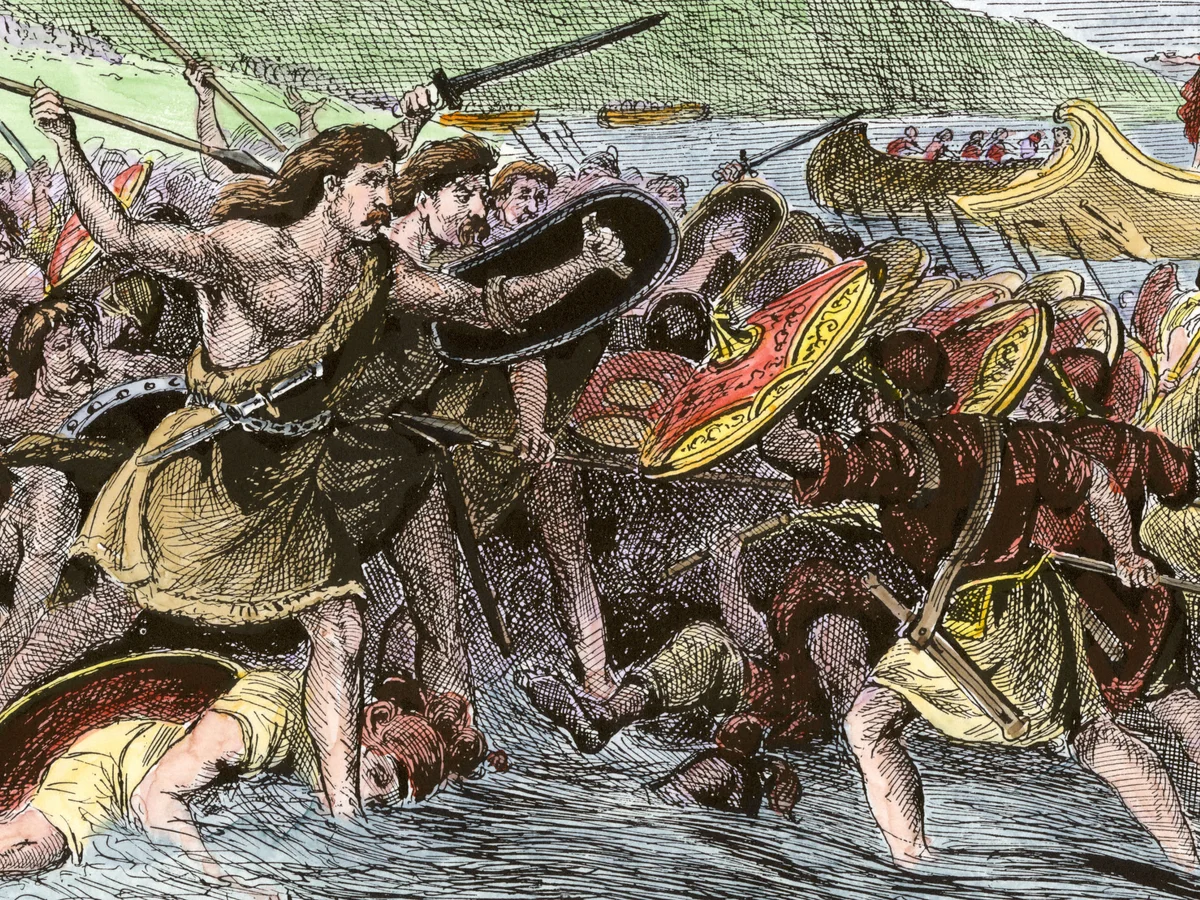
Carausius, a Roman naval commander, declared himself emperor in Britain and northern Gaul after seizing power around 286 CE. His revolt challenged the authority of the...
Explore event →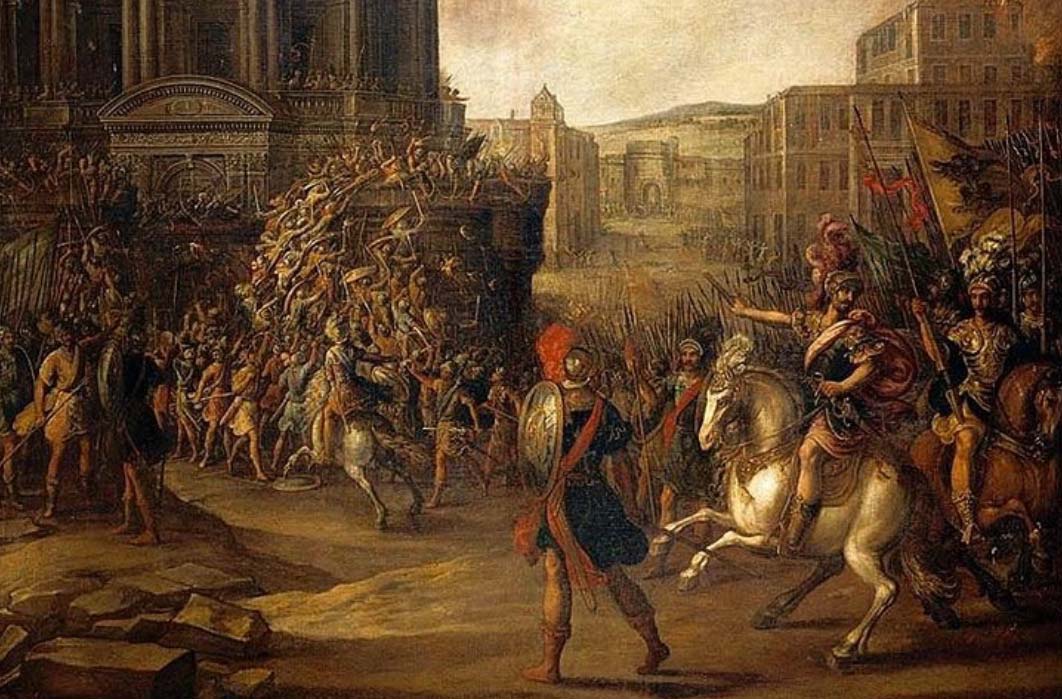
The Battle of the Margus was a significant confrontation between Emperor Carinus and his rival, Diocletian, near the Margus River in the Roman province of Moesia Super...
Explore event →
Untitled1990s–present — The collapse of communist controls produces large migration flows toward Italy, Greece, Germany, the United States and elsewhere. Emigration be...
Explore research
26 March 1979 — Egypt and Israel sign a formal peace treaty in Washington. Israel agrees to withdraw from Sinai, which is gradually returned to Egyptian control. Egypt...
Explore research
1958–1961 — Egypt and Syria unite as the United Arab Republic under Nasser. The union represents the high point of pan-Arab political enthusiasm. Syrian dissatisfactio...
Explore research
29 November 1944 — German forces have withdrawn and the communist-led National Liberation Movement controls the country. Rival political organizations are rapidly excl...
Explore research
7 April 1939 — Italian forces invade Albania after King Zog rejects Mussolini's demands for greater Italian control. Zog flees the country and Albania is incorporated ...
Explore research
28 February 1922 — Britain formally ends its protectorate and recognizes Egypt as an independent sovereign state. Important issues remain under British control, includ...
Explore research
1916–1918 — Governments expand control over labor, food, transportation, prices and industrial production. Women enter many sectors previously dominated by men. Coloni...
Explore research
1914–1919 — The Royal Navy progressively restricts German access to food, fertilizer, metals, chemicals and overseas trade. Neutral shipping is increasingly subjected ...
Explore research
1914–1919 wartime role — Britain's navy protects imperial shipping routes, contains the German High Seas Fleet and implements the maritime blockade of the Central Powe...
Explore research
1904–1914 — Britain has no automatic obligation to enter every Franco-German conflict, but strategic cooperation with France has grown while German naval expansion gen...
Explore research
1882 — British forces intervene during the Urabi Revolt and occupy Egypt. The country formally remains connected to the Ottoman Empire for decades, but British officia...
Explore research
1805–1848 CE — Muhammad Ali becomes Ottoman governor of Egypt but builds a virtually hereditary state under his family's control. He creates a new army, expands state ...
Explore research
1788–1822 — Ali Pasha controls Ioannina and expands his authority across Epirus, southern Albania and surrounding regions. His court becomes a major political center w...
Explore research
1479 — After prolonged Ottoman pressure and a major siege, Venice agrees to surrender Shkodër to the Ottoman Empire. Ottoman control across most Albanian territories b...
Explore research
c. 1355–1444 — Families including the Thopia, Muzaka, Balsha, Dukagjini and Kastrioti control competing territories. Albania is politically fragmented rather than unif...
Explore research
1250–1517 CE — Military elites known as Mamluks seize political control and establish a powerful sultanate centered on Cairo. They defeat Mongol forces at Ain Jalut an...
Explore research
639–642 CE — Forces commanded by Amr ibn al-As invade Byzantine Egypt during the early Islamic conquests. Byzantine resistance collapses gradually, and Alexandria even...
Explore research
c. 550–650 CE — Slavic-speaking groups settle widely across the Balkans during a period of weakened Byzantine frontier control. Settlement patterns, languages and poli...
Explore research
c. 146–120 BCE — Roman engineers develop the Via Egnatia from the Adriatic coast through Macedonia toward Byzantium. Dyrrachium becomes one of the principal western ga...
Explore research
Untitledc. 747–656 BCE — Kings from the Nubian kingdom of Kush expand north and eventually control Egypt as the Twenty-Fifth Dynasty. They deliberately present themsel...
Explore research
c. 1070 BCE — Central royal authority weakens while powerful priestly institutions and regional rulers gain influence. Egypt loses much of its empire in the Levant and...
Explore research
c. 1650–1550 BCE — A dynasty of rulers of largely western Asian origin controls much of northern Egypt from Avaris in the Nile Delta. Egyptian sources later portray th...
Explore research
c. 2686–2181 BCE — The Old Kingdom becomes the classic age of pyramid construction and highly centralized kingship. The royal court controls extensive agricultural res...
Explore research
c. 3100–2686 BCE — The first dynasties strengthen royal authority and expand administrative control across Egypt. Royal tombs become increasingly elaborate, especially...
Explore research