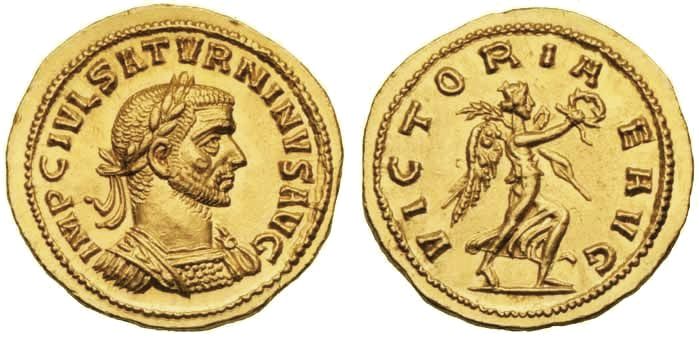
Saturninus Revolt Against Emperor Probus
The revolt led by Lucius Antonius Saturninus was an important military uprising against Emperor Probus within the Roman Empire. It began in Moesia Superior, where Satu...
Explore event →History does not happen in isolation. Explore world events across time, follow the connections between them, and investigate the threads that reveal how one event can lead to another.
TheTimeMap currently follows events across 95 countries and 268 years of history — building a connected archive designed for people who want to look beyond the headline.
We oppose antisemitism, racism, and dehumanization — everywhere.
When people stop feeling, injustice becomes easy.
The revolt led by Lucius Antonius Saturninus was an important military uprising against Emperor Probus within the Roman Empire. It began in Moesia Superior, where Satu...
Explore event →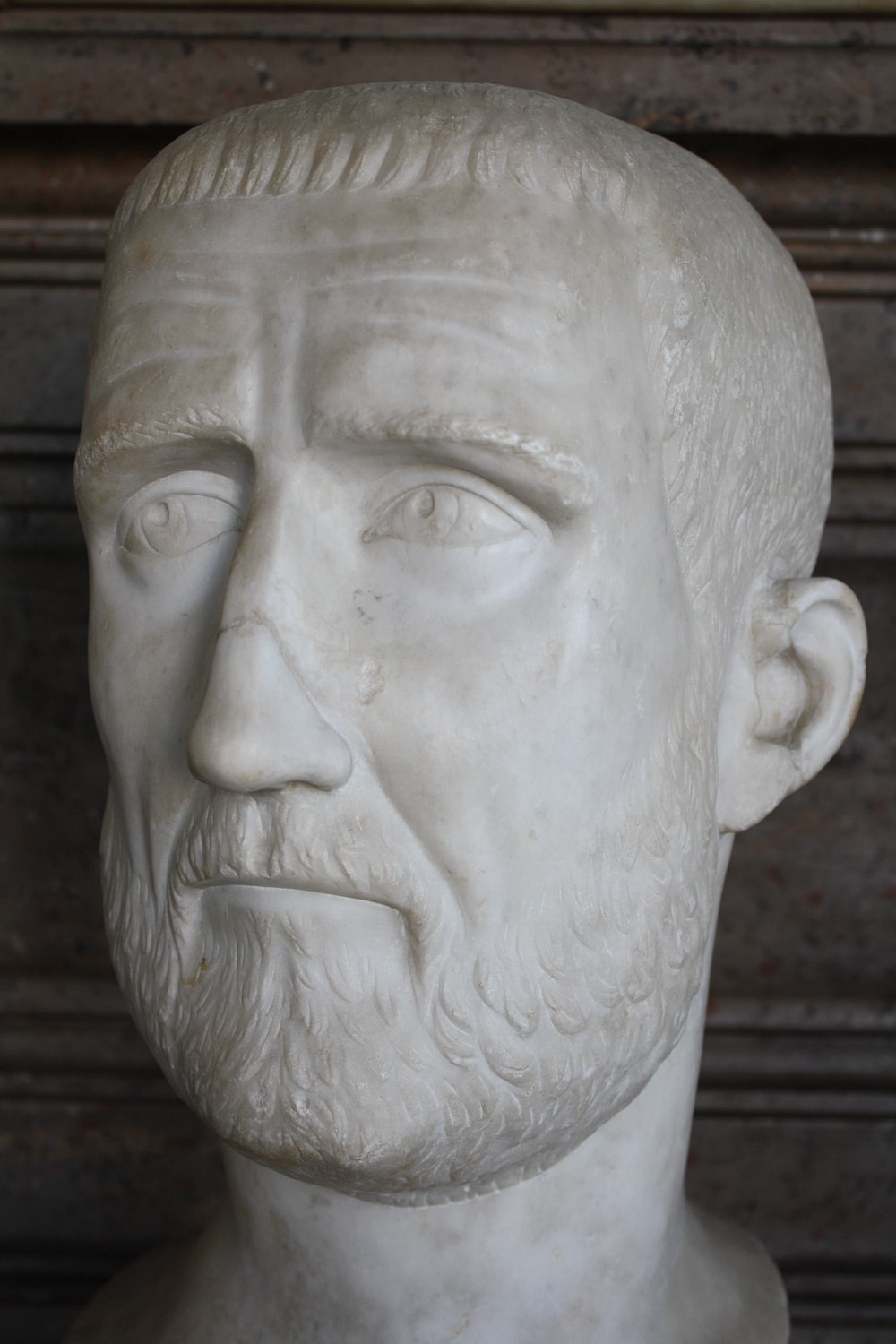
Marcus Aurelius Probus was proclaimed Roman Emperor by his troops in September 276 after the death of Emperor Florianus. His accession marked a period of efforts to re...
Explore event →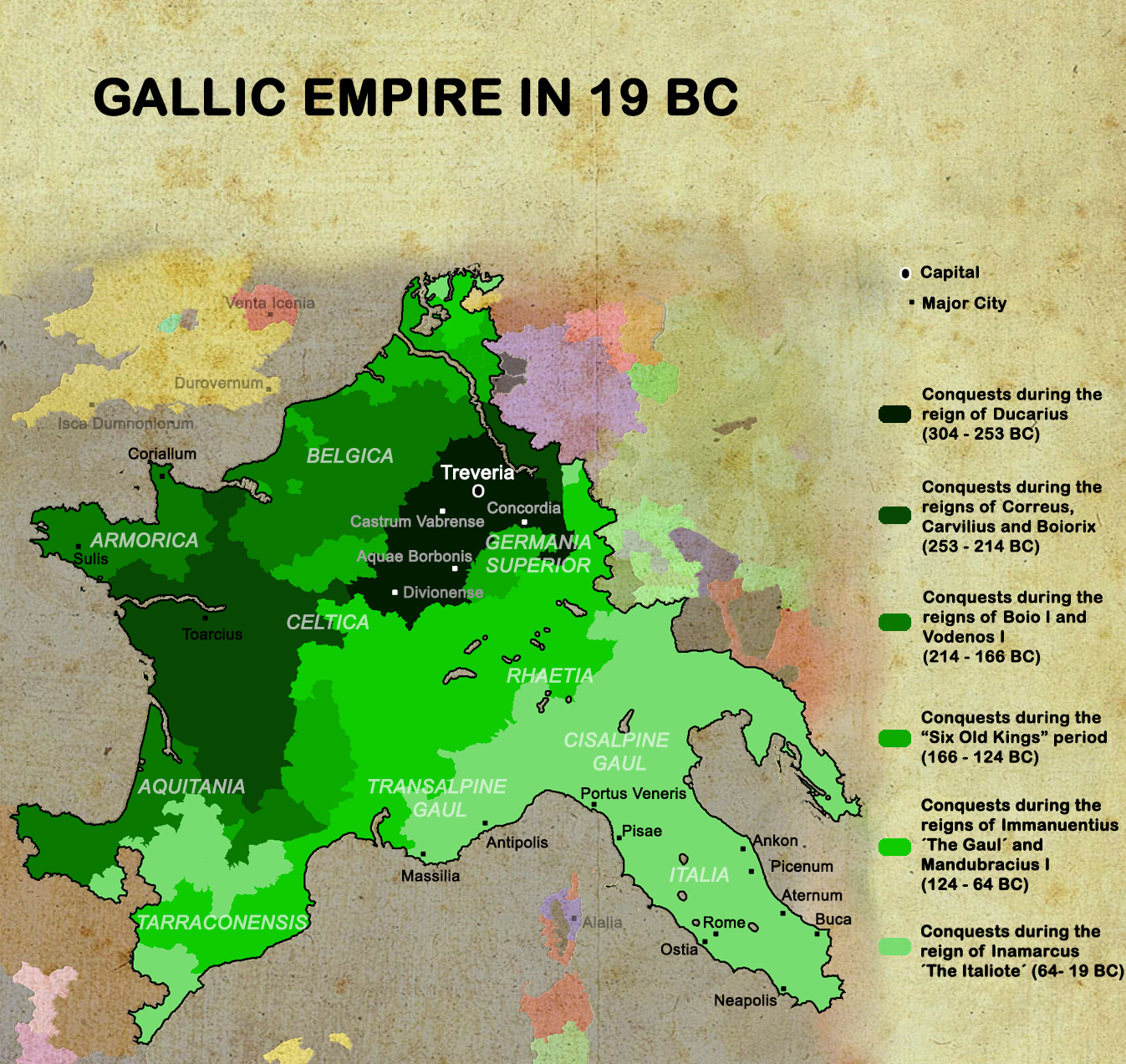
Postumus, a Roman commander, declared himself emperor of a breakaway realm in the western provinces known as the Gallic Empire. This realm comprised Gaul, Germania, Br...
Explore event →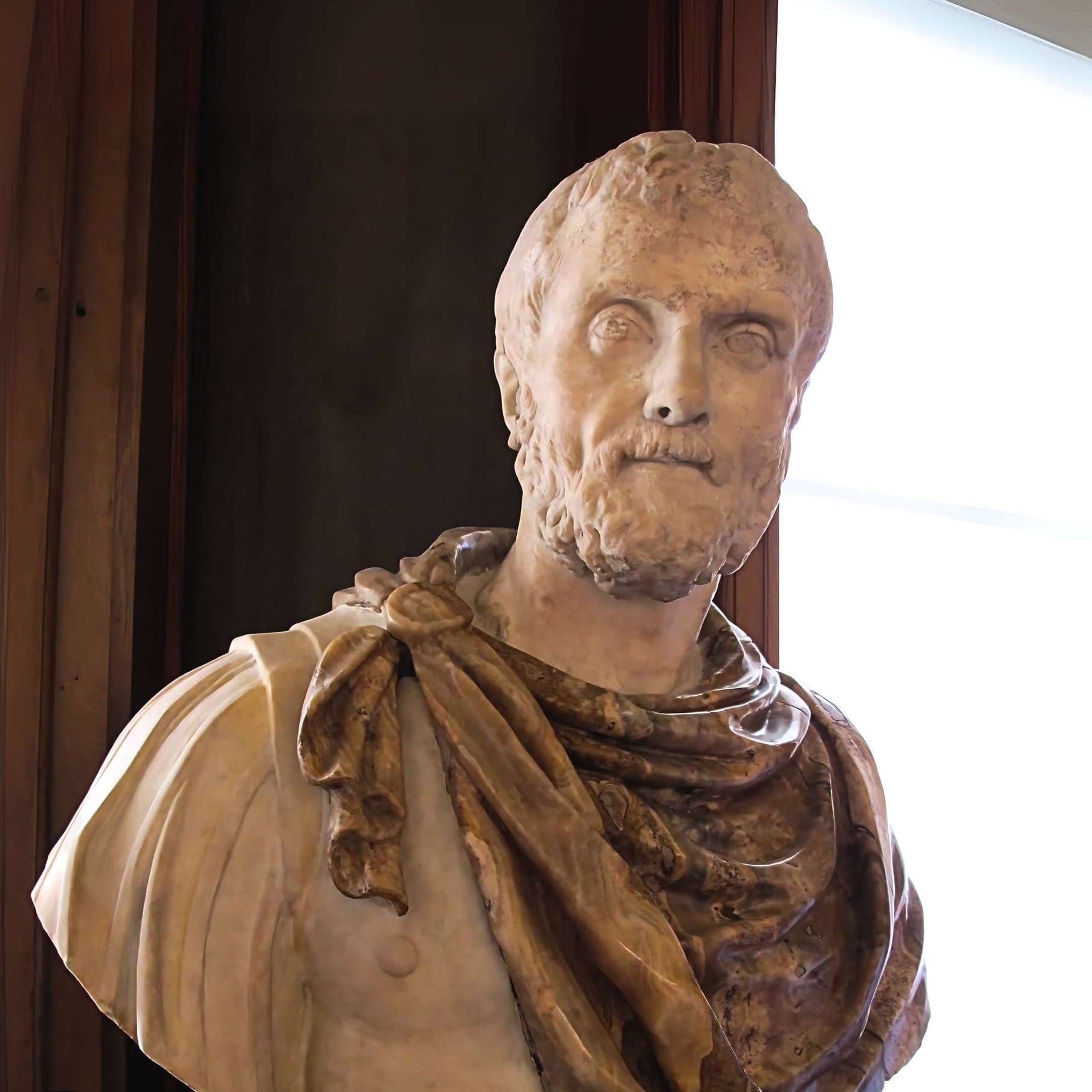
Following the assassination of Emperor Caracalla, Macrinus, then the commander of the Praetorian Guard, declared himself emperor. His accession marked the first time a...
Explore event →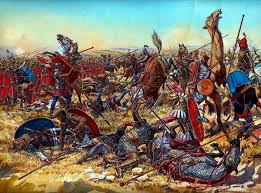
The Roman forces under the command of Lucius Verus launched a major campaign against the Parthian Empire, culminating in the capture of their capital city, Ctesiphon. ...
Explore event →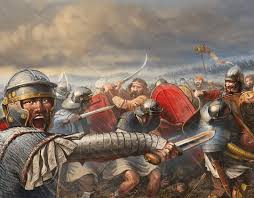
The First Battle of Tapae was a significant conflict between the Roman Empire and the Dacians. It took place at the mountain pass of Tapae, the gateway to the Dacian h...
Explore event →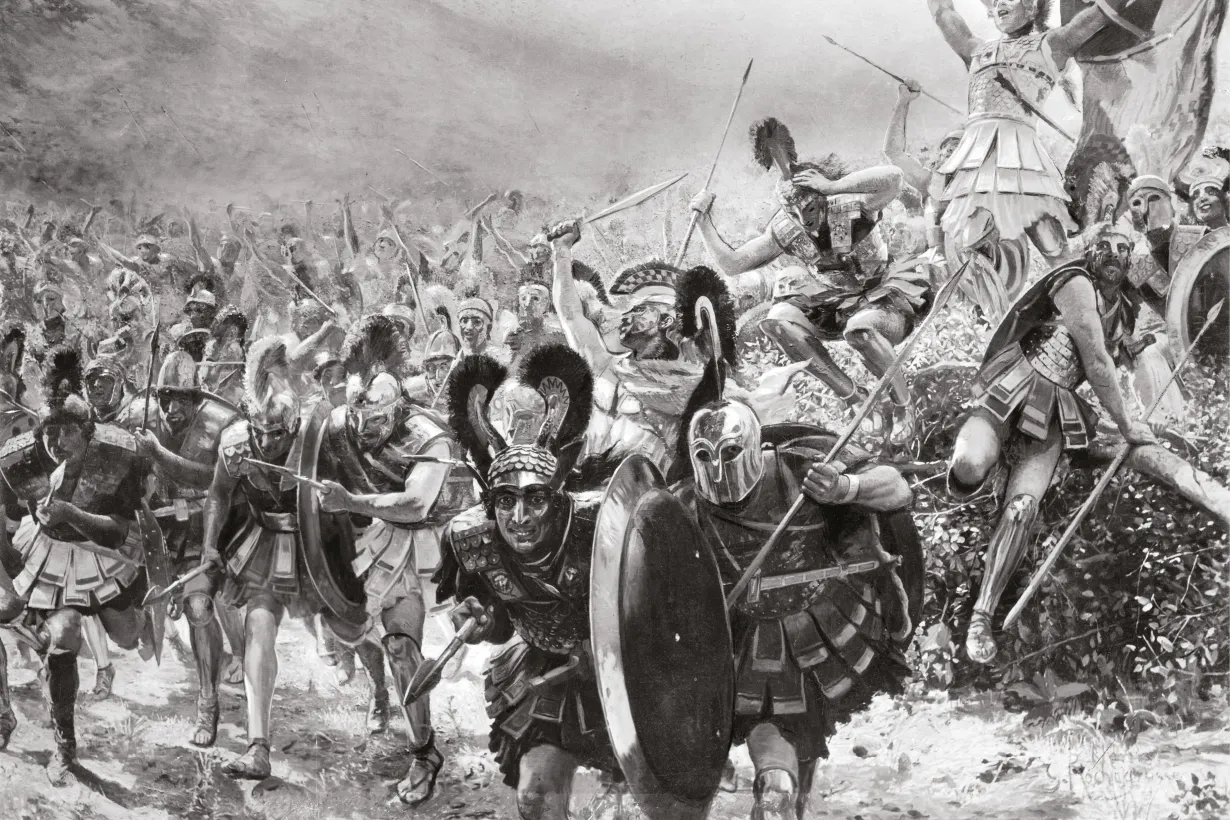
The Battle of Ikh Bayan was a critical conflict between the Mongol Empire and the allied forces of the Southern Song dynasty and their allies. Fought in mid-July, the ...
Explore event →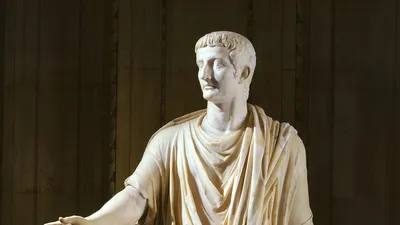
Following the death of Augustus, Tiberius was officially declared emperor by the Roman Senate, marking the beginning of his reign. This accession consolidated the Juli...
Explore event →
18 June 1953 — The monarchy is formally abolished and Egypt is declared a republic. Muhammad Naguib becomes the first president, but power increasingly shifts toward G...
Explore research
8 August 1918 — Allied armies attack near Amiens and begin the sustained offensive sequence known as the Hundred Days. Improved coordination of artillery, infantry, ta...
Explore research
Late 1917–March 1918 — The collapse of Russian resistance allows Germany to move divisions from the Eastern Front toward France and Belgium. German commanders understa...
Explore research
August 1916–October 1918 — Paul von Hindenburg and Erich Ludendorff become the dominant figures in Germany's Supreme Army Command. Their influence extends far beyond b...
Explore research
1915–1917 — Commanders increasingly seek to exhaust enemy manpower, artillery and industrial capacity faster than their own side is depleted. Verdun and the Somme beco...
Explore research
Albanian noble and military commander who led a prolonged resistance against Ottoman expansion.
Explore research
639–642 CE — Forces commanded by Amr ibn al-As invade Byzantine Egypt during the early Islamic conquests. Byzantine resistance collapses gradually, and Alexandria even...
Explore research
c. 2686–2181 BCE — The Old Kingdom becomes the classic age of pyramid construction and highly centralized kingship. The royal court controls extensive agricultural res...
Explore research
30 January 1933–30 April 1945 — Hitler rules Germany as dictator and becomes the central political authority behind Nazi expansion, racial policy and the decision to l...
Explore research
30 January 1933–30 April 1945 — Hitler rules Germany as dictator and becomes the central political authority behind Nazi expansion, racial policy and the decision to l...
Explore research
30 January 1933–30 April 1945 — Hitler rules Germany as dictator and becomes the central political authority behind Nazi expansion, racial policy and the decision to l...
Explore research
19 November 1942 — Vasilevsky plays a central role in Soviet strategic planning for Operation Uranus and later major offensives. His work illustrates the increasingly ...
Explore research
27 May 1942 — American commanders possess increasingly strong intelligence that Japan intends to attack Midway. Cryptanalysts working against Japanese naval codes help...
Explore research
26 August 1914 — German forces under Paul von Hindenburg and Erich Ludendorff begin the decisive phase of the Battle of Tannenberg against Russia's Second Army in East...
Explore research
10 July 1940 — Britain's defense during the Battle of Britain relies on more than fighter aircraft alone. Chain Home radar stations, ground observers, telephone commun...
Explore research
6 June 1941 — The German High Command issues the Commissar Order before the invasion. Political commissars captured with Soviet forces are to be separated and killed r...
Explore research
1942–1945 senior Allied command — Eisenhower rises rapidly to become the principal American commander responsible for coalition operations in North Africa, the Mediter...
Explore research
1914–1916 as German Chief of General Staff — Falkenhayn takes command after the failure of Germany's initial western offensive. He increasingly concludes that Germany ...
Explore research
24 November 1942 — Manstein receives command of Army Group Don during the Stalingrad crisis. He attempts to organize relief of the Sixth Army and later conducts the su...
Explore research
March–November 1918 as Allied supreme commander — French General Ferdinand Foch receives increasingly broad authority to coordinate Allied armies during Germany's fina...
Explore research
23 August 1942 — Paulus commands the German Sixth Army during the Battle of Stalingrad. After encirclement he obeys Hitler's order to remain in place. Hitler promotes ...
Explore research
18 January 1943 — Zhukov is promoted to Marshal of the Soviet Union after playing central roles in the defense of Moscow and the planning environment around Stalingrad...
Explore research
18 January 1943 — Zhukov is promoted to Marshal of the Soviet Union after playing central roles in the defense of Moscow and the planning environment around Stalingrad...
Explore research
29 September 1918 — Germany's Supreme Army Command concludes that the military situation has become unsustainable and urges political leaders to seek an armistice. The...
Explore research