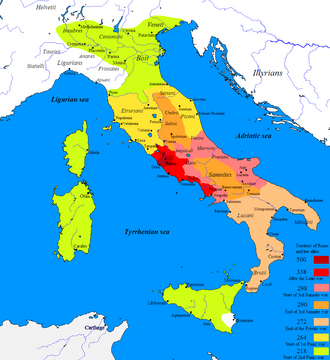
Extension of Roman Citizenship
The Constitutio Antoniniana was an edict issued by Emperor Caracalla that granted Roman citizenship to nearly all free inhabitants of the Roman Empire. This decree mar...
Explore event →History does not happen in isolation. Explore world events across time, follow the connections between them, and investigate the threads that reveal how one event can lead to another.
TheTimeMap currently follows events across 95 countries and 268 years of history — building a connected archive designed for people who want to look beyond the headline.
We oppose antisemitism, racism, and dehumanization — everywhere.
When people stop feeling, injustice becomes easy.
The Constitutio Antoniniana was an edict issued by Emperor Caracalla that granted Roman citizenship to nearly all free inhabitants of the Roman Empire. This decree mar...
Explore event →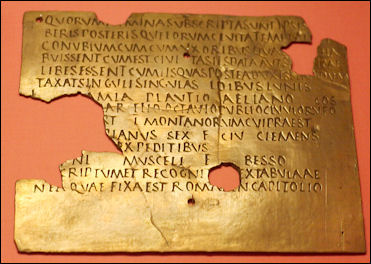
The Constitutio Antoniniana was an edict issued by Emperor Caracalla granting Roman citizenship to all free inhabitants of the Roman Empire. This decree dramatically e...
Explore event →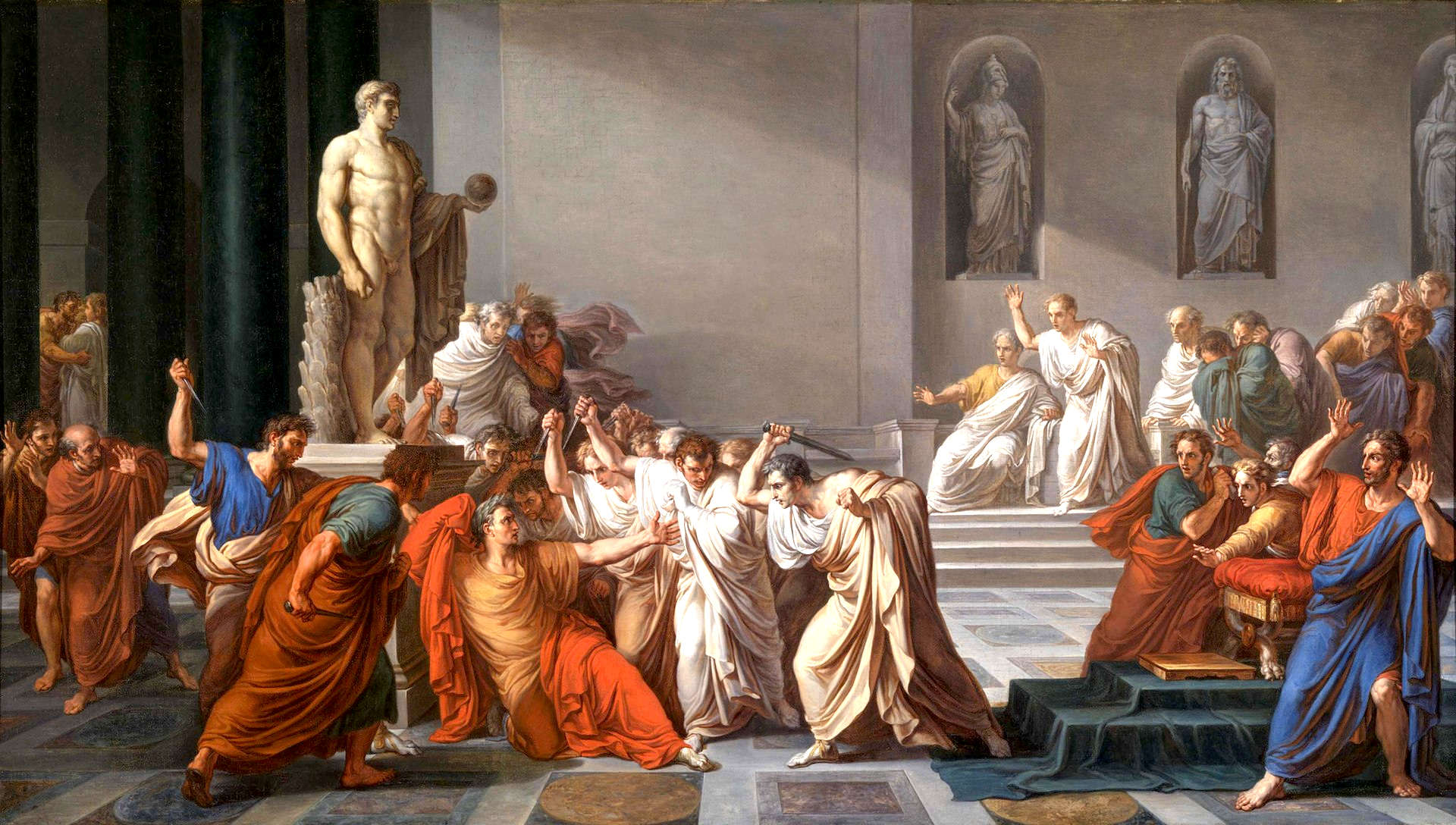
Following the death of Emperor Claudius, Nero Claudius Caesar Augustus Germanicus was declared Roman Emperor. His rise to power was orchestrated largely by his mother,...
Explore event →
1915–1917 — Battlefield losses, inflation, food distribution failures and political distrust progressively weaken the Russian state. Confidence in Nicholas II collapse...
Explore research
Political participation was limited mainly to adult male citizens; women, enslaved people and foreigners were excluded.
Explore research
Investigate participation, citizenship and exclusion instead of treating ancient democracy as identical to modern democracy.
Explore research
15 September 1935 — The Nazi regime adopts the Nuremberg Laws, stripping German Jews of full citizenship and prohibiting marriages and sexual relations defined as raci...
Explore research