
Saying “Christ Is King” Is Not Inherently Antisemitic
The phrase “Christ is King” is a religious statement in Christianity, referring to the belief that Jesus Christ is the spiritual ruler and savior. It is commonly used ...
Explore event →History does not happen in isolation. Explore world events across time, follow the connections between them, and investigate the threads that reveal how one event can lead to another.
TheTimeMap currently follows events across 95 countries and 268 years of history — building a connected archive designed for people who want to look beyond the headline.
We oppose antisemitism, racism, and dehumanization — everywhere.
When people stop feeling, injustice becomes easy.
The phrase “Christ is King” is a religious statement in Christianity, referring to the belief that Jesus Christ is the spiritual ruler and savior. It is commonly used ...
Explore event →
In December 2025, more than 1,000 evangelical Christian pastors and influencers from the United States made a coordinated visit to Israel, described by organizers as t...
Explore event →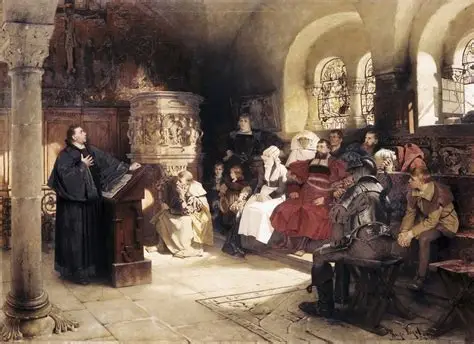
Martin Luther challenged Church practices by publishing his Ninety-Five Theses. The movement questioned papal authority and emphasized scripture and faith. This perm...
Explore event →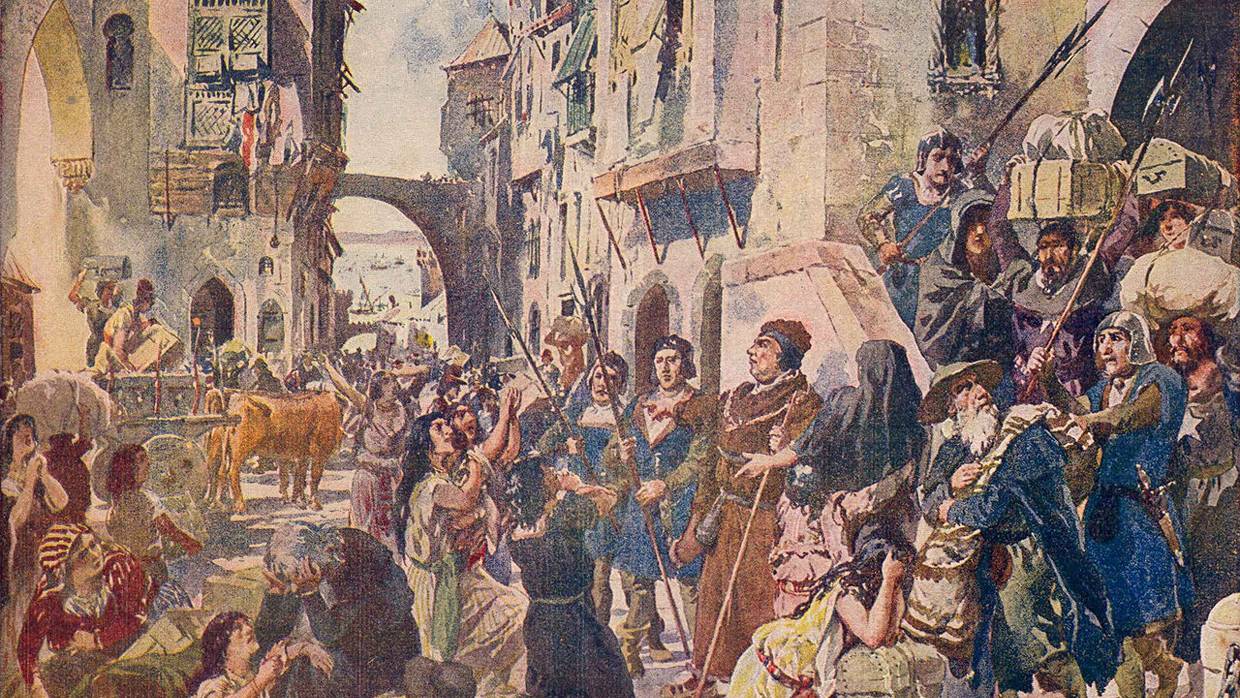
Expulsion of Jews from Portugal On December 5, 1497, King Manuel I of Portugal issued an edict requiring all Jews to either convert to Christianity or leave the kingd...
Explore event →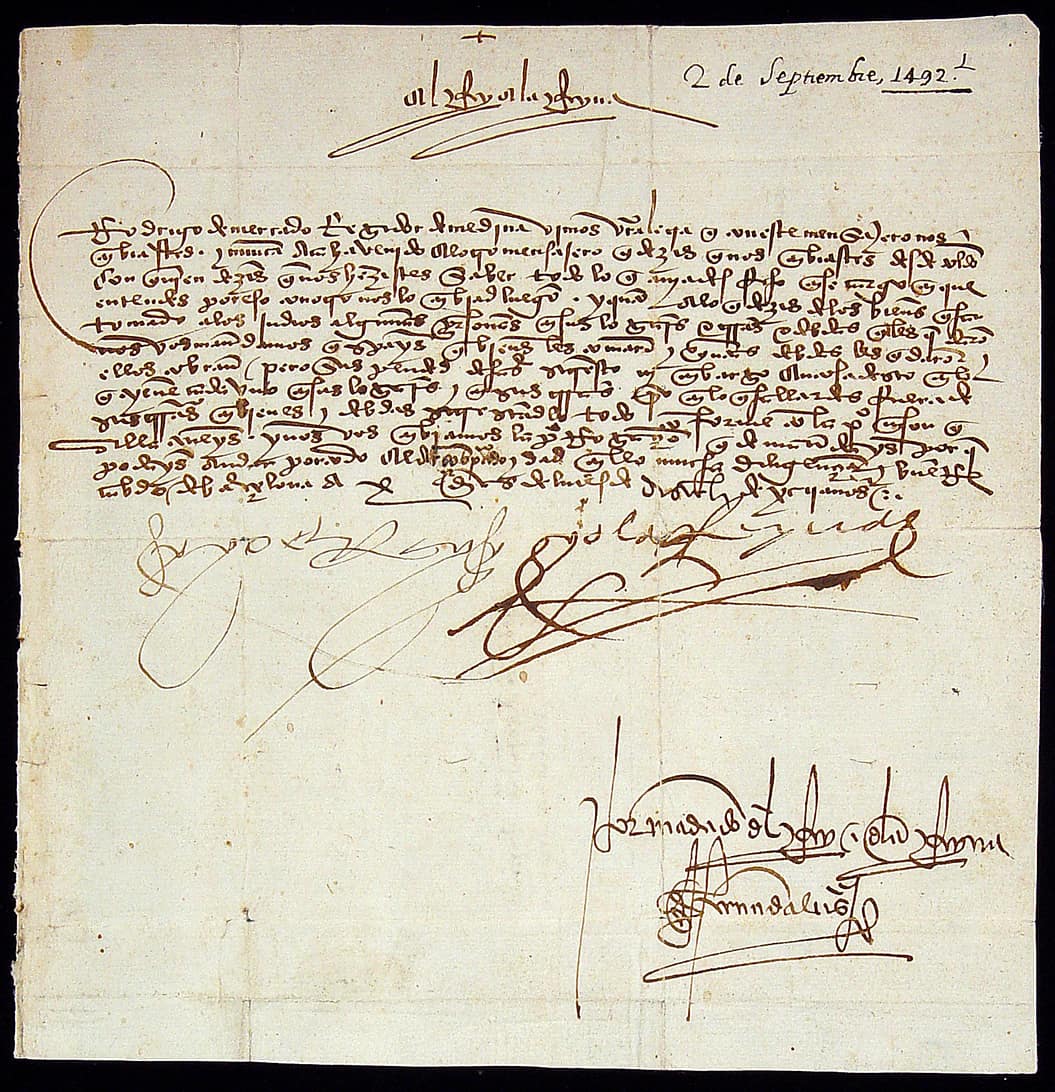
On March 31, 1492, the Catholic Monarchs of Spain, Isabella I of Castile and Ferdinand II of Aragon, issued the Alhambra Decree, ordering all Jews in Castile and Arago...
Explore event →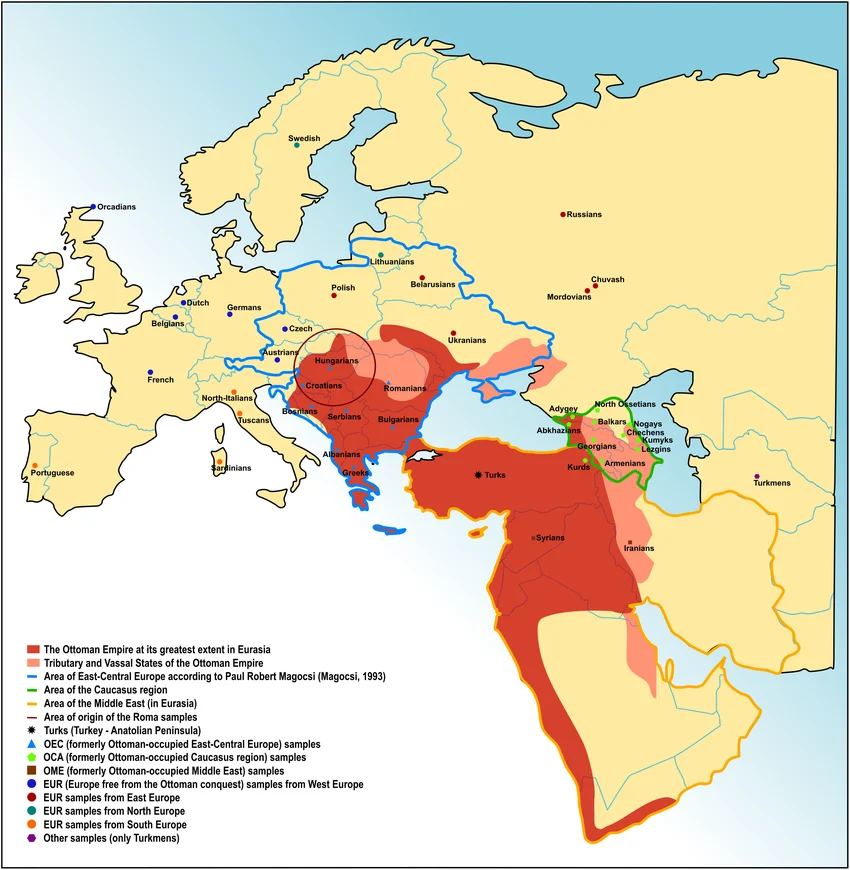
The Ottoman Empire expanded from a small Anatolian principality into one of the largest empires in history. Between the fourteenth and early twentieth centuries, Ottom...
Explore event →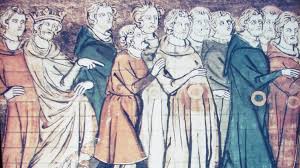
Expulsion of Jews from France On July 22, 1306, King Philip IV of France, also known as Philip the Fair, issued an edict expelling all Jews from the kingdom. The expu...
Explore event →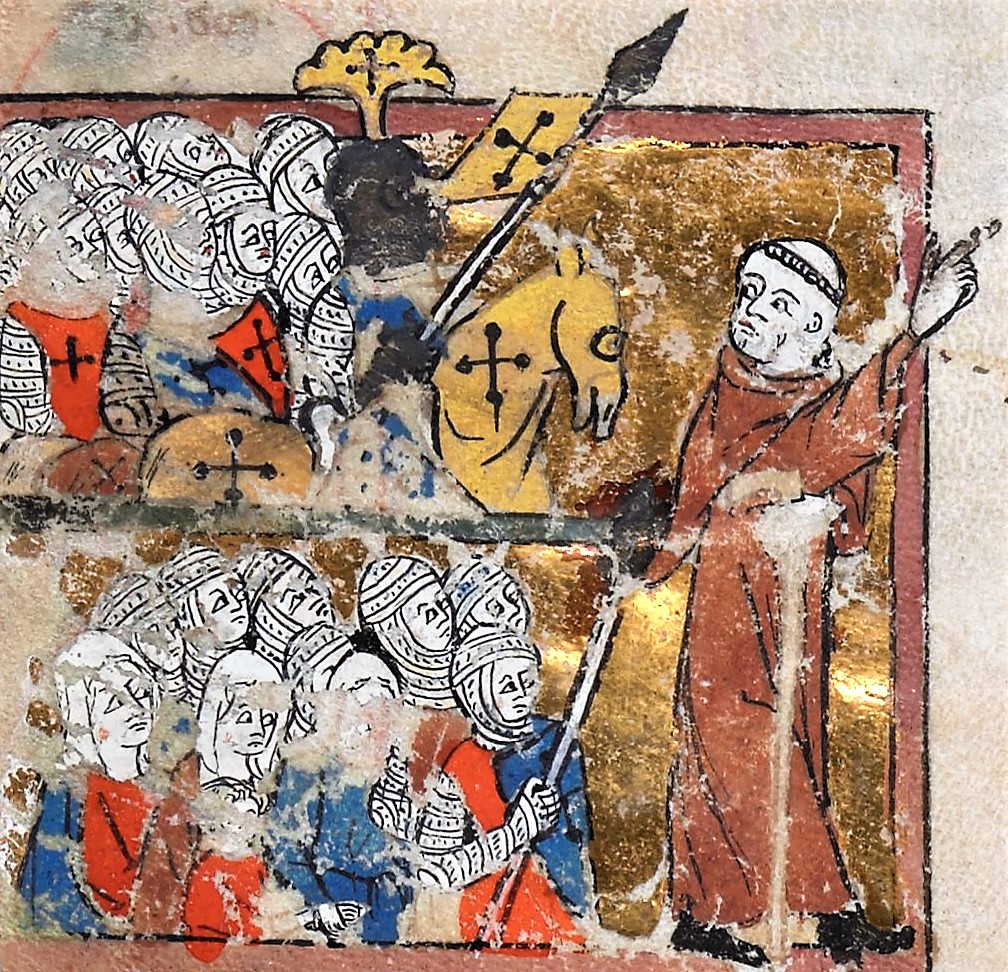
Origins And Objectives Of The Crusades The Crusades were a series of military campaigns initiated between 1095 and 1291, primarily aimed at capturing or def...
Explore event →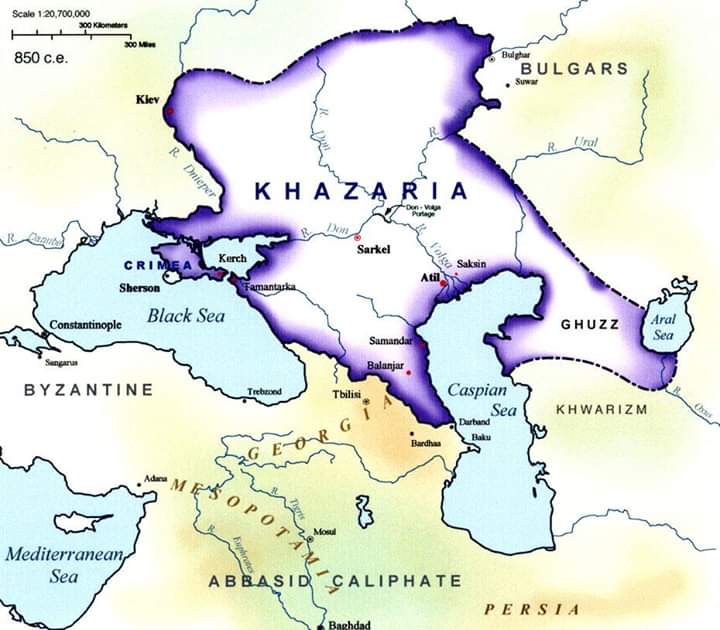
The Khazarian Empire: History, Territory, and Conversion to Judaism The Khazar Empire was a Turkic polity that emerged in the mid-seventh century and became...
Explore event →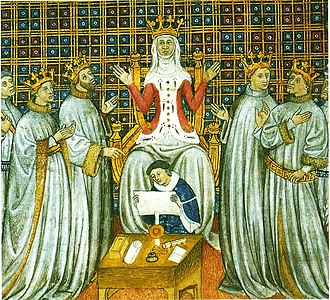
Clovis I, the first King of the Franks to unite all Frankish tribes under one ruler, died on November 27. His death marked a significant transition in early medieval E...
Explore event →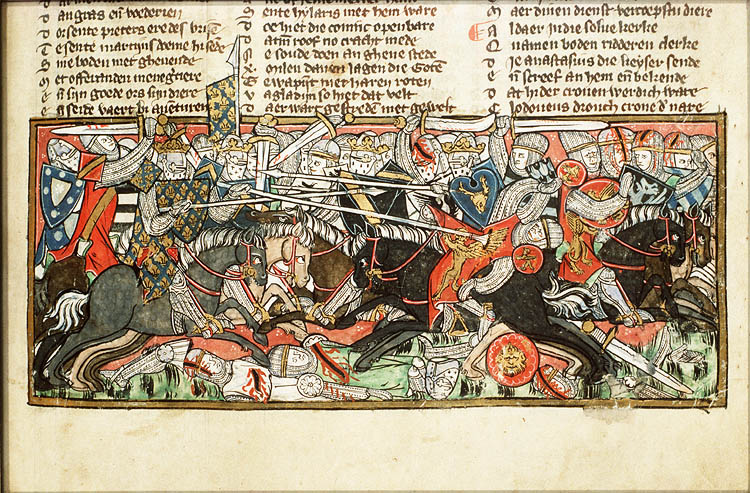
The Battle of Vouillé was fought between the Franks under Clovis I and the Visigoths led by Alaric II. This decisive battle occurred near Vouillé, resulting in a signi...
Explore event →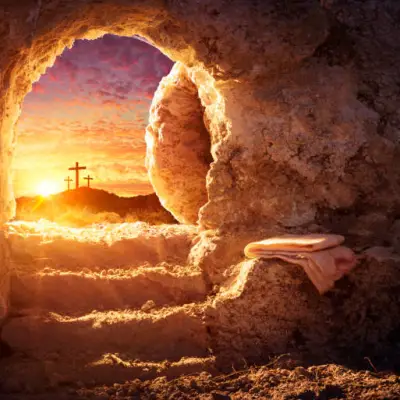
The resurrection of Jesus Christ marks a central event in Christian belief, symbolizing his victory over death. Following his crucifixion, accounts describe Jesus risi...
Explore event →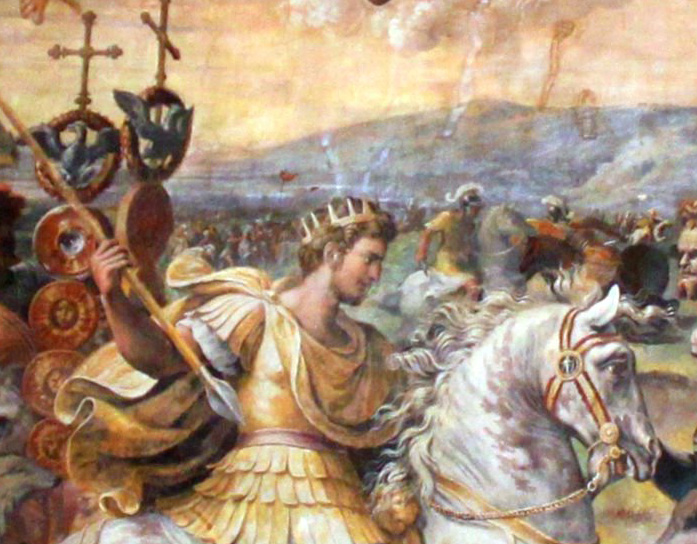
Emperor Constantine converted to Christianity after the Battle of the Milvian Bridge. His conversion led to the legalization of Christianity within the Roman Empire. ...
Explore event →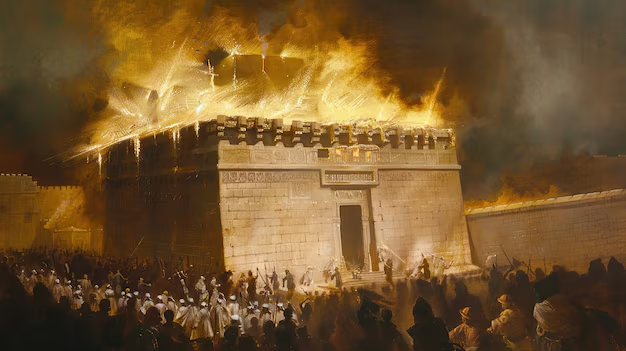
Roman forces led by Titus destroyed the Second Temple in Jerusalem during the Jewish revolt. This event transformed Judaism, ending temple-based worship and accelerat...
Explore event →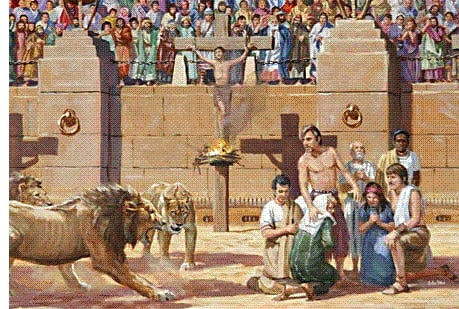
In the mid-first century, Emperor Nero initiated systematic persecution of Christians in Rome following the Great Fire of 64 AD. Christians were blamed for the disaste...
Explore event →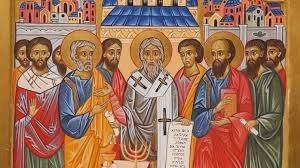
The Council of Jerusalem was a pivotal assembly of early Christian leaders who convened to discuss the integration of Gentile converts into the predominantly Jewish Ch...
Explore event →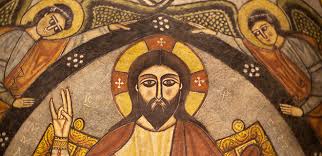
Coptic Christianity, one of the oldest Christian traditions, has seen notable growth within Egypt in recent years. Rooted deeply in Egyptian history, the Coptic commun...
Explore event →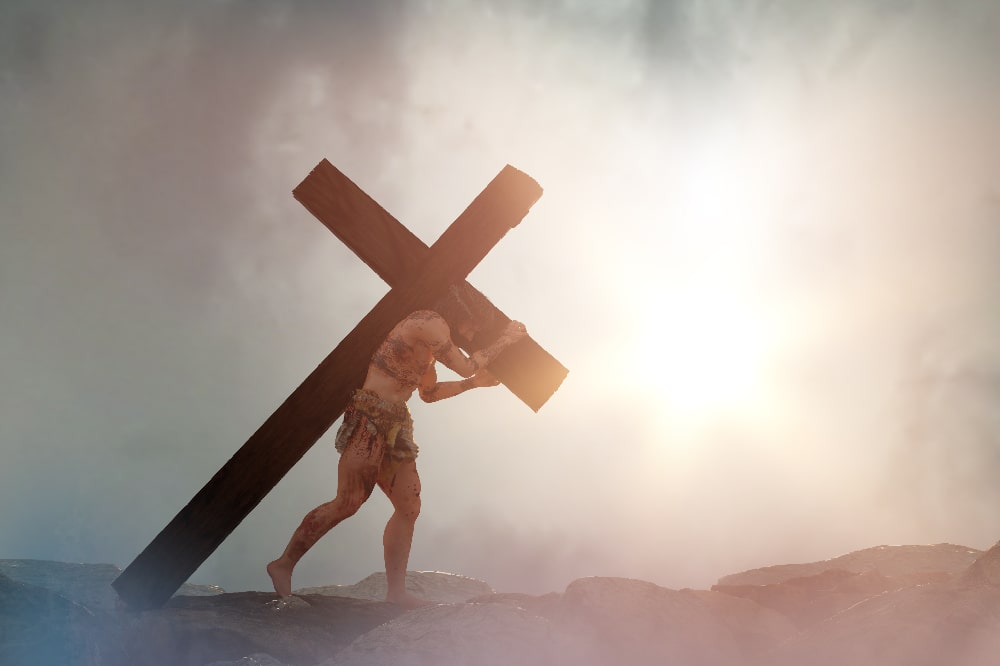
Jesus of Nazareth was executed by crucifixion under Roman governor Pontius Pilate in Jerusalem, during the period of Roman occupation of Judea. The event is documented...
Explore event →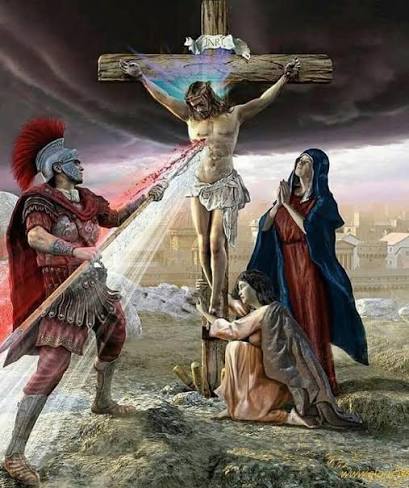
Longinus is the name given in later Christian tradition to the Roman soldier said to have pierced the side of Jesus during the crucifixion with a spear, as described i...
Explore event →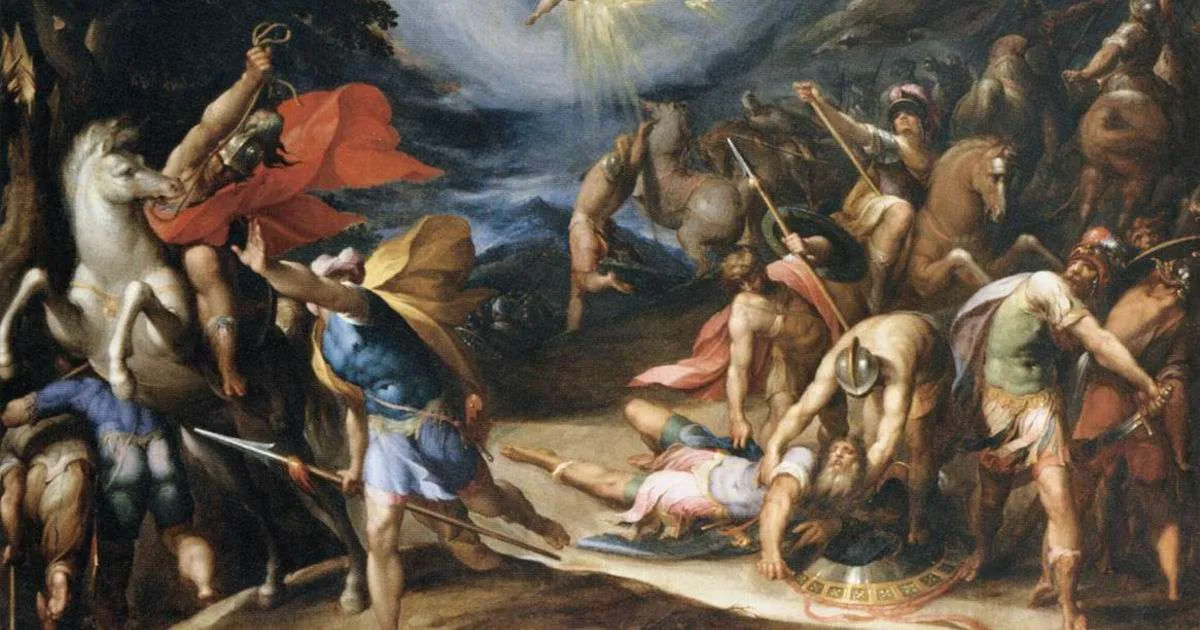
Paul the Apostle, formerly known as Saul of Tarsus, experienced a profound conversion while traveling to Damascus. Initially a vigorous persecutor of early Christians,...
Explore event →
Jesus of Nazareth, the central figure of Christianity, is traditionally believed to have been born in Bethlehem during the final years of the reign of Herod the Great....
Explore event →
16th–18th centuries — Islam spreads substantially among Albanian populations under Ottoman rule. Conversion varies greatly by region and period. Catholic communities r...
Explore research
395–641 CE — Egypt becomes part of the eastern Roman Empire centered on Constantinople, later called Byzantine. Alexandria remains one of Christianity's major intellec...
Explore research
1st–4th centuries CE — Christianity spreads widely through Egypt and produces one of the ancient world's most important Christian traditions. Egyptian monasticism prof...
Explore research
1st–4th centuries CE — Christianity spreads through the Roman Balkans and eventually becomes institutionally established. Bishoprics emerge in important cities includi...
Explore research
30 BCE–395 CE — Egypt remains one of the Roman Empire's wealthiest provinces. Alexandria continues as a major commercial and intellectual center while traditional Egyp...
Explore research
Over time Greek becomes dominant in the Byzantine state while Orthodox Christianity becomes central to identity.
Explore research
Early Christian communities form across the Greek-speaking eastern Mediterranean.
Explore research