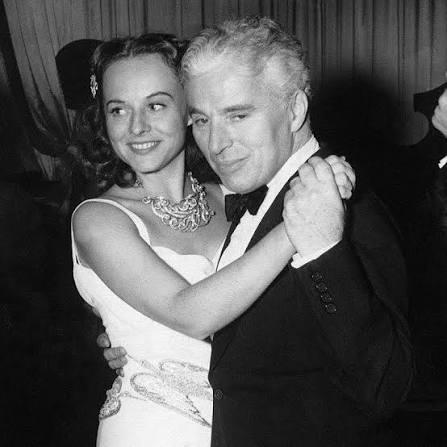
Charlie Chaplin and Paulette Goddard
Charlie Chaplin and actress Paulette Goddard were associated romantically and professionally during the 1930s and early 1940s. Their relationship became particularly w...
Explore event →History does not happen in isolation. Explore world events across time, follow the connections between them, and investigate the threads that reveal how one event can lead to another.
TheTimeMap currently follows events across 95 countries and 268 years of history — building a connected archive designed for people who want to look beyond the headline.
We oppose antisemitism, racism, and dehumanization — everywhere.
When people stop feeling, injustice becomes easy.
Charlie Chaplin and actress Paulette Goddard were associated romantically and professionally during the 1930s and early 1940s. Their relationship became particularly w...
Explore event →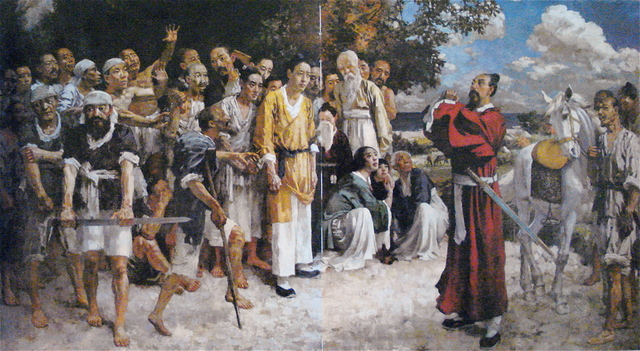
The Taiping Rebellion in China began under Hong Xiuquan, advocating radical social reforms and religious-inspired communal living, challenging the Qing dynasty.
Explore event →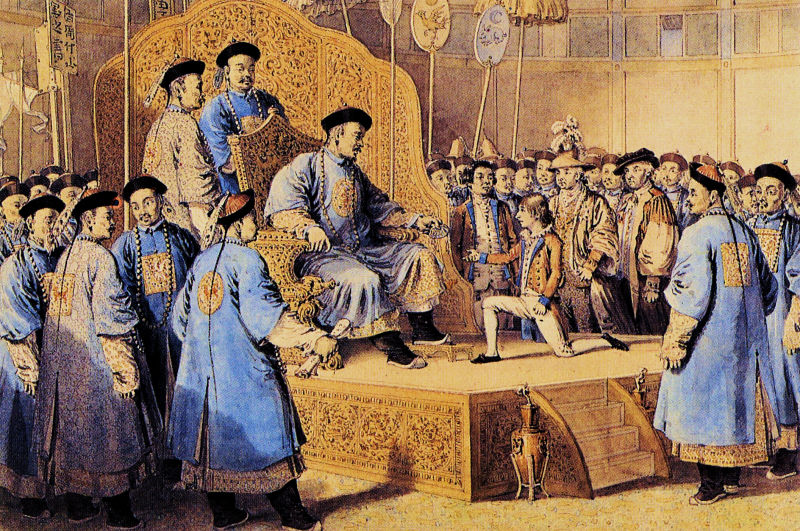
A diplomatic mission was sent from Washington to China to establish formal relations and discuss trade opportunities. The delegation aimed to enhance communication bet...
Explore event →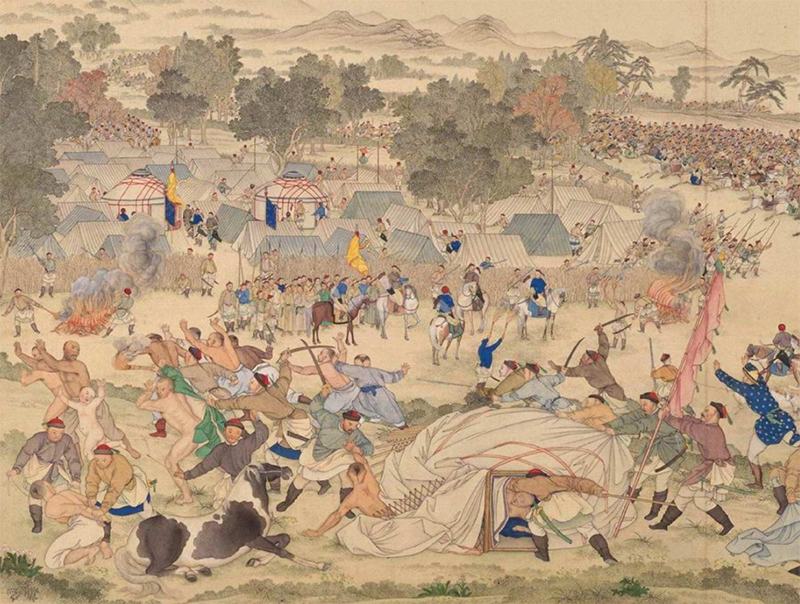
The Dzungar Genocide refers to the systematic destruction of the Dzungar people by the Qing dynasty during the mid-18th century.Between 1755 and 1758, the Qing governm...
Explore event →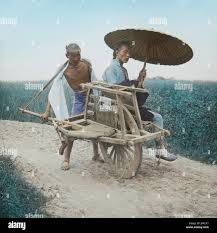
The wheelbarrow, an innovative tool believed to have been invented in China, began to spread widely throughout the central regions and beyond.This technology significa...
Explore event →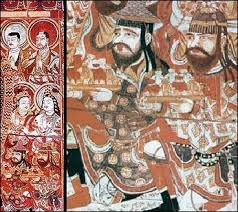
Sogdian merchants played a crucial role in expanding trade routes across Central Asia during the early medieval period. Centered in the city of Samarkand, they facilit...
Explore event →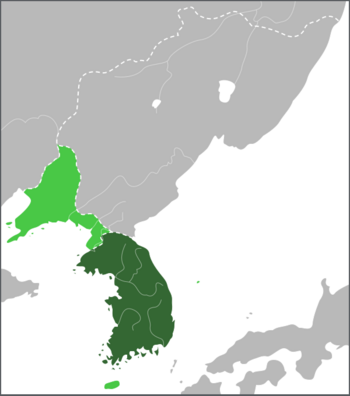
The Silla kingdom successfully unified the Korean Peninsula after defeating the Baekje and Goguryeo kingdoms. This consolidation marked the beginning of the Unified Si...
Explore event →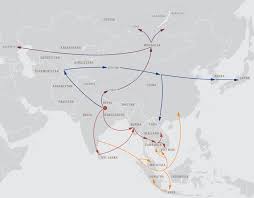
Translation activities of Buddhist sutras in Luoyang intensified under imperial patronage. Monks gathered at the White Horse Temple to facilitate the rendering of fore...
Explore event →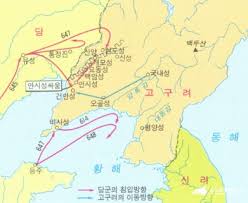
Goguryeo successfully repelled multiple invasions launched by the Tang dynasty of China during the 7th century. The capital fortress of Pyongyang became a critical def...
Explore event →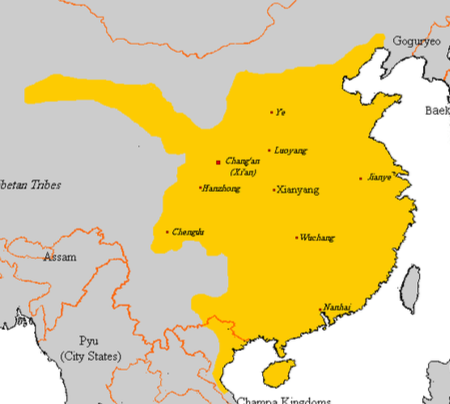
The Sui dynasty, which had temporarily unified China after a period of fragmentation, was facing collapse by early 618. Internal rebellions and external pressures mark...
Explore event →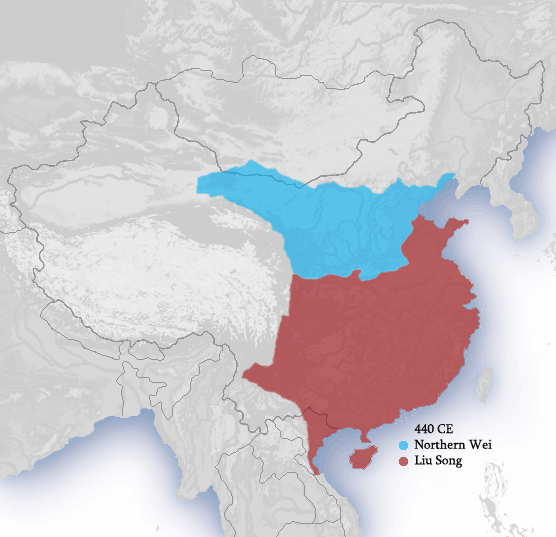
The Chen dynasty, ruling southern China, sought to stabilize its domain amid persistent threats from northern dynasties. Efforts to fortify its borders and consolidate...
Explore event →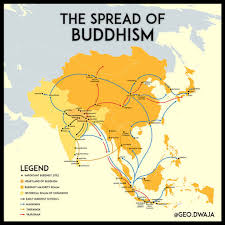
Buddhism spread into China primarily through cultural and trade exchanges along the Silk Road. Merchants, monks, and travelers introduced Buddhist teachings and texts ...
Explore event →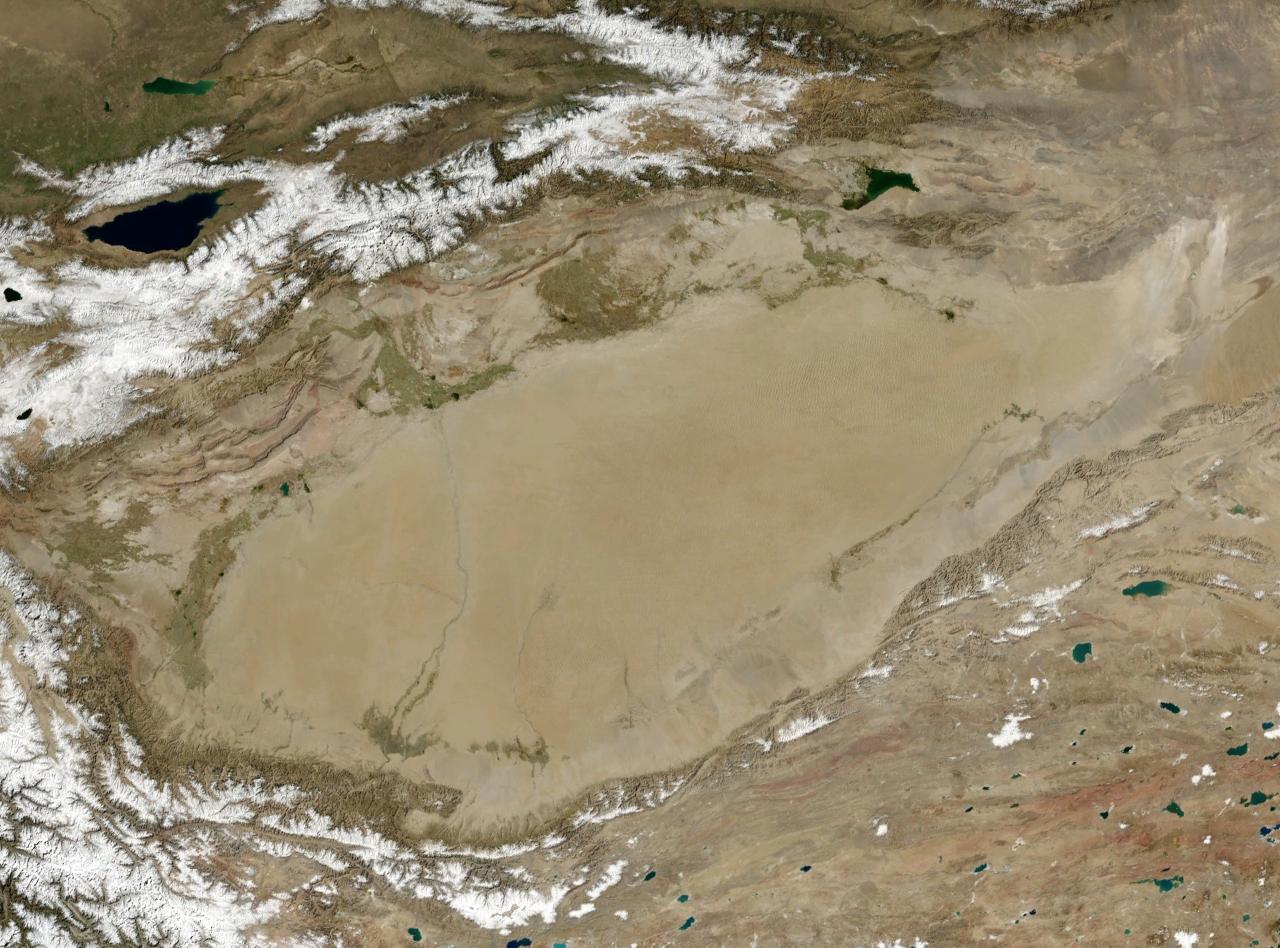
Ban Chao, a renowned Chinese general and explorer of the Eastern Han dynasty, led a significant military and diplomatic expedition to the Tarim Basin. His journey was ...
Explore event →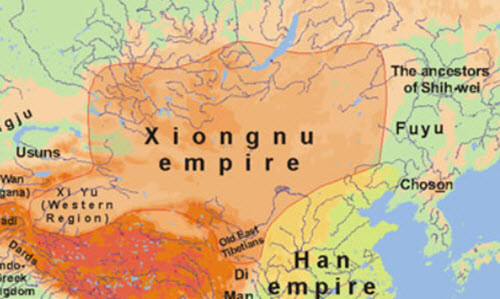
The Southern Xiongnu, a nomadic tribal confederation, migrated and settled within the borders of the Han dynasty during the first century. This movement was part of th...
Explore event →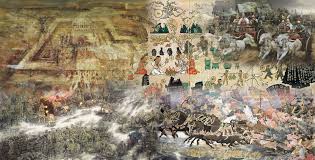
Ma Yuan was a prominent Han dynasty general who led campaigns in the southern regions of China to consolidate Han authority over the Nanyue Kingdom. His military exped...
Explore event →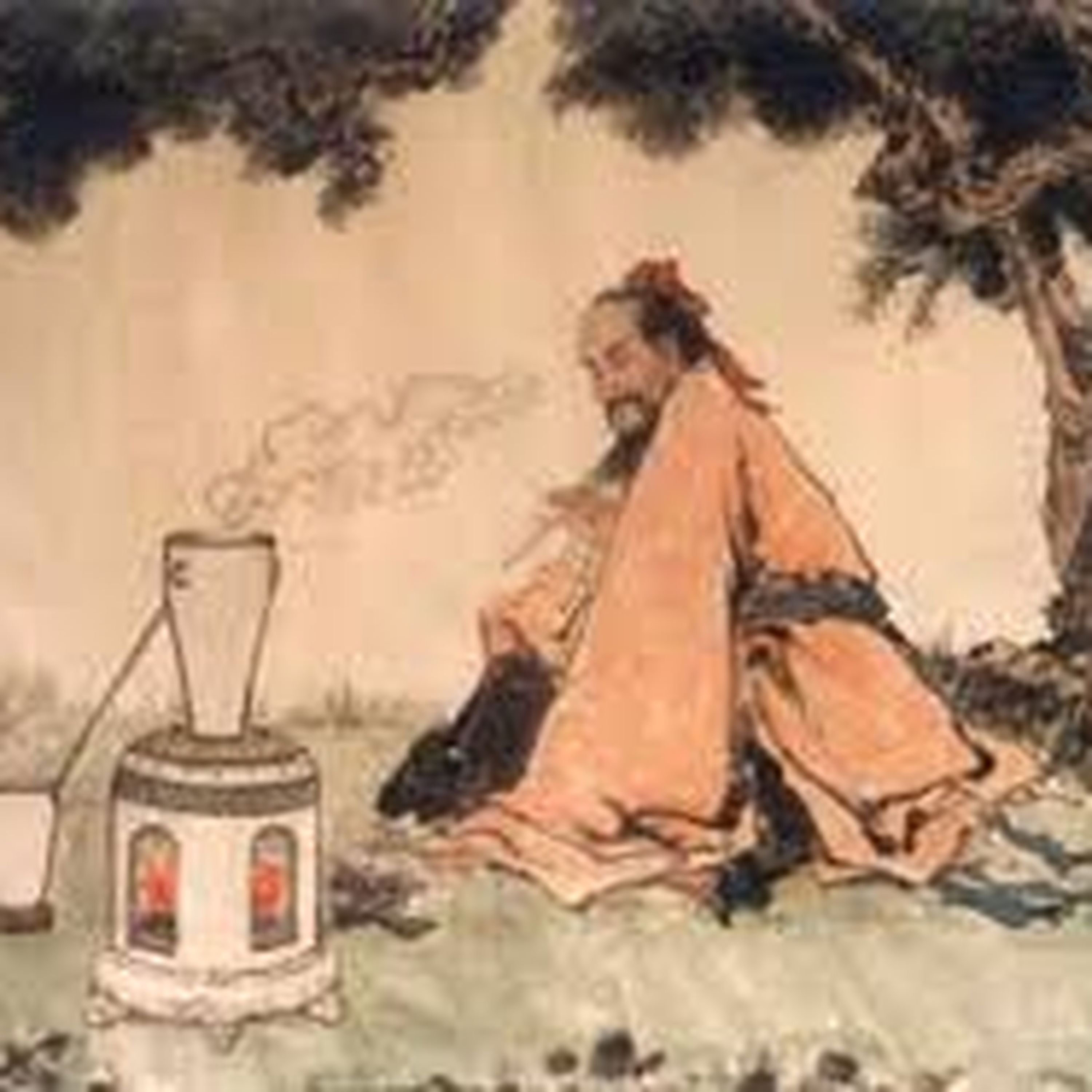
Ge Hong was a Chinese scholar and alchemist during the Eastern Jin dynasty known for his significant writings on alchemy and the quest for immortality. His works combi...
Explore event →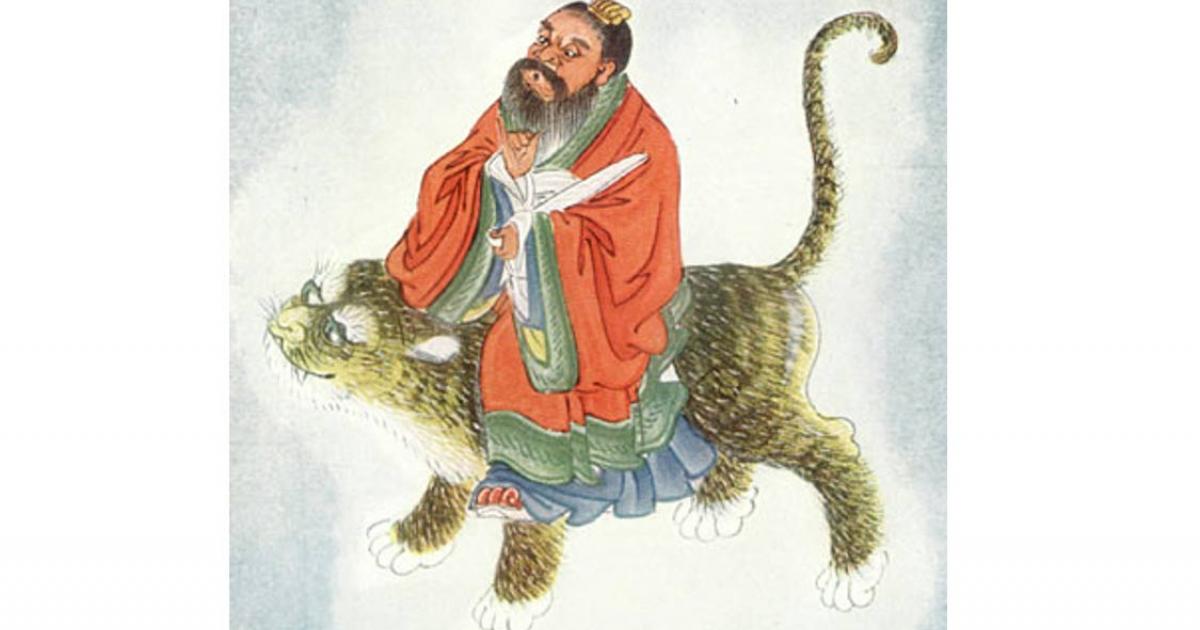
The Five Pecks of Rice movement, also known as the Way of the Celestial Masters, began in the Sichuan region of China. Founded by Zhang Daoling, it became one of the e...
Explore event →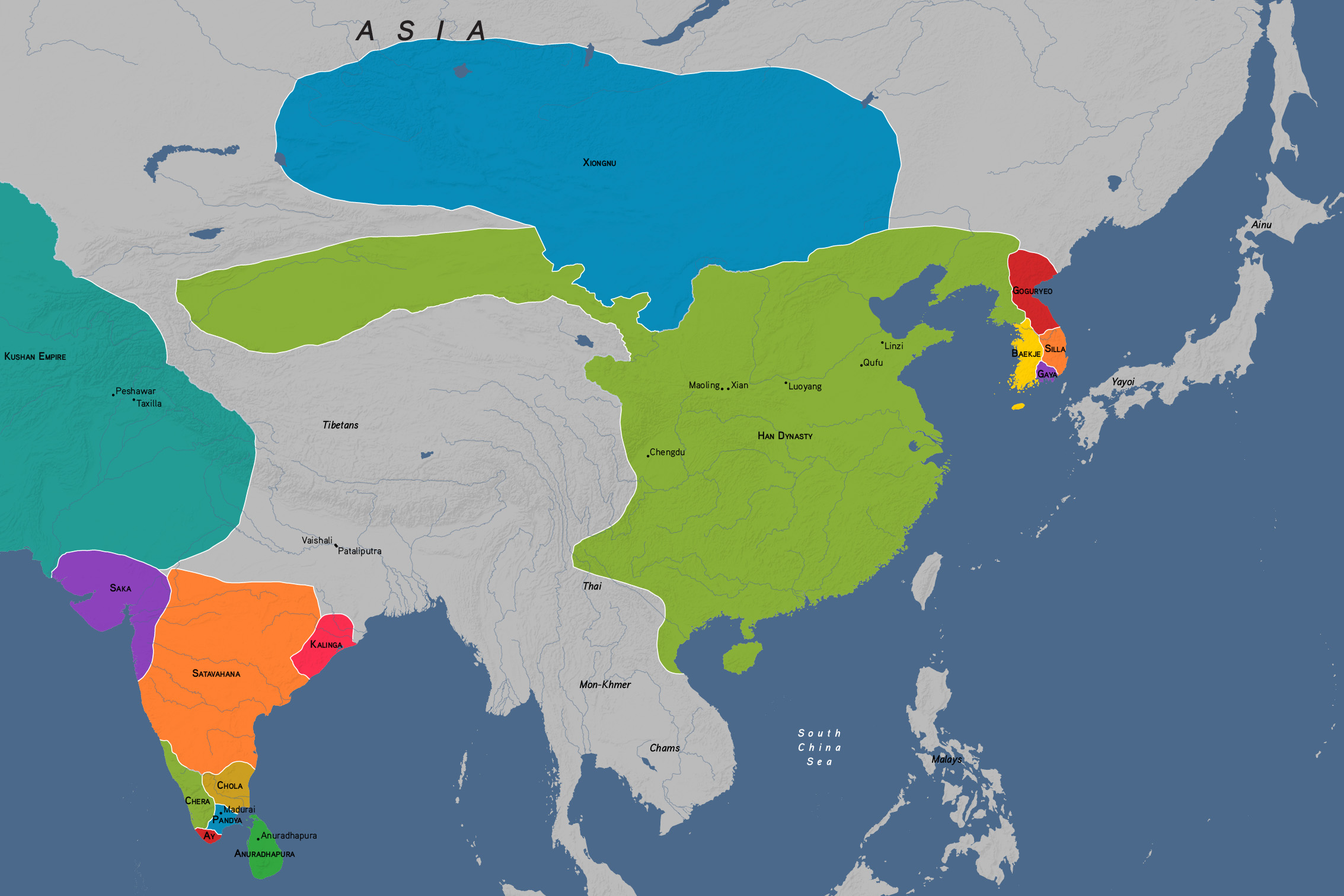
The Han Dynasty moved its capital to Chang'an, marking a significant political and administrative shift during its early consolidation of power. This relocation establ...
Explore event →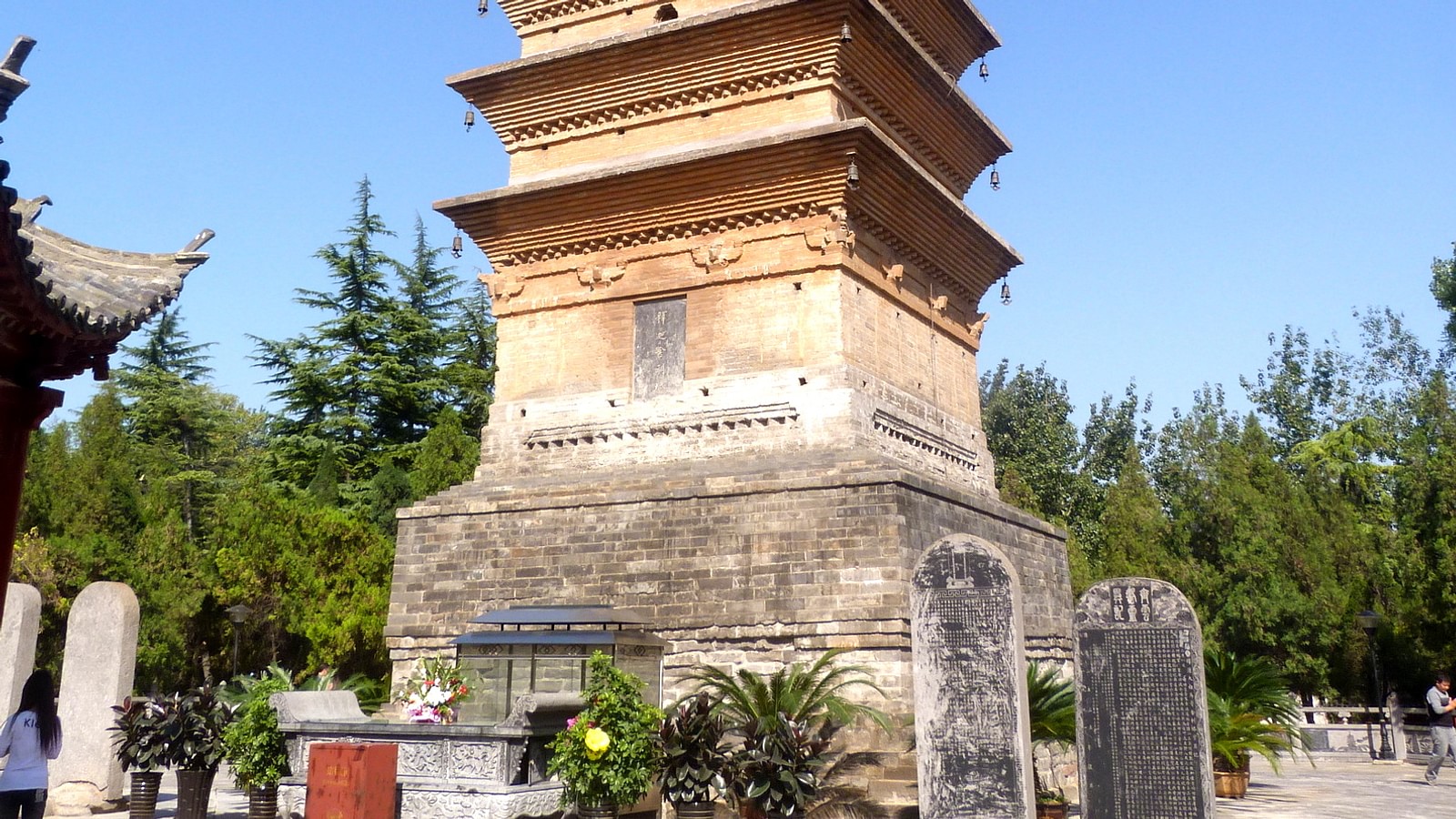
The Eastern Han Dynasty officially moved its capital from Chang'an to Luoyang, marking a significant political shift in early imperial China. This relocation aimed to ...
Explore event →
The Xin dynasty was established by Wang Mang, who usurped the throne from the Han dynasty. This marked a significant political shift in ancient China, interrupting the...
Explore event →
Ma Jun, a prominent Chinese inventor, developed several groundbreaking mechanical devices that made significant impacts on local industry. His inventions focused on im...
Explore event →
2014–2026 — Egypt remains the most populous country in the Arab world and one of the principal political centers of the eastern Mediterranean and Middle East. Cairo do...
Explore research
1978 — Chinese economic and military assistance ends after years of growing ideological disagreement. Albania loses its final major communist ally and enters an extrao...
Explore research
1960–1961 — Hoxha rejects Nikita Khrushchev's de-Stalinization and growing Soviet pressure. Relations collapse and Albania turns toward Maoist China for economic and i...
Explore research
1948–1978 — Follow Albania's successive breaks with Yugoslavia, the Soviet Union and China and the increasingly radical ideology of Enver Hoxha's government.
Explore research
1926–1989 reign — Hirohito is emperor throughout Japan's expansion in China and the Pacific War. The exact nature of his political responsibility remains the subject o...
Explore research
7 July 1937 — Fighting near the Marco Polo Bridge escalates into a major war between Japan and China. Japanese forces capture major cities including Shanghai and Nanji...
Explore research
In May 2022, Klaus Schwab interviewed Henry Kissinger at the World Economic Forum concerning geopolitical tensions, China, Russia, Ukraine and the future international...
Explore research
26 July 1941 — Following Japan's movement into southern French Indochina, the United States freezes Japanese assets. British and Dutch measures follow, and Japanese ac...
Explore research