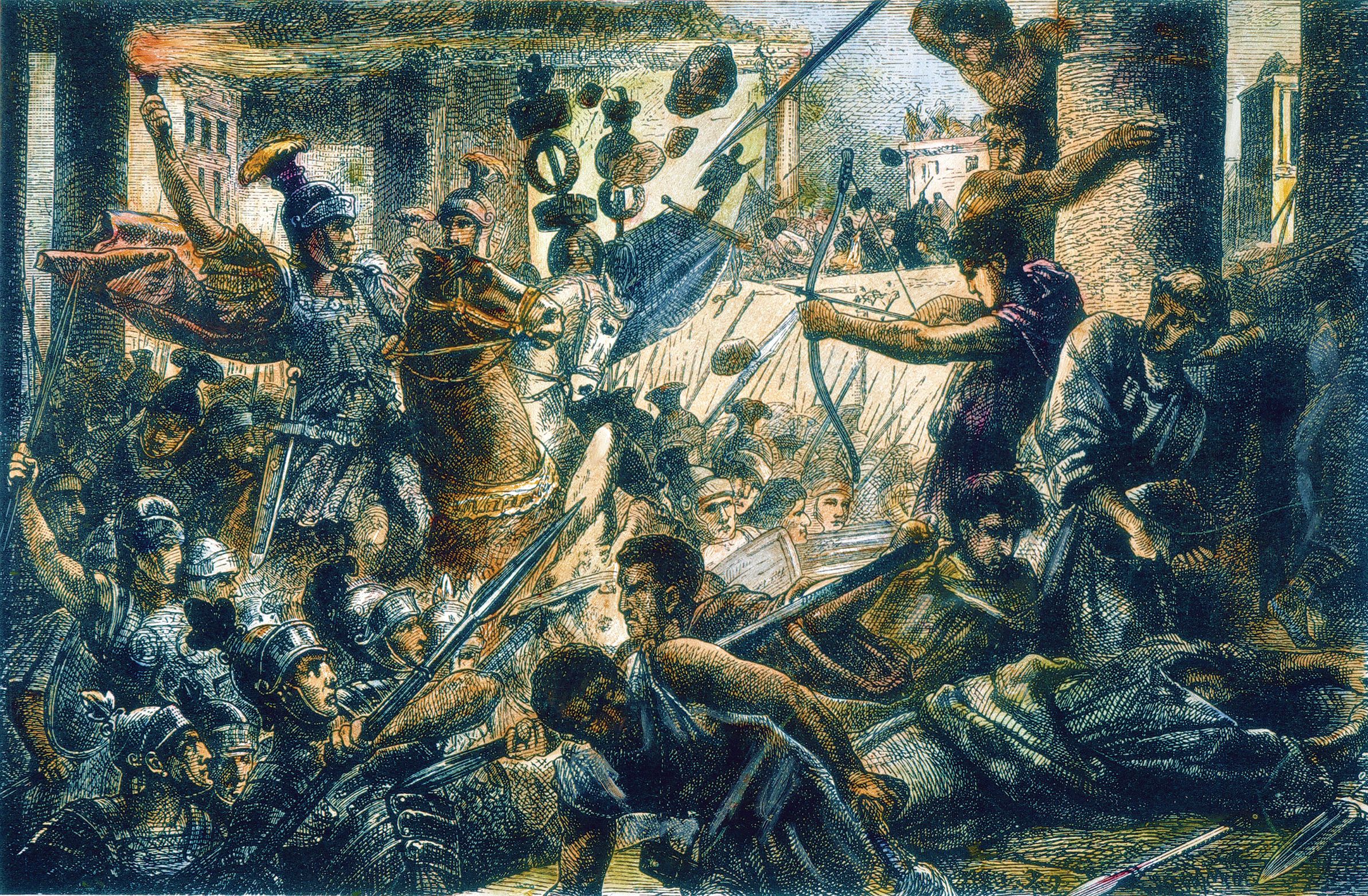
Roman Civil War Clash at Margus
The Battle of the Margus was a significant confrontation during the Roman civil wars, taking place near the city of Margus in the Roman province of Moesia. The conflic...
Explore event →History does not happen in isolation. Explore world events across time, follow the connections between them, and investigate the threads that reveal how one event can lead to another.
TheTimeMap currently follows events across 95 countries and 268 years of history — building a connected archive designed for people who want to look beyond the headline.
We oppose antisemitism, racism, and dehumanization — everywhere.
When people stop feeling, injustice becomes easy.
The Battle of the Margus was a significant confrontation during the Roman civil wars, taking place near the city of Margus in the Roman province of Moesia. The conflic...
Explore event →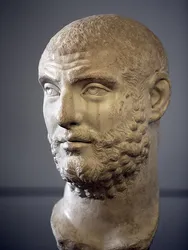
Emperor Carinus was killed in battle against the forces loyal to his rival, Diocletian, near the Margus River. The conflict marked the end of Carinus's brief reign and...
Explore event →
The Battle of the Margus was a significant confrontation between the Roman emperors Carinus and Diocletian. The battle took place near the Margus River, in the region ...
Explore event →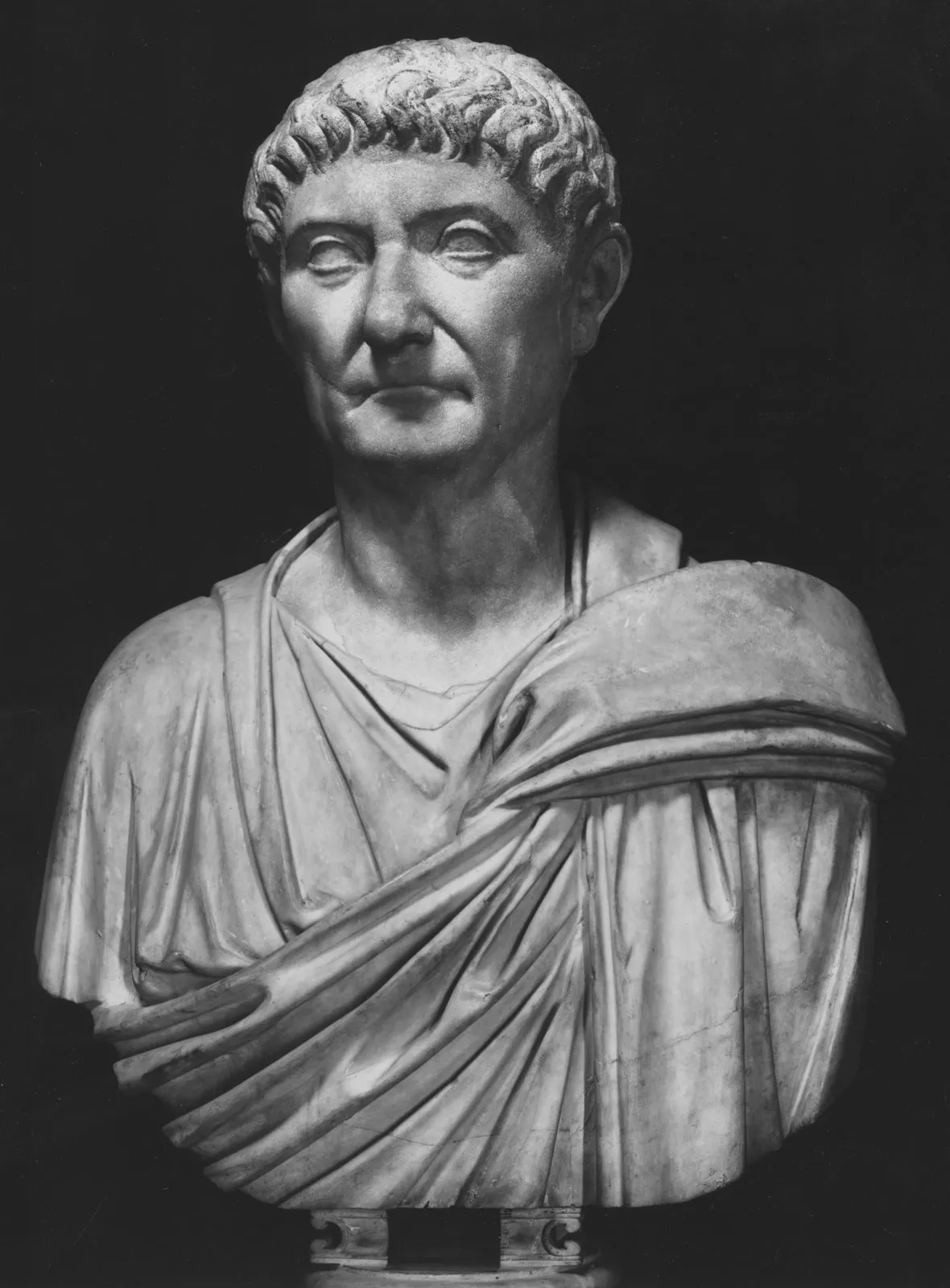
Diocletian was proclaimed emperor by his troops in Nicomedia following the death of Emperor Carus. His rise marked the end of a period of civil wars and instability in...
Explore event →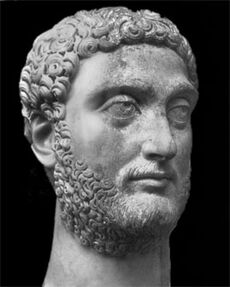
After the death of Emperor Carus during a campaign in Persia, his son Numerian became the new Roman Emperor. The accession was initially peaceful, with Numerian holdin...
Explore event →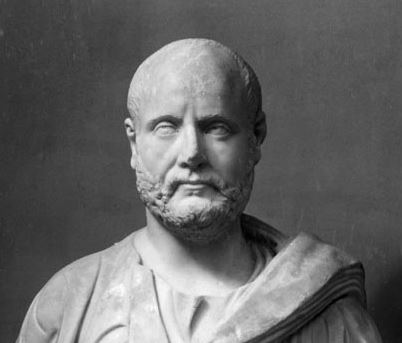
Emperor Carus, ruler of the Roman Empire, died during a military campaign in Mesopotamia. His death occurred while leading troops against the Sassanian Empire in a con...
Explore event →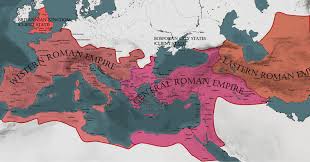
Carinus became Roman Emperor following the death of his father, Emperor Carus, in late March. His accession marked a period of internal instability as the empire faced...
Explore event →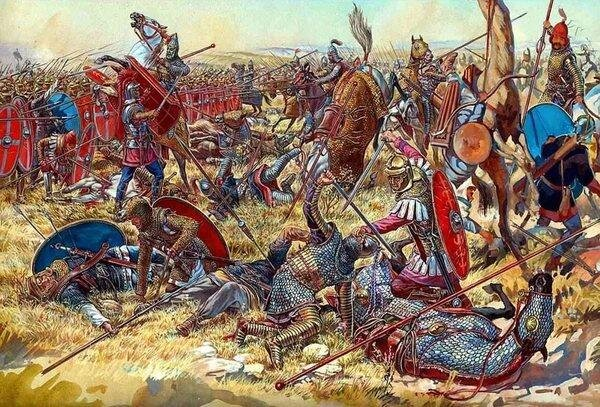
The Roman Emperor Carus launched a military campaign against the Sasanian Empire, targeting their capital, Ctesiphon. The campaign sought to counter Persian influence ...
Explore event →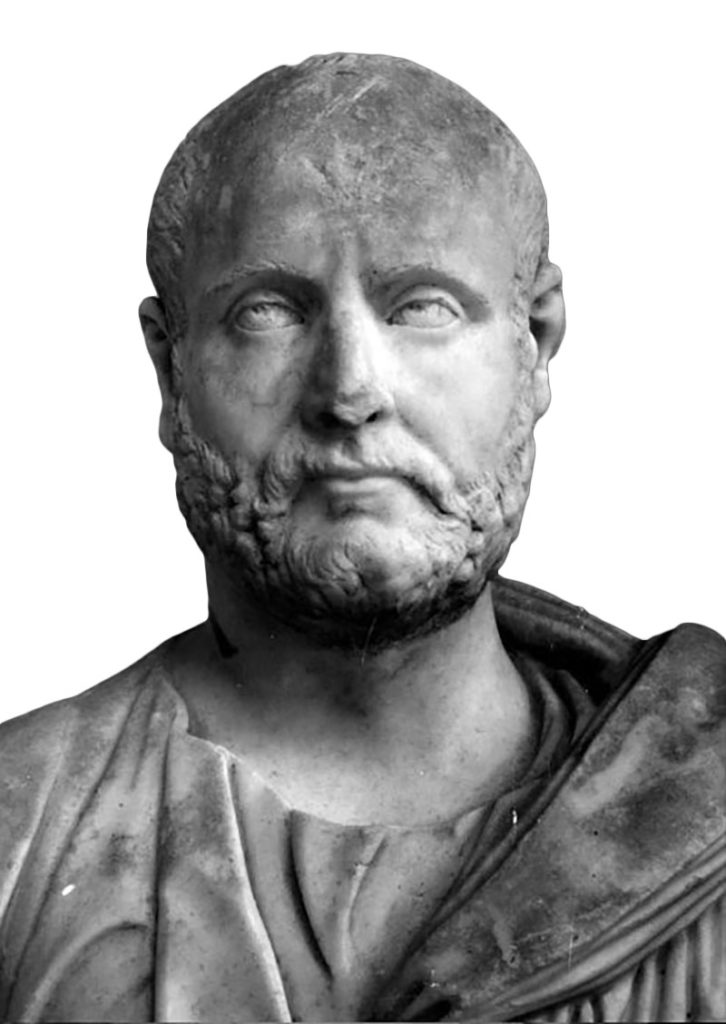
Carus was proclaimed emperor of the Roman Empire shortly after the death of Emperor Probus. His accession marked a shift in imperial policy as he sought to stabilize t...
Explore event →
The revolt led by Gordian II was part of a larger uprising against the reigning emperor Maximinus Thrax. Gordian II, alongside his father Gordian I, was proclaimed emp...
Explore event →
Elagabalus, also known as Varius Avitus Bassianus, was proclaimed Roman Emperor upon the death of Caracalla’s successor during the Severan dynasty. His accession marke...
Explore event →
The Battle of Nisibis took place between the Roman forces led by Emperor Macrinus and the Parthian army. It was fought near the strategic city of Nisibis, a key strong...
Explore event →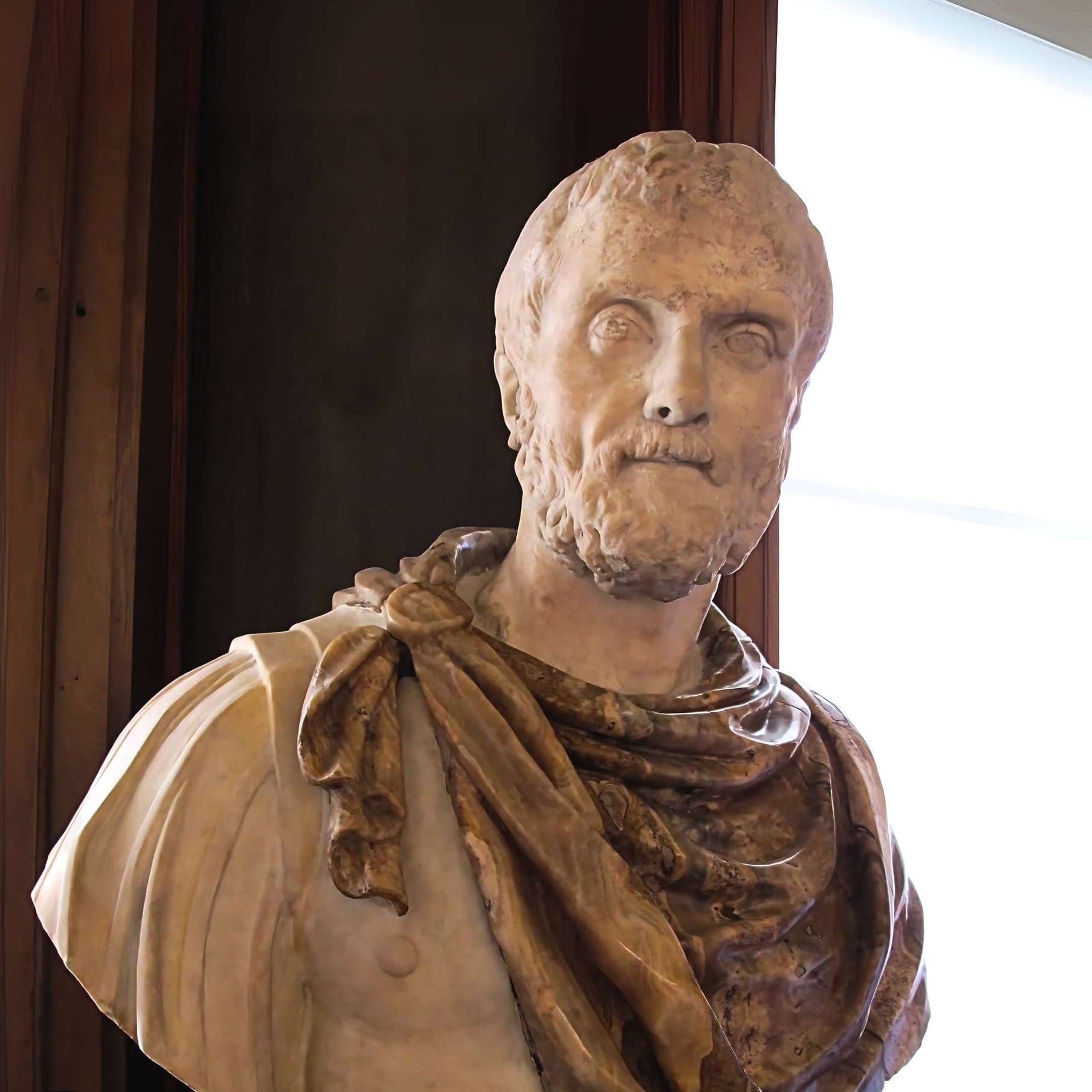
Following the assassination of Emperor Caracalla, Macrinus, then the commander of the Praetorian Guard, declared himself emperor. His accession marked the first time a...
Explore event →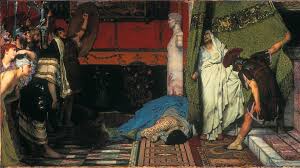
Macrinus, formerly a praetorian prefect, became Roman Emperor following the assassination of Caracalla. This marked a significant shift in imperial authority as Macrin...
Explore event →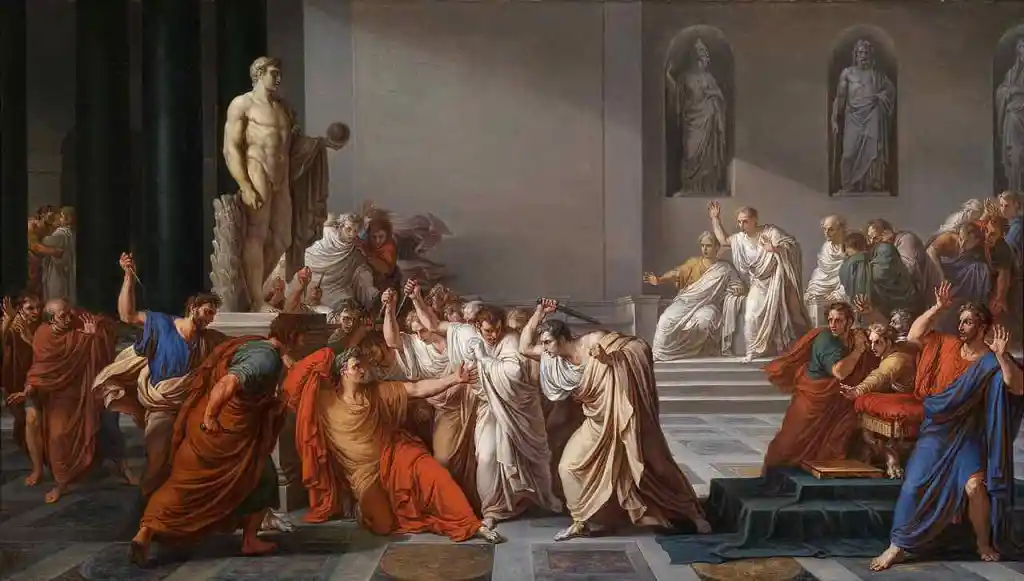
Caracalla, Roman Emperor and son of Septimius Severus, was assassinated amid a military campaign in Moesia. While traveling through the province, he was murdered by a ...
Explore event →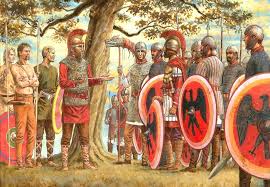
Roman Emperor Caracalla launched multiple military campaigns against the Alemanni tribes during his rule. These campaigns aimed to secure the empire’s northern frontie...
Explore event →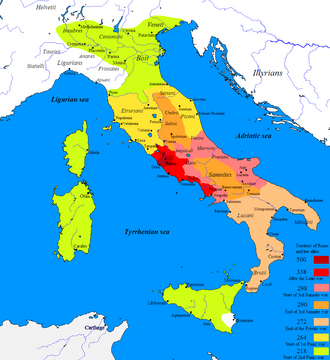
The Constitutio Antoniniana was an edict issued by Emperor Caracalla that granted Roman citizenship to nearly all free inhabitants of the Roman Empire. This decree mar...
Explore event →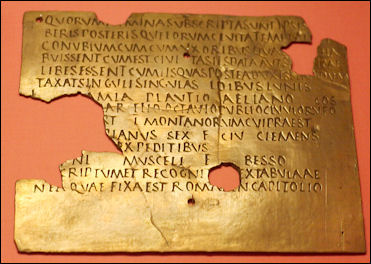
The Constitutio Antoniniana was an edict issued by Emperor Caracalla granting Roman citizenship to all free inhabitants of the Roman Empire. This decree dramatically e...
Explore event →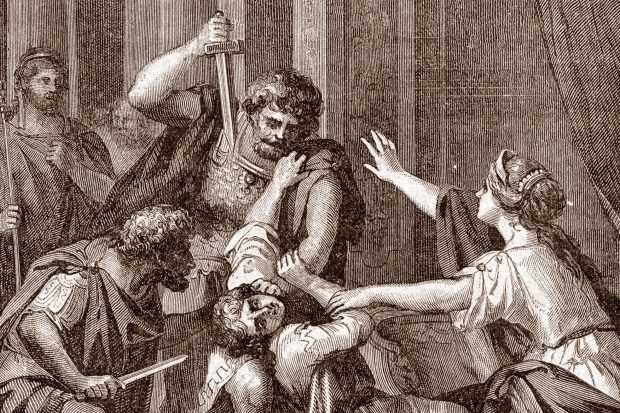
Geta, co-emperor of the Roman Empire alongside his brother Caracalla, was assassinated in Alexandria under political tension and rivalry. The murder occurred shortly a...
Explore event →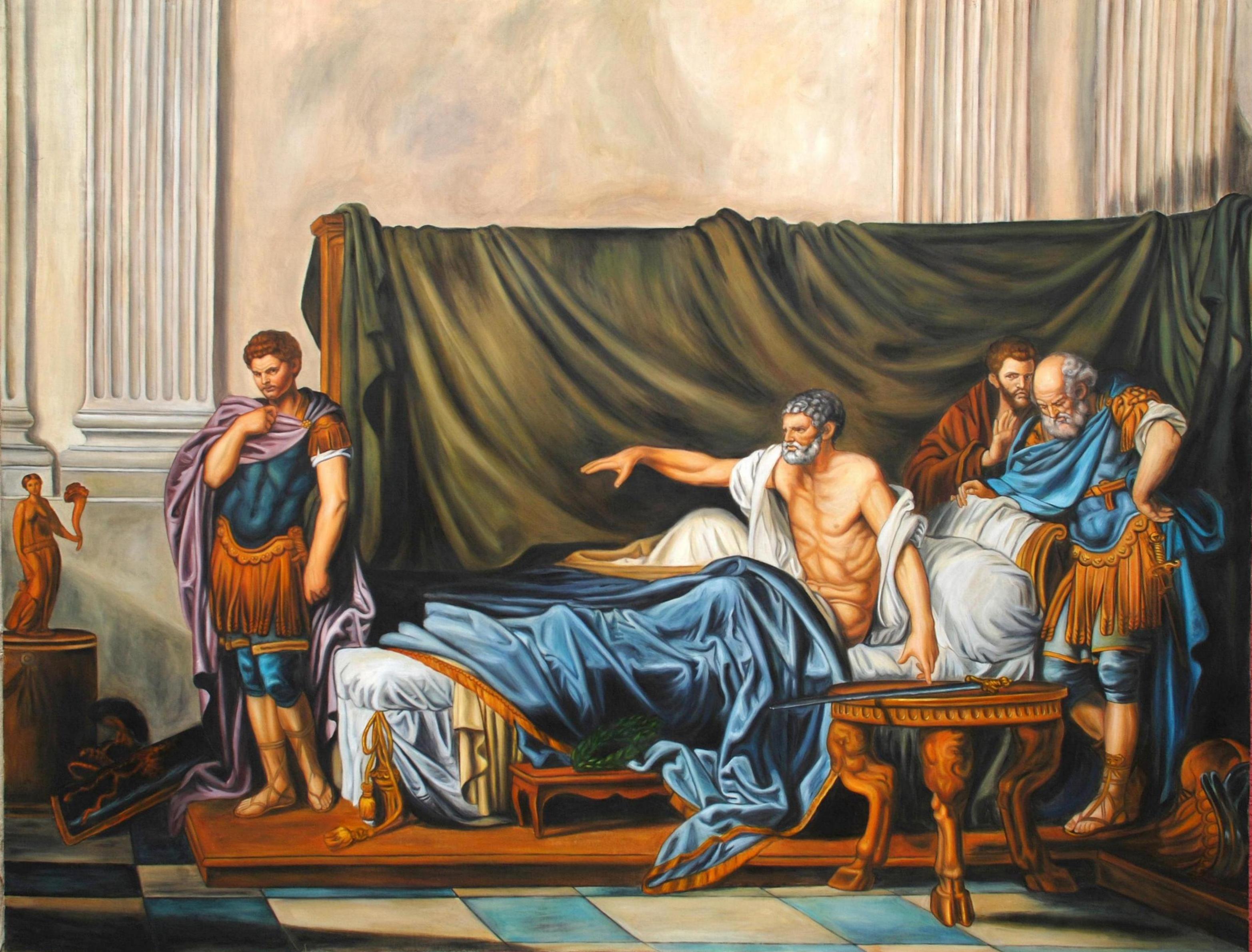
Septimius Severus, Roman Emperor, died on February 4th while in the city of Lugdunum, in the Roman province of Gallia Lugdunensis. His death marked the end of his two-...
Explore event →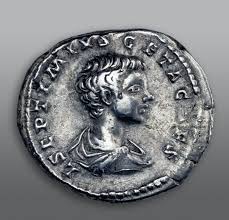
Publius Septimius Geta, son of Emperor Septimius Severus, was granted the title of Augustus, marking him as co-emperor alongside his father and brother Caracalla. This...
Explore event →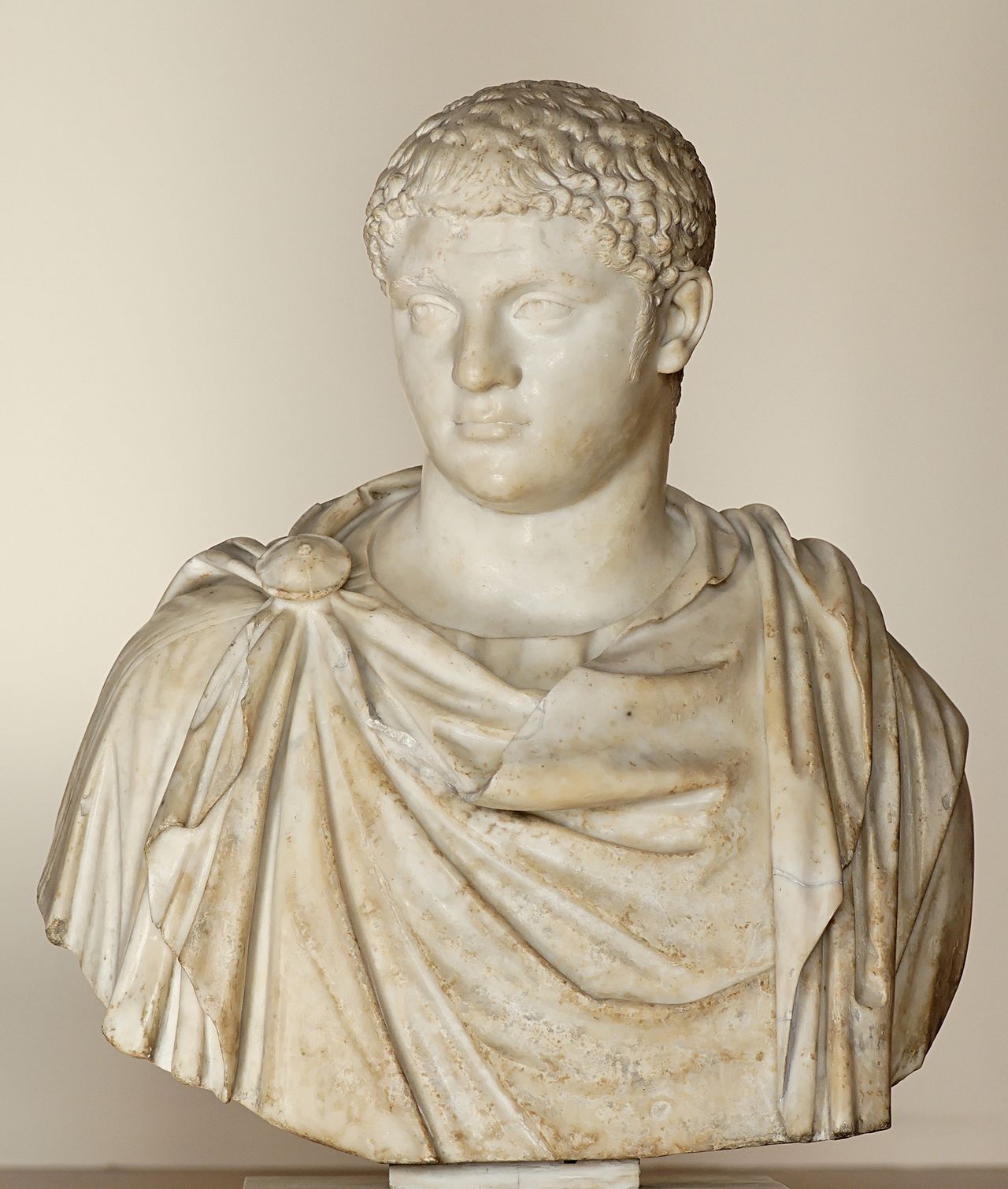
Publius Septimius Geta, son of Emperor Septimius Severus, was granted the title of Augustus by the Roman Senate. This elevated Geta to co-emperor status alongside his ...
Explore event →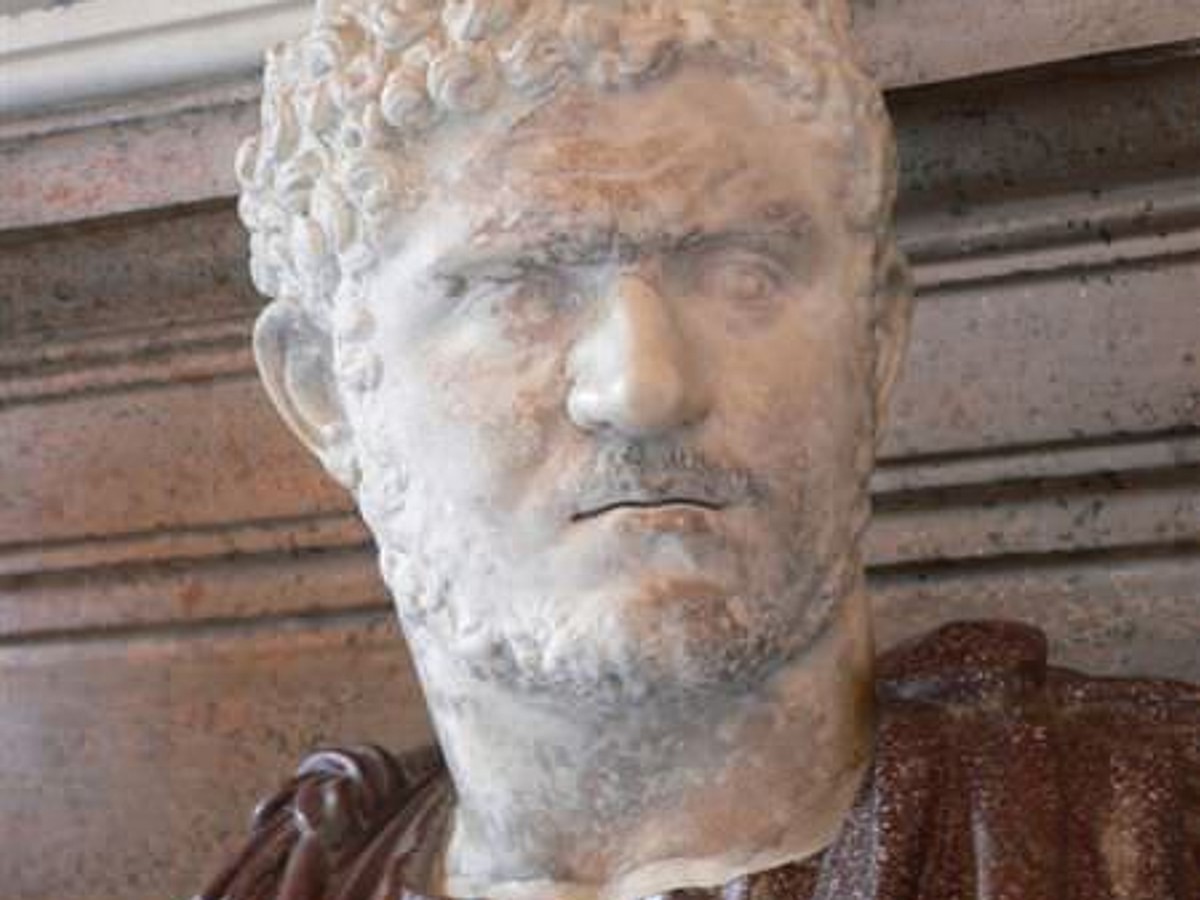
Caracalla officially took the title of Augustus, marking his elevation to co-emperor alongside his father, Septimius Severus. This move solidified his position within ...
Explore event →
Jesus of Nazareth was executed by crucifixion under Roman governor Pontius Pilate in Jerusalem, during the period of Roman occupation of Judea. The event is documented...
Explore event →
17 September 1978 — Sadat and Israeli Prime Minister Menachem Begin sign agreements negotiated under U.S. President Jimmy Carter. The accords establish the framework f...
Explore research
1914–1919 — Room 40 is the British Admiralty's cryptanalytic organization responsible for intercepting and decoding important German communications. Its intelligence c...
Explore research
18 October 1081 — Norman forces under Robert Guiscard defeat the Byzantine army of Emperor Alexios I Komnenos outside Dyrrhachium. The battle shows the Adriatic city's...
Explore research
c. 3100 BCE–2026 CE — Egypt has been governed by native pharaohs, Nubian kings, Persians, Macedonians, Romans, Byzantines, Arab caliphates, Fatimids, Ayyubids, Mamluks...
Explore research
1942–1945 armaments leadership — Albert Speer becomes Reich Minister of Armaments and War Production in 1942. His ministry attempts to rationalize industrial output, s...
Explore research
1942–1945 armaments leadership — Albert Speer becomes Reich Minister of Armaments and War Production in 1942. His ministry attempts to rationalize industrial output, s...
Explore research
12 May 1944 — American bombers begin a major concentrated campaign against German synthetic fuel plants and oil infrastructure. Germany relies heavily on synthetic fue...
Explore research
27 May 1942 — American commanders possess increasingly strong intelligence that Japan intends to attack Midway. Cryptanalysts working against Japanese naval codes help...
Explore research
4 June 1942 — American carrier forces intercept a Japanese operation aimed at Midway Atoll. U.S. cryptanalytic intelligence allows Admiral Chester Nimitz to position c...
Explore research
David Rockefeller began his postwar banking career at Chase National Bank in 1946 as an assistant manager in the foreign department.
Explore research
David Rockefeller joined Chase National Bank in 1946 after World War II and rose through its leadership. He became president of the bank in 1961 and chairman of the bo...
Explore research
David Rockefeller was a principal founder of the Trilateral Commission and subsequently held a senior leadership position within its North American group. His role pro...
Explore research
7 March 1936 — German troops enter the demilitarized Rhineland in violation of the Versailles and Locarno arrangements. Hitler's forces have orders to retreat if confr...
Explore research
Harvard University is an American research university where Klaus Schwab studied and where Henry Kissinger spent much of his academic career. Schwab stated in 2022 tha...
Explore research
30 April 1945 — Adolf Hitler kills himself in the Führerbunker as Soviet troops fight through central Berlin. Germany has already lost control of most of its territory...
Explore research
7 December 1941 — Japanese carrier aircraft strike the U.S. Pacific Fleet at Pearl Harbor in Hawaii. Japan seeks to cripple American naval power long enough to seize t...
Explore research
Kissinger Associates was established by Henry Kissinger after his government career and provided strategic consulting and advisory services to corporate and institutio...
Explore research
Kissinger Associates was established by Henry Kissinger after his government career and provided strategic consulting and advisory services to corporate and institutio...
Explore research
1 December 1925 — Germany, France, Belgium, Britain and Italy sign agreements intended to stabilize Western Europe's postwar borders. Germany accepts its western front...
Explore research
25 August 1944 — French and Allied forces complete the liberation of Paris after an uprising by resistance groups and the arrival of Free French troops. General Charle...
Explore research
28 November 1943 — Stalin, Roosevelt and Churchill meet together for the first time. Stalin presses for a Western invasion of France while the Soviet Union continues c...
Explore research