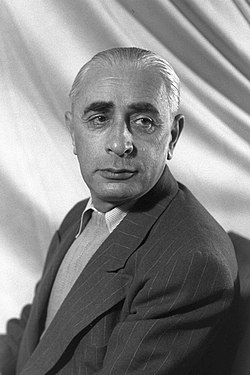
The Lavon Affair
What it was The Lavon Affair, also known as Operation Susannah, was a failed Israeli covert operation in Egypt in 1954, carried out by Israeli military i...
Explore event →History does not happen in isolation. Explore world events across time, follow the connections between them, and investigate the threads that reveal how one event can lead to another.
TheTimeMap currently follows events across 95 countries and 268 years of history — building a connected archive designed for people who want to look beyond the headline.
We oppose antisemitism, racism, and dehumanization — everywhere.
When people stop feeling, injustice becomes easy.
What it was The Lavon Affair, also known as Operation Susannah, was a failed Israeli covert operation in Egypt in 1954, carried out by Israeli military i...
Explore event →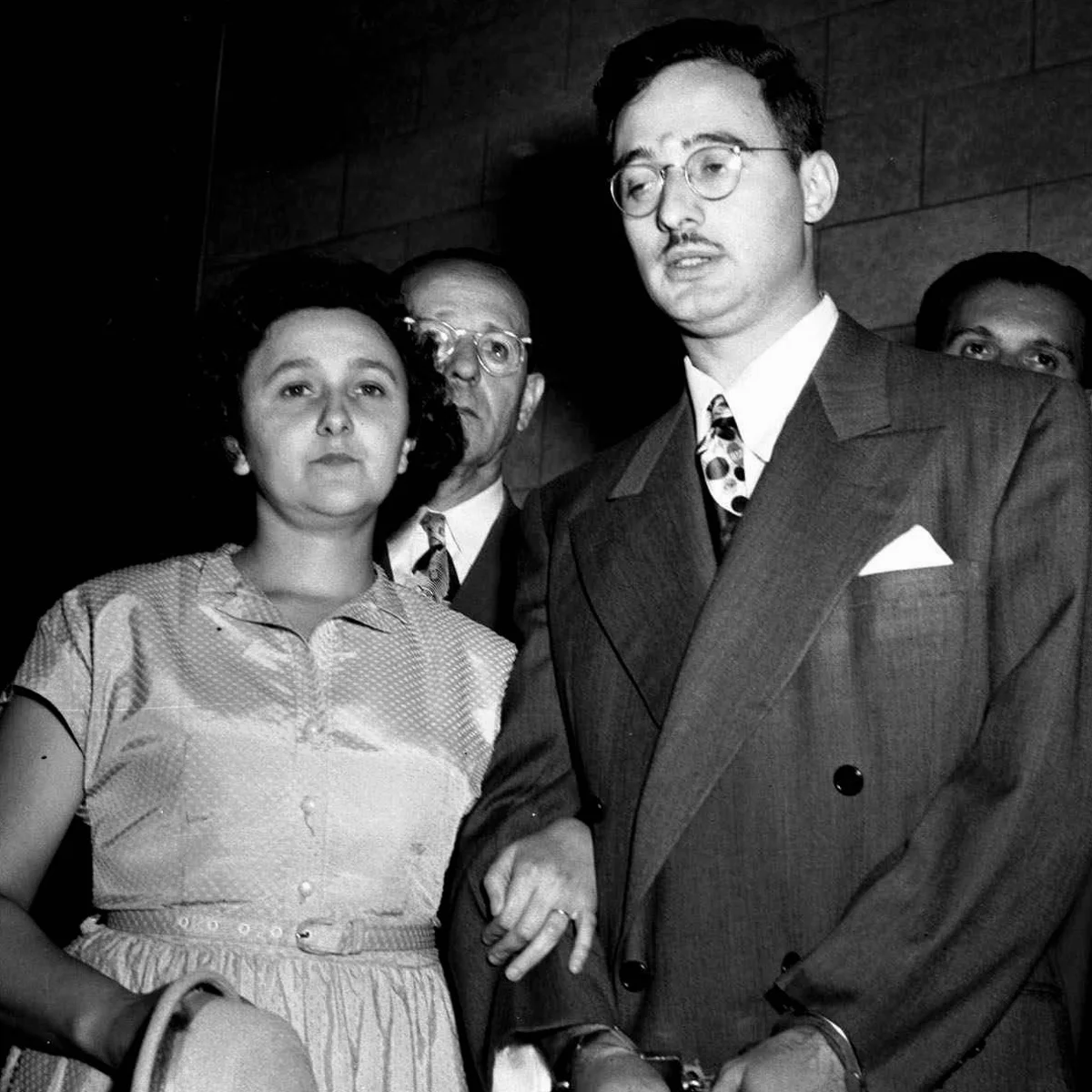
Julius and Ethel Rosenberg Executed for Espionage On June 19, 1953, Julius Rosenberg and Ethel Rosenberg were executed at Sing Sing Prison in Ossining, New York, afte...
Explore event →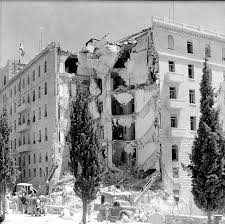
On July 22, 1946, the King David Hotel in Jerusalem, which housed the administrative headquarters of the British Mandate authorities in Palestine, was bombed. The a...
Explore event →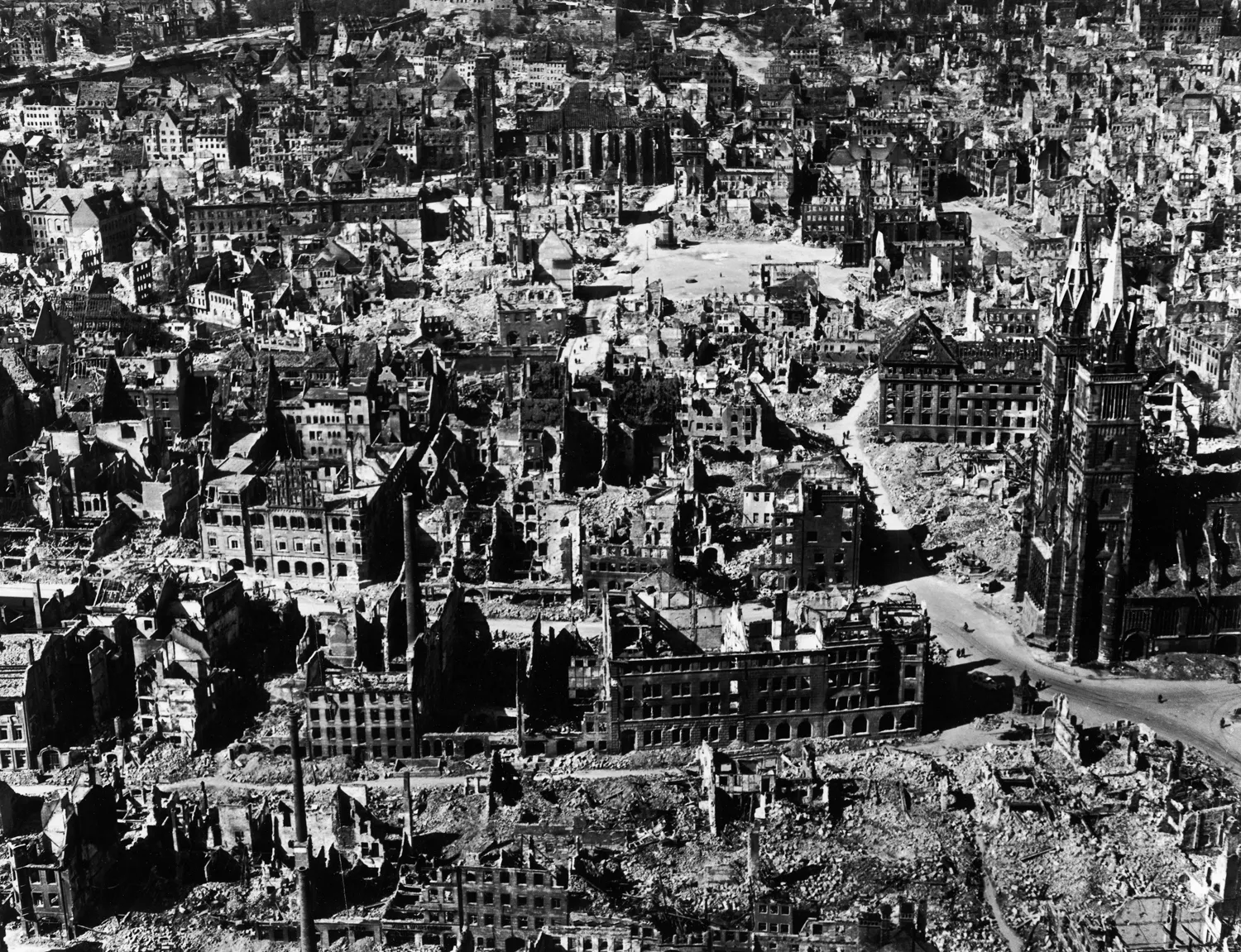
During World War II (1939–1945), the Allied forces of the United States and the United Kingdom carried out a widespread strategic bombing campaign against German citie...
Explore event →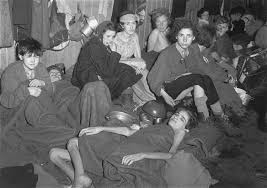
Typhus and Mortality in Nazi Concentration Camps Historical records from the International Committee of the Red Cross (ICRC), Nazi documentation, and post-w...
Explore event →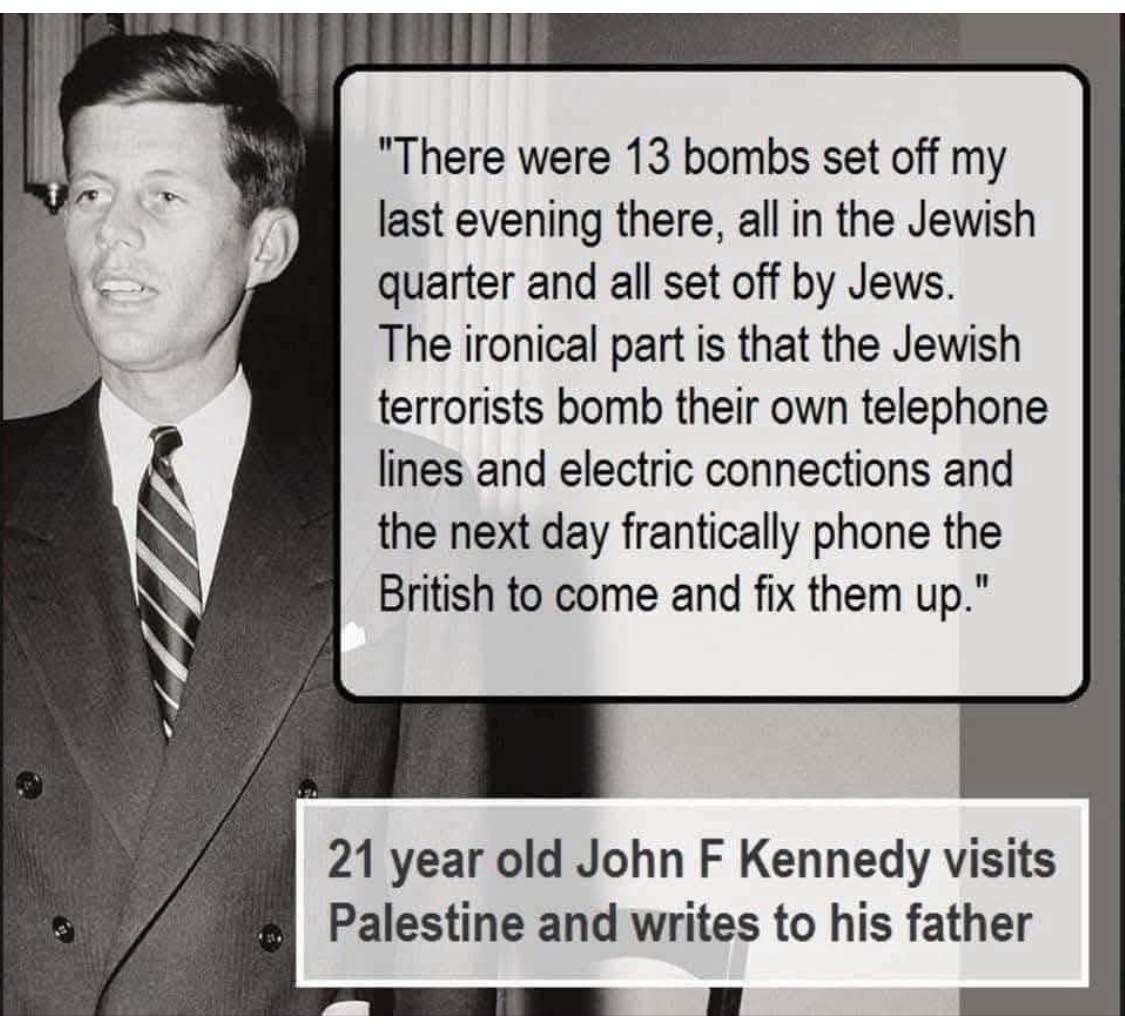
JFK: The Letter Mentions That 13 Bombs Went Off in Jerusalem on His Last Night There, Which He Attributed to Jewish Terrorists (Likely the Irgun Militia) Attempting to...
Explore event →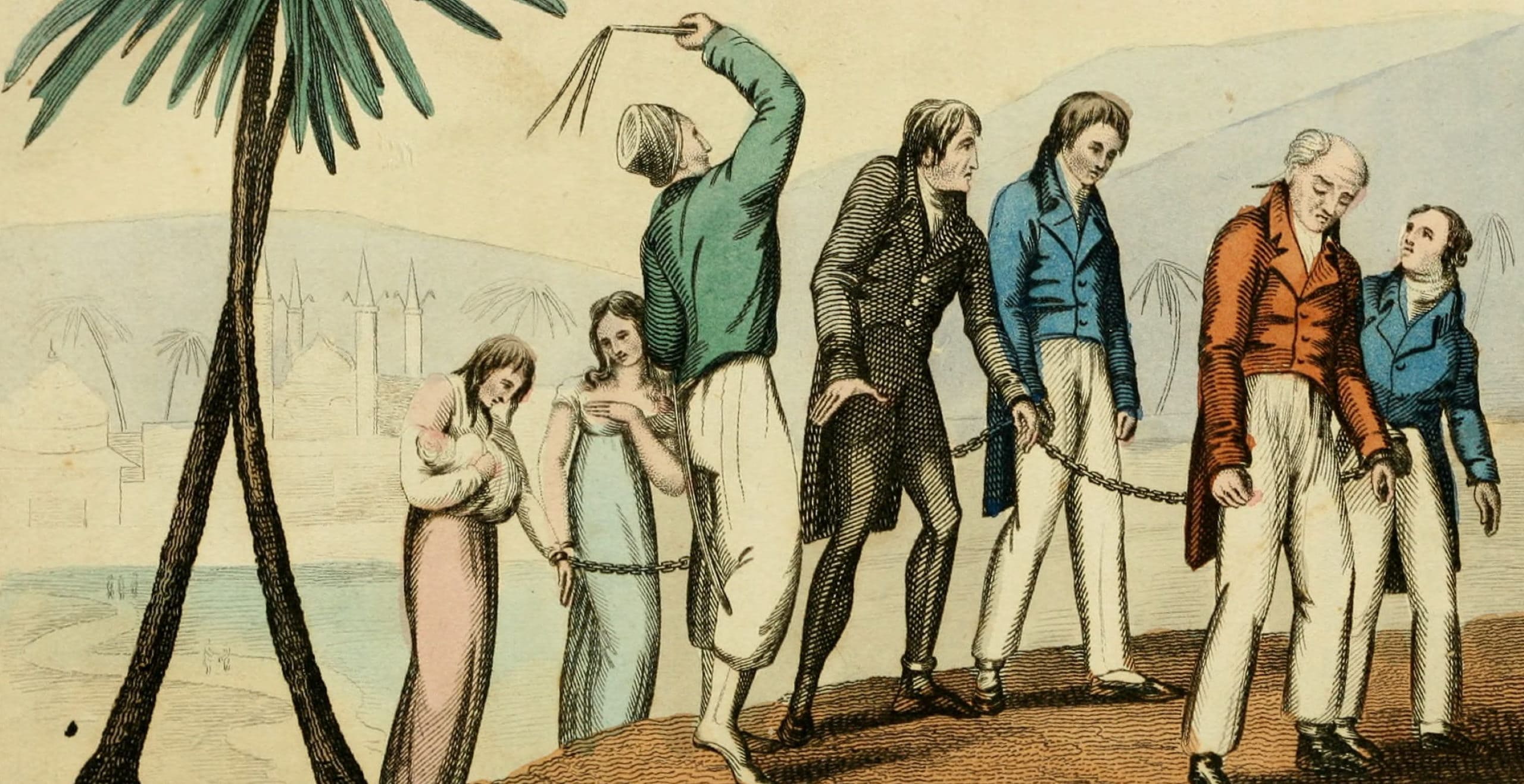
European Captives Sold Into Slavery By Barbary Pirates From the 16th to the 19th centuries, Barbary pirates operating from North Africa — including present-da...
Explore event →
1917–1918 — German forces develop increasingly sophisticated methods based on short intense bombardments, assault detachments and infiltration around strongpoints. The...
Explore research
May–June 1914 — Members of the assassination conspiracy obtain pistols, bombs and assistance through contacts associated with Serbian nationalist and military-intellig...
Explore research
12 May 1944 — American bombers begin a major concentrated campaign against German synthetic fuel plants and oil infrastructure. Germany relies heavily on synthetic fue...
Explore research
1 January 1944 — By 1944 American submarines are destroying Japanese merchant shipping at a rate Japan cannot replace. Oil, food, raw materials and military supplies b...
Explore research
30 September 1938 — Chamberlain and Daladier accept German acquisition of the Sudetenland in the hope of preserving peace. Their decisions reflect memories of World Wa...
Explore research
6 August 1945 — An American B-29 drops the uranium bomb Little Boy on Hiroshima. The explosion and fire destroy much of the city and kill tens of thousands of people i...
Explore research
9 August 1945 — The United States drops the plutonium bomb Fat Man on Nagasaki. Tens of thousands are killed immediately or in the following months. The attack occurs ...
Explore research
23 August 1942 — German forces begin the major assault phase against Stalingrad after intensive Luftwaffe bombing. The city's industrial and symbolic importance combin...
Explore research
26 April 1937 — German Condor Legion aircraft and Italian forces attack the Basque town of Guernica during the Spanish Civil War. The raid kills civilians and destroys...
Explore research
29 July 1936 — Germany begins sending military aircraft and personnel to assist Franco's forces in Spain. The Condor Legion later conducts bombing operations, includin...
Explore research
U.S. president after Roosevelt's death. Truman inherited the Manhattan Project and authorized the wartime use of atomic bombs against Japan.
Explore research
31 May 1945 — Secretary of War Henry Stimson chairs the first major meeting of the Interim Committee considering policy surrounding the atomic bomb. Stimson becomes on...
Explore research
15 August 1945 — Emperor Hirohito's recorded voice is broadcast to the Japanese population announcing acceptance of Allied surrender terms. The decision follows intens...
Explore research
23 August 1942 — German aircraft conduct devastating attacks on Stalingrad as ground forces approach. Large areas are destroyed and many civilians are killed. The bomb...
Explore research
8 September 1941 — German and Finnish advances isolate Leningrad from most overland supply routes. Hitler chooses not to storm the city immediately and instead expects...
Explore research
27 January 1944 — Soviet offensives drive German forces far enough from Leningrad to end the siege. The city has endured nearly nine hundred days of blockade, bombardm...
Explore research
9 August 1945 — Soviet forces launch a massive offensive against the Japanese Kwantung Army in Manchuria. The attack follows Soviet commitments made to the Western All...
Explore research
30 September 1938 — Munich becomes the defining symbol of appeasement, but policymakers in 1938 face memories of World War I, doubts about military readiness, fear of ...
Explore research
22 June 1944 — Operation Bagration provides a useful late-war anchor for investigating Germany's defeat. Trace the invasion of the Soviet Union, American entry, the At...
Explore research