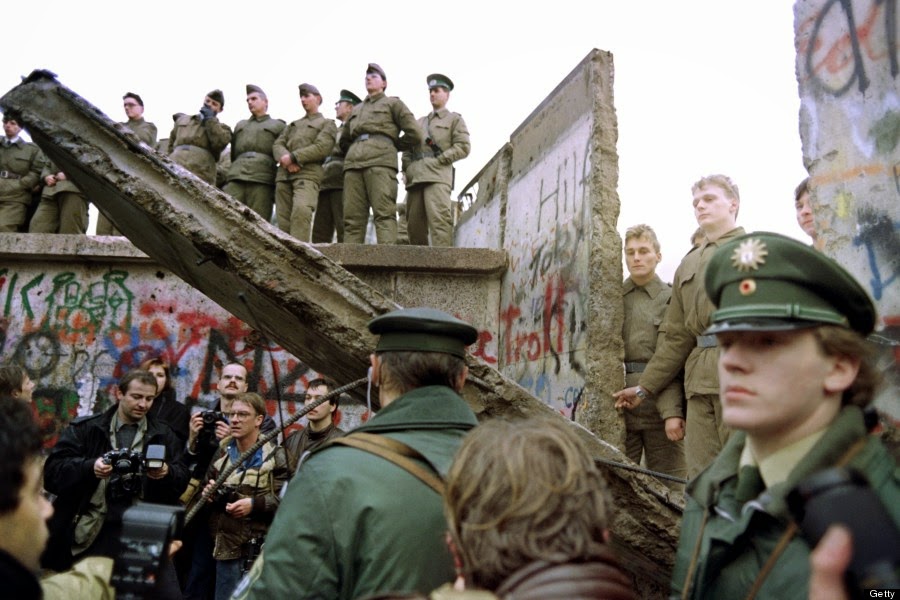
Fall of the Berlin Wall
The Fall of the Berlin Wall on November 9, 1989, marked a pivotal moment in world history, symbolizing the collapse of the Cold War division between East and West Germ...
Explore event →History does not happen in isolation. Explore world events across time, follow the connections between them, and investigate the threads that reveal how one event can lead to another.
TheTimeMap currently follows events across 95 countries and 268 years of history — building a connected archive designed for people who want to look beyond the headline.
We oppose antisemitism, racism, and dehumanization — everywhere.
When people stop feeling, injustice becomes easy.
The Fall of the Berlin Wall on November 9, 1989, marked a pivotal moment in world history, symbolizing the collapse of the Cold War division between East and West Germ...
Explore event →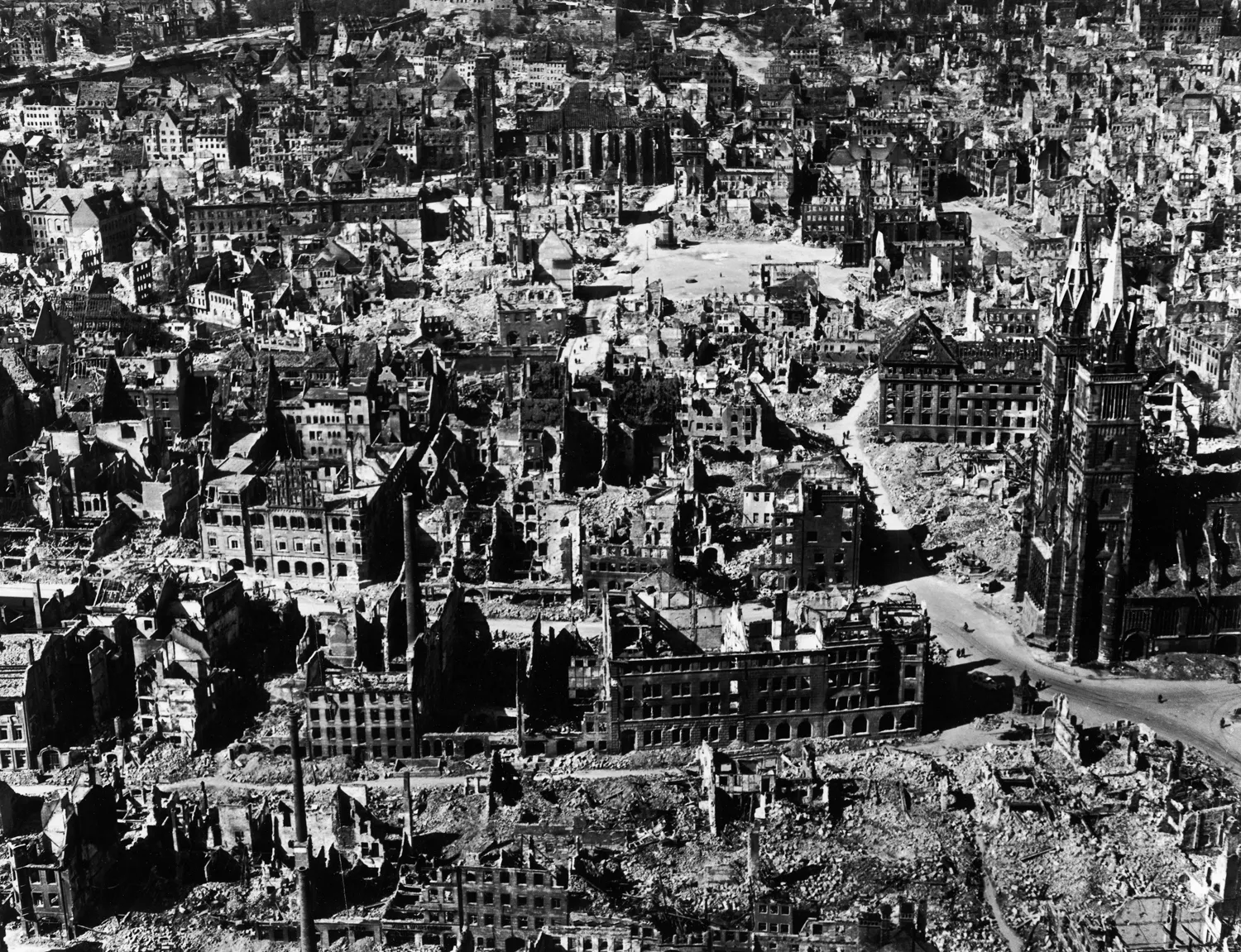
During World War II (1939–1945), the Allied forces of the United States and the United Kingdom carried out a widespread strategic bombing campaign against German citie...
Explore event →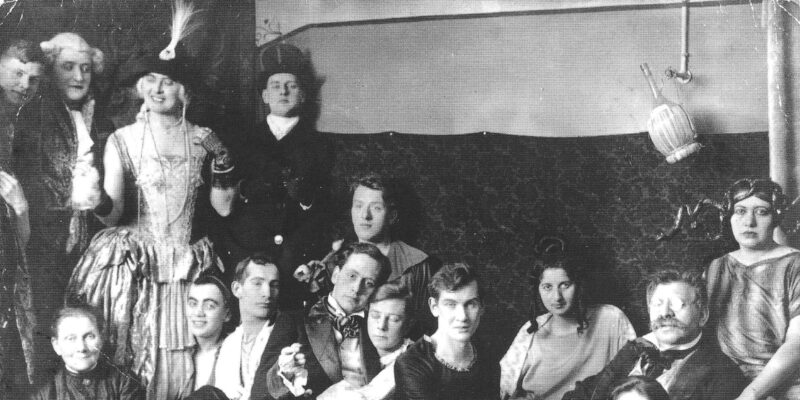
In early 20th century Germany, Berlin was a center for sexual reform and research. Dr. Magnus Hirschfeld (1868–1935), physician and sexologist, a German Jewish doctor,...
Explore event →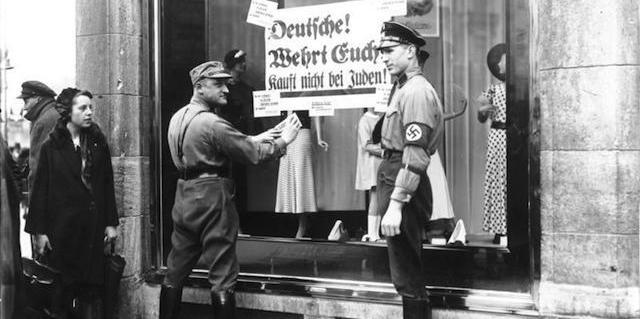
Financial backers of Hitler in 1933 In early 1933, Adolf Hitler received financial support from multiple sources as he rose to power in Germany. Major contributions c...
Explore event →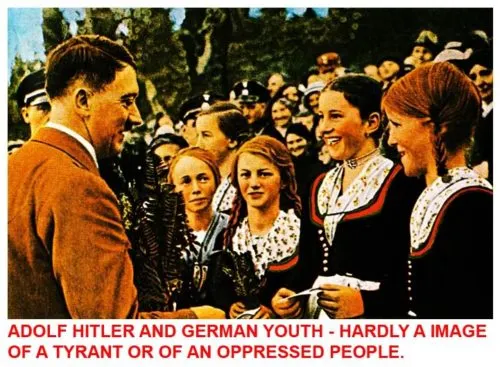
Before Hitler rose to power, major banks and financiers profited from high interest rates in Germany. During the Weimar Republic, government bonds often carried 6-10% ...
Explore event →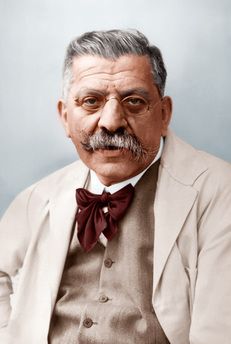
The Wissenschaftlich-humanitäres Komitee, widely recognized as the first organization advocating for the rights of homosexual individuals, was established in Berlin in...
Explore event →
December 1916–January 1917 — German naval and military leaders conclude that unrestricted submarine warfare may force Britain out of the war. They understand that the ...
Explore research
20 April 1945 — Soviet artillery begins shelling central Berlin as forces close around the German capital. Street fighting becomes intense while Nazi leaders remain in...
Explore research
16 April 1945 — Soviet forces attack Germany's final major defensive positions east of Berlin. Massive artillery preparation precedes the assault, but German defenses ...
Explore research
8 November 1923 — Adolf Hitler and the Nazi Party attempt to seize power in Bavaria and march on Berlin. The putsch collapses after police confront the conspirators in...
Explore research
2 May 1945 — German forces in Berlin surrender to the Red Army. Soviet troops control the capital of Nazi Germany. Fighting continues elsewhere for several days, but t...
Explore research
4 August 1914 — Britain declares war on Germany after German forces invade neutral Belgium and Berlin fails to meet the British demand for Belgian neutrality to be res...
Explore research
1 August 1914 — Germany declares war on Russia after demanding that Russian mobilization stop. German military planning assumes that a war with Russia will also involv...
Explore research
10 October 1938 — German occupation of the Sudetenland gives Berlin control of major Czech border fortifications and significant industrial territory. The Munich settl...
Explore research
5 July 1914 — Austro-Hungarian envoy Alexander Hoyos receives powerful assurances in Berlin that Germany will support Vienna if it acts against Serbia, even if Russian...
Explore research
15 March 1939 — German forces occupy Prague and dismantle what remains of Czechoslovakia. Bohemia and Moravia become a German protectorate while Slovakia becomes forma...
Explore research
20 March 1945 — Heinrici takes command of Army Group Vistula and organizes Germany's final major defensive position east of Berlin. Widely regarded as a skilled defens...
Explore research
30 April 1945 — Adolf Hitler kills himself in the Führerbunker as Soviet troops fight through central Berlin. Germany has already lost control of most of its territory...
Explore research
30 April 1945 — Adolf Hitler kills himself inside the Führerbunker as Soviet troops fight through central Berlin. Germany's military position is hopeless and the capit...
Explore research
12 January 1945 — Konev commands the 1st Ukrainian Front during the Vistula-Oder campaign and later advances toward Berlin and central Germany. His forces compete oper...
Explore research
13 March 1920 — Right-wing forces attempt to overthrow the Weimar government after disputes over the reduction of Germany's postwar military formations. The government...
Explore research
22 May 1939 — Germany and Italy sign a formal political and military alliance. Mussolini's government is not actually prepared for a major European war in 1939, despit...
Explore research
17 July 1945 — Truman, Stalin and initially Churchill meet near Berlin after Germany's defeat. They discuss occupation policy, borders, reparations and the war against...
Explore research
27 February 1933 — Germany's parliament building burns in Berlin. The Nazi government uses the crisis to portray communism as an immediate revolutionary threat. Presid...
Explore research
30 July 1914 — Tsar Nicholas II approves general mobilization of Russian forces after growing alarm over Austria-Hungary's attack on Serbia. Russian leaders fear that ...
Explore research
16 April 1945 — The final offensive toward Berlin begins with one of the largest artillery concentrations of the war. Searchlights, artillery and armored formations su...
Explore research
12 January 1945 — Soviet armies launch a huge offensive from bridgeheads in Poland. German defenses collapse across much of the front. Soviet forces advance hundreds o...
Explore research
20 January 1942 — Senior Nazi officials meet near Berlin to coordinate bureaucratic implementation of the so-called Final Solution of the Jewish Question. Mass killing...
Explore research