Decisive Clash at Naissus
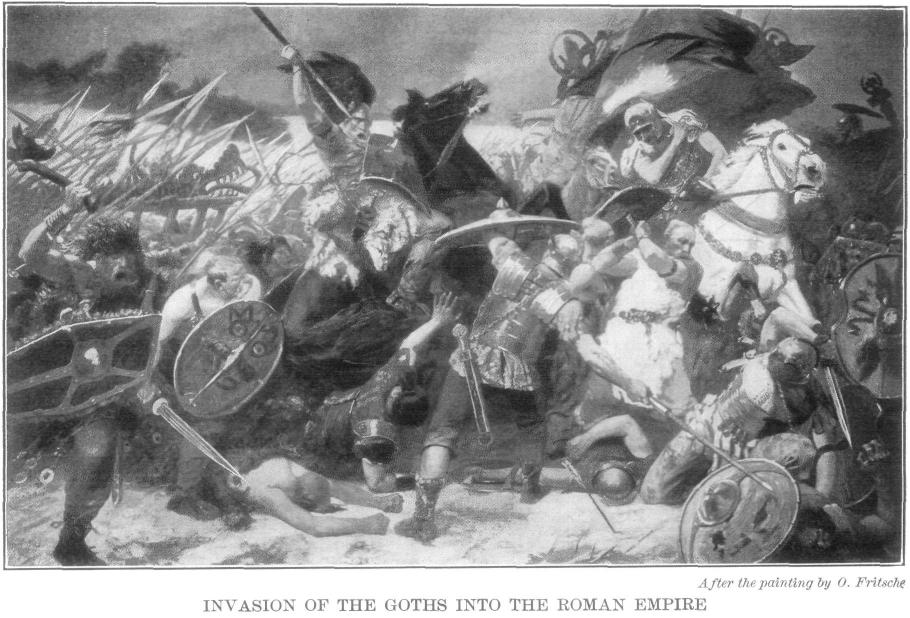
The Battle of Naissus was a significant conflict fought near the ancient city of Naissus, now known as Niš, in the Nišava District. It occurred during the crisis of th...
Explore event →History does not happen in isolation. Explore world events across time, follow the connections between them, and investigate the threads that reveal how one event can lead to another.
TheTimeMap currently follows events across 95 countries and 268 years of history — building a connected archive designed for people who want to look beyond the headline.
We oppose antisemitism, racism, and dehumanization — everywhere.
When people stop feeling, injustice becomes easy.
The Battle of Naissus was a significant conflict fought near the ancient city of Naissus, now known as Niš, in the Nišava District. It occurred during the crisis of th...
Explore event →
July 1914 — Russian leaders view Serbia as both a political partner and a test of Russian great-power credibility in the Balkans. Previous retreats in regional crises ...
Explore research
1908–1914 — Austria-Hungary faces growing nationalist pressures in the Balkans following the Bosnian annexation crisis and Serbia's expansion during the Balkan Wars. S...
Explore research
1272 CE — Charles of Anjou establishes the Regnum Albaniae after securing support among local nobles around Durrës. Angevin power proves uneven, but the kingdom demons...
Explore research
18 October 1081 — Norman forces under Robert Guiscard defeat the Byzantine army of Emperor Alexios I Komnenos outside Dyrrhachium. The battle shows the Adriatic city's...
Explore research
1079–1080 CE — Byzantine historian Michael Attaleiates uses terms generally interpreted as references to Albanians in the western Balkans. These medieval references ar...
Explore research
c. 550–650 CE — Slavic-speaking groups settle widely across the Balkans during a period of weakened Byzantine frontier control. Settlement patterns, languages and poli...
Explore research
c. 150 CE — The geographer Claudius Ptolemy records a people called Albanoi and a settlement named Albanopolis in the western Balkans. The similarity to later Albanian...
Explore research
1st–4th centuries CE — Christianity spreads through the Roman Balkans and eventually becomes institutionally established. Bishoprics emerge in important cities includi...
Explore research
c. 146–120 BCE — Roman engineers develop the Via Egnatia from the Adriatic coast through Macedonia toward Byzantium. Dyrrachium becomes one of the principal western ga...
Explore research
168 BCE — Roman forces defeat King Gentius near Scodra after a short campaign. His capture effectively ends the last major independent Illyrian monarchy in the region....
Explore research
4th–3rd centuries BCE — Several Illyrian dynasties consolidate larger kingdoms across the western Balkans. Their rulers compete with Macedonia, Epirus and Greek coasta...
Explore research
c. 1000–500 BCE — Iron Age communities later identified by Greek and Roman writers as Illyrian become visible across much of the western Balkans. Illyrians were not on...
Explore research
c. 3000–1100 BCE — Fortified settlements, metallurgy, regional trade and tumulus burial traditions develop across the western Balkans. Social differences become increa...
Explore research
c. 6500–5500 BCE — Farming, livestock keeping and permanent villages become established in parts of the territory of modern Albania. Communities increasingly depend on...
Explore research
29 September 1918 — Bulgaria signs the Armistice of Salonica after Allied breakthroughs in the Balkans. The surrender opens routes toward Austria-Hungary and the Ottom...
Explore research
23 August 1944 — King Michael leads a coup that removes Ion Antonescu and ends Romania's alliance with Germany. Romania soon joins the war against the Axis. Germany lo...
Explore research