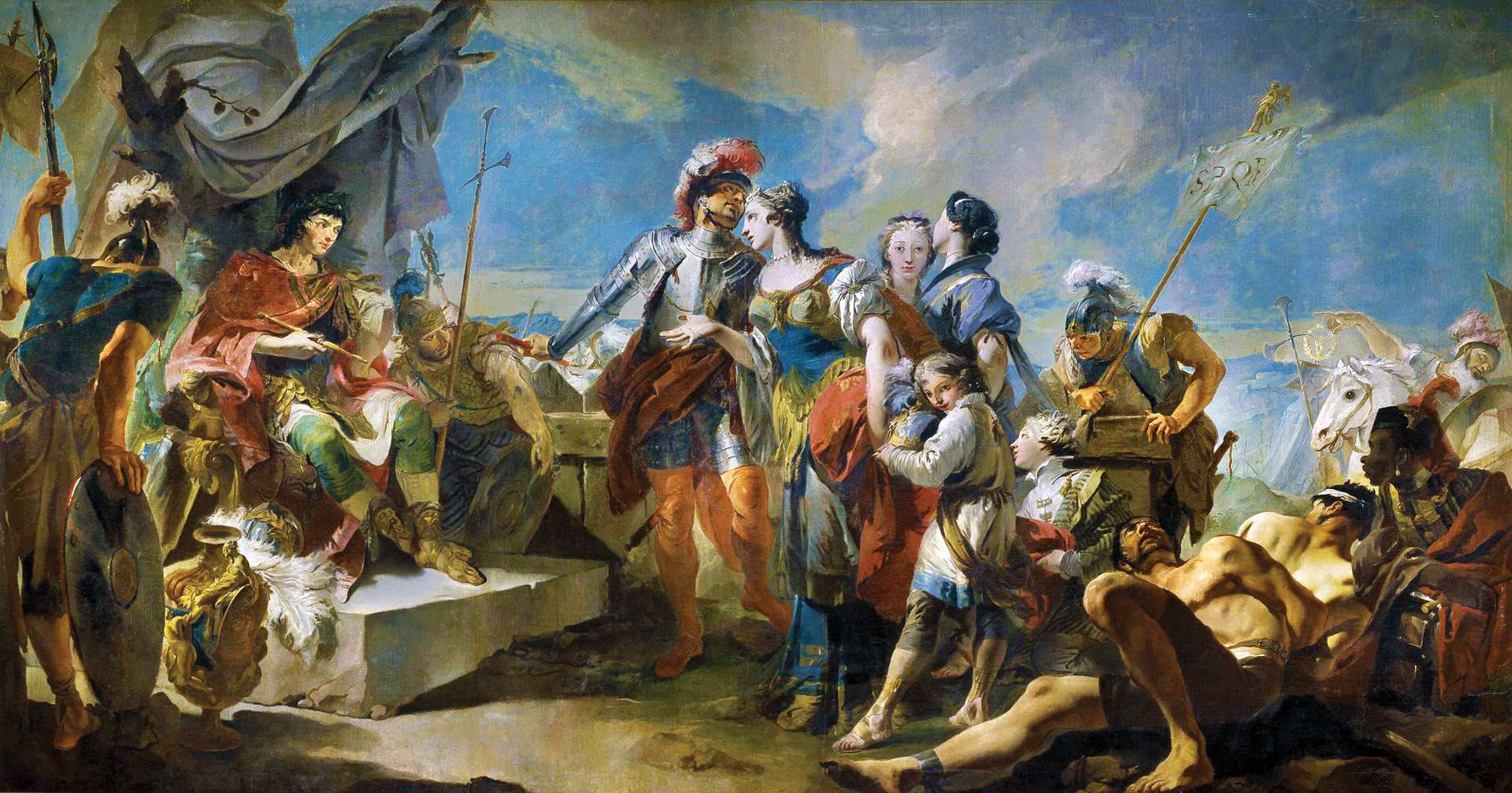
Palmyra Queen's Defeat and Capture
Queen Zenobia of Palmyra was captured following the Roman Emperor Aurelian's siege of her capital. Her defeat marked the end of the Palmyrene Empire's attempt to asser...
Explore event →History does not happen in isolation. Explore world events across time, follow the connections between them, and investigate the threads that reveal how one event can lead to another.
TheTimeMap currently follows events across 95 countries and 268 years of history — building a connected archive designed for people who want to look beyond the headline.
We oppose antisemitism, racism, and dehumanization — everywhere.
When people stop feeling, injustice becomes easy.
Queen Zenobia of Palmyra was captured following the Roman Emperor Aurelian's siege of her capital. Her defeat marked the end of the Palmyrene Empire's attempt to asser...
Explore event →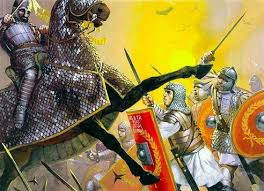
The Battle of Resaena was fought between Roman forces under Emperor Gordian III and the Sasanian Empire. This conflict marked a significant Roman attempt to regain los...
Explore event →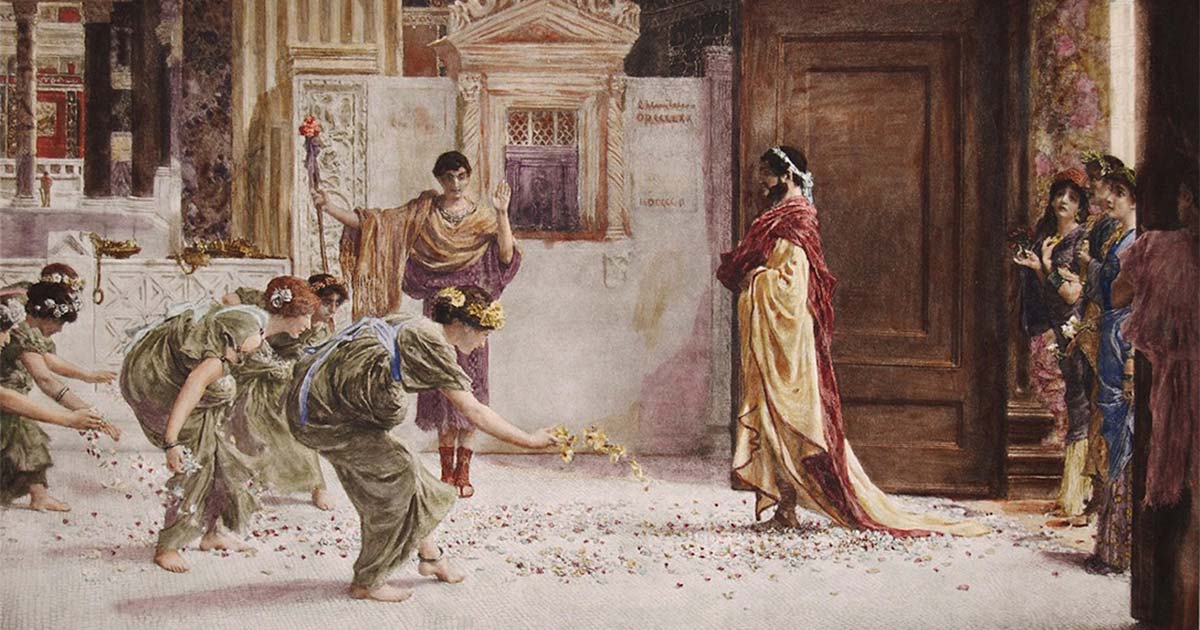
Elagabalus, also known as Varius Avitus Bassianus, was proclaimed Roman Emperor upon the death of Caracalla’s successor during the Severan dynasty. His accession marke...
Explore event →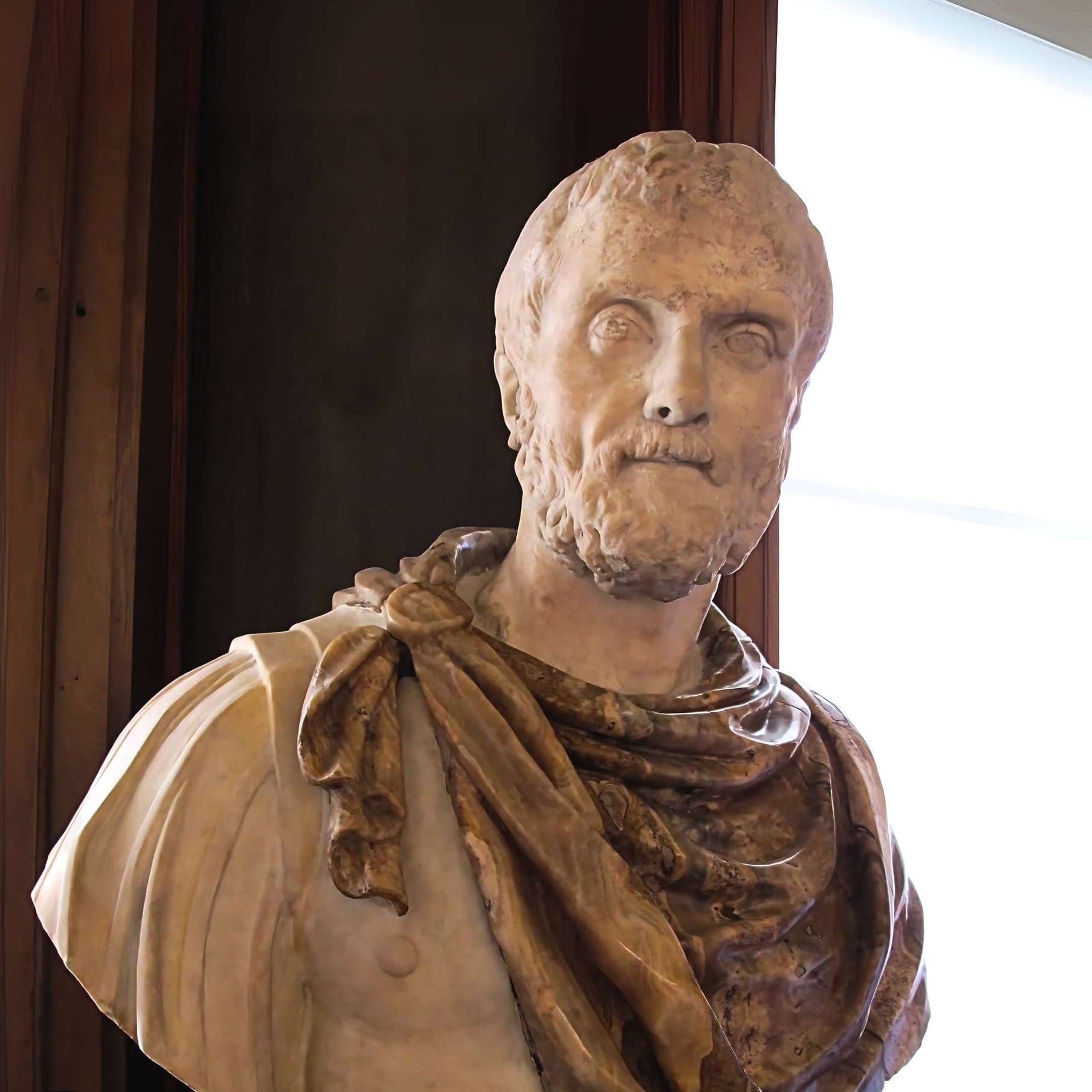
Following the assassination of Emperor Caracalla, Macrinus, then the commander of the Praetorian Guard, declared himself emperor. His accession marked the first time a...
Explore event →
Rabbinic literature from the Mishnaic and Talmudic periods (approximately 1st–6th centuries CE) includes legal discussions that describe several categories relating to...
Explore event →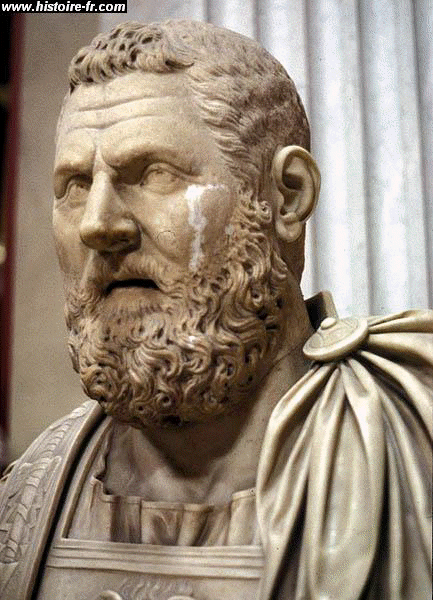
Pertinax, Roman Emperor for a brief reign, was assassinated by members of the Praetorian Guard. His attempts to reform the empire and enforce discipline antagonized th...
Explore event →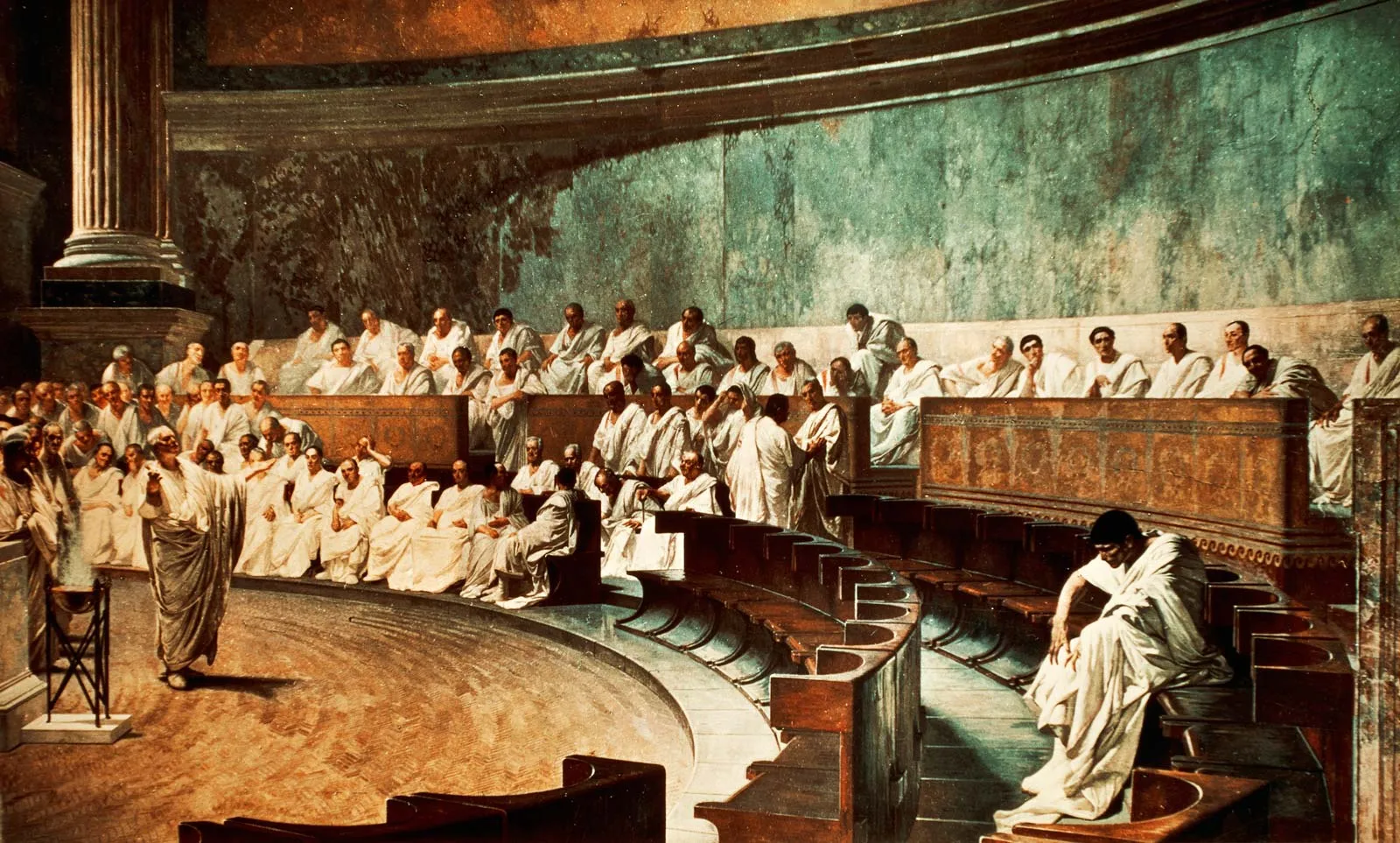
Pertinax was proclaimed Roman Emperor by the Senate following the assassination of Commodus. His accession marked a brief attempt to restore discipline and order in th...
Explore event →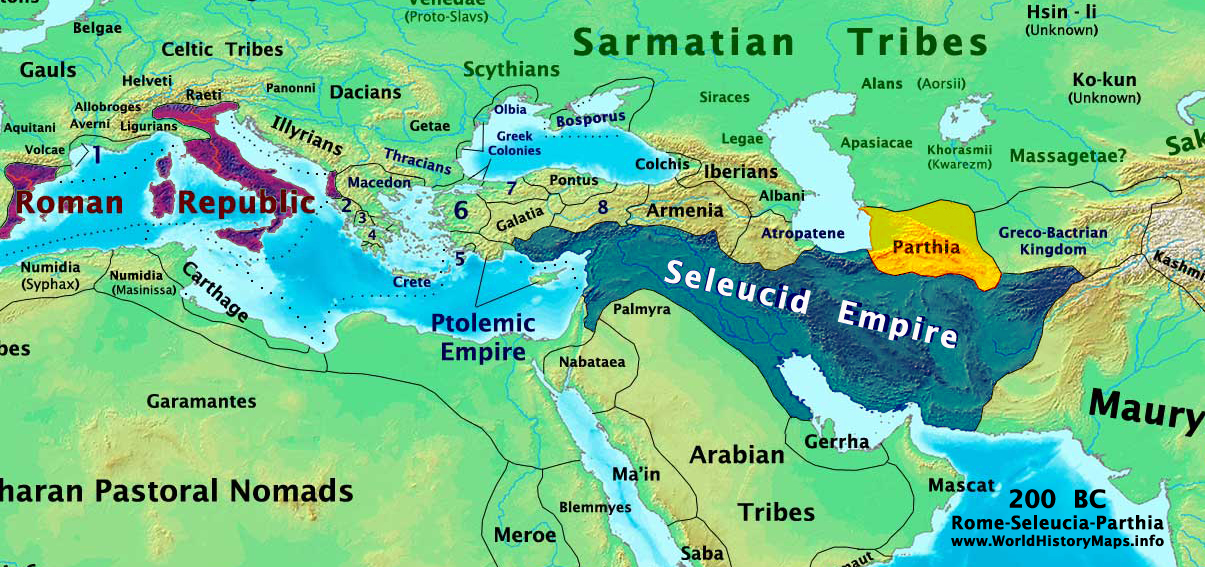
Roman Emperor Trajan launched a military campaign into the Parthian Empire, aiming to expand Roman territory eastward. The campaign marked a major escalation of confli...
Explore event →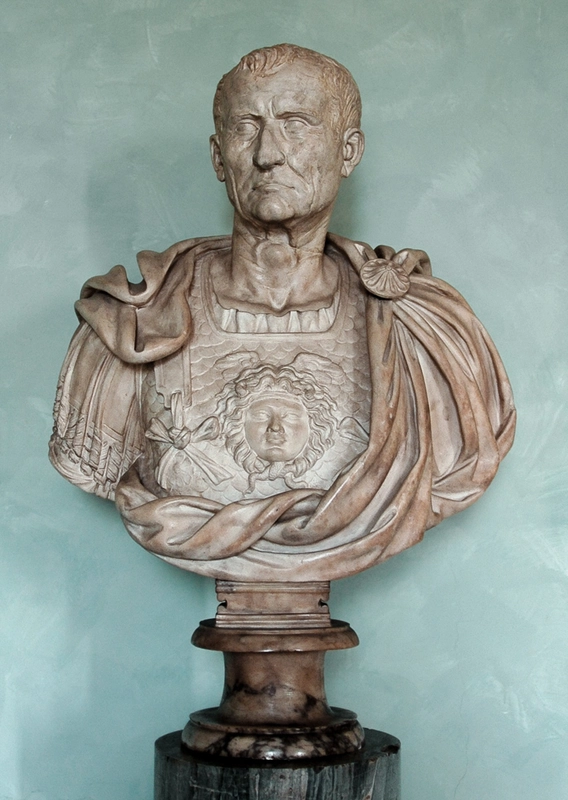
Galba was declared Roman Emperor following the assassination of Nero, marking the end of the Julio-Claudian dynasty. His accession was largely supported by the Senate ...
Explore event →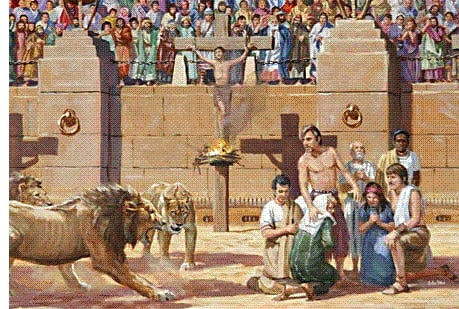
In the mid-first century, Emperor Nero initiated systematic persecution of Christians in Rome following the Great Fire of 64 AD. Christians were blamed for the disaste...
Explore event →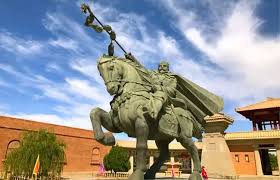
Ban Chao, a Chinese general and diplomat of the Eastern Han dynasty, is recorded as sending an envoy toward the western regions in an effort to establish contacts with...
Explore event →
The Xin dynasty was established by Wang Mang, who usurped the throne from the Han dynasty. This marked a significant political shift in ancient China, interrupting the...
Explore event →
3 November 1918 — Sailors at Kiel revolt after naval leaders attempt to send the fleet into a final battle. The mutiny spreads into a wider revolutionary movement as w...
Explore research
8 March 1917 — Demonstrations, strikes and bread shortages in Petrograd begin the revolutionary crisis that destroys the imperial government. Soldiers increasingly ref...
Explore research
1 February 1917–11 November 1918 — German submarines attack merchant shipping in an attempt to reduce British imports below sustainable levels. Early shipping losses a...
Explore research
September–November 1914 — After the Marne, both sides repeatedly attempt to turn the other's flank. The maneuvering eventually reaches the North Sea and creates a larg...
Explore research
Untitled1914–1918 — Industrial warfare requires food, coal, metals, chemicals, credit and shipping on unprecedented scales. Britain attempts to deny overseas resources...
Explore research
671 BCE — Assyrian king Esarhaddon invades Egypt and captures Memphis. Further campaigns follow as Assyria struggles against Kushite attempts to regain authority. Egyp...
Explore research
1942–1945 armaments leadership — Albert Speer becomes Reich Minister of Armaments and War Production in 1942. His ministry attempts to rationalize industrial output, s...
Explore research
1942–1945 armaments leadership — Albert Speer becomes Reich Minister of Armaments and War Production in 1942. His ministry attempts to rationalize industrial output, s...
Explore research
16 December 1944 — Germany launches a surprise offensive through the Ardennes in an attempt to split Allied armies and seize Antwerp. Initial German advances create a ...
Explore research
24 August 1943 — Soviet armies begin a massive offensive toward the Dnieper River. German forces withdraw while attempting to create defensive positions along the rive...
Explore research
8 November 1923 — Adolf Hitler and the Nazi Party attempt to seize power in Bavaria and march on Berlin. The putsch collapses after police confront the conspirators in...
Explore research
31 March 1939 — The British guarantee to Poland marks a major shift in policy after the occupation of Prague. Britain is no longer signaling willingness to negotiate e...
Explore research
3 September 1939 — Britain and France declare war on Germany after Hitler refuses demands to withdraw from Poland. Governments that spent much of the 1930s attempting ...
Explore research
24 November 1942 — Manstein receives command of Army Group Don during the Stalingrad crisis. He attempts to organize relief of the Sixth Army and later conducts the su...
Explore research
31 August 1939 — German operatives stage a false Polish attack on the radio station at Gleiwitz and related frontier incidents. The operation forms part of an attempt ...
Explore research
24 November 1942 — Hitler orders the Sixth Army to remain inside the Stalingrad pocket rather than attempt an immediate breakout. He expects outside relief and air sup...
Explore research
German emperor. During the crisis he supported Austria-Hungary but later also participated in attempts to prevent escalation.
Explore research
13 March 1920 — Right-wing forces attempt to overthrow the Weimar government after disputes over the reduction of Germany's postwar military formations. The government...
Explore research
24 November 1942 — Hitler commits to holding Stalingrad while the Luftwaffe attempts to supply the encircled Sixth Army. Required daily tonnage far exceeds what can re...
Explore research
4 January 1944 — The Polish Home Army begins implementing Operation Tempest as Soviet forces approach prewar Polish territory. Underground units attempt to fight Germa...
Explore research
29 December 1944 — Soviet and Romanian forces encircle Budapest. Hitler orders the city held while German and Hungarian troops continue resistance. Fighting becomes ex...
Explore research
British foreign secretary who attempted to organize international mediation during the crisis.
Explore research
1913–1921 presidency — Wilson initially attempts to maintain American neutrality while defending neutral commercial and maritime rights. German unrestricted submarine ...
Explore research
1913–1921 presidency — Wilson initially attempts to maintain American neutrality while defending neutral commercial and maritime rights. German unrestricted submarine ...
Explore research