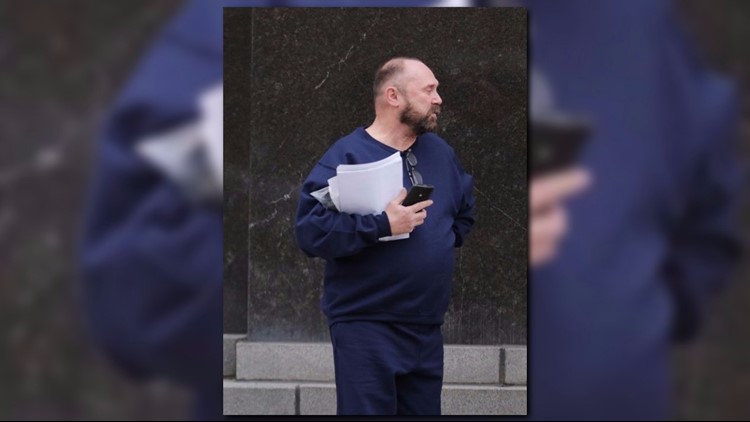
Arthur Rathburn and Tel Aviv
Arthur Rathburn was the owner and operator of International Biological, Inc. (IBI), a Michigan company that supplied human cadavers and anatomical specimens for medica...
Explore event →History does not happen in isolation. Explore world events across time, follow the connections between them, and investigate the threads that reveal how one event can lead to another.
TheTimeMap currently follows events across 95 countries and 268 years of history — building a connected archive designed for people who want to look beyond the headline.
We oppose antisemitism, racism, and dehumanization — everywhere.
When people stop feeling, injustice becomes easy.
Arthur Rathburn was the owner and operator of International Biological, Inc. (IBI), a Michigan company that supplied human cadavers and anatomical specimens for medica...
Explore event →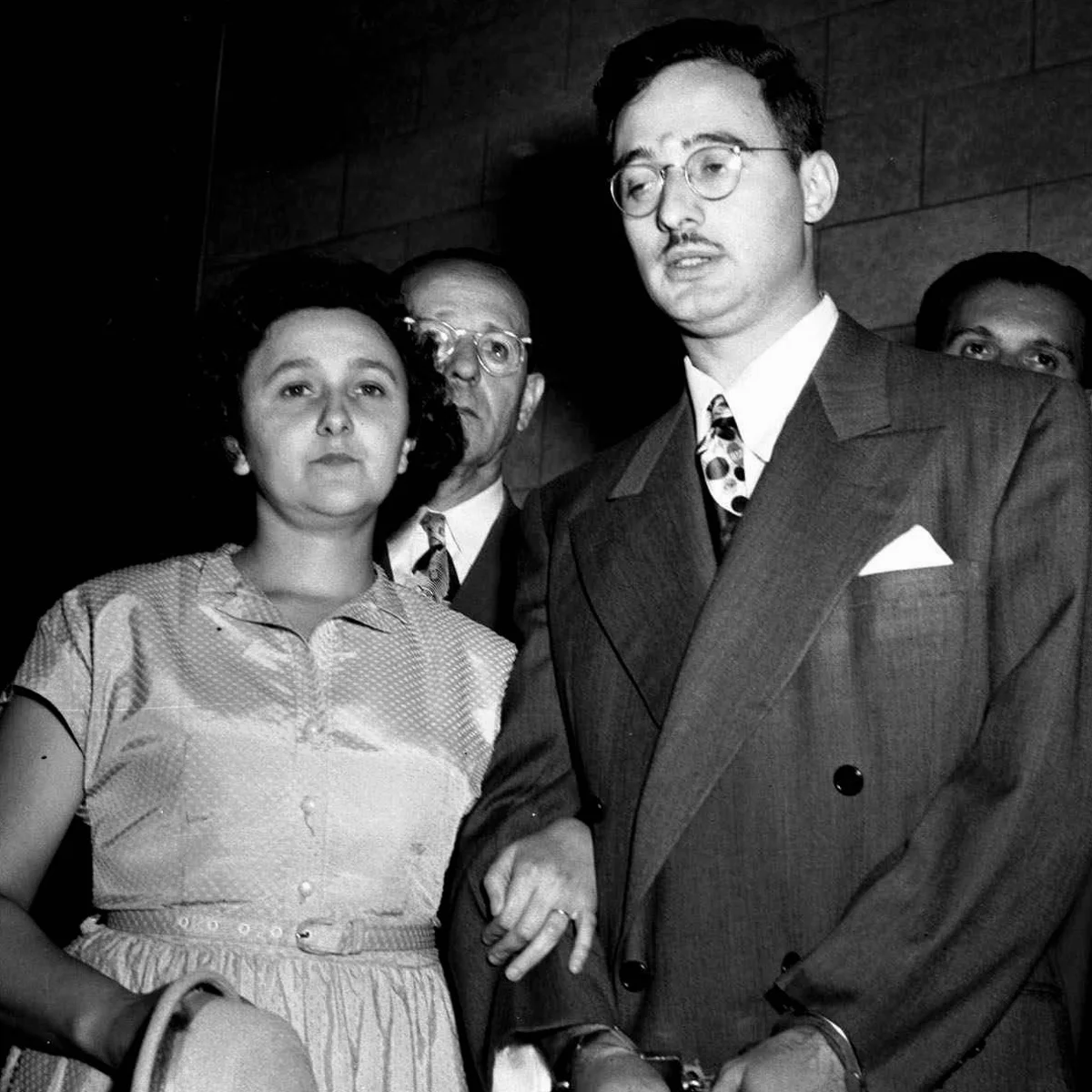
Julius and Ethel Rosenberg Executed for Espionage On June 19, 1953, Julius Rosenberg and Ethel Rosenberg were executed at Sing Sing Prison in Ossining, New York, afte...
Explore event →
1913 – Foundations of the Modern World body { font-family: Arial, sans-serif; background-color: #f4f4f9; margin: 0; padding: 0; } .timeline-container { ...
Explore event →
6 August 1945 — An American B-29 drops the uranium bomb Little Boy on Hiroshima. The explosion and fire destroy much of the city and kill tens of thousands of people i...
Explore research
9 August 1945 — The United States drops the plutonium bomb Fat Man on Nagasaki. Tens of thousands are killed immediately or in the following months. The attack occurs ...
Explore research
U.S. president whose administration responded to warnings about atomic weapons and eventually authorized the massive wartime development program.
Explore research
U.S. president after Roosevelt's death. Truman inherited the Manhattan Project and authorized the wartime use of atomic bombs against Japan.
Explore research
31 May 1945 — Secretary of War Henry Stimson chairs the first major meeting of the Interim Committee considering policy surrounding the atomic bomb. Stimson becomes on...
Explore research
15 August 1945 — Emperor Hirohito's recorded voice is broadcast to the Japanese population announcing acceptance of Allied surrender terms. The decision follows intens...
Explore research
Physicist selected by Groves to direct the Los Alamos laboratory, where scientists designed and assembled the atomic weapons.
Explore research
22 June 1941 — Beria heads major Soviet security institutions during the war. His apparatus oversees internal repression, intelligence, population transfers and elemen...
Explore research
9 August 1945 — Soviet forces launch a massive offensive against the Japanese Kwantung Army in Manchuria. The attack follows Soviet commitments made to the Western All...
Explore research
16 July 1945 — The United States detonates the world's first nuclear device at the Trinity test site in New Mexico. The successful plutonium implosion test proves that...
Explore research