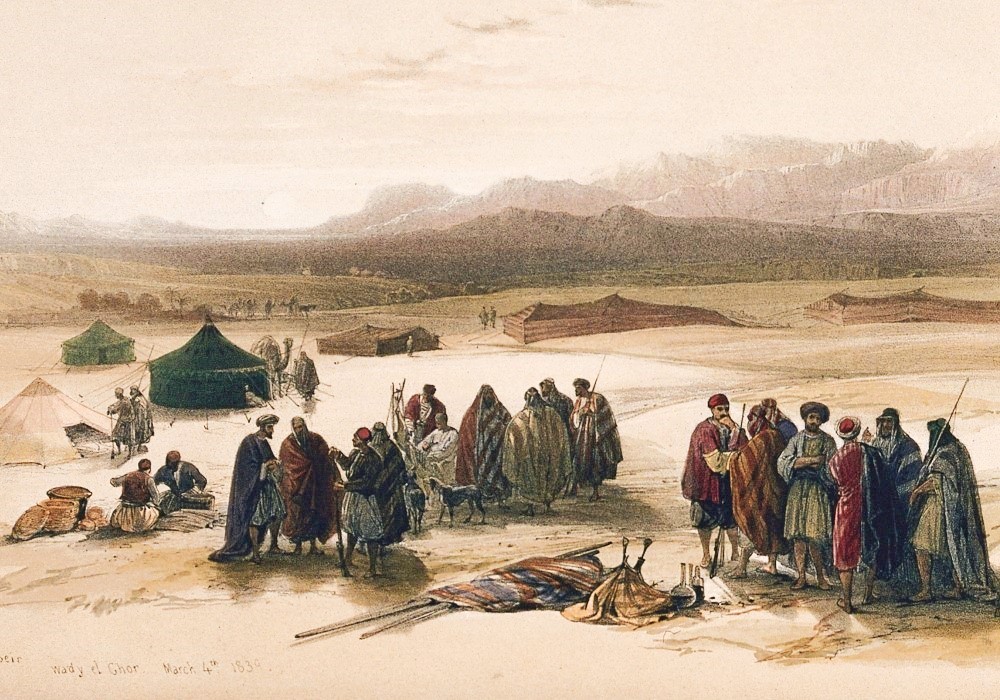
Edomites conversion judaism
The Edomites, also known in later sources as Idumeans, were an ancient Semitic people who lived in the region south of Judea, historically associated with the descenda...
Explore event →History does not happen in isolation. Explore world events across time, follow the connections between them, and investigate the threads that reveal how one event can lead to another.
TheTimeMap currently follows events across 95 countries and 268 years of history — building a connected archive designed for people who want to look beyond the headline.
We oppose antisemitism, racism, and dehumanization — everywhere.
When people stop feeling, injustice becomes easy.
The Edomites, also known in later sources as Idumeans, were an ancient Semitic people who lived in the region south of Judea, historically associated with the descenda...
Explore event →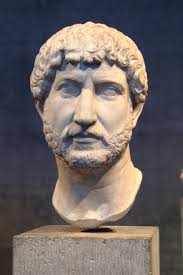
Following the death of Emperor Trajan, Hadrian chose to abandon the eastern conquests achieved during Trajan's campaigns. This strategic withdrawal aimed to consolidat...
Explore event →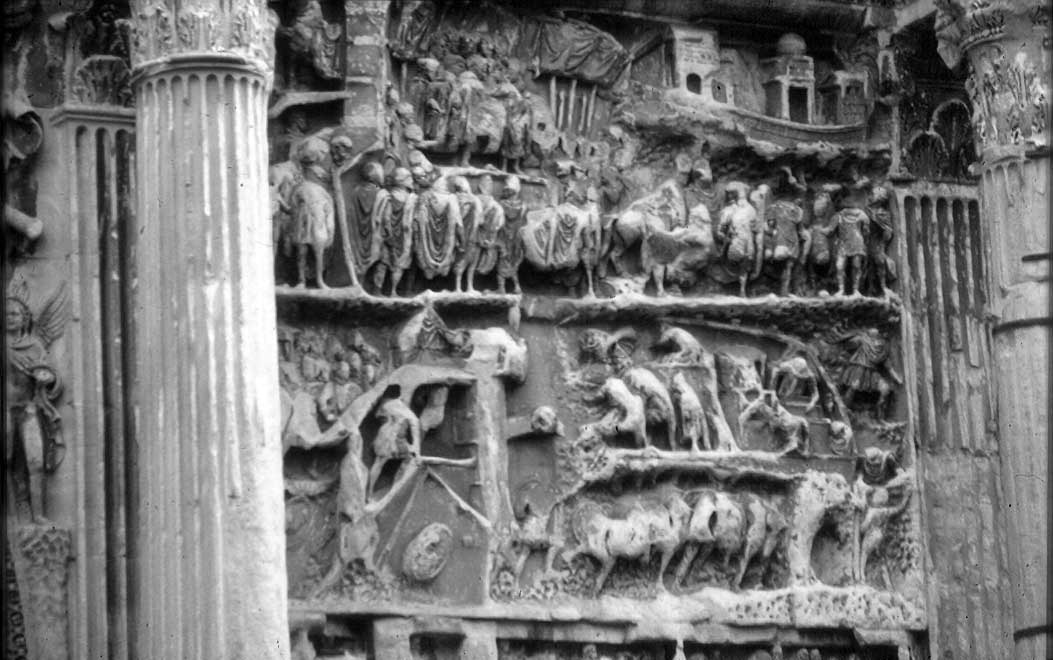
The Roman Empire, under Emperor Trajan, successfully captured the city of Ctesiphon during his campaign against the Parthian Empire. This marked a significant moment a...
Explore event →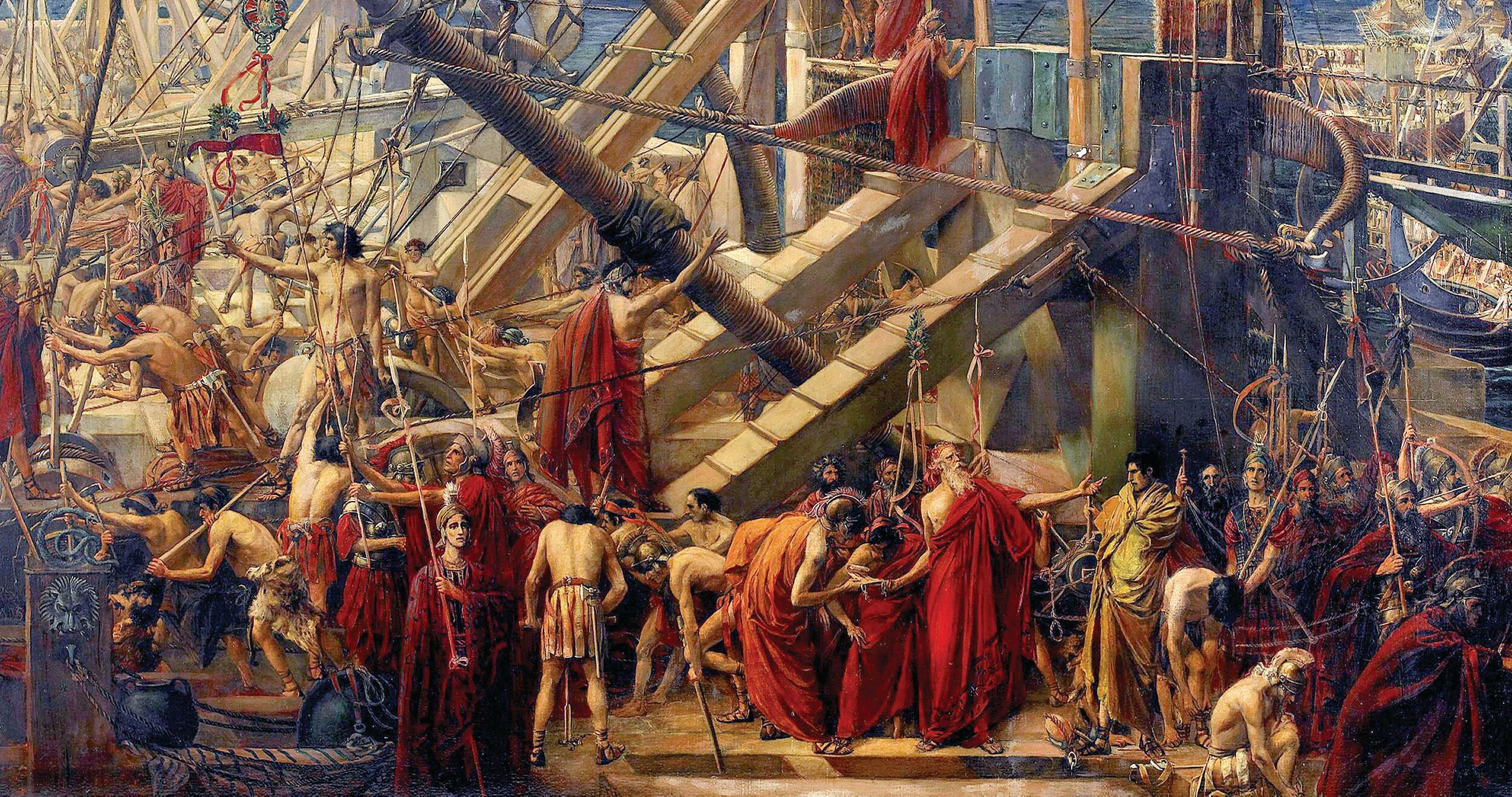
The Roman forces led by Emperor Trajan launched a military campaign across Mesopotamia, culminating in the siege and capture of Seleucia. This event marked a significa...
Explore event →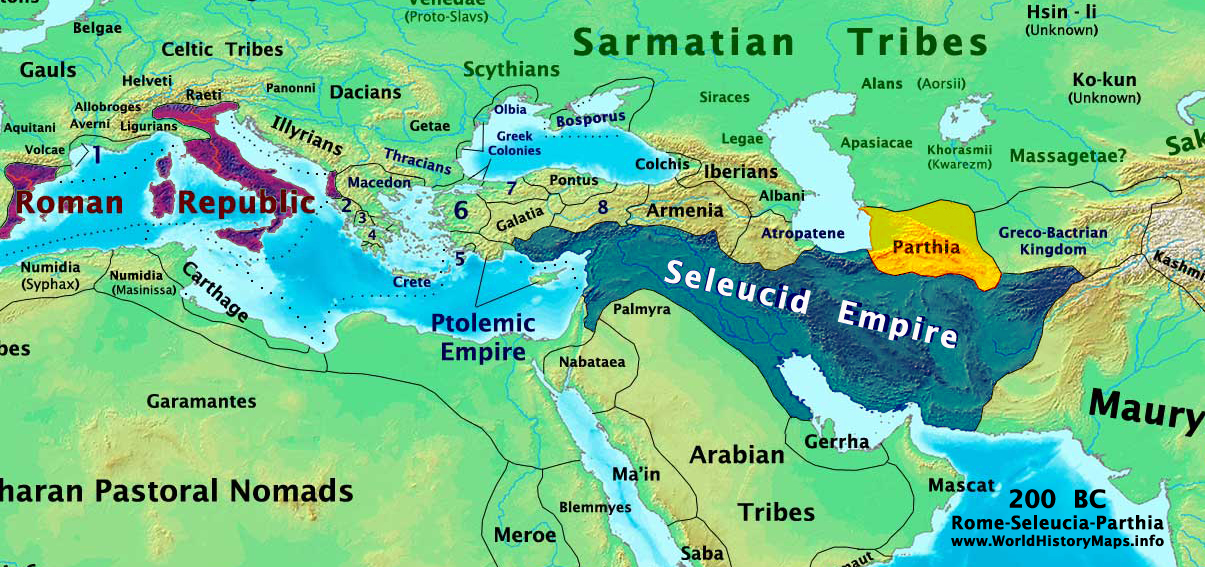
Roman Emperor Trajan launched a military campaign into the Parthian Empire, aiming to expand Roman territory eastward. The campaign marked a major escalation of confli...
Explore event →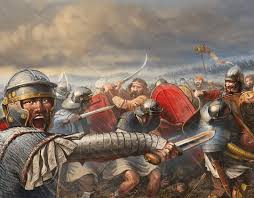
The First Battle of Tapae was a significant conflict between the Roman Empire and the Dacians. It took place at the mountain pass of Tapae, the gateway to the Dacian h...
Explore event →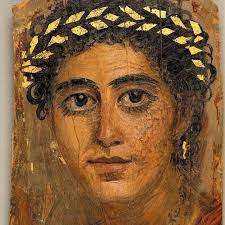
The Fayum portrait tradition represents a unique blend of Egyptian and Greco-Roman artistic styles. These funerary portraits were painted on wooden panels and affixed ...
Explore event →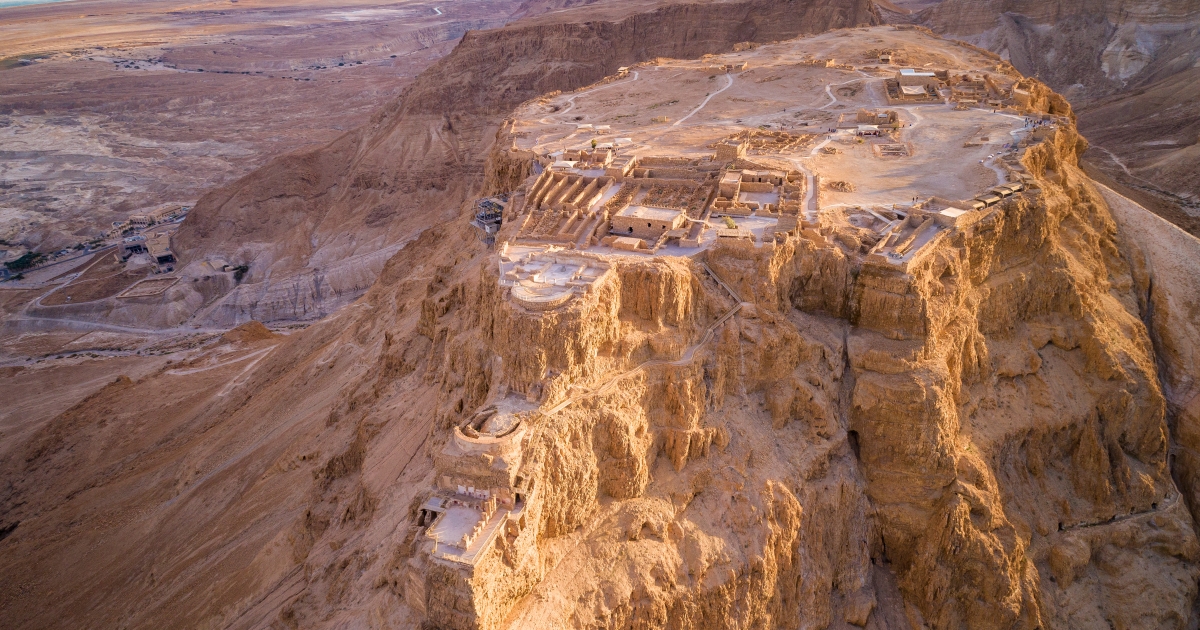
The Siege of Masada was the last stronghold of the Jewish rebels during the First Jewish–Roman War. Roman forces laid siege to the fortress located on a plateau near t...
Explore event →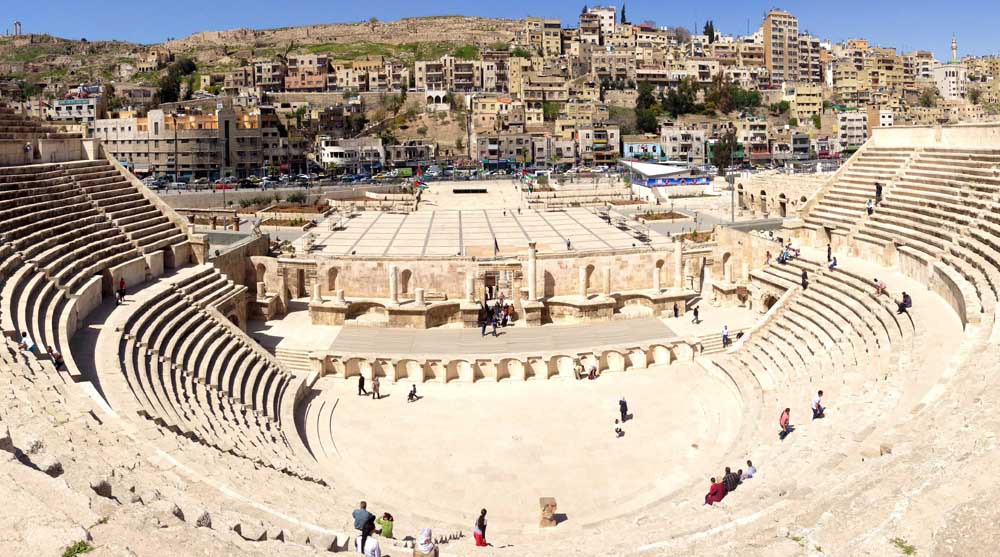
Construction of the Roman amphitheater known as the Colosseum began under Emperor Vespasian. This monumental structure was designed to host a variety of public spectac...
Explore event →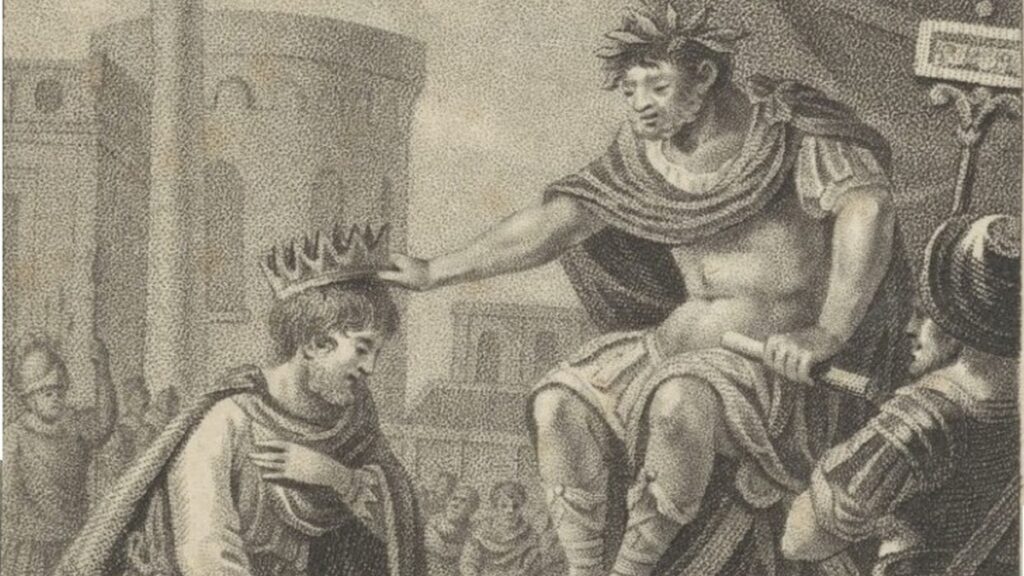
Tiridates I was crowned King of Armenia in the city of Artaxata, solidifying Roman influence in the region. His coronation marked the beginning of a dynasty recognized...
Explore event →
The First Jewish–Roman War, also known as the Great Revolt, began in April 66 CE in the Roman province of Judaea. Jewish rebels rose up against the Roman administratio...
Explore event →
The Great Fire of Rome began in the night and quickly spread through the city, causing extensive destruction. The fire lasted for six days and destroyed many neighborh...
Explore event →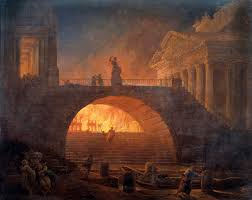
The Great Fire broke out in the city of Rome, spreading rapidly through wooden structures and thatched roofs. The blaze lasted several days, destroying vast parts of t...
Explore event →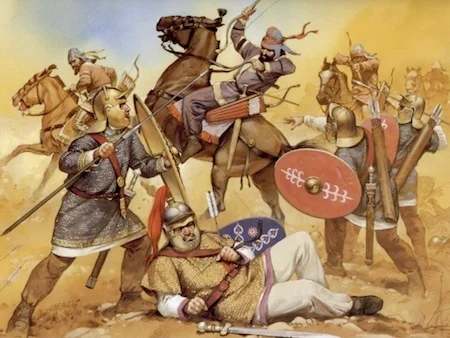
Roman military campaigns against the Parthian Empire resumed under the rule of Emperor Nero, seeking to assert control over the eastern frontier. These efforts aimed t...
Explore event →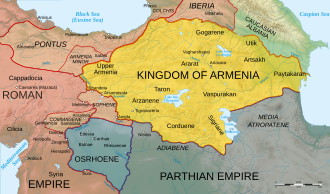
The Roman general Corbulo initiated a military campaign against the Armenian kingdom as part of Rome's efforts to expand influence in the East. This campaign marked th...
Explore event →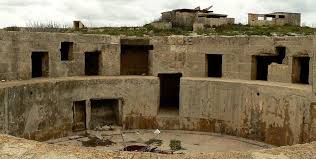
The Russian Empire intensified its fortification efforts along the Amur River frontier, aiming to secure its eastern borders against potential threats. New forts were ...
Explore event →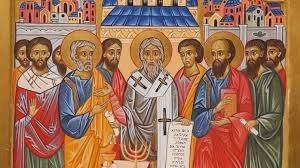
The Council of Jerusalem was a pivotal assembly of early Christian leaders who convened to discuss the integration of Gentile converts into the predominantly Jewish Ch...
Explore event →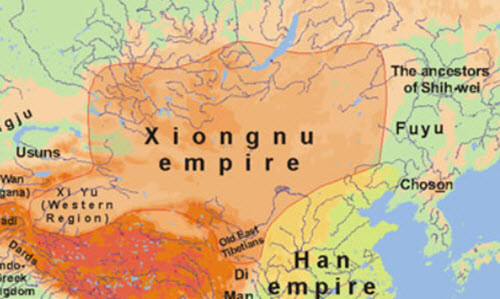
The Southern Xiongnu, a nomadic tribal confederation, migrated and settled within the borders of the Han dynasty during the first century. This movement was part of th...
Explore event →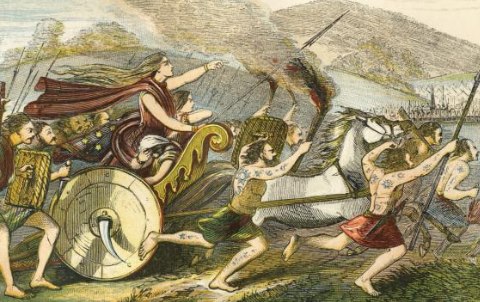
The Roman conquest of Britain began under Emperor Claudius with the landing of Roman forces at Richborough in Kent. This marked the start of a prolonged campaign to br...
Explore event →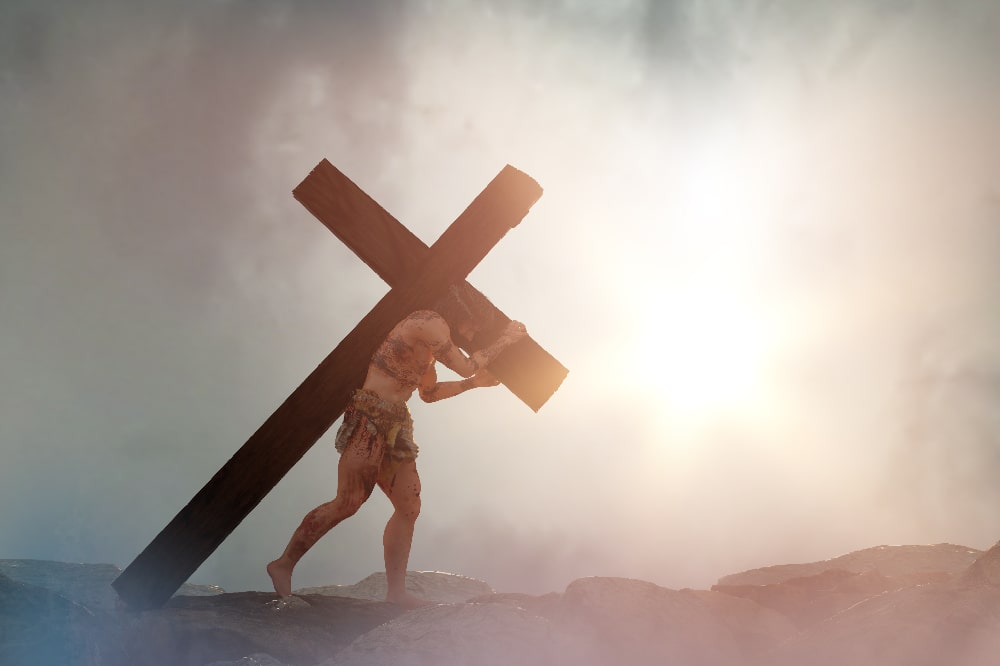
Jesus of Nazareth was executed by crucifixion under Roman governor Pontius Pilate in Jerusalem, during the period of Roman occupation of Judea. The event is documented...
Explore event →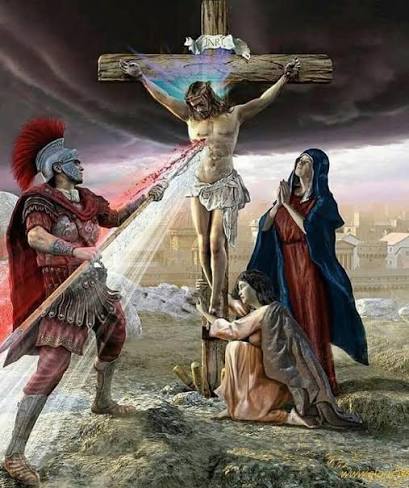
Longinus is the name given in later Christian tradition to the Roman soldier said to have pierced the side of Jesus during the crucifixion with a spear, as described i...
Explore event →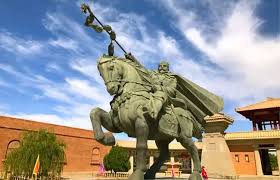
Ban Chao, a Chinese general and diplomat of the Eastern Han dynasty, is recorded as sending an envoy toward the western regions in an effort to establish contacts with...
Explore event →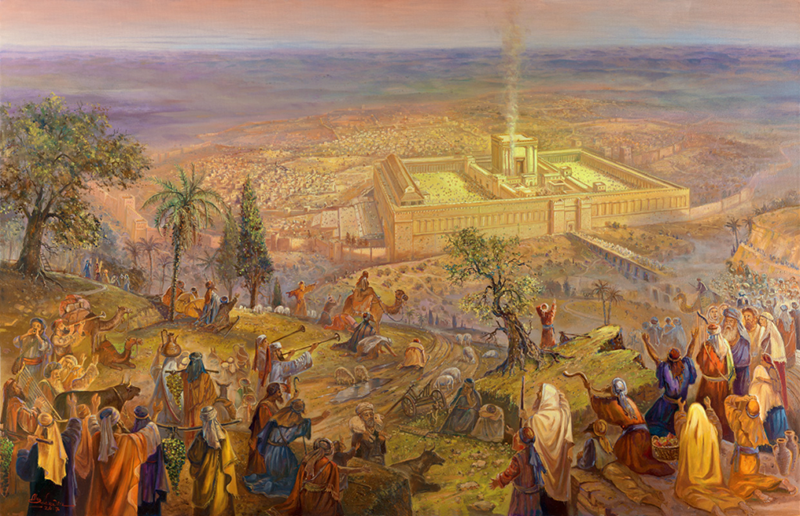
Pentecost in Jerusalem marks a significant event when the early followers of Jesus gathered to celebrate the Jewish festival of Shavuot, also known as Pentecost. This ...
Explore event →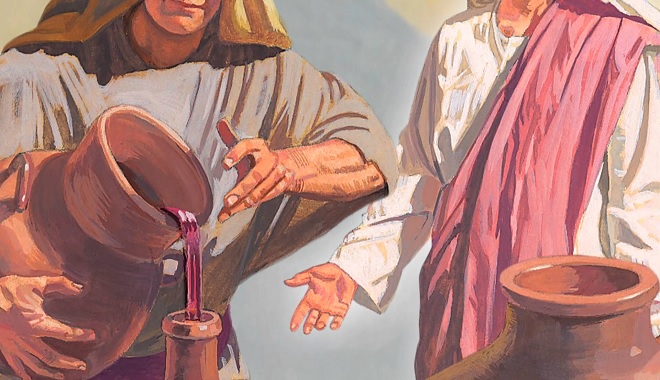
The town of Qana in southern Lebanon is traditionally identified by some Christian communities as the site of the biblical event where Jesus is said to have performed ...
Explore event →
6 August 2015 — Egypt inaugurates a major expansion of the Suez Canal involving a new parallel channel along part of the route and widening of existing sections. The g...
Explore research
2011–2014 — Mubarak's fall opens competitive elections and unprecedented political participation, but the transition rapidly produces institutional conflict, polarizat...
Explore research
1998–1999 — War in neighboring Kosovo becomes a major national and humanitarian issue for Albania. Hundreds of thousands of Kosovo Albanian refugees cross into Albania...
Explore research
31 March 1991 — Albania holds its first competitive multiparty parliamentary elections since the communist takeover. The former communist Party of Labour wins, but the...
Explore research
11 December 1990 — Albania's communist leadership accepts the legalization of independent political parties. The decision effectively ends the political monopoly creat...
Explore research
8 December 1990 — Students in Tirana begin demonstrations demanding political and economic change. The protests rapidly become a national challenge to communist one-pa...
Explore research
17 September 1978 — Sadat and Israeli Prime Minister Menachem Begin sign agreements negotiated under U.S. President Jimmy Carter. The accords establish the framework f...
Explore research
International membership organization founded in 1973 by David Rockefeller to bring together participants from North America, Europe, and Asia for discussion of intern...
Explore research
David Rockefeller founded the Trilateral Commission in 1973 as an organization bringing together participants from North America, Europe, and Asia.
Explore research
1952–1970 — The Free Officers end the monarchy, reduce British influence, redistribute land and create a powerful developmental state. At the same time, political part...
Explore research
11 January 1946 — The monarchy is formally abolished and Albania becomes a communist people's republic. Political opposition is suppressed and the Communist Party esta...
Explore research
1942–1944 — Communist-led partisans, Balli Kombëtar and other nationalist forces resist Italian and later German occupation. Rival resistance movements also fight one ...
Explore research
8 November 1941 — Several Albanian communist groups unite to establish the Communist Party of Albania. Enver Hoxha soon becomes its dominant political figure.
Explore research
1922–1953 — Egypt operates as a constitutional monarchy shaped by constant competition among the palace, the Wafd Party and British power. Parliamentary government exi...
Explore research
21–31 January 1920 — Albanian political leaders meet at Lushnjë to reassert sovereignty and resist foreign plans that threatened partition. The congress creates new na...
Explore research
March–April 1919 — Mass demonstrations, strikes and civil unrest erupt after British authorities exile nationalist leader Saad Zaghloul and other members of the Wafd m...
Explore research
8 August 1918 — Allied armies attack near Amiens and begin the sustained offensive sequence known as the Hundred Days. Improved coordination of artillery, infantry, ta...
Explore research
July–November 1918 — Allied forces increasingly coordinate artillery, infantry, tanks, aircraft, communications and logistics. Strategic coordination also improves und...
Explore research
21 March 1918 — Germany launches Operation Michael, the first of several major offensives designed to win the war in the west before American manpower becomes overwhel...
Explore research
1917–1918 — German forces develop increasingly sophisticated methods based on short intense bombardments, assault detachments and infiltration around strongpoints. The...
Explore research
1917–1918 — Woodrow Wilson increasingly presents American participation as part of a larger project to restructure international relations. His Fourteen Points call fo...
Explore research
1 July 1916 — British and French forces open the Somme offensive after an enormous artillery preparation. The first day becomes the bloodiest single day in British mil...
Explore research
21 February 1916 — Germany launches a major offensive against the fortified Verdun region. French forces commit enormous manpower and artillery to prevent the fortress...
Explore research
American banker, philanthropist, and international affairs figure. He served as chairman and chief executive of Chase Manhattan Bank and was a major participant in org...
Explore research