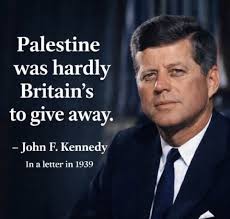
JFK Wrote in 1939 That Palestine Was Hardly Britain's to Give Away
JFK Wrote in 1939 That Palestine Was Hardly Britain's to Give Away In July 1939, John F. Kennedy, then a 22-year-old Harvard student, visited Palestine duri...
Explore event →History does not happen in isolation. Explore world events across time, follow the connections between them, and investigate the threads that reveal how one event can lead to another.
TheTimeMap currently follows events across 95 countries and 268 years of history — building a connected archive designed for people who want to look beyond the headline.
We oppose antisemitism, racism, and dehumanization — everywhere.
When people stop feeling, injustice becomes easy.
JFK Wrote in 1939 That Palestine Was Hardly Britain's to Give Away In July 1939, John F. Kennedy, then a 22-year-old Harvard student, visited Palestine duri...
Explore event →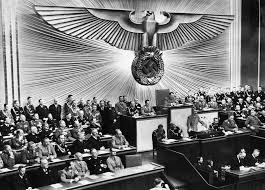
Adolf Hitler References British Rule in Palestine in Reichstag Address “It appears to have slipped Mr. Roosevelt’s mind that Palestine is not being occupied...
Explore event →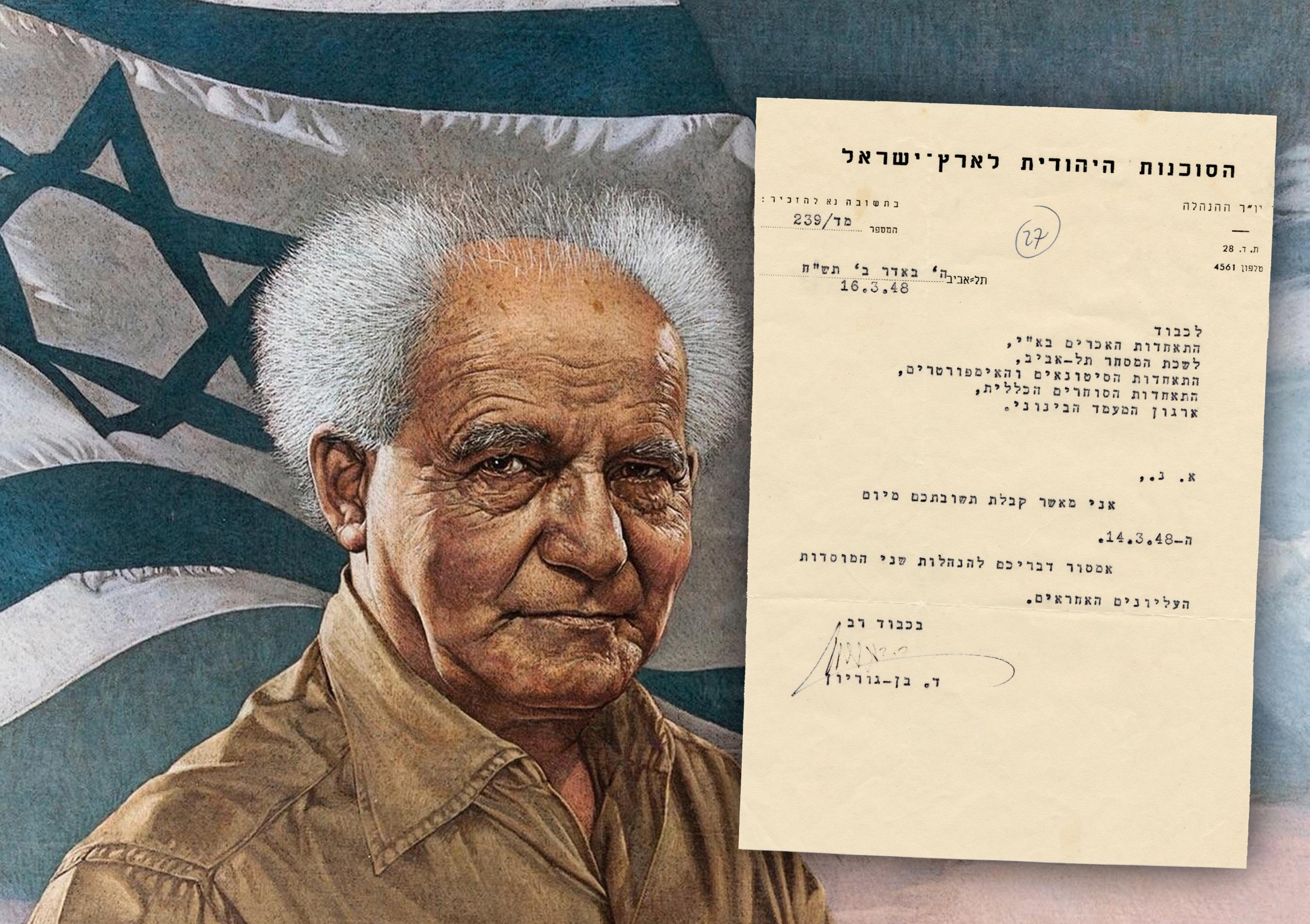
David Ben-Gurion Controversial Statements Record On October 5, 1937, David Ben-Gurion wrote a letter to his son Amos following the Peel Commission’s proposal to parti...
Explore event →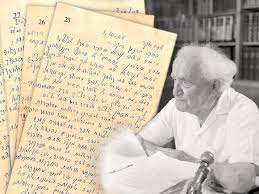
David Ben-Gurion 1937 Letter Controversy On October 5, 1937, David Ben-Gurion, then head of the Jewish Agency Executive, wrote a letter to his son Amos during the per...
Explore event →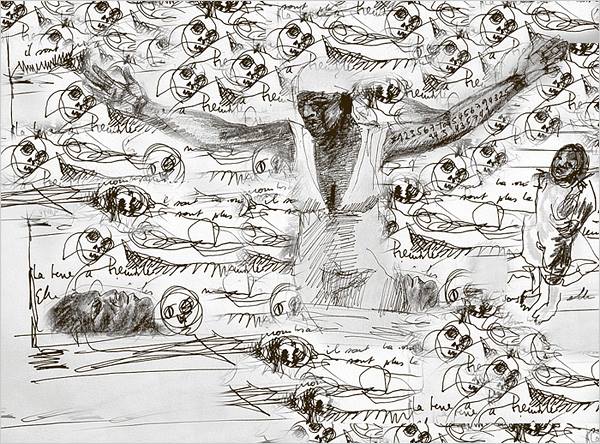
The Haitian Parsley Massacre, also known as the 1937 Parsley Massacre or the Haitian Massacre, was a mass killing carried out by the Dominican Army under the orders of...
Explore event →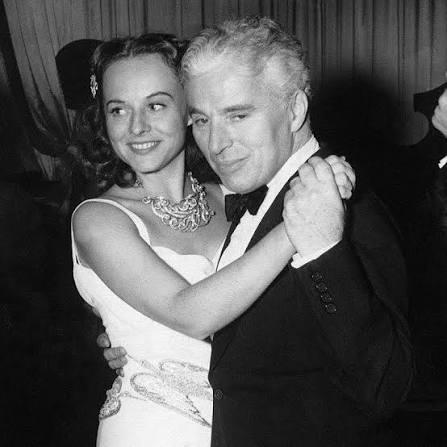
Charlie Chaplin and actress Paulette Goddard were associated romantically and professionally during the 1930s and early 1940s. Their relationship became particularly w...
Explore event →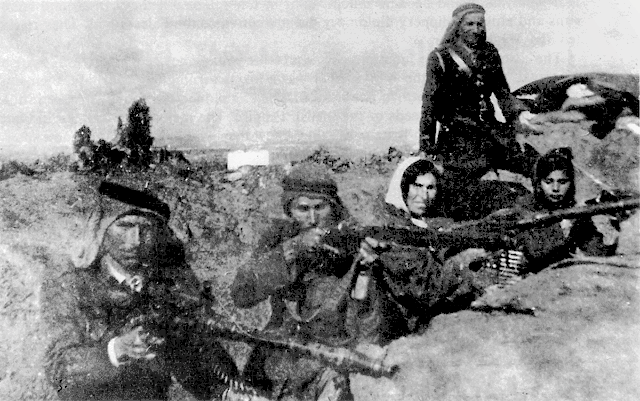
The Arab Revolt in Palestine was a nationalist uprising by Palestinian Arabs against British colonial rule and mass Jewish immigration under the British Mandate, which...
Explore event →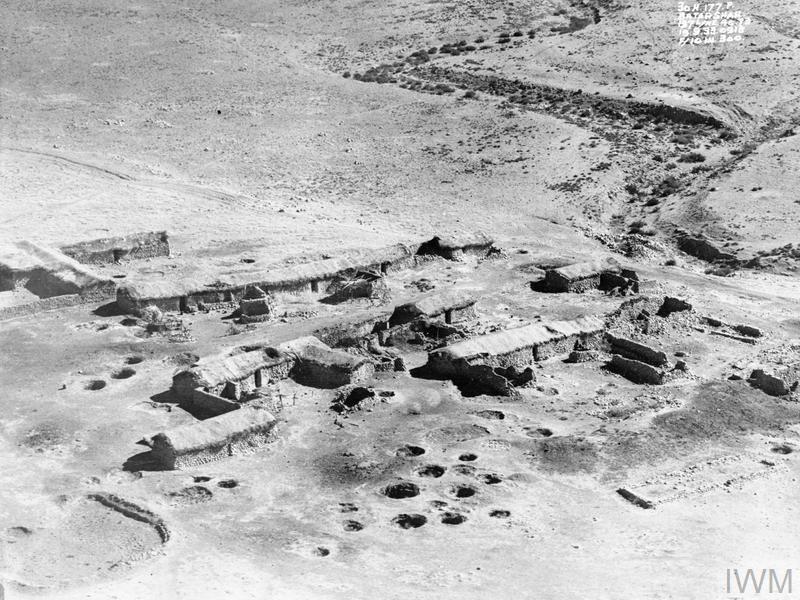
Simele Massacre On August 7, 1933, units of the Iraqi Army entered the town of Simele in northern Iraq during a military campaign targeting Assyrian communities. Tens...
Explore event →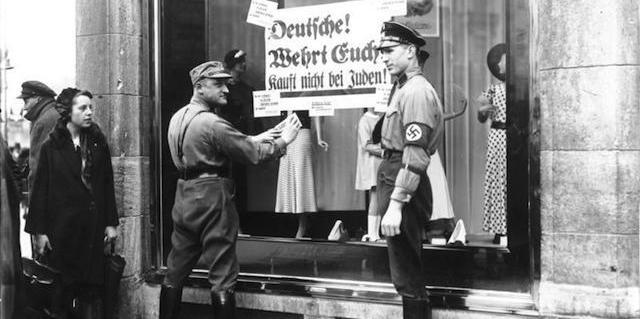
Financial backers of Hitler in 1933 In early 1933, Adolf Hitler received financial support from multiple sources as he rose to power in Germany. Major contributions c...
Explore event →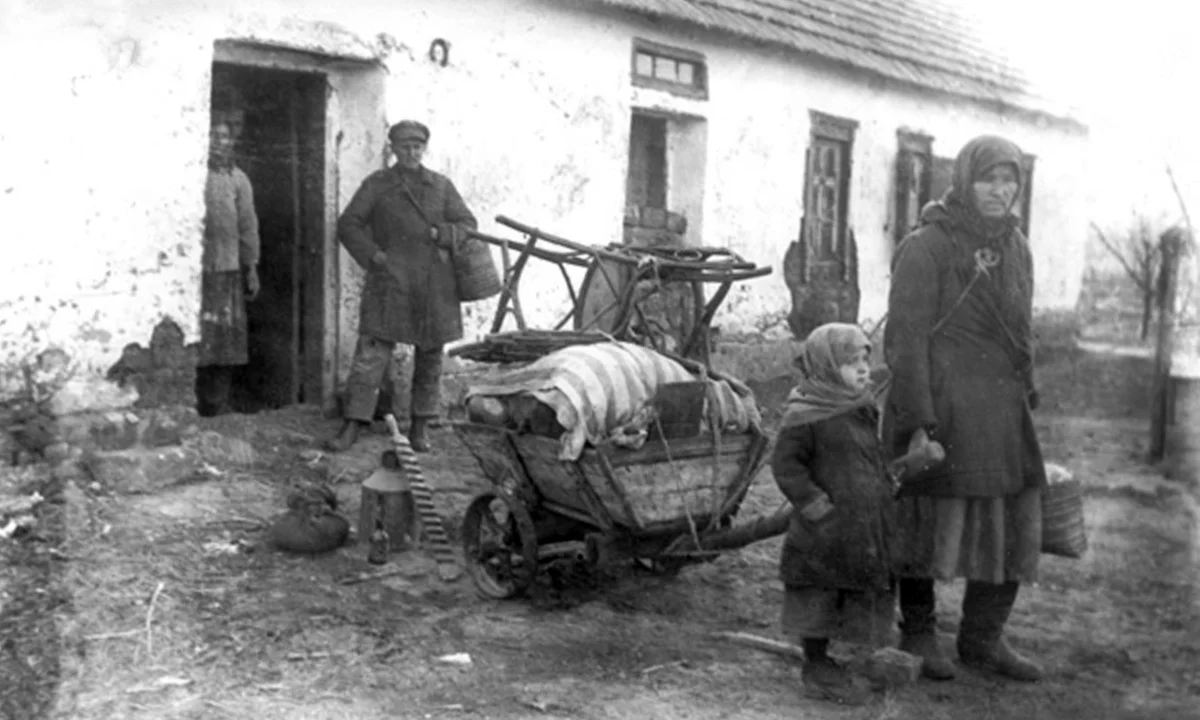
Soviet-Era Famines Under Bolshevik Rule Between 1930 and 1933, a series of mass famines occurred across the Soviet Union following Bolshevik policies of for...
Explore event →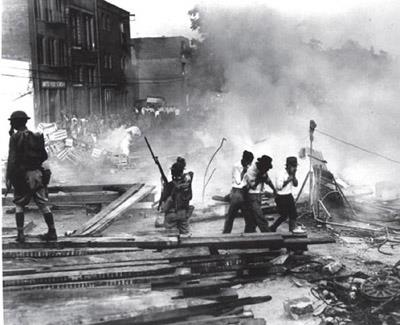
Bonus army removed from Washington In the spring and summer of 1932, approximately 17,000 to 25,000 World War I veterans, along with their families and supporters, as...
Explore event →
Zwi Migdal was a criminal organization active mainly in Argentina from the late 19th century until the 1930s. It was composed largely of Jewish immigrants from Easter...
Explore event →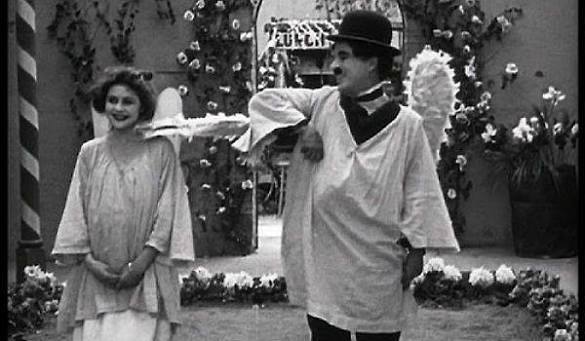
Charlie Chaplin married actress Lita Grey on November 25, 1924, in Empalme, Sonora, Mexico. Chaplin was 35 years old and Grey was 16. Their marriage followed a relatio...
Explore event →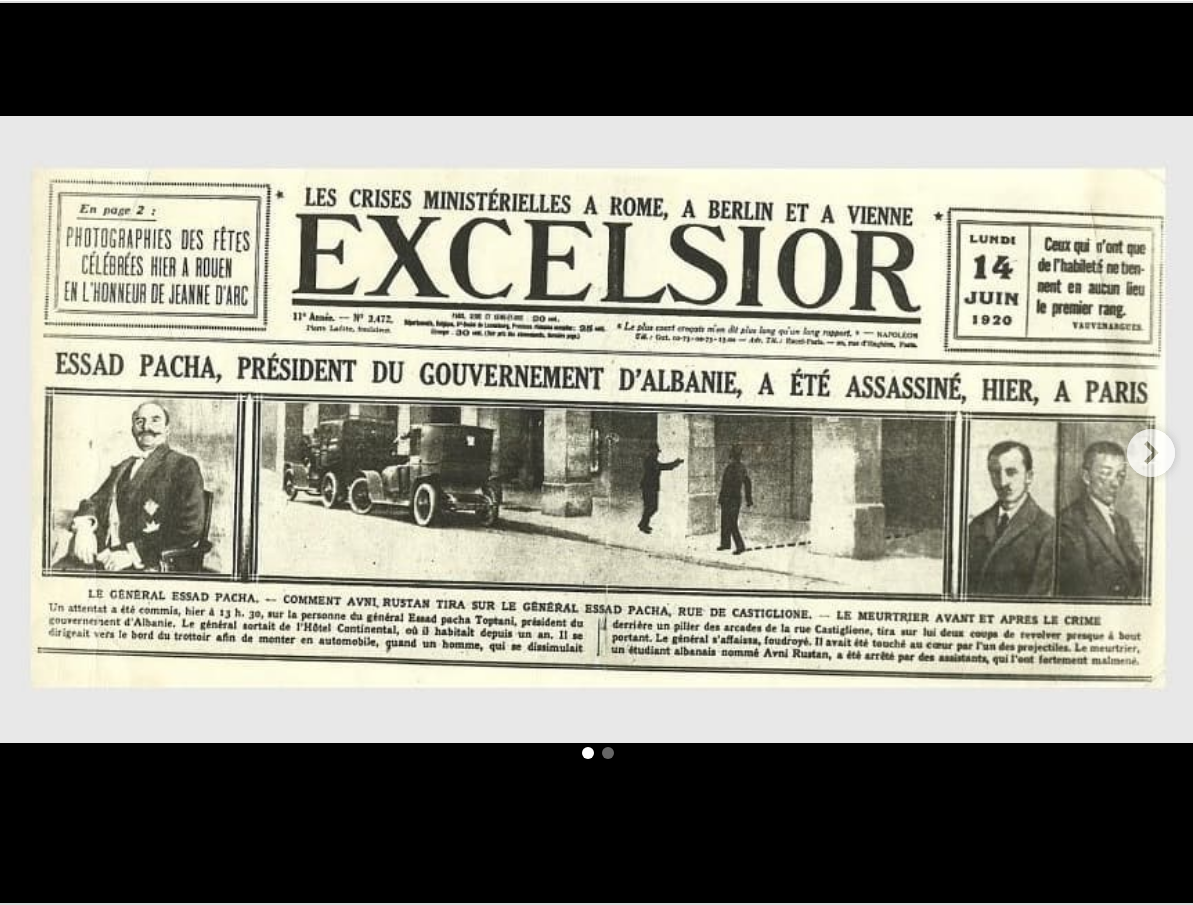
On June 17, 1920, Albanian nationalist Avni Rustemi traveled to Paris and assassinated Essad Pasha Toptani, a former Albanian politician and military leader. Essad Pas...
Explore event →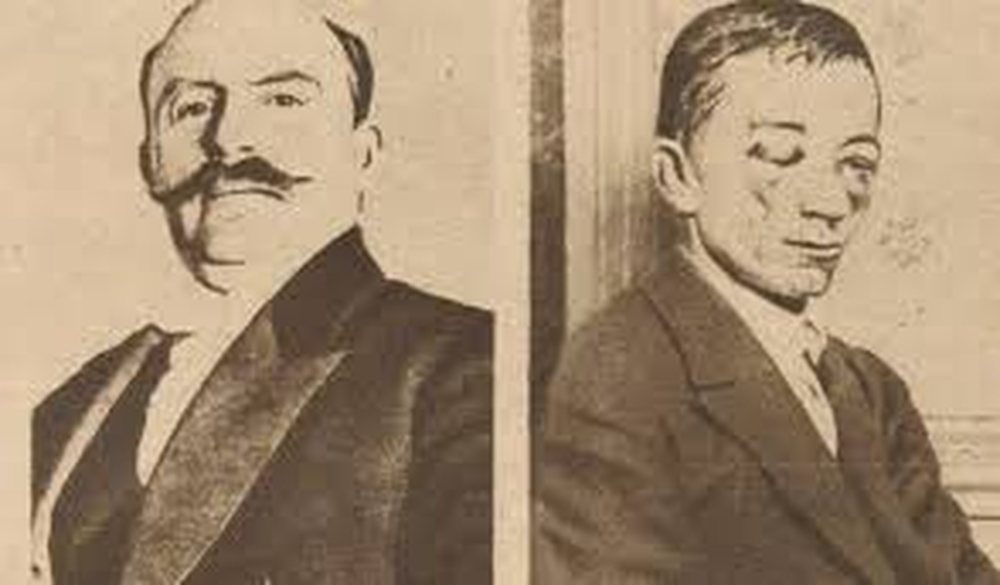
On June 13, 1920, Albanian political activist Avni Rustemi shot and killed Essad Pasha Toptani in Paris, France. Essad Pasha was an Albanian Ottoman-era political and ...
Explore event →
Pontic Greek Genocide On May 19, 1919, military operations intensified against Greek communities in the Pontus region along the Black Sea coast of the Ottoman Empire....
Explore event →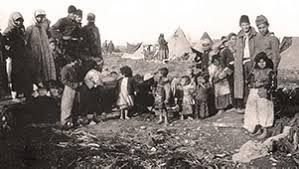
Greek Genocide On May 19, 1919, Greek communities in the Pontus region of the Ottoman Empire faced intensified military operations during the final phase of systemati...
Explore event →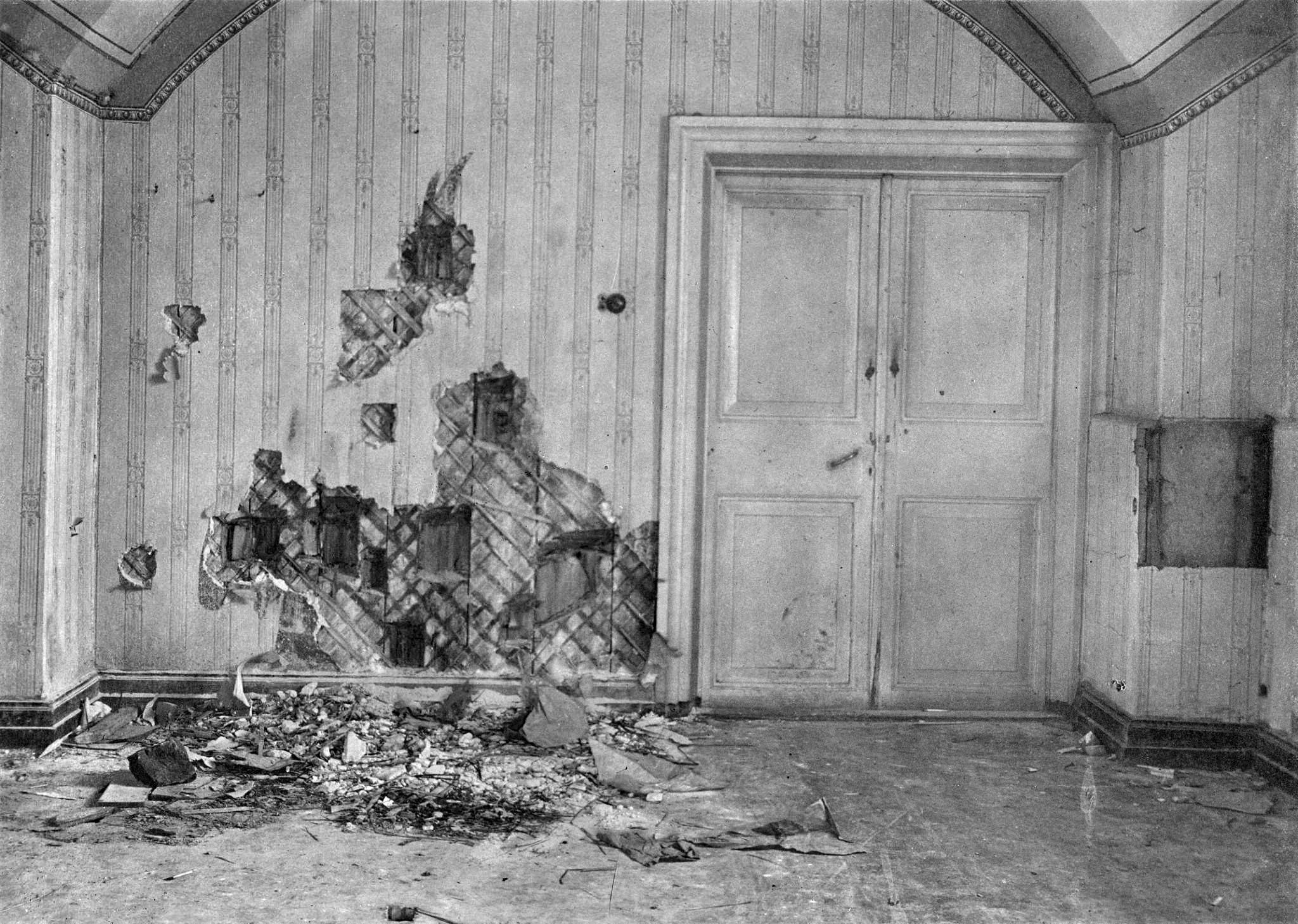
Murder of the Romanovs On July 17, 1918, the last Russian Emperor, Nicholas II, along with his wife Alexandra, their five children, and four loyal attendants, were ex...
Explore event →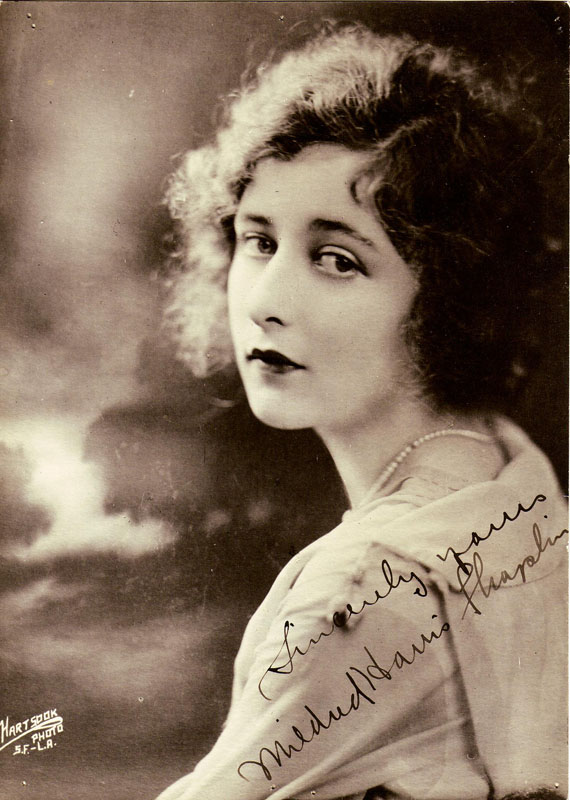
Charlie Chaplin married actress Mildred Harris on October 23, 1918, in Los Angeles. Chaplin was 29 years old and Harris was 16. Harris was already working as a film ac...
Explore event →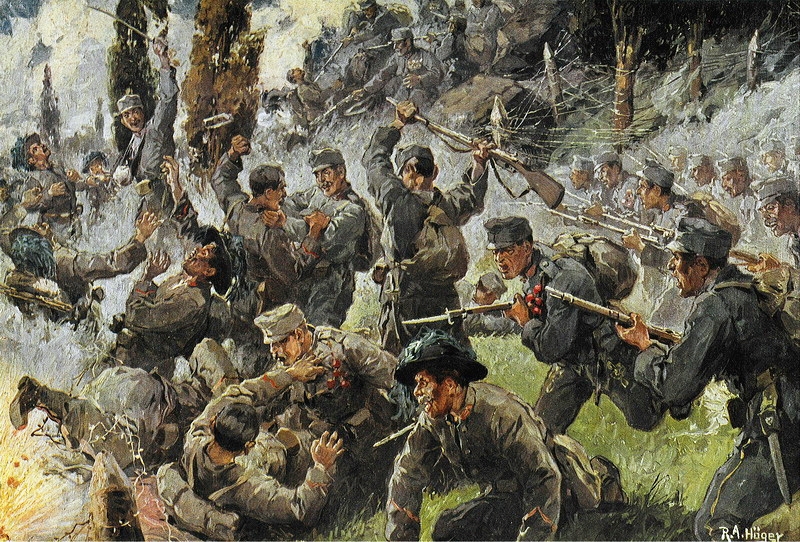
The Battles of the Isonzo were a series of twelve military engagements between the Kingdom of Italy and Austria-Hungary during World War I. They took place along the I...
Explore event →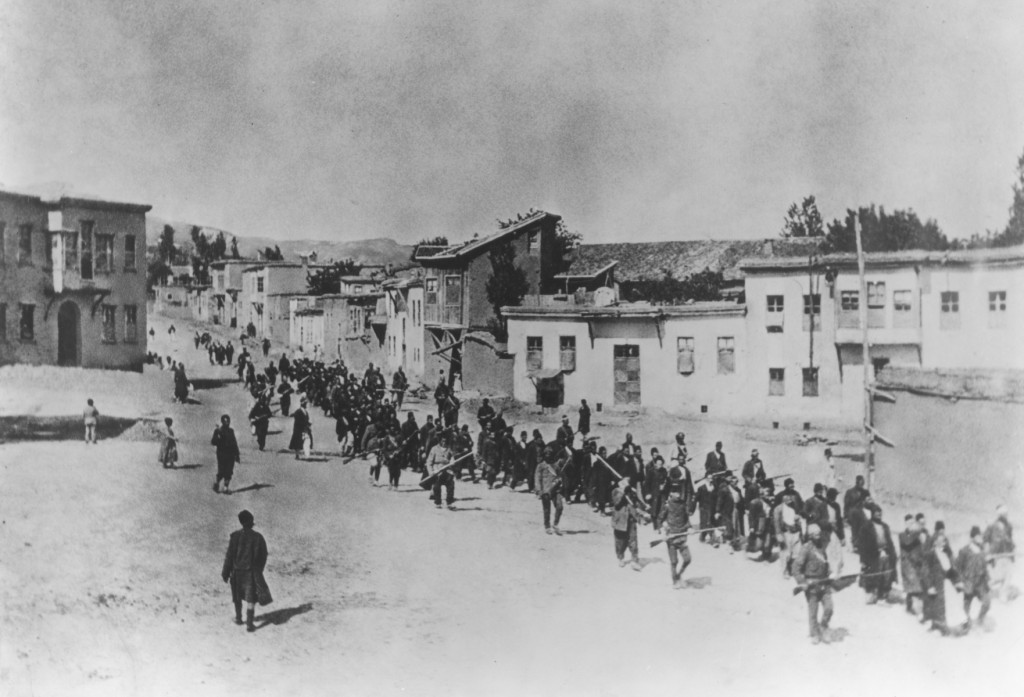
Armenian Genocide On April 24, 1915, Ottoman authorities arrested hundreds of Armenian intellectuals and community leaders in Constantinople. The arrests marked the b...
Explore event →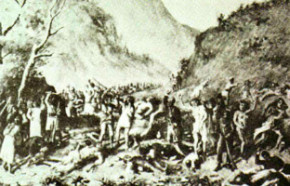
Assyrian Genocide On January 1, 1915, systematic attacks against Assyrian communities began in the eastern provinces of the Ottoman Empire during World War I. Assyria...
Explore event →
1913 – Foundations of the Modern World body { font-family: Arial, sans-serif; background-color: #f4f4f9; margin: 0; padding: 0; } .timeline-container { ...
Explore event →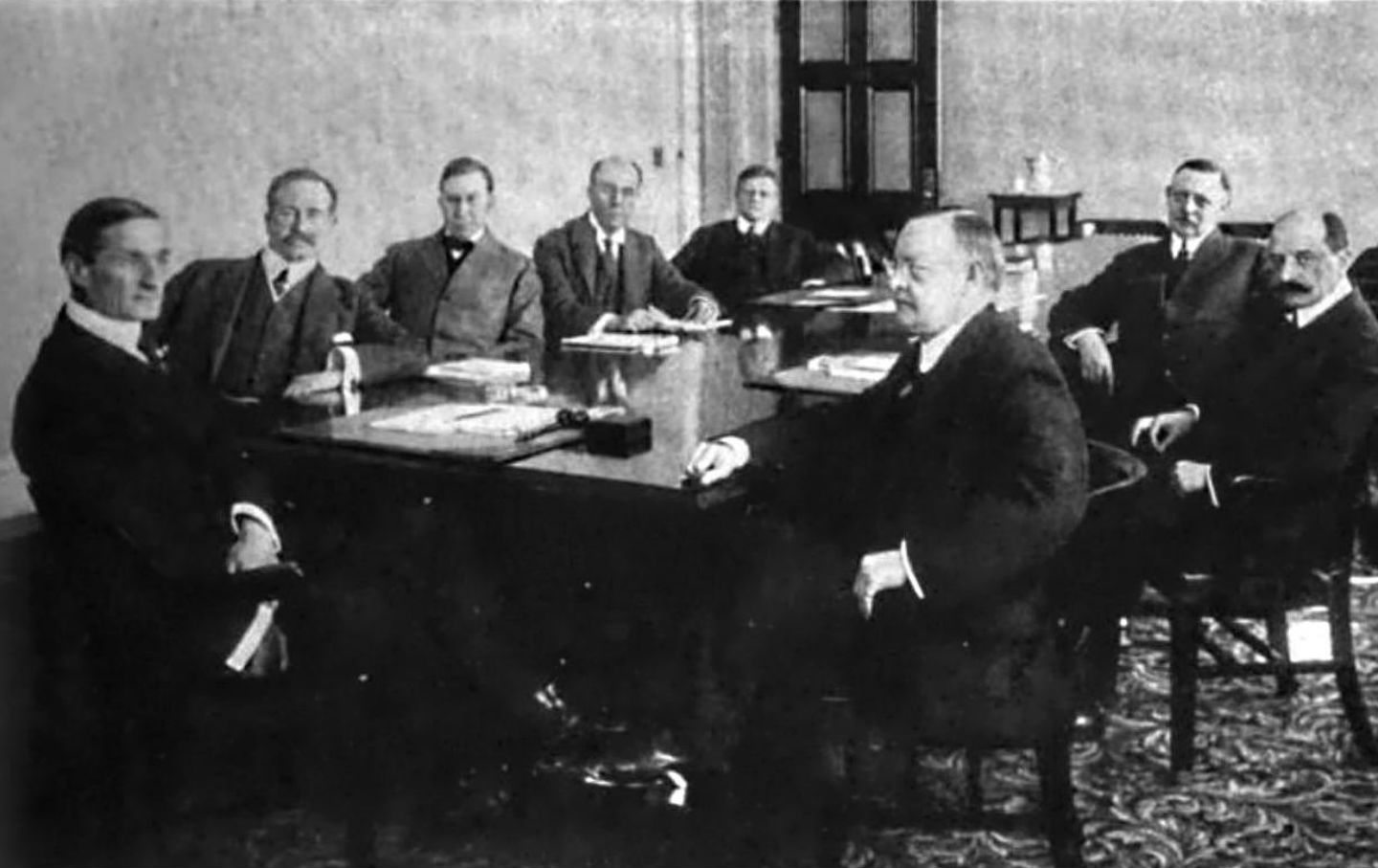
The creation of the Federal Reserve System on December 23, 1913, established the central banking authority of the United States. It was enacted through the Federal Res...
Explore event →
30 June 2012 — Mohamed Morsi, associated with the Muslim Brotherhood's political movement, becomes Egypt's first president elected after the 2011 uprising. His governm...
Explore research
25 January–11 February 2011 — Mass demonstrations erupt against police brutality, corruption, economic frustration and authoritarian government. Cairo's Tahrir Square ...
Explore research
2011–2014 — Mubarak's fall opens competitive elections and unprecedented political participation, but the transition rapidly produces institutional conflict, polarizat...
Explore research
1998–1999 — War in neighboring Kosovo becomes a major national and humanitarian issue for Albania. Hundreds of thousands of Kosovo Albanian refugees cross into Albania...
Explore research
26 March 1979 — Egypt and Israel sign a formal peace treaty in Washington. Israel agrees to withdraw from Sinai, which is gradually returned to Egyptian control. Egypt...
Explore research
6–25 October 1973 — Egyptian and Syrian forces launch a surprise attack against Israeli positions. Egyptian troops successfully cross the Suez Canal and penetrate the ...
Explore research
26 July–7 November 1956 — Nasser nationalizes the Suez Canal Company after Western governments withdraw support for the Aswan High Dam. Britain, France and Israel secr...
Explore research
1952–1970 — The Free Officers end the monarchy, reduce British influence, redistribute land and create a powerful developmental state. At the same time, political part...
Explore research
August–November 1918 — Germany and its allies face military retreat, shortages, exhaustion and growing political instability. Bulgaria, the Ottoman Empire and Austria-...
Explore research
1 February 1917–11 November 1918 — German submarines attack merchant shipping in an attempt to reduce British imports below sustainable levels. Early shipping losses a...
Explore research
December 1916–January 1917 — German naval and military leaders conclude that unrestricted submarine warfare may force Britain out of the war. They understand that the ...
Explore research
4 June 1916 — Russian General Aleksei Brusilov launches a major offensive against Austria-Hungary. Innovative preparation and attacks across a broad front produce spec...
Explore research
19 February 1915 — British and French naval forces begin major operations against the Ottoman defenses of the Dardanelles. The Allies hope to force the straits, threat...
Explore research
6 September 1914 — French and British forces begin the counteroffensive known as the First Battle of the Marne. The German advance toward Paris is halted and German ar...
Explore research
7–23 July 1914 — Austro-Hungarian leaders debate how to transform the Sarajevo assassination into a confrontation with Serbia. Officials increasingly favor demands sev...
Explore research
1914–1918 — Austro-Hungarian, Italian, French, Serbian and other forces occupy different parts of Albania. The country largely loses unified central government during ...
Explore research
1914–1918 wartime production — DuPont becomes one of the most striking American industrial beneficiaries of wartime demand because explosives and propellants are requi...
Explore research
1914–1919 wartime role — Britain's navy protects imperial shipping routes, contains the German High Seas Fleet and implements the maritime blockade of the Central Powe...
Explore research
Untitled1914–1918 — Industrial warfare requires food, coal, metals, chemicals, credit and shipping on unprecedented scales. Britain attempts to deny overseas resources...
Explore research
1805–1848 CE — Muhammad Ali becomes Ottoman governor of Egypt but builds a virtually hereditary state under his family's control. He creates a new army, expands state ...
Explore research
16th–18th centuries — Islam spreads substantially among Albanian populations under Ottoman rule. Conversion varies greatly by region and period. Catholic communities r...
Explore research
395 CE — After the death of Theodosius I, administration of the Roman Empire is divided between eastern and western courts. The territories of modern Albania remain pr...
Explore research
c. 150 CE — The geographer Claudius Ptolemy records a people called Albanoi and a settlement named Albanopolis in the western Balkans. The similarity to later Albanian...
Explore research
30 BCE — Ancient writers indicate that Cleopatra and Mark Antony were buried together, but their burial place has never been securely identified. Archaeologists have e...
Explore research