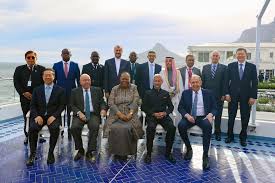
BRICS Bloc Expands as New Members Join Amid Push to Reshape Global Order
BRICS Bloc Expands as New Members Join Amid Push to Reshape Global Order The BRICS group of emerging economies formally expanded on January 1, admitting new...
Explore event →History does not happen in isolation. Explore world events across time, follow the connections between them, and investigate the threads that reveal how one event can lead to another.
TheTimeMap currently follows events across 95 countries and 268 years of history — building a connected archive designed for people who want to look beyond the headline.
We oppose antisemitism, racism, and dehumanization — everywhere.
When people stop feeling, injustice becomes easy.
BRICS Bloc Expands as New Members Join Amid Push to Reshape Global Order The BRICS group of emerging economies formally expanded on January 1, admitting new...
Explore event →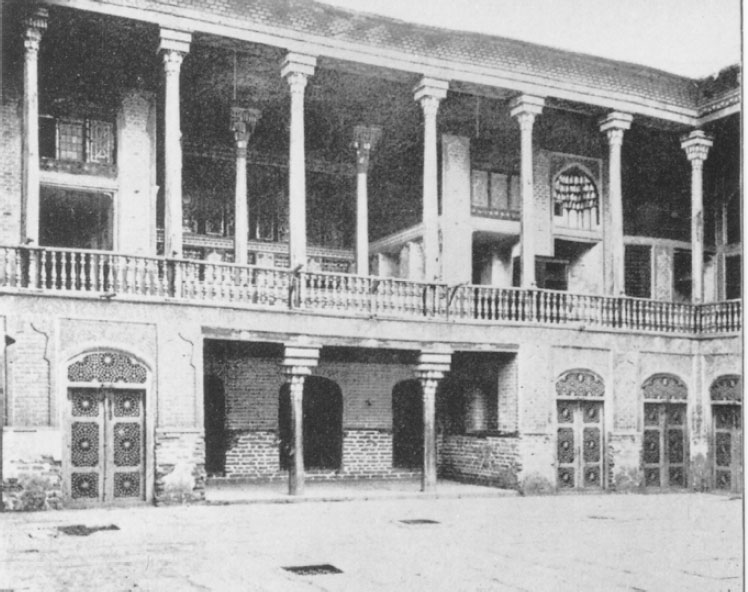
In Three Worlds, Shlaim states that he has uncovered what he describes as “undeniable proof of Zionist involvement” in the bombings of Jewish targets in Baghdad betwee...
Explore event →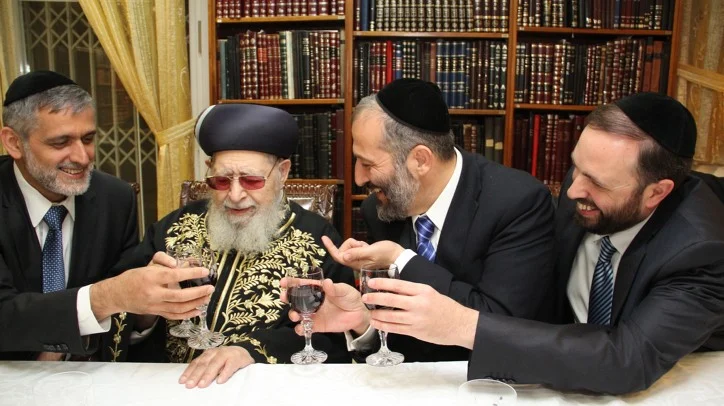
2010 sermon statements attributed to Rabbi Ovadia Yosef 2010 sermon statements attributed to Rabbi Ovadia Yosef on gentiles In 20...
Explore event →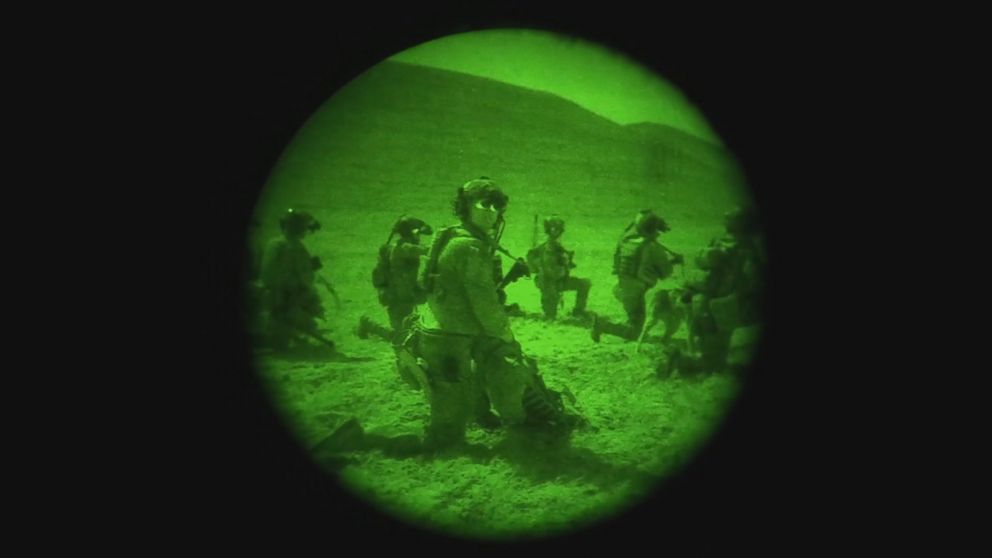
On February 12, 2010, U.S. Special Operations forces conducted a nighttime raid in Khataba village, in Paktia Province, Afghanistan. The operation targeted a compound ...
Explore event →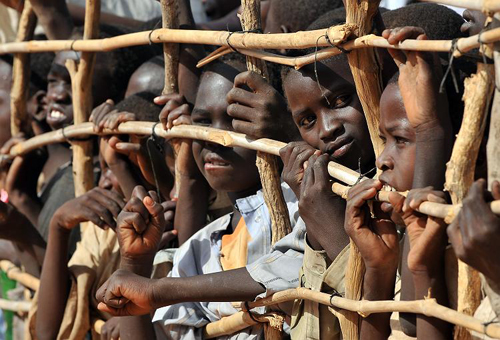
Darfur Genocide On February 26, 2003, rebel groups in Darfur, Sudan, including the Sudan Liberation Army and Justice and Equality Movement, launched attacks against g...
Explore event →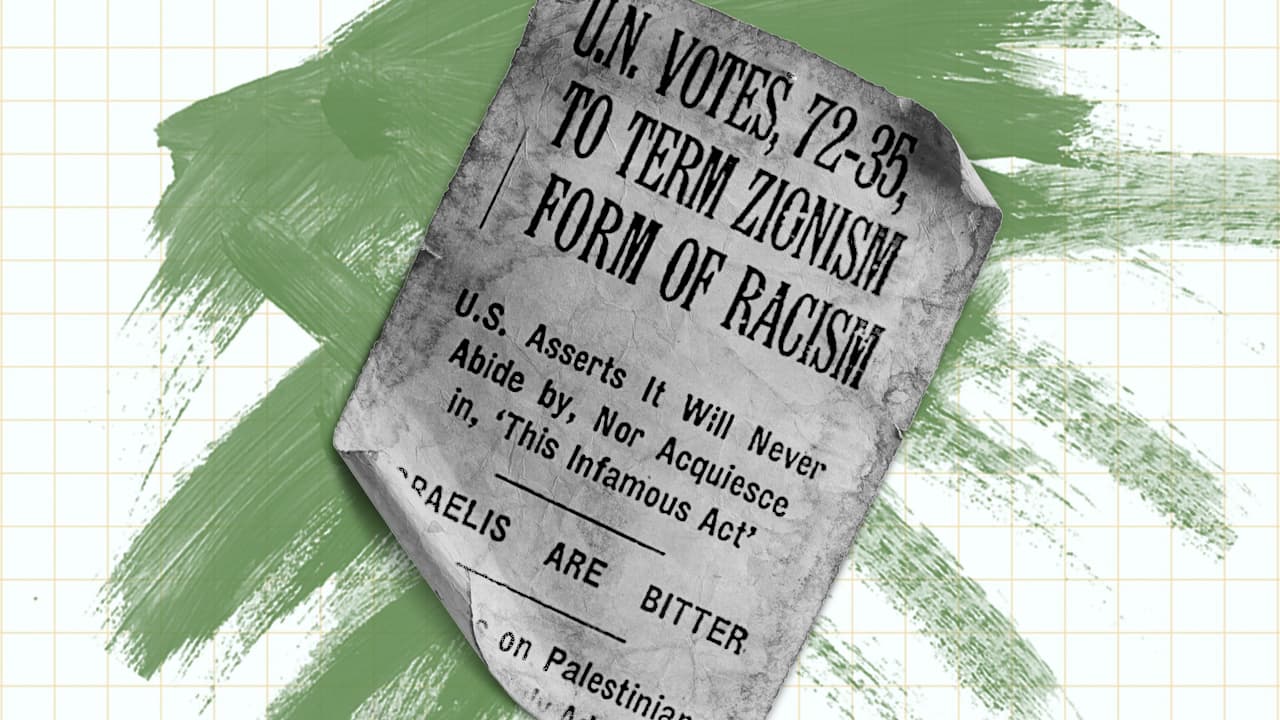
UN Resolution 3379 On Zionism And Racism On November 10, 1975, the United Nations General Assembly adopted **Resolution 3379**, titled "Elimination of All F...
Explore event →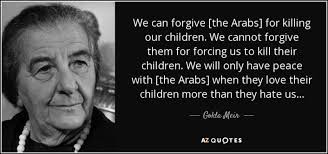
Attribution History of Golda Meir Quote on Children and Conflict Golda Meir served as Prime Minister of Israel from 1969 to 1974. A statement widely attribu...
Explore event →
The Zanzibar Massacre occurred in January 1964 following the Zanzibar Revolution that overthrew the Sultanate. The revolution was led by the Afro-Shirazi Party against...
Explore event →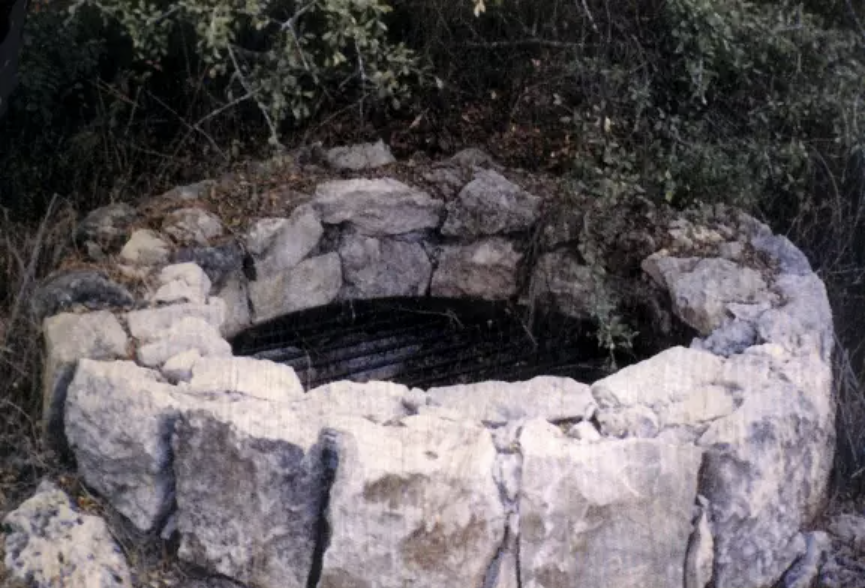
Operation Cast Thy Bread: Poisoning of Palestinian Wells In April 1948, during the Arab–Israeli War following the end of the British Mandate for Palestine, personnel ...
Explore event →.jpg)
The Nakba refers to the mass displacement and dispossession of Palestinians that occurred between 1947 and 1949 during the collapse of the British Mandate for Palestin...
Explore event →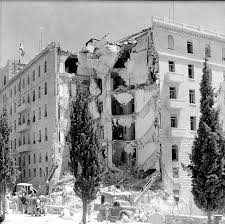
On July 22, 1946, the King David Hotel in Jerusalem, which housed the administrative headquarters of the British Mandate authorities in Palestine, was bombed. The a...
Explore event →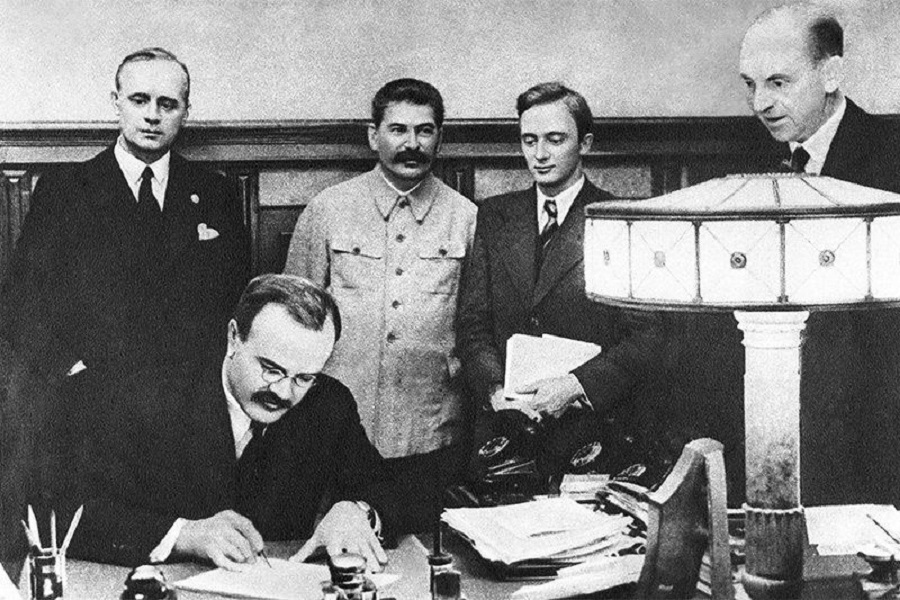
The German–Soviet Non-Aggression Pact And Its Secret Protocols On August 23, 1939, the governments of Germany and the Soviet Union signed a non-aggression t...
Explore event →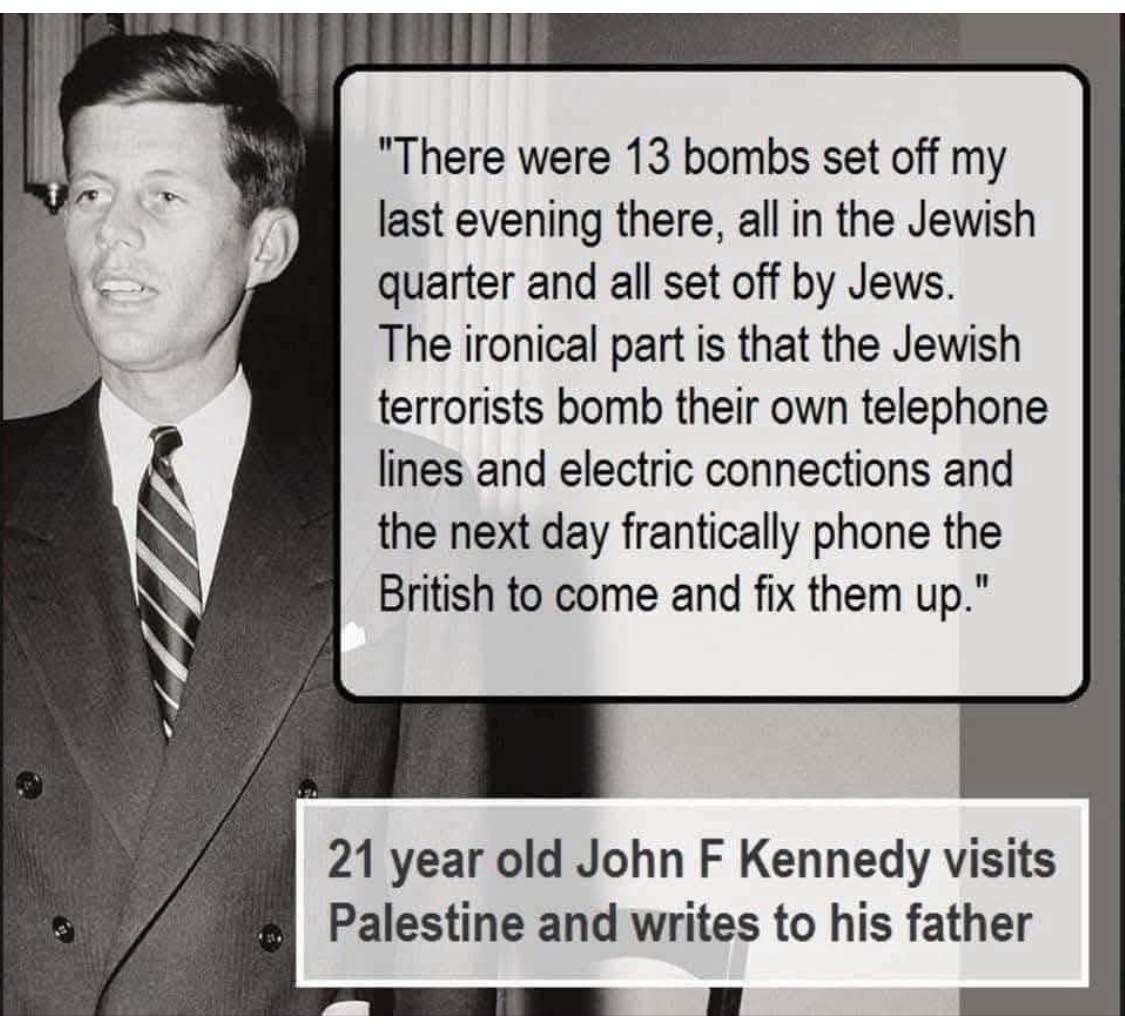
JFK: The Letter Mentions That 13 Bombs Went Off in Jerusalem on His Last Night There, Which He Attributed to Jewish Terrorists (Likely the Irgun Militia) Attempting to...
Explore event →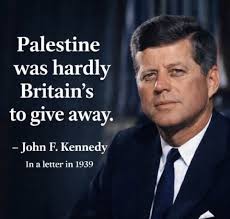
JFK Wrote in 1939 That Palestine Was Hardly Britain's to Give Away In July 1939, John F. Kennedy, then a 22-year-old Harvard student, visited Palestine duri...
Explore event →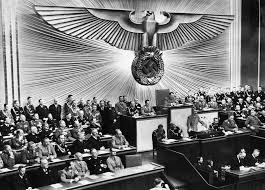
Adolf Hitler References British Rule in Palestine in Reichstag Address “It appears to have slipped Mr. Roosevelt’s mind that Palestine is not being occupied...
Explore event →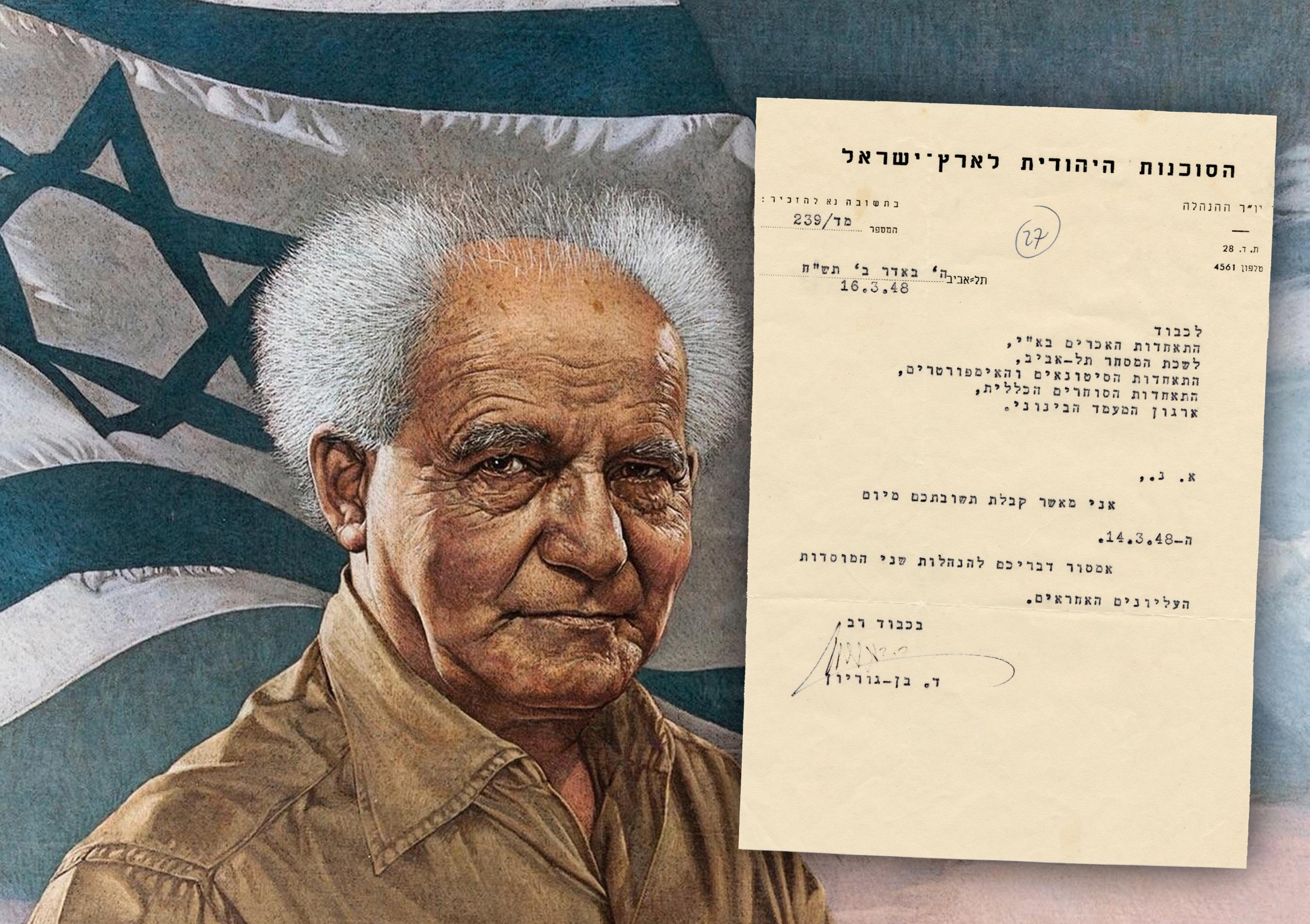
David Ben-Gurion Controversial Statements Record On October 5, 1937, David Ben-Gurion wrote a letter to his son Amos following the Peel Commission’s proposal to parti...
Explore event →
David Ben-Gurion 1937 Letter Controversy On October 5, 1937, David Ben-Gurion, then head of the Jewish Agency Executive, wrote a letter to his son Amos during the per...
Explore event →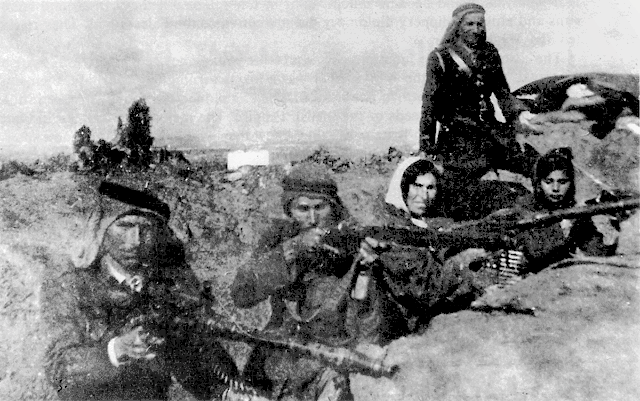
The Arab Revolt in Palestine was a nationalist uprising by Palestinian Arabs against British colonial rule and mass Jewish immigration under the British Mandate, which...
Explore event →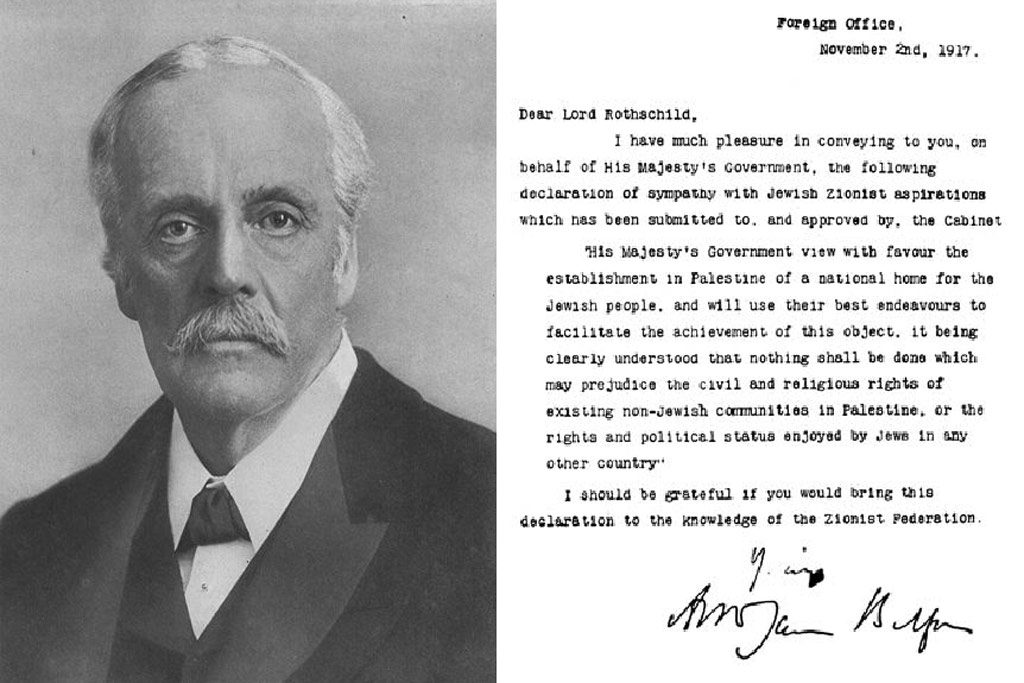
The Balfour Declaration was a public statement issued on November 2 1917 by the British government during World War I expressing support for the establishment of a nat...
Explore event →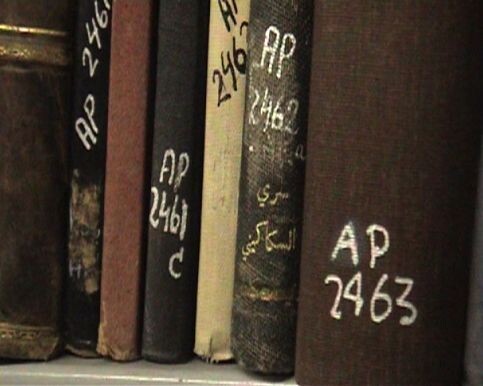
Great Book Robbery of 1948 In 1948, during the Arab–Israeli War following the end of the British Mandate for Palestine, thousands of books and manuscripts were stolen...
Explore event →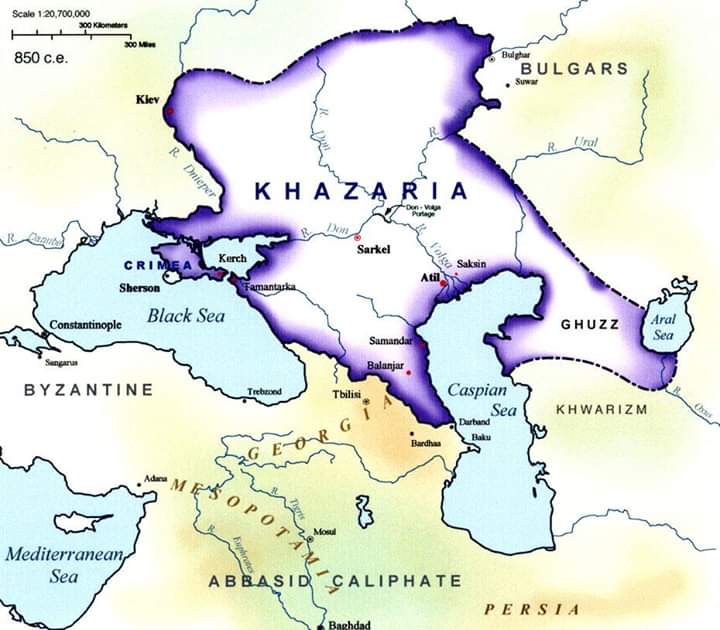
The Khazarian Empire: History, Territory, and Conversion to Judaism The Khazar Empire was a Turkic polity that emerged in the mid-seventh century and became...
Explore event →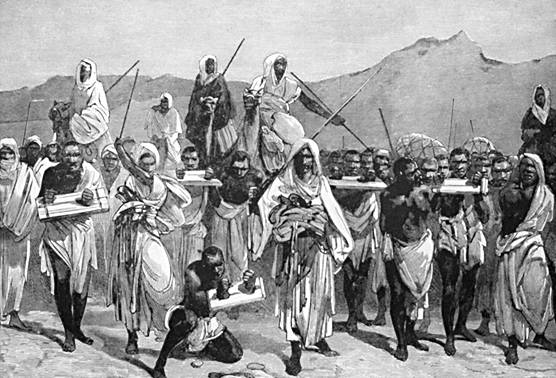
Trans‑Saharan Slave Trade The Trans‑Saharan slave trade began around the mid‑7th century following the Treaty of Baqt in 652 CE, which established formal rela...
Explore event →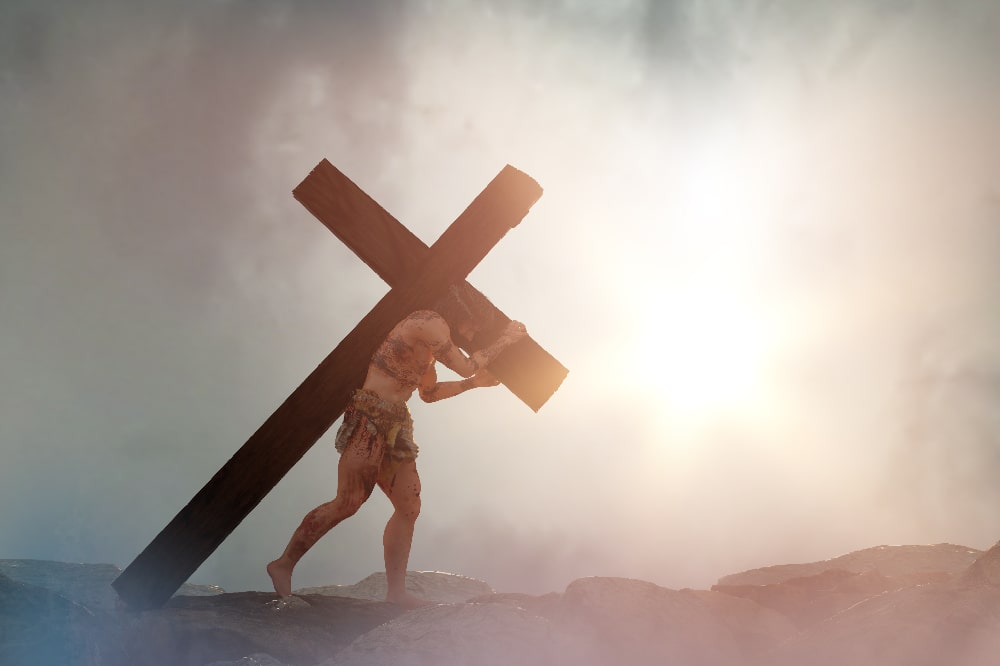
Jesus of Nazareth was executed by crucifixion under Roman governor Pontius Pilate in Jerusalem, during the period of Roman occupation of Judea. The event is documented...
Explore event →
2014–2026 — Egypt remains the most populous country in the Arab world and one of the principal political centers of the eastern Mediterranean and Middle East. Cairo do...
Explore research
26 March 1979 — Egypt and Israel sign a formal peace treaty in Washington. Israel agrees to withdraw from Sinai, which is gradually returned to Egyptian control. Egypt...
Explore research
17 September 1978 — Sadat and Israeli Prime Minister Menachem Begin sign agreements negotiated under U.S. President Jimmy Carter. The accords establish the framework f...
Explore research
1958–1961 — Egypt and Syria unite as the United Arab Republic under Nasser. The union represents the high point of pan-Arab political enthusiasm. Syrian dissatisfactio...
Explore research
26 July–7 November 1956 — Nasser nationalizes the Suez Canal Company after Western governments withdraw support for the Aswan High Dam. Britain, France and Israel secr...
Explore research
1954–1970 — Nasser becomes the dominant leader of revolutionary Egypt and formally assumes the presidency in 1956. His government promotes Arab nationalism, land refor...
Explore research
23 July 1952 — Egyptian military officers overthrow King Farouk's government. The movement is driven by dissatisfaction with corruption, political inequality, British ...
Explore research
641–1000 CE — Arabic did not replace Coptic immediately after the conquest. Government, migration, urban life, taxation, religious conversion and social mobility gradu...
Explore research
7th–10th centuries — Arabic increasingly replaces Greek and Coptic in government and eventually becomes the dominant spoken language. Conversion to Islam occurs over g...
Explore research
639–642 CE — Forces commanded by Amr ibn al-As invade Byzantine Egypt during the early Islamic conquests. Byzantine resistance collapses gradually, and Alexandria even...
Explore research
395–641 CE — Egypt becomes part of the eastern Roman Empire centered on Constantinople, later called Byzantine. Alexandria remains one of Christianity's major intellec...
Explore research
c. 3100 BCE–2026 CE — Egypt has been governed by native pharaohs, Nubian kings, Persians, Macedonians, Romans, Byzantines, Arab caliphates, Fatimids, Ayyubids, Mamluks...
Explore research
7 July 1937 — Fighting near the Marco Polo Bridge escalates into a major war between Japan and China. Japanese forces capture major cities including Shanghai and Nanji...
Explore research
28 November 1943 — Roosevelt, Churchill and Stalin meet together for the first time. Stalin presses strongly for a second front in Western Europe, and the Western Alli...
Explore research
1 August 1944 — The Warsaw Uprising is driven not only by resistance to German occupation but by fear that Soviet liberation will eliminate Polish political independen...
Explore research