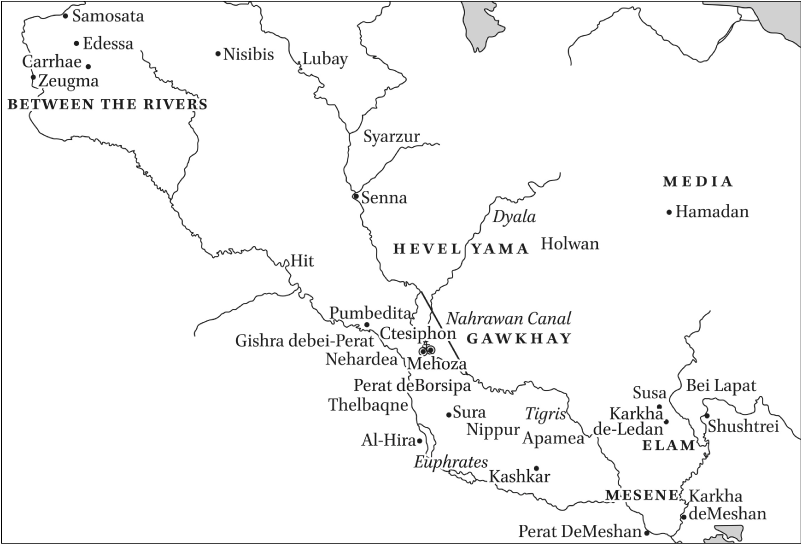
Expansion of Talmudic Academies in Babylonia
During the early centuries of the Common Era, Talmudic academies in Babylonia underwent significant expansion. These centers of Jewish learning became pivotal in the d...
Explore event →History does not happen in isolation. Explore world events across time, follow the connections between them, and investigate the threads that reveal how one event can lead to another.
TheTimeMap currently follows events across 95 countries and 268 years of history — building a connected archive designed for people who want to look beyond the headline.
We oppose antisemitism, racism, and dehumanization — everywhere.
When people stop feeling, injustice becomes easy.
During the early centuries of the Common Era, Talmudic academies in Babylonia underwent significant expansion. These centers of Jewish learning became pivotal in the d...
Explore event →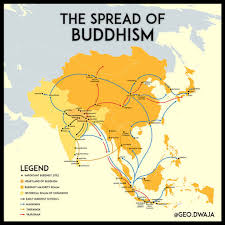
Buddhism spread into China primarily through cultural and trade exchanges along the Silk Road. Merchants, monks, and travelers introduced Buddhist teachings and texts ...
Explore event →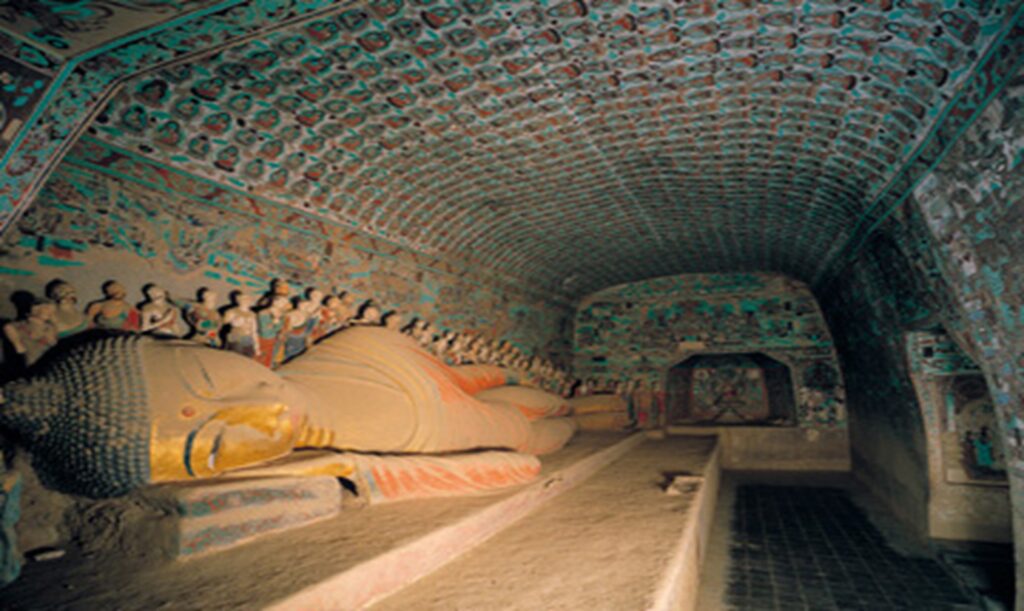
The Buddhist cave temples at Mogao near Dunhuang have undergone significant expansion. The site consists of a series of rock-cut grottoes featuring murals and statues ...
Explore event →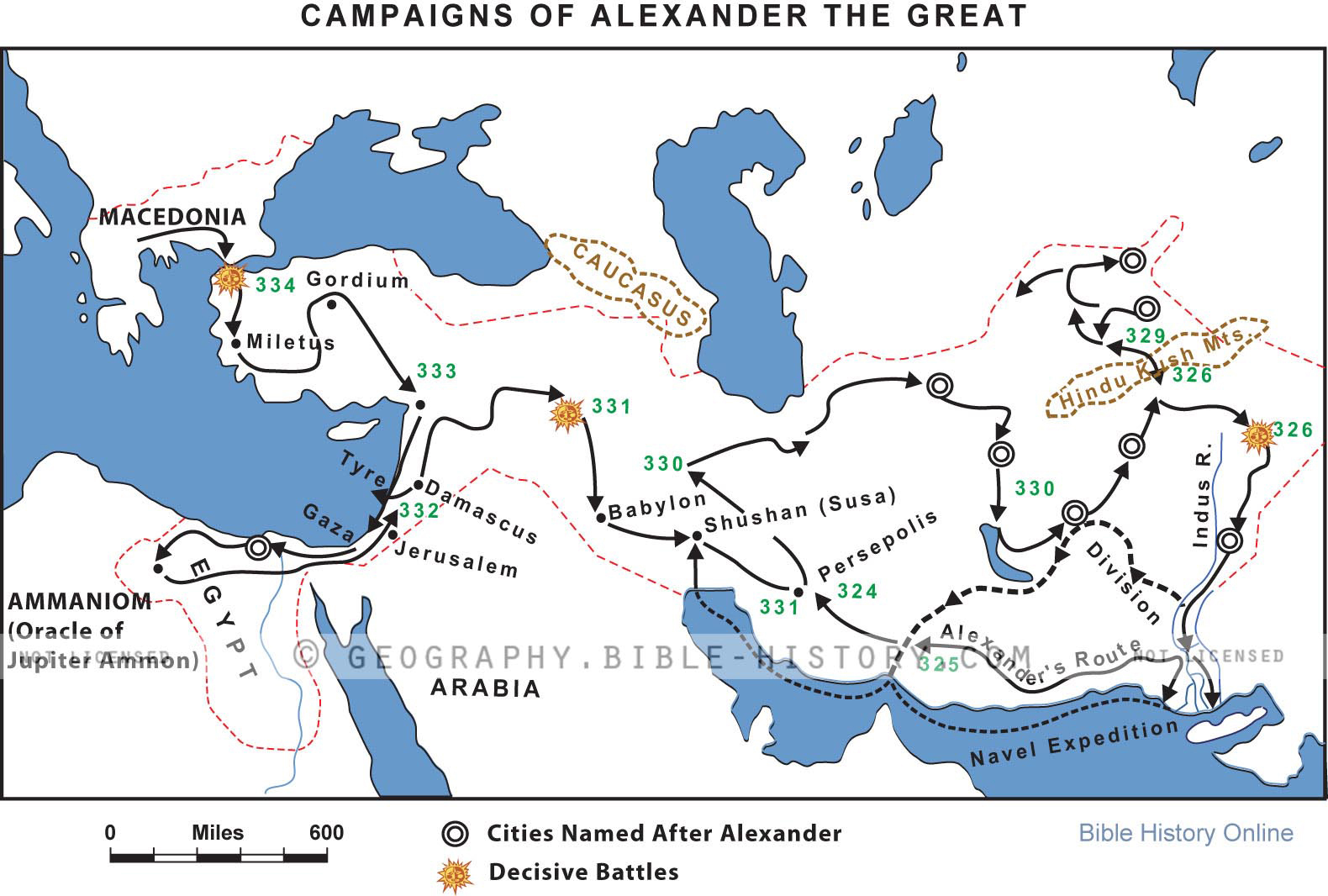
Alexander the Great Travels Through Palestine In October 332 B.C., during his campaign against the Persian Empire, Alexander III of Macedon, commonly known as Alexand...
Explore event →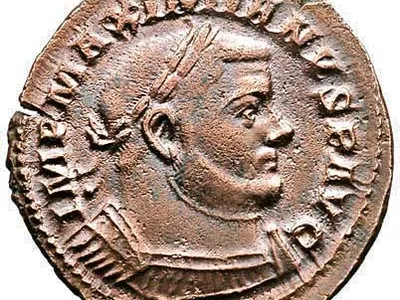
Maximian, co-emperor of the Roman Empire, formally abdicated his position alongside Diocletian. This marked a significant moment in the Tetrarchy system, a power-shari...
Explore event →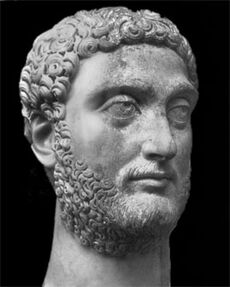
After the death of Emperor Carus during a campaign in Persia, his son Numerian became the new Roman Emperor. The accession was initially peaceful, with Numerian holdin...
Explore event →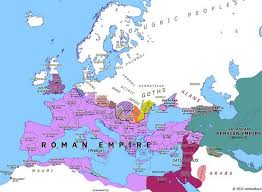
Emperor Probus led the Roman legions to repel multiple Germanic invasions along the Danube frontier. These incursions threatened the stability of the northern borders ...
Explore event →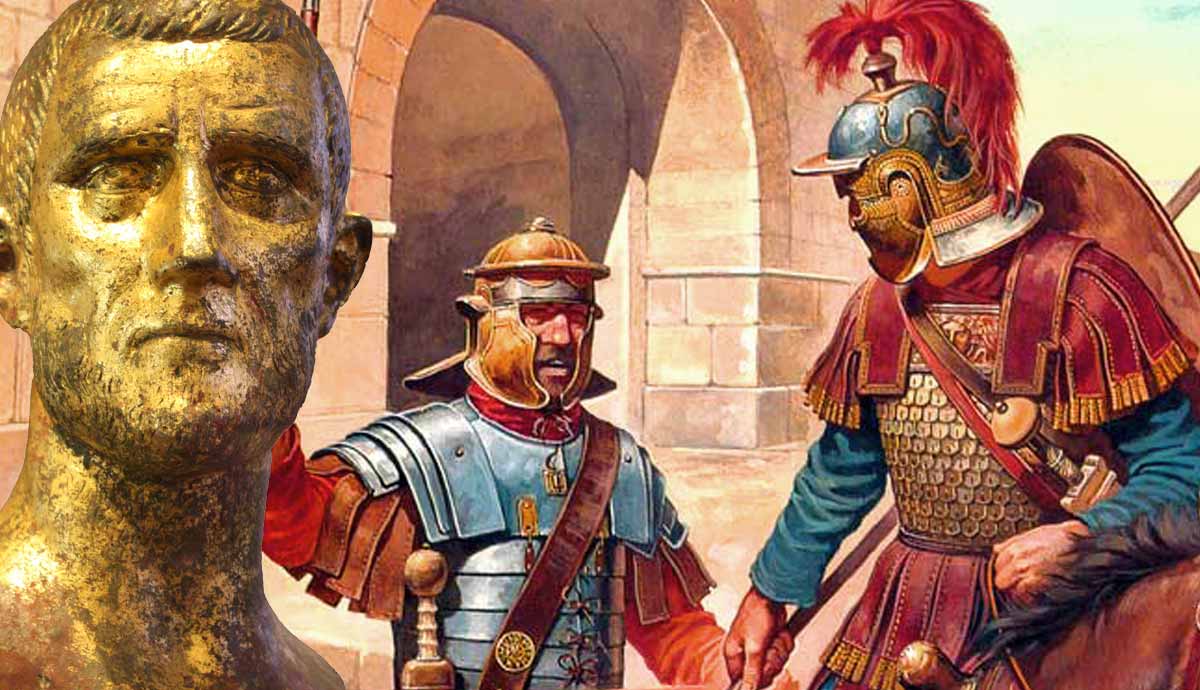
In late September, Emperor Aurelian engaged and defeated the forces of the breakaway Gallic Empire near Châlons-en-Champagne. This victory effectively ended the secess...
Explore event →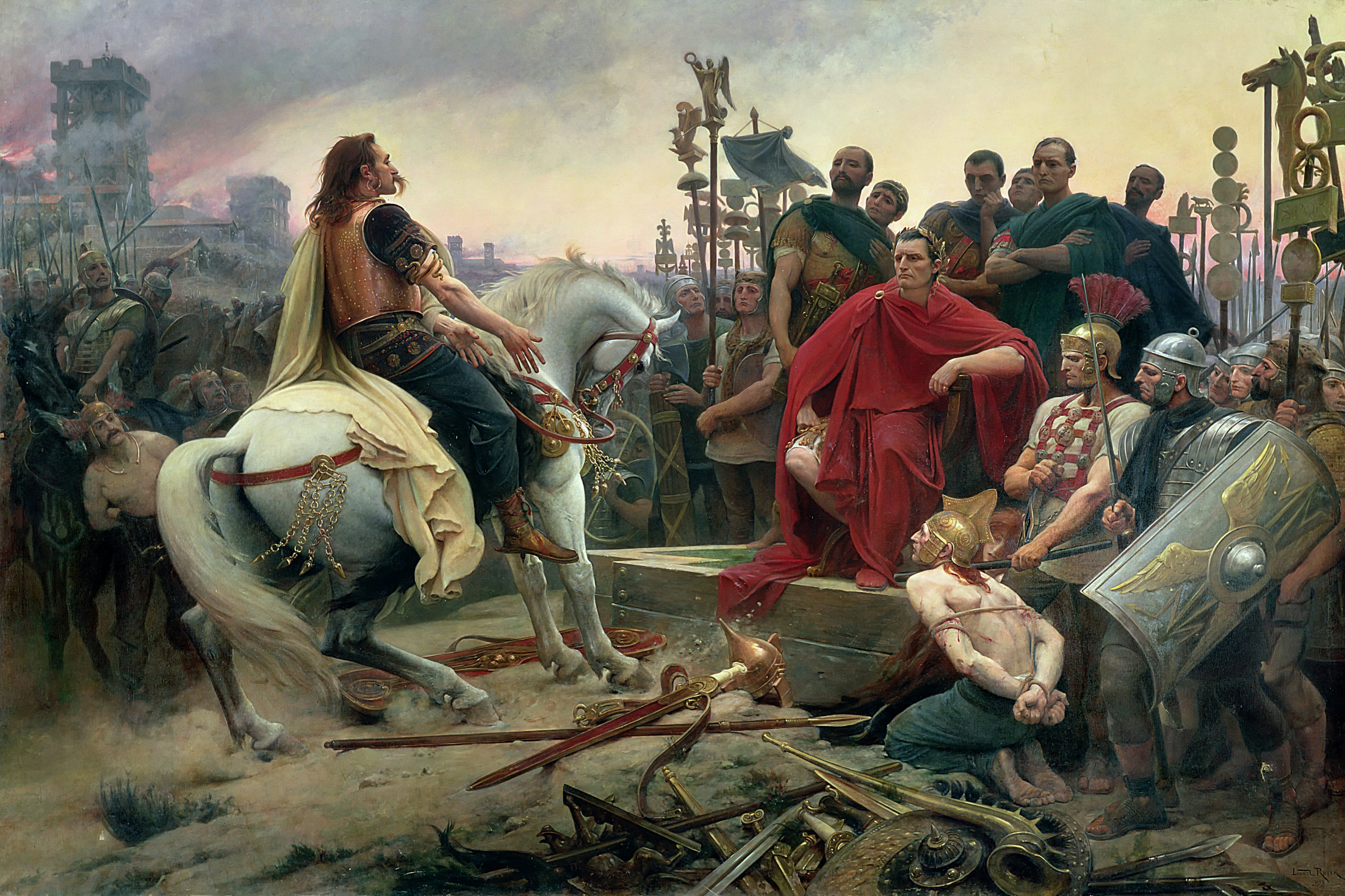
The Battle of Châlons was fought between the forces of the Roman Emperor Aurelian and the Gallic usurper Tetricus. This conflict was a decisive engagement aimed at res...
Explore event →
The revolt led by Gordian II was part of a larger uprising against the reigning emperor Maximinus Thrax. Gordian II, alongside his father Gordian I, was proclaimed emp...
Explore event →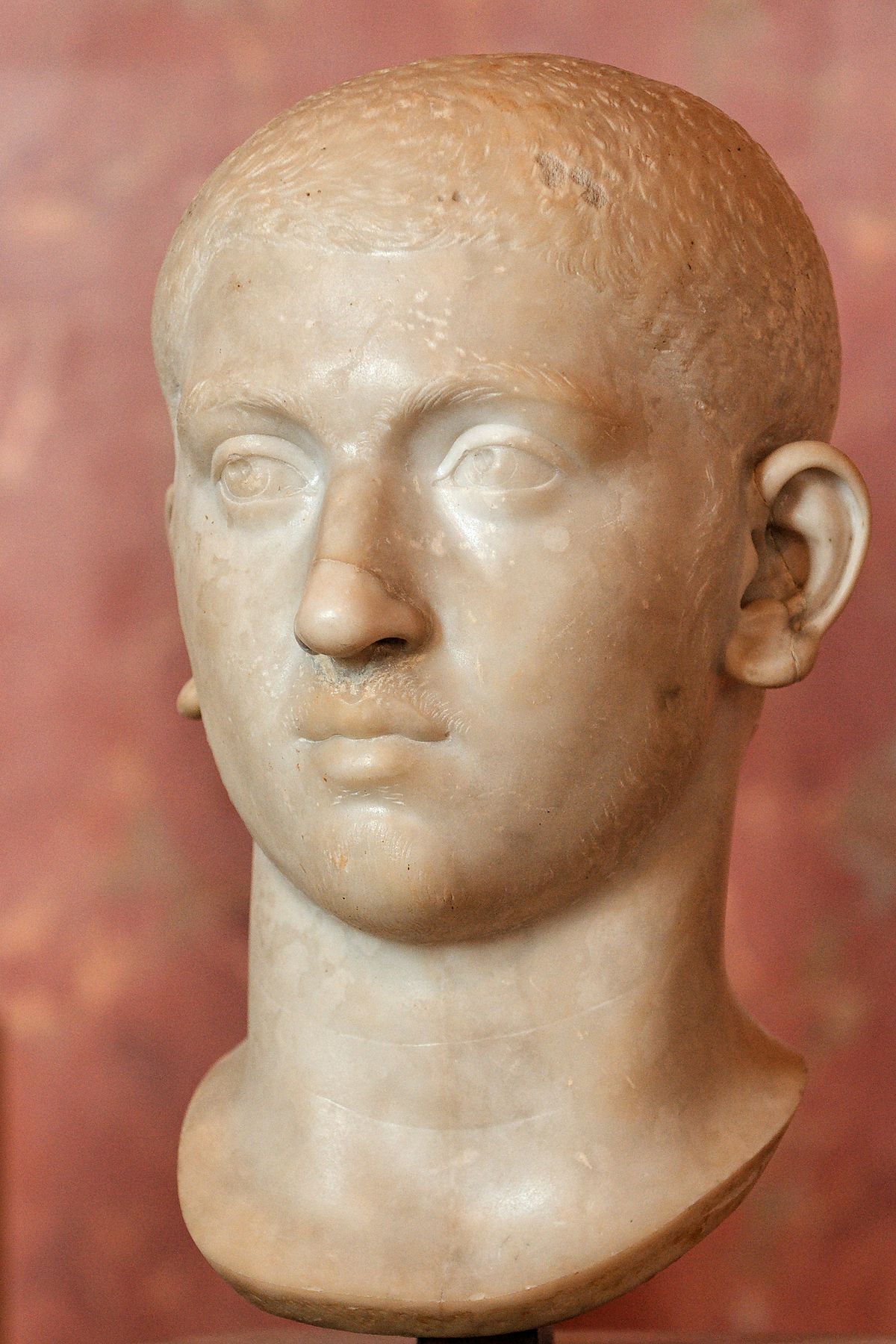
Severus Alexander, the last emperor of the Severan dynasty, was assassinated by his own soldiers in March of 235 CE near the city of Mutina along the Danube frontier. ...
Explore event →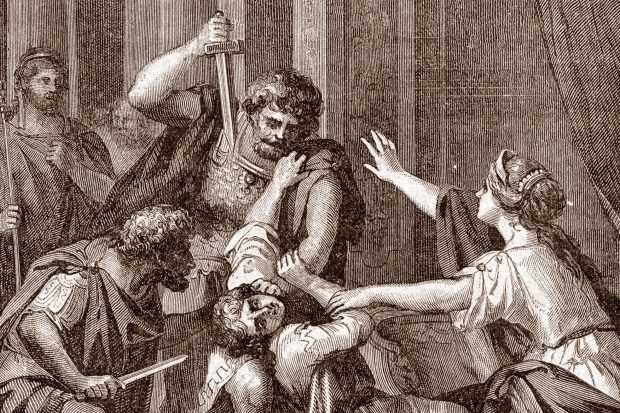
Geta, co-emperor of the Roman Empire alongside his brother Caracalla, was assassinated in Alexandria under political tension and rivalry. The murder occurred shortly a...
Explore event →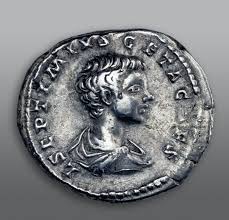
Publius Septimius Geta, son of Emperor Septimius Severus, was granted the title of Augustus, marking him as co-emperor alongside his father and brother Caracalla. This...
Explore event →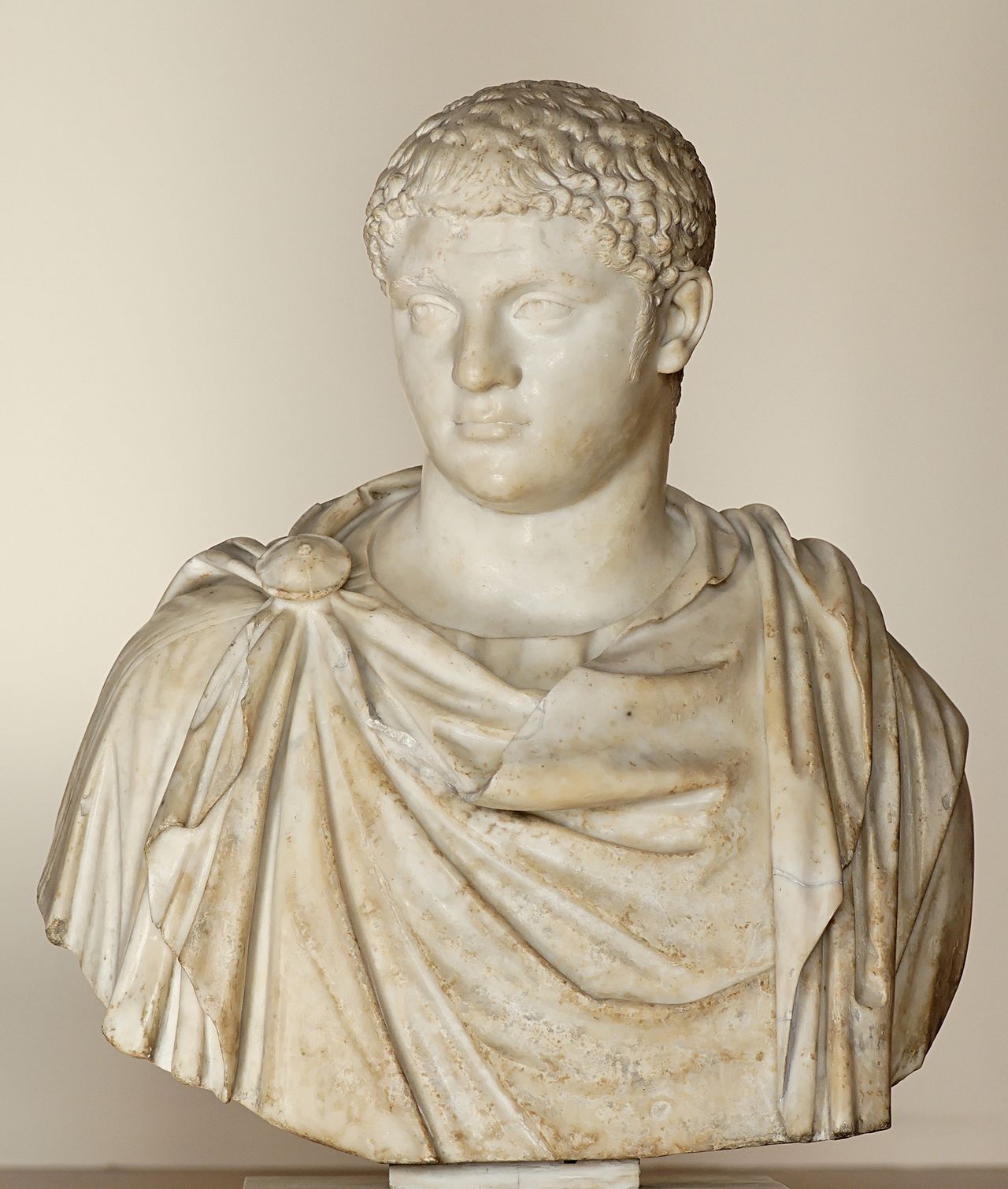
Publius Septimius Geta, son of Emperor Septimius Severus, was granted the title of Augustus by the Roman Senate. This elevated Geta to co-emperor status alongside his ...
Explore event →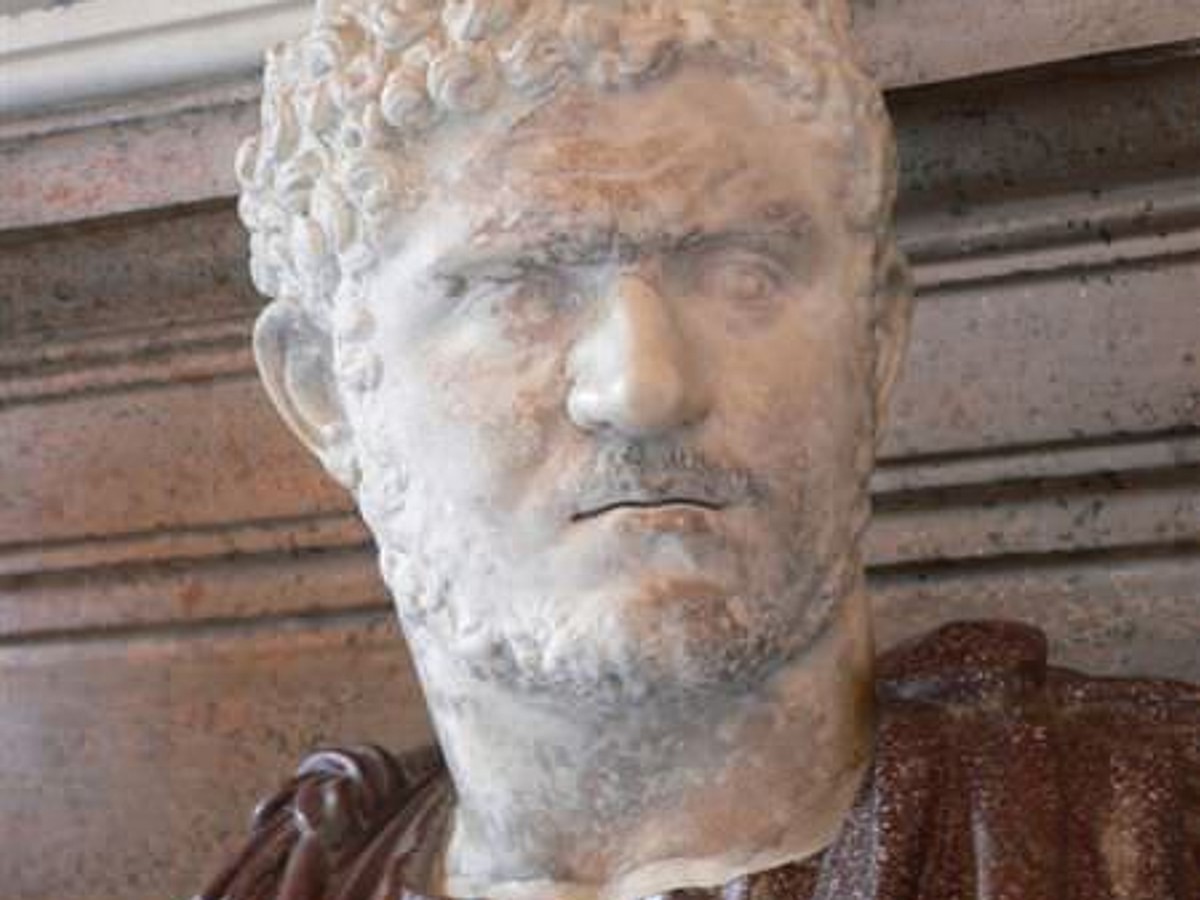
Caracalla officially took the title of Augustus, marking his elevation to co-emperor alongside his father, Septimius Severus. This move solidified his position within ...
Explore event →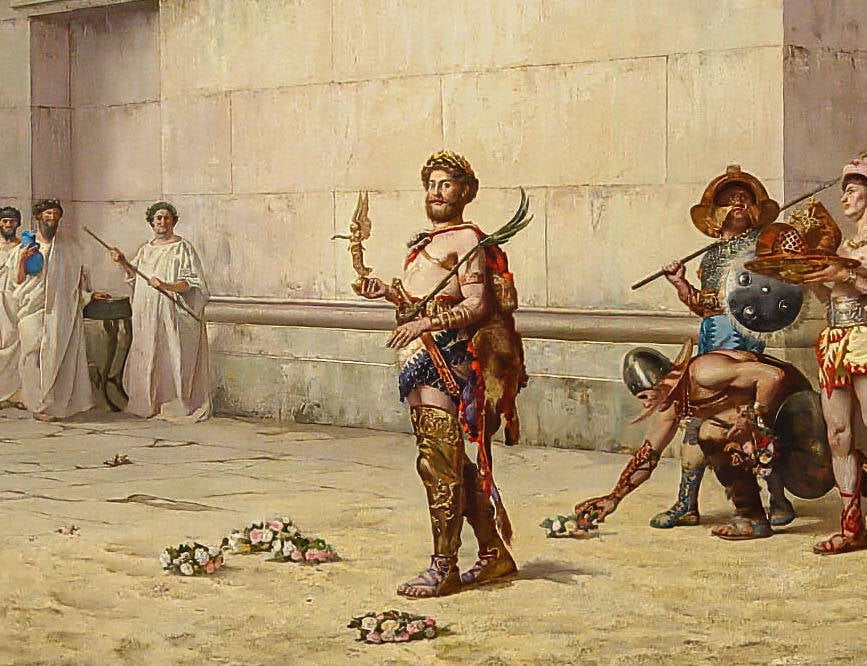
Roman Emperor Marcus Aurelius officially declared his son Commodus as co-emperor, sharing imperial authority.This political move marked the first time a biological son...
Explore event →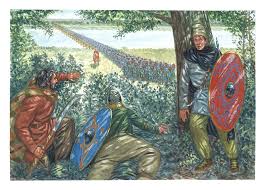
The Roman Empire conducted a series of military campaigns across the Danube River to expand territorial control into regions inhabited by Dacian and Germanic tribes. T...
Explore event →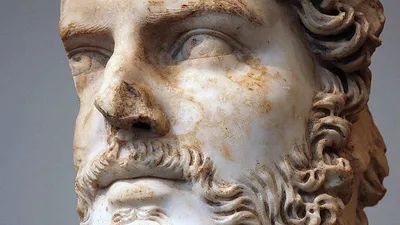
Lucius Verus, co-emperor of Rome alongside Marcus Aurelius, died in Rome under circumstances believed to be related to a devastating plague. His death marked a signifi...
Explore event →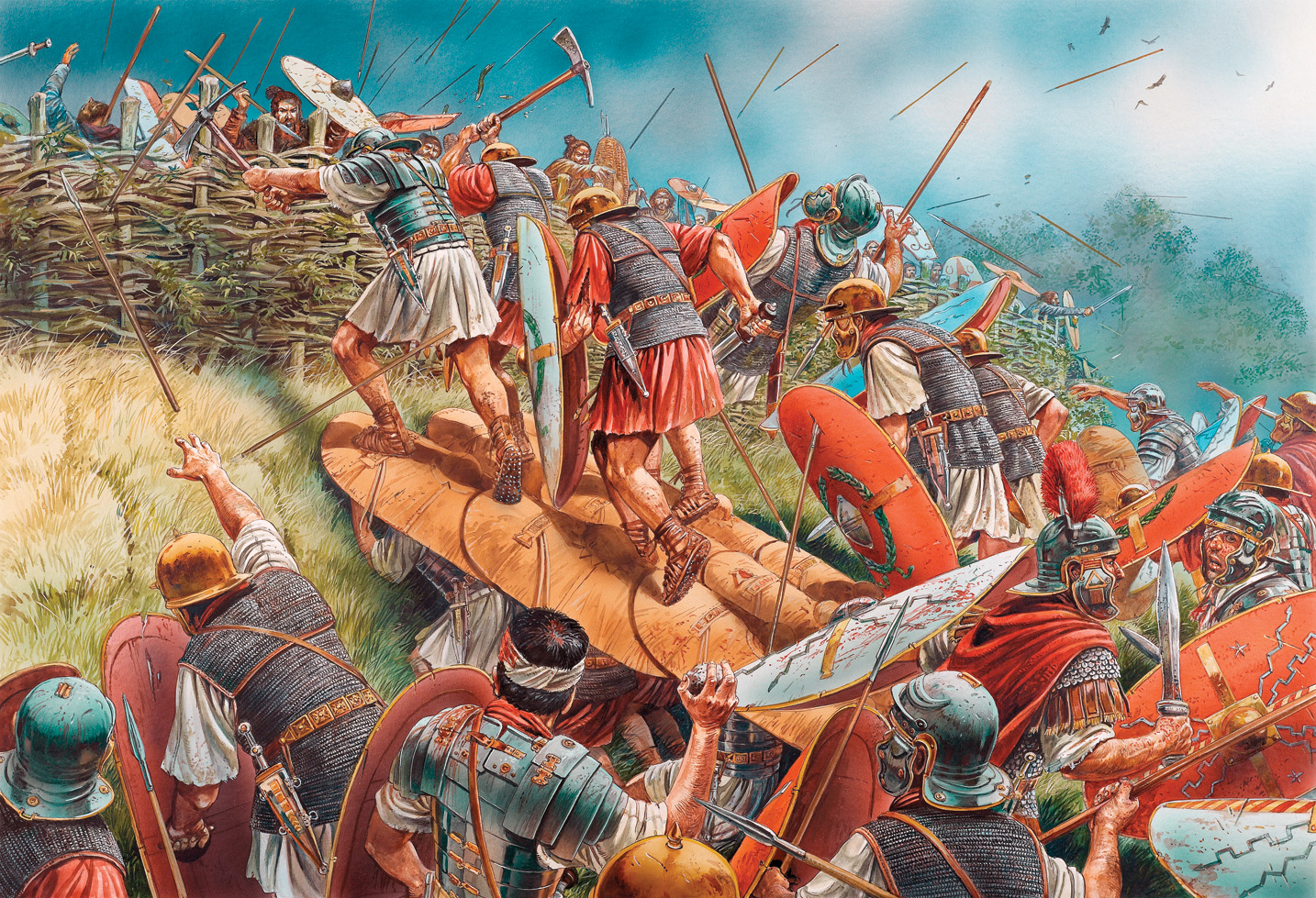
The Marcomannic Wars began as a series of conflicts between the Roman Empire and various Germanic tribes, including the Marcomanni, along the Danube frontier. The wars...
Explore event →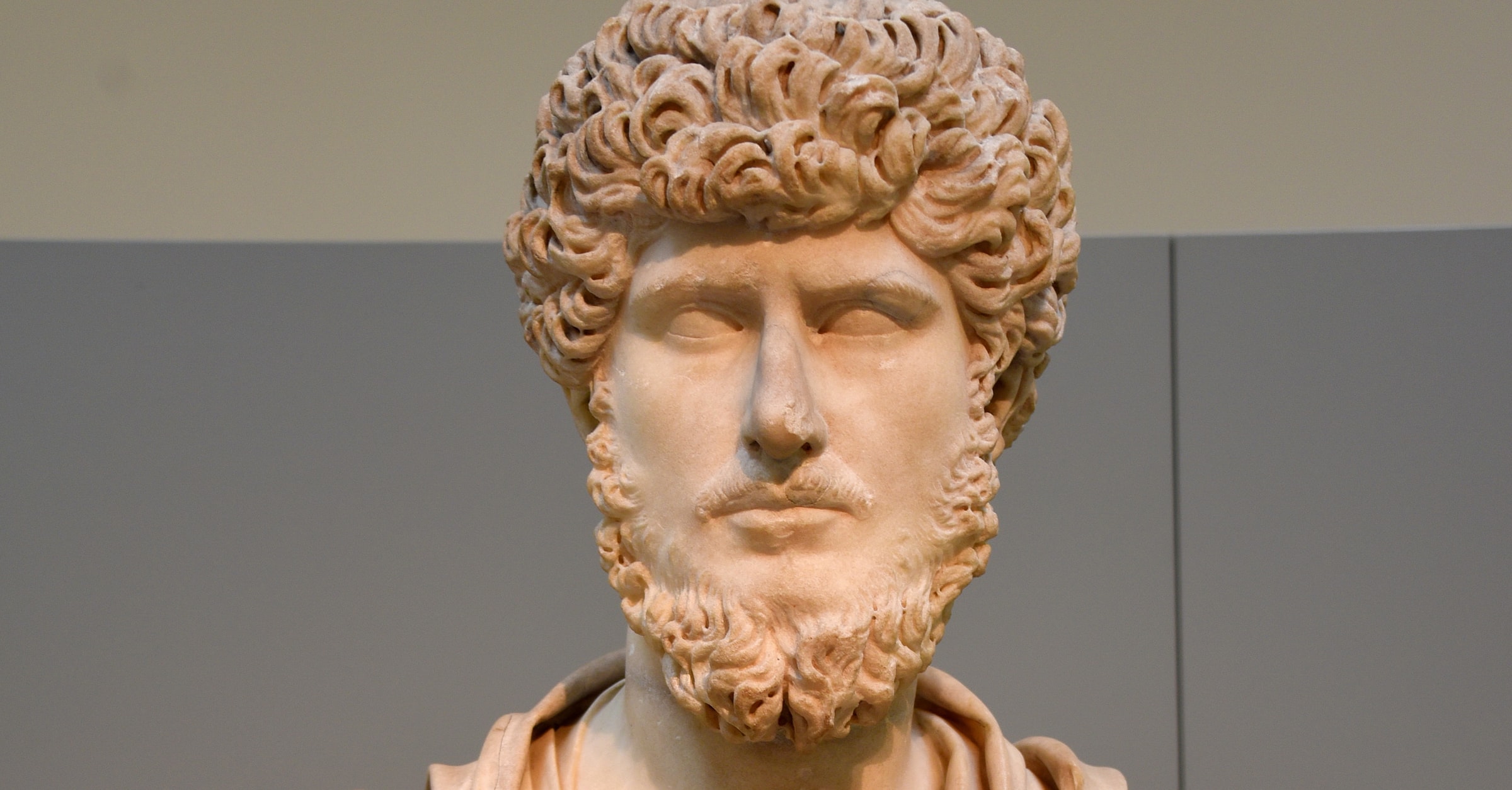
Lucius Verus was formally declared co-emperor alongside Marcus Aurelius, marking a significant moment in Roman imperial succession. This joint rule established a prece...
Explore event →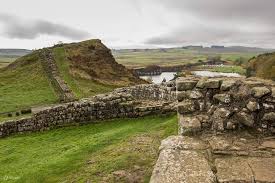
Emperor Hadrian undertook a significant visit to the province of Britannia during his reign as Roman Emperor. This visit marked an important moment in consolidating Ro...
Explore event →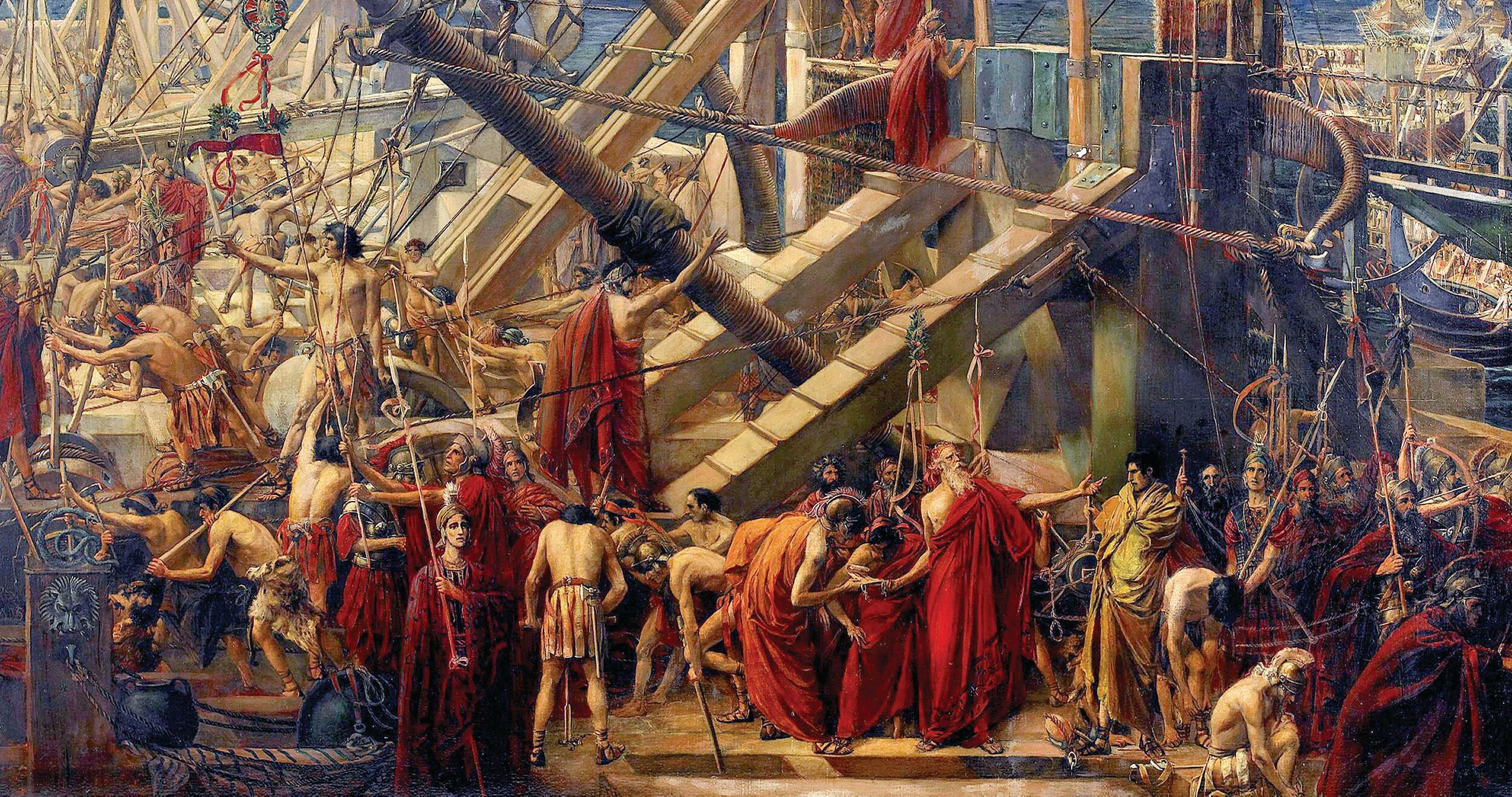
The Roman forces led by Emperor Trajan launched a military campaign across Mesopotamia, culminating in the siege and capture of Seleucia. This event marked a significa...
Explore event →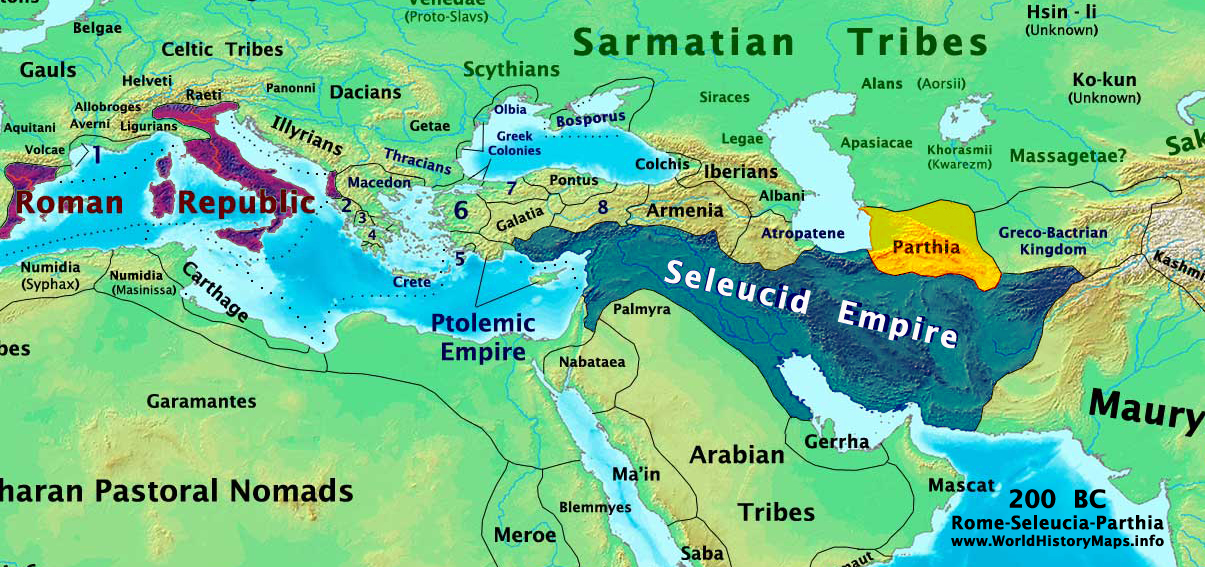
Roman Emperor Trajan launched a military campaign into the Parthian Empire, aiming to expand Roman territory eastward. The campaign marked a major escalation of confli...
Explore event →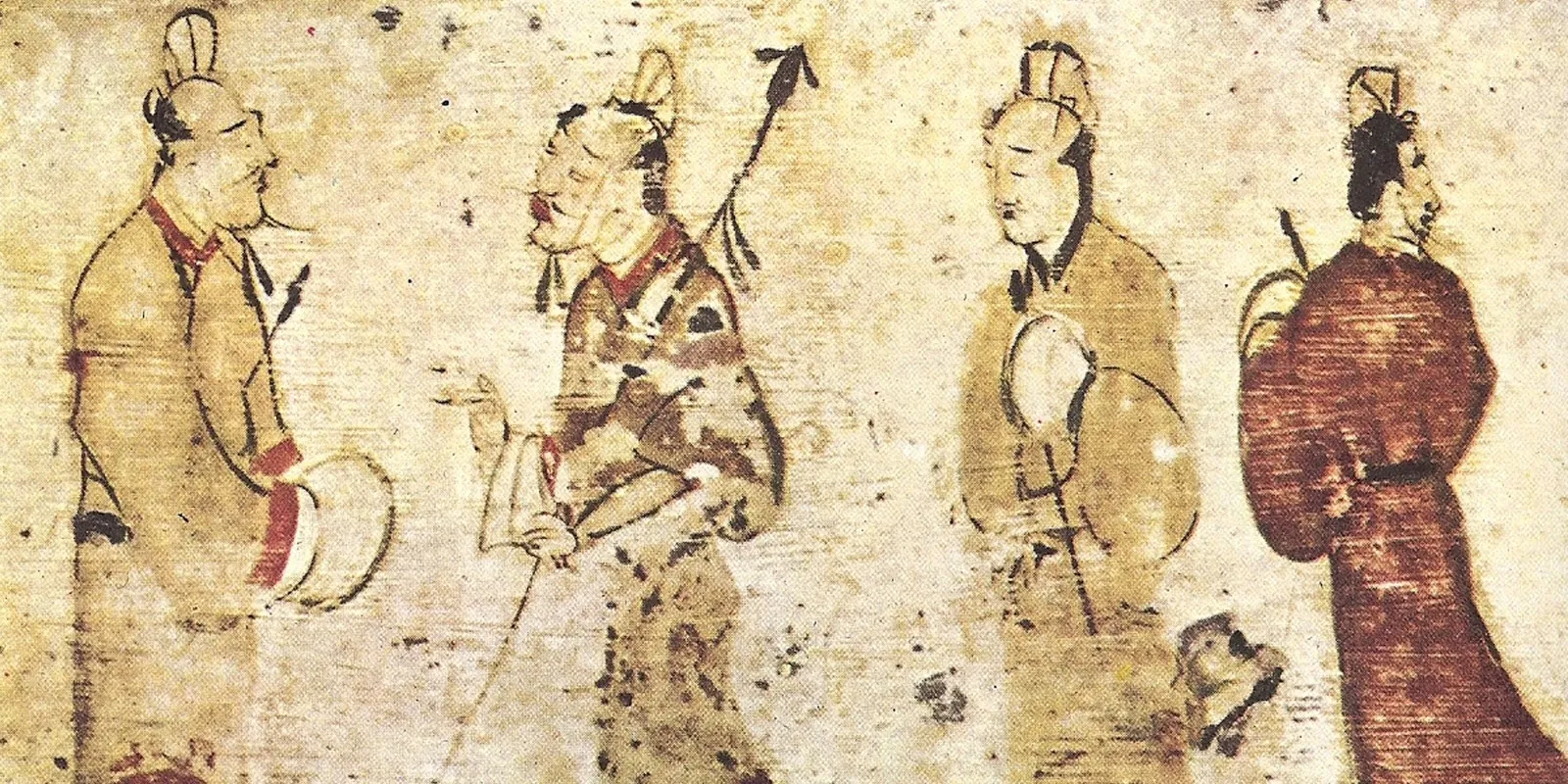
Ban Chao, a general under the Han Dynasty, initiated a series of military campaigns to assert Chinese control over the Western Regions. These expeditions were aimed at...
Explore event →
6 August 2015 — Egypt inaugurates a major expansion of the Suez Canal involving a new parallel channel along part of the route and widening of existing sections. The g...
Explore research
30 BCE–395 CE — Egypt remains one of the Roman Empire's wealthiest provinces. Alexandria continues as a major commercial and intellectual center while traditional Egyp...
Explore research
c. 2300–2055 BCE — Investigate weakening royal authority, powerful provincial elites, low Nile floods, climate stress and administrative fragmentation. None of these f...
Explore research
c. 2600–2500 BCE — Archaeology points toward organized Egyptian labor forces rather than armies of foreign slaves. Workers lived in settlements near Giza, received foo...
Explore research
c. 6000–4400 BCE — Communities along the Nile increasingly depend on farming, fishing, animal husbandry and seasonal river resources. The Nile creates a narrow fertile...
Explore research
27 January 1945 — Soviet troops reach the Auschwitz concentration and extermination complex in occupied Poland. They find thousands of surviving prisoners and extensiv...
Explore research
27 January 1945 — Soviet troops enter the Auschwitz concentration and extermination complex. They find thousands of surviving prisoners whom the SS had been unable to ...
Explore research
1912–1913 — Greece expands dramatically, gaining Thessaloniki, much of Macedonia, Epirus and several Aegean islands.
Explore research
24 August 1943 — Soviet armies begin a massive offensive toward the Dnieper River. German forces withdraw while attempting to create defensive positions along the rive...
Explore research
10 July 1940 — Britain's defense during the Battle of Britain relies on more than fighter aircraft alone. Chain Home radar stations, ground observers, telephone commun...
Explore research
29 September 1918 — Bulgaria signs the Armistice of Salonica after Allied breakthroughs in the Balkans. The surrender opens routes toward Austria-Hungary and the Ottom...
Explore research
The Council on Foreign Relations provides an important institutional setting for examining the overlap between Henry Kissinger and David Rockefeller. Their relationshi...
Explore research
David Rockefeller was a principal founder of the Trilateral Commission and subsequently held a senior leadership position within its North American group. His role pro...
Explore research
9 April 1940 — Germany launches Operation Weserübung against Denmark and Norway. Denmark is overwhelmed rapidly, while fighting in Norway continues for weeks. Control ...
Explore research
7 March 1936 — German troops enter the demilitarized Rhineland in violation of the Versailles and Locarno arrangements. Hitler's forces have orders to retreat if confr...
Explore research
Investigate the mechanisms through which banking institutions, private foreign-policy organizations, international conferences and policy-study groups could influence ...
Explore research
23 May 1915 — Italy declares war on Austria-Hungary after joining the Allied side through the secret Treaty of London. Italian leaders expect territorial gains along t...
Explore research
22 June 1941 — Germany and its allies invade the Soviet Union along an enormous front. Hitler seeks not only military victory but ideological destruction of Soviet com...
Explore research
22 June 1941 — Germany and its allies invade the Soviet Union along a vast front from the Baltic to the Black Sea. Hitler expects the Soviet state to collapse after a ...
Explore research
29 October 1914 — Ottoman naval forces attack Russian Black Sea ports, bringing the Ottoman Empire into the conflict alongside Germany and Austria-Hungary. Russia decl...
Explore research
David Rockefeller's documented roles connected banking, the Council on Foreign Relations, Bilderberg meetings and the Trilateral Commission. These overlapping institut...
Explore research
30 July 1914 — Tsar Nicholas II approves general mobilization of Russian forces after growing alarm over Austria-Hungary's attack on Serbia. Russian leaders fear that ...
Explore research
21 June 1941 — Despite multiple intelligence warnings, Stalin remains reluctant to believe Hitler will immediately launch full-scale war. Soviet forces are not fully p...
Explore research