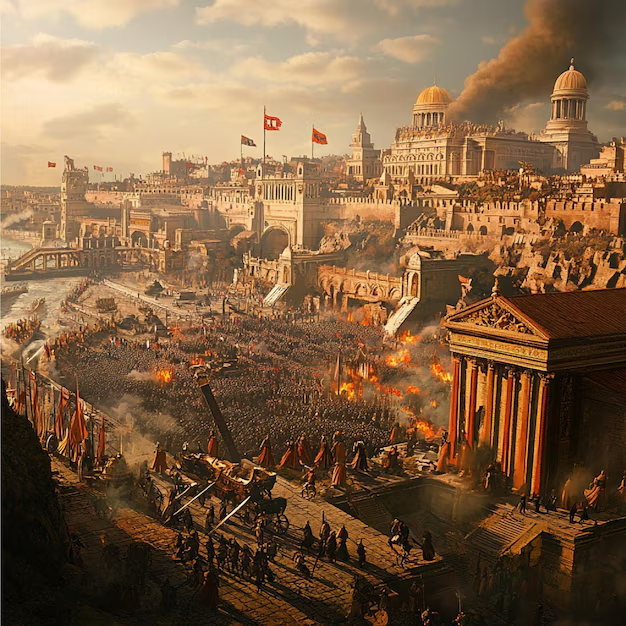
Fall of the Western Roman Empire
The last Western Roman emperor, Romulus Augustulus, was deposed. This event traditionally marks the end of ancient Rome and the beginning of the Middle Ages. Christi...
Explore event →History does not happen in isolation. Explore world events across time, follow the connections between them, and investigate the threads that reveal how one event can lead to another.
TheTimeMap currently follows events across 95 countries and 268 years of history — building a connected archive designed for people who want to look beyond the headline.
We oppose antisemitism, racism, and dehumanization — everywhere.
When people stop feeling, injustice becomes easy.
The last Western Roman emperor, Romulus Augustulus, was deposed. This event traditionally marks the end of ancient Rome and the beginning of the Middle Ages. Christi...
Explore event →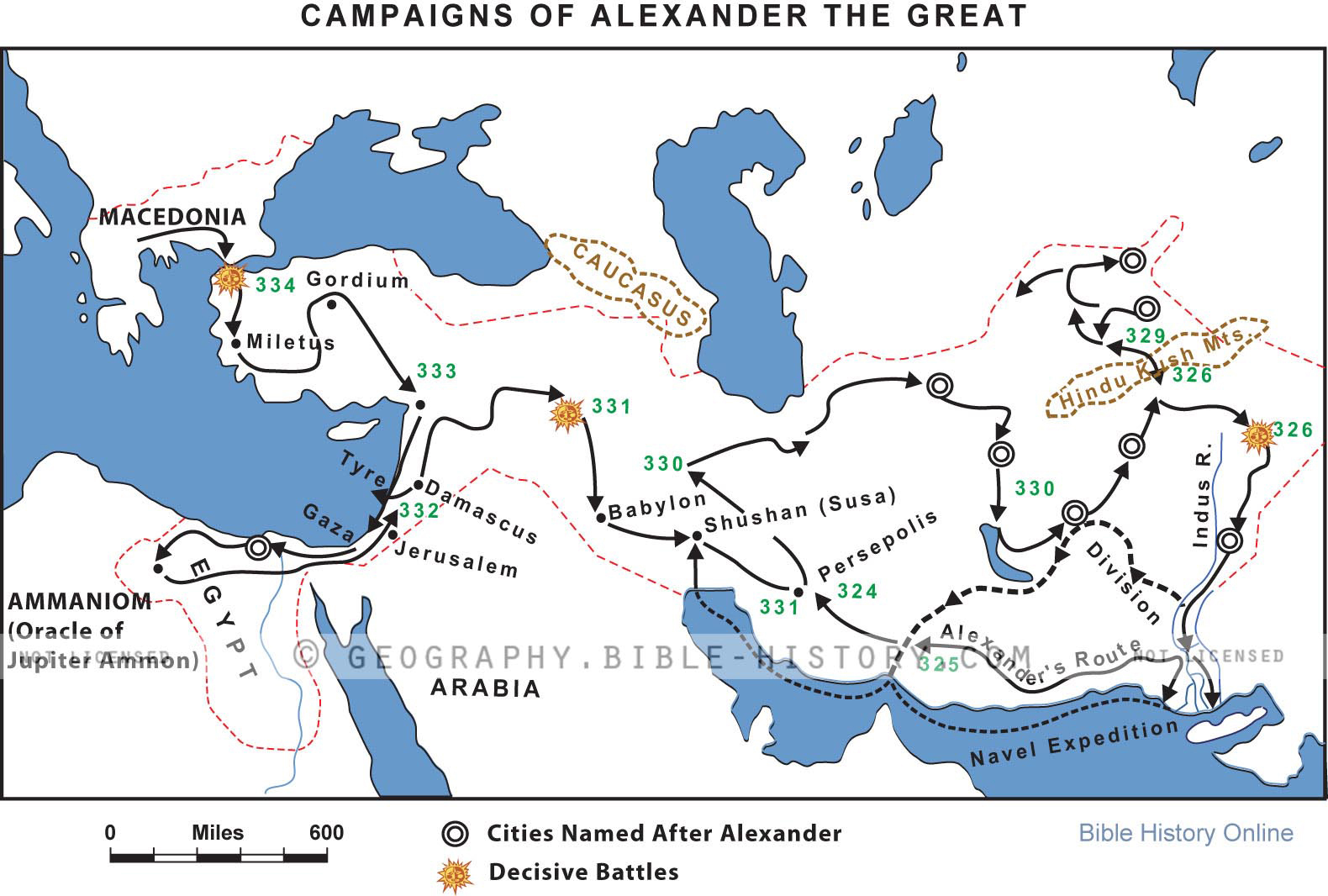
Alexander the Great Travels Through Palestine In October 332 B.C., during his campaign against the Persian Empire, Alexander III of Macedon, commonly known as Alexand...
Explore event →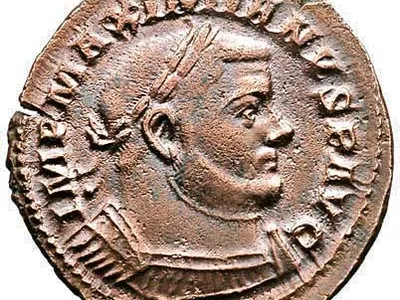
Maximian, co-emperor of the Roman Empire, formally abdicated his position alongside Diocletian. This marked a significant moment in the Tetrarchy system, a power-shari...
Explore event →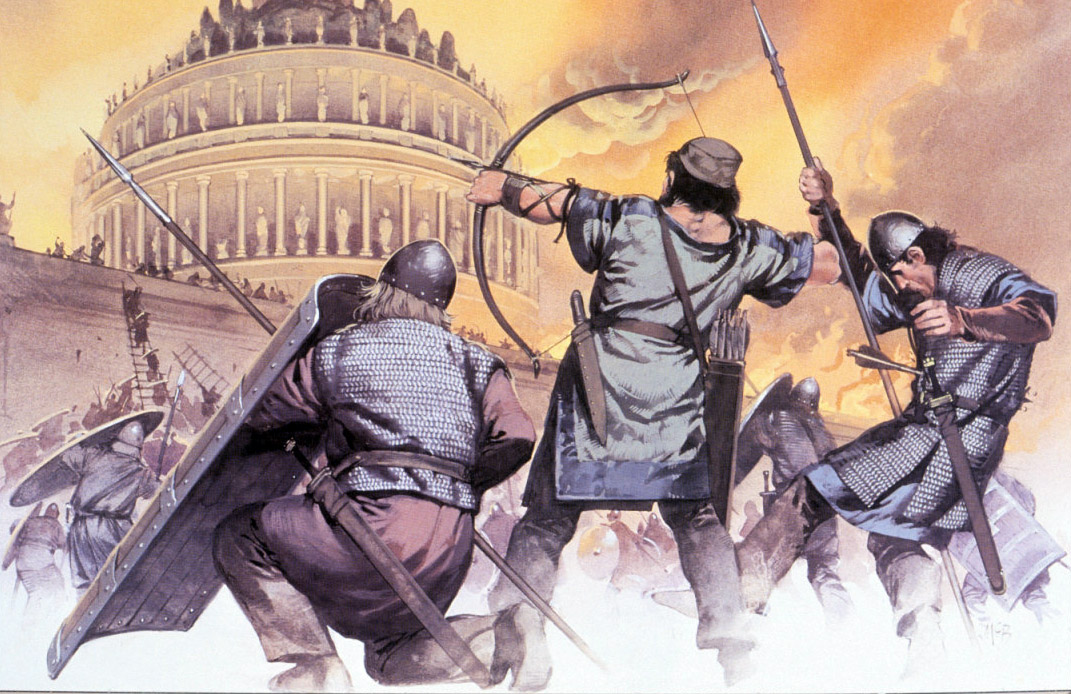
Emperor Diocletian formally abdicated the throne, marking a rare voluntary withdrawal from power by a Roman emperor. This significant event occurred as part of the Tet...
Explore event →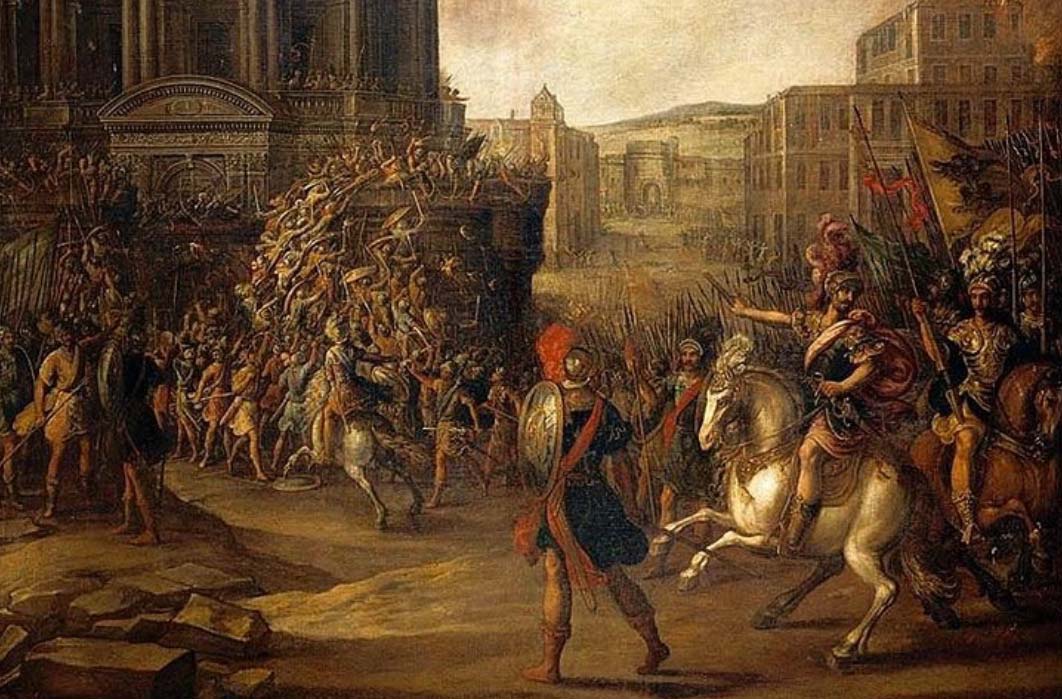
The Battle of the Margus was a significant confrontation between Emperor Carinus and his rival, Diocletian, near the Margus River in the Roman province of Moesia Super...
Explore event →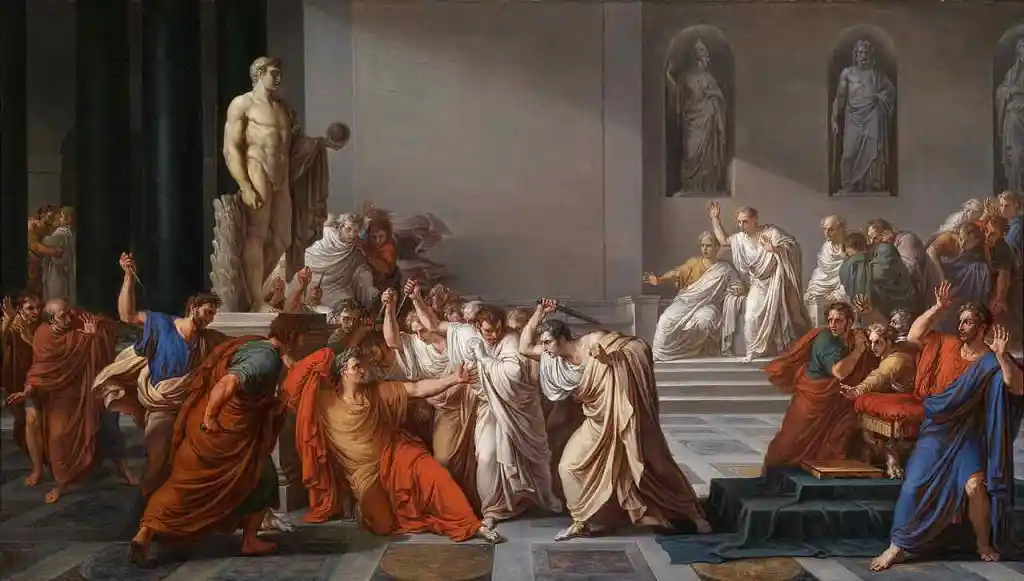
Roman Emperor Numerian died under suspicious circumstances while returning from a campaign in the East. His death was discovered by his troops near the region of Cordu...
Explore event →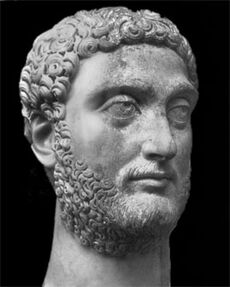
After the death of Emperor Carus during a campaign in Persia, his son Numerian became the new Roman Emperor. The accession was initially peaceful, with Numerian holdin...
Explore event →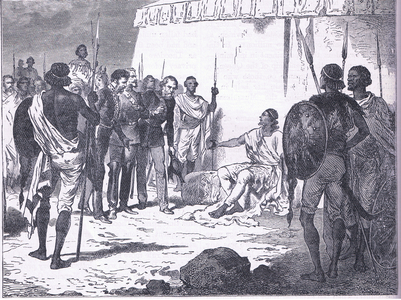
Emperor Probus was assassinated by his own soldiers after numerous military campaigns to secure the Roman Empire's borders. His leadership was challenged internally de...
Explore event →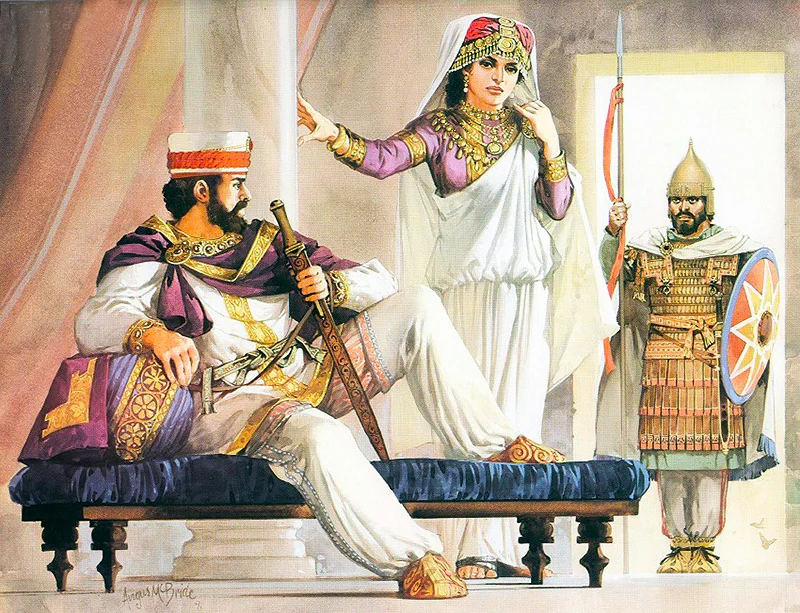
Odaenathus rose to power in Palmyra amid the crisis of the Roman Empire in the mid-3rd century. Following the capture of the Roman Emperor Valerian by the Persians, Pa...
Explore event →
Severus Alexander was proclaimed Roman Emperor following the assassination of Elagabalus. The Roman Senate officially endorsed his accession, marking a return to more ...
Explore event →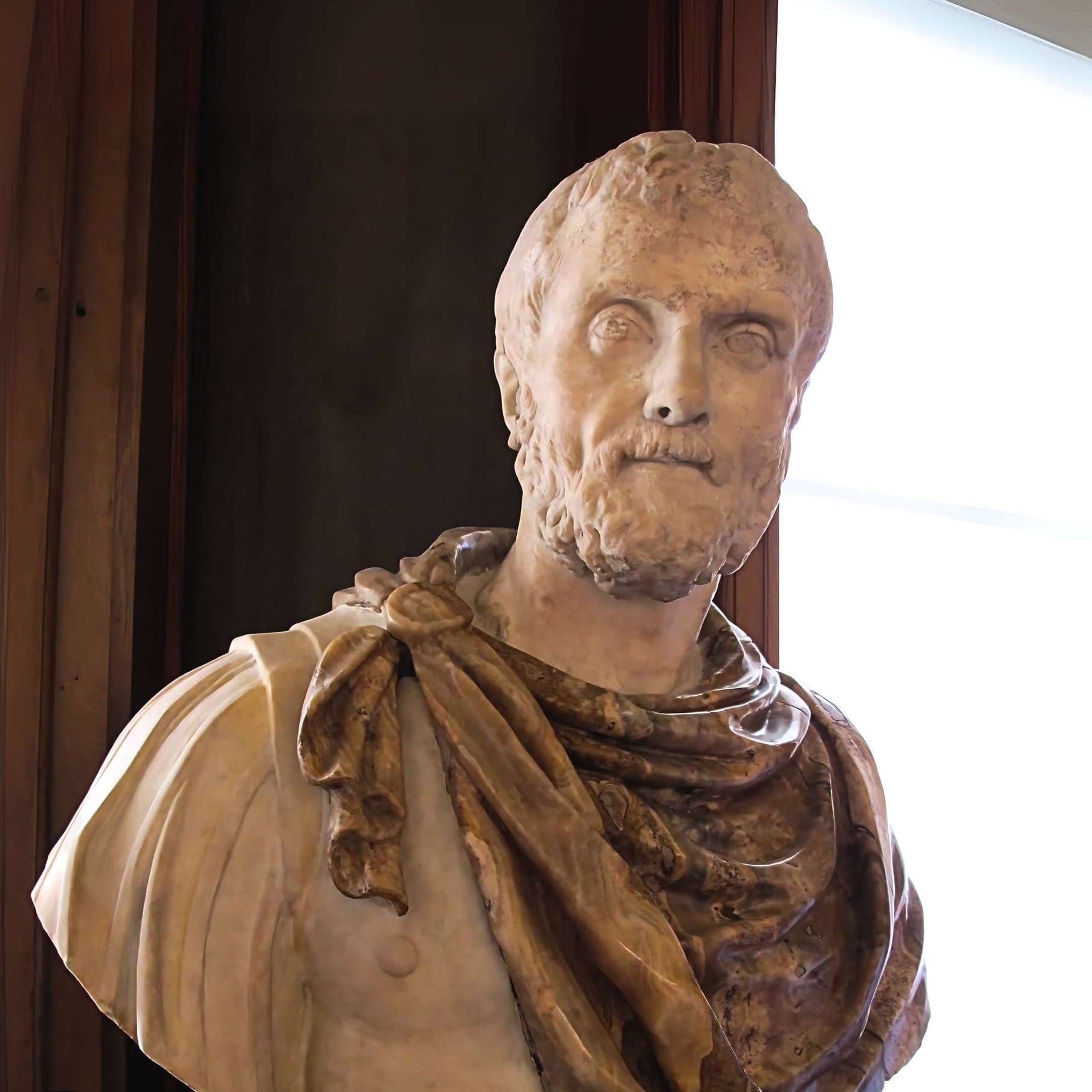
Following the assassination of Emperor Caracalla, Macrinus, then the commander of the Praetorian Guard, declared himself emperor. His accession marked the first time a...
Explore event →
Macrinus, formerly a praetorian prefect, became Roman Emperor following the assassination of Caracalla. This marked a significant shift in imperial authority as Macrin...
Explore event →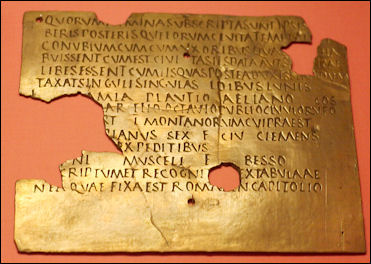
The Constitutio Antoniniana was an edict issued by Emperor Caracalla granting Roman citizenship to all free inhabitants of the Roman Empire. This decree dramatically e...
Explore event →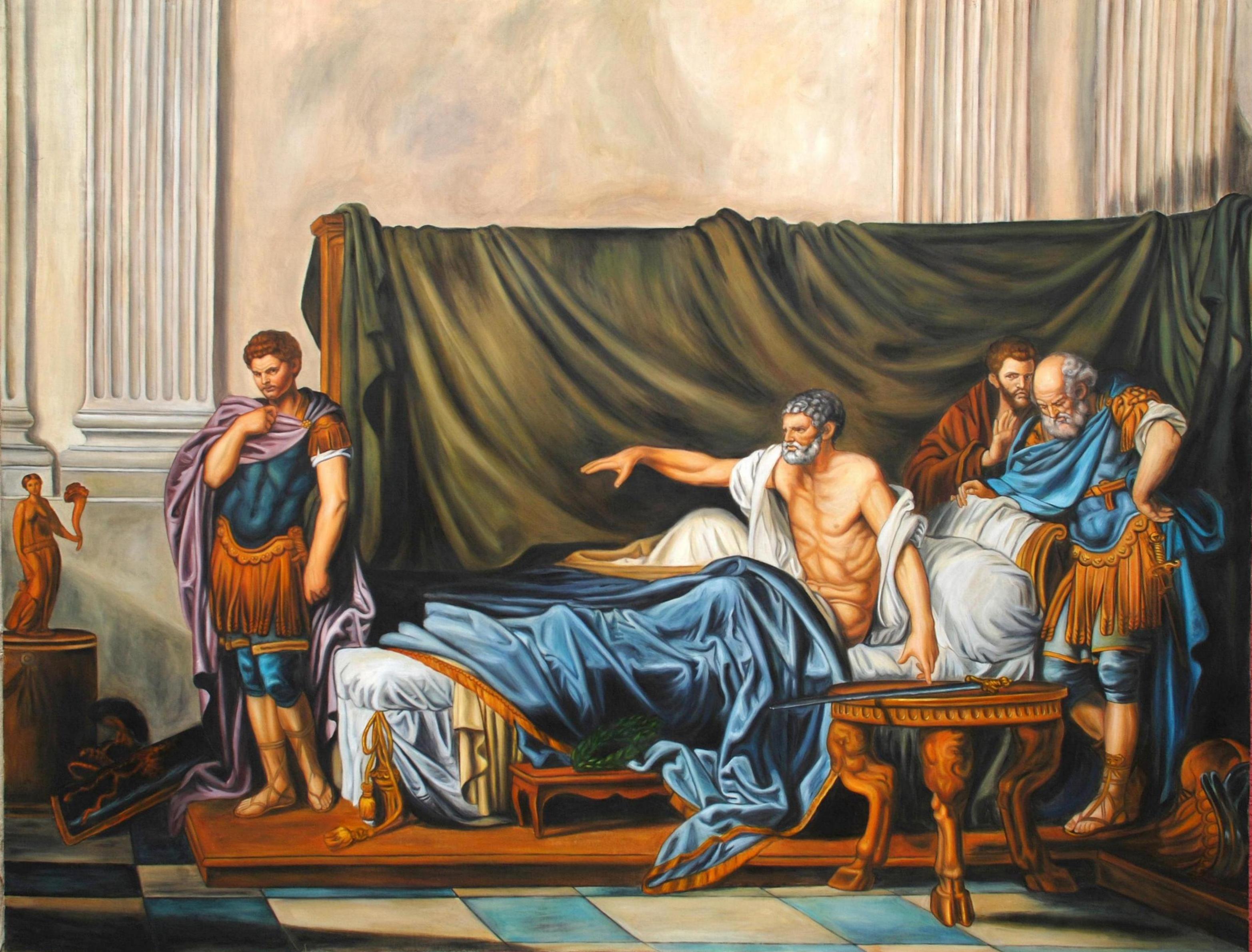
Septimius Severus, Roman Emperor, died on February 4th while in the city of Lugdunum, in the Roman province of Gallia Lugdunensis. His death marked the end of his two-...
Explore event →
Rabbinic literature from the Mishnaic and Talmudic periods (approximately 1st–6th centuries CE) includes legal discussions that describe several categories relating to...
Explore event →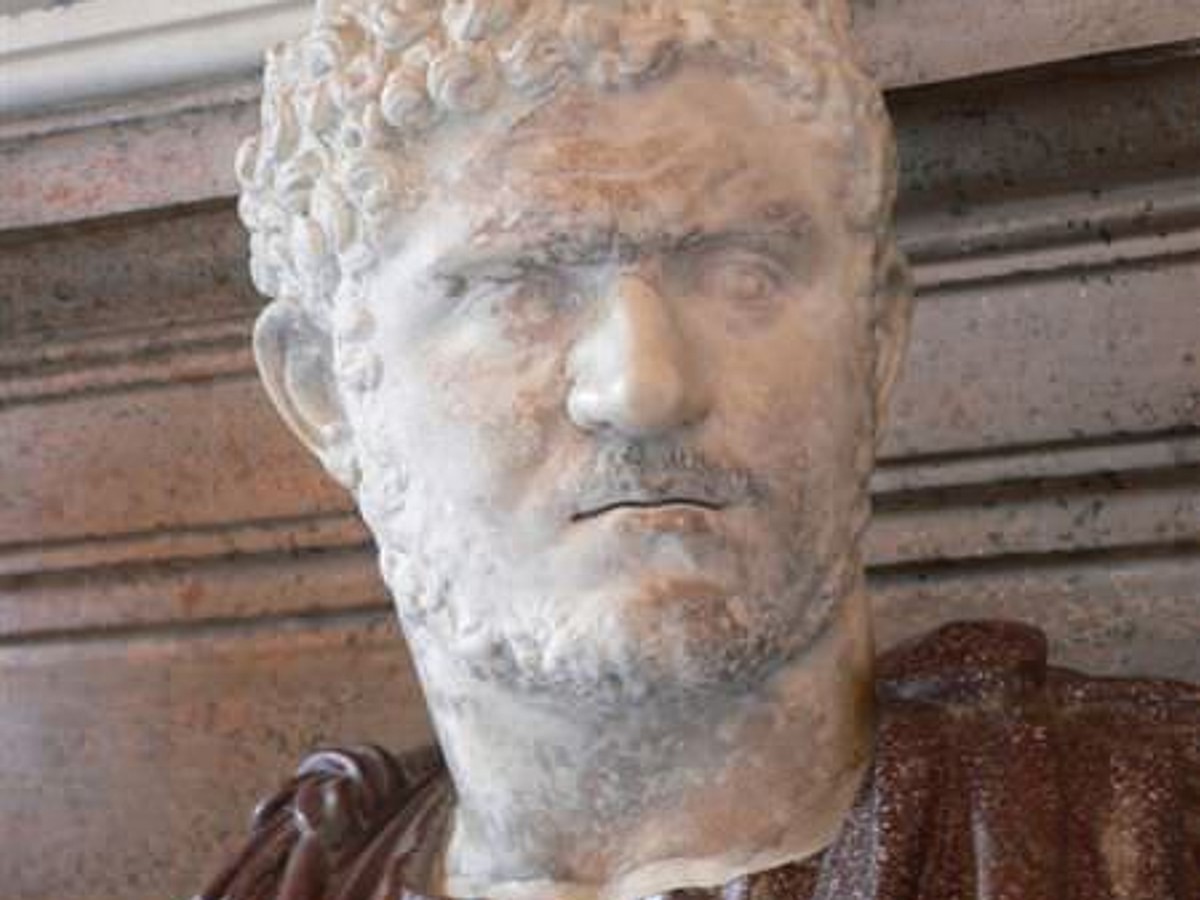
Caracalla officially took the title of Augustus, marking his elevation to co-emperor alongside his father, Septimius Severus. This move solidified his position within ...
Explore event →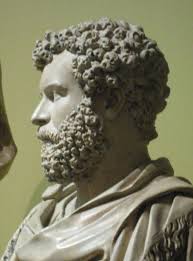
Clodius Albinus, governor of Britannia, declared himself Caesar in a bid to claim imperial power during the turbulent Year of the Five Emperors. His proclamation chall...
Explore event →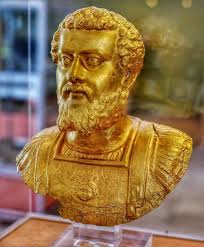
Septimius Severus was proclaimed emperor by his troops following the death of Emperor Pertinax. This marked the beginning of the Severan dynasty and significant change...
Explore event →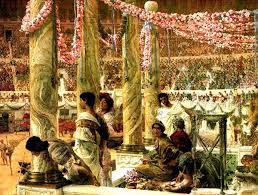
Pescennius Niger, governor of Syria, declared himself Roman emperor after the death of Emperor Pertinax. His claim to the throne sparked a civil war against Septimius ...
Explore event →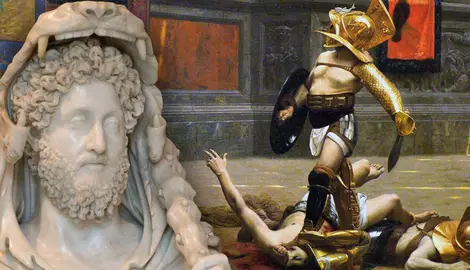
Commodus formally assumed the role of Roman Emperor following the death of his father Marcus Aurelius. His accession marked a significant transition from the era of th...
Explore event →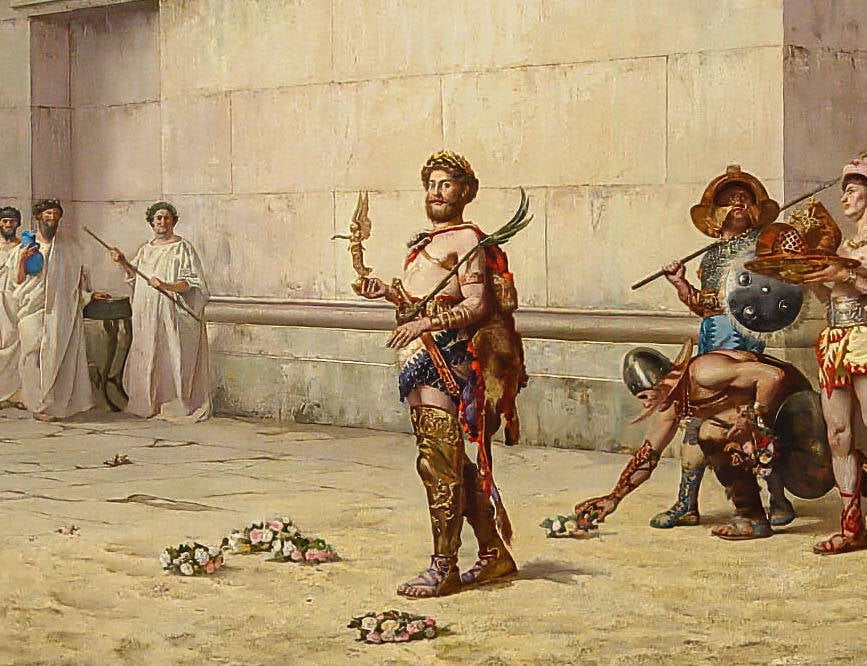
Roman Emperor Marcus Aurelius officially declared his son Commodus as co-emperor, sharing imperial authority.This political move marked the first time a biological son...
Explore event →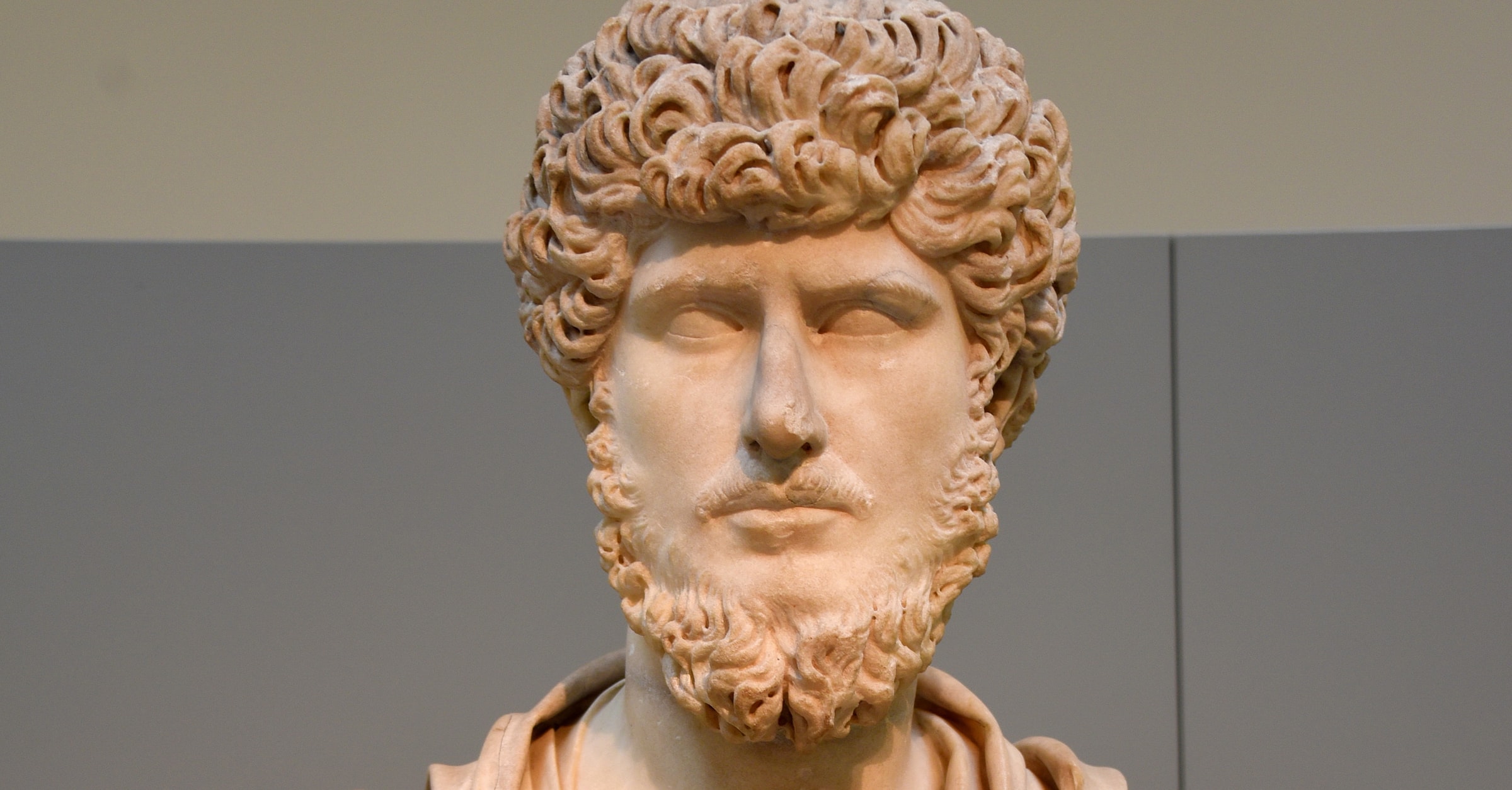
Lucius Verus was formally declared co-emperor alongside Marcus Aurelius, marking a significant moment in Roman imperial succession. This joint rule established a prece...
Explore event →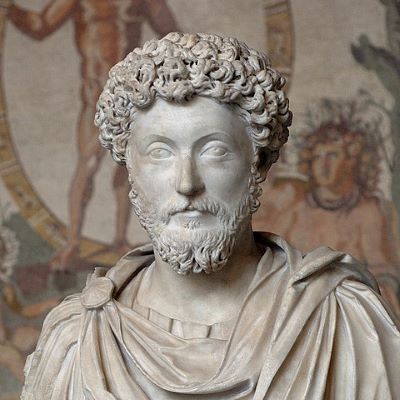
Marcus Aurelius officially became Roman Emperor following the death of Antoninus Pius. His accession marked the continuation of the Nerva-Antonine dynasty through adop...
Explore event →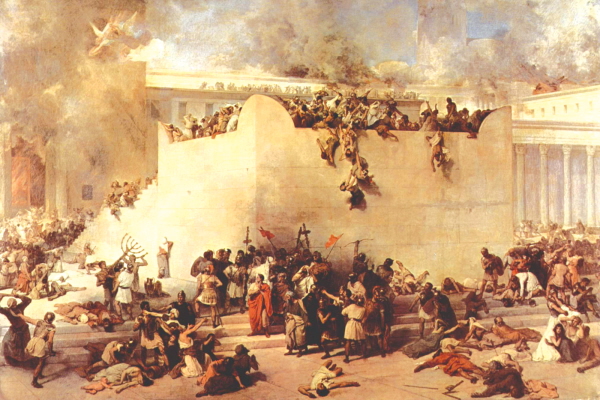
The Bar Kokhba revolt was a major Jewish uprising against the Roman Empire in the province of Judaea. The rebellion started under the leadership of Simon Bar Kokhba wh...
Explore event →
14 July 2026 — Albania provisionally closes its first three EU accession chapters: science and research, education and culture, and external relations.
Explore research
19 July 2022 — Albania and the European Union hold their first intergovernmental conference, formally opening accession negotiations.
Explore research
6 August 2015 — Egypt inaugurates a major expansion of the Suez Canal involving a new parallel channel along part of the route and widening of existing sections. The g...
Explore research
2014–2026 — Egypt remains the most populous country in the Arab world and one of the principal political centers of the eastern Mediterranean and Middle East. Cairo do...
Explore research
2011–2014 — Mubarak's fall opens competitive elections and unprecedented political participation, but the transition rapidly produces institutional conflict, polarizat...
Explore research
28 April 2009 — Albania formally submits its application for membership in the European Union, beginning a long process of institutional and legal reforms tied to acce...
Explore research
January–August 1997 — The collapse of enormous fraudulent investment schemes wipes out the savings of hundreds of thousands of Albanians. Armed rebellion spreads, mili...
Explore research
29 April 1991 — New constitutional provisions formally establish the Republic of Albania during the transition away from communist government. The country begins rebui...
Explore research
31 March 1991 — Albania holds its first competitive multiparty parliamentary elections since the communist takeover. The former communist Party of Labour wins, but the...
Explore research
11 April 1985 — Hoxha dies after more than four decades at the center of Albanian communist power. Ramiz Alia succeeds him and gradually introduces limited reforms as ...
Explore research
26 March 1979 — Egypt and Israel sign a formal peace treaty in Washington. Israel agrees to withdraw from Sinai, which is gradually returned to Egyptian control. Egypt...
Explore research
1978 — Chinese economic and military assistance ends after years of growing ideological disagreement. Albania loses its final major communist ally and enters an extrao...
Explore research
6–25 October 1973 — Egyptian and Syrian forces launch a surprise attack against Israeli positions. Egyptian troops successfully cross the Suez Canal and penetrate the ...
Explore research
1970–1981 — Anwar Sadat succeeds Nasser and gradually redirects Egyptian foreign and economic policy. He reduces Soviet influence, encourages economic liberalization a...
Explore research
13 September 1968 — Albania formally withdraws from the Soviet-led Warsaw Pact following the invasion of Czechoslovakia. The withdrawal confirms Albania's political ru...
Explore research
1967 — The communist government launches an aggressive campaign against organized religion. Mosques, churches and monasteries are closed or converted to other uses, an...
Explore research
c. 1967–1985 — Hoxha's government constructs vast numbers of concrete defensive bunkers across Albania. The program reflects the regime's fear of invasion from NATO, Y...
Explore research
1958–1961 — Egypt and Syria unite as the United Arab Republic under Nasser. The union represents the high point of pan-Arab political enthusiasm. Syrian dissatisfactio...
Explore research
26 July–7 November 1956 — Nasser nationalizes the Suez Canal Company after Western governments withdraw support for the Aswan High Dam. Britain, France and Israel secr...
Explore research
1954–1970 — Nasser becomes the dominant leader of revolutionary Egypt and formally assumes the presidency in 1956. His government promotes Arab nationalism, land refor...
Explore research
18 June 1953 — The monarchy is formally abolished and Egypt is declared a republic. Muhammad Naguib becomes the first president, but power increasingly shifts toward G...
Explore research
11 January 1946 — The monarchy is formally abolished and Albania becomes a communist people's republic. Political opposition is suppressed and the Communist Party esta...
Explore research
31 January 1925 — Albania formally becomes a republic with Ahmet Zogu as president. Zogu uses the presidency to consolidate central authority after years of political ...
Explore research
28 February 1922 — Britain formally ends its protectorate and recognizes Egypt as an independent sovereign state. Important issues remain under British control, includ...
Explore research