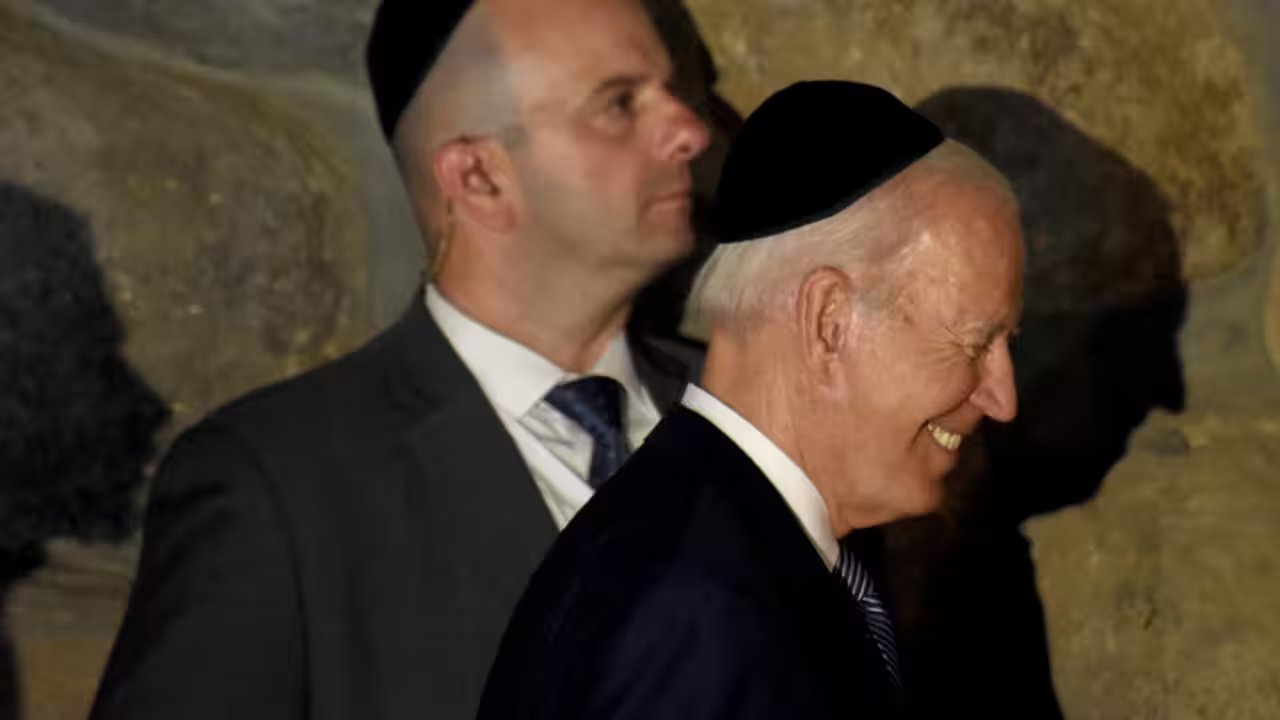
Joe Biden Visiting The Western Wall
On July 14, 2022, President-elect Joe Biden visited the Western Wall in Jerusalem, Israel, before officially taking office. He participated in a brief public visit and...
Explore event →History does not happen in isolation. Explore world events across time, follow the connections between them, and investigate the threads that reveal how one event can lead to another.
TheTimeMap currently follows events across 95 countries and 268 years of history — building a connected archive designed for people who want to look beyond the headline.
We oppose antisemitism, racism, and dehumanization — everywhere.
When people stop feeling, injustice becomes easy.
On July 14, 2022, President-elect Joe Biden visited the Western Wall in Jerusalem, Israel, before officially taking office. He participated in a brief public visit and...
Explore event →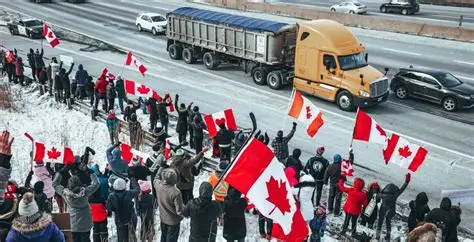
From late January to mid‑February 2022, a large convoy of truck drivers and supporters known as the “Freedom Convoy” gathered in downtown Ottawa and at key border cros...
Explore event →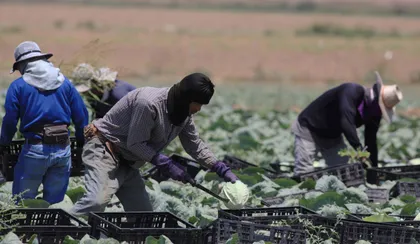
On October 19, 2021, Israel's Knesset Special Committee on Foreign Workers discussed a report examining gender-based violence against Thai migrant agricultural workers...
Explore event →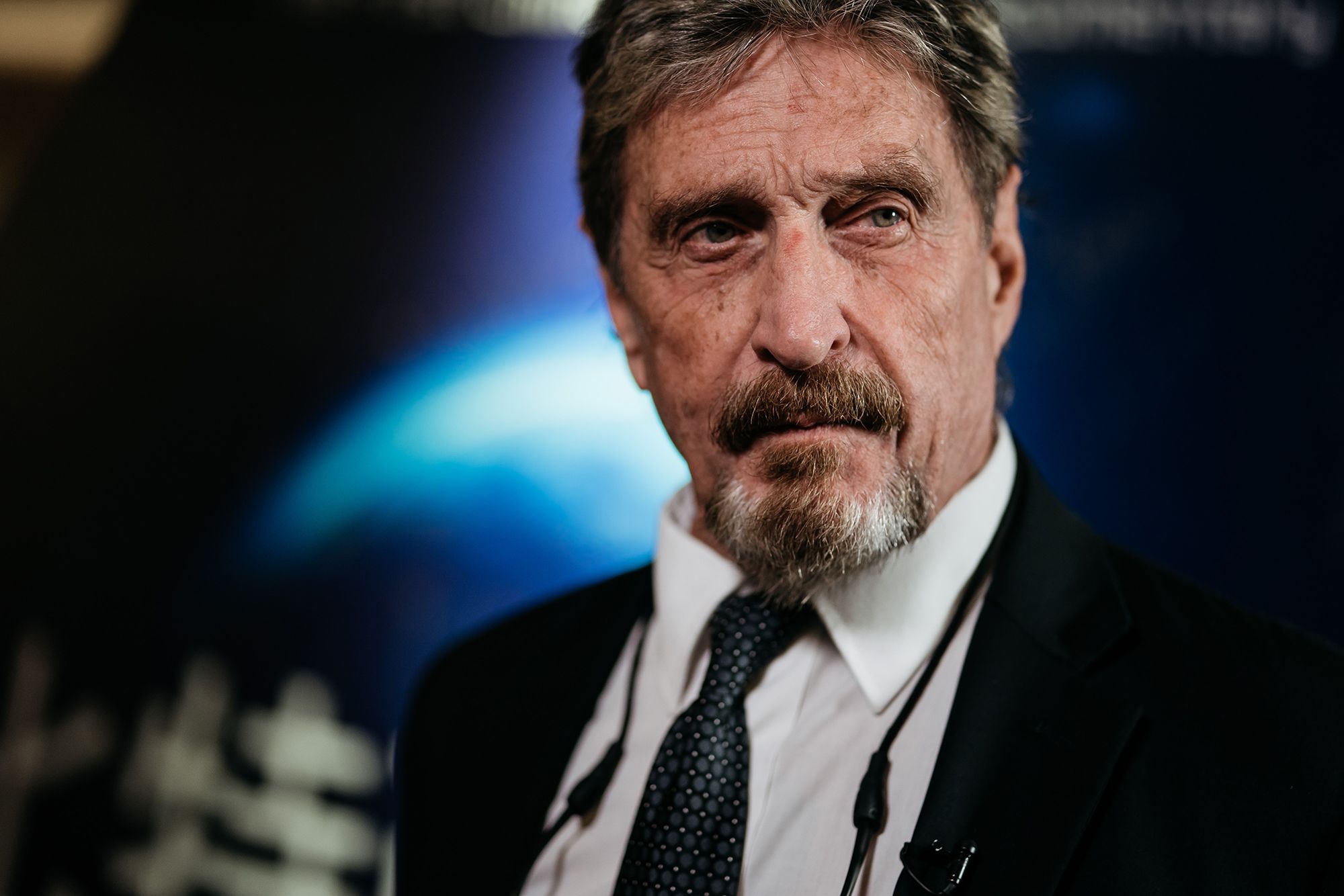
John David McAfee (September 18, 1945 – June 23, 2021) was a British‑American programmer and businessman best known for founding the McAfee antivirus software company....
Explore event →
On April 19, 2021, Sir Keir Starmer, then leader of the UK Labour Party, was asked to leave The Raven pub in Bath by landlord Rod Humphris during a visit to the city, ...
Explore event →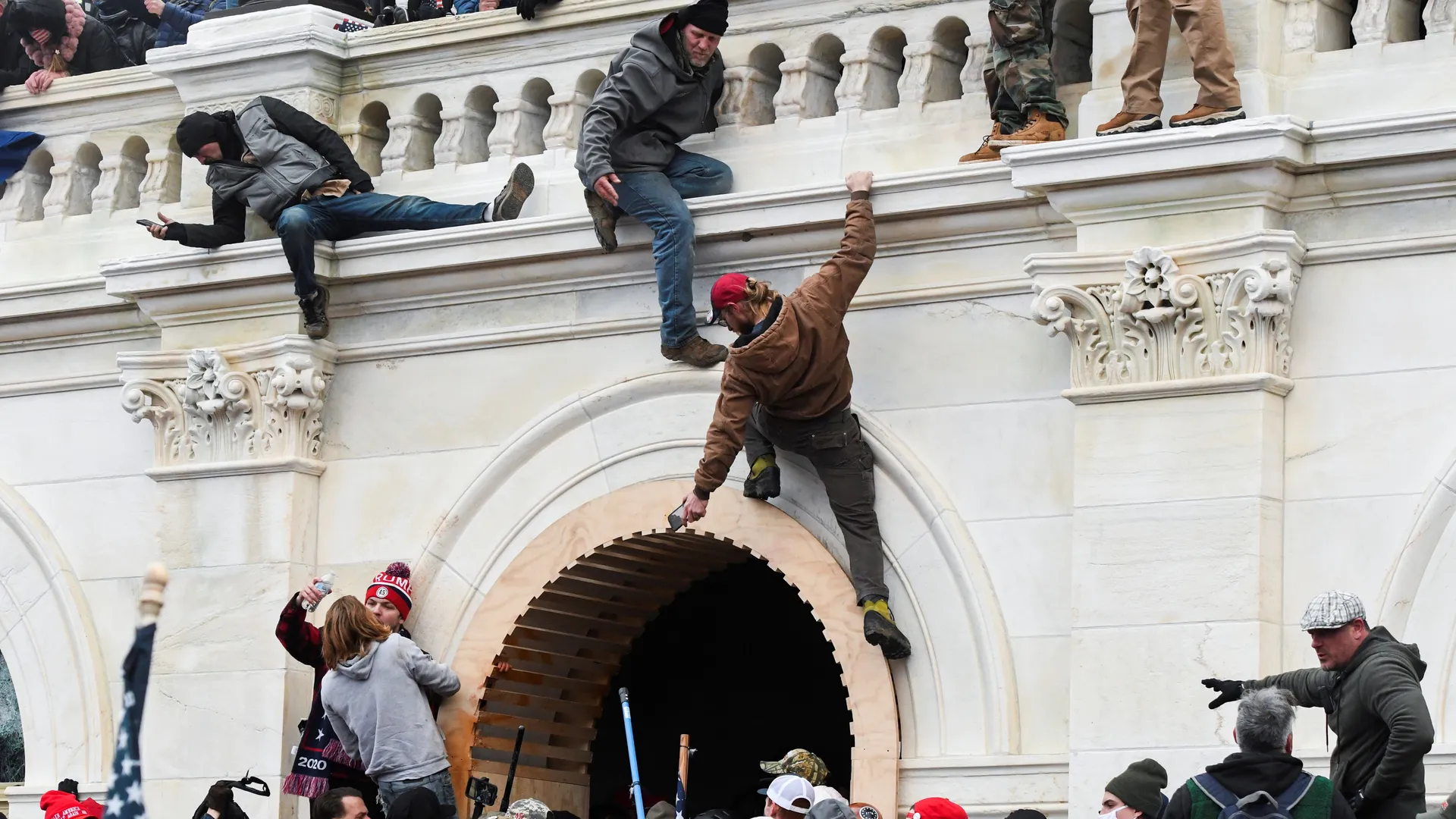
On January 6, 2021, a violent mob of supporters of then-President Donald Trump stormed the United States Capitol in Washington, D.C., while Congress was meeting to cer...
Explore event →
Gaza and US immigration policies affected by data analytics tools On December 5, 2020, analysts reported that U.S. immigration enforcement and counterterror...
Explore event →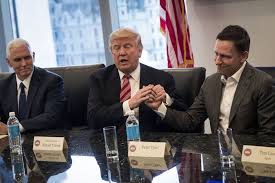
Palantir expands influence under Trump administration On November 12, 2020, reports indicated that Palantir Technologies, a data analytics and software comp...
Explore event →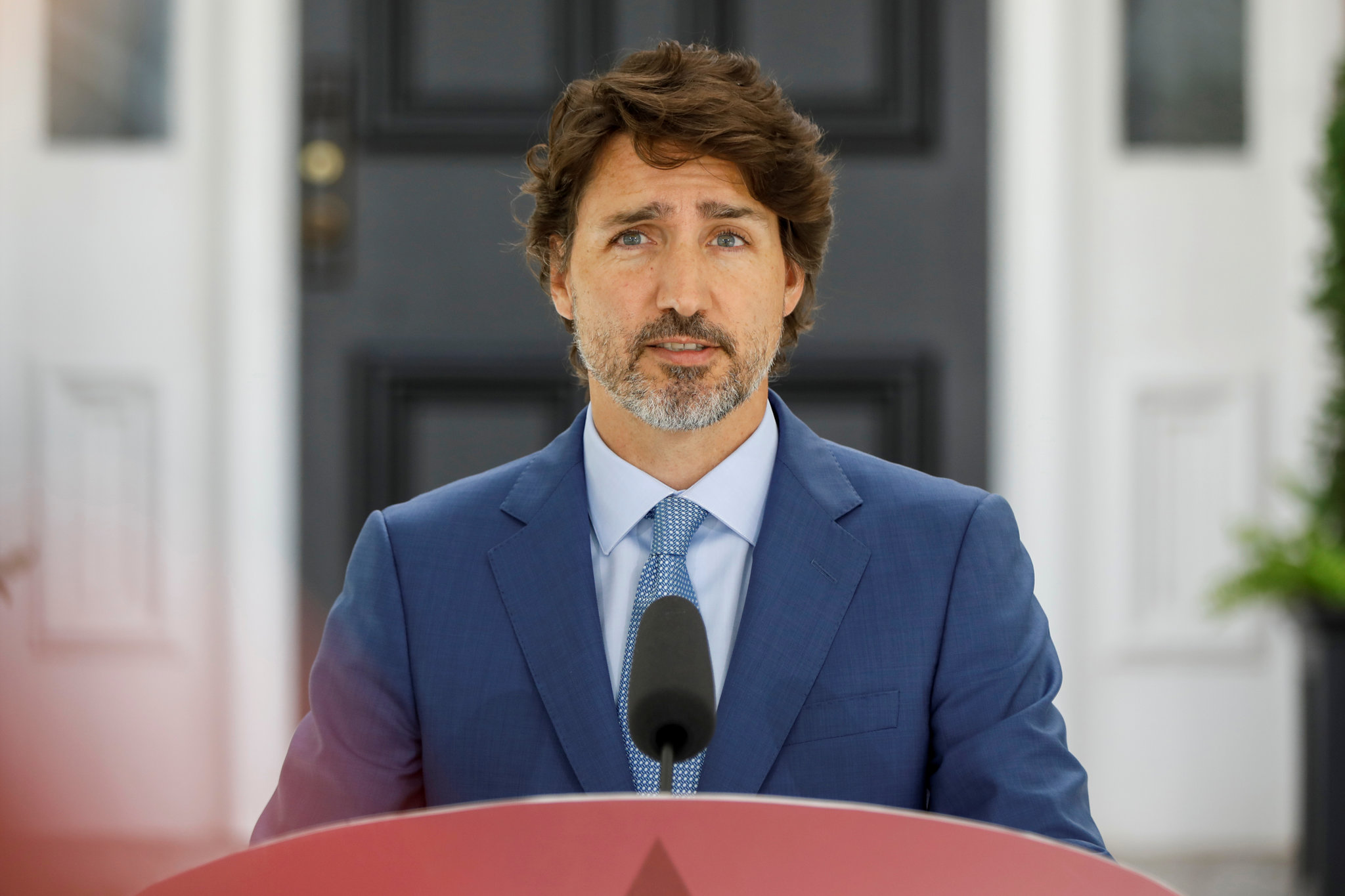
On July 10, 2020, Canadian Prime Minister Justin Trudeau came under intense scrutiny regarding the federal government’s decision to award a $912 million student volunt...
Explore event →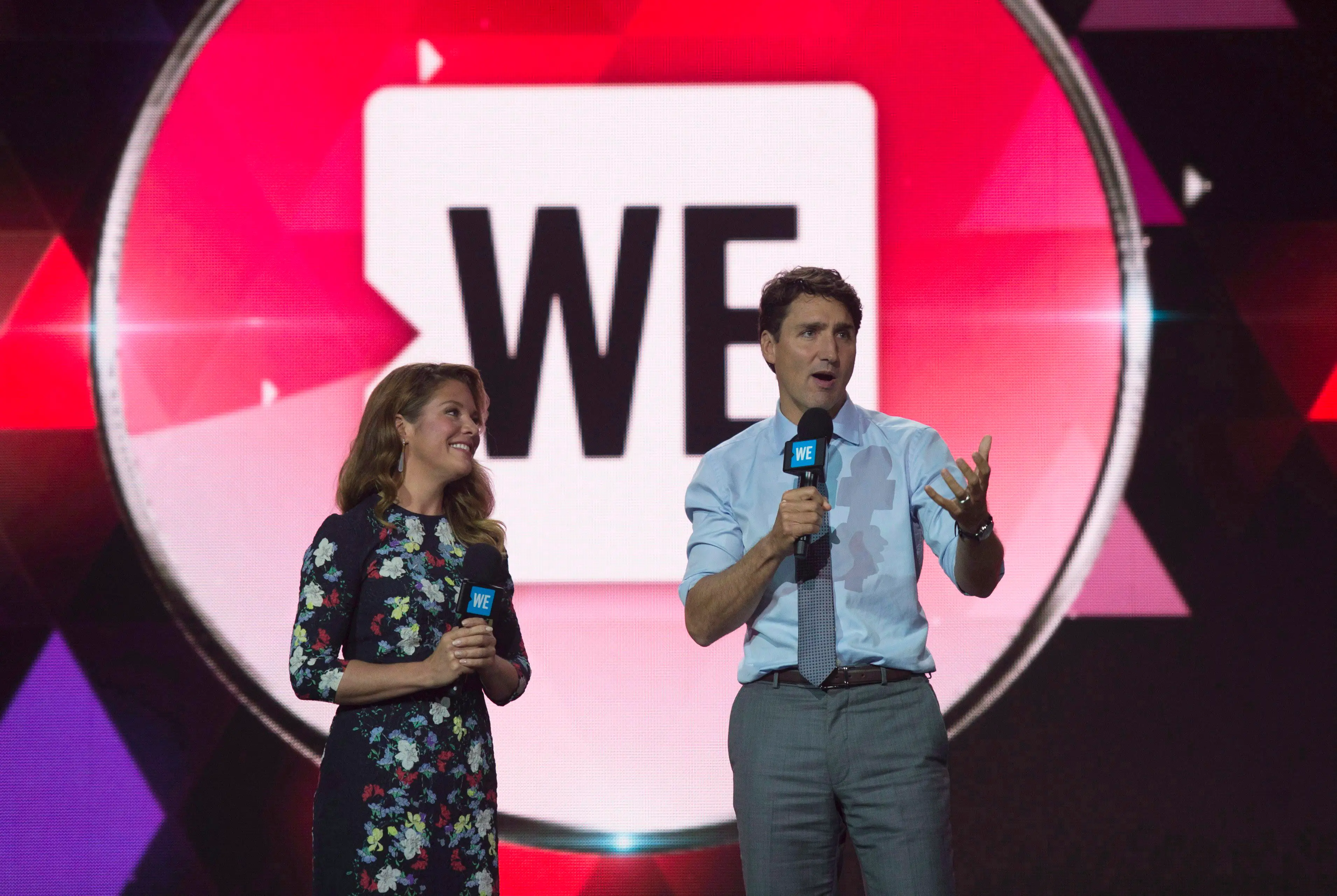
WE Charity, which was involved in a major Canadian federal grant program, faced scrutiny over conflicts of interest involving members of the Trudeau family and the awa...
Explore event →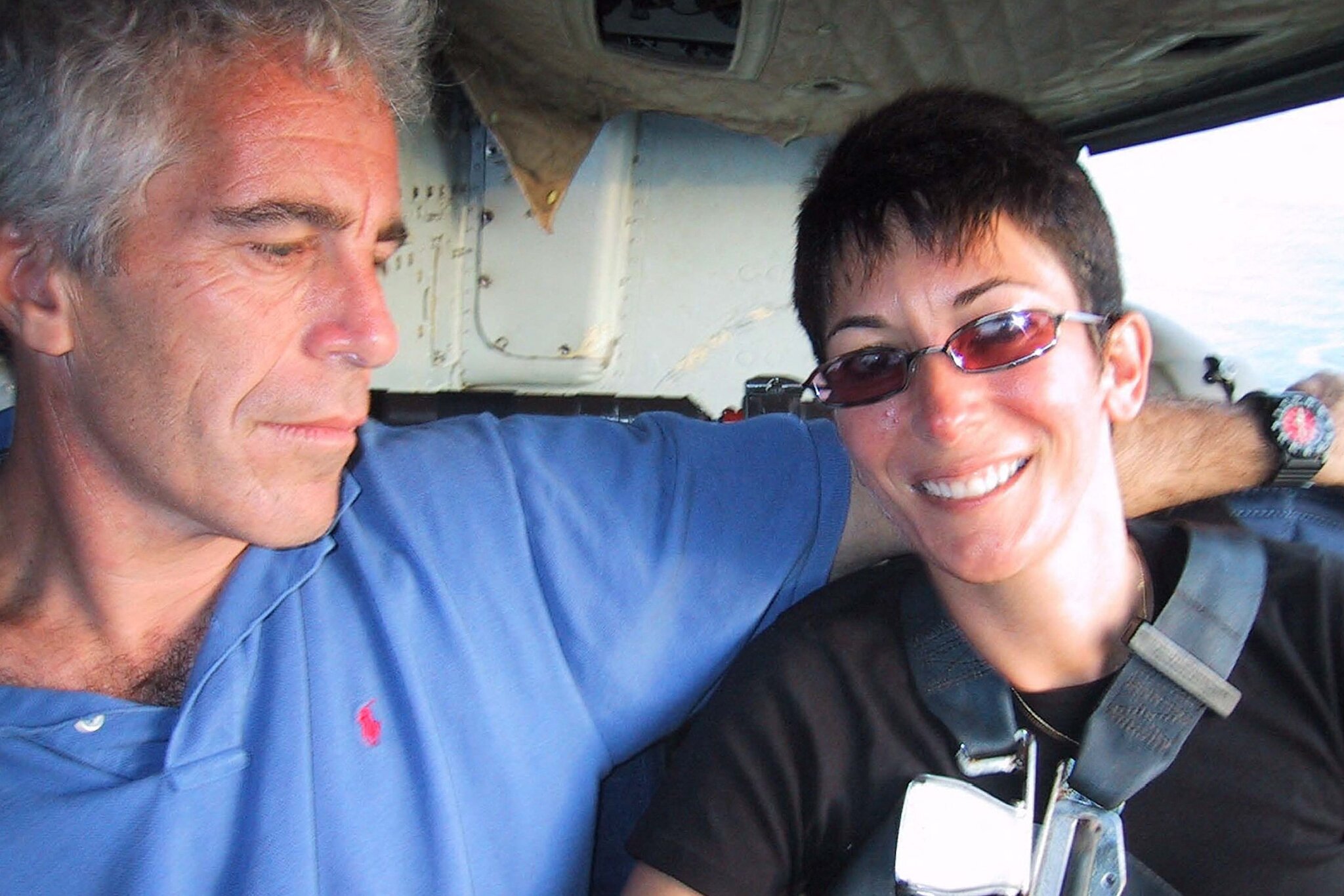
Ghislaine Maxwell, a British socialite and former associate of Jeffrey Epstein, was arrested on July 2, 2020, by the FBI in Bradford, New Hampshire, for her role in re...
Explore event →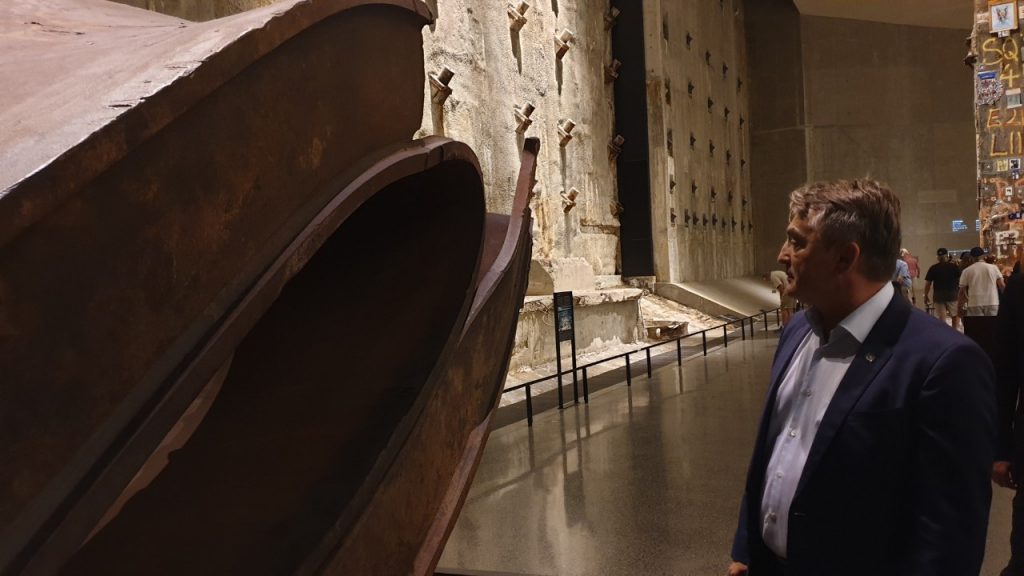
On June 17, 2020, President Željko Komšić of Bosnia and Herzegovina visited the Western Wall in Jerusalem. The visit took place during the World Holocaust Forum commem...
Explore event →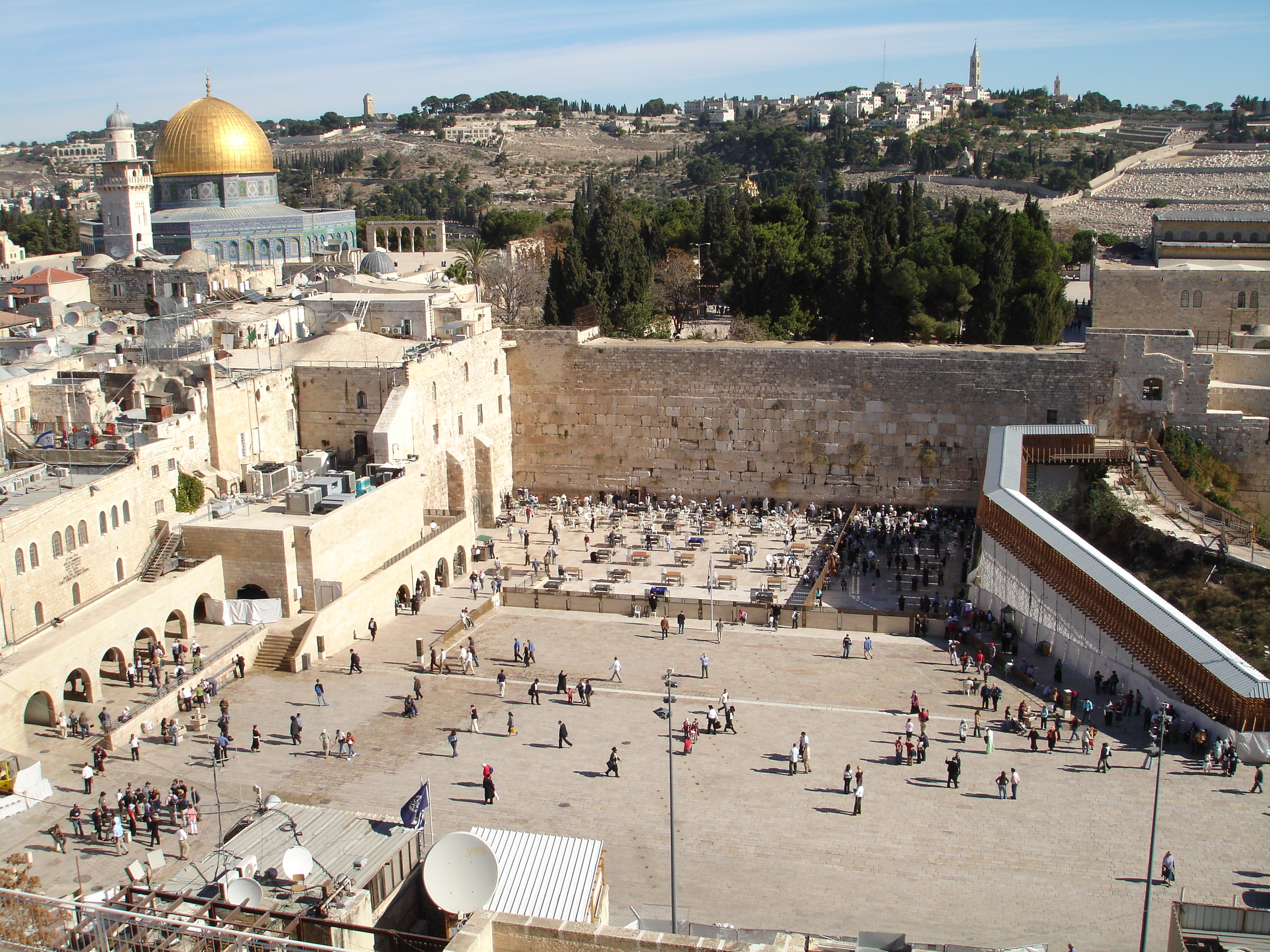
On June 17, 2020, President Guðni Th. Jóhannesson of Iceland visited the Western Wall in Jerusalem. The visit took place during an international gathering of heads of ...
Explore event →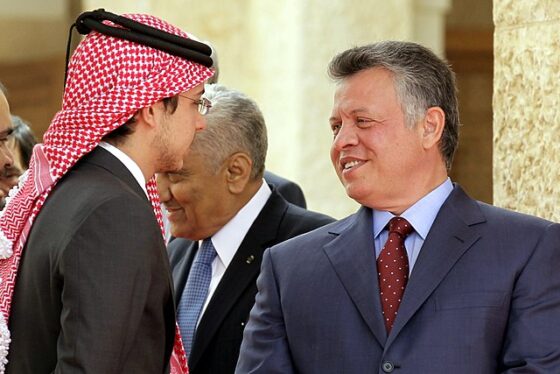
King Abdullah II of Jordan visited the Western Wall in Jerusalem during an official diplomatic visit. He followed local protocols, including wearing a skullcap and tou...
Explore event →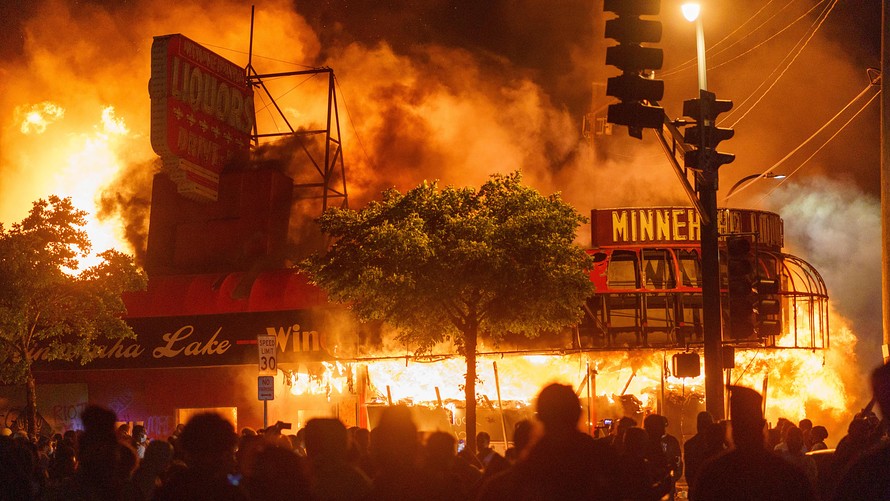
In the days following the death of George Floyd in Minneapolis police custody on May 25, 2020, large-scale protests erupted across Minneapolis and rapidly spread to ci...
Explore event →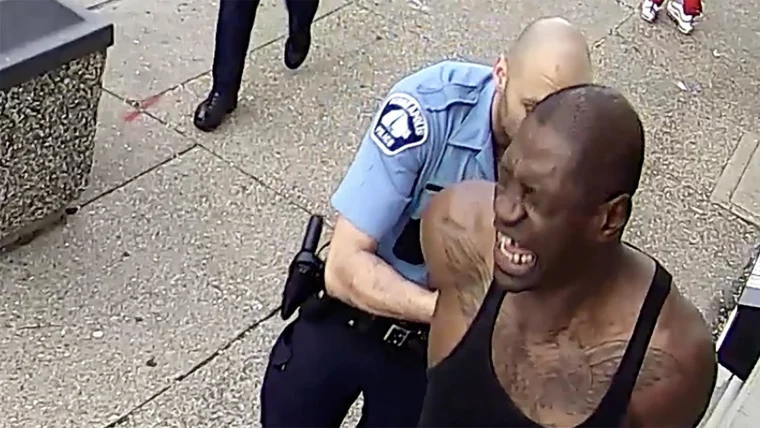
George Floyd was a 46-year-old Black American man who died on May 25, 2020, during an arrest by Minneapolis police officers after a store clerk reported that he may ha...
Explore event →
On April 20, 2020, members of the Stow Police Department in Stow, Massachusetts publicly stated they were “deeply disturbed, shocked and disgusted” by allegations made...
Explore event →
On April 9, 2020, the World Economic Forum (WEF) published an article titled “Lockdown is the world’s biggest psychological experiment – and we will pay the price,” ex...
Explore event →
On February 6, 2020, actor Corey Feldman premiered his self-produced documentary, “(My) Truth: The Rape of 2 Coreys,” in which he alleged that he and late actor Corey ...
Explore event →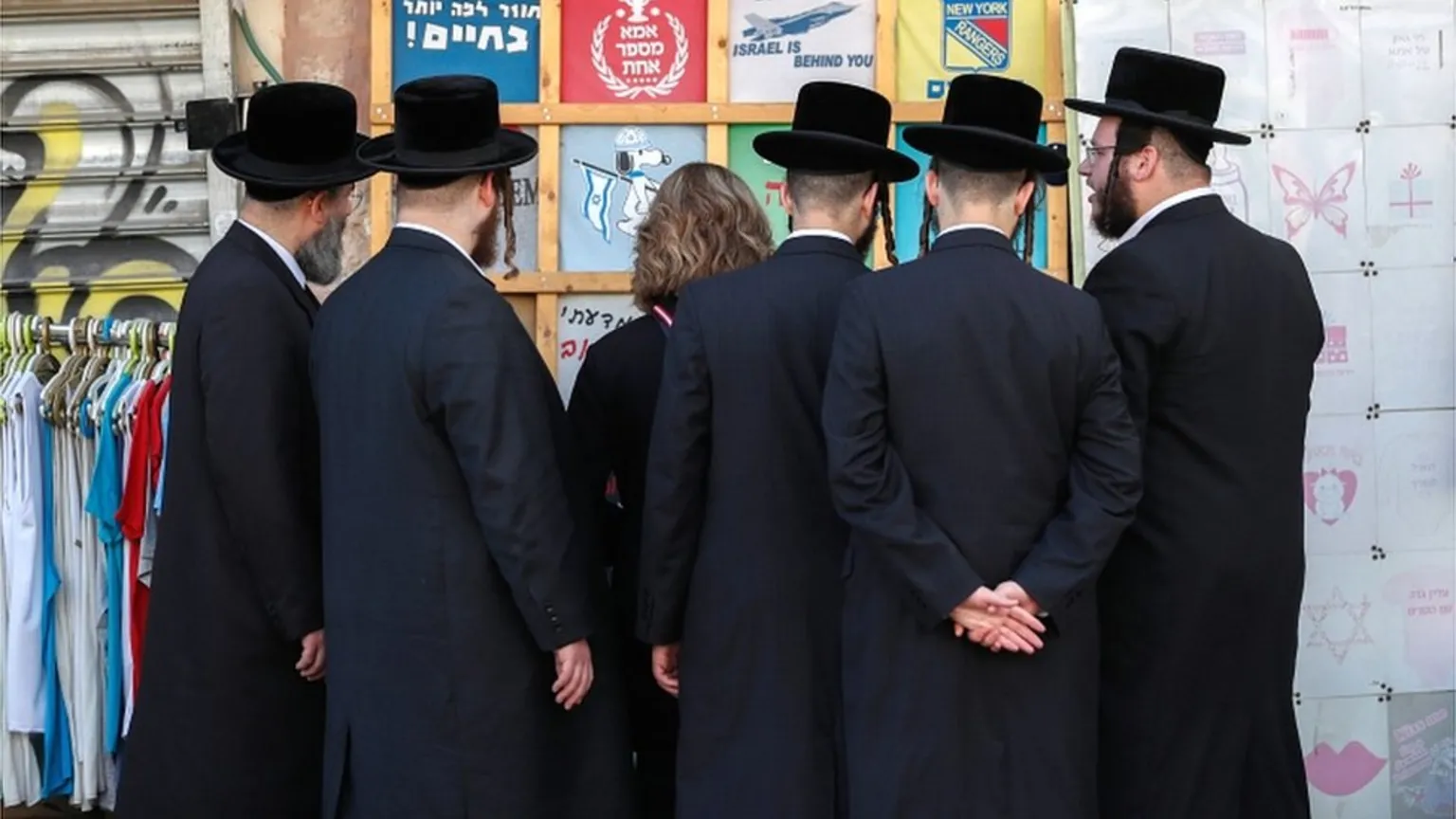
In January 2020, a man described by Israeli authorities as a rabbi in his 60s was arrested in Jerusalem on suspicion of running a closed religious community in which d...
Explore event →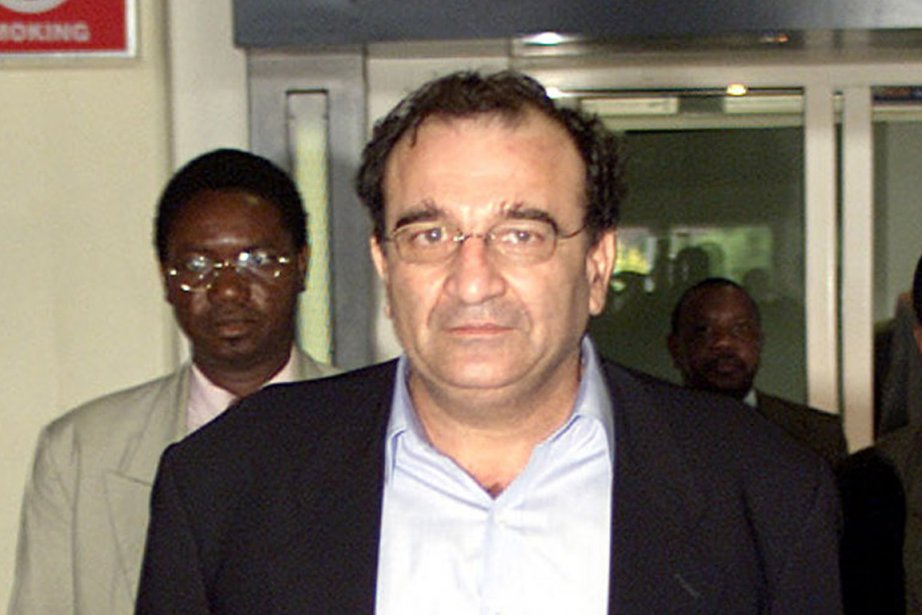
Ari Ben-Menashe Claims Epstein Island Was Entirely an Intelligence Operation Aimed at Controlling Powerful Figures Ari Ben-Menashe, a former Israeli militar...
Explore event →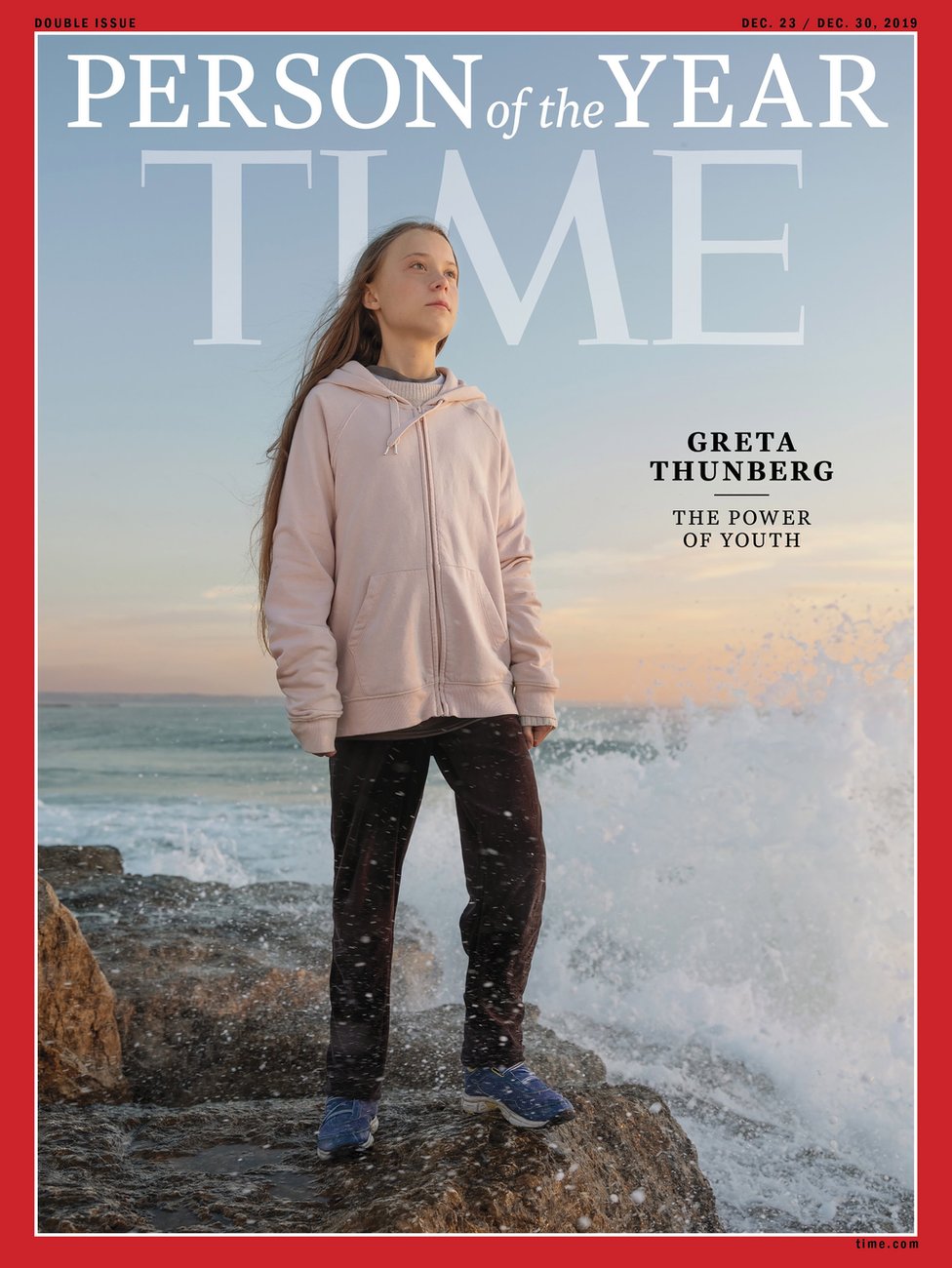
Time magazine named Swedish climate activist Greta Thunberg as its Person of the Year on December 11, 2019. She was recognized for her global environmental activism an...
Explore event →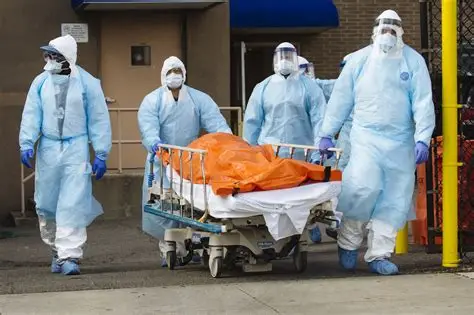
The COVID-19 pandemic is a global outbreak of the coronavirus SARS-CoV-2, first identified in Wuhan, China, in late 2019. The World Health Organization (WHO) was notif...
Explore event →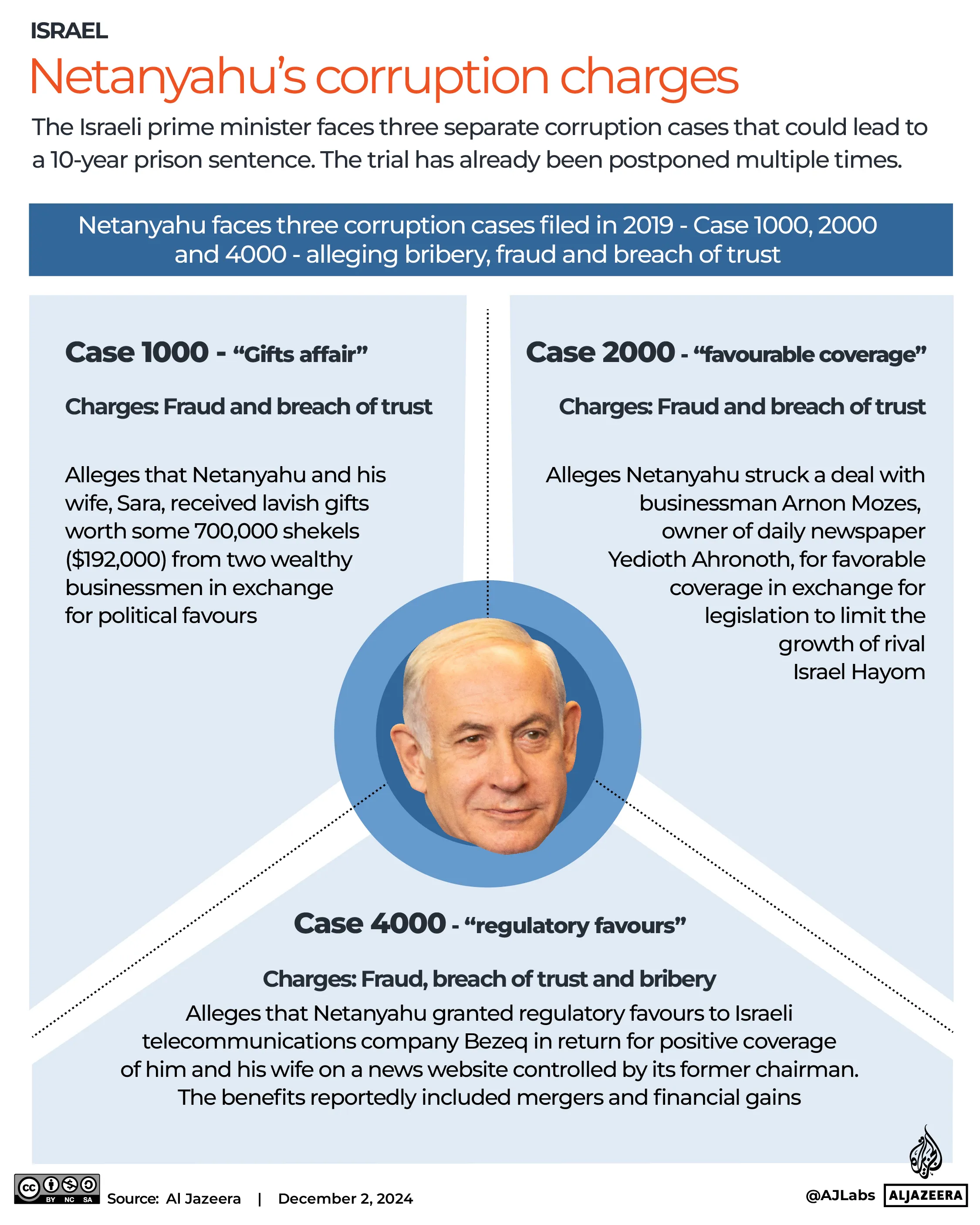
Israeli Prime Minister Benjamin Netanyahu has been the subject of several high‑profile legal accusations and an ongoing corruption trial. In November 2019, he was indi...
Explore event →
Henry Kissinger delivered the opening address at the European Management Symposium in Davos in 1980. The World Economic Forum identifies this as his first appearance a...
Explore research
International organization founded by Klaus Schwab as the European Management Symposium in 1971. It later became the World Economic Forum and developed into a platform...
Explore research
1970–1981 — Anwar Sadat succeeds Nasser and gradually redirects Egyptian foreign and economic policy. He reduces Soviet influence, encourages economic liberalization a...
Explore research
5–10 June 1967 — Israel defeats Egypt, Jordan and Syria in a brief but transformative war. Egyptian forces lose the Sinai Peninsula, and the scale of the defeat deeply...
Explore research
German-born economist and engineer who founded the European Management Symposium, later known as the World Economic Forum, and served as its principal leader.
Explore research
January–June 1919 — Allied leaders negotiate borders, reparations, military restrictions, mandates and a new international organization. Wilson's language of self-dete...
Explore research
August–November 1918 — Germany and its allies face military retreat, shortages, exhaustion and growing political instability. Bulgaria, the Ottoman Empire and Austria-...
Explore research
January–March 1918 — Russia's withdrawal gives Germany a temporary manpower advantage in the west, but American troops are arriving rapidly. Hindenburg and Ludendorff ...
Explore research
8 March 1917 — Demonstrations, strikes and bread shortages in Petrograd begin the revolutionary crisis that destroys the imperial government. Soldiers increasingly ref...
Explore research
Late 1917–March 1918 — The collapse of Russian resistance allows Germany to move divisions from the Eastern Front toward France and Belgium. German commanders understa...
Explore research
19 February 1915 — British and French naval forces begin major operations against the Ottoman defenses of the Dardanelles. The Allies hope to force the straits, threat...
Explore research
1915–1918 — Casualties, inflation and shortages turn civilian morale into a strategic issue. Governments expand propaganda, censorship, rationing and welfare programs ...
Explore research
September–November 1914 — After the Marne, both sides repeatedly attempt to turn the other's flank. The maneuvering eventually reaches the North Sea and creates a larg...
Explore research
28 July–4 August 1914 — European armies activate enormous prearranged railway timetables to mobilize millions of soldiers. Military planners argue that delaying mobili...
Explore research
1914–1919 — The Royal Navy progressively restricts German access to food, fertilizer, metals, chemicals and overseas trade. Neutral shipping is increasingly subjected ...
Explore research
1914–1919 — Room 40 is the British Admiralty's cryptanalytic organization responsible for intercepting and decoding important German communications. Its intelligence c...
Explore research
1912–1914 — Officials in Germany and Austria-Hungary increasingly fear that Russia and Serbia will become stronger with time. Railway construction, military reforms, p...
Explore research
c. 1830–1912 — The Rilindja Kombëtare develops through writers, educators, political activists and diaspora networks. Albanian-language education and publishing become...
Explore research
7th–10th centuries — Arabic increasingly replaces Greek and Coptic in government and eventually becomes the dominant spoken language. Conversion to Islam occurs over g...
Explore research
c. 550–650 CE — Slavic-speaking groups settle widely across the Balkans during a period of weakened Byzantine frontier control. Settlement patterns, languages and poli...
Explore research
c. 500 BCE–1100 CE — Investigate geography, language, population continuity and ancient names while recognizing the severe lack of surviving Illyrian texts.
Explore research
c. 500 BCE–1100 CE — Modern Albanian is generally considered an ancient Balkan Indo-European language, but its precise ancient ancestor remains uncertain. Continuity f...
Explore research
664–525 BCE — Rulers of the Twenty-Sixth Dynasty reunify Egypt from their base at Sais. They encourage trade with the Greek world, employ foreign mercenaries and reviv...
Explore research
c. 1000 BCE–1100 CE — Separate archaeology, language, ancient ethnonyms and medieval written evidence rather than forcing them into one uninterrupted national story.
Explore research