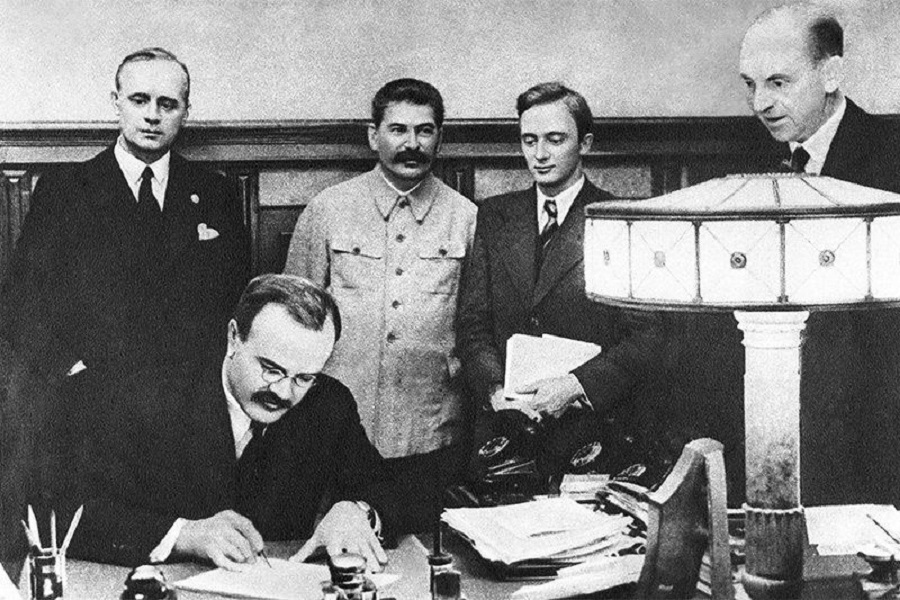
German And Soviet Governments Sign Secret Pact To Divide Eastern Europe
The German–Soviet Non-Aggression Pact And Its Secret Protocols On August 23, 1939, the governments of Germany and the Soviet Union signed a non-aggression t...
Explore event →History does not happen in isolation. Explore world events across time, follow the connections between them, and investigate the threads that reveal how one event can lead to another.
TheTimeMap currently follows events across 95 countries and 268 years of history — building a connected archive designed for people who want to look beyond the headline.
We oppose antisemitism, racism, and dehumanization — everywhere.
When people stop feeling, injustice becomes easy.
The German–Soviet Non-Aggression Pact And Its Secret Protocols On August 23, 1939, the governments of Germany and the Soviet Union signed a non-aggression t...
Explore event →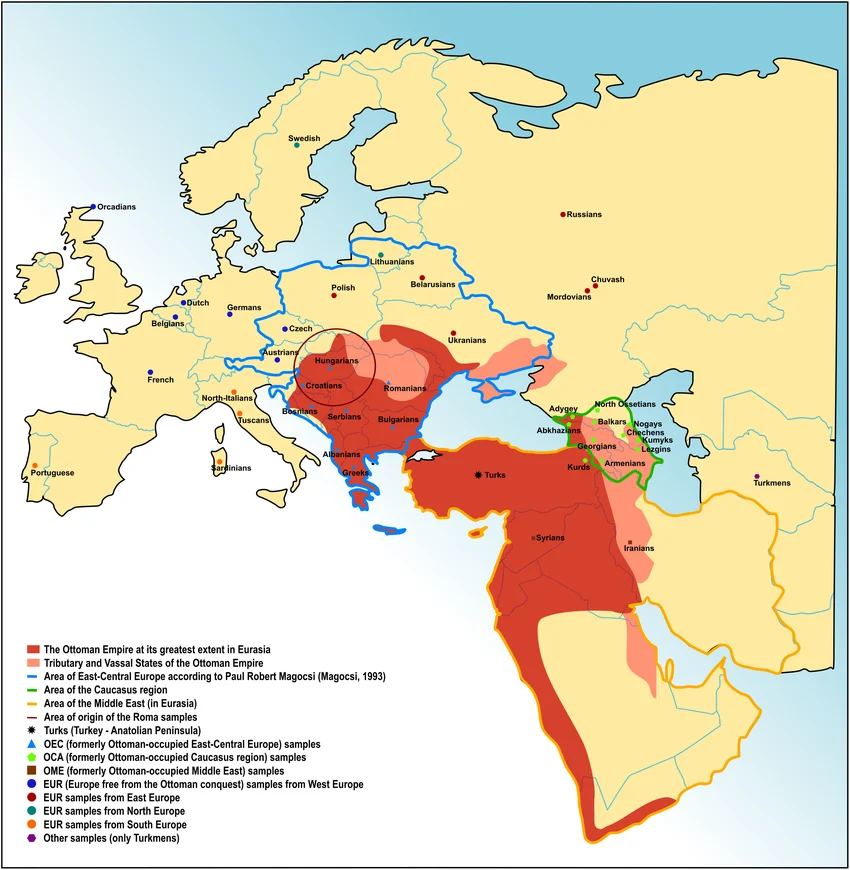
The Ottoman Empire expanded from a small Anatolian principality into one of the largest empires in history. Between the fourteenth and early twentieth centuries, Ottom...
Explore event →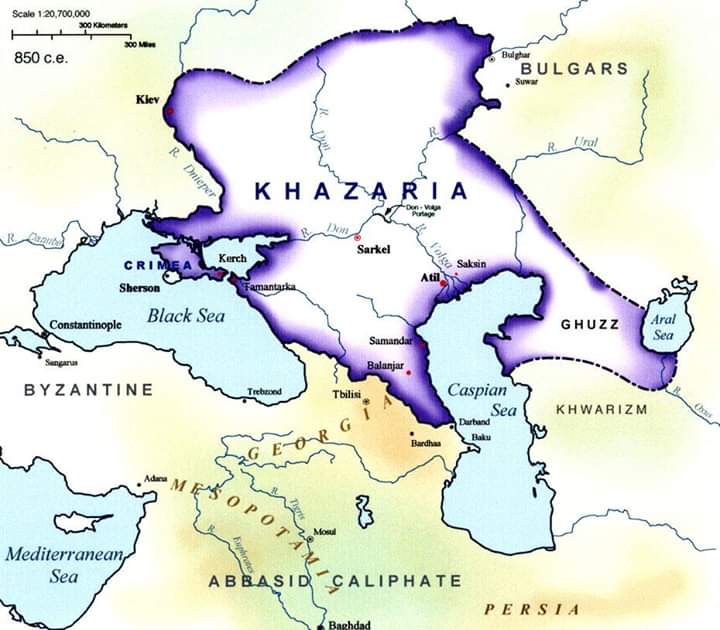
The Khazarian Empire: History, Territory, and Conversion to Judaism The Khazar Empire was a Turkic polity that emerged in the mid-seventh century and became...
Explore event →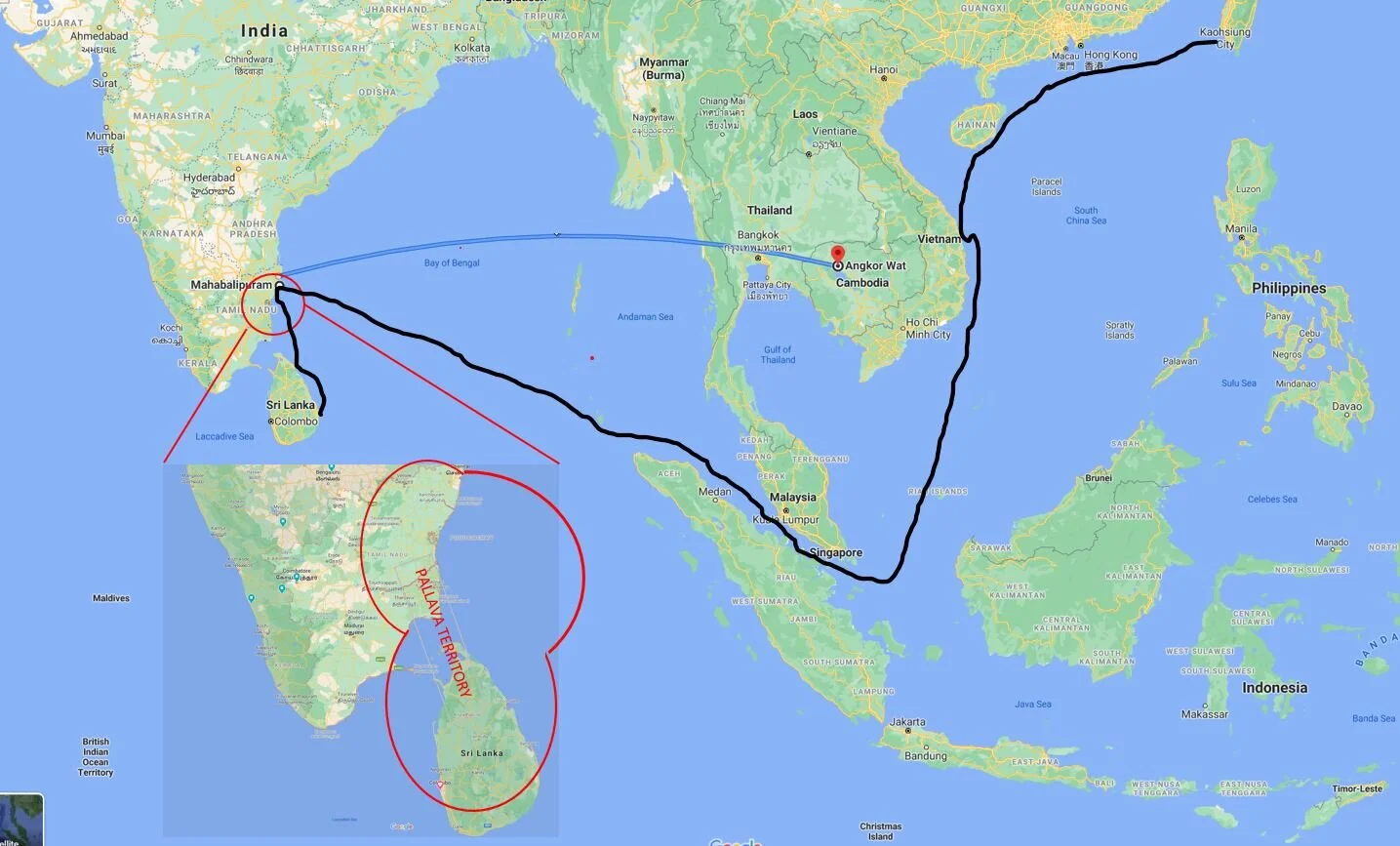
The Pallava dynasty emerged as a dominant power in South India during the early medieval period. Centered around the city of Kanchipuram, they established a strong pol...
Explore event →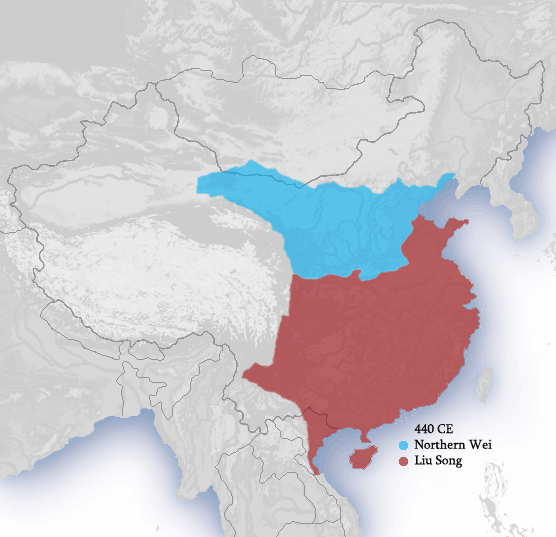
The Chen dynasty, ruling southern China, sought to stabilize its domain amid persistent threats from northern dynasties. Efforts to fortify its borders and consolidate...
Explore event →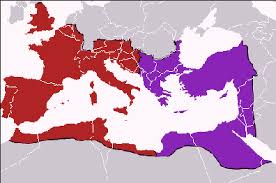
The Tetrarchy was established by Emperor Diocletian in 293 to address administrative and military challenges in the Roman Empire. This political system divided the emp...
Explore event →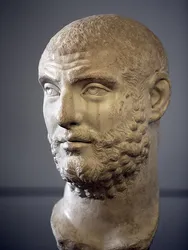
Emperor Carinus was killed in battle against the forces loyal to his rival, Diocletian, near the Margus River. The conflict marked the end of Carinus's brief reign and...
Explore event →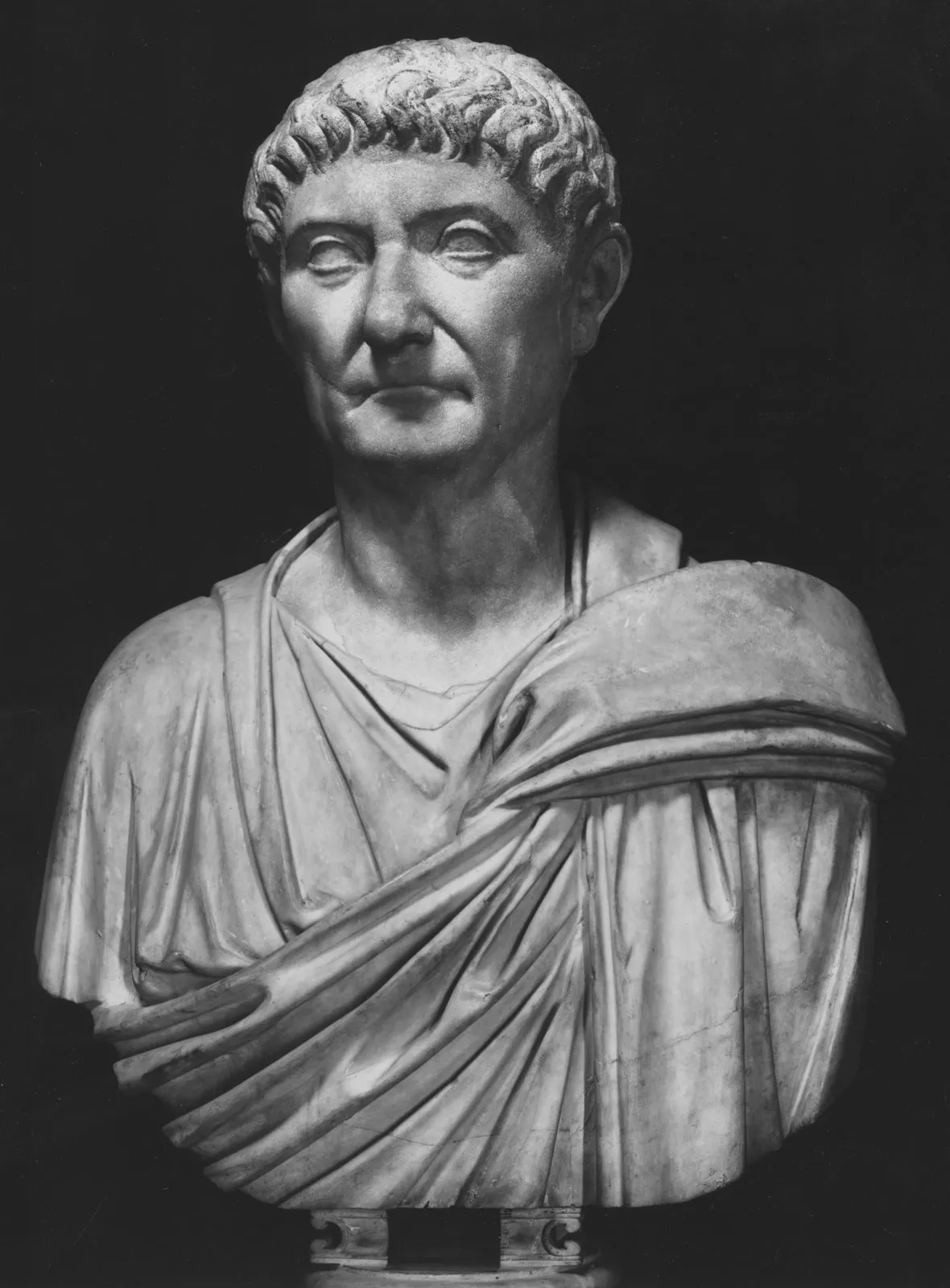
Diocletian was proclaimed emperor by his troops in Nicomedia following the death of Emperor Carus. His rise marked the end of a period of civil wars and instability in...
Explore event →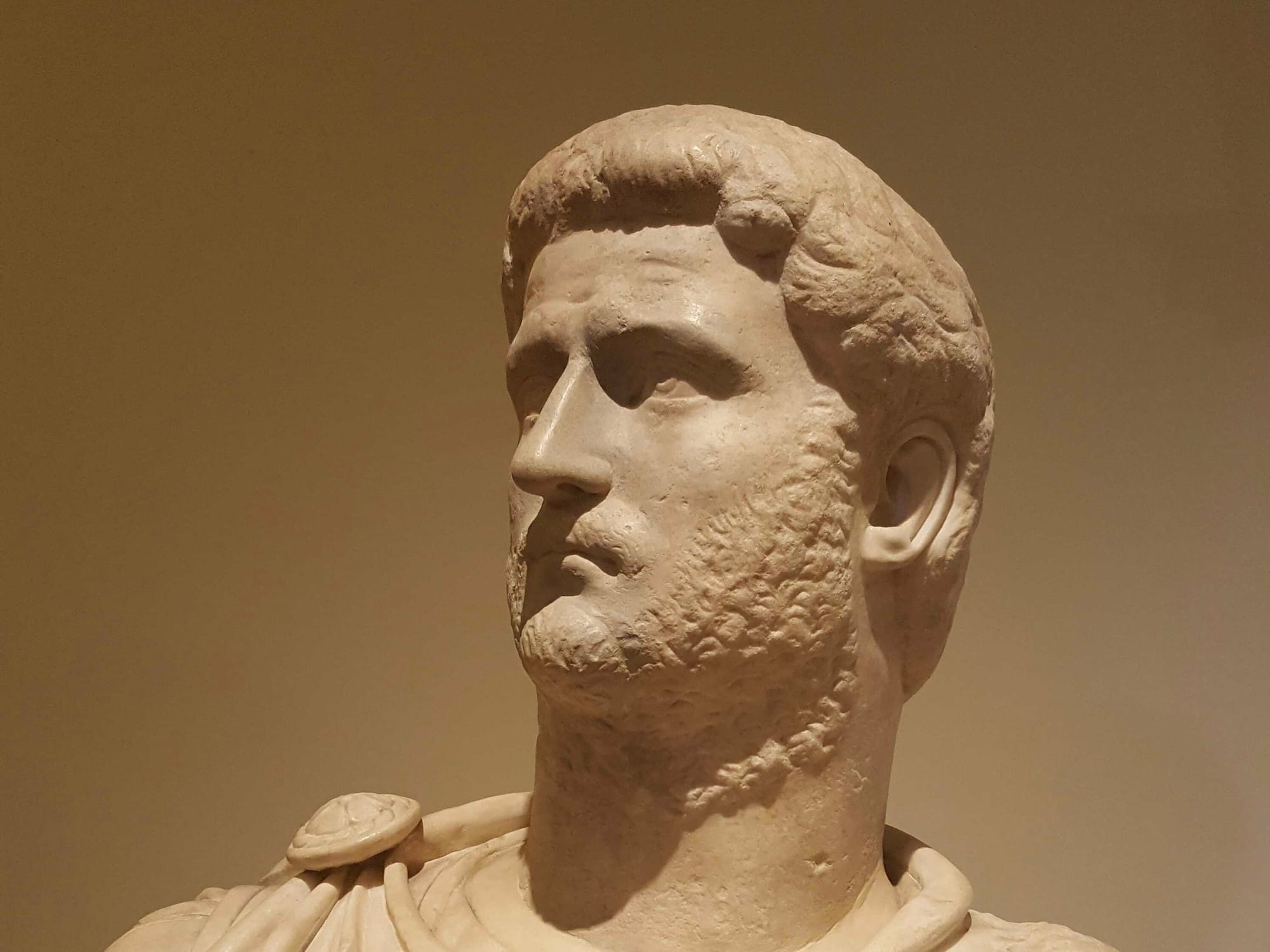
Gallienus became Roman Emperor following the assassination of his father, Valerian. His accession marked the beginning of a co-rule, where he shared power with his fat...
Explore event →
The Roman Empire undertook administrative changes in the province of Mesopotamia following its establishment as a distinct entity. These reforms aimed to consolidate c...
Explore event →
Lucius Verus was formally declared co-emperor alongside Marcus Aurelius, marking a significant moment in Roman imperial succession. This joint rule established a prece...
Explore event →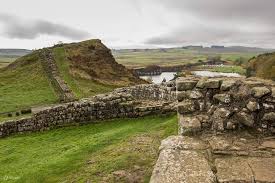
Emperor Hadrian undertook a significant visit to the province of Britannia during his reign as Roman Emperor. This visit marked an important moment in consolidating Ro...
Explore event →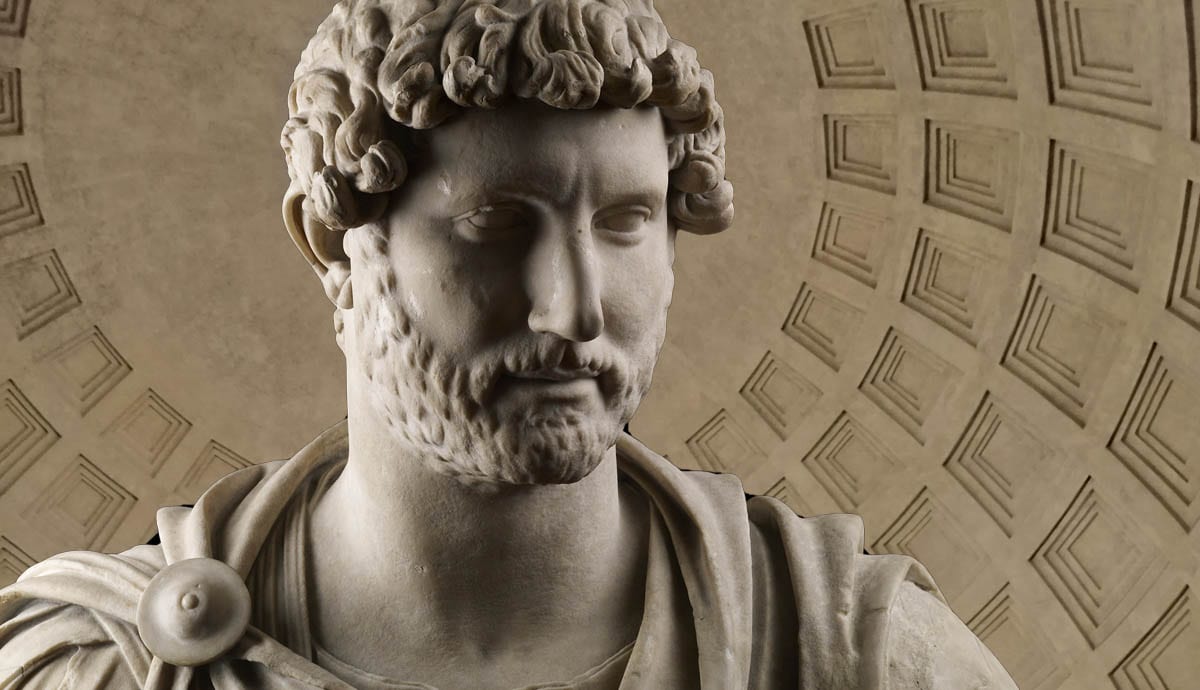
Hadrian was officially declared emperor following the death of his predecessor, Trajan, marking a significant transition in Roman imperial leadership. His accession wa...
Explore event →
The province of Mesopotamia was officially established as an administrative region, marking a significant political reorganization in the area. This reconfiguration ai...
Explore event →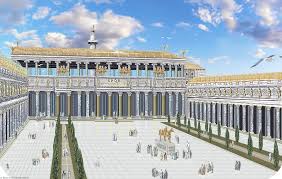
Trajan's Forum was officially inaugurated in Rome, marking the completion of one of the most impressive architectural projects of the Roman Empire. Commissioned by Emp...
Explore event →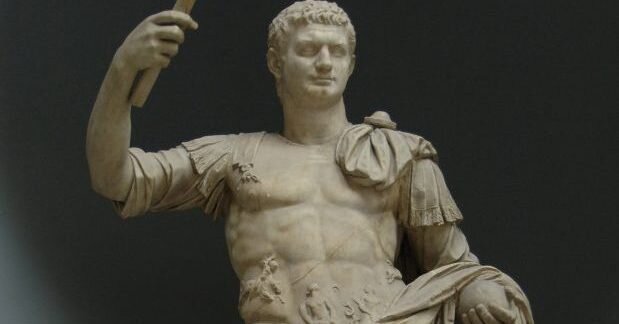
Following the death of Emperor Titus, Domitian, his younger brother, ascended to the throne of the Roman Empire. The accession occurred peacefully, marking the continu...
Explore event →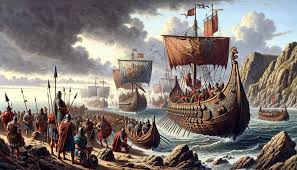
The Roman Emperor Claudius led the invasion of Britain, landing at the port near Richborough in southeastern England. This marked the beginning of the Roman conquest o...
Explore event →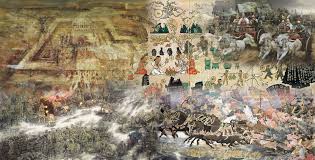
Ma Yuan was a prominent Han dynasty general who led campaigns in the southern regions of China to consolidate Han authority over the Nanyue Kingdom. His military exped...
Explore event →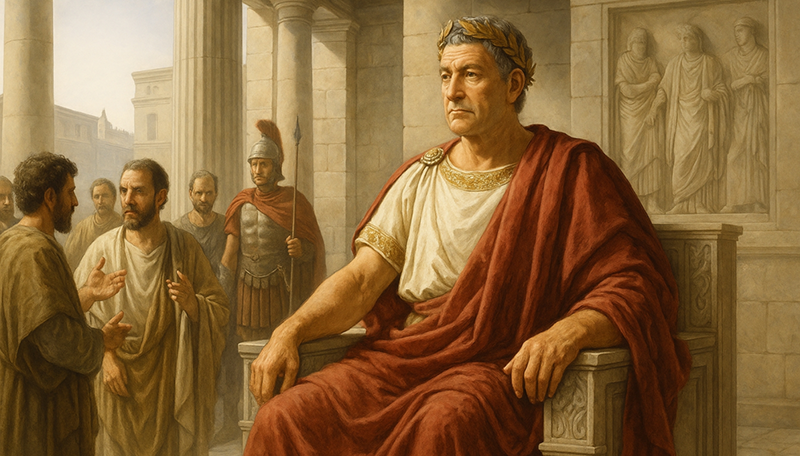
Following the assassination of Emperor Caligula, Claudius was unexpectedly declared emperor by the Praetorian Guard. Despite initial hesitation by the Senate, his acce...
Explore event →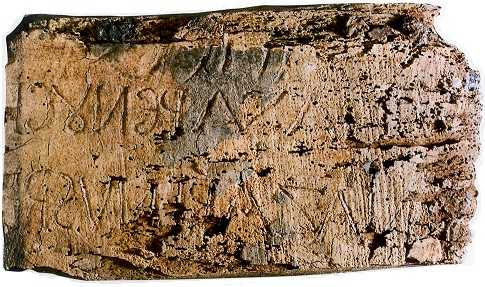
Titulus Above Jesus on the Cross According to the New Testament, Pontius Pilate ordered a sign to be placed above Jesus during his crucifixion. The Gospels ...
Explore event →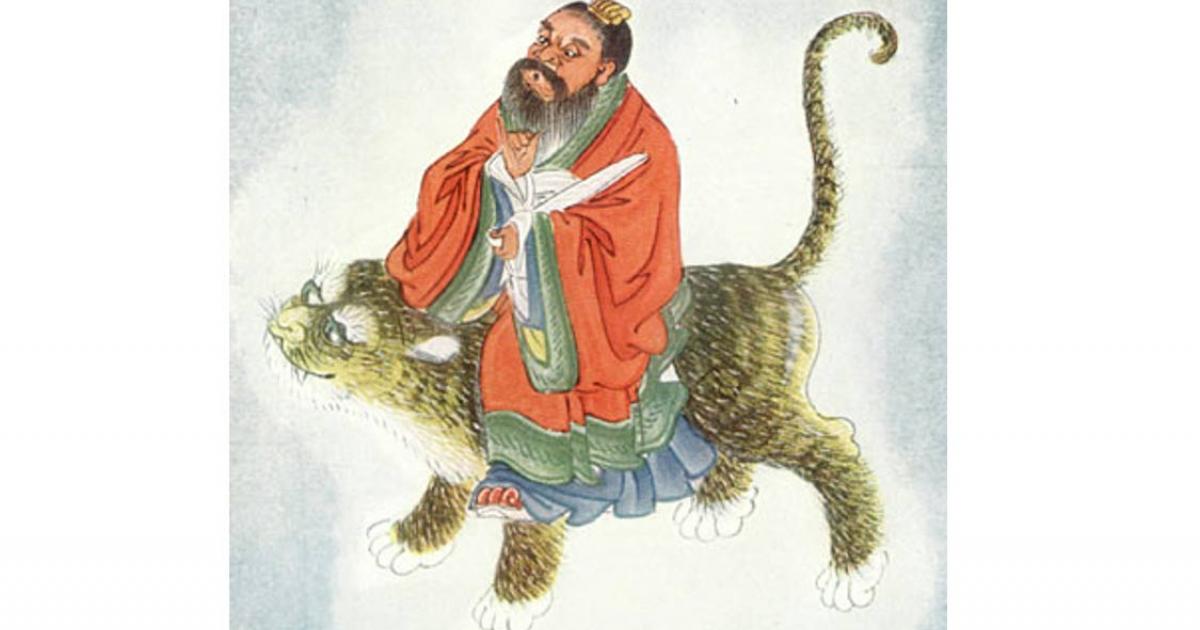
The Five Pecks of Rice movement, also known as the Way of the Celestial Masters, began in the Sichuan region of China. Founded by Zhang Daoling, it became one of the e...
Explore event →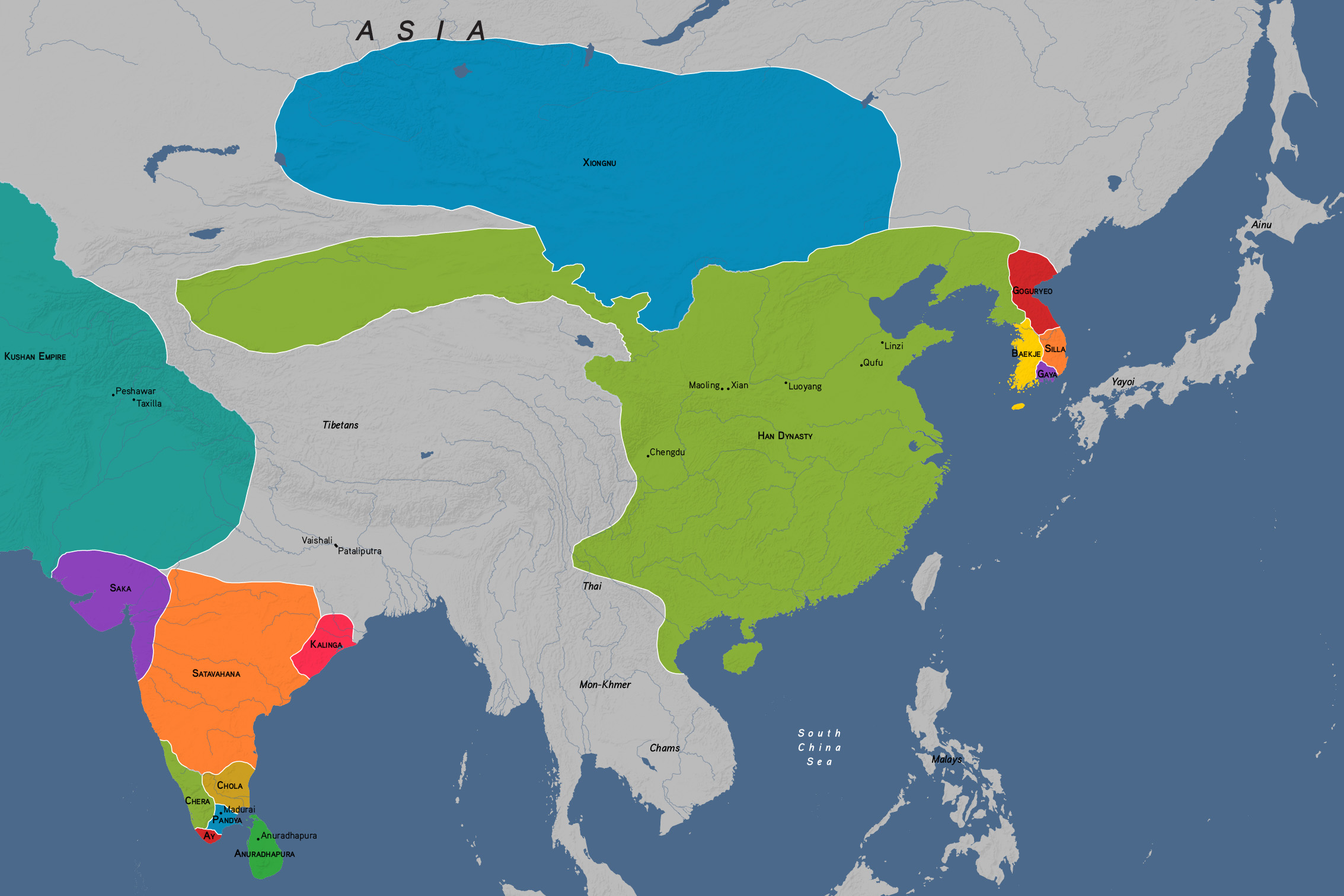
The Han Dynasty moved its capital to Chang'an, marking a significant political and administrative shift during its early consolidation of power. This relocation establ...
Explore event →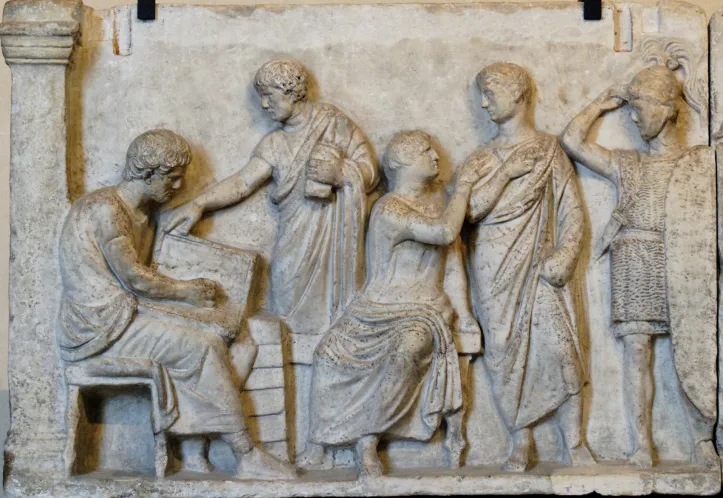
The census conducted under Publius Sulpicius Quirinius was ordered by the Roman Empire as part of administrative reorganization following the annexation of Judea as a ...
Explore event →
c. 800–1204 CE — Byzantium organizes the Adriatic region around Dyrrachium as a military and administrative theme. The city becomes essential for defending routes betw...
Explore research
641 CE — Muslim authorities establish Fustat near the old Roman fortress of Babylon on the Nile. The city becomes the administrative center of Islamic Egypt and develo...
Explore research
c. 2300–2055 BCE — Investigate weakening royal authority, powerful provincial elites, low Nile floods, climate stress and administrative fragmentation. None of these f...
Explore research
c. 3100–2686 BCE — The first dynasties strengthen royal authority and expand administrative control across Egypt. Royal tombs become increasingly elaborate, especially...
Explore research
22 June 1941 — SS and police killing units move behind German armies. Their operations rapidly expand from targeting Soviet officials toward systematic mass murder of ...
Explore research
20 January 1942 — Wannsee provides a powerful investigative anchor, but the process begins earlier. Follow antisemitic legislation, ghettos, deportations, invasion of ...
Explore research
17 September 1942 — Brigadier General Leslie Groves is placed in charge of the Manhattan Project. He oversees enormous construction, procurement, secrecy and industria...
Explore research
13 August 1942 — The U.S. Army formally establishes the Manhattan Engineer District, the administrative framework that becomes the Manhattan Project. Scientific labora...
Explore research
Untitled17 March 1942 — Mass deportations associated with Operation Reinhard begin feeding the extermination center at Bełżec. Similar systems soon operate through Sob...
Explore research
20 January 1942 — Senior Nazi officials meet near Berlin to coordinate bureaucratic implementation of the so-called Final Solution of the Jewish Question. Mass killing...
Explore research