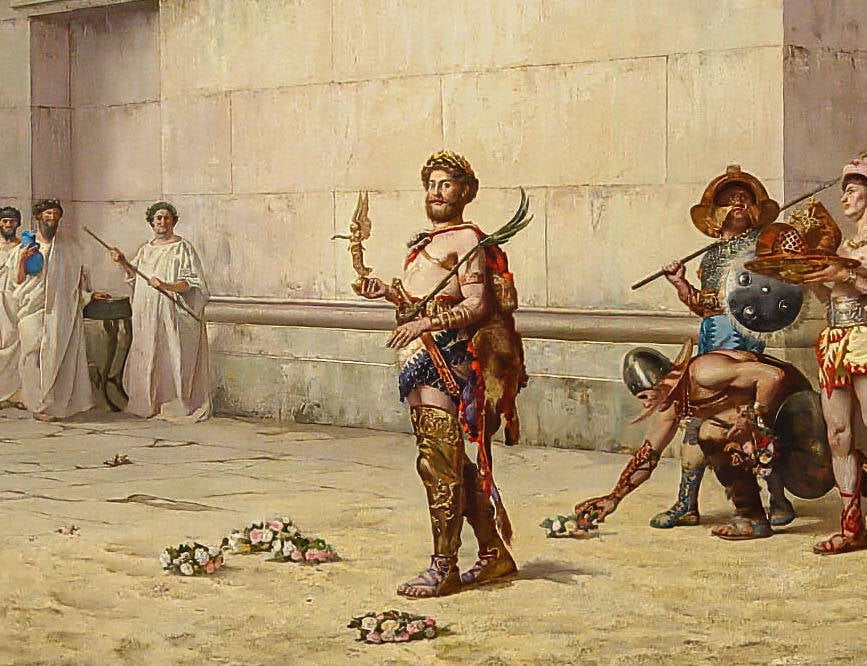
Commodus Elevated as Co-Emperor
Roman Emperor Marcus Aurelius officially declared his son Commodus as co-emperor, sharing imperial authority.This political move marked the first time a biological son...
Explore event →History does not happen in isolation. Explore world events across time, follow the connections between them, and investigate the threads that reveal how one event can lead to another.
TheTimeMap currently follows events across 95 countries and 268 years of history — building a connected archive designed for people who want to look beyond the headline.
We oppose antisemitism, racism, and dehumanization — everywhere.
When people stop feeling, injustice becomes easy.
Roman Emperor Marcus Aurelius officially declared his son Commodus as co-emperor, sharing imperial authority.This political move marked the first time a biological son...
Explore event →
Lucius Verus, co-emperor of Rome alongside Marcus Aurelius, died in Rome under circumstances believed to be related to a devastating plague. His death marked a signifi...
Explore event →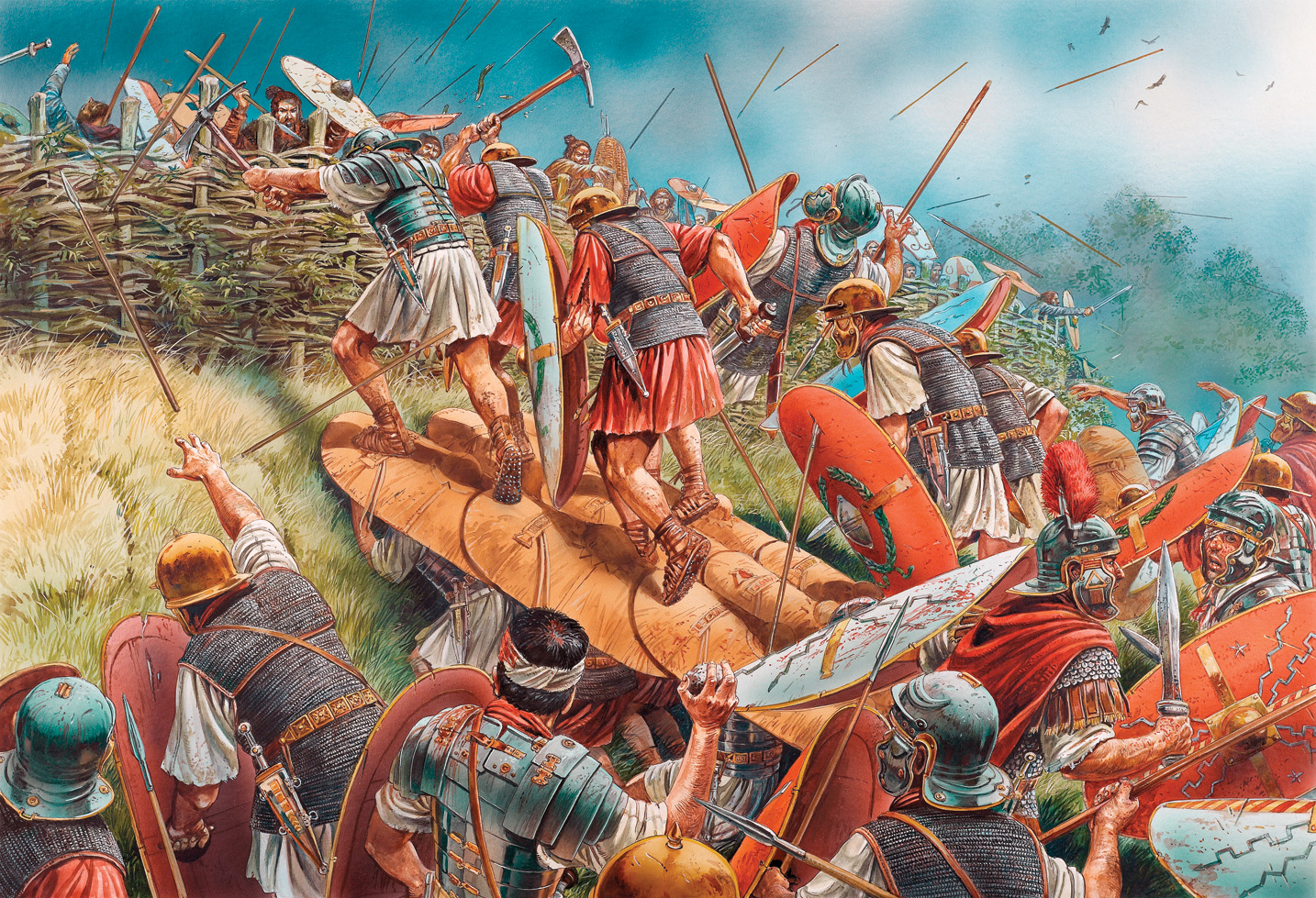
The Marcomannic Wars began as a series of conflicts between the Roman Empire and various Germanic tribes, including the Marcomanni, along the Danube frontier. The wars...
Explore event →
The Antonine Plague began in the Roman Empire during the reign of Emperor Marcus Aurelius. The pandemic emerged following troop movements from campaigns in the East, s...
Explore event →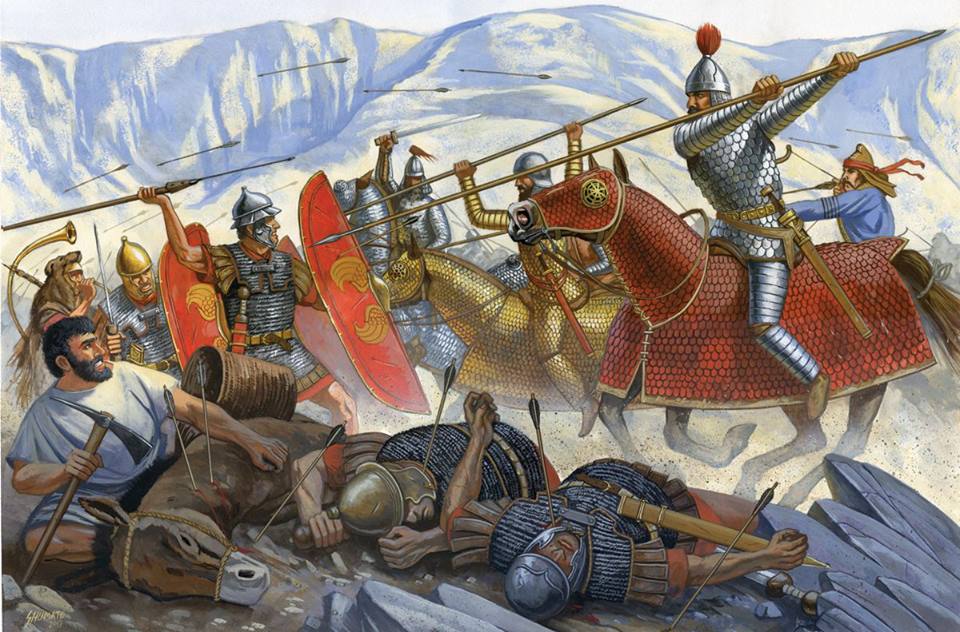
The Parthian War under Roman Emperor Lucius Verus began as tensions escalated between the Roman Empire and the Parthian Empire. This conflict was marked by Roman milit...
Explore event →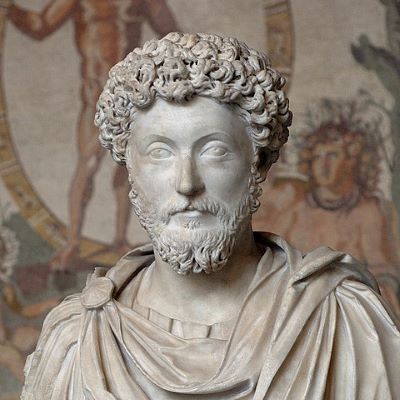
Marcus Aurelius officially became Roman Emperor following the death of Antoninus Pius. His accession marked the continuation of the Nerva-Antonine dynasty through adop...
Explore event →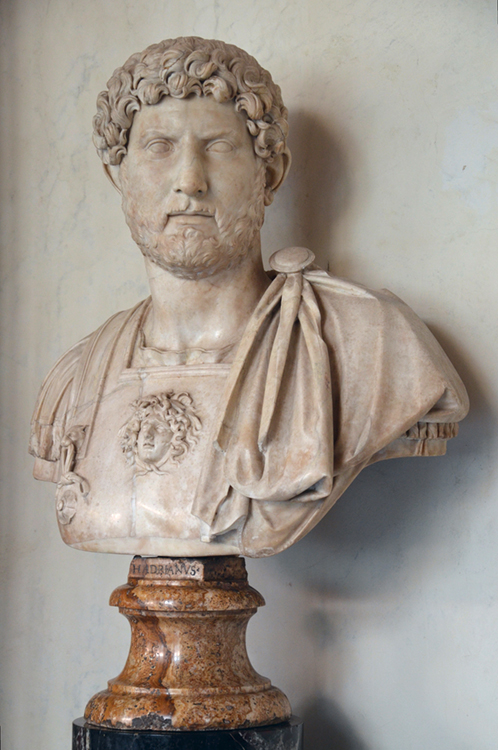
Emperor Hadrian, renowned for consolidating and fortifying the Roman Empire's frontiers, passed away at his villa near Rome. His death marked the end of a significant ...
Explore event →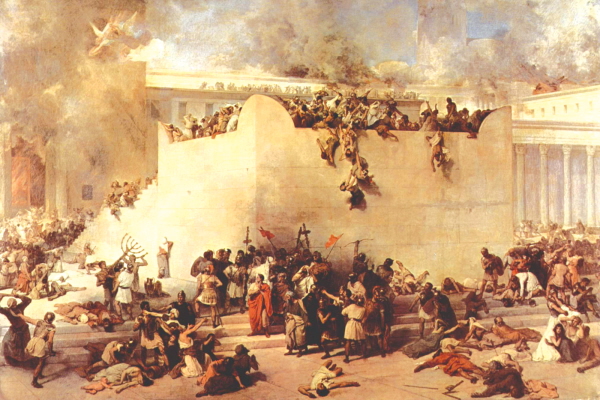
The Bar Kokhba revolt was a major Jewish uprising against the Roman Empire in the province of Judaea. The rebellion started under the leadership of Simon Bar Kokhba wh...
Explore event →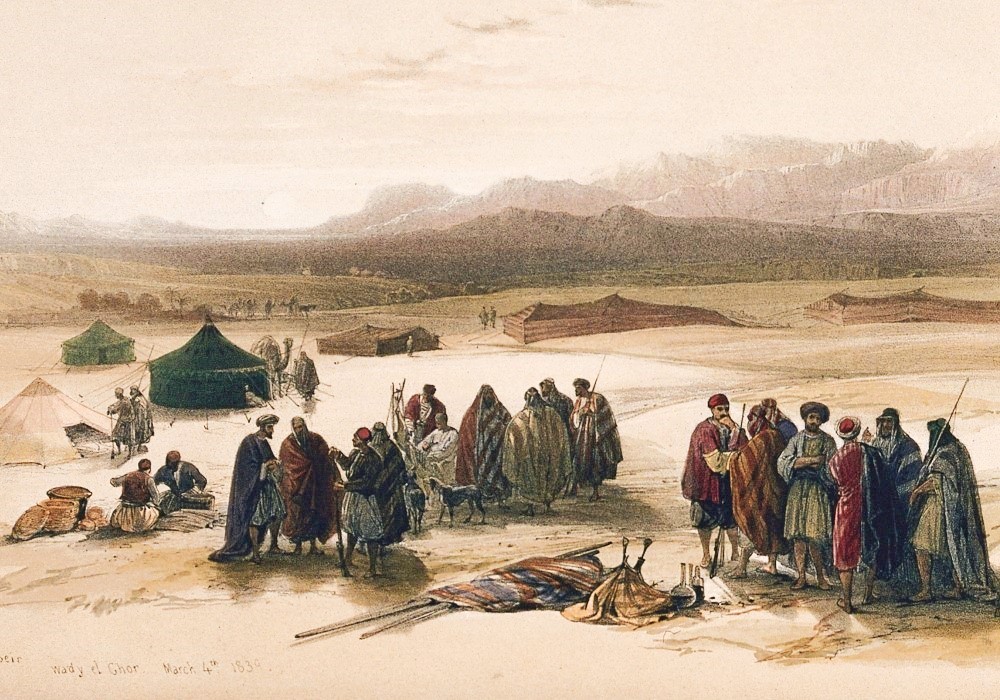
The Edomites, also known in later sources as Idumeans, were an ancient Semitic people who lived in the region south of Judea, historically associated with the descenda...
Explore event →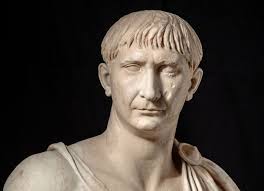
Trajan, one of Rome's most respected emperors known for his military conquests and extensive public works, died in the summer months during a campaign in Mesopotamia. ...
Explore event →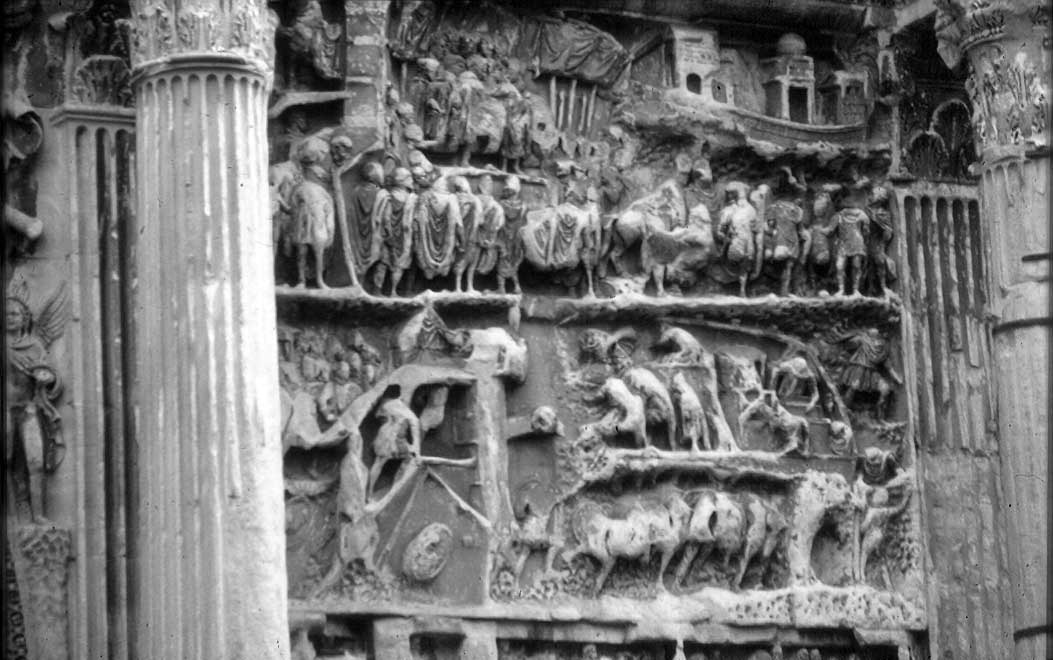
The Roman Empire, under Emperor Trajan, successfully captured the city of Ctesiphon during his campaign against the Parthian Empire. This marked a significant moment a...
Explore event →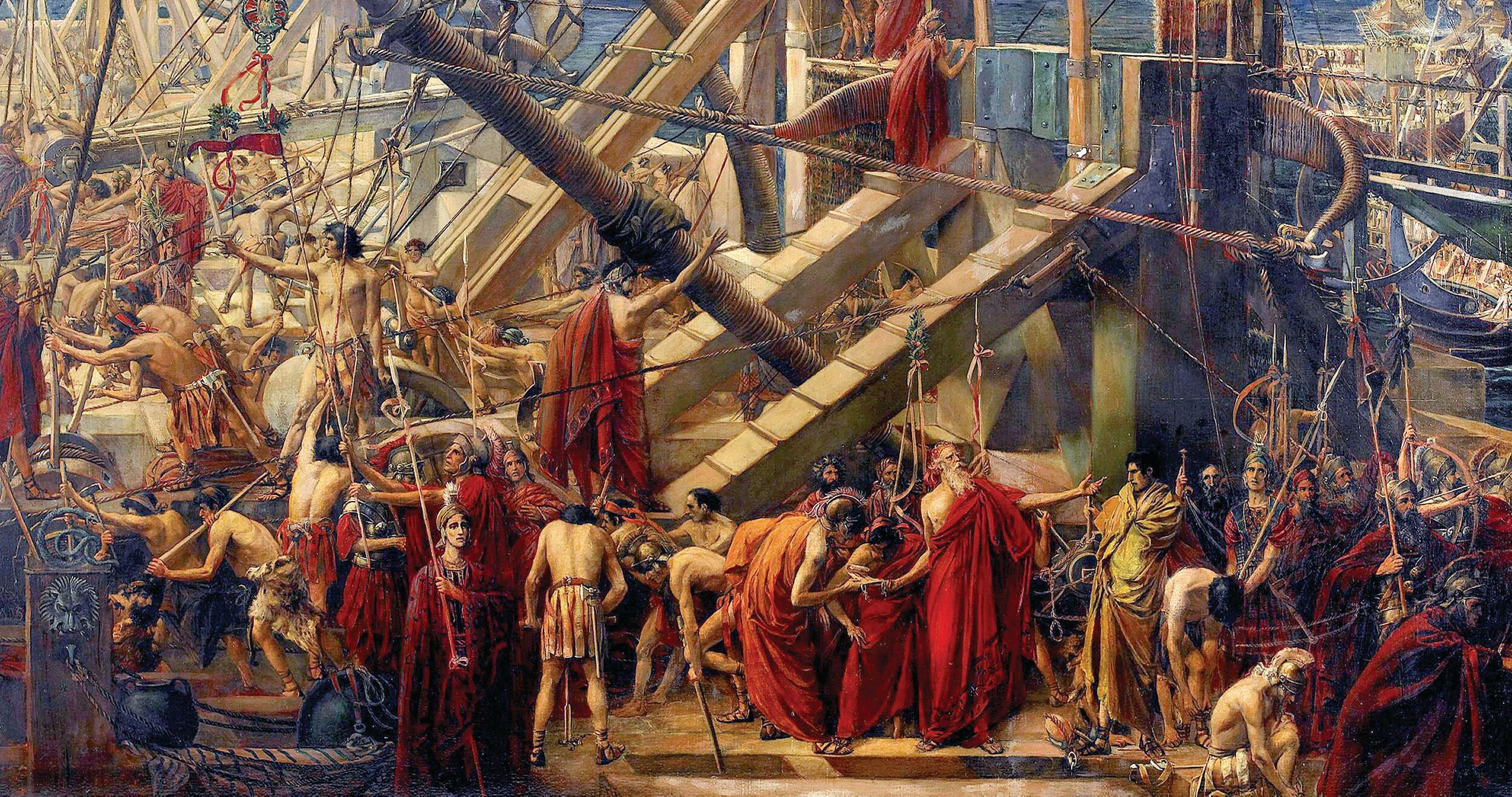
The Roman forces led by Emperor Trajan launched a military campaign across Mesopotamia, culminating in the siege and capture of Seleucia. This event marked a significa...
Explore event →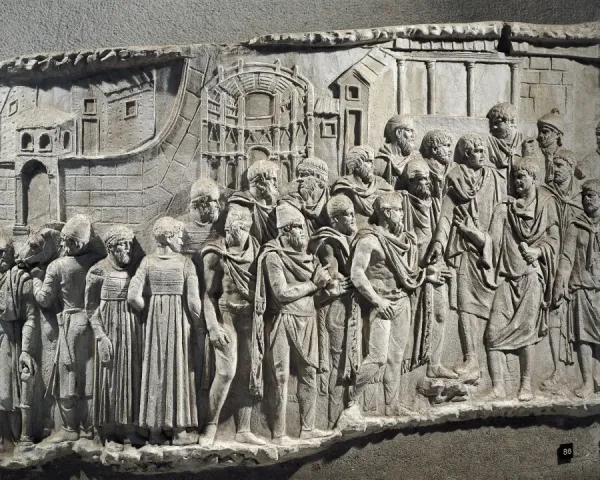
The Roman Empire completed the conquest and annexation of the kingdom of Dacia after a series of military campaigns led by Emperor Trajan. This marked the end of the D...
Explore event →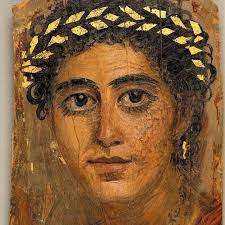
The Fayum portrait tradition represents a unique blend of Egyptian and Greco-Roman artistic styles. These funerary portraits were painted on wooden panels and affixed ...
Explore event →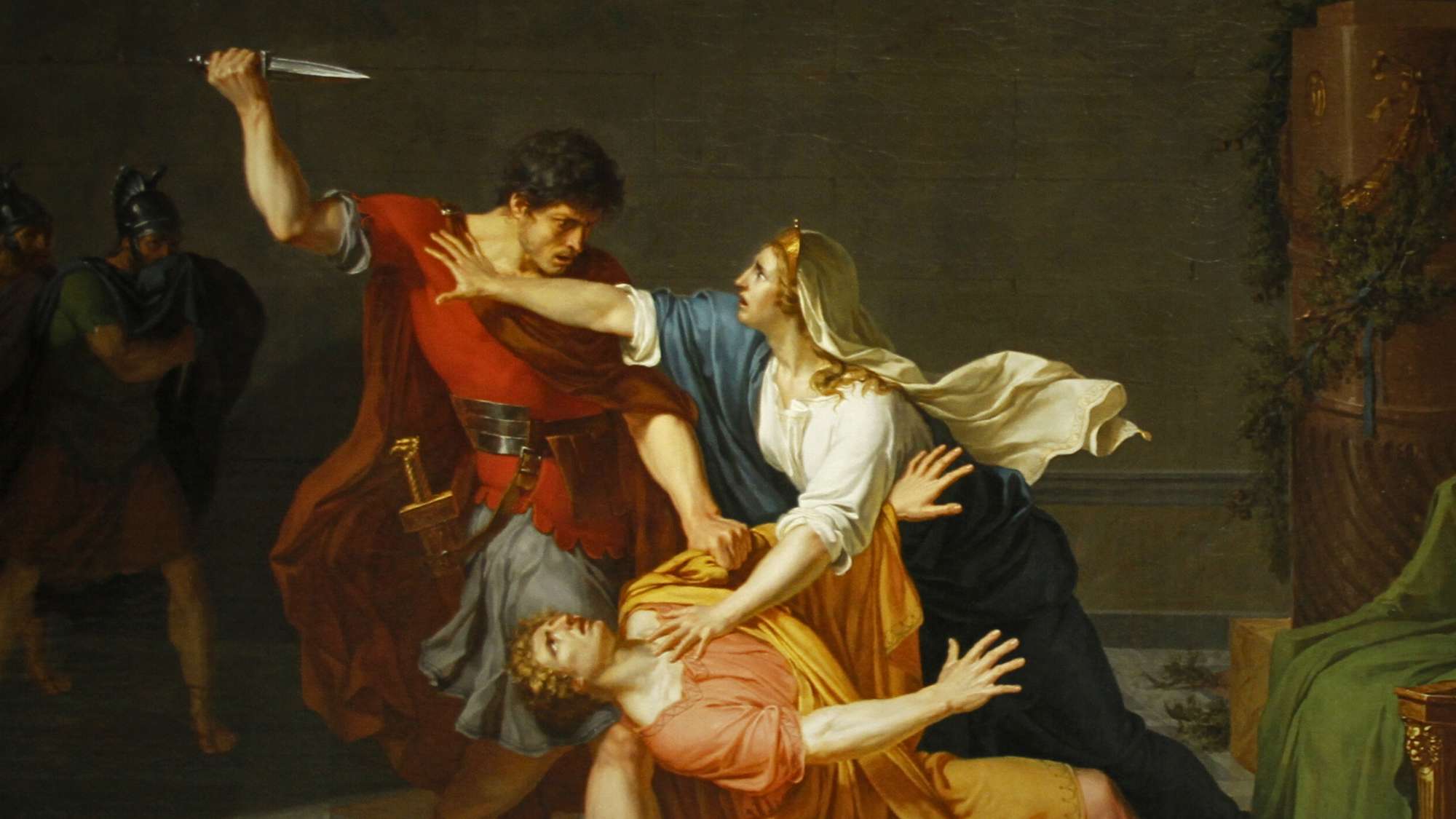
Domitian, the Roman Emperor, was assassinated on September 18th within his residence on the Palatine Hill in Rome. The conspiracy involved court officials and members ...
Explore event →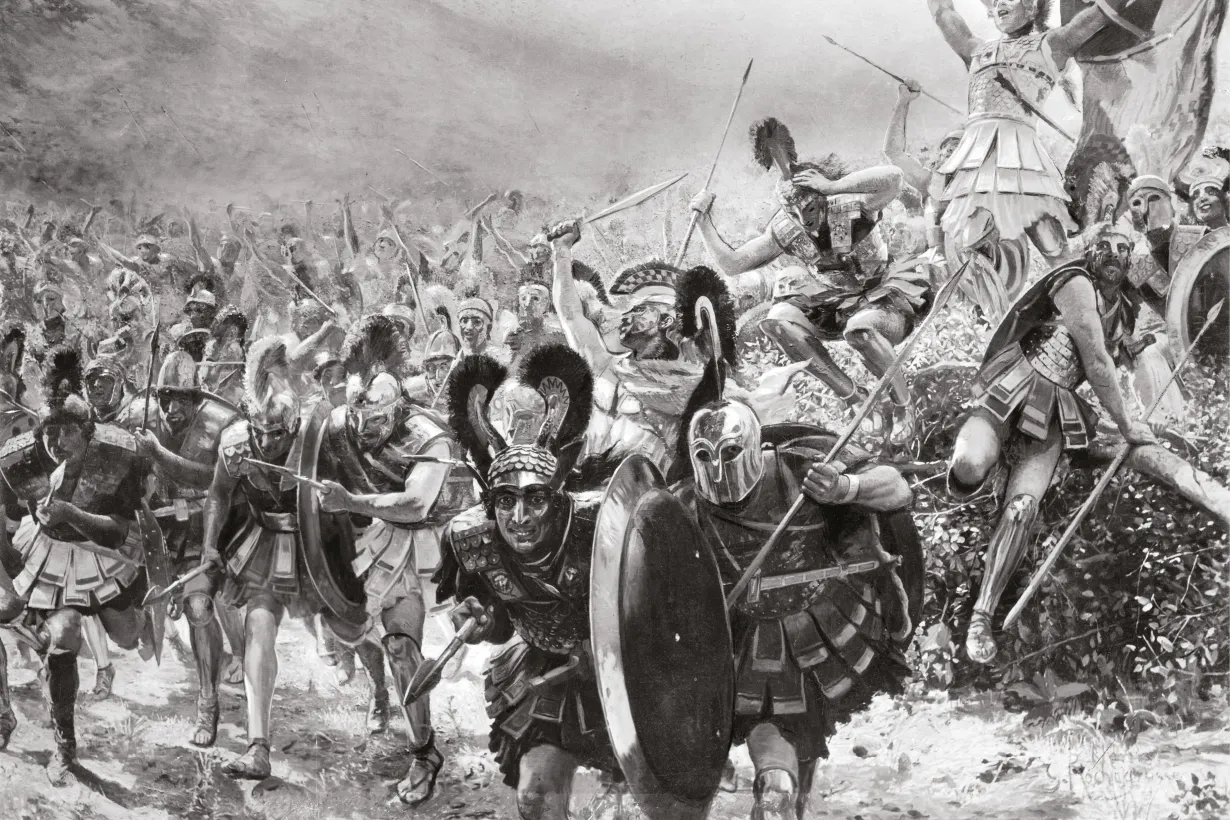
The Battle of Ikh Bayan was a critical conflict between the Mongol Empire and the allied forces of the Southern Song dynasty and their allies. Fought in mid-July, the ...
Explore event →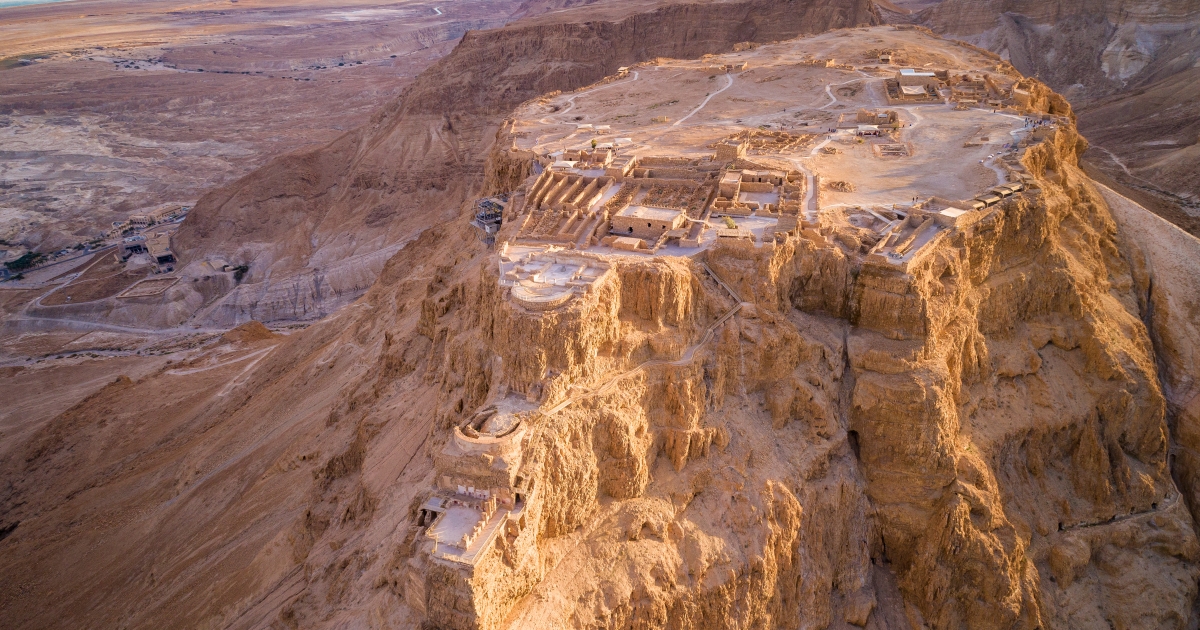
The Siege of Masada was the last stronghold of the Jewish rebels during the First Jewish–Roman War. Roman forces laid siege to the fortress located on a plateau near t...
Explore event →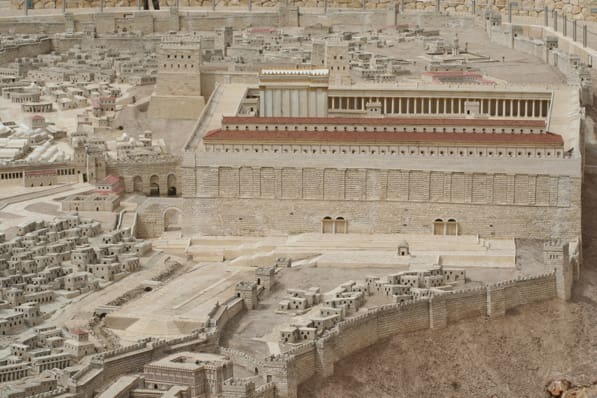
The Roman army, led by Titus, besieged Jerusalem during the First Jewish–Roman War, culminating in the destruction of the Second Temple.The Temple was set ablaze and r...
Explore event →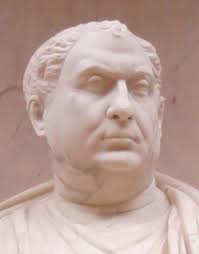
Vitellius was declared emperor by the legions of Germania during the chaotic Year of the Four Emperors. After the death of Emperor Otho, Vitellius marched to Rome wher...
Explore event →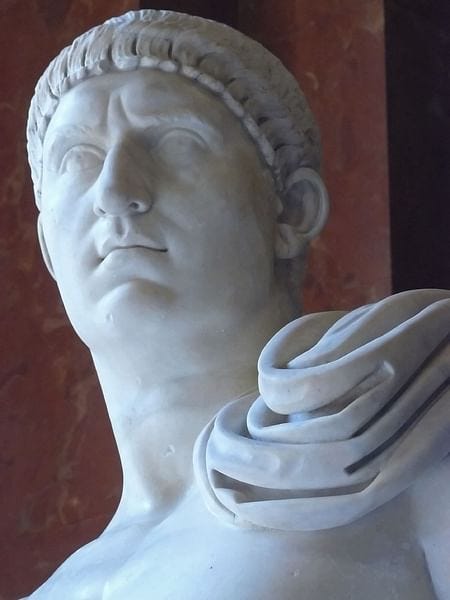
Following the death of Emperor Galba, Otho swiftly ascended to power in Rome, marking a critical juncture in the Year of the Four Emperors. His accession was character...
Explore event →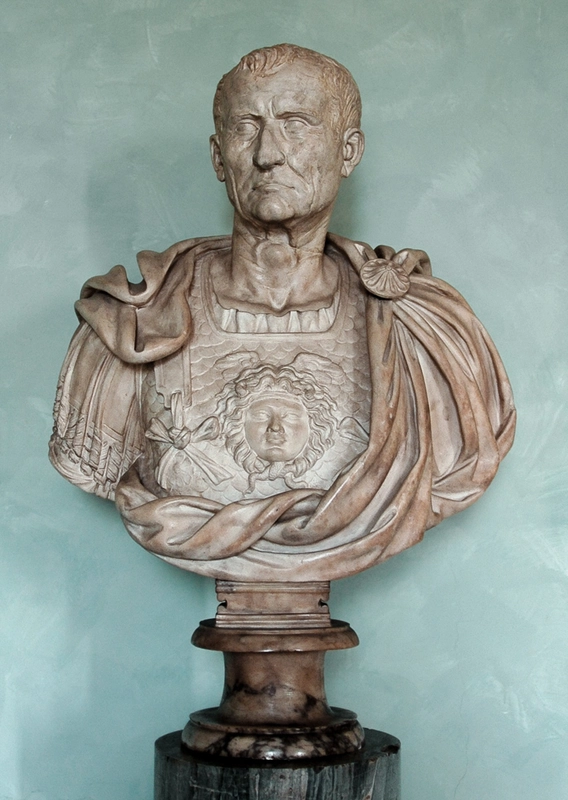
Galba was declared Roman Emperor following the assassination of Nero, marking the end of the Julio-Claudian dynasty. His accession was largely supported by the Senate ...
Explore event →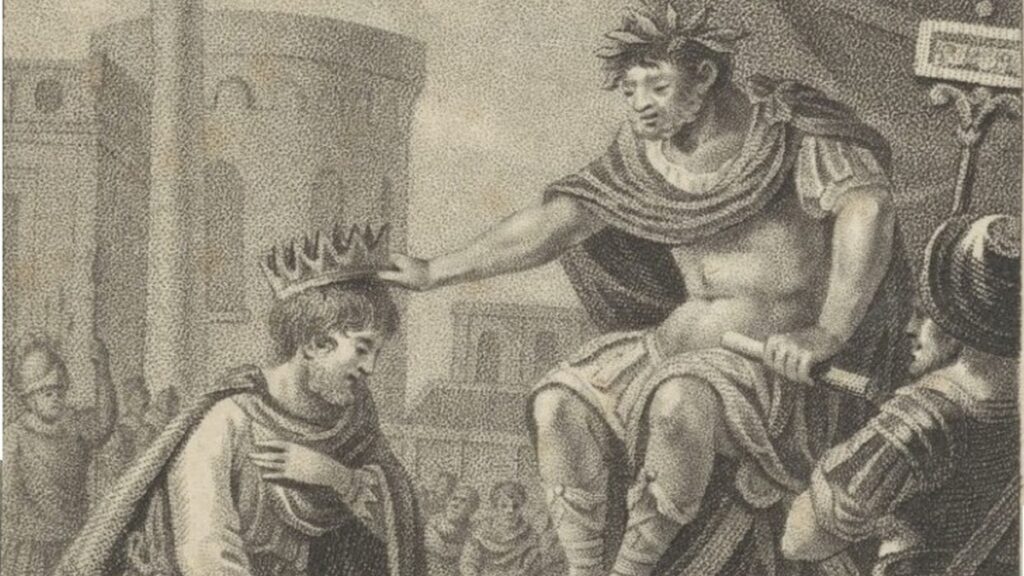
Tiridates I was crowned King of Armenia in the city of Artaxata, solidifying Roman influence in the region. His coronation marked the beginning of a dynasty recognized...
Explore event →
The First Jewish–Roman War, also known as the Great Revolt, began in April 66 CE in the Roman province of Judaea. Jewish rebels rose up against the Roman administratio...
Explore event →
The Great Fire broke out in the city of Rome, spreading rapidly through wooden structures and thatched roofs. The blaze lasted several days, destroying vast parts of t...
Explore event →
3 July 2013 — Following enormous demonstrations against President Morsi, the Egyptian military removes him from office and suspends the constitution. Supporters descri...
Explore research
2011–2014 — Mubarak's fall opens competitive elections and unprecedented political participation, but the transition rapidly produces institutional conflict, polarizat...
Explore research
13 September 1968 — Albania formally withdraws from the Soviet-led Warsaw Pact following the invasion of Czechoslovakia. The withdrawal confirms Albania's political ru...
Explore research
1958–1961 — Egypt and Syria unite as the United Arab Republic under Nasser. The union represents the high point of pan-Arab political enthusiasm. Syrian dissatisfactio...
Explore research
23 July 1952 — Egyptian military officers overthrow King Farouk's government. The movement is driven by dissatisfaction with corruption, political inequality, British ...
Explore research
28 February 1922 — Britain formally ends its protectorate and recognizes Egypt as an independent sovereign state. Important issues remain under British control, includ...
Explore research
21 March 1918 — Germany launches Operation Michael, the first of several major offensives designed to win the war in the west before American manpower becomes overwhel...
Explore research
1 February 1917–11 November 1918 — German submarines attack merchant shipping in an attempt to reduce British imports below sustainable levels. Early shipping losses a...
Explore research
1917–1918 — German forces develop increasingly sophisticated methods based on short intense bombardments, assault detachments and infiltration around strongpoints. The...
Explore research
1915–1918 — Consumption of artillery shells and other matériel massively exceeds prewar assumptions. Governments intervene increasingly in factories, labor, transport ...
Explore research
28 July–4 August 1914 — European armies activate enormous prearranged railway timetables to mobilize millions of soldiers. Military planners argue that delaying mobili...
Explore research
7–23 July 1914 — Austro-Hungarian leaders debate how to transform the Sarajevo assassination into a confrontation with Serbia. Officials increasingly favor demands sev...
Explore research
July 1914 — Russian leaders view Serbia as both a political partner and a test of Russian great-power credibility in the Balkans. Previous retreats in regional crises ...
Explore research
May–June 1914 — Members of the assassination conspiracy obtain pistols, bombs and assistance through contacts associated with Serbian nationalist and military-intellig...
Explore research
1914–1918 wartime production — Schneider is a major French heavy-industrial and armaments producer whose factories supply artillery and military material to the French...
Explore research
1914–1918 — Armaments companies, explosives producers and other industrial suppliers receive enormous wartime orders. Some businesses benefit heavily while others suff...
Explore research
c. 1830–1912 — The Rilindja Kombëtare develops through writers, educators, political activists and diaspora networks. Albanian-language education and publishing become...
Explore research
1250–1517 CE — Military elites known as Mamluks seize political control and establish a powerful sultanate centered on Cairo. They defeat Mongol forces at Ain Jalut an...
Explore research
7th–10th centuries — Arabic increasingly replaces Greek and Coptic in government and eventually becomes the dominant spoken language. Conversion to Islam occurs over g...
Explore research
1st–4th centuries CE — Christianity spreads widely through Egypt and produces one of the ancient world's most important Christian traditions. Egyptian monasticism prof...
Explore research
2 September 31 BCE — The fleet of Octavian defeats the forces of Mark Antony and Cleopatra near Actium in western Greece. Antony and Cleopatra retreat to Egypt. Their ...
Explore research
51–30 BCE — Cleopatra VII becomes the final active ruler of the Ptolemaic dynasty. She navigates the expanding power of Rome through alliances and relationships first ...
Explore research
305–30 BCE — The Macedonian Ptolemaic dynasty rules Egypt after the fragmentation of Alexander's empire. Its kings present themselves simultaneously as Hellenistic mon...
Explore research
c. 500 BCE–1100 CE — Investigate geography, language, population continuity and ancient names while recognizing the severe lack of surviving Illyrian texts.
Explore research