
Ashley Madison Data Breach and Service Overview
Ashley Madison is an online dating and social networking service launched on January 21, 2002. It was founded by Darren J. Morgenstern and Noel Biderman, and later ope...
Explore event →History does not happen in isolation. Explore world events across time, follow the connections between them, and investigate the threads that reveal how one event can lead to another.
TheTimeMap currently follows events across 95 countries and 268 years of history — building a connected archive designed for people who want to look beyond the headline.
We oppose antisemitism, racism, and dehumanization — everywhere.
When people stop feeling, injustice becomes easy.
Ashley Madison is an online dating and social networking service launched on January 21, 2002. It was founded by Darren J. Morgenstern and Noel Biderman, and later ope...
Explore event →
On October 20, 2001, American musician Kid Rock appeared as a guest on the television show Saturday Night Live (SNL). During his appearance, Kid Rock made a remark reg...
Explore event →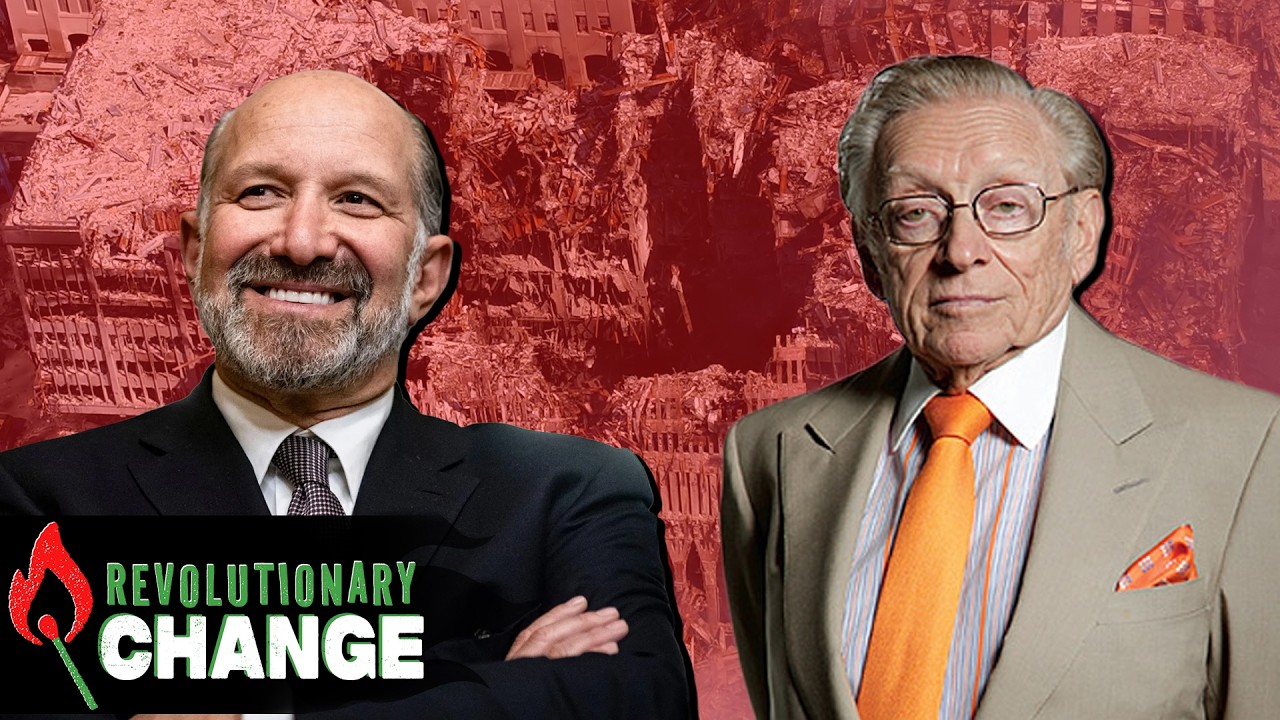
Howard Lutnick and Larry Silverstein on 9/11 On September 11, 2001, Howard Lutnick, CEO of Cantor Fitzgerald, was not in his office in the North Tower of the World Tr...
Explore event →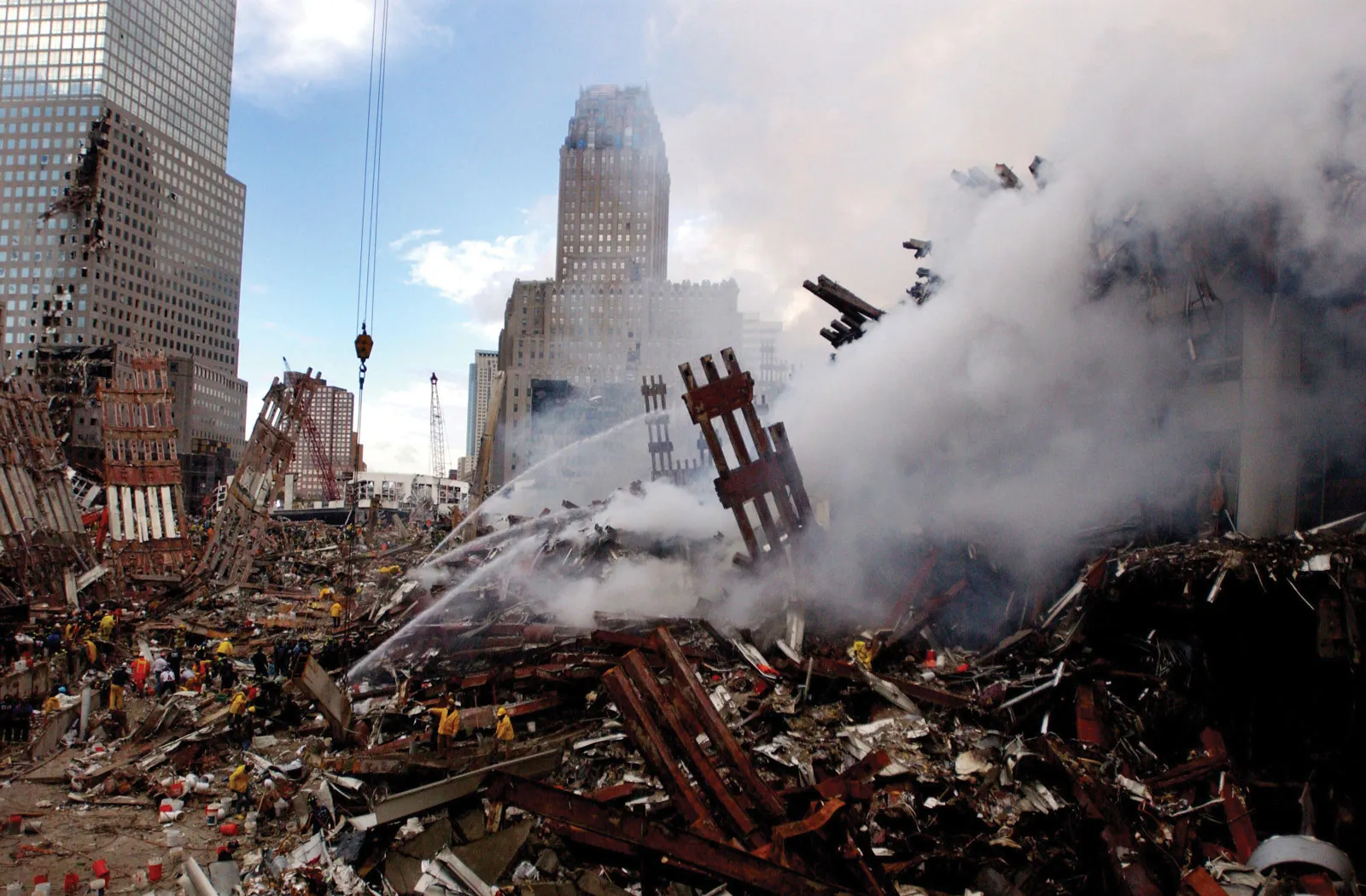
September 11 Attacks 2001 September 11 Attacks 2001 On September 11, 2001, nineteen militants associated with the Islamist extremist group al Qaeda hij...
Explore event →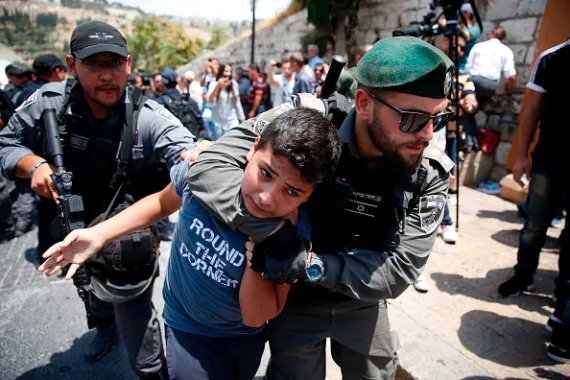
Palestinian children are regularly arrested and detained by Israeli authorities, primarily for security-related offenses, but there is no separate prison exclusively f...
Explore event →
On November 13, 1998, U.S. President Bill Clinton reached an out-of-court settlement in a civil sexual harassment lawsuit filed by Paula Jones. Paula Jones, a forme...
Explore event →
In January 1998, allegations of a sexual relationship between U.S. President Bill Clinton and White House intern Monica Lewinsky became public during an investigation ...
Explore event →
Diana Frances Spencer (7 1 1961 – 8 31 1997) was a British socialite and member of the aristocracy who became Princess of Wales upon her marriage to Charles, Prince of...
Explore event →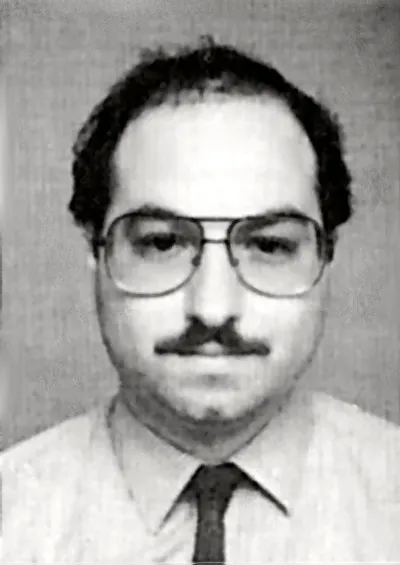
Jonathan Pollard, an American Jew and civilian intelligence analyst for the U.S. Navy, pleaded guilty to passing classified military and nuclear documents to Israel in...
Explore event →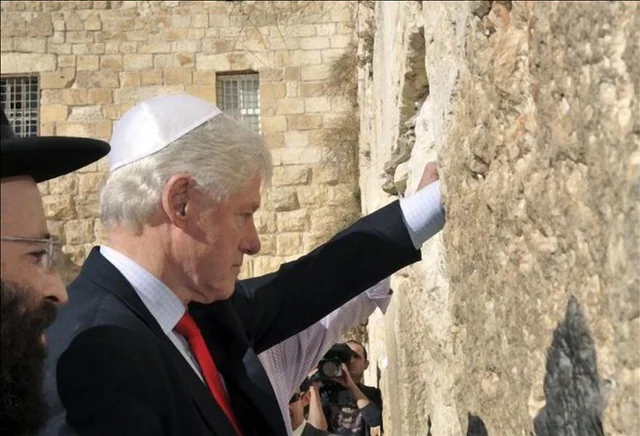
On July 23, 1994, President Bill Clinton visited Jerusalem, Israel, during an official presidential trip. As part of his visit, he went to the Western Wall, also known...
Explore event →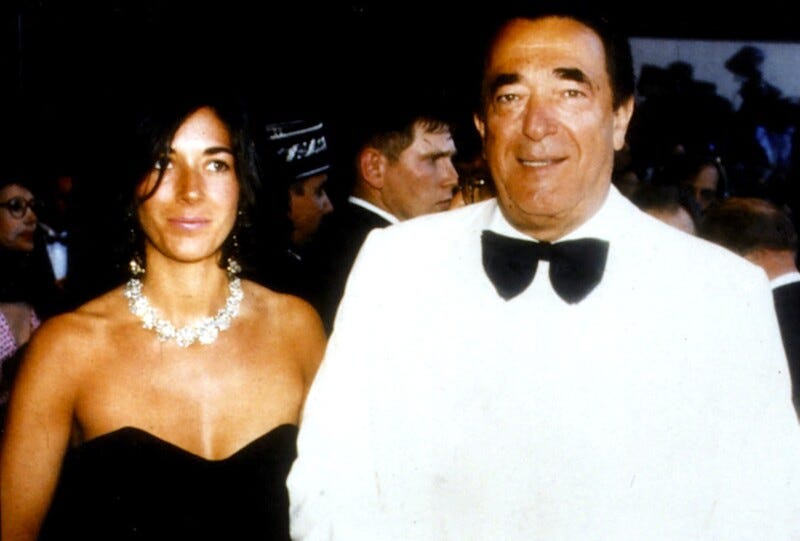
Robert Maxwell and Mirror Group sue Seymour Hersh for libel In October 1991, media proprietor Robert Maxwell and his company Mirror Group Newspapers i...
Explore event →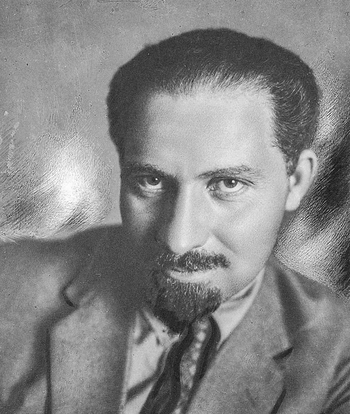
Lazar Kaganovich (1893–1991), a Soviet politician and close associate of Joseph Stalin, died on July 25, 1991. Born to a Jewish family in Ukraine, Kaganovich held seve...
Explore event →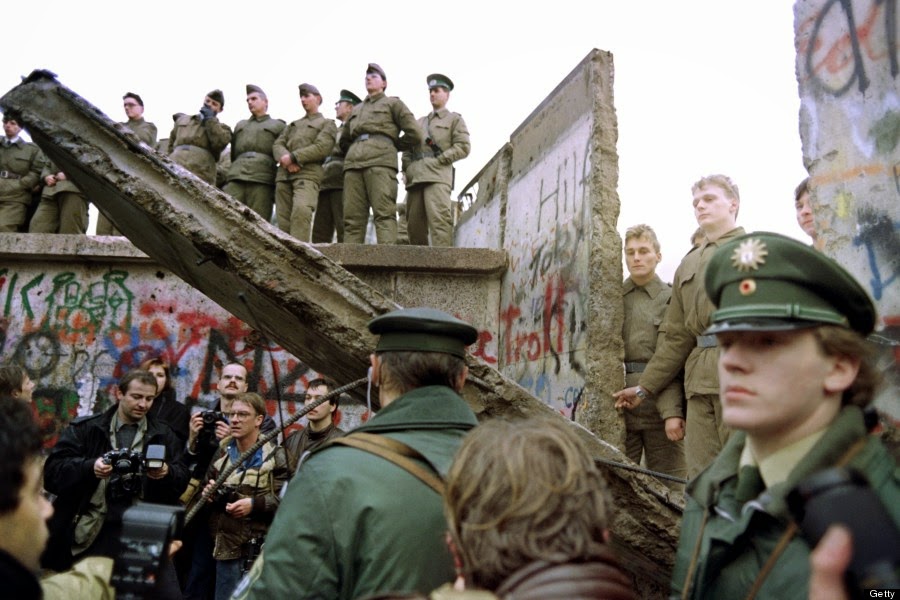
The Fall of the Berlin Wall on November 9, 1989, marked a pivotal moment in world history, symbolizing the collapse of the Cold War division between East and West Germ...
Explore event →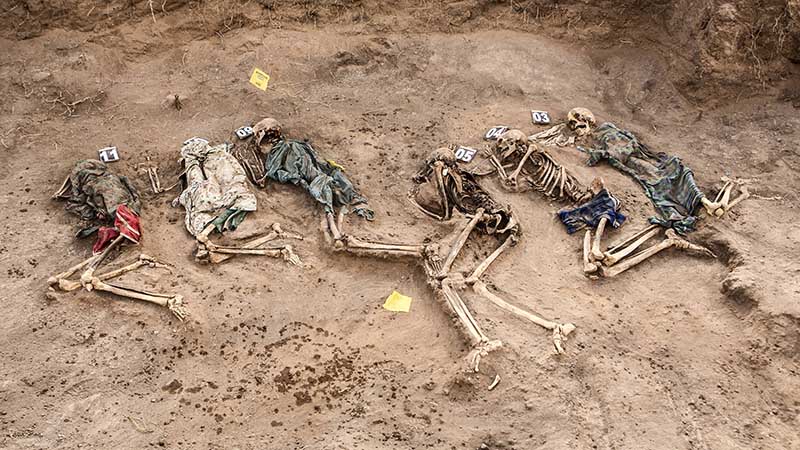
The Isaaq genocide refers to systematic killings and targeted repression of the Isaaq clan in northern Somalia during the late 1980s.This campaign was primarily conduc...
Explore event →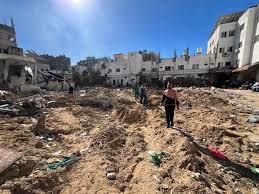
Two Israeli soldiers were arrested after allegedly ordering a bulldozer to bury four Palestinian youths in piles of dirt following a protest in the West Bank, accordin...
Explore event →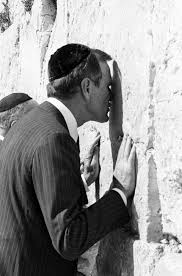
On July 27, 1986, Vice President George H. W. Bush visited Jerusalem, Israel, during an official trip to the Middle East. During the visit, Bush went to the Western Wa...
Explore event →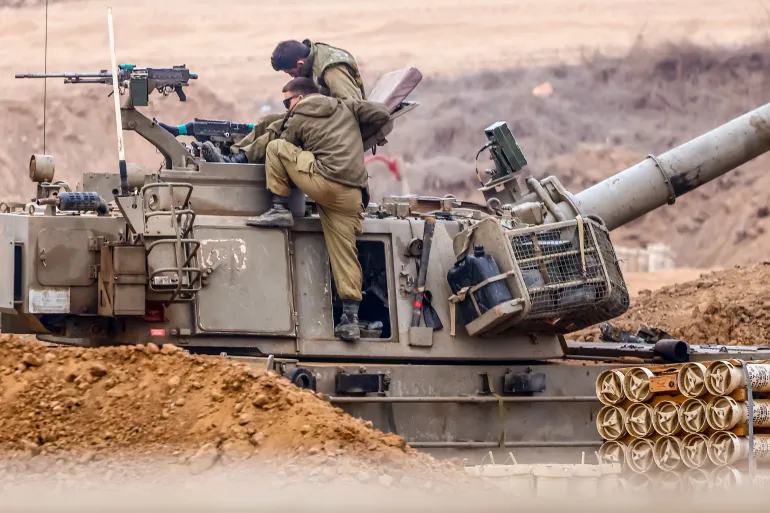
Hannibal Directive. Israeli military procedure and revocation The Hannibal Directive was a reported operational procedure of the Israel Defense Forces...
Explore event →
Israel’s National Skin Bank and Controversy Over Organ Sourcing The Israel National Skin Bank (INSB) was established in 1986 jointly by the Israel Defense Forces Medi...
Explore event →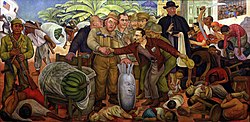
Guatemalan Maya Genocide On March 23, 1982, General Efraín Ríos Montt seized power in Guatemala through a military coup during the Guatemalan Civil War. His governmen...
Explore event →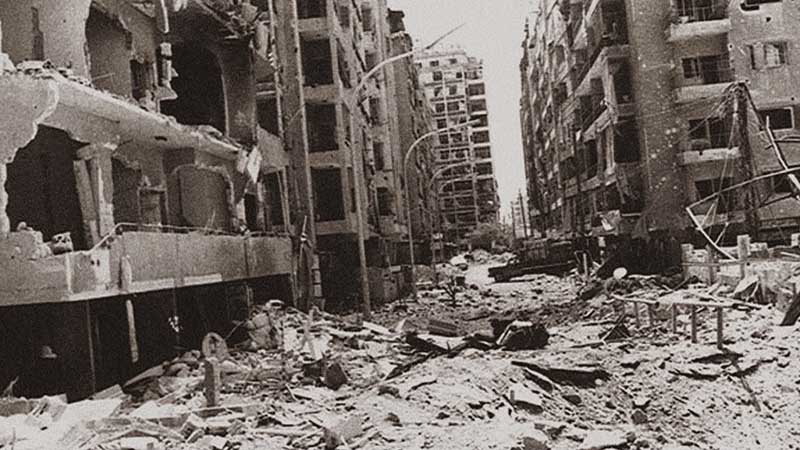
The Hama Massacre occurred in February 1982 when Syrian government forces launched a military assault on the city of Hama to suppress an uprising by the Muslim Brother...
Explore event →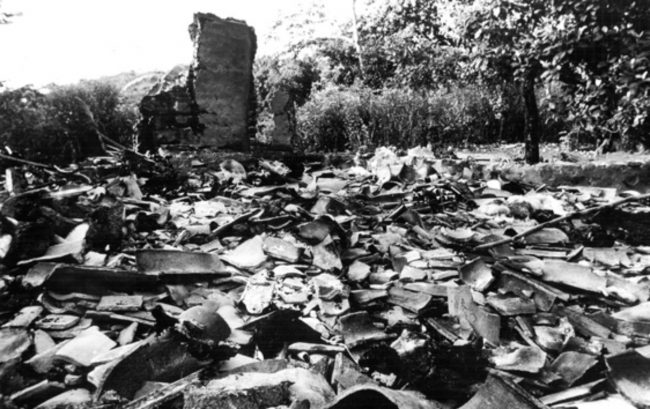
El Mozote massacre On December 11, 1981, Salvadoran Army units carried out a massacre in the village of El Mozote in Morazán Department, El Salvador. Soldiers of the ...
Explore event →
Rennet is an enzyme used in cheesemaking to curdle milk and separate it into curds and whey. Traditionally, rennet was extracted from the stomachs of young calves, but...
Explore event →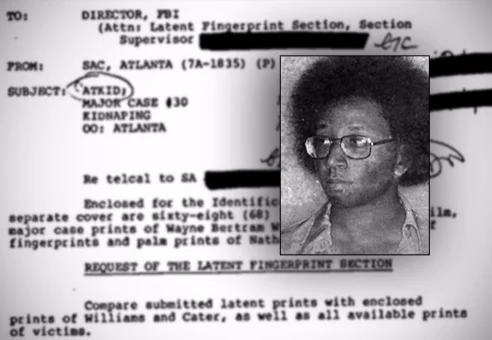
Wayne Bertram Williams is an American convicted murderer whose 1982 convictions became a central part of the investigation into a series of killings known as the Atlan...
Explore event →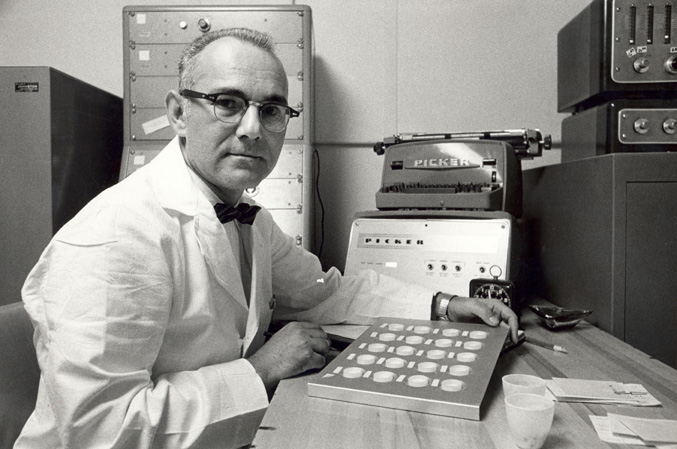
Harold Wallace Rosenthal, a Senate aide, was killed in a terrorist attack at Istanbul Airport in 1976. Rosenthal had worked for Senator Jacob Javits and was serving in...
Explore event →
3 July 2013 — Following enormous demonstrations against President Morsi, the Egyptian military removes him from office and suspends the constitution. Supporters descri...
Explore research
2011–2014 — Mubarak's fall opens competitive elections and unprecedented political participation, but the transition rapidly produces institutional conflict, polarizat...
Explore research
13 September 1968 — Albania formally withdraws from the Soviet-led Warsaw Pact following the invasion of Czechoslovakia. The withdrawal confirms Albania's political ru...
Explore research
1958–1961 — Egypt and Syria unite as the United Arab Republic under Nasser. The union represents the high point of pan-Arab political enthusiasm. Syrian dissatisfactio...
Explore research
23 July 1952 — Egyptian military officers overthrow King Farouk's government. The movement is driven by dissatisfaction with corruption, political inequality, British ...
Explore research
28 February 1922 — Britain formally ends its protectorate and recognizes Egypt as an independent sovereign state. Important issues remain under British control, includ...
Explore research
21 March 1918 — Germany launches Operation Michael, the first of several major offensives designed to win the war in the west before American manpower becomes overwhel...
Explore research
1 February 1917–11 November 1918 — German submarines attack merchant shipping in an attempt to reduce British imports below sustainable levels. Early shipping losses a...
Explore research
1917–1918 — German forces develop increasingly sophisticated methods based on short intense bombardments, assault detachments and infiltration around strongpoints. The...
Explore research
1915–1918 — Consumption of artillery shells and other matériel massively exceeds prewar assumptions. Governments intervene increasingly in factories, labor, transport ...
Explore research
28 July–4 August 1914 — European armies activate enormous prearranged railway timetables to mobilize millions of soldiers. Military planners argue that delaying mobili...
Explore research
7–23 July 1914 — Austro-Hungarian leaders debate how to transform the Sarajevo assassination into a confrontation with Serbia. Officials increasingly favor demands sev...
Explore research
July 1914 — Russian leaders view Serbia as both a political partner and a test of Russian great-power credibility in the Balkans. Previous retreats in regional crises ...
Explore research
May–June 1914 — Members of the assassination conspiracy obtain pistols, bombs and assistance through contacts associated with Serbian nationalist and military-intellig...
Explore research
1914–1918 wartime production — Schneider is a major French heavy-industrial and armaments producer whose factories supply artillery and military material to the French...
Explore research
1914–1918 — Armaments companies, explosives producers and other industrial suppliers receive enormous wartime orders. Some businesses benefit heavily while others suff...
Explore research
c. 1830–1912 — The Rilindja Kombëtare develops through writers, educators, political activists and diaspora networks. Albanian-language education and publishing become...
Explore research
1250–1517 CE — Military elites known as Mamluks seize political control and establish a powerful sultanate centered on Cairo. They defeat Mongol forces at Ain Jalut an...
Explore research
7th–10th centuries — Arabic increasingly replaces Greek and Coptic in government and eventually becomes the dominant spoken language. Conversion to Islam occurs over g...
Explore research
1st–4th centuries CE — Christianity spreads widely through Egypt and produces one of the ancient world's most important Christian traditions. Egyptian monasticism prof...
Explore research
2 September 31 BCE — The fleet of Octavian defeats the forces of Mark Antony and Cleopatra near Actium in western Greece. Antony and Cleopatra retreat to Egypt. Their ...
Explore research
51–30 BCE — Cleopatra VII becomes the final active ruler of the Ptolemaic dynasty. She navigates the expanding power of Rome through alliances and relationships first ...
Explore research
305–30 BCE — The Macedonian Ptolemaic dynasty rules Egypt after the fragmentation of Alexander's empire. Its kings present themselves simultaneously as Hellenistic mon...
Explore research
c. 500 BCE–1100 CE — Investigate geography, language, population continuity and ancient names while recognizing the severe lack of surviving Illyrian texts.
Explore research