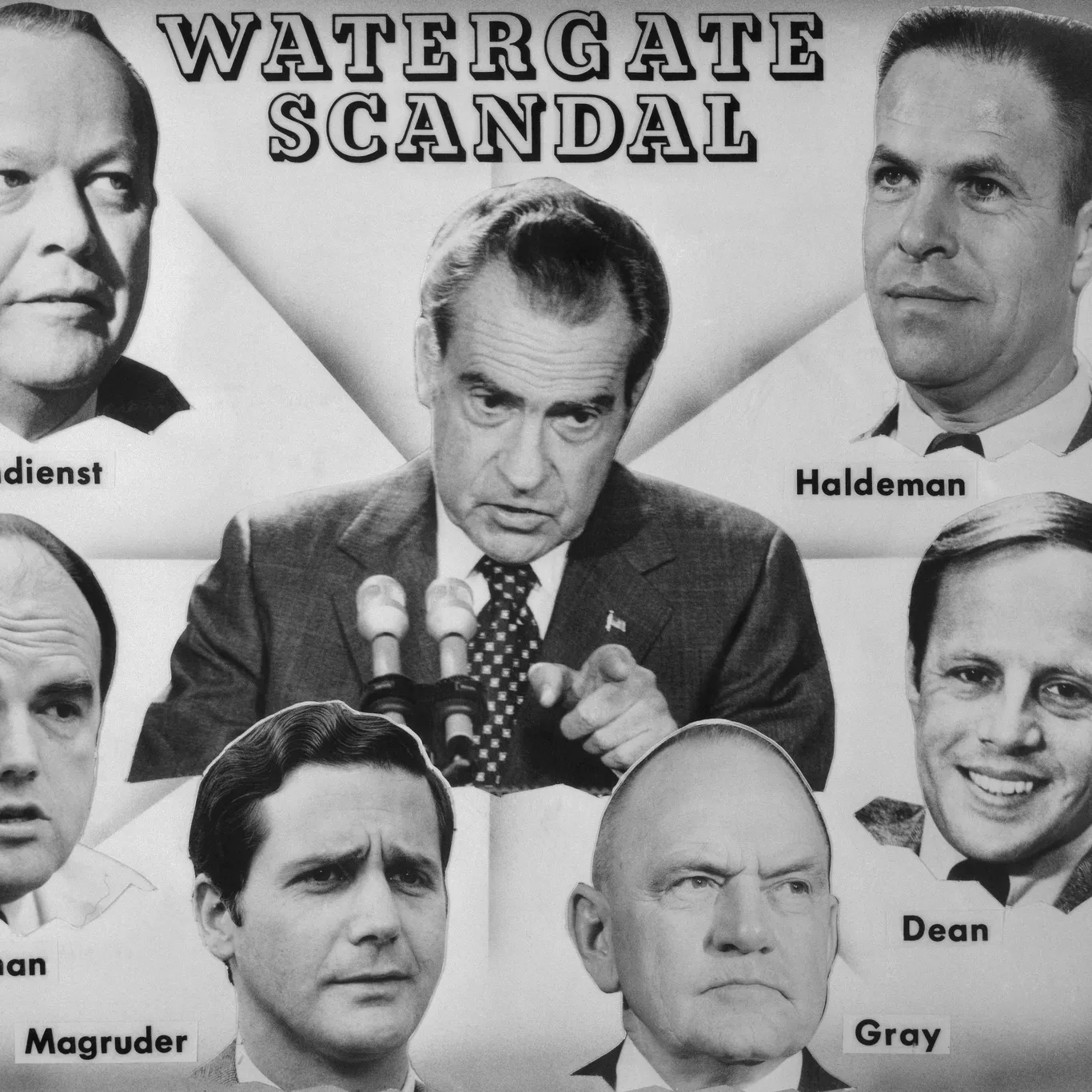
The Watergate Scandal From Break-In To Presidential Resignation
The Watergate Scandal From Break-In To Presidential Resignation On June 17, 1972, five men were arrested for breaking into the Democratic National Committee headquart...
Explore event →History does not happen in isolation. Explore world events across time, follow the connections between them, and investigate the threads that reveal how one event can lead to another.
TheTimeMap currently follows events across 95 countries and 268 years of history — building a connected archive designed for people who want to look beyond the headline.
We oppose antisemitism, racism, and dehumanization — everywhere.
When people stop feeling, injustice becomes easy.
The Watergate Scandal From Break-In To Presidential Resignation On June 17, 1972, five men were arrested for breaking into the Democratic National Committee headquart...
Explore event →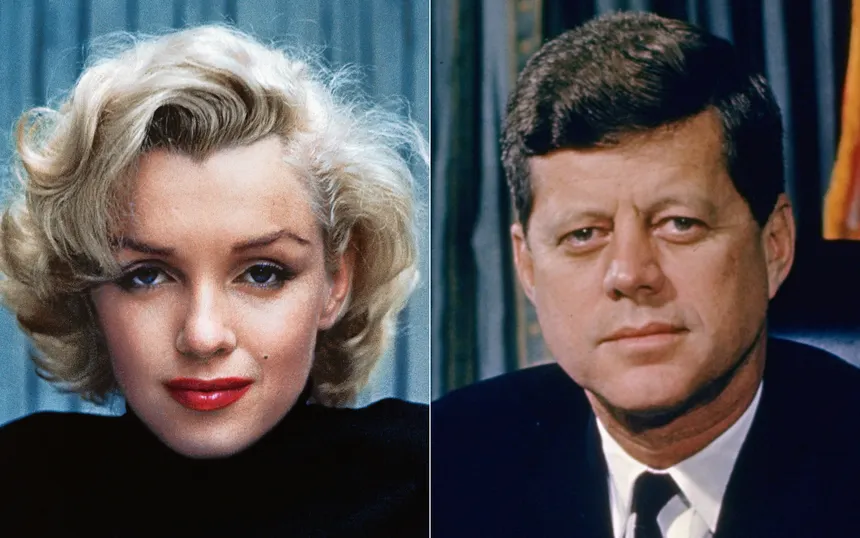
Marilyn Monroe (6 1 1926 – 8 5 1962) was a major Hollywood actress, signed to 20th Century Fox and MGM, with extensive ties to studio executives, publicists, and indiv...
Explore event →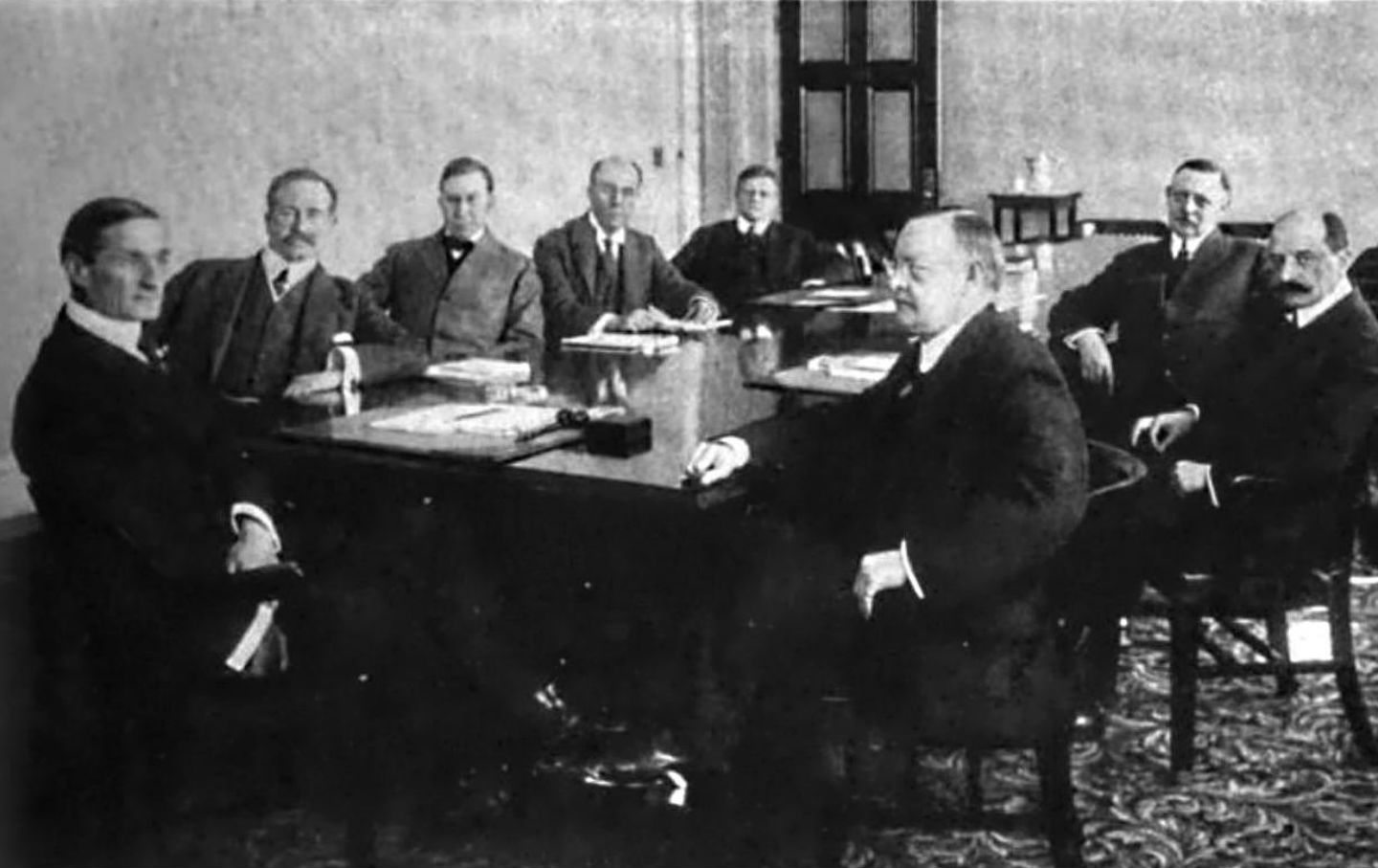
The creation of the Federal Reserve System on December 23, 1913, established the central banking authority of the United States. It was enacted through the Federal Res...
Explore event →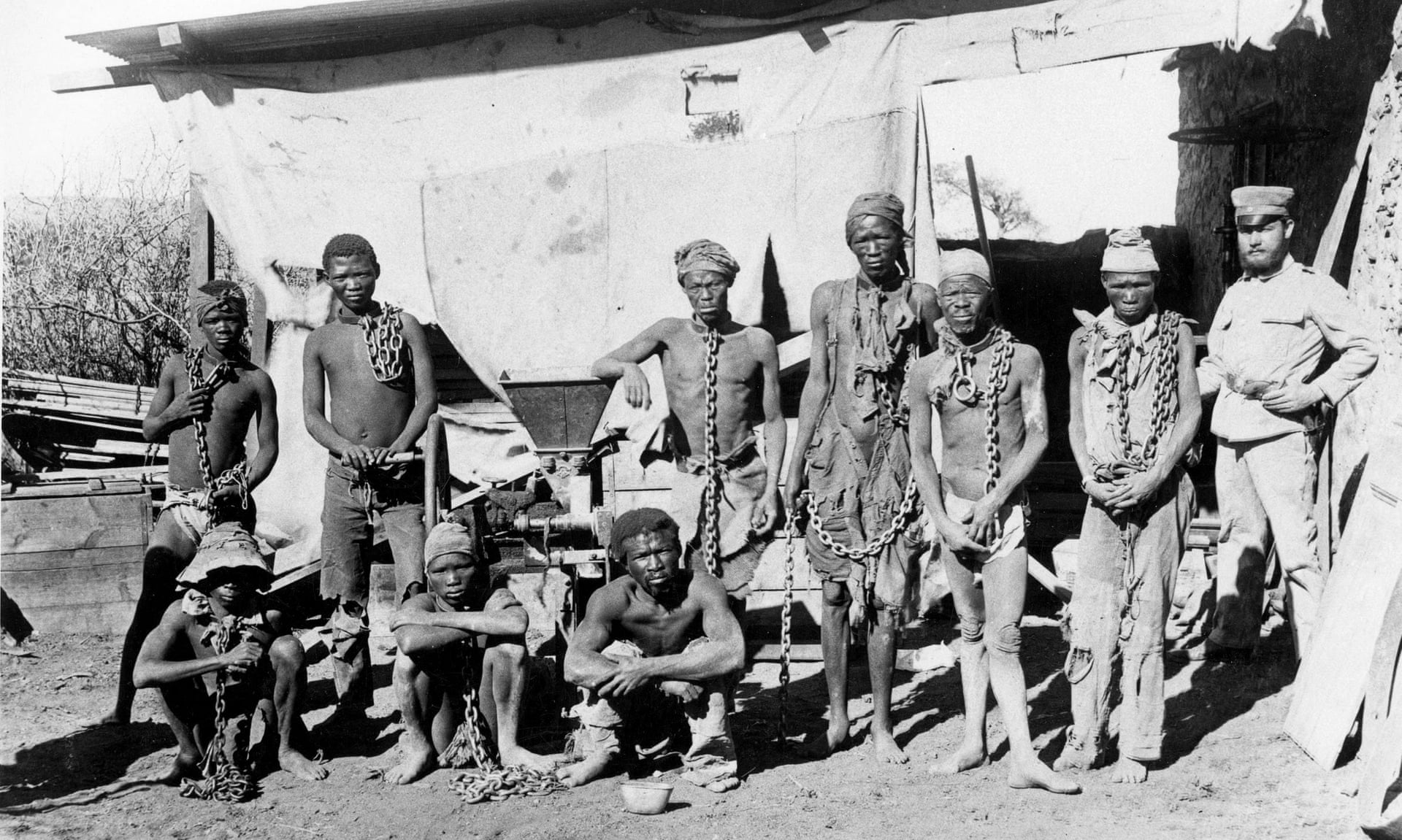
Herero And Nama Genocide On January 12, 1904, members of the Herero community initiated an armed uprising against German colonial authorities in German South West Afr...
Explore event →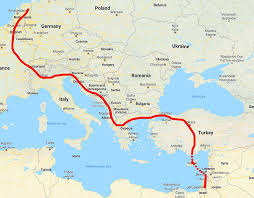
New pilgrimage routes to Jerusalem have been established, enhancing access for travelers and worshippers. These pathways enable smoother and safer journeys for pilgrim...
Explore event →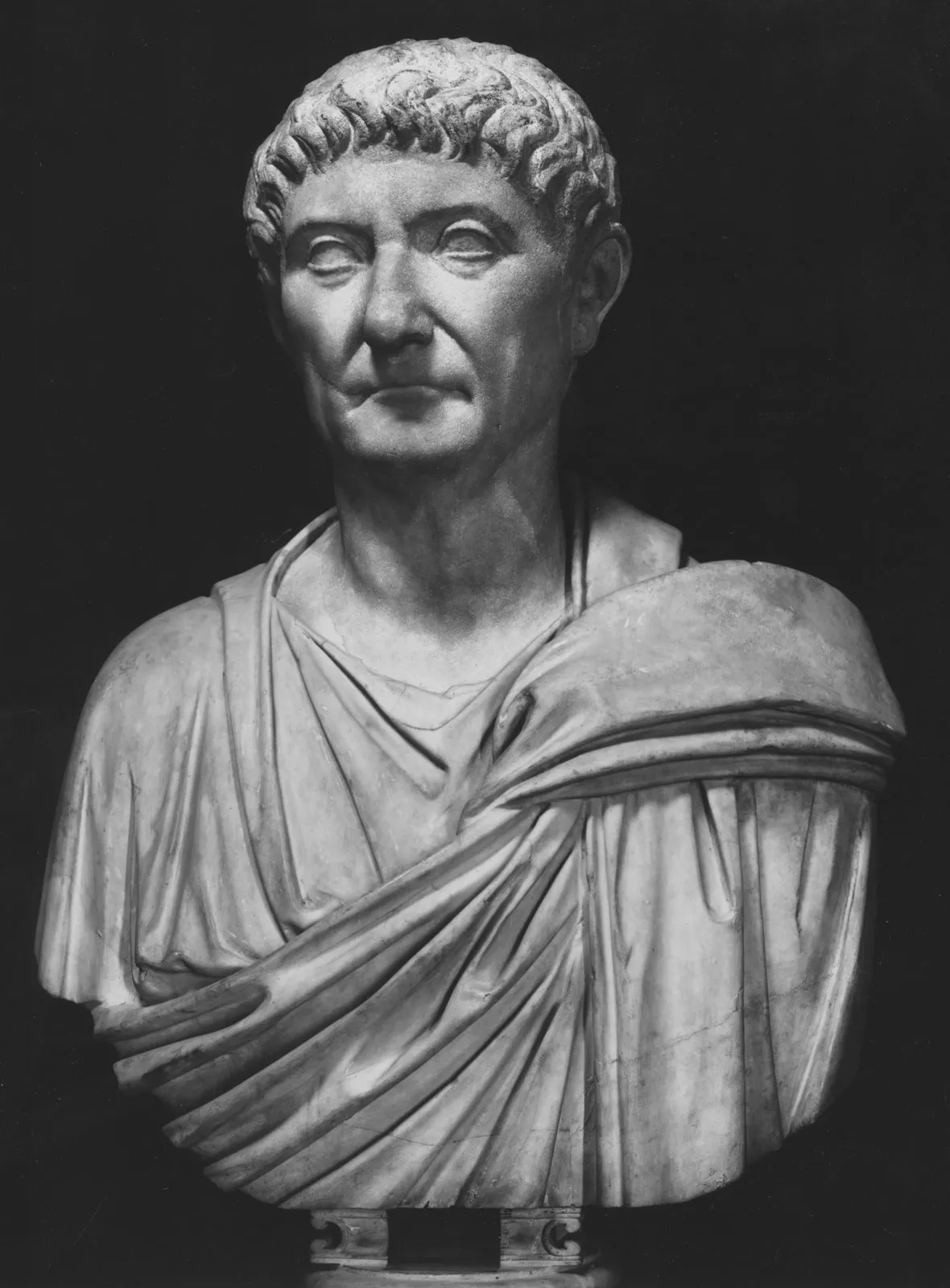
Diocletian was proclaimed emperor by his troops in Nicomedia following the death of Emperor Carus. His rise marked the end of a period of civil wars and instability in...
Explore event →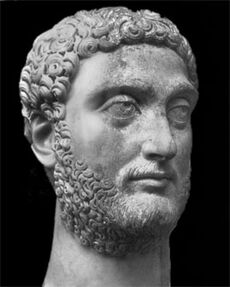
After the death of Emperor Carus during a campaign in Persia, his son Numerian became the new Roman Emperor. The accession was initially peaceful, with Numerian holdin...
Explore event →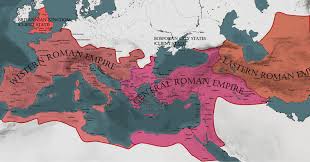
Carinus became Roman Emperor following the death of his father, Emperor Carus, in late March. His accession marked a period of internal instability as the empire faced...
Explore event →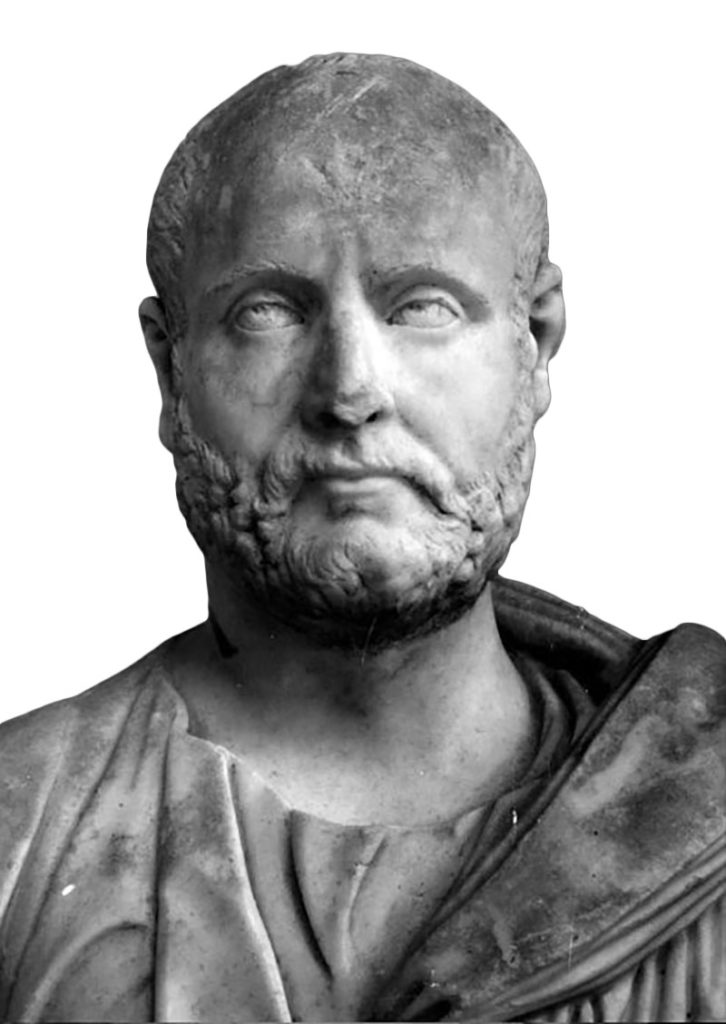
Carus was proclaimed emperor of the Roman Empire shortly after the death of Emperor Probus. His accession marked a shift in imperial policy as he sought to stabilize t...
Explore event →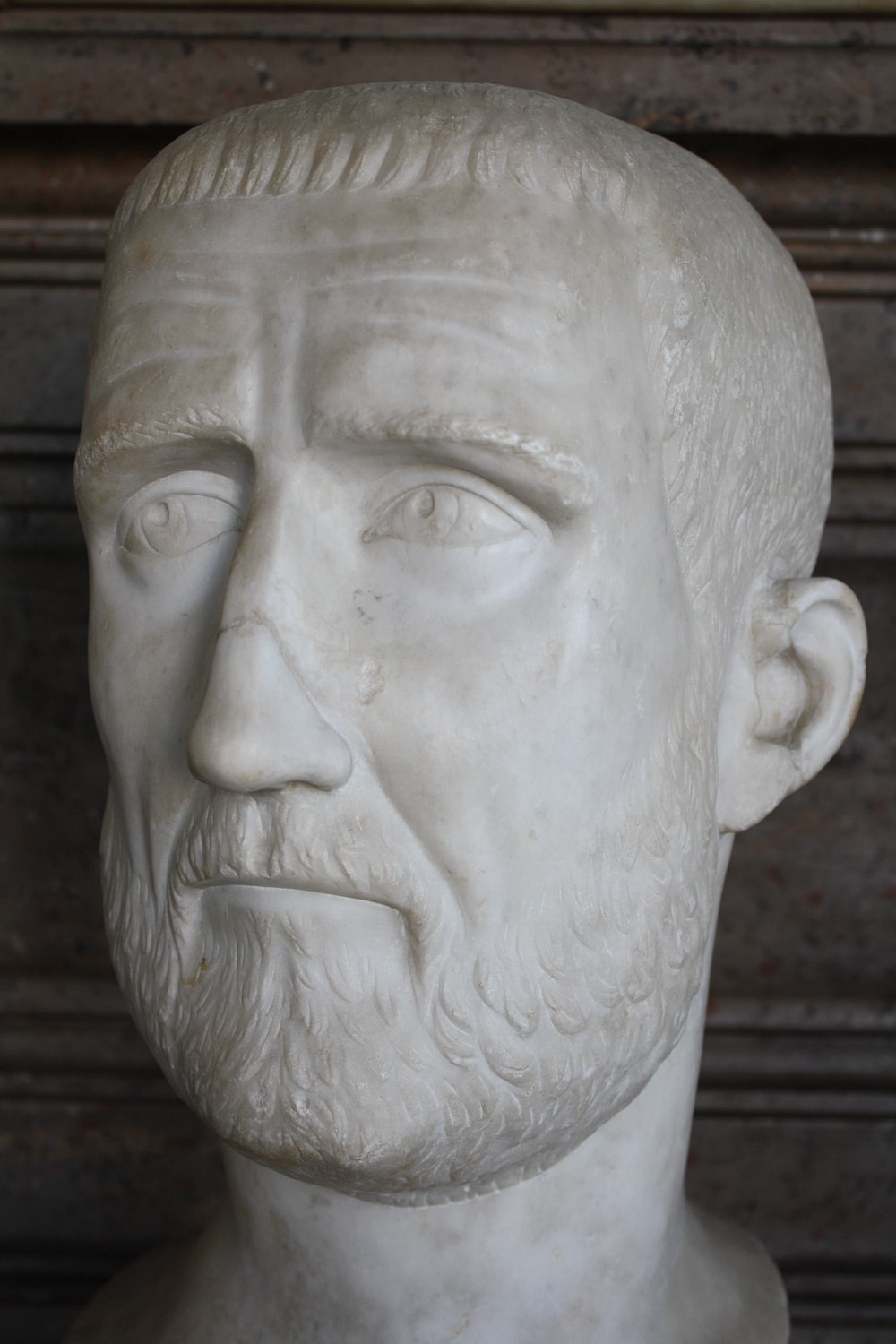
Marcus Aurelius Probus was proclaimed Roman Emperor by his troops in September 276 after the death of Emperor Florianus. His accession marked a period of efforts to re...
Explore event →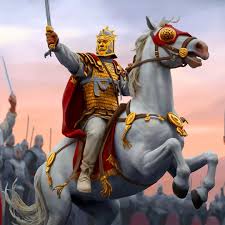
Aurelian was proclaimed emperor by his troops following the death of Emperor Claudius Gothicus. His accession marked a significant turning point during the Crisis of t...
Explore event →
The Battle of Naissus was a significant conflict fought near the ancient city of Naissus, now known as Niš, in the Nišava District. It occurred during the crisis of th...
Explore event →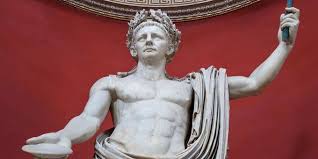
Claudius II Gothicus became Roman Emperor following the death of his predecessor. His accession marked a shift during a turbulent period of frequent leadership changes...
Explore event →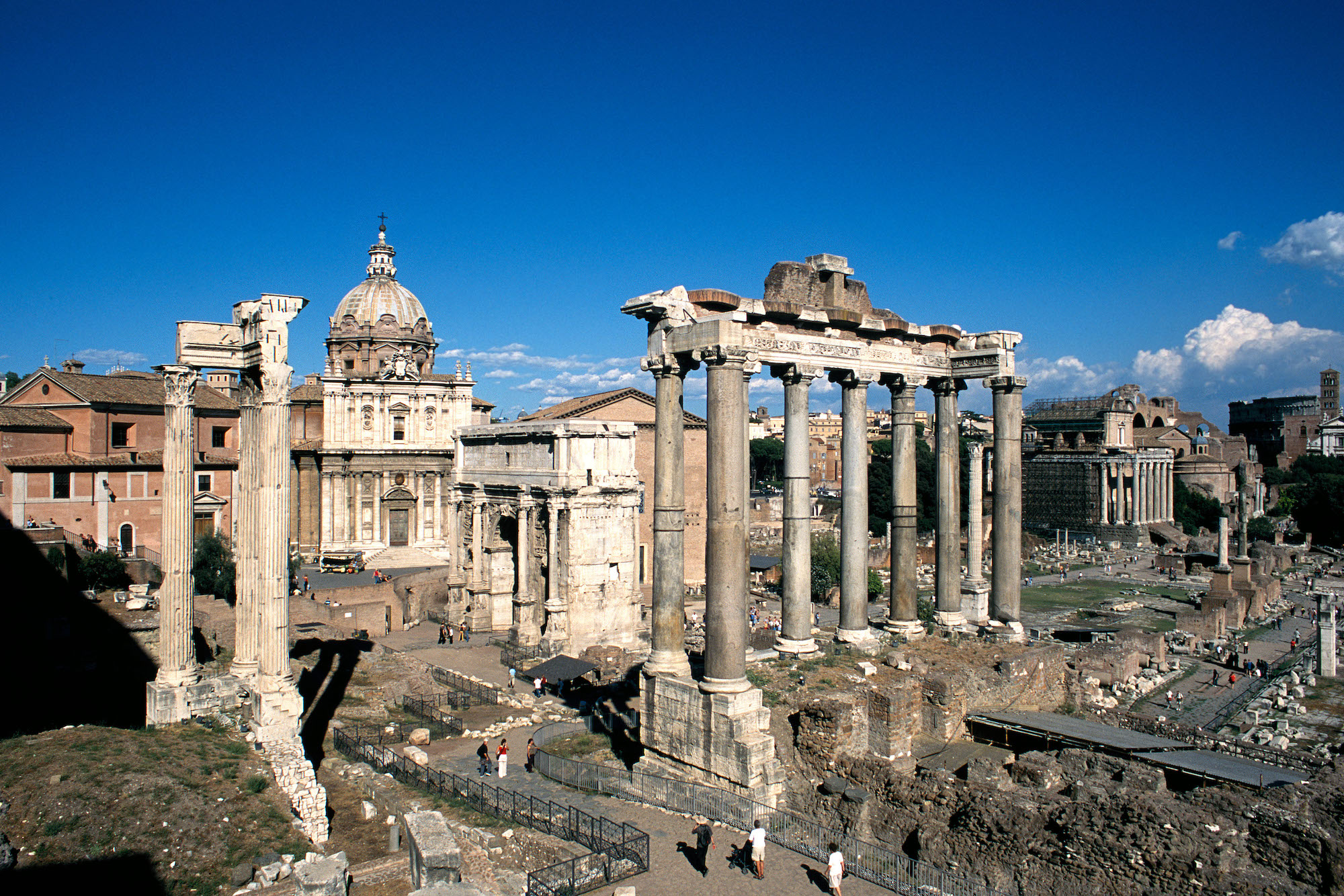
Valerian was proclaimed Roman Emperor following the death of his predecessor Aemilianus. His accession marked a significant change in leadership during a period fraugh...
Explore event →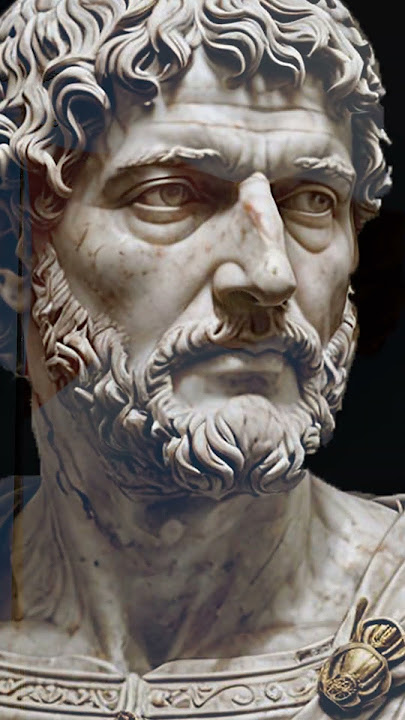
Aemilian, a Roman soldier and governor, seized power through a swift military revolt against Emperor Trebonianus Gallus. His accession marked a brief interruption in t...
Explore event →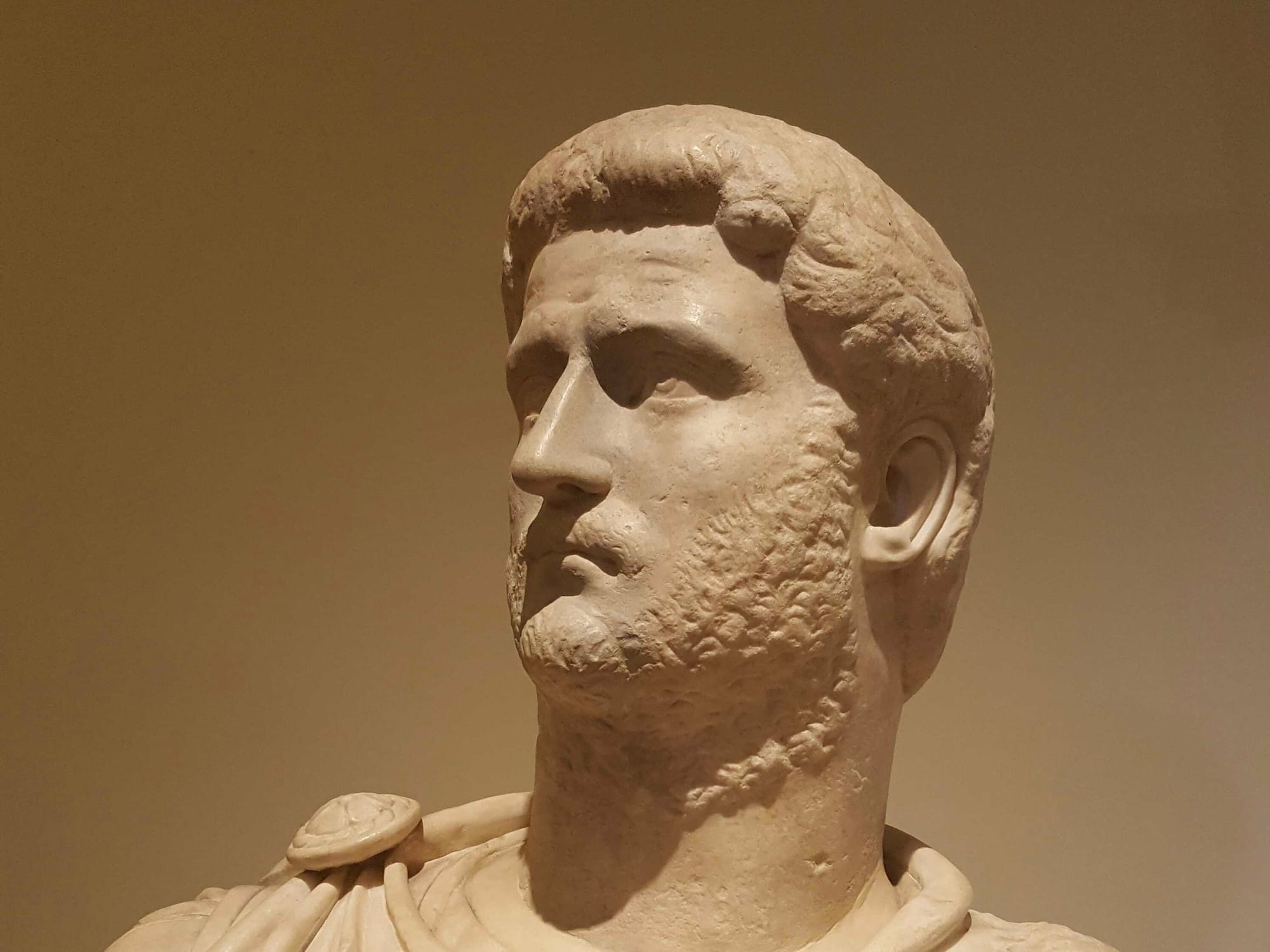
Gallienus became Roman Emperor following the assassination of his father, Valerian. His accession marked the beginning of a co-rule, where he shared power with his fat...
Explore event →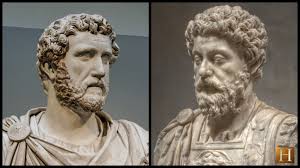
Following the death of Emperor Maximinus Thrax, the Roman Senate appointed Pupienus and Balbinus as co-emperors to restore order within the Roman Empire. Their joint a...
Explore event →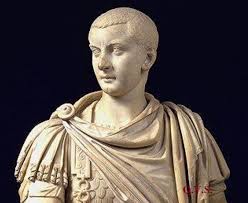
Gordian III ascended to the Roman imperial throne following a period of political instability known as the Year of the Six Emperors. At the age of thirteen, he was dec...
Explore event →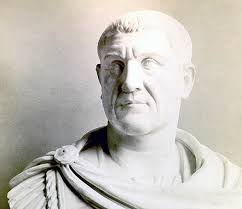
Maximinus Thrax, a Roman soldier of humble origins, was proclaimed emperor by his troops following the assassination of Severus Alexander. His accession marked the beg...
Explore event →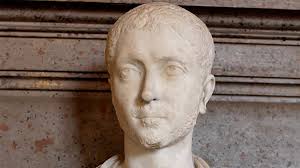
Severus Alexander was proclaimed Roman Emperor following the assassination of Elagabalus. The Roman Senate officially endorsed his accession, marking a return to more ...
Explore event →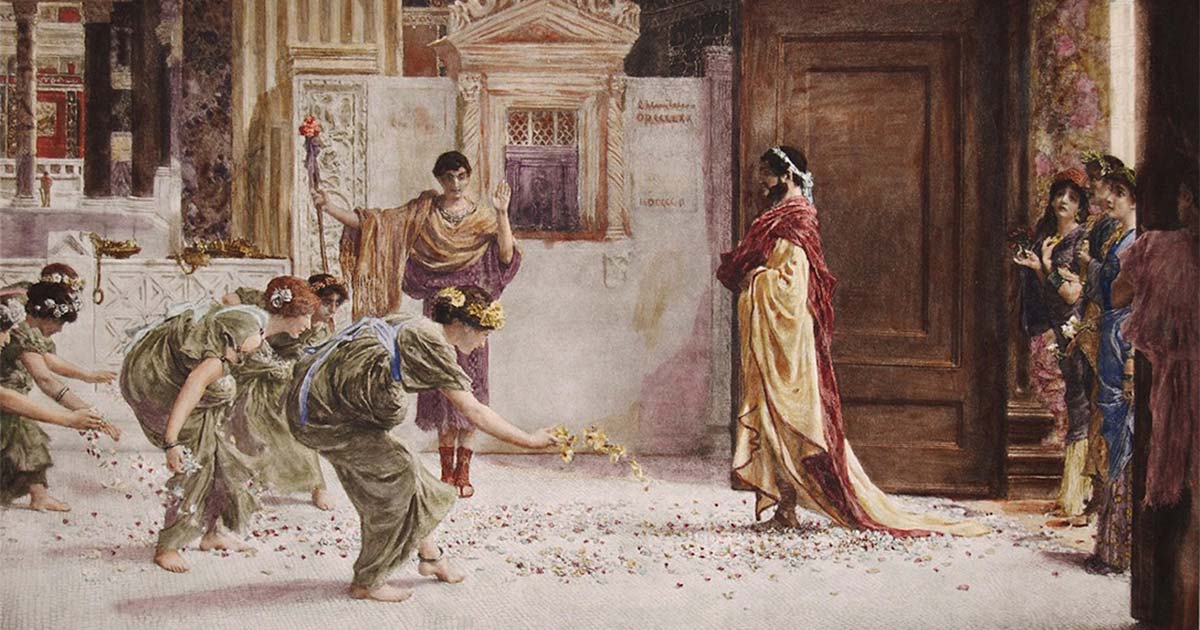
Elagabalus, also known as Varius Avitus Bassianus, was proclaimed Roman Emperor upon the death of Caracalla’s successor during the Severan dynasty. His accession marke...
Explore event →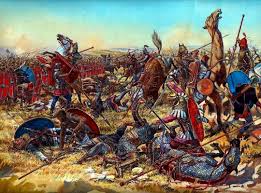
The Battle of Nisibis took place between the Roman forces led by Emperor Macrinus and the Parthian army. It was fought near the strategic city of Nisibis, a key strong...
Explore event →
Following the assassination of Emperor Caracalla, Macrinus, then the commander of the Praetorian Guard, declared himself emperor. His accession marked the first time a...
Explore event →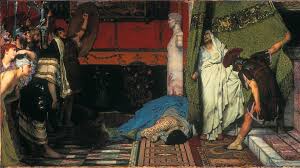
Macrinus, formerly a praetorian prefect, became Roman Emperor following the assassination of Caracalla. This marked a significant shift in imperial authority as Macrin...
Explore event →
14 July 2026 — Albania provisionally closes its first three EU accession chapters: science and research, education and culture, and external relations.
Explore research
17 November 2025 — Albania opens the final accession negotiating cluster, bringing all negotiating chapters into the accession process.
Explore research
19 July 2022 — Albania and the European Union hold their first intergovernmental conference, formally opening accession negotiations.
Explore research
27 June 2014 — Albania receives candidate status for membership in the European Union. Judicial reform, corruption, organized crime, public administration and rule of ...
Explore research
28 April 2009 — Albania formally submits its application for membership in the European Union, beginning a long process of institutional and legal reforms tied to acce...
Explore research
1914–1919 — The Royal Navy progressively restricts German access to food, fertilizer, metals, chemicals and overseas trade. Neutral shipping is increasingly subjected ...
Explore research
1 July 1798 — French forces under Napoleon Bonaparte land in Egypt. The invasion aims to weaken British access to India while expanding French influence in the eastern...
Explore research
12 May 1944 — American bombers begin a major concentrated campaign against German synthetic fuel plants and oil infrastructure. Germany relies heavily on synthetic fue...
Explore research
3 September 1939 — Britain and France declare war on Germany after Hitler refuses demands to withdraw from Poland. Governments that spent much of the 1930s attempting ...
Explore research
9 April 1940 — Germany launches Operation Weserübung against Denmark and Norway. Denmark is overwhelmed rapidly, while fighting in Norway continues for weeks. Control ...
Explore research
28 October 1940 — Greece rejects an Italian ultimatum, commemorated today as Ohi Day.
Explore research
29 October 1914 — Ottoman naval forces attack Russian Black Sea ports, bringing the Ottoman Empire into the conflict alongside Germany and Austria-Hungary. Russia decl...
Explore research
23 August 1944 — King Michael leads a coup that removes Ion Antonescu and ends Romania's alliance with Germany. Romania soon joins the war against the Axis. Germany lo...
Explore research
26 July 1941 — Following Japan's movement into southern French Indochina, the United States freezes Japanese assets. British and Dutch measures follow, and Japanese ac...
Explore research