Roman Imperial Power Shift
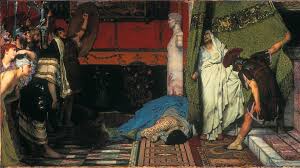
Macrinus, formerly a praetorian prefect, became Roman Emperor following the assassination of Caracalla. This marked a significant shift in imperial authority as Macrin...
Explore event →History does not happen in isolation. Explore world events across time, follow the connections between them, and investigate the threads that reveal how one event can lead to another.
TheTimeMap currently follows events across 95 countries and 268 years of history — building a connected archive designed for people who want to look beyond the headline.
We oppose antisemitism, racism, and dehumanization — everywhere.
When people stop feeling, injustice becomes easy.
Macrinus, formerly a praetorian prefect, became Roman Emperor following the assassination of Caracalla. This marked a significant shift in imperial authority as Macrin...
Explore event →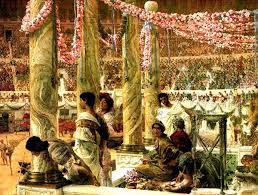
Pescennius Niger, governor of Syria, declared himself Roman emperor after the death of Emperor Pertinax. His claim to the throne sparked a civil war against Septimius ...
Explore event →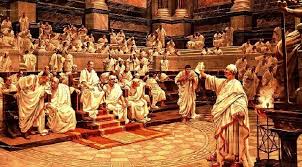
Following the assassination of Emperor Pertinax, the Roman imperial throne was sold to the highest bidder by the Senate. Didius Julianus secured the empire by offering...
Explore event →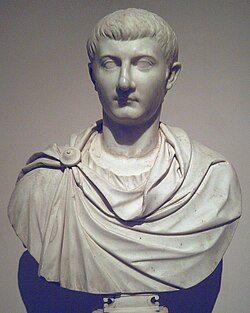
Lucius Aelius Sejanus, the powerful prefect of the Praetorian Guard, was arrested and executed after losing favor with Emperor Tiberius. His fall marked a dramatic shi...
Explore event →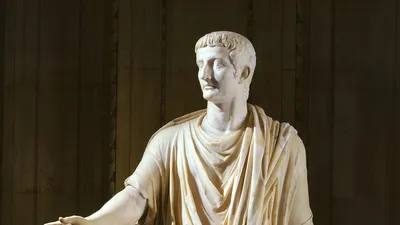
Following the death of Augustus, Tiberius was officially declared emperor by the Roman Senate, marking the beginning of his reign. This accession consolidated the Juli...
Explore event →
1250–1517 CE — Military elites known as Mamluks seize political control and establish a powerful sultanate centered on Cairo. They defeat Mongol forces at Ain Jalut an...
Explore research
c. 3100 BCE–2026 CE — Egypt has been governed by native pharaohs, Nubian kings, Persians, Macedonians, Romans, Byzantines, Arab caliphates, Fatimids, Ayyubids, Mamluks...
Explore research
6 August 1945 — An American B-29 drops the uranium bomb Little Boy on Hiroshima. The explosion and fire destroy much of the city and kill tens of thousands of people i...
Explore research
28 June 1919 — Versailles created genuine political grievances and became a powerful symbol in German nationalist politics. Yet there were many possible paths after 19...
Explore research
24 October 1929 — The beginning of the Wall Street panic provides an anchor for the economic collapse that spreads across industrial economies. Unemployment rises dram...
Explore research
Follow Philip II and Alexander from city-state politics into the Hellenistic world.
Explore research
7 December 1941 — Japanese carrier aircraft strike the U.S. Pacific Fleet at Pearl Harbor in Hawaii. Japan seeks to cripple American naval power long enough to seize t...
Explore research
14 September 1930 — The Nazi electoral breakthrough reflects intensive use of rallies, posters, newspapers, aircraft tours, slogans and targeted political messaging. N...
Explore research
28 November 1943 — Roosevelt, Churchill and Stalin meet together for the first time. Stalin presses strongly for a second front in Western Europe, and the Western Alli...
Explore research
28 June 1919 — Germany and the Allied powers sign the Treaty of Versailles exactly five years after Franz Ferdinand's assassination. Germany accepts territorial losses...
Explore research
1 August 1944 — The Polish Home Army launches an uprising against German occupation as Soviet forces approach Warsaw. Polish leaders hope to liberate the capital befor...
Explore research
4 February 1945 — Franklin Roosevelt, Winston Churchill and Joseph Stalin meet in Crimea as Germany approaches defeat. They discuss occupation zones, Poland, postwar G...
Explore research