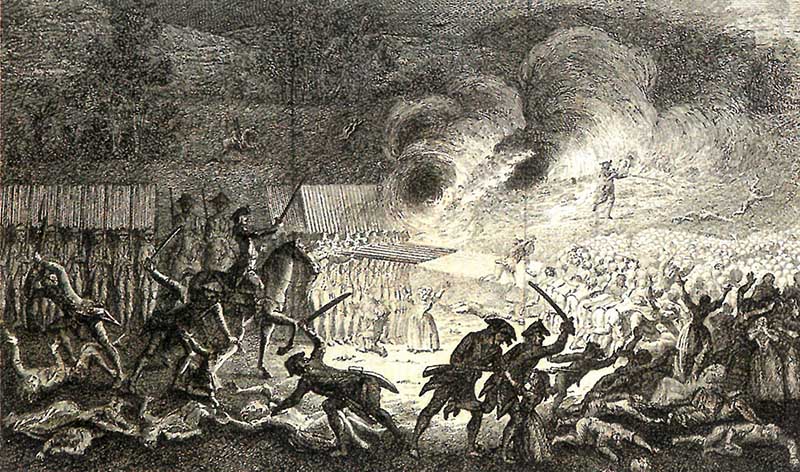
Overview of the Vendée Massacres
The Vendée Massacres occurred during the War in the Vendée, a counter-revolutionary uprising in western France from 1793 to 1796. The conflict was marked by violent cl...
Explore event →History does not happen in isolation. Explore world events across time, follow the connections between them, and investigate the threads that reveal how one event can lead to another.
TheTimeMap currently follows events across 95 countries and 268 years of history — building a connected archive designed for people who want to look beyond the headline.
We oppose antisemitism, racism, and dehumanization — everywhere.
When people stop feeling, injustice becomes easy.
The Vendée Massacres occurred during the War in the Vendée, a counter-revolutionary uprising in western France from 1793 to 1796. The conflict was marked by violent cl...
Explore event →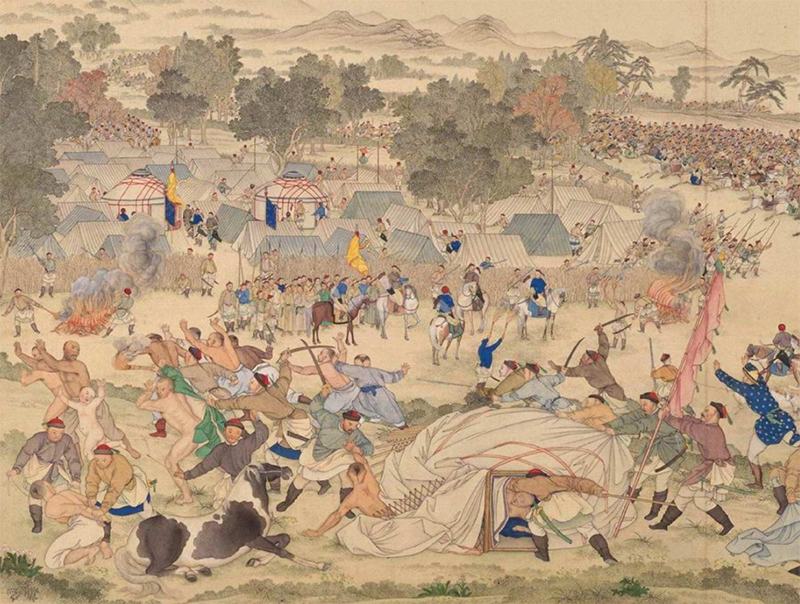
The Dzungar Genocide refers to the systematic destruction of the Dzungar people by the Qing dynasty during the mid-18th century.Between 1755 and 1758, the Qing governm...
Explore event →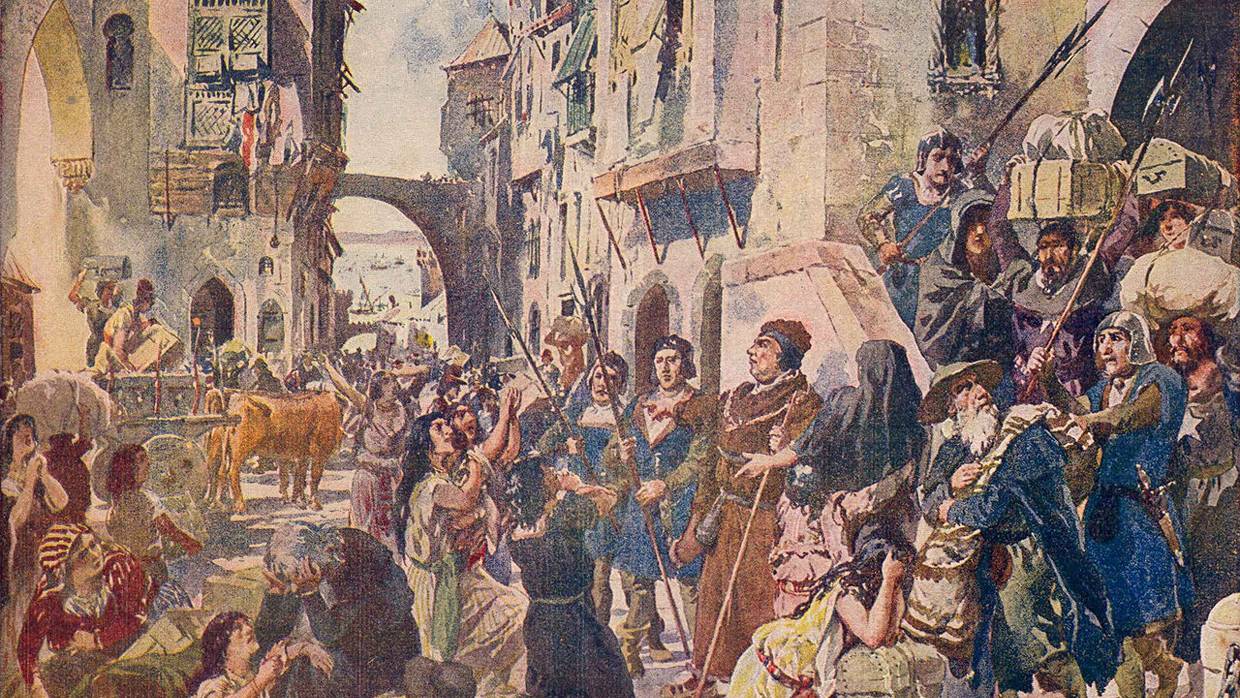
Expulsion of Jews from Portugal On December 5, 1497, King Manuel I of Portugal issued an edict requiring all Jews to either convert to Christianity or leave the kingd...
Explore event →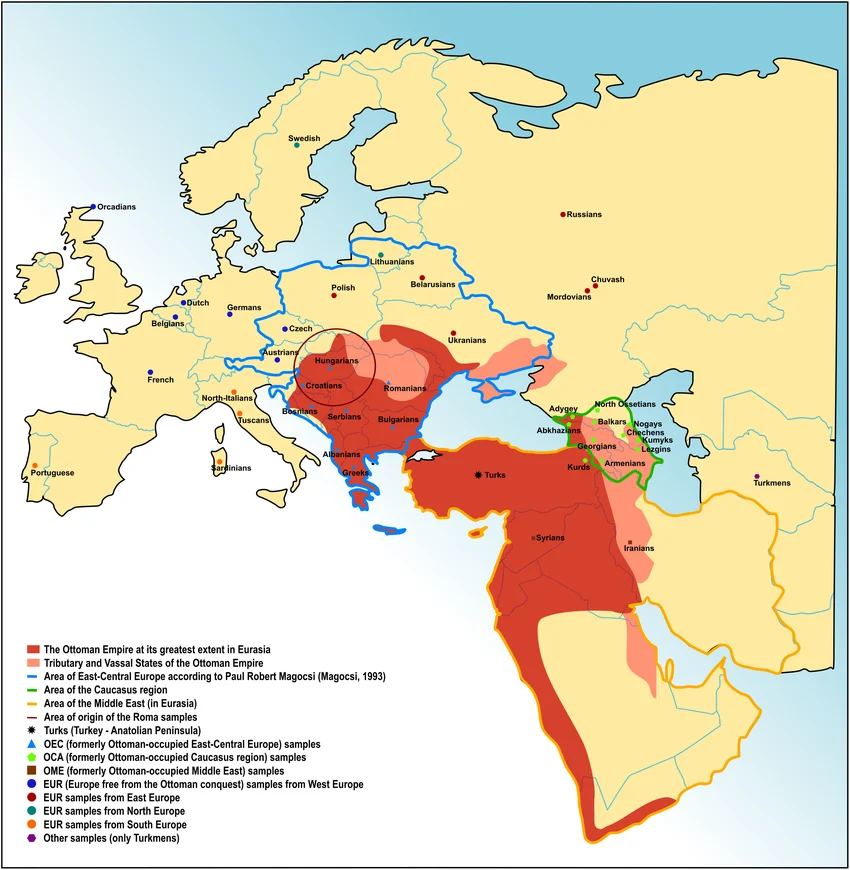
The Ottoman Empire expanded from a small Anatolian principality into one of the largest empires in history. Between the fourteenth and early twentieth centuries, Ottom...
Explore event →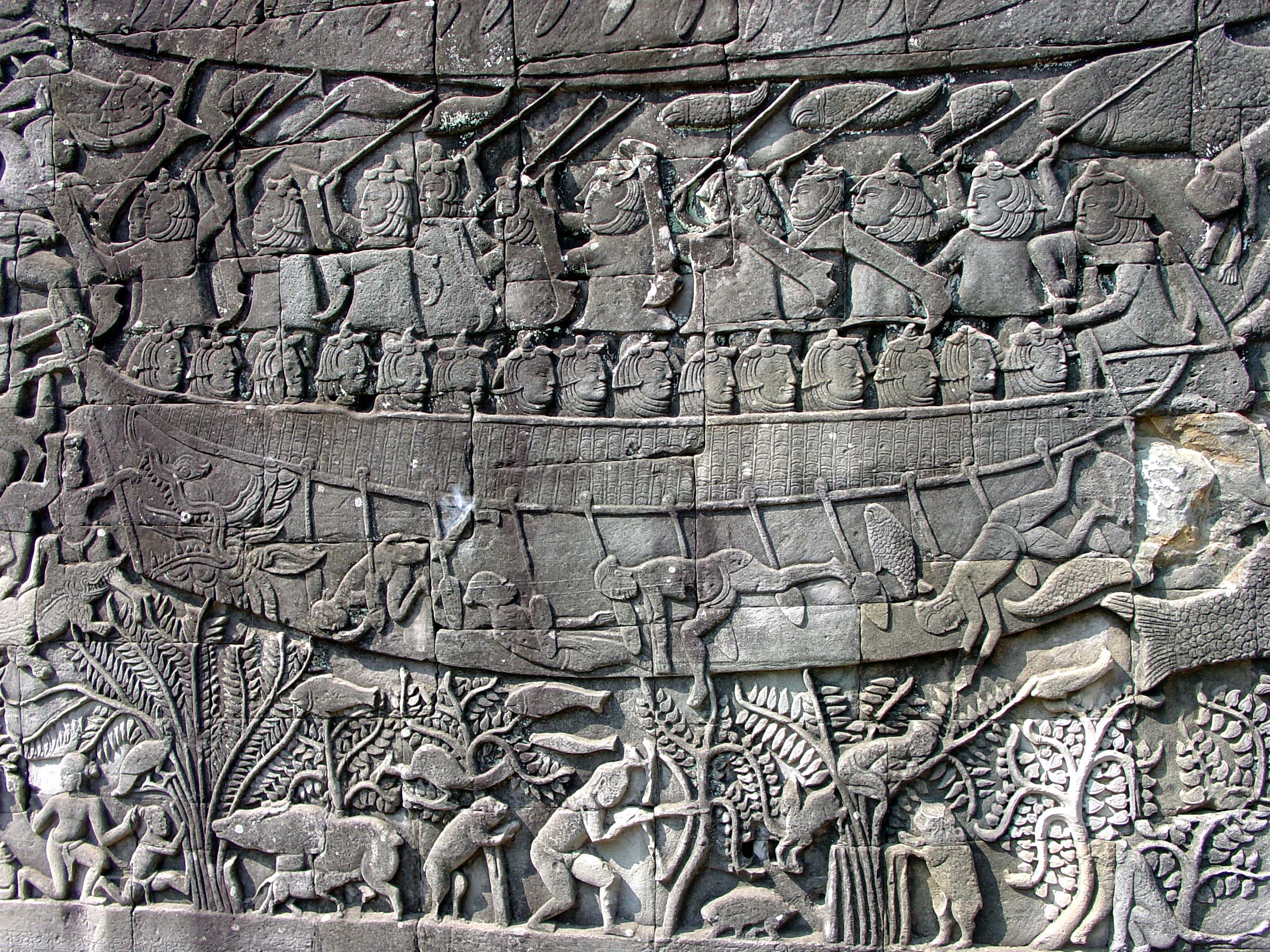
Cham forces launched a large-scale raid against the northern Vietnamese territory of Jiaozhi, resulting in the sacking of the city and widespread destruction. The atta...
Explore event →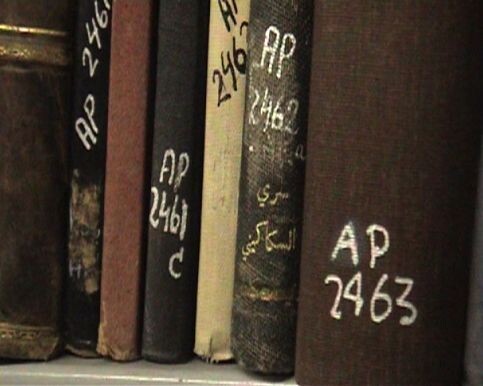
Great Book Robbery of 1948 In 1948, during the Arab–Israeli War following the end of the British Mandate for Palestine, thousands of books and manuscripts were stolen...
Explore event →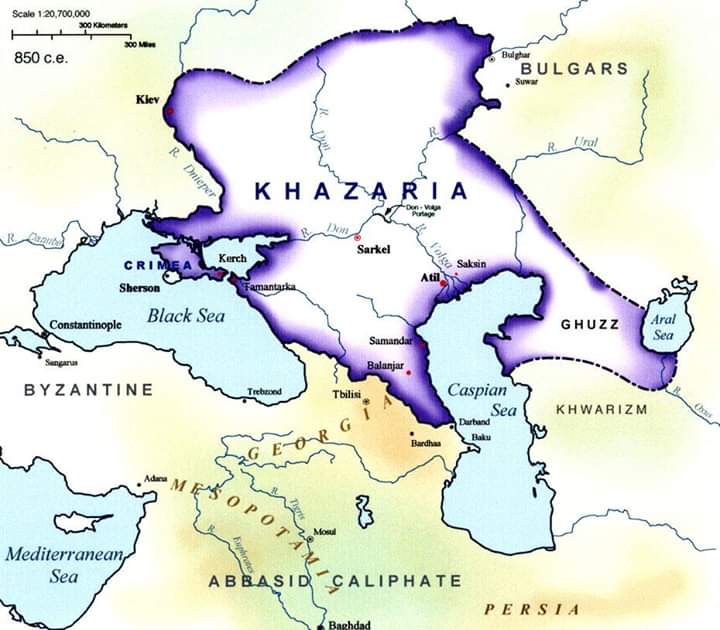
The Khazarian Empire: History, Territory, and Conversion to Judaism The Khazar Empire was a Turkic polity that emerged in the mid-seventh century and became...
Explore event →
Chang’an, the capital of the Tang dynasty, was violently sacked by rebel forces led by Huang Chao. The siege resulted in widespread destruction and the collapse of cen...
Explore event →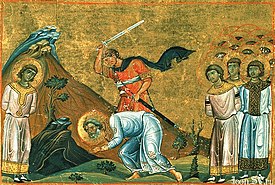
Najran Massacre 523 AD In 523 AD, the Himyarite king Yusuf Asar Dhu Nuwas, a Jewish ruler of the Himyarite Kingdom in present day Yemen, targeted the Christia...
Explore event →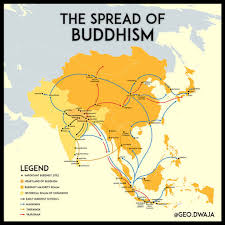
Buddhism spread into China primarily through cultural and trade exchanges along the Silk Road. Merchants, monks, and travelers introduced Buddhist teachings and texts ...
Explore event →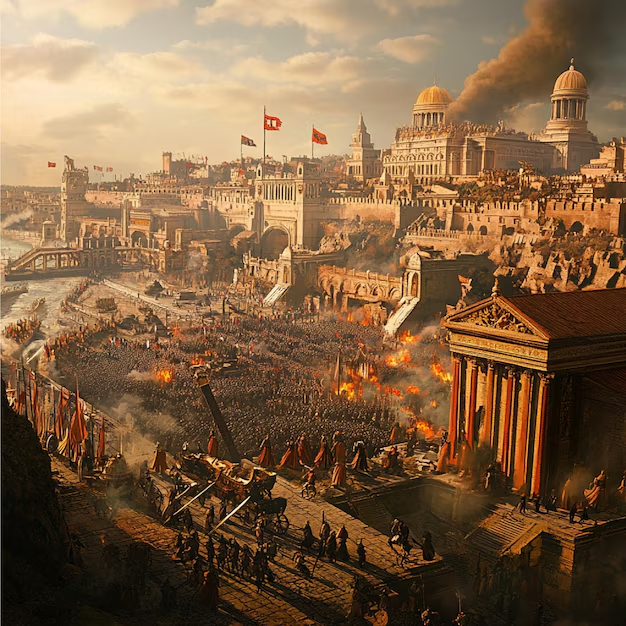
The last Western Roman emperor, Romulus Augustulus, was deposed. This event traditionally marks the end of ancient Rome and the beginning of the Middle Ages. Christi...
Explore event →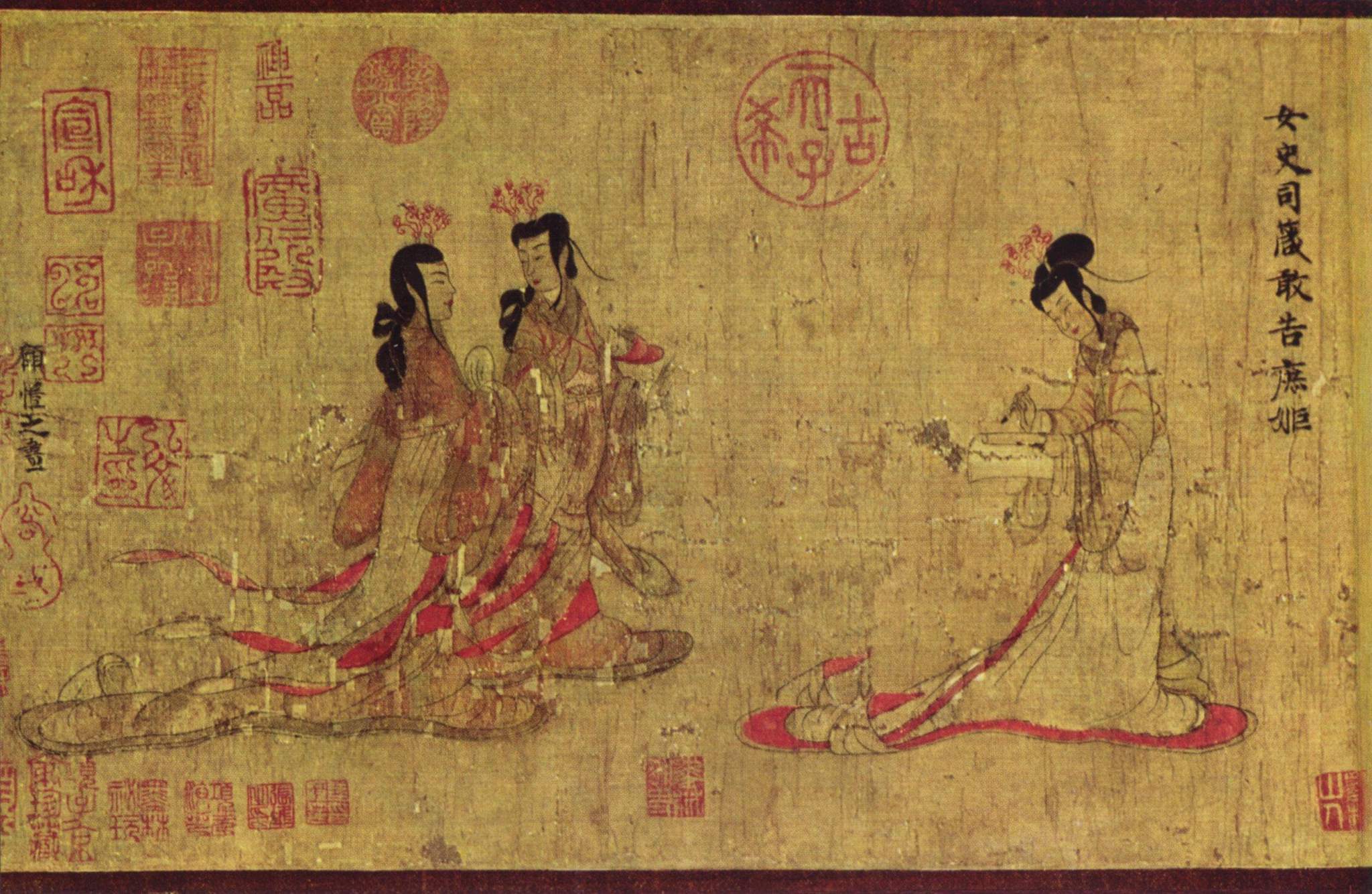
The Jin dynasty court experienced severe internal divisions fueled by rival factions vying for control after a series of military defeats. These conflicts weakened cen...
Explore event →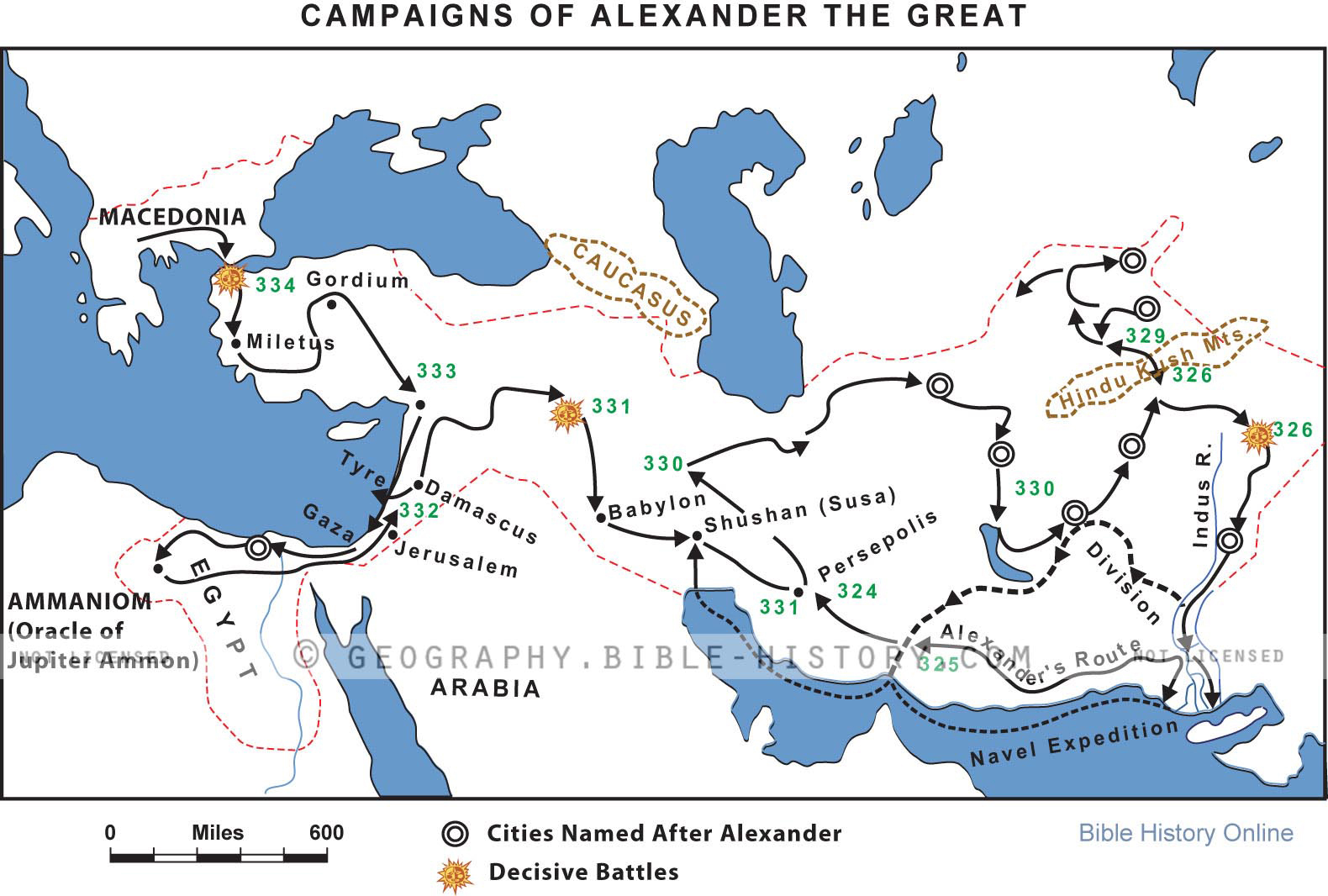
Alexander the Great Travels Through Palestine In October 332 B.C., during his campaign against the Persian Empire, Alexander III of Macedon, commonly known as Alexand...
Explore event →
The resurrection of Jesus Christ marks a central event in Christian belief, symbolizing his victory over death. Following his crucifixion, accounts describe Jesus risi...
Explore event →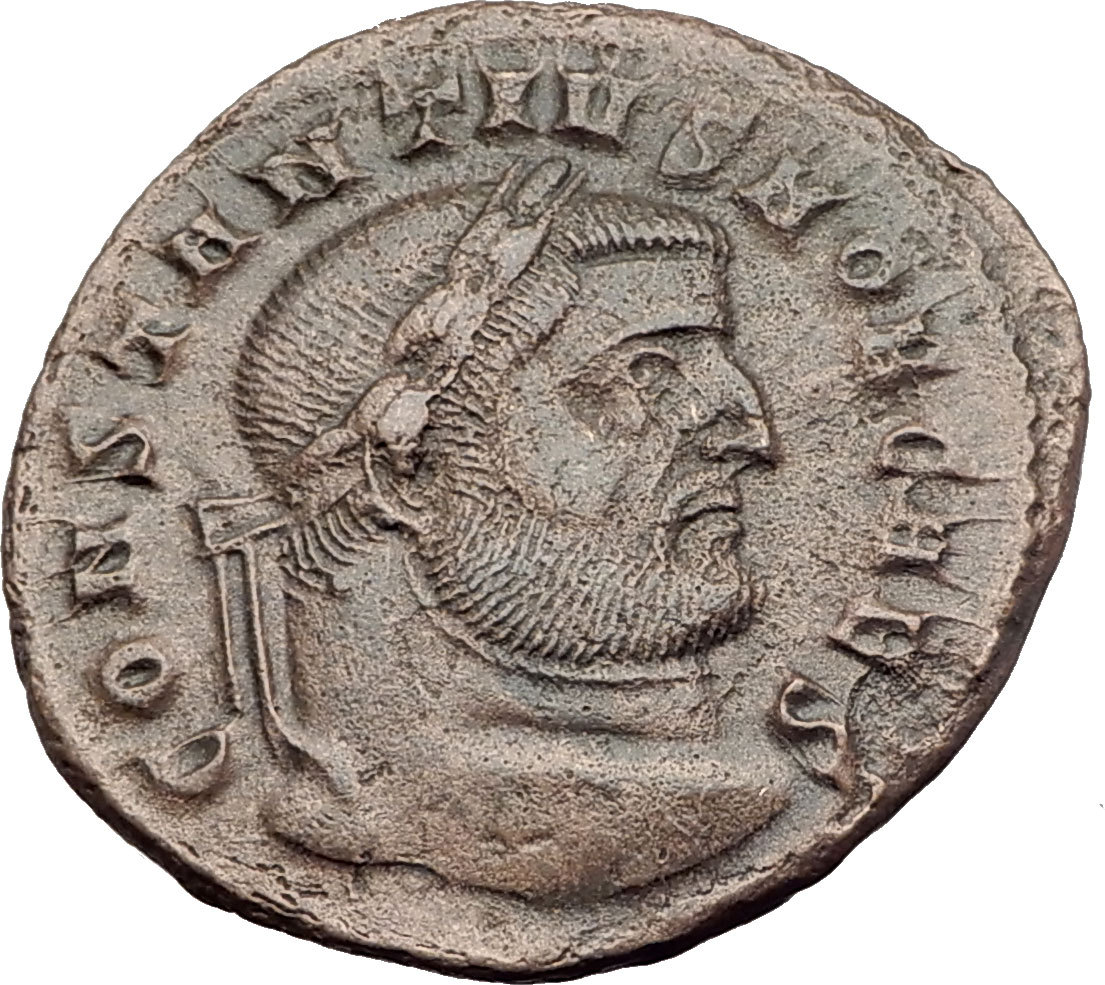
Constantius Chlorus was elevated to the rank of Augustus on May 1st, 305, following the abdication of the previous Tetrarchs, Diocletian and Maximian. This event marke...
Explore event →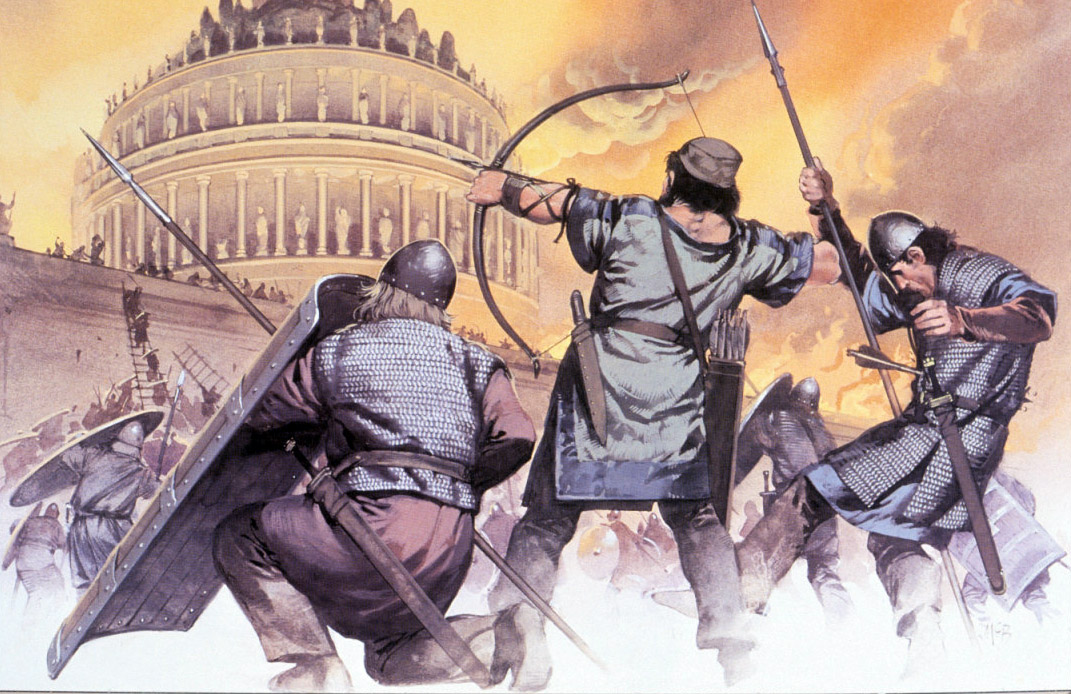
Emperor Diocletian formally abdicated the throne, marking a rare voluntary withdrawal from power by a Roman emperor. This significant event occurred as part of the Tet...
Explore event →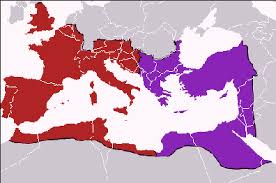
The Tetrarchy was established by Emperor Diocletian in 293 to address administrative and military challenges in the Roman Empire. This political system divided the emp...
Explore event →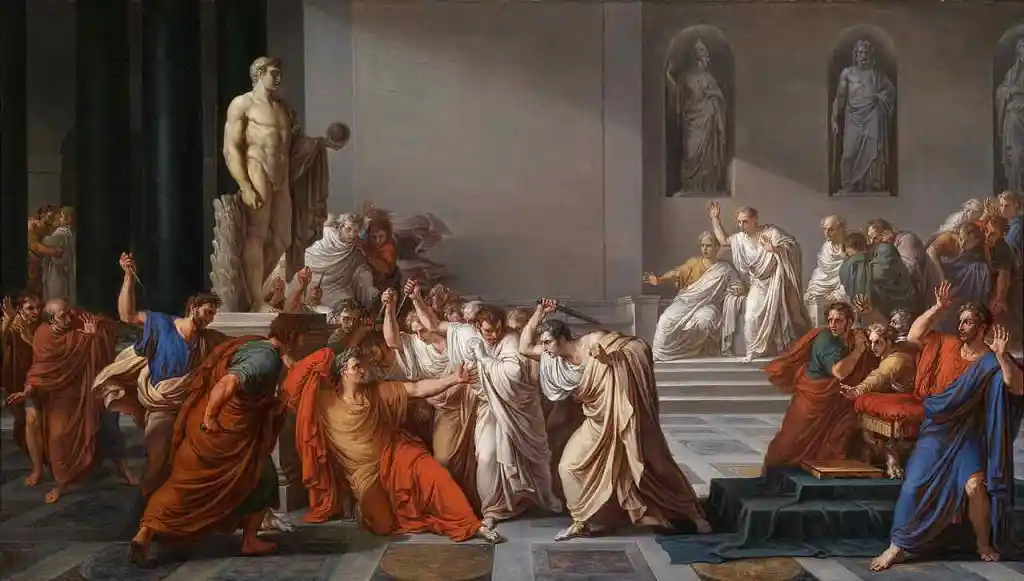
Roman Emperor Numerian died under suspicious circumstances while returning from a campaign in the East. His death was discovered by his troops near the region of Cordu...
Explore event →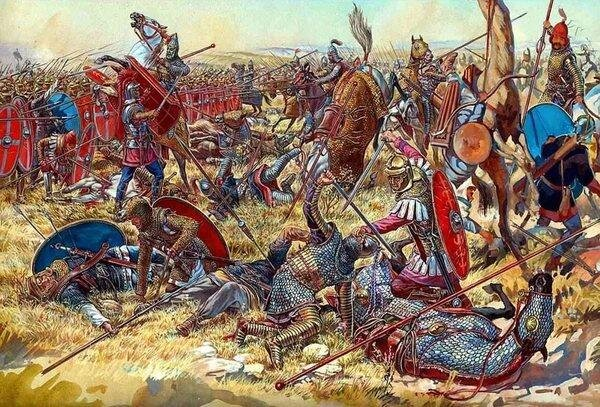
The Roman Emperor Carus launched a military campaign against the Sasanian Empire, targeting their capital, Ctesiphon. The campaign sought to counter Persian influence ...
Explore event →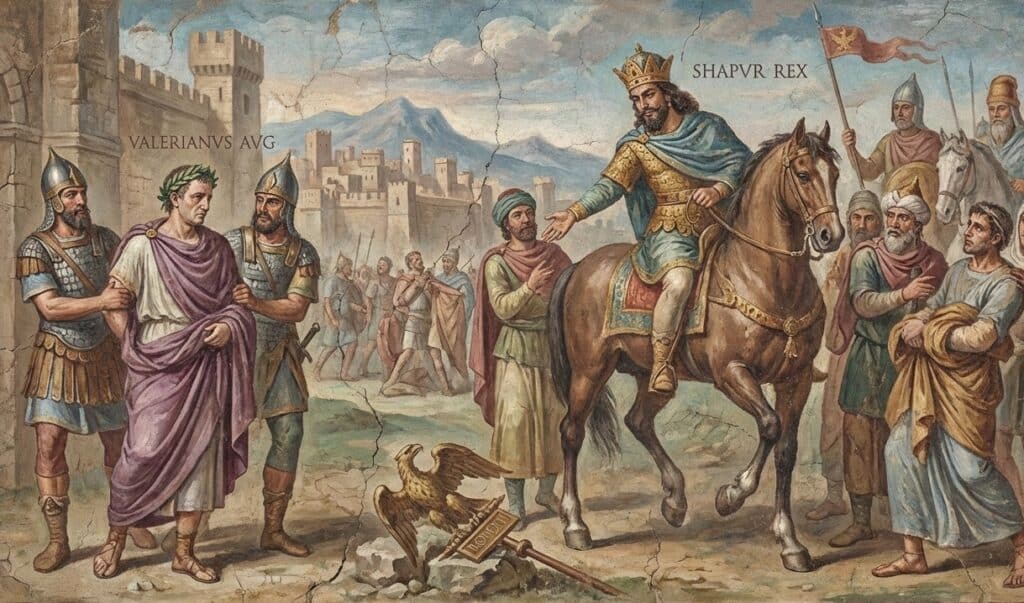
Roman Emperor Valerian was captured by the Sasanian Persian ruler Shapur I during the Battle of Edessa, a significant conflict between the Roman and Sasanian empires. ...
Explore event →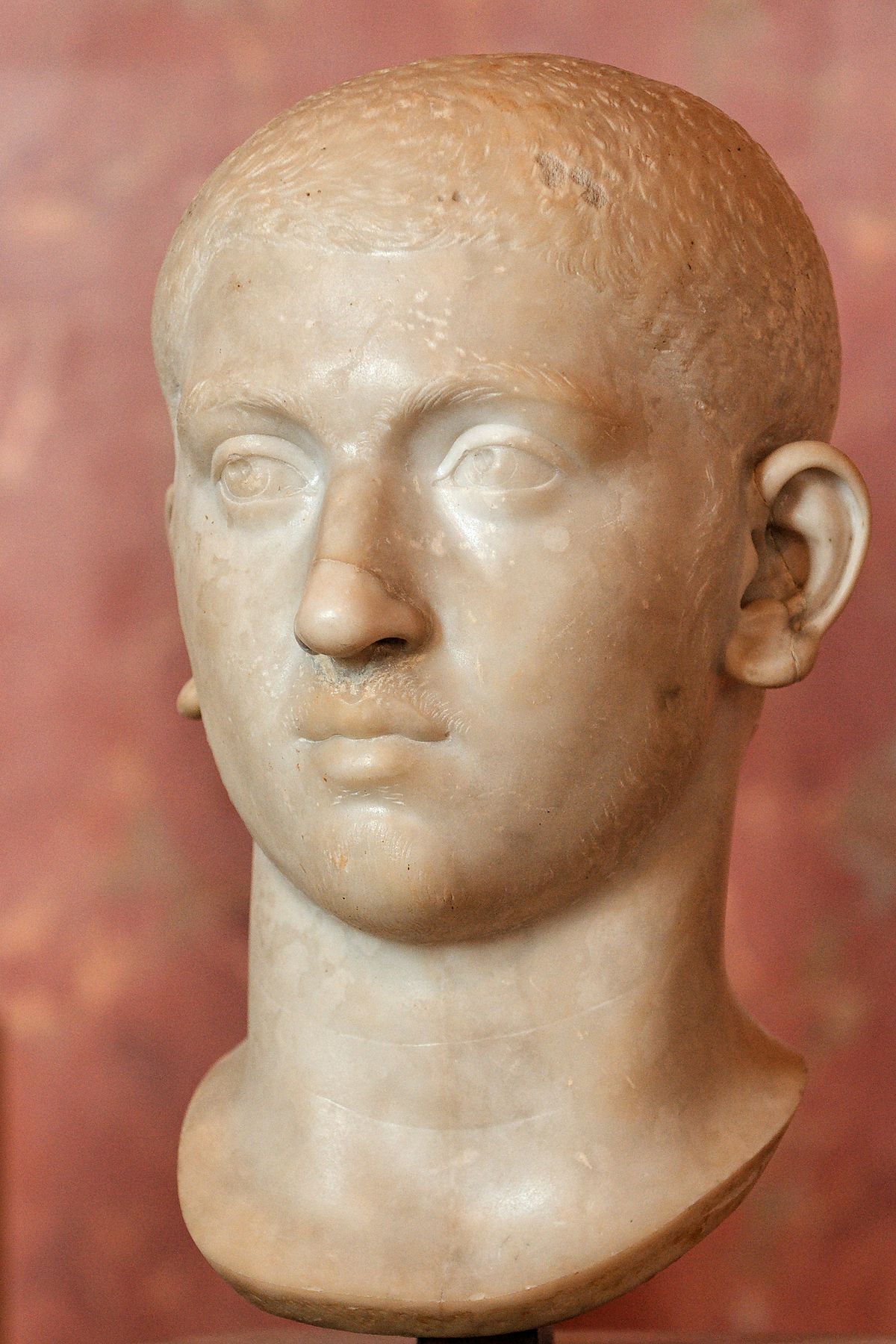
Severus Alexander, the last emperor of the Severan dynasty, was assassinated by his own soldiers in March of 235 CE near the city of Mutina along the Danube frontier. ...
Explore event →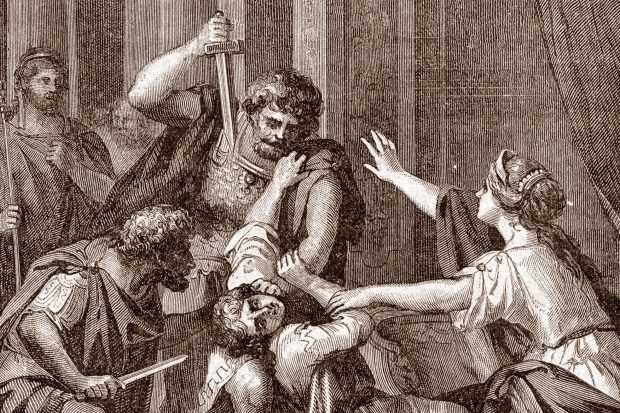
Geta, co-emperor of the Roman Empire alongside his brother Caracalla, was assassinated in Alexandria under political tension and rivalry. The murder occurred shortly a...
Explore event →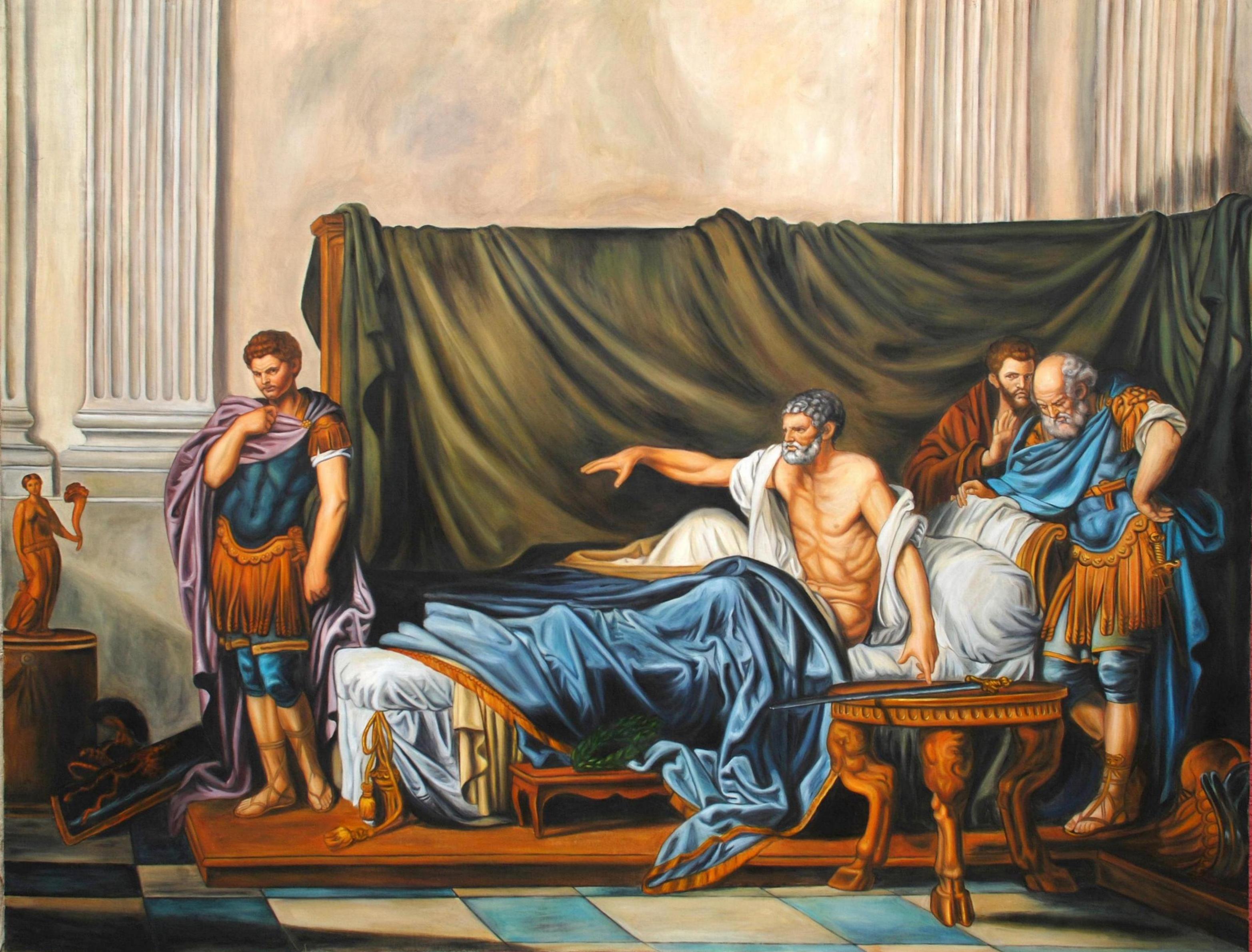
Septimius Severus, Roman Emperor, died on February 4th while in the city of Lugdunum, in the Roman province of Gallia Lugdunensis. His death marked the end of his two-...
Explore event →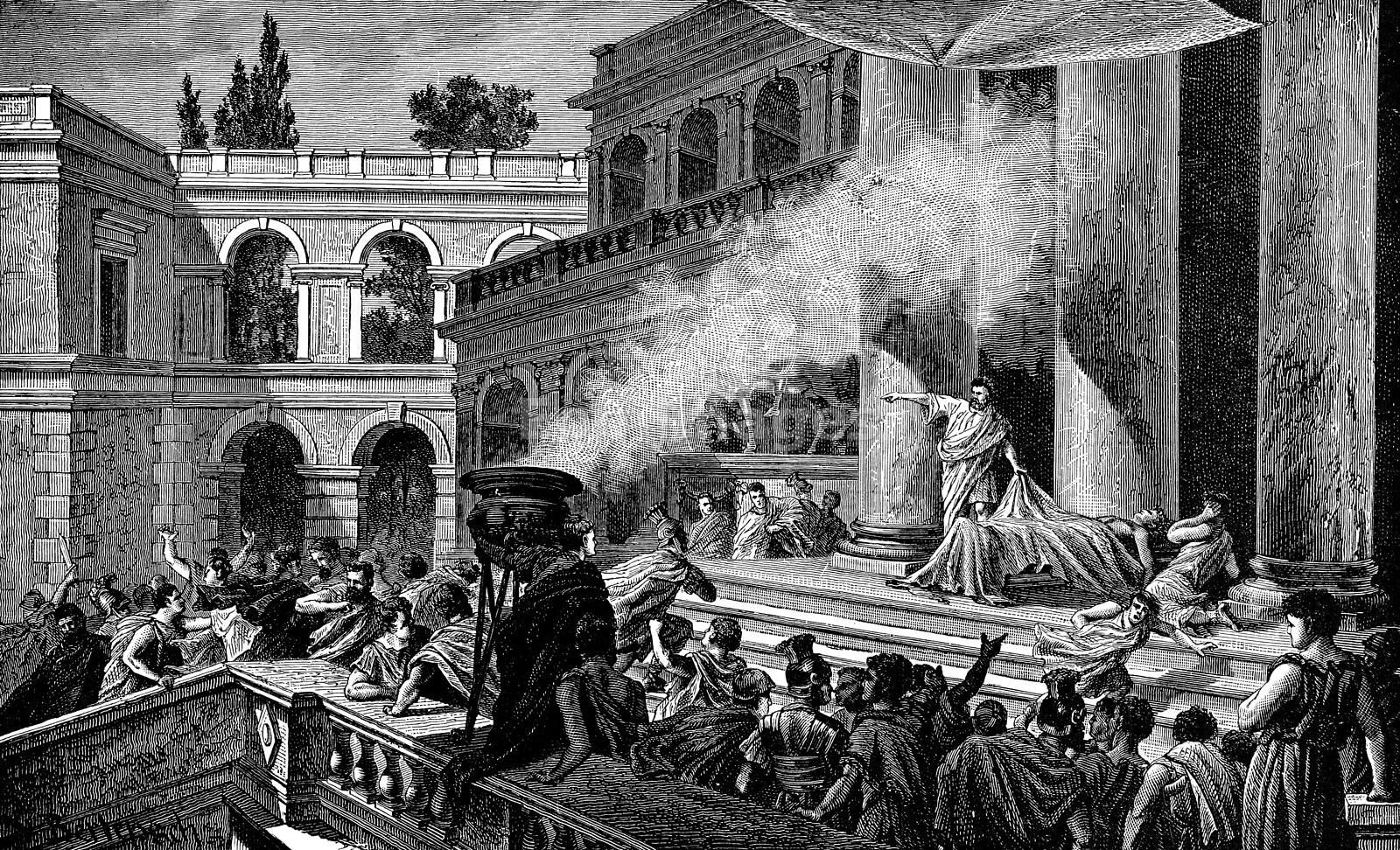
Roman Emperor Septimius Severus led a military campaign against the Parthian Empire, culminating in the siege and sack of Ctesiphon, the Parthian capital. This marked ...
Explore event →
January–August 1997 — The collapse of enormous fraudulent investment schemes wipes out the savings of hundreds of thousands of Albanians. Armed rebellion spreads, mili...
Explore research
Henry Kissinger delivered the opening address at the European Management Symposium in Davos in 1980. The World Economic Forum identifies this as his first appearance a...
Explore research
21 February 1916 — Germany launches a major offensive against the fortified Verdun region. French forces commit enormous manpower and artillery to prevent the fortress...
Explore research
19 February 1915 — British and French naval forces begin major operations against the Ottoman defenses of the Dardanelles. The Allies hope to force the straits, threat...
Explore research
1915–1917 — Commanders increasingly seek to exhaust enemy manpower, artillery and industrial capacity faster than their own side is depleted. Verdun and the Somme beco...
Explore research
September–November 1914 — After the Marne, both sides repeatedly attempt to turn the other's flank. The maneuvering eventually reaches the North Sea and creates a larg...
Explore research
1914–1919 — Room 40 is the British Admiralty's cryptanalytic organization responsible for intercepting and decoding important German communications. Its intelligence c...
Explore research
January–August 1912 — Albanian insurgents launch a major revolt against Ottoman authority. Rebel forces eventually enter Skopje and force the Ottoman government to acc...
Explore research
1912–1914 — Officials in Germany and Austria-Hungary increasingly fear that Russia and Serbia will become stronger with time. Railway construction, military reforms, p...
Explore research
c. 1830–1912 — The Rilindja Kombëtare develops through writers, educators, political activists and diaspora networks. Albanian-language education and publishing become...
Explore research
17 January 1468 — Gjergj Kastrioti Skanderbeg dies at Lezhë after more than two decades as the central figure of Albanian resistance to Ottoman expansion. His leadersh...
Explore research
969 CE — Fatimid forces establish al-Qahira, Cairo, as a new royal and military city. The settlement grows beside older Fustat and eventually absorbs it into an enormo...
Explore research
7th–10th centuries — Arabic increasingly replaces Greek and Coptic in government and eventually becomes the dominant spoken language. Conversion to Islam occurs over g...
Explore research
639–642 CE — Forces commanded by Amr ibn al-As invade Byzantine Egypt during the early Islamic conquests. Byzantine resistance collapses gradually, and Alexandria even...
Explore research
1st–4th centuries CE — Christianity spreads widely through Egypt and produces one of the ancient world's most important Christian traditions. Egyptian monasticism prof...
Explore research
1st–4th centuries CE — Christianity spreads through the Roman Balkans and eventually becomes institutionally established. Bishoprics emerge in important cities includi...
Explore research
30 BCE–395 CE — Egypt remains one of the Roman Empire's wealthiest provinces. Alexandria continues as a major commercial and intellectual center while traditional Egyp...
Explore research
c. 500 BCE–1100 CE — Modern Albanian is generally considered an ancient Balkan Indo-European language, but its precise ancient ancestor remains uncertain. Continuity f...
Explore research
Untitledc. 747–656 BCE — Kings from the Nubian kingdom of Kush expand north and eventually control Egypt as the Twenty-Fifth Dynasty. They deliberately present themsel...
Explore research
c. 1070–664 BCE — Political power is divided among several dynasties and regional centers. Libyan-descended ruling families establish dynasties in northern Egypt, whil...
Explore research
c. 1274 BCE — Egyptian forces under Ramesses II fight the Hittite army near Kadesh in Syria. Egyptian inscriptions present the battle as a spectacular personal victory...
Explore research
c. 1479–1458 BCE — Hatshepsut begins as regent for the young Thutmose III but eventually assumes full pharaonic titles. Royal imagery increasingly depicts her with tra...
Explore research
c. 2181–2055 BCE — Egypt is politically divided among competing centers, especially Herakleopolis in the north and Thebes in the south. Provincial rulers exercise grea...
Explore research
c. 2200–2181 BCE — Central royal authority weakens as powerful provincial elites gain greater independence. Low Nile floods and climatic instability may have intensifi...
Explore research