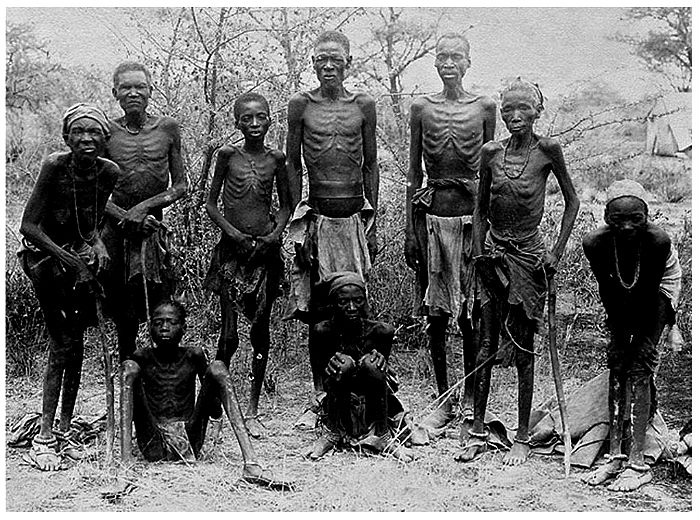
Historical Overview of Khoisan Genocide
The Khoisan genocide refers to the systematic killings and displacement of the indigenous Khoisan peoples of Southern Africa during the 18th and 19th centuries. This g...
Explore event →History does not happen in isolation. Explore world events across time, follow the connections between them, and investigate the threads that reveal how one event can lead to another.
TheTimeMap currently follows events across 95 countries and 268 years of history — building a connected archive designed for people who want to look beyond the headline.
We oppose antisemitism, racism, and dehumanization — everywhere.
When people stop feeling, injustice becomes easy.
The Khoisan genocide refers to the systematic killings and displacement of the indigenous Khoisan peoples of Southern Africa during the 18th and 19th centuries. This g...
Explore event →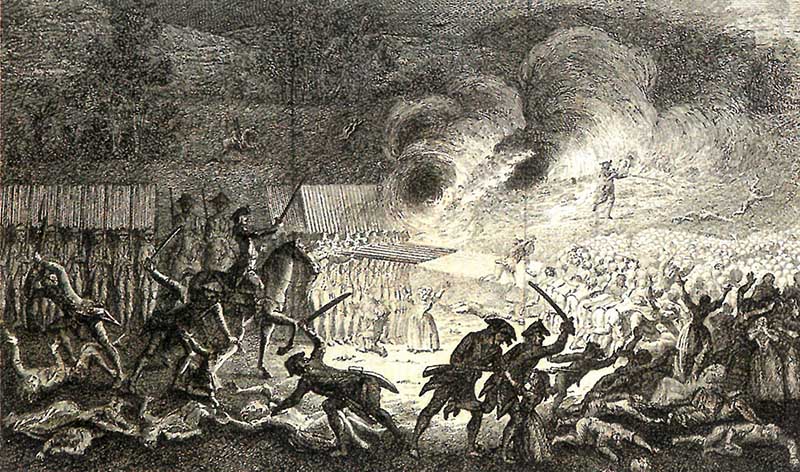
The Vendée Massacres occurred during the War in the Vendée, a counter-revolutionary uprising in western France from 1793 to 1796. The conflict was marked by violent cl...
Explore event →
Emancipation of Jews in Russia under Catherine II In 1791, Empress Catherine II of Russia issued policies regulating the settlement and legal status of Jewish populat...
Explore event →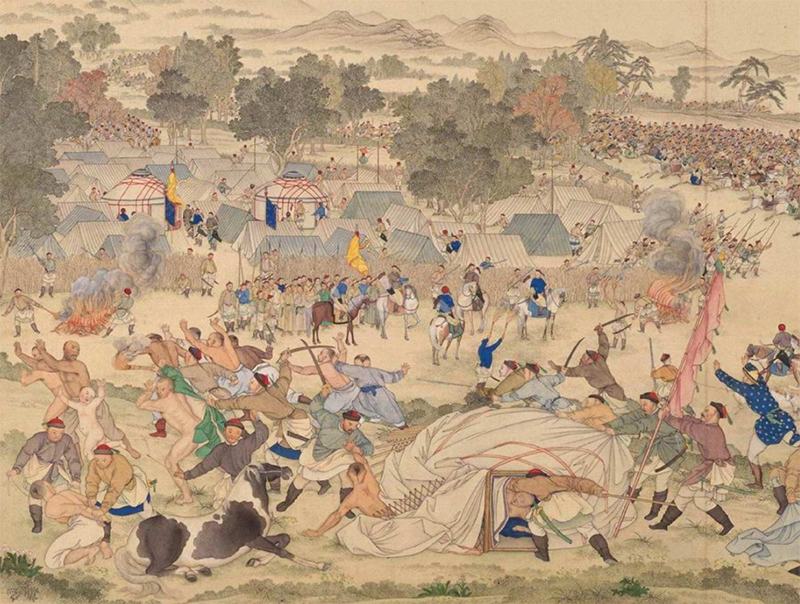
The Dzungar Genocide refers to the systematic destruction of the Dzungar people by the Qing dynasty during the mid-18th century.Between 1755 and 1758, the Qing governm...
Explore event →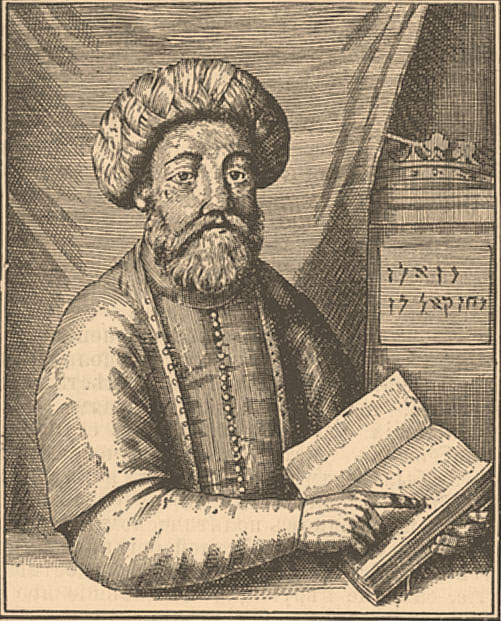
The Dönmeh were a religious community that emerged in the late 17th century within the Ottoman Empire, originating from followers of Sabbatai Zevi, a Jewish rabbi who ...
Explore event →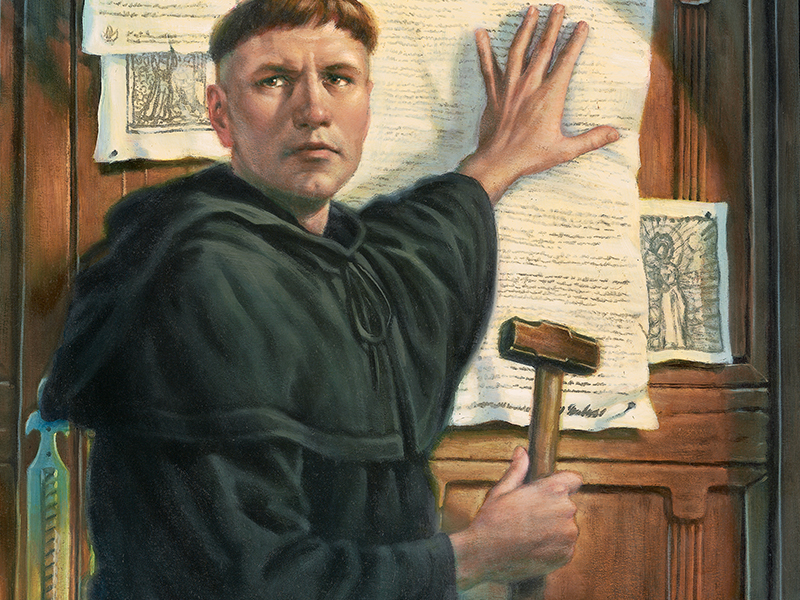
The Ninety-Five Theses body { font-family: Arial, Helvetica, sans-serif; line-height: 1.6; margin: 40px; ...
Explore event →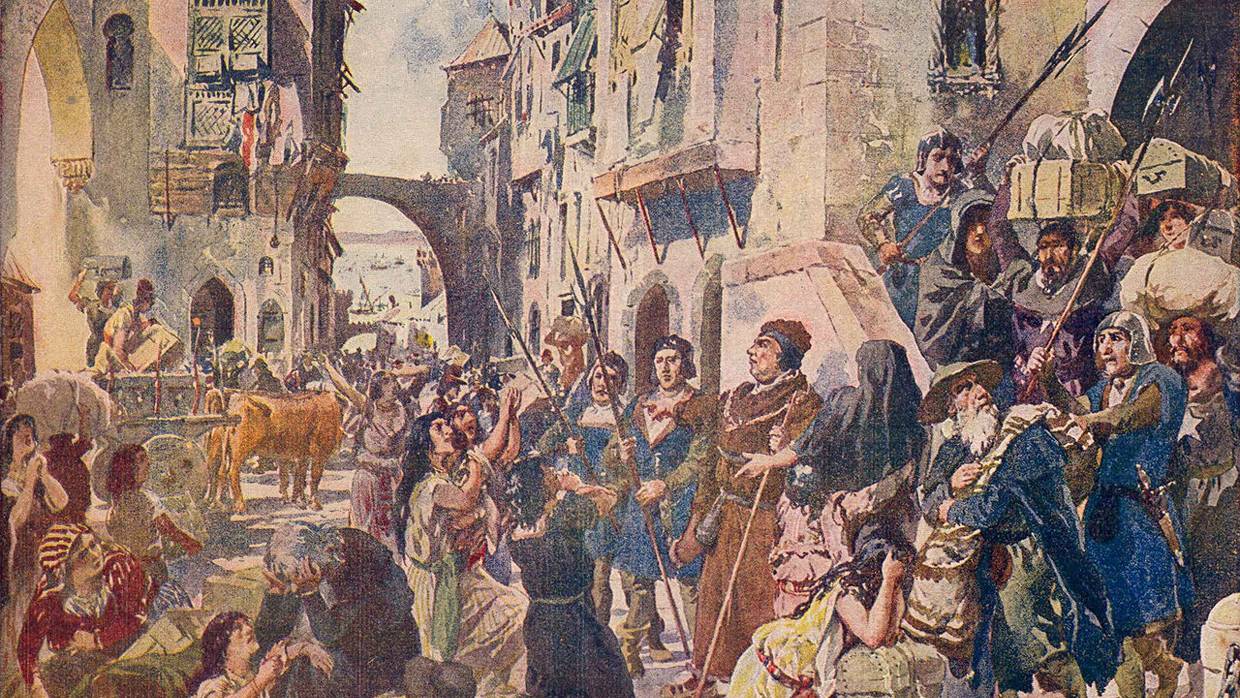
Expulsion of Jews from Portugal On December 5, 1497, King Manuel I of Portugal issued an edict requiring all Jews to either convert to Christianity or leave the kingd...
Explore event →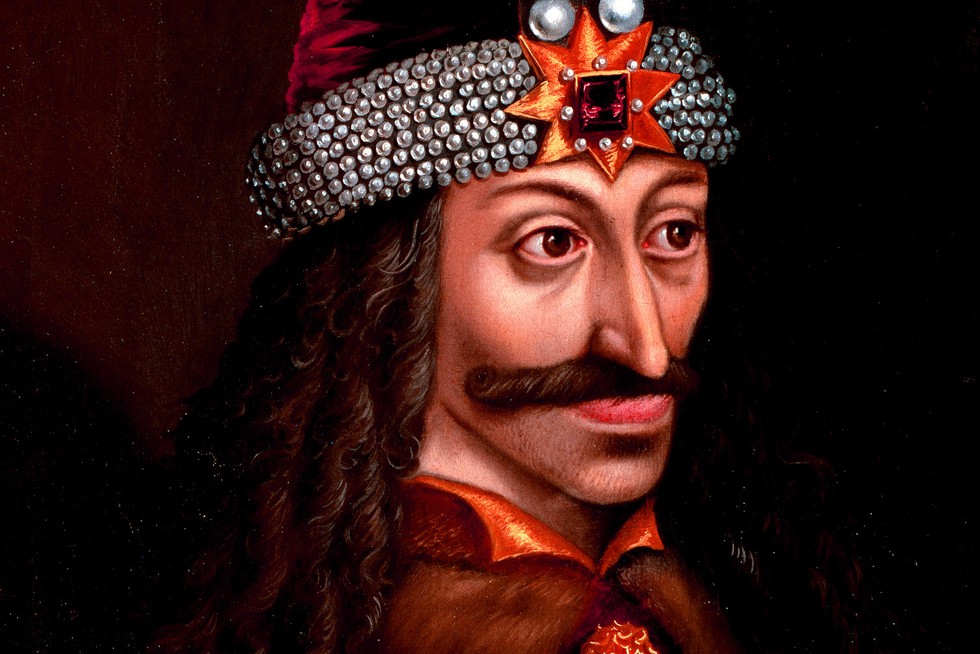
Vlad III Dracula, Prince of Wallachia Vlad III, also known as Vlad the Impaler or Dracula, was born in 1431 in Transylvania, part of the Kingdom of Hungary ...
Explore event →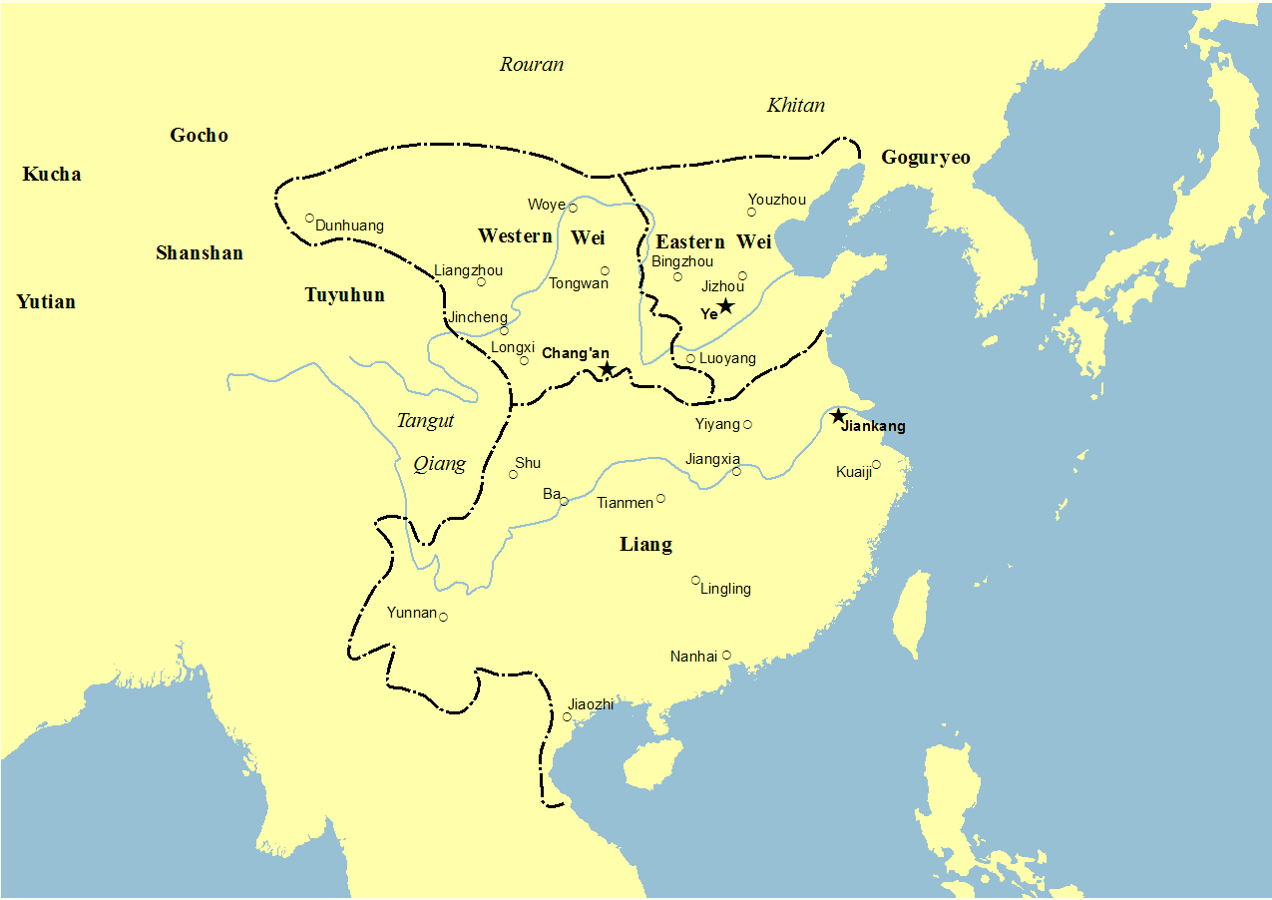
In early March 1371, Cham forces launched a significant raid on the Jiaozhi region of northern Vietnam. The attack targeted local settlements and disrupted the regiona...
Explore event →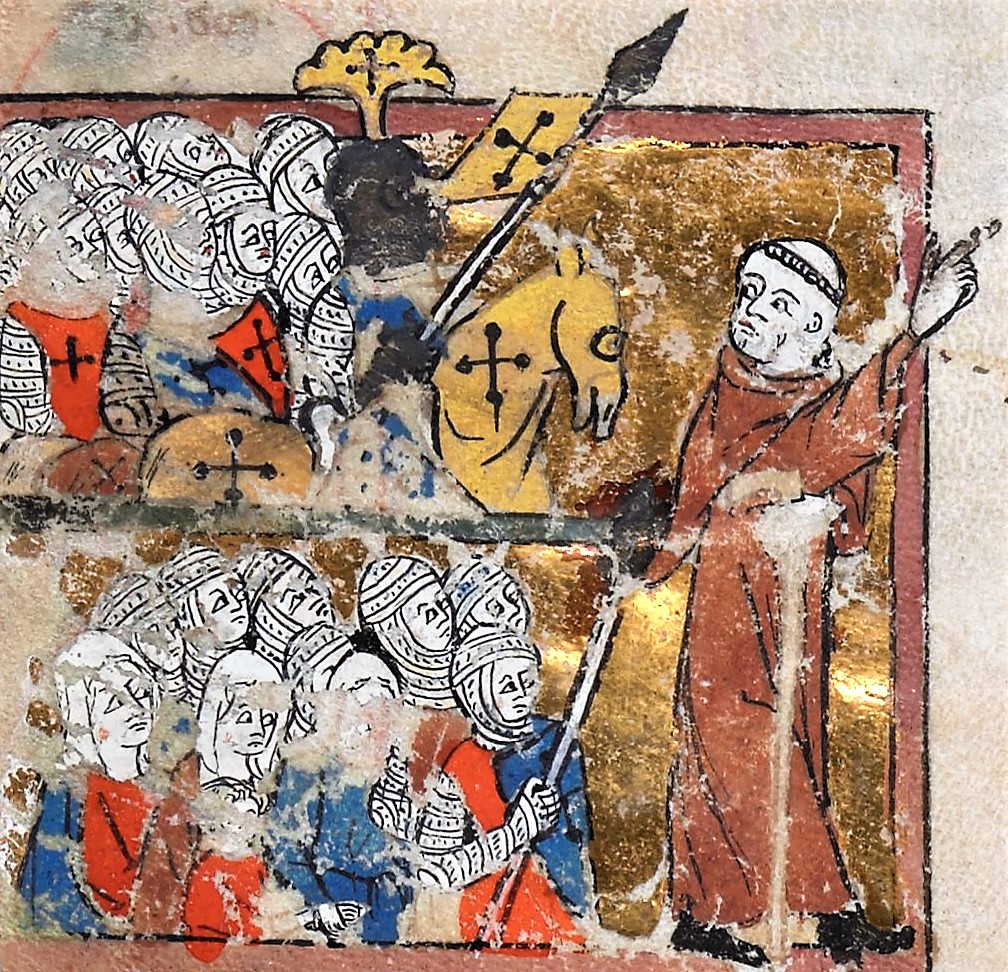
Origins And Objectives Of The Crusades The Crusades were a series of military campaigns initiated between 1095 and 1291, primarily aimed at capturing or def...
Explore event →
Great Book Robbery of 1948 In 1948, during the Arab–Israeli War following the end of the British Mandate for Palestine, thousands of books and manuscripts were stolen...
Explore event →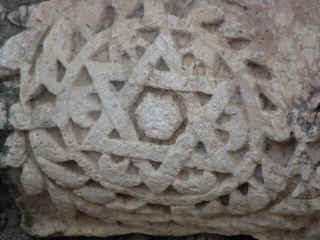
The “Star of Remphan” is a phrase found in the New Testament in the Book of Acts (Acts 7:43), where Stephen references Israelite idolatry while quoting from earlier He...
Explore event →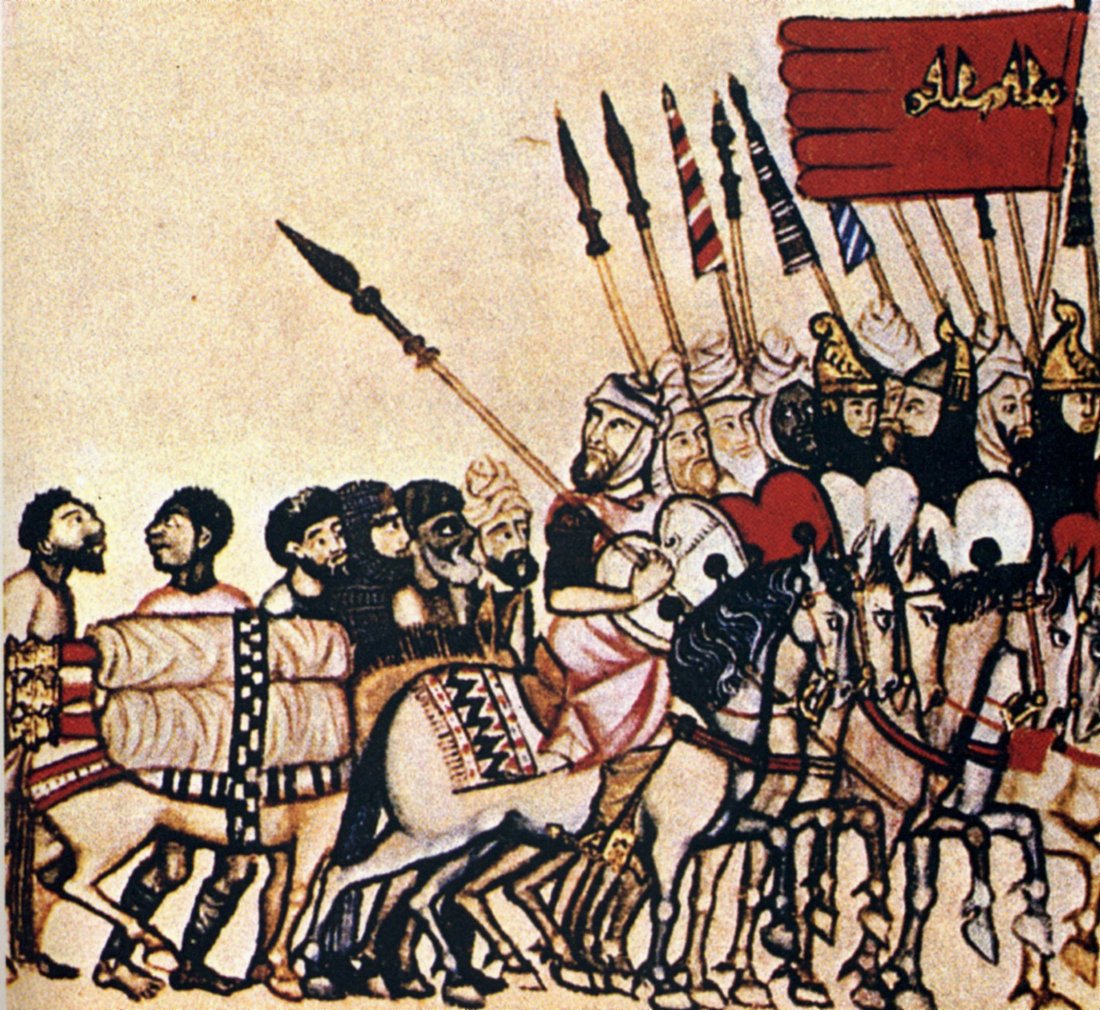
Moorish Invasion Of The Iberian Peninsula On April 30, 711, Umayyad forces led by the Berber commander Tariq ibn Ziyad crossed the Strait of Gibraltar from ...
Explore event →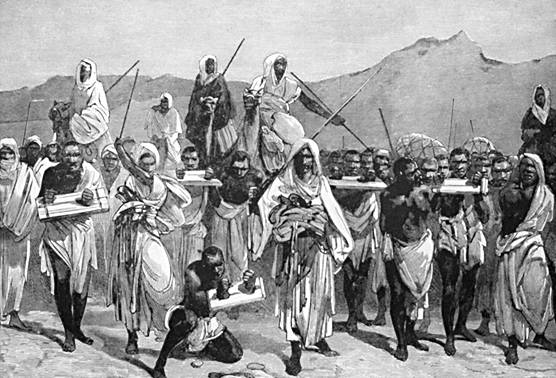
Trans‑Saharan Slave Trade The Trans‑Saharan slave trade began around the mid‑7th century following the Treaty of Baqt in 652 CE, which established formal rela...
Explore event →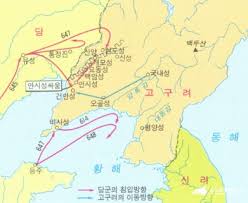
Goguryeo successfully repelled multiple invasions launched by the Tang dynasty of China during the 7th century. The capital fortress of Pyongyang became a critical def...
Explore event →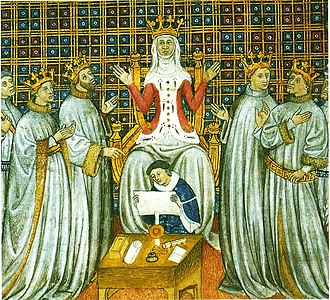
Clovis I, the first King of the Franks to unite all Frankish tribes under one ruler, died on November 27. His death marked a significant transition in early medieval E...
Explore event →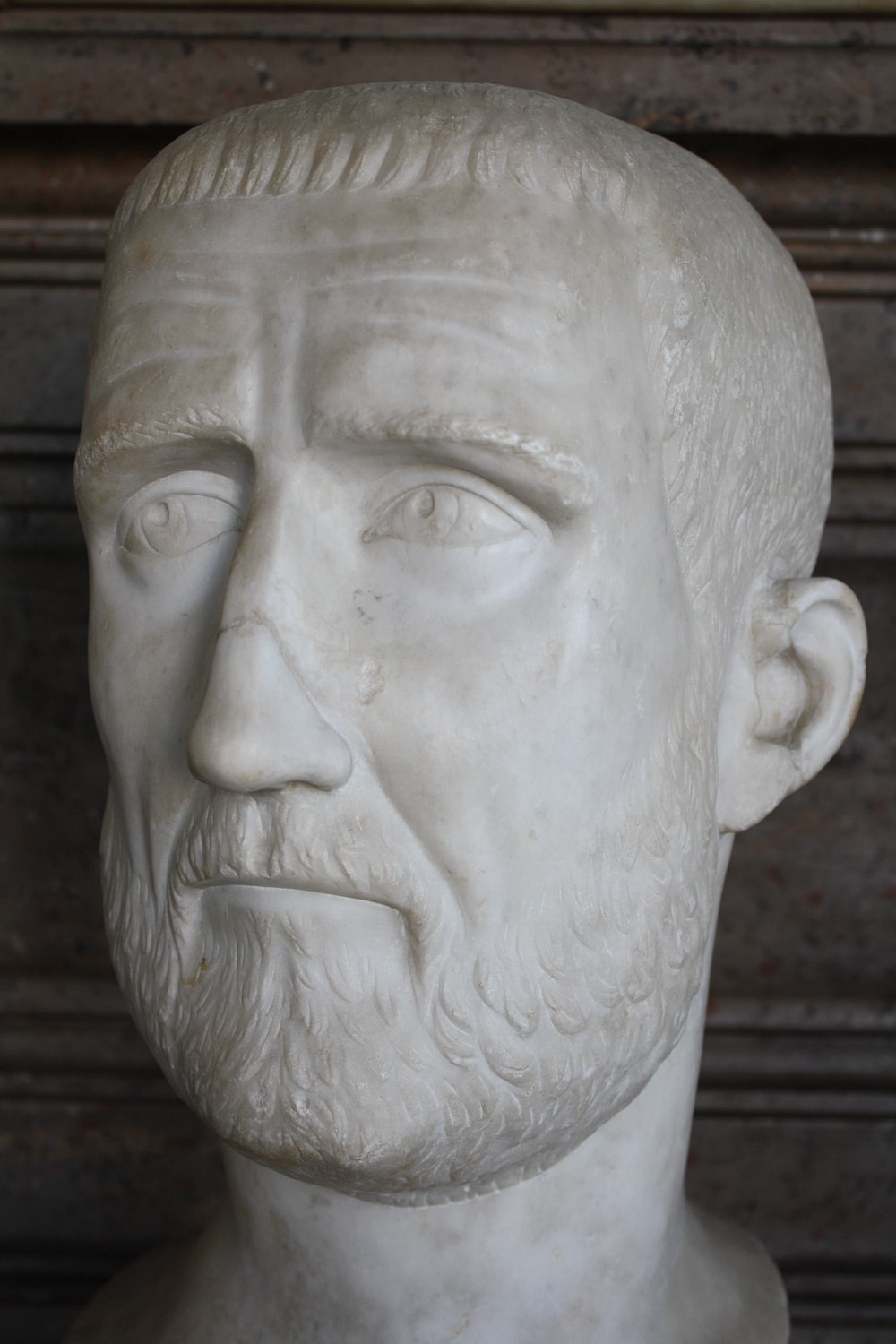
Marcus Aurelius Probus was proclaimed Roman Emperor by his troops in September 276 after the death of Emperor Florianus. His accession marked a period of efforts to re...
Explore event →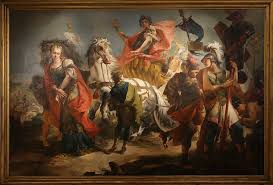
Emperor Aurelian mounted a decisive campaign against the breakaway Palmyrene Empire in 273, culminating in the defeat of Queen Zenobia's forces near Palmyra.This victo...
Explore event →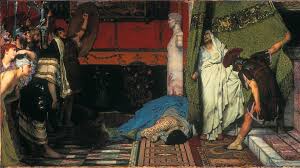
Macrinus, formerly a praetorian prefect, became Roman Emperor following the assassination of Caracalla. This marked a significant shift in imperial authority as Macrin...
Explore event →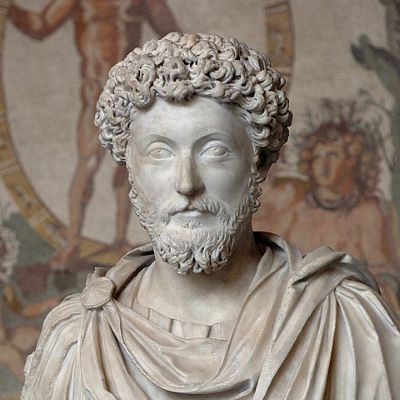
Marcus Aurelius, Roman Emperor and Stoic philosopher, died at the military camp in Vindobona on March 17th. His death marked the end of the Pax Romana, a period of rel...
Explore event →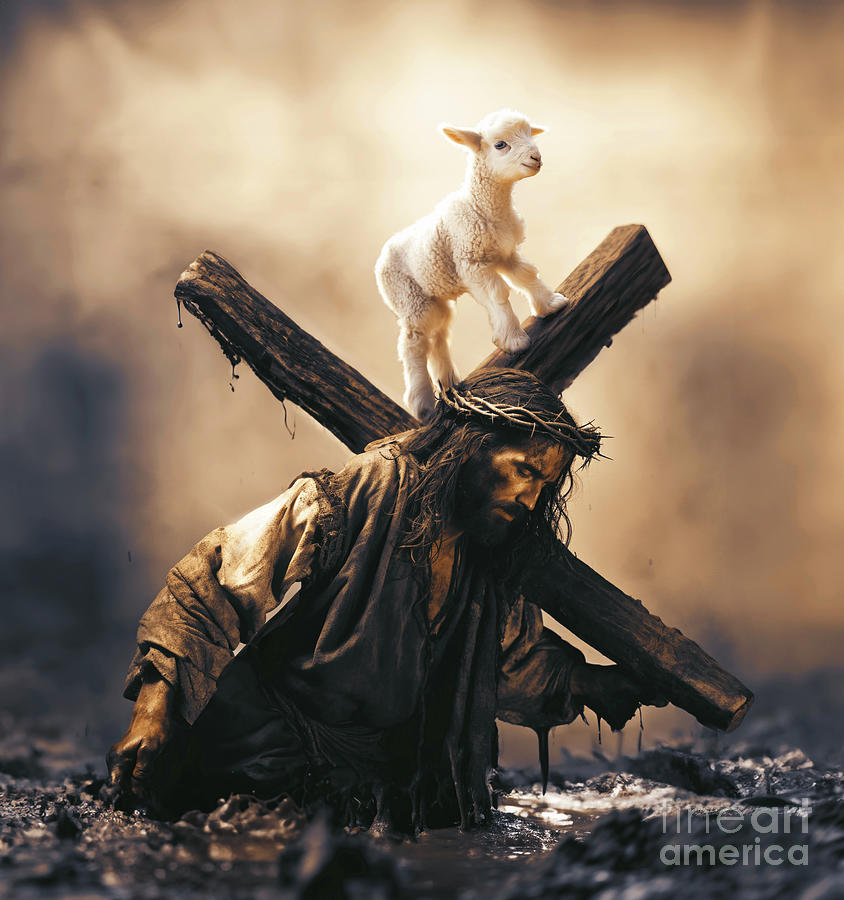
Event Timeline body { font-family: Arial, sans-serif; background-color: #f4f4f9; margin: 0; padding: 0; } .timeline-container { max-width: 800px; ...
Explore event →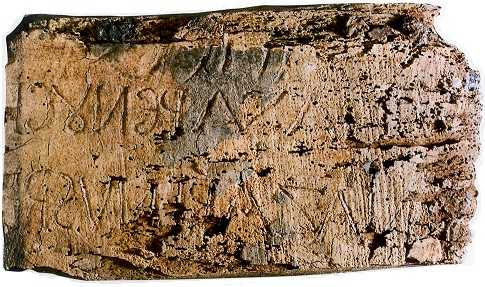
Titulus Above Jesus on the Cross According to the New Testament, Pontius Pilate ordered a sign to be placed above Jesus during his crucifixion. The Gospels ...
Explore event →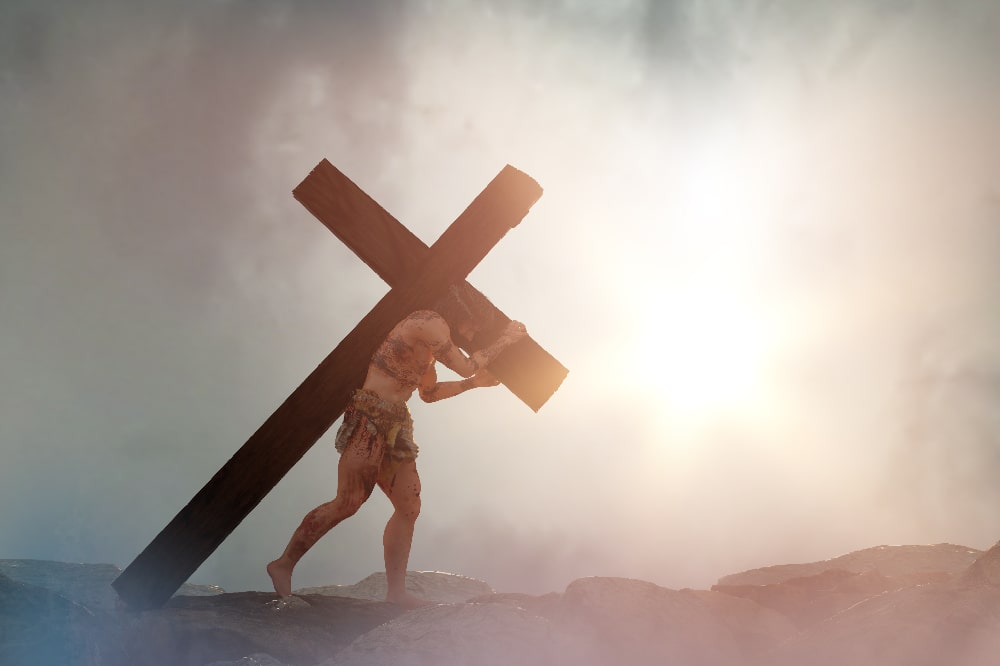
Jesus of Nazareth was executed by crucifixion under Roman governor Pontius Pilate in Jerusalem, during the period of Roman occupation of Judea. The event is documented...
Explore event →
17 November 2025 — Albania opens the final accession negotiating cluster, bringing all negotiating chapters into the accession process.
Explore research
27 June 2014 — Albania receives candidate status for membership in the European Union. Judicial reform, corruption, organized crime, public administration and rule of ...
Explore research
January–August 1997 — The collapse of enormous fraudulent investment schemes wipes out the savings of hundreds of thousands of Albanians. Armed rebellion spreads, mili...
Explore research
6 October 1981 — Islamist militants within the Egyptian military assassinate President Anwar Sadat during a military parade commemorating the 1973 war. The attack foll...
Explore research
26 March 1979 — Egypt and Israel sign a formal peace treaty in Washington. Israel agrees to withdraw from Sinai, which is gradually returned to Egyptian control. Egypt...
Explore research
17 September 1978 — Sadat and Israeli Prime Minister Menachem Begin sign agreements negotiated under U.S. President Jimmy Carter. The accords establish the framework f...
Explore research
1978 — Chinese economic and military assistance ends after years of growing ideological disagreement. Albania loses its final major communist ally and enters an extrao...
Explore research
National Security Decision Memorandum 314 concerned U.S. population policy following the NSSM 200 study. President Gerald Ford approved the associated policy decision ...
Explore research
The completed National Security Study Memorandum 200 examined worldwide population growth, food supplies, minerals and fuel, economic development, population pressures...
Explore research
38th president of the United States. Ford succeeded Nixon in 1974 and subsequently approved a National Security Decision Memorandum concerning population policy.
Explore research
National Security Study Memorandum 200, issued April 24, 1974, directed a study of worldwide population growth and its implications for U.S. security and overseas inte...
Explore research
6–25 October 1973 — Egyptian and Syrian forces launch a surprise attack against Israeli positions. Egyptian troops successfully cross the Suez Canal and penetrate the ...
Explore research
International membership organization founded in 1973 by David Rockefeller to bring together participants from North America, Europe, and Asia for discussion of intern...
Explore research
David Rockefeller founded the Trilateral Commission in 1973 as an organization bringing together participants from North America, Europe, and Asia.
Explore research
International organization founded by Klaus Schwab as the European Management Symposium in 1971. It later became the World Economic Forum and developed into a platform...
Explore research
1970–1981 — Anwar Sadat succeeds Nasser and gradually redirects Egyptian foreign and economic policy. He reduces Soviet influence, encourages economic liberalization a...
Explore research
5–10 June 1967 — Israel defeats Egypt, Jordan and Syria in a brief but transformative war. Egyptian forces lose the Sinai Peninsula, and the scale of the defeat deeply...
Explore research
1967 — The communist government launches an aggressive campaign against organized religion. Mosques, churches and monasteries are closed or converted to other uses, an...
Explore research
c. 1967–1985 — Hoxha's government constructs vast numbers of concrete defensive bunkers across Albania. The program reflects the regime's fear of invasion from NATO, Y...
Explore research
1958–1961 — Egypt and Syria unite as the United Arab Republic under Nasser. The union represents the high point of pan-Arab political enthusiasm. Syrian dissatisfactio...
Explore research
26 July–7 November 1956 — Nasser nationalizes the Suez Canal Company after Western governments withdraw support for the Aswan High Dam. Britain, France and Israel secr...
Explore research
1954–1970 — Nasser becomes the dominant leader of revolutionary Egypt and formally assumes the presidency in 1956. His government promotes Arab nationalism, land refor...
Explore research
1952–1970 — The Free Officers end the monarchy, reduce British influence, redistribute land and create a powerful developmental state. At the same time, political part...
Explore research
1948–1978 — Follow Albania's successive breaks with Yugoslavia, the Soviet Union and China and the increasingly radical ideology of Enver Hoxha's government.
Explore research